China Best Drive-in Storage for Global Buyers? This question deserves more than a low-price comparison. Drive-in Storage can create dense pallet capacity, especially where many pallets contain the same product. It can also reduce aisle space and improve warehouse floor utilization. However, density is not the same as efficiency. Forklift access, loading sequence, pallet quality, and product turnover must work together.
Gwynne Richards, a respected warehousing author and consultant, has stated, “The warehouse is a critical link in the supply chain, not merely a place to store goods.” This principle matters when evaluating Chinese suppliers. A serious buyer should inspect steel thickness, upright strength, guide rails, entry protection, and load-rating documents. Ask for drawings showing forklift clearance. Request installation photographs from comparable projects. Small details matter.
Check the rack depth.
China offers capable manufacturers, but quality varies. Some suppliers provide excellent engineering, traceable materials, and responsive technical support. Others may focus heavily on appearance or initial price. That is uncomfortable, but realistic. A polished catalog cannot replace independent verification.
Global buyers should compare total ownership cost, not only the quotation. Consider packaging, shipping, installation, spare parts, training, and future expansion. Confirm whether the system supports the required pallet dimensions and operating temperature. Review inspection procedures and relevant safety documentation before purchase.
The best Drive-in Storage solution is not automatically the cheapest Chinese option. It is the system that safely fits the warehouse, forklift, products, and operating discipline. Mistakes remain possible. Careful testing reduces them.
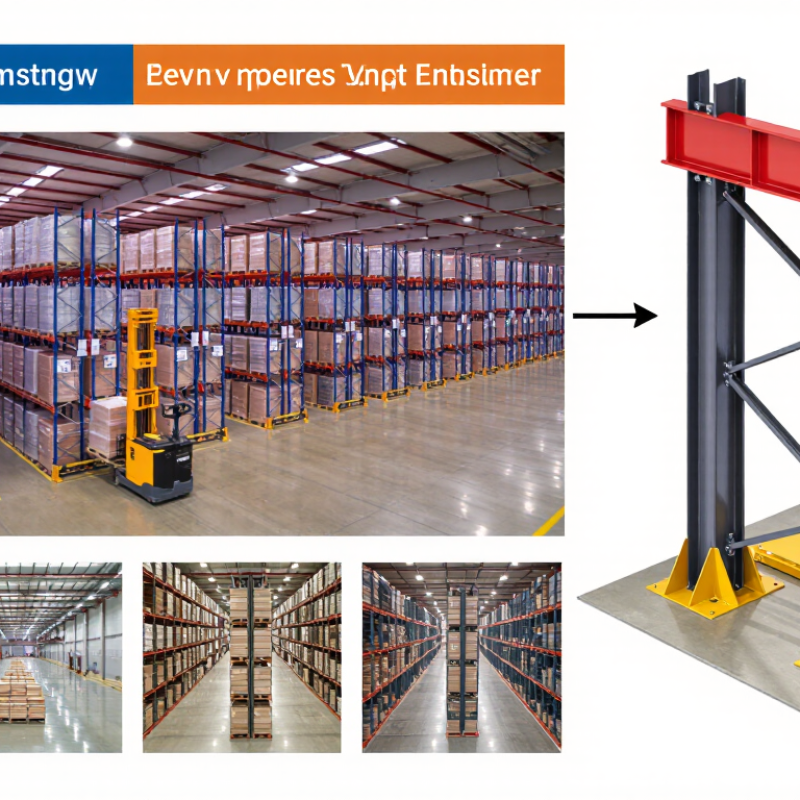
Drive-in storage is a high-density pallet racking system for uniform products and large inventory batches. A forklift enters the rack structure and places pallets on supported rails. It does not need a separate aisle for every pallet position. This design can use warehouse space more efficiently than selective racking, especially when floor area is expensive.
The system usually follows a last-in, first-out method. The newest pallet enters first and stays near the aisle. Drive-through versions allow forklift access from both ends, supporting a first-in, first-out flow. Product dimensions, pallet quality, forklift clearance, and load weight must match the rack design. A small mismatch can damage rails or create unsafe loading conditions.
The 2024 MHI Annual Industry Report found that 55% of supply-chain leaders planned to increase technology investment. That pressure makes storage density more important, but density is not everything. Drive-in racks may reduce picking flexibility and slow access to individual pallets. WERC’s warehousing benchmarking research also emphasizes measuring space use alongside productivity and order accuracy. Global buyers should request load calculations, installation drawings, safety inspections, and local compliance evidence.
They should also test real pallets before purchase. That step is easy to skip, and it can become an expensive mistake.
Why Choose Chinese Drive-In Storage for Global Warehouses?
Chinese drive-in storage suits warehouses handling uniform pallets and limited stock-keeping units. Its deep lanes reduce aisles and can raise pallet density by roughly 60–80% versus selective layouts. This matters when land, rent, and construction costs keep rising. The 2024 Annual Industry Report from the Material Handling Institute reports that more than half of supply-chain professionals face labor shortages. A compact layout can shorten travel distances and reduce daily forklift movement. Less movement helps. However, density is not the same as efficiency.
Chinese manufacturers can provide customized frames, rails, guards, and load specifications for different warehouse conditions. Experienced buyers should request steel certificates, welding records, surface-treatment details, and load-test documentation. European guidance, including EN 15635, emphasizes regular rack inspection and documented damage control. The World Bank’s 2023 Logistics Performance Index placed China among the world’s stronger logistics performers, supporting its mature manufacturing and export infrastructure. Still, factory quality varies. Independent inspection remains sensible.
Drive-in systems work best with stable pallet dimensions, batch storage, and a last-in, first-out process. They are less suitable for fragile goods, frequent picking, or strict first-in, first-out requirements. Forklifts enter the rack structure, so impact protection and operator training deserve attention. Site surveys should also review seismic conditions, floor capacity, fire systems, and local building codes. I would not choose this solution only because it offers a lower quotation. The cheaper option may create higher maintenance costs later.
China-made drive-in racking serves warehouses with many pallets of the same product. It uses rails inside deep lanes, allowing forklifts to enter the structure. This design removes many aisles and can increase floor utilization. However, it usually follows LIFO, or last-in, first-out, storage. It suits stable goods, bulk materials, and cold rooms with limited product variety. Drive-through racking supports access from both ends and may suit FIFO operations. The choice depends on inventory rotation, forklift clearance, and loading discipline.
Key features include reinforced uprights, pallet support rails, guide rails, entry protectors, and adjustable lane depths. Buyers should check steel thickness, weld quality, surface treatment, and rated capacity for each level. Powder coating works for many indoor areas, while galvanized parts can offer stronger protection in humid conditions. Request load calculations, installation drawings, and inspection records. Local seismic and fire requirements also deserve attention. A low price can hide thin components or weak protection.
Tips: Measure forklift mast height and turning space before ordering. Confirm pallet dimensions, weight, and lane depth with real samples. Ask for a trial bay when possible. I have seen layouts fail because pallets were slightly wider than expected. That small mistake caused difficult loading and repeated rail damage. Keep clear operating rules, inspect frames regularly, and replace damaged parts promptly. Even a well-designed system depends on careful forklift handling.
Choosing the best Chinese drive-in storage manufacturer requires more than comparing catalog prices. Start with the factory’s real production capacity. Request recent photos, machine lists, quality procedures, and export project references. A serious supplier should explain steel grades, beam loads, upright thickness, and manufacturing tolerances clearly.
Ask for engineering drawings based on your pallet size, forklift type, aisle width, and warehouse height. The design must reflect local fire, seismic, and occupational safety requirements. Check whether the manufacturer provides load calculations and installation guidance. Review welding points, surface coating, corner protection, and entry rails closely. Small defects can become expensive after repeated forklift contact.
Use a sample order or factory inspection before placing a large contract. Measure finished components against approved drawings. Confirm packaging, replacement parts, lead times, and inspection records in writing. Independent testing can verify steel strength and coating thickness. It adds cost, but it may reveal gaps hidden by polished presentations. I have learned that fast replies do not always indicate reliable engineering. A factory may also outsource key processes without explaining this clearly. Ask directly, and keep the answer documented. Supplier evaluation is never perfect.
China Best Drive-in Storage for Global Buyers?
When buying drive-in storage from China, quality starts with verifiable specifications. Ask for steel grade, coating thickness, weld standards, load ratings, and dimensional tolerances. A dependable supplier should provide production drawings, inspection records, and clear installation instructions. Photos help, but they cannot replace measurements or physical checks.
In warehouse projects I have reviewed, small coating defects often became visible after humid sea transport. Request corrosion protection details and moisture-resistant export packing. Confirm the loading plan, package dimensions, gross weight, and shipping terms before production. A container loading list can prevent costly surprises at the destination port. Independent inspection is worth considering, especially for large orders. It adds cost, but weak documentation can cost more.
Installation depends on the building, floor strength, anchor bolts, aisle clearance, and local safety requirements. The supplier should explain the installation sequence and required tools. Your local engineer should verify the concrete slab and anchoring method. Do not assume every warehouse floor is suitable. One mistake is treating installation as simple assembly; uneven floors can affect alignment and forklift movement. Leave room for adjustment. On-site conditions sometimes differ from approved drawings, and that needs careful review before drilling or fixing.
What Global Buyers Should Know About Quality, Shipping, and Installation
The chart compares nominal external dimensions of common ISO freight-container formats. These standardized dimensions help buyers evaluate transport compatibility, warehouse access, storage capacity, and installation requirements before placing an order. Actual internal clearances may vary because of wall thickness, doors, fittings, and local manufacturing tolerances.
Reference: ISO 668 nominal container dimensions. Dimensions are shown in metres.
Drive-in storage is a dense pallet-racking system for uniform products and large inventory batches. Forklifts enter the rack structure directly.
Forklifts place pallets on supported rails inside deep storage lanes. The system needs fewer aisles than selective racking.
Standard drive-in storage usually follows last-in, first-out rotation. Drive-through versions allow access from both ends and support first-in, first-out movement.
It suits stable pallets, batch storage, and limited product variety. It works poorly for fragile goods or frequent individual picking.
Deep lanes may increase pallet density by about 60–80% compared with selective layouts. Results depend on building shape, pallet sizes, and aisle design.
Confirm pallet dimensions, load weight, forklift clearance, floor capacity, and seismic conditions. Check fire protection and local building requirements too.
Request load calculations, installation drawings, steel certificates, welding records, and surface-treatment details. Independent inspection is sensible.
Small dimensional differences can damage rails or cause unsafe loading. Test actual pallets with the intended forklift before purchase.
No. Dense storage can reduce picking flexibility and slow access to individual pallets. Lower travel distance may not solve every workflow problem.
Use impact protection, trained forklift operators, and scheduled rack inspections. Damage should be recorded and corrected promptly. Inspection routines are easy to neglect.
Drive-in Storage is a high-density warehouse racking solution designed for storing large quantities of similar products on pallets. Forklifts enter the rack structure directly, allowing goods to be loaded and retrieved through a reduced number of aisles. This design maximizes floor space and is especially suitable for warehouses handling homogeneous inventory, seasonal goods, or products with relatively low stock rotation. Chinese manufacturers offer a wide range of drive-in systems, including single-entry and double-entry configurations, with adjustable dimensions, durable steel construction, protective components, and customized load capacities.
For global buyers, selecting a reliable Chinese Drive-in Storage manufacturer requires careful evaluation of production capability, material quality, structural testing, certifications, and experience with international projects. Buyers should also confirm packaging standards, shipping arrangements, delivery timelines, installation guidance, and after-sales communication before placing an order. Comparing technical drawings, load calculations, surface treatments, and warranty terms can help ensure the system fits local warehouse conditions and operational requirements. Proper planning and professional installation are essential for achieving safe, efficient, and long-term storage performance.

Hedaracking