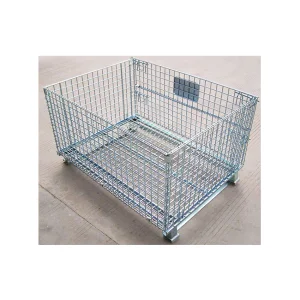
Explore our heavy-duty industrial storage racks, multi-tier mezzanine floors, and stackable steel containers designed to maximize floor space and efficiency.
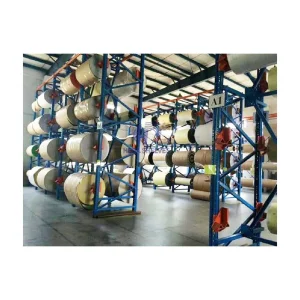
The global industrial landscape is undergoing a massive shift towards automation, dynamic inventory control, and ultra-high-density optimization. As global supply chain networks expand and land costs rise, industrial operations can no longer rely on simple floor storage. Implementing custom racking platforms is the primary method for optimizing structural footprint, ensuring safe warehouse dynamics, and facilitating high-speed operations.
Modern warehouse planning requires balancing static structural capacity with flexible workflow configurations. Companies must account for local environmental criteria, such as seismic activity and corrosion levels, alongside load metrics, lift equipment compatibility, and floor slab engineering. Selecting a tier-one racking manufacturer with validated engineering processes guarantees long-term operational uptime and structural safety.
At Heda, our design philosophy is built on structural validation and material science. We analyze load stress distribution, shear calculations, and deflection values rather than relying on guesswork. Our production procedures are backed by rigorous quality testing to ensure every system supports its designated weight under constant operational wear.
A premier manufacturer and global exporter of high-grade industrial racking and customized automated logistics equipment.
Established in 2014, Shenzhen Heda Warehouse Equipment Co., Ltd. is a premier manufacturer specializing in heavy-duty warehouse racking and industrial storage solutions. Spanning a modern manufacturing facility of 35,000 m², our enterprise integrates R&D, design, production, and international marketing to serve diverse storage needs worldwide. With 12 years of industry experience and 8 years of dedicated export expertise, we deliver high-caliber storage systems that generate over $28 million in annual export revenue.
At Heda, quality control and engineering innovation drive our core operations. Our robust QC department comprises 45 skilled inspectors utilizing rigorous testing methods, including raw material tensile testing, automated weld flaw detection, layer load-bearing stress analysis, and salt spray surface corrosion testing. Supported by a professional R&D team of 28 senior structural engineers, we maintain strong full-customization capabilities (OEM/ODM)—offering tailored rack dimensions, load capacities, surface coatings, and layout designs. Driven by continuous innovation, we launched over 120 new dynamic storage products and component upgrades last year.
Operating with a strong direct-factory and international trade background, we have built a resilient ecosystem supported by over 800 supply chain partners. Our products are exported to major global markets, including North America, Western Europe, Southeast Asia, and the Middle East. We proudly serve a diverse clientele ranging from third-party logistics (3PL) providers and large distribution centers to industrial manufacturers and wholesale equipment distributors.
Every storage component undergoes high-precision automated shaping, structural welding, and electrostatic powder coating inside our 35,000 m² factory.
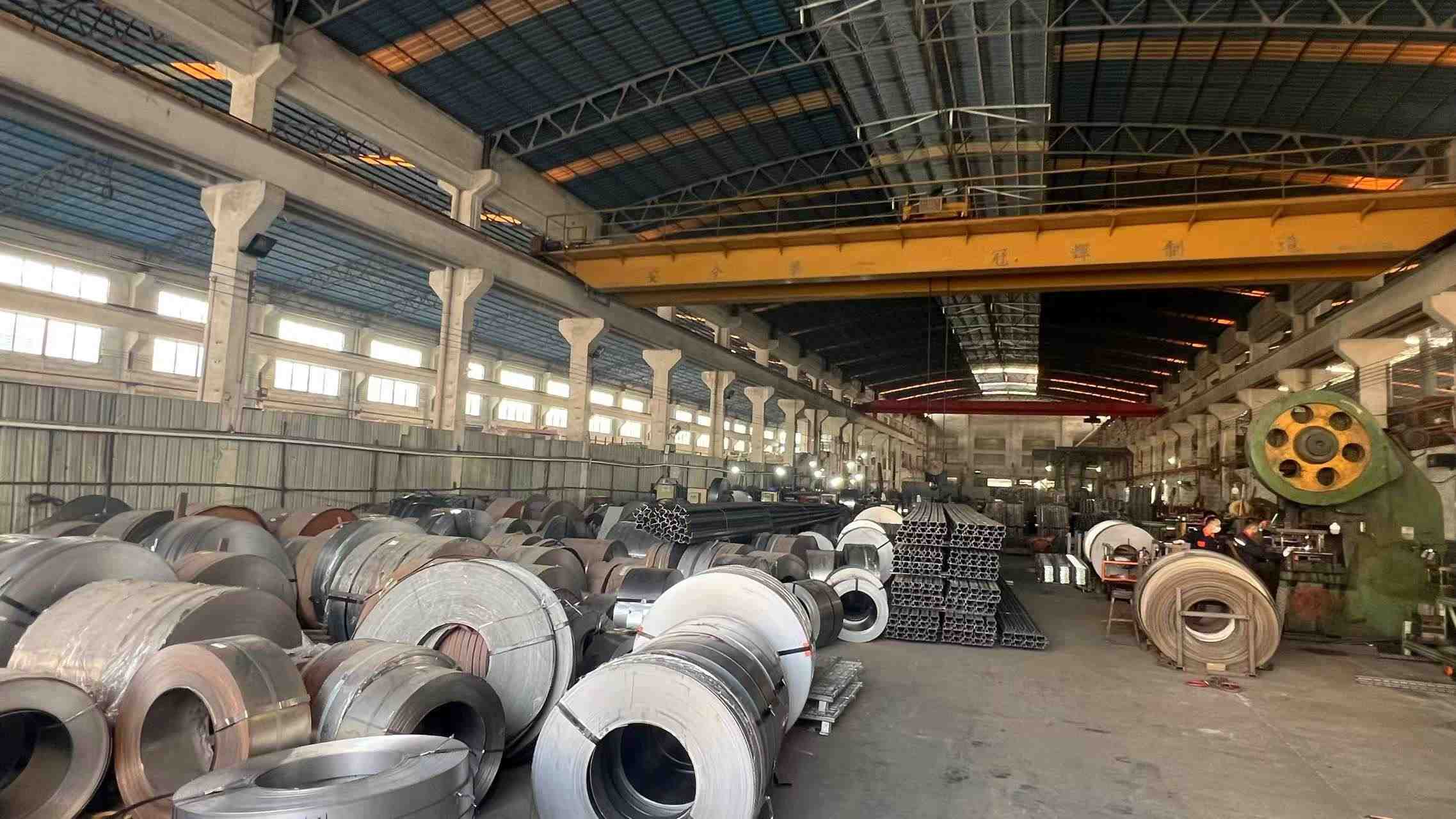
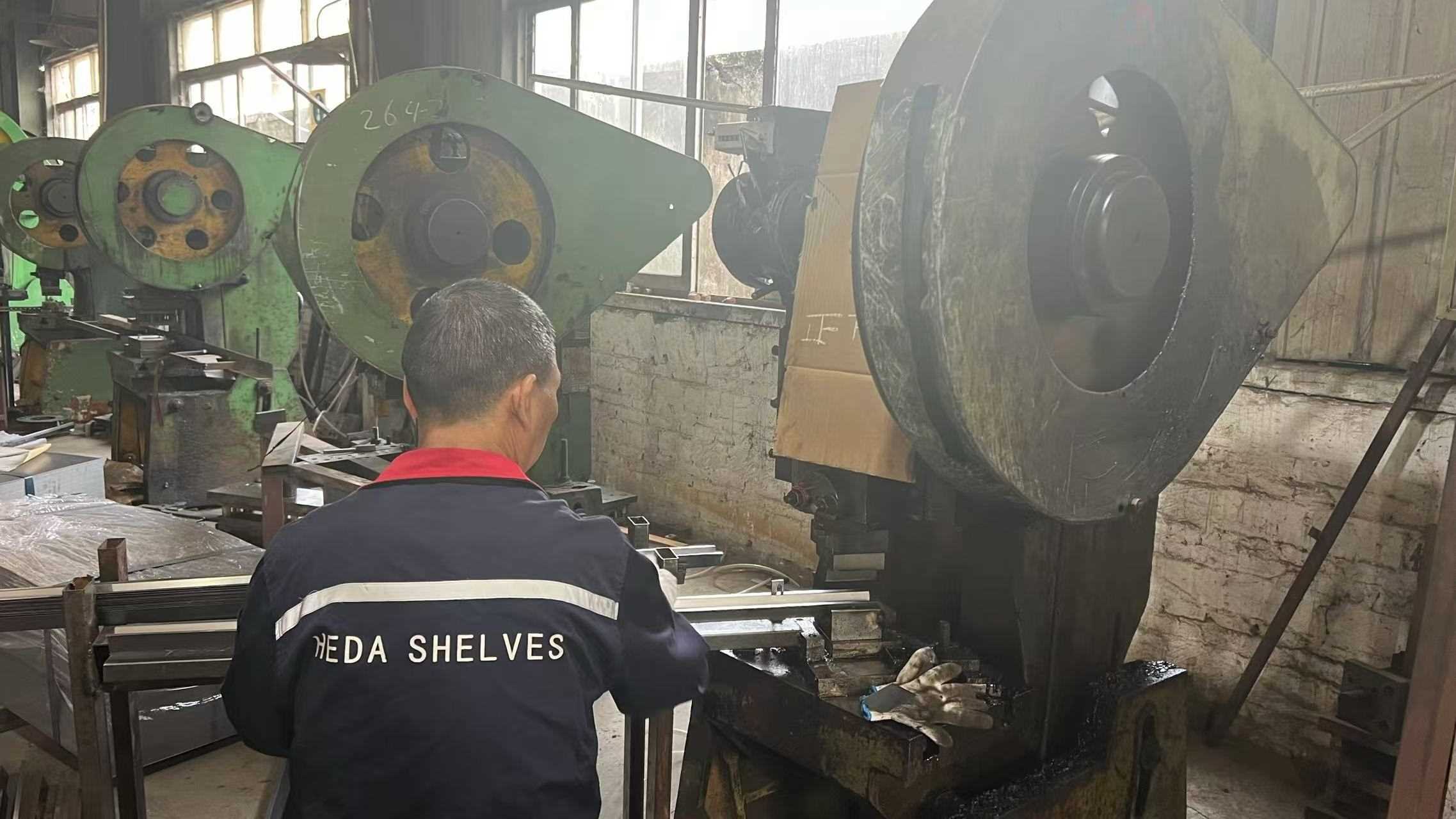
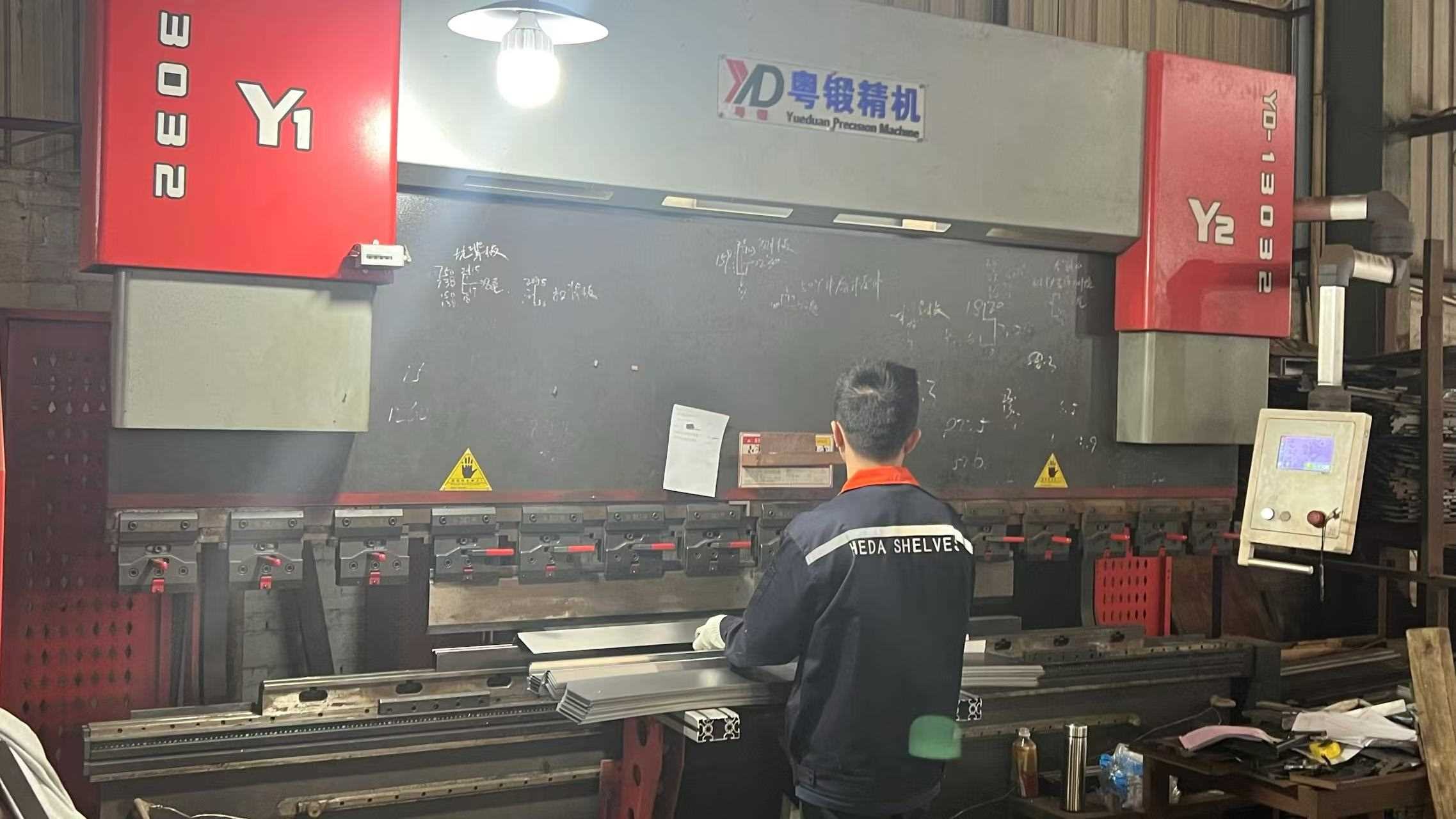
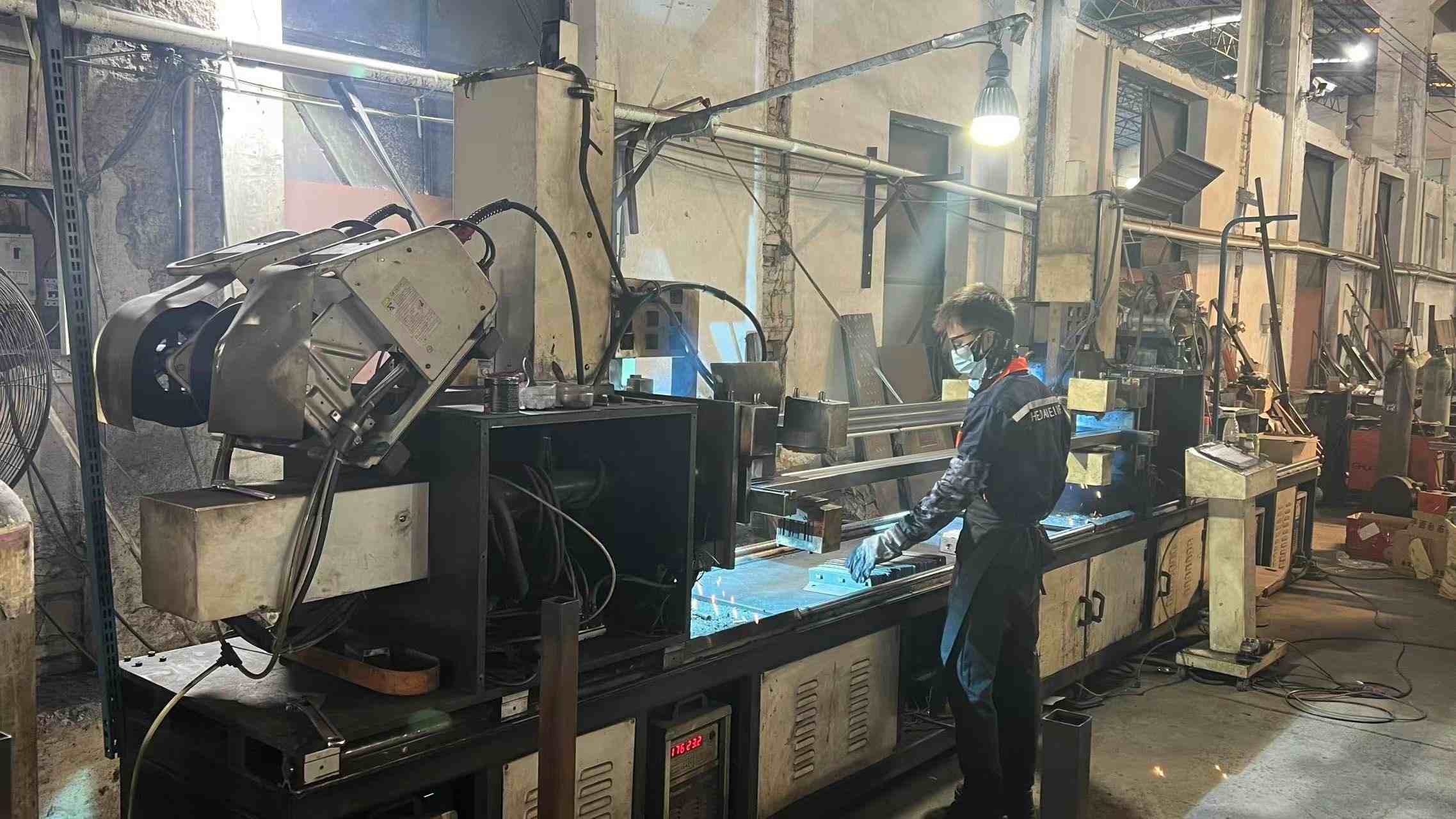
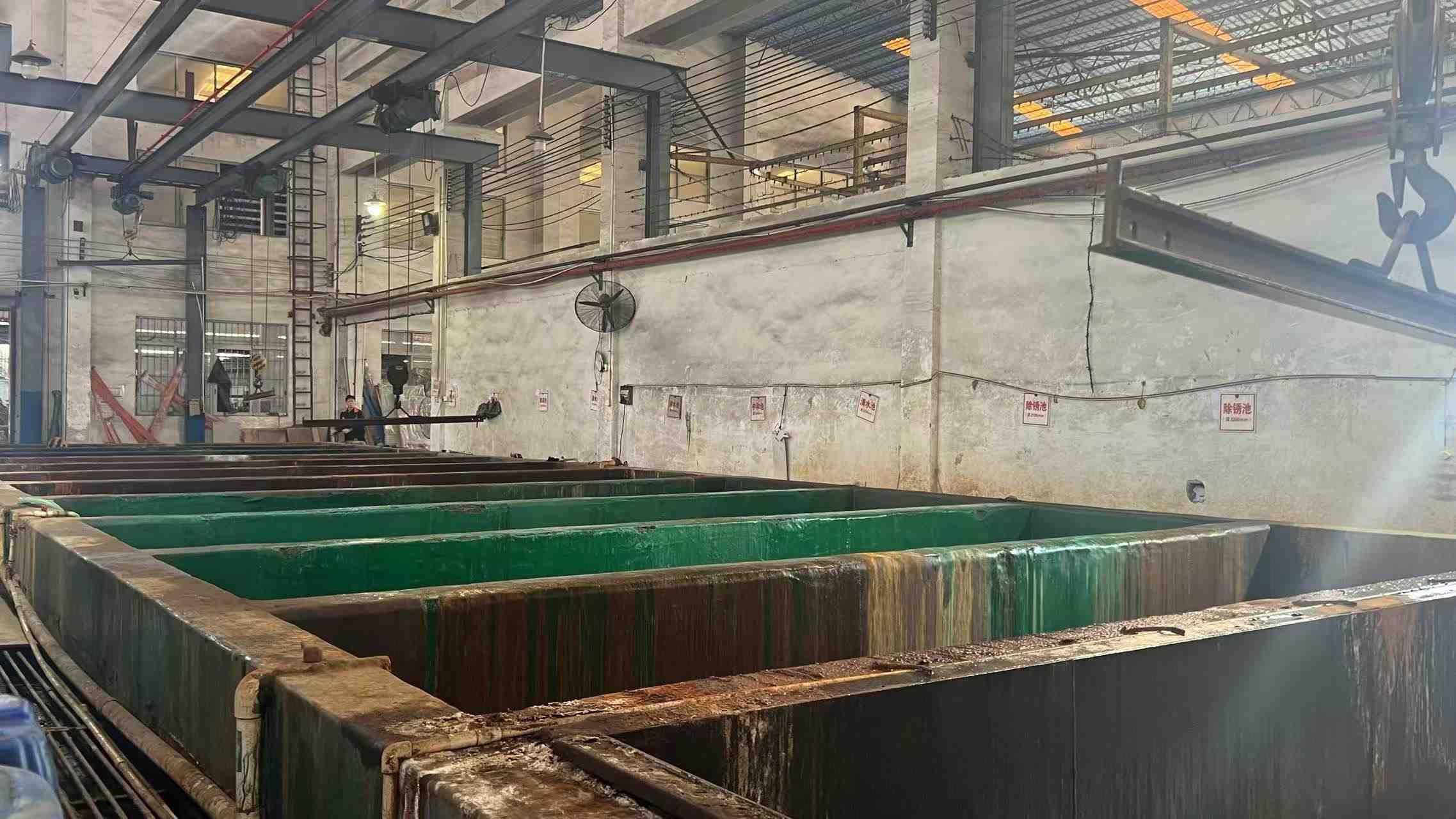
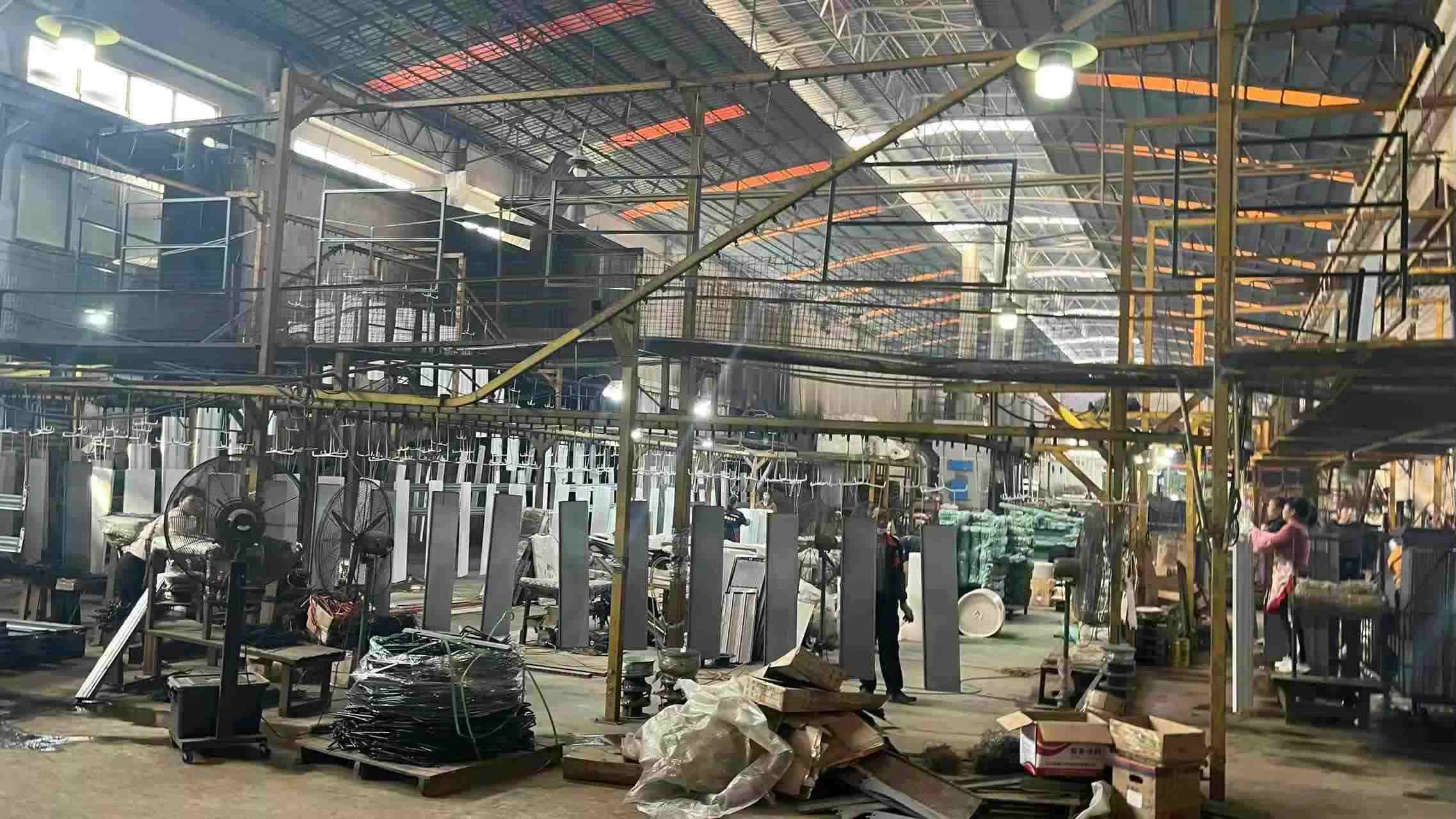
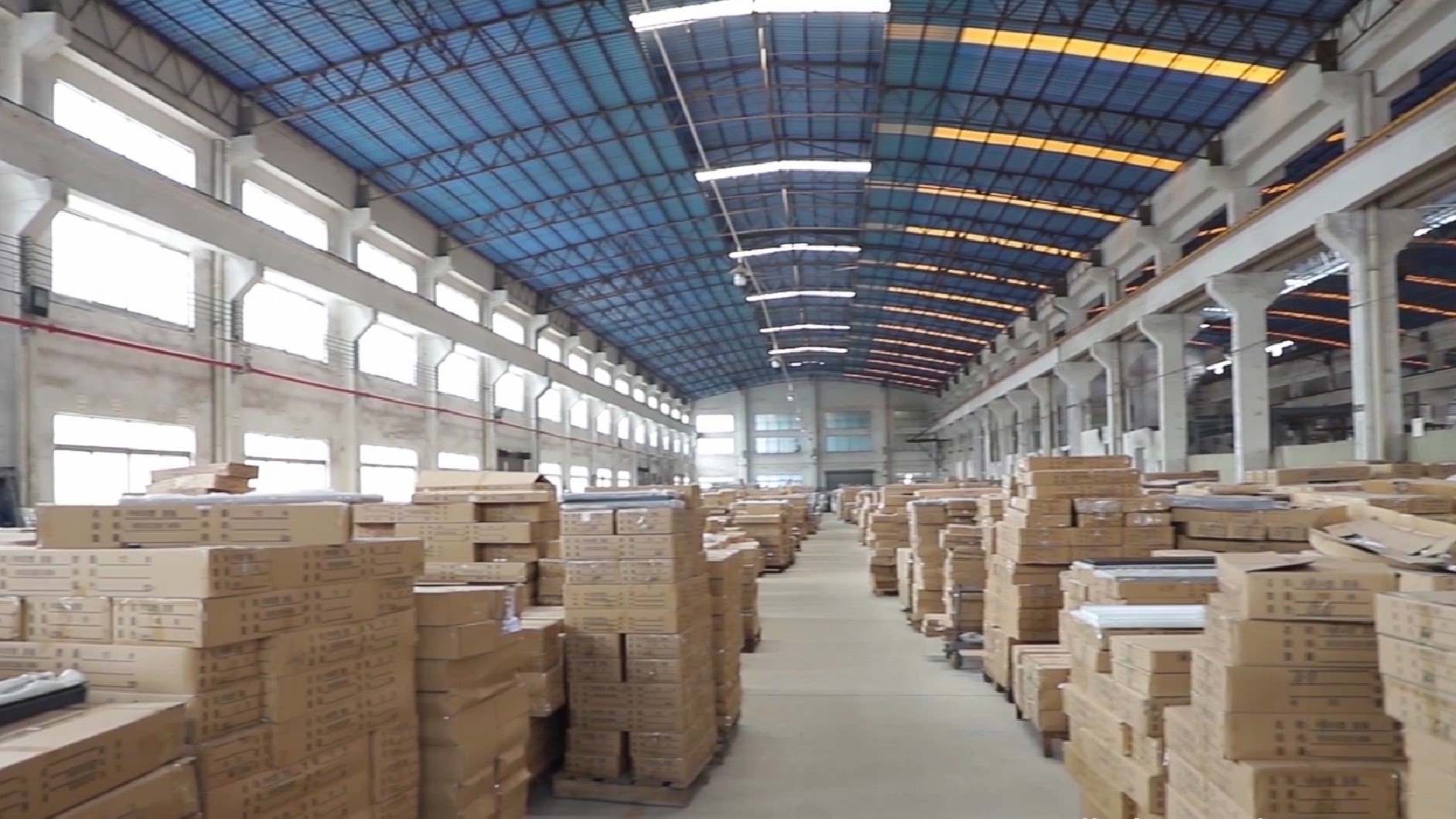
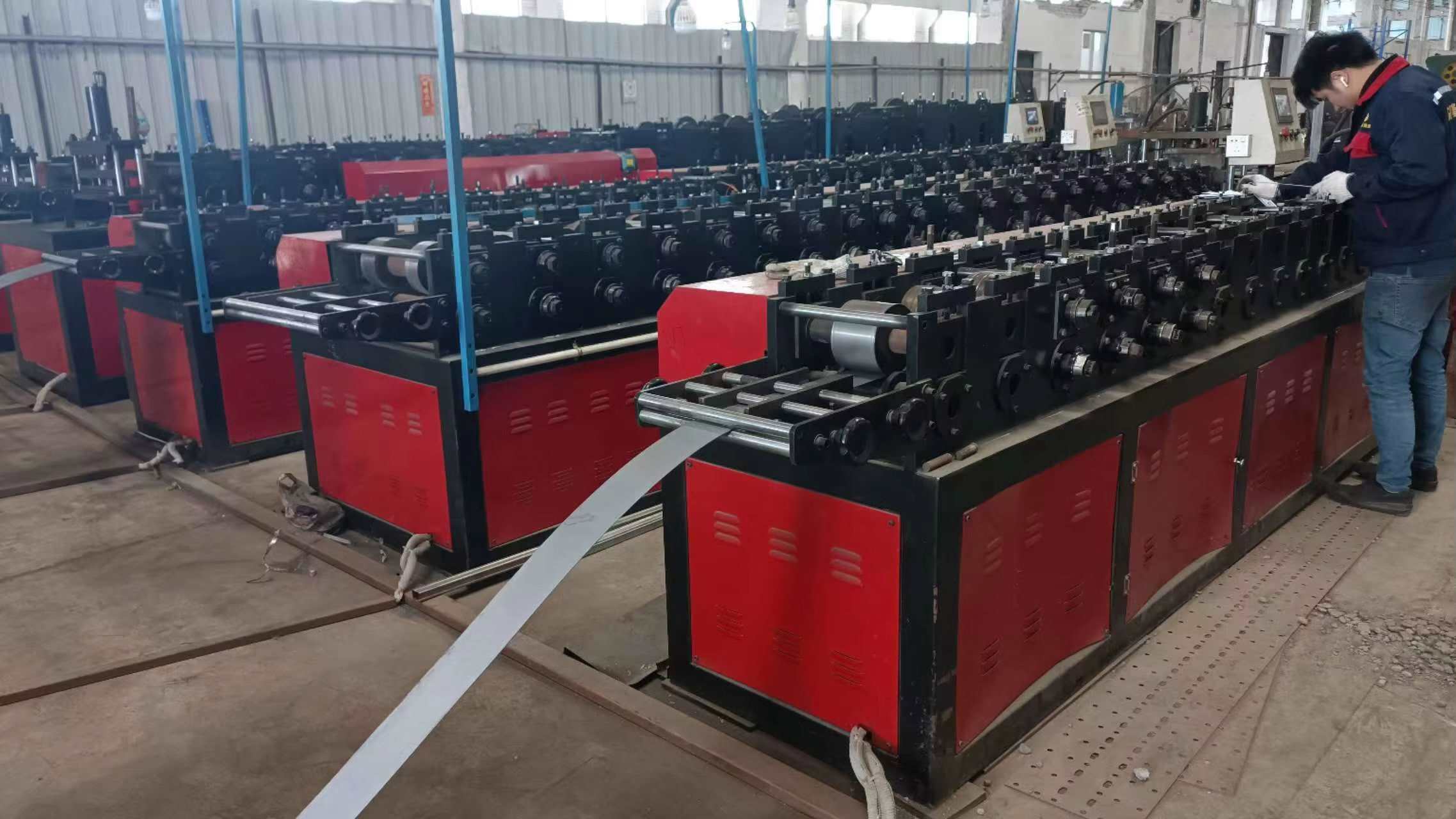
Heda operates high-capacity machinery to process cold-rolled steel coils into heavy-duty storage racks with tight tolerance standards.
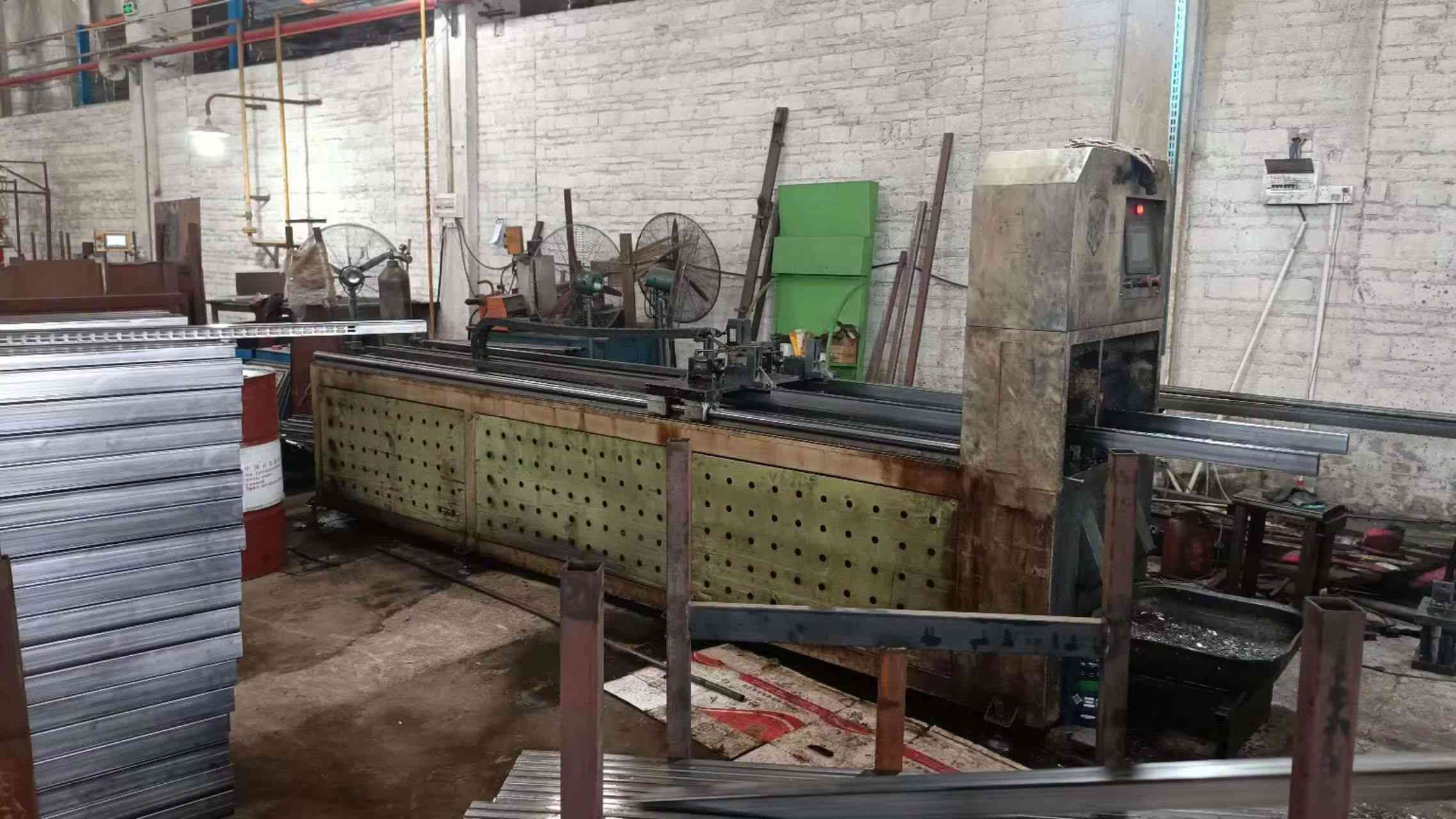
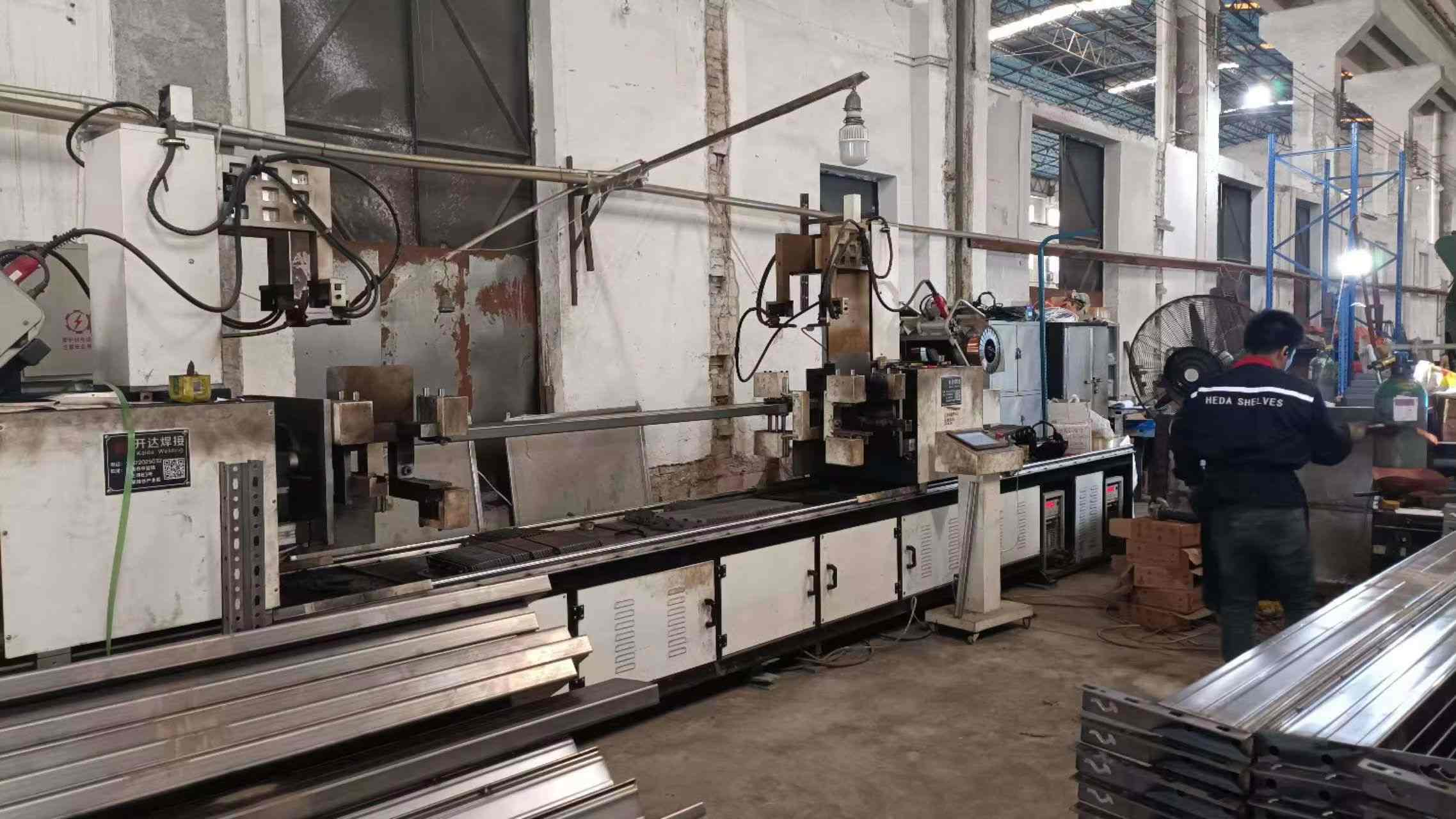
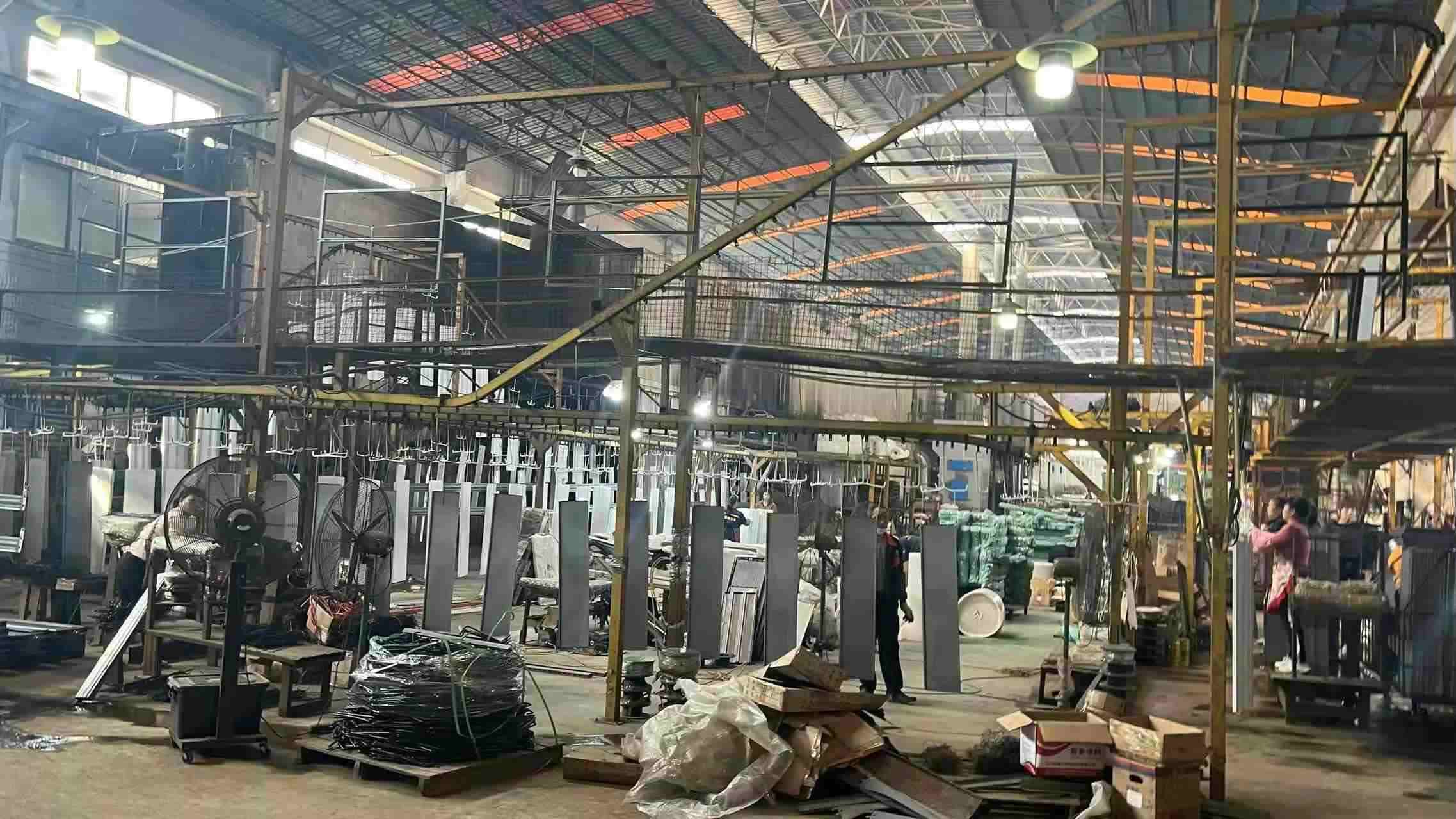
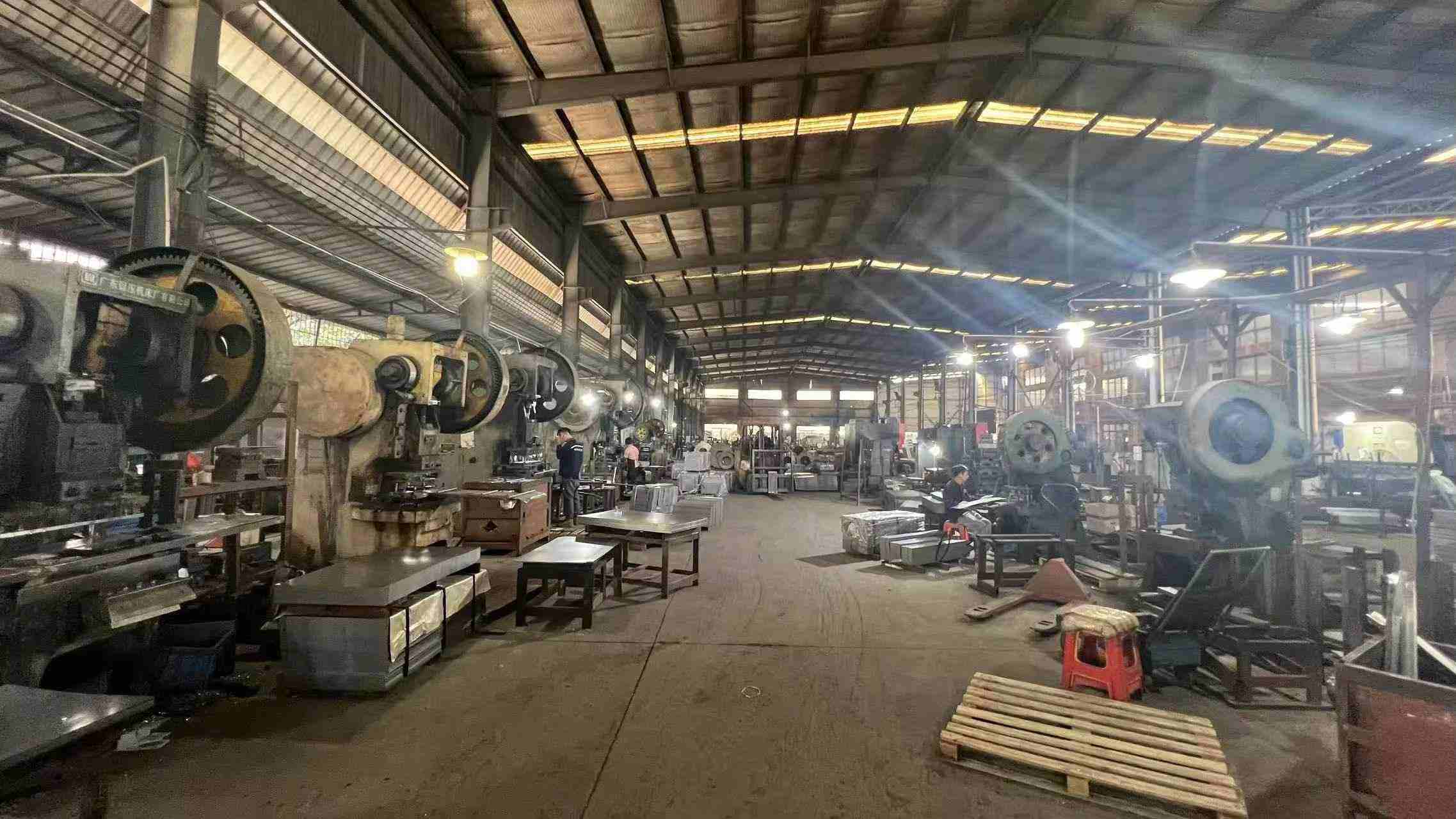
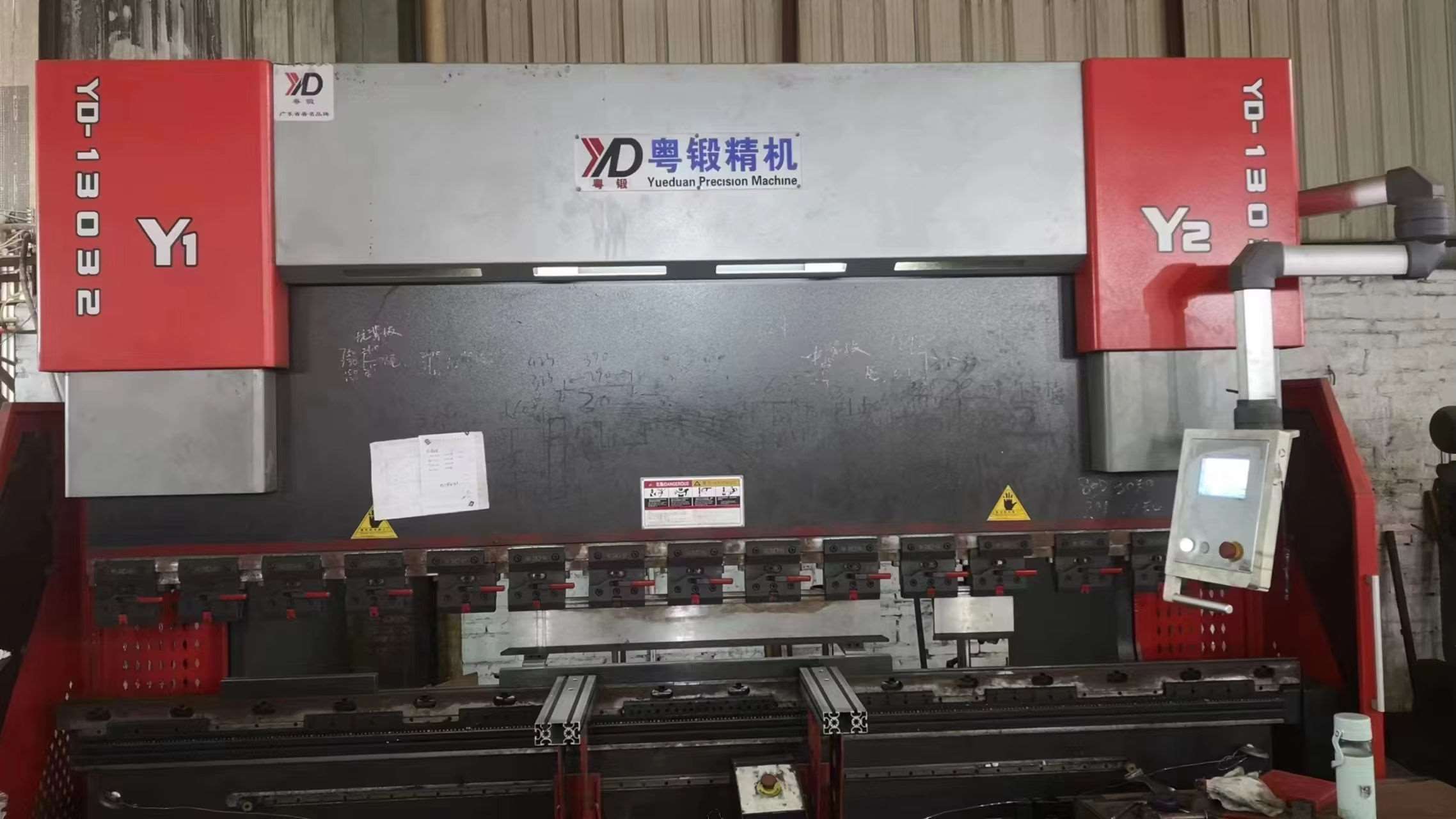
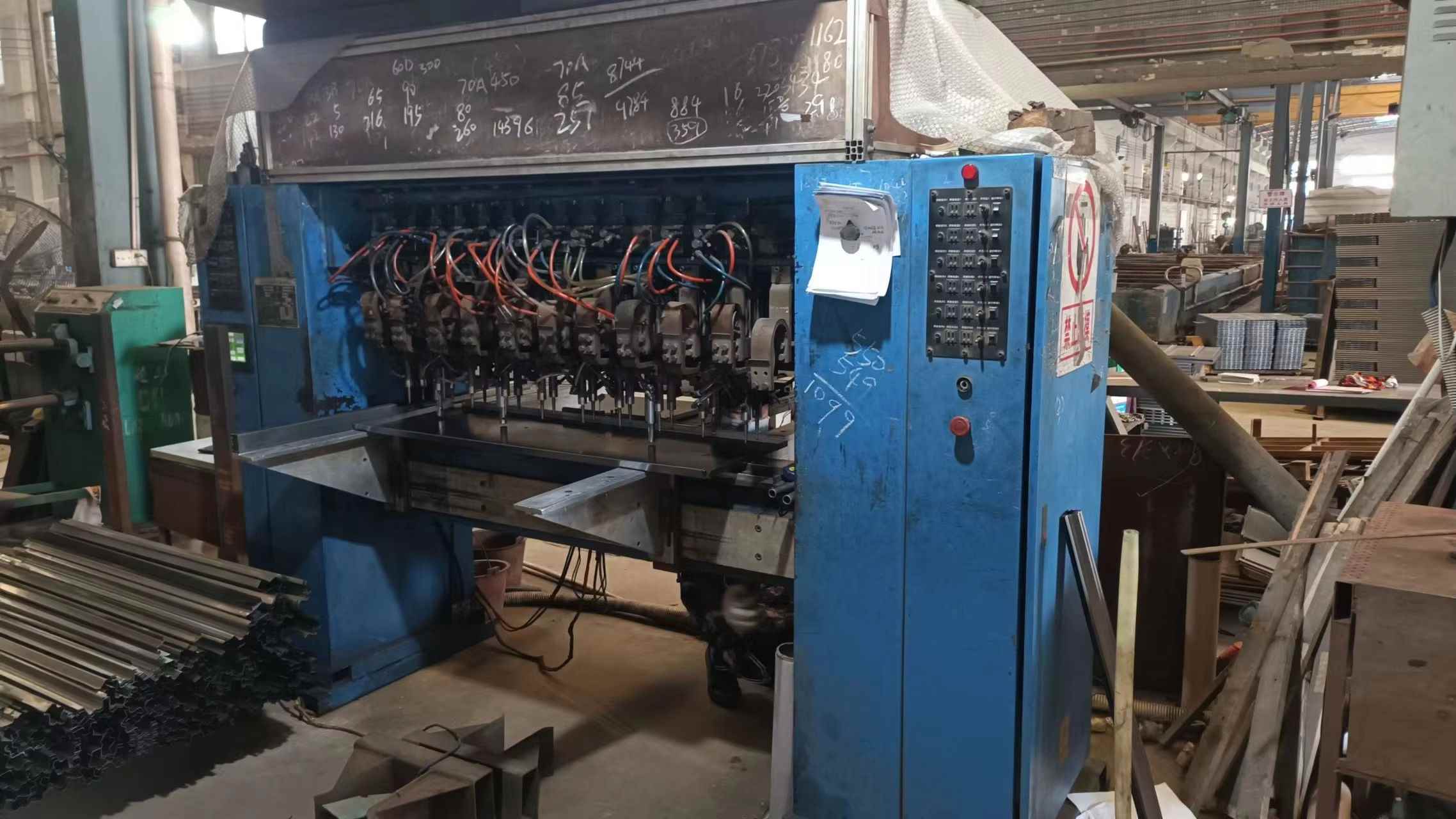
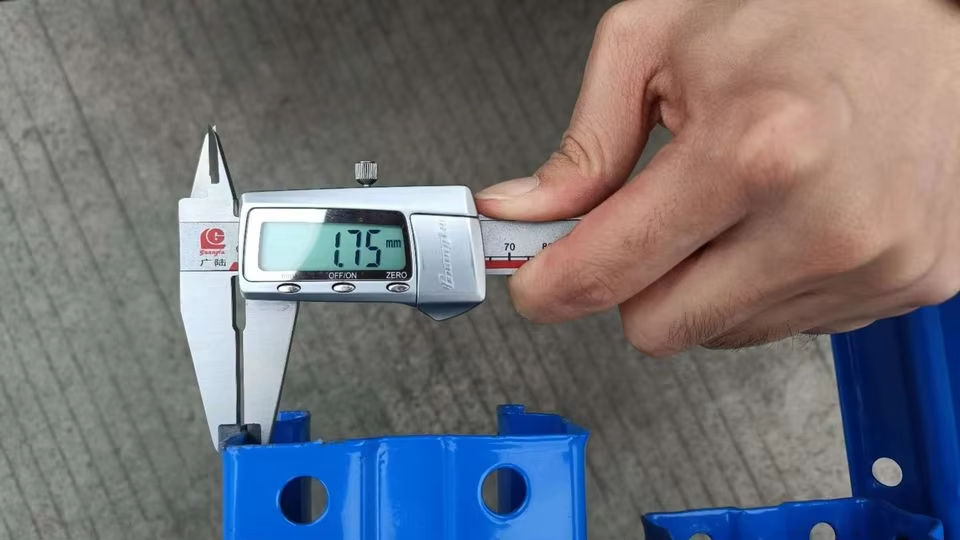
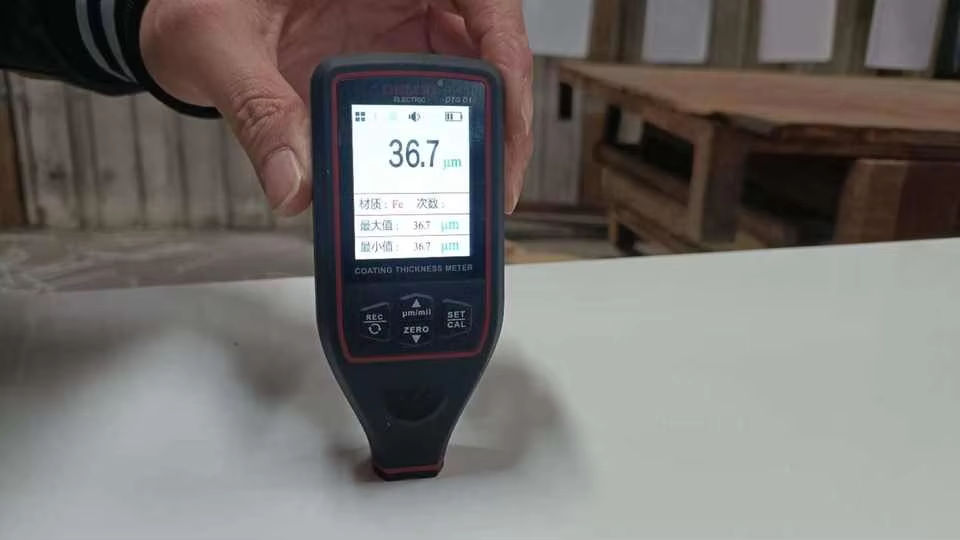
Our 45-person QC department uses calibrated instruments to verify structural thickness and protective finish durability.
Customized storage engineering designs tailored for complex supply chains and demanding operating environments.
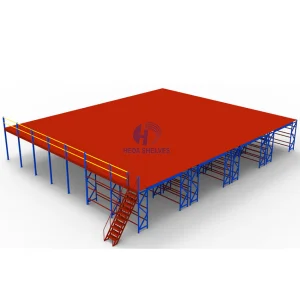
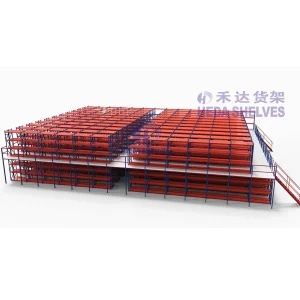
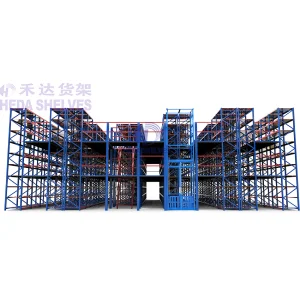
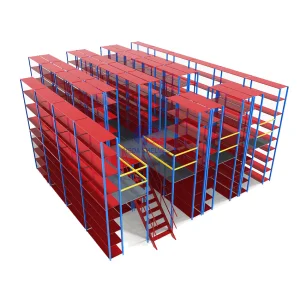
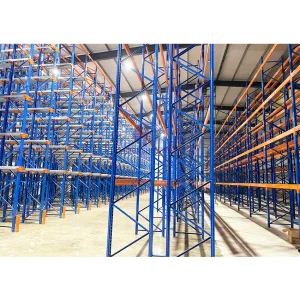
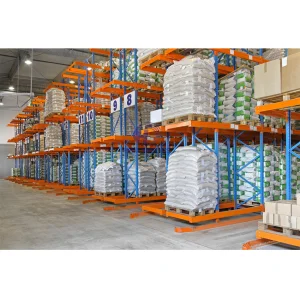
High-turnover SKU profile optimization utilizing multi-tier mezzanine floor platforms and dynamic selective racking to facilitate pick rates, minimize walk times, and optimize cubic capacity.
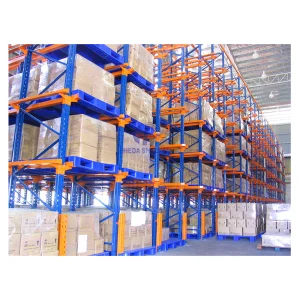
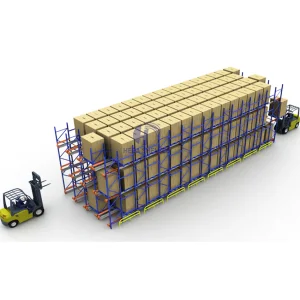
Maximum density designs for sub-zero environments using drive-in racks and automatic 4-way shuttle systems. Reduces refrigeration energy costs by minimizing free air space.
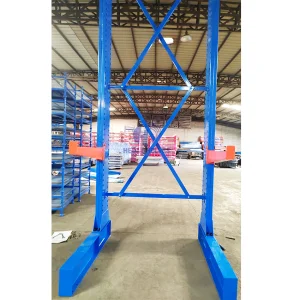
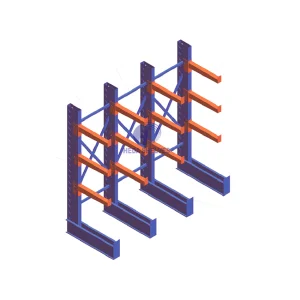
Robust cantilever racking systems and reinforced heavy-duty pallet racks designed for storing structural timber, metal pipes, machinery parts, and raw steel stock safely.
Industrial steel storage systems require precise structural validation to prevent collapse, balance floor loads, and handle dynamic impacts.
Designing a safe racking system requires calculating bending moments, vertical deflection limits, and seismic base shear values. The upright frame acts as a compression column subjected to combined axial and bending stresses. According to FEM 10.2.02 and RMI standards, the deflection of load beams under full load must not exceed L/200 (where L is the beam length) to ensure safety and stability.
We manufacture using high-tensile, cold-rolled structural steel (typically Q235B or Q355B grades) with consistent yield and tensile strength. Upright columns feature a teardrop or hexagonal punch pattern to provide rigid mechanical interlocking with the load-beam connector hooks. 3-hook or 4-hook connectors with integrated safety locks prevent accidental beam dislodgement from lift trucks.
The table below details standard structural capacities for our primary racking systems. These are calculated under static load conditions with evenly distributed weight distributions:
| Storage Racking System Type | Common Steel Grade | Average Load Capacity (Per Level) | Maximum Practical Height | Fulfillment Method |
|---|---|---|---|---|
| Selective Pallet Racking | Q235B / Q355B | 1,000 to 4,000 kg | 12.0 meters | First-In, First-Out (FIFO) |
| Industrial Cantilever System | Q355B Structural | 500 to 1,800 kg per arm | 8.0 meters | Forklift Side Loading |
| Multi-Tier Storage Mezzanine | Q235B Beam & Plate | 300 to 1,000 kg/m² | 3 Tiers (Max 9m) | Manual Pick / Conveyor |
| Drive-In Pallet Racking | Q235B Cold Rolled | 800 to 1,500 kg | 10.0 meters | Last-In, First-Out (LIFO) |
| Automatic 4-Way Shuttle | Q355B Machined Rail | 1,000 to 1,500 kg | 24.0 meters (AS/RS) | FIFO or LIFO Automated |
Ensuring site approvals and warehouse safety across international jurisdictions through engineering compliance.
Our systems meet the Rack Manufacturers Institute (RMI) MH16.1 specifications, using AISI standard steel values and AISC cold-formed calculations to pass local structural inspections.
Manufactured in alignment with FEM 10.2.02 (Design of Steel Static Pallet Racking) and EN 15512 standards. Features verified structural calculations for safety tolerances and seismic design.
Fully compliant with the AS 4084-2012 Steel Storage Racking code, validating permissible stress configurations, column base anchor testing, and horizontal deflection limits.
The future of logistics is intelligent, dense, and automated. Here is how Heda is integrating new technology into traditional structural steel designs.
Modern racking requires precise dimensional tolerances to support Automated Guided Vehicles (AGVs) and Autonomous Mobile Robots (AMRs). Heda has improved manufacturing tolerances on automated run rails to ±0.5mm, reducing guidance deviations and facilitating smooth robotic travel.
We are testing smart racking prototypes featuring embedded strain gauge sensors. These IoT sensors monitor real-time beam stress and structural load shifts, sending alerts to warehouse safety managers if a structural overload occurs.
Answers to common structural engineering, procurement, and deployment questions regarding heavy-duty warehouse equipment.
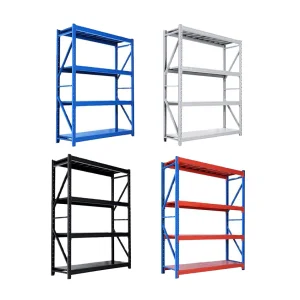
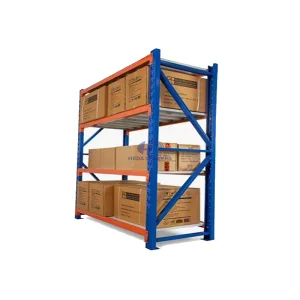
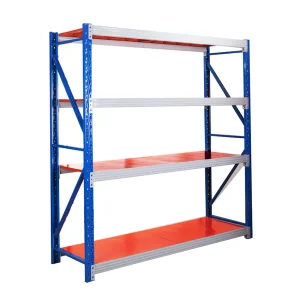
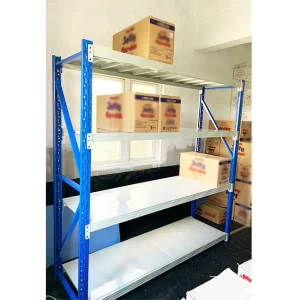
Explore our customizable heavy-duty steel shelves, high-capacity industrial pallet racks, and automated space-saving designs.
 Hedaracking