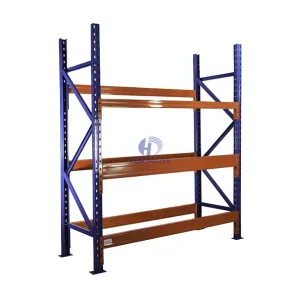
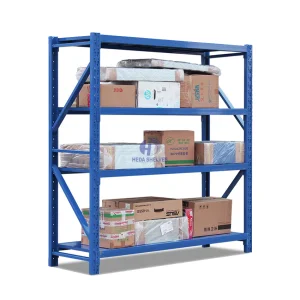
In modern supply chain architecture, vertical cube utilization and picking speed represent the threshold between profitability and stagnation. As logistics paradigms shift from legacy bulk storage to high-throughput omnichannel fulfillment, the demand for versatile, modular, and load-optimized shelving has reached unprecedented levels. While heavy-duty pallet racking forms the backbone of bulk storage, light and medium-duty racking systems serve as the precise conduits for manual order preparation, components staging, retail replenishment, and SKU-intensive storage.
Finding an expert light/medium duty racking exporter is critical for global supply chain procurement managers, 3PL distributors, and industrial plant managers. It is not merely about sourcing raw steel; it is an optimization calculus involving structural yield strength, automated punching tolerances, powder coat corrosion resistance, and total landed cost. This whitepaper analyzes the current commercial realities, factory efficiency standards, regional application cases, engineering developments, and the specific procurement matrices that dictate successful long-term partnerships in the racking industry.
The global warehousing market is experiencing a profound transition. Rapid urbanization, the explosion of e-commerce, and shifts towards just-in-time (JIT) manufacturing have forced facilities to maximize horizontal and vertical footprint efficiency. According to recent logistics market research, the need for light-to-medium payload systems (supporting 100kg to 500kg per layer) is growing faster than traditional static heavy pallet racking. This surge is driven by:
Geographically, markets in North America, Western Europe, and the Middle East are enforcing tighter warehouse safety regulations (such as OSHA, FEM, and EN standards). Consequently, companies are moving away from uncertified local fabrication toward global, ISO-compliant light/medium duty racking exporters who can provide raw material certificates, strict weld test data, and uniform loading structural declarations.
China's prominence as a premier global hub for racking export is anchored in absolute engineering control, material abundance, and advanced manufacturing automation. As a leading manufacturer in the space, Shenzhen Heda Warehouse Equipment Co., Ltd. demonstrates how domestic production efficiencies resolve international supply chain challenges:
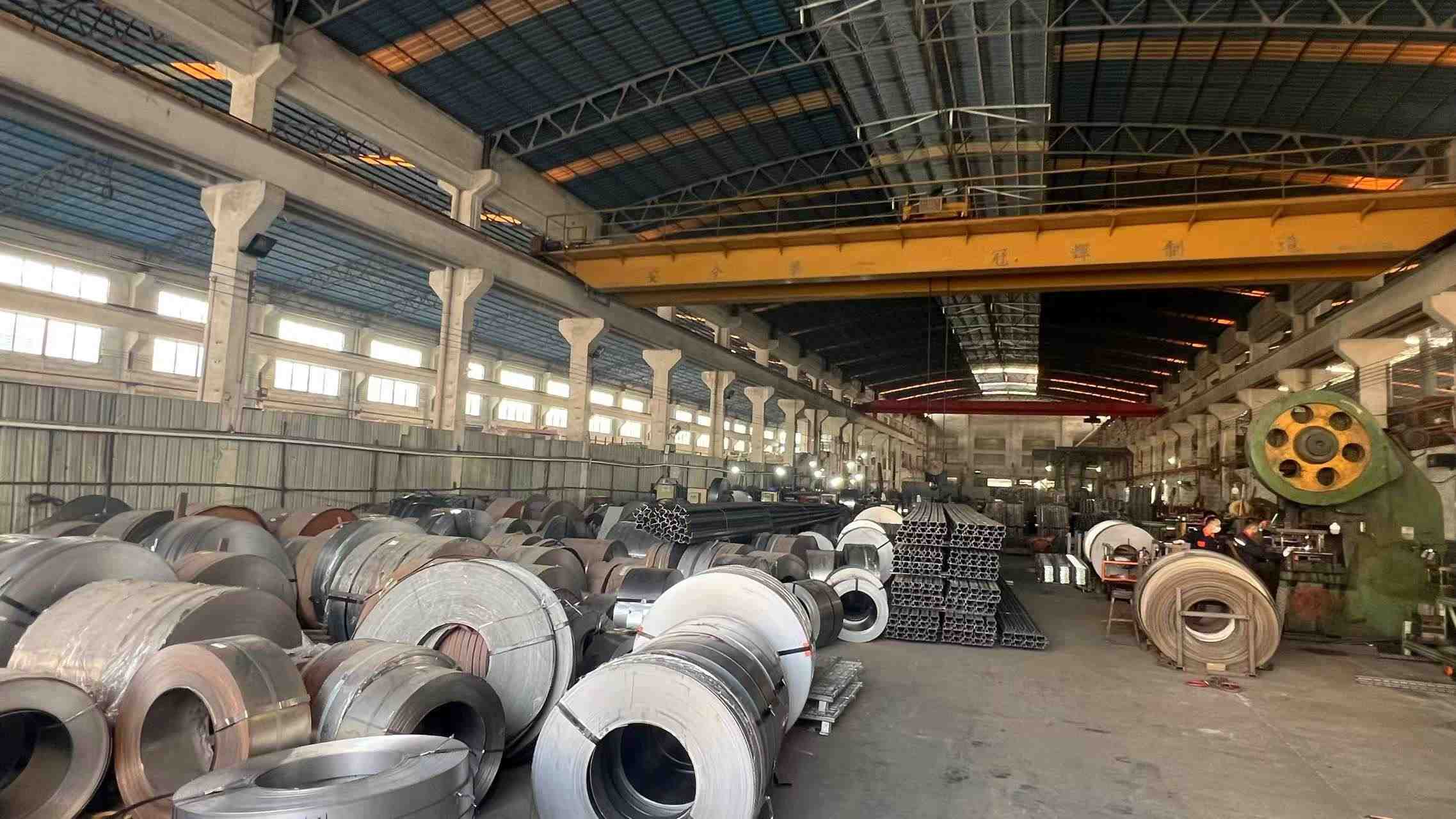
1. Raw Material Supremacy: Being closely integrated with Tier-1 Chinese steel mills ensures consistent access to premium Q235B cold-rolled steel. This grade offers an optimal balance of ductility and tensile strength, crucial for cold-forming upright profiles that resist buckling under localized stress.
2. End-to-End Automated Automation: The transition from rolling mills to automated multi-station CNC punching machines guarantees punch-spacing accuracy down to <0.1mm. High-precision automated punching ensures that locking tabs, beam connectors, and safety locks engage seamlessly during field installation, eradicating structural play and assembly delays.
3. Cost-Effective Coating Technologies: Surface preparation is the primary defense against rust. The multi-stage chemical pretreatment line—combining acid wash pickling, phosphating, and automatic dry-off—prepares the steel for powder deposition. Automated electrostatic powder coating lines apply a uniform 60–80 micron layer of epoxy-polyester coating, providing outstanding resistance to impact, scratches, and salt-spray corrosion.
Below is a visual and descriptive overview of our 35,000 m² factory production process. Each step is carefully measured and documented under a strict quality management system overseen by our 45-person QC department.
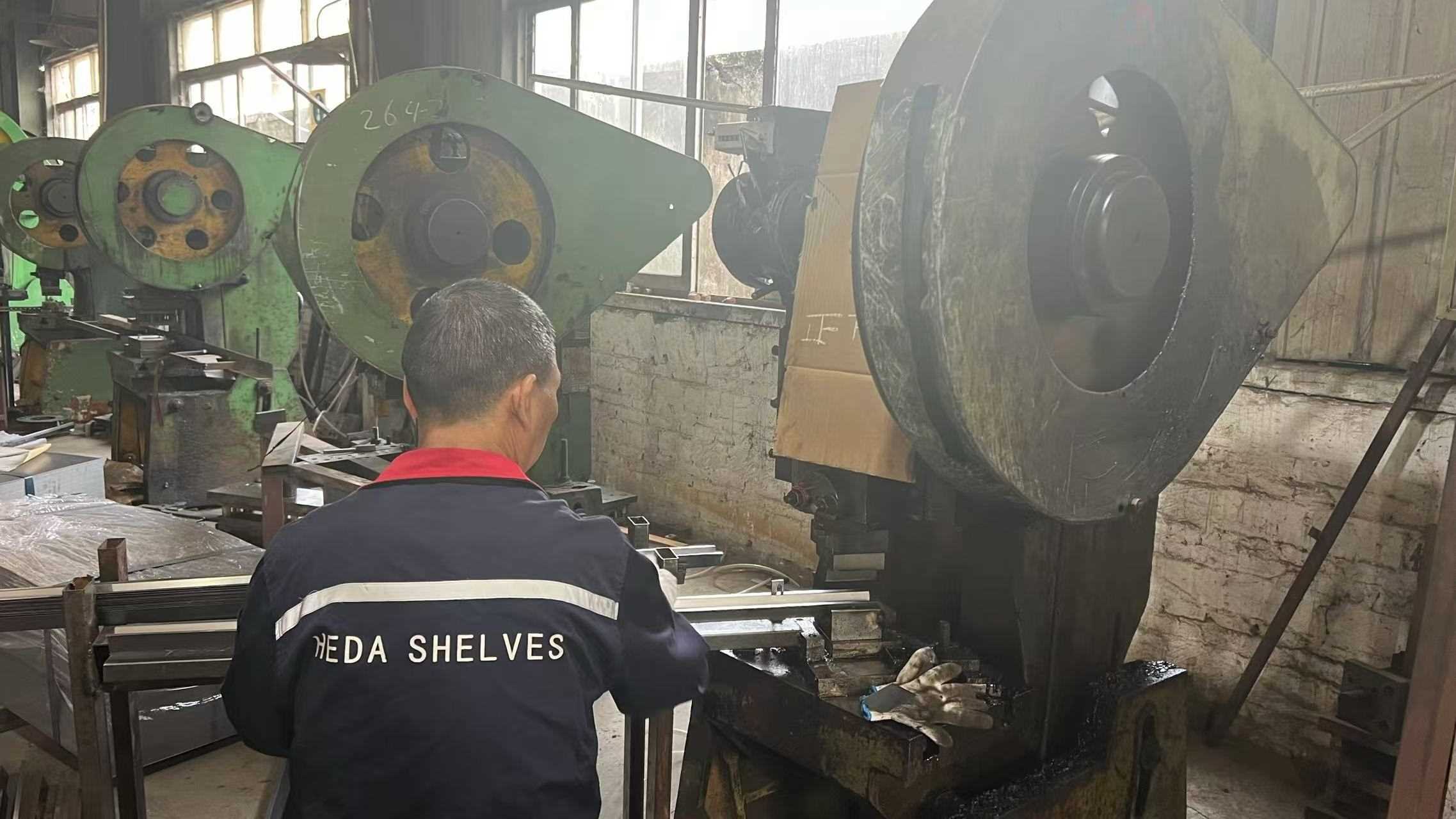
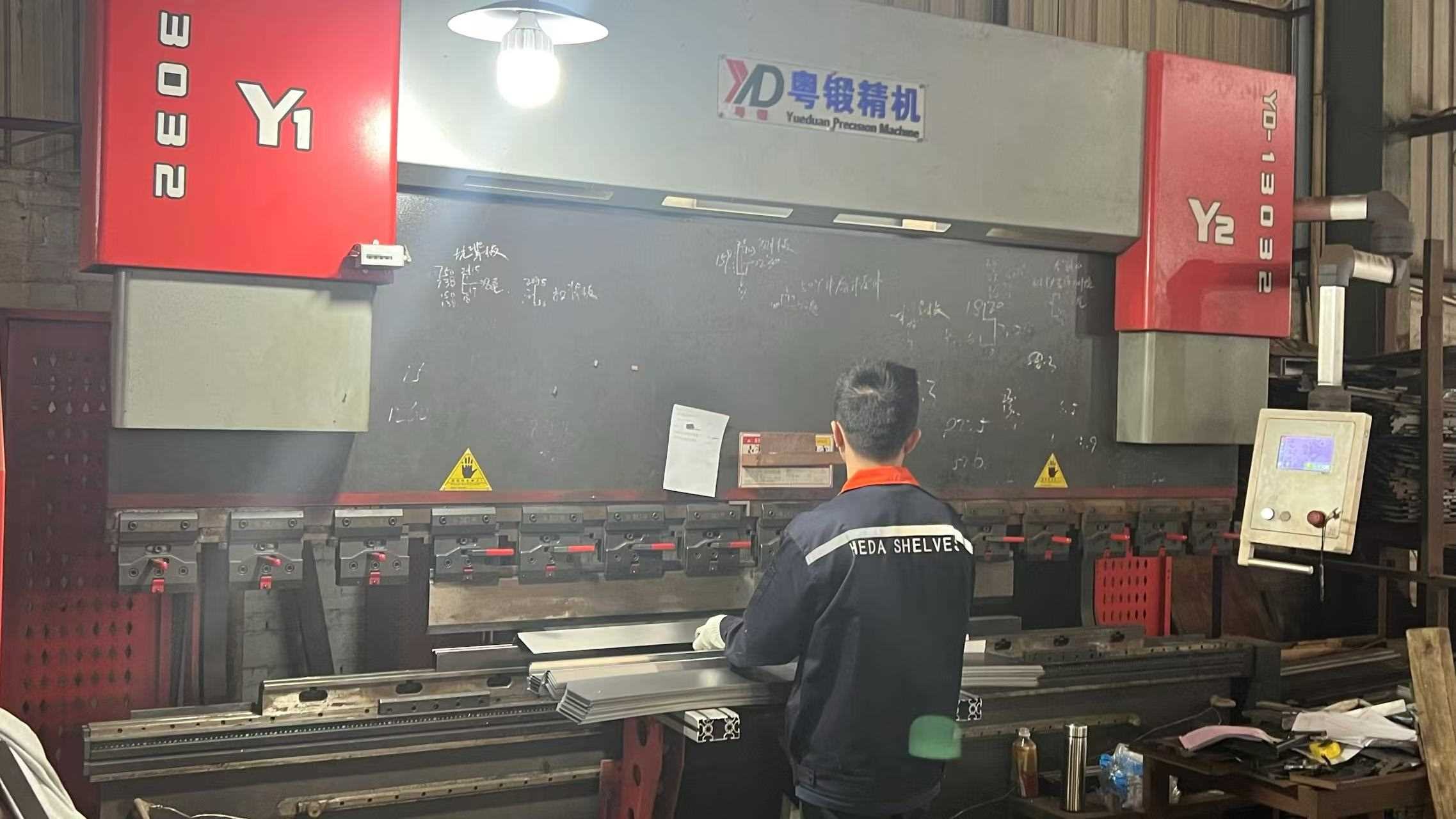
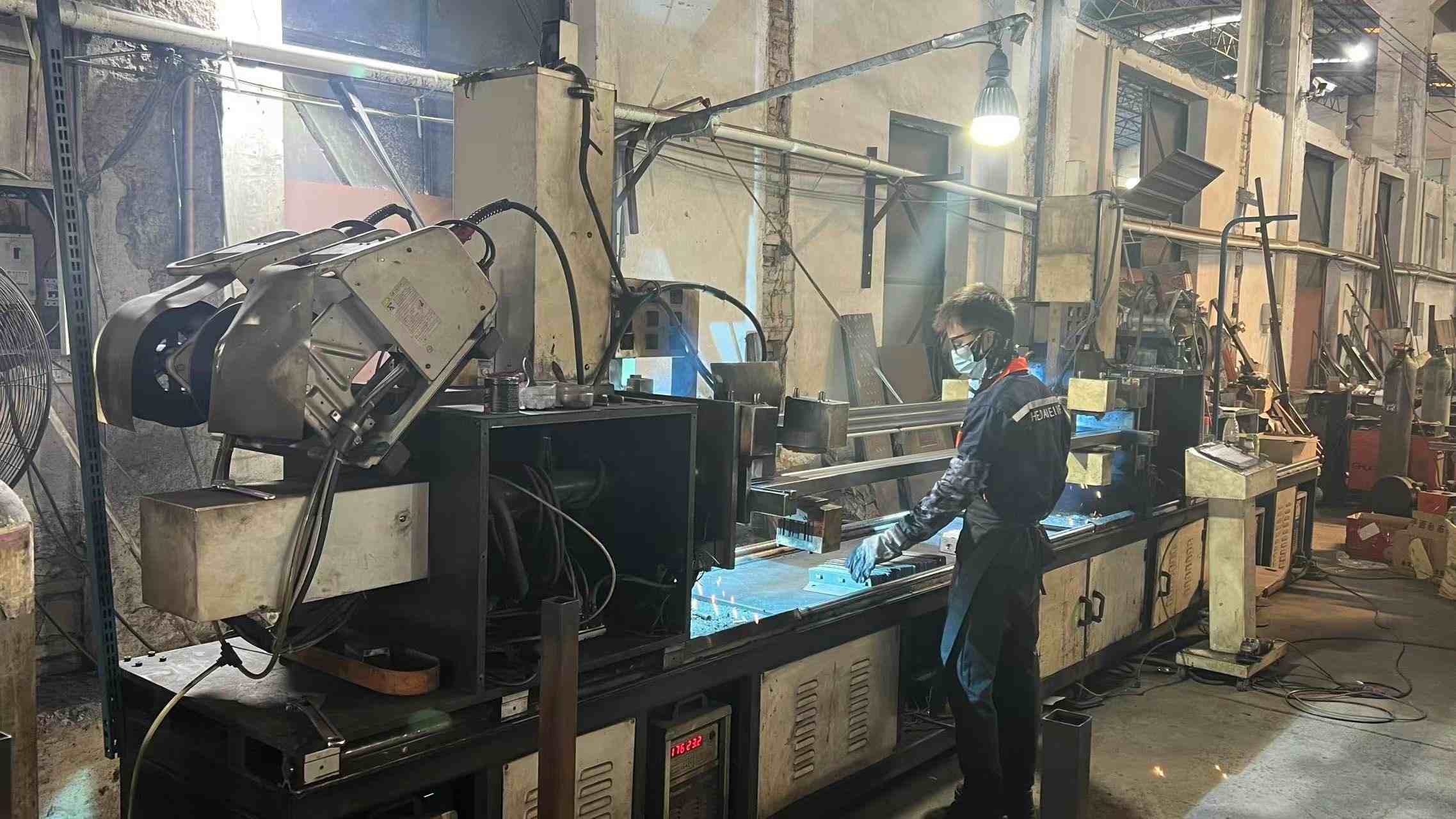
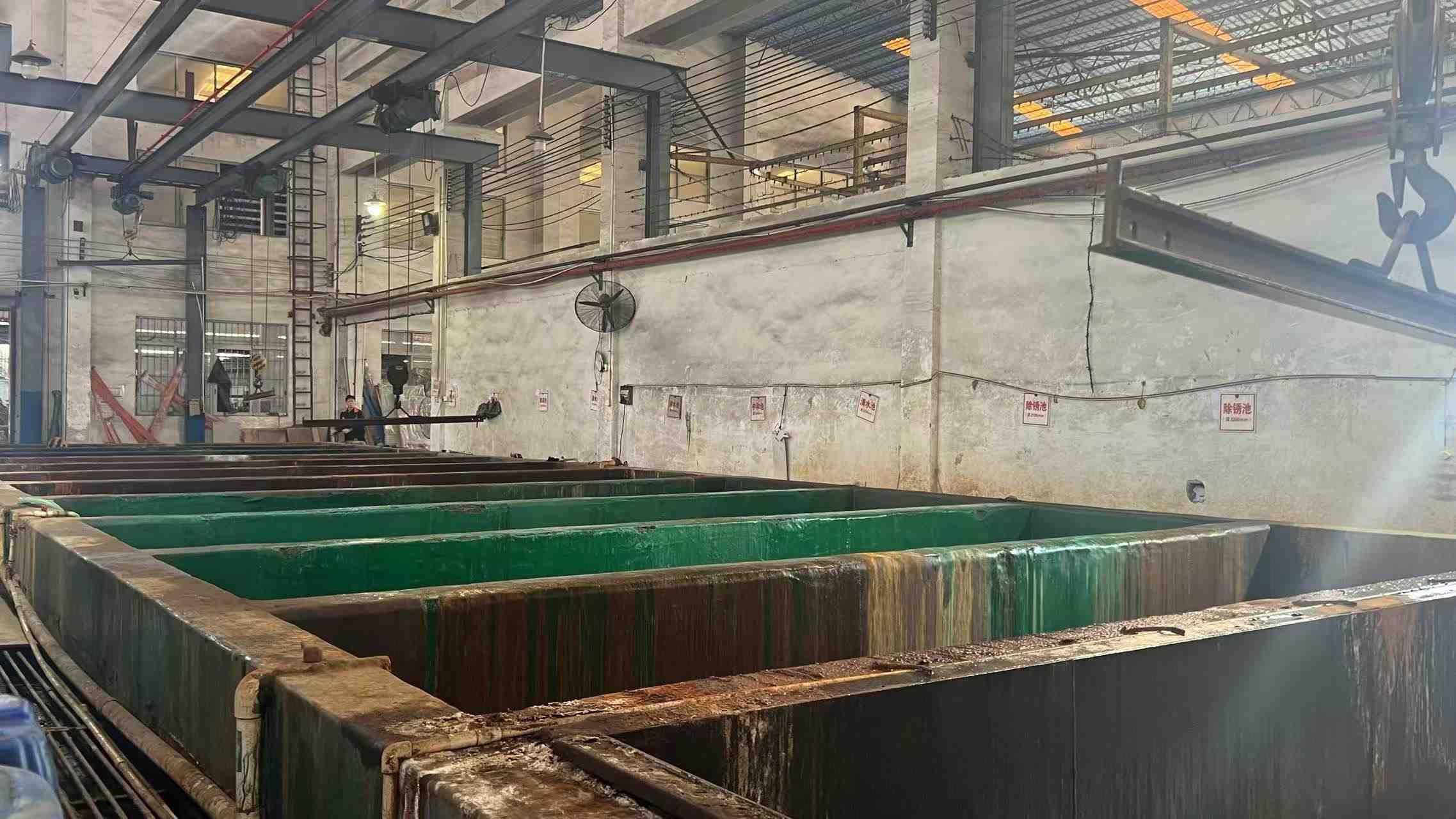
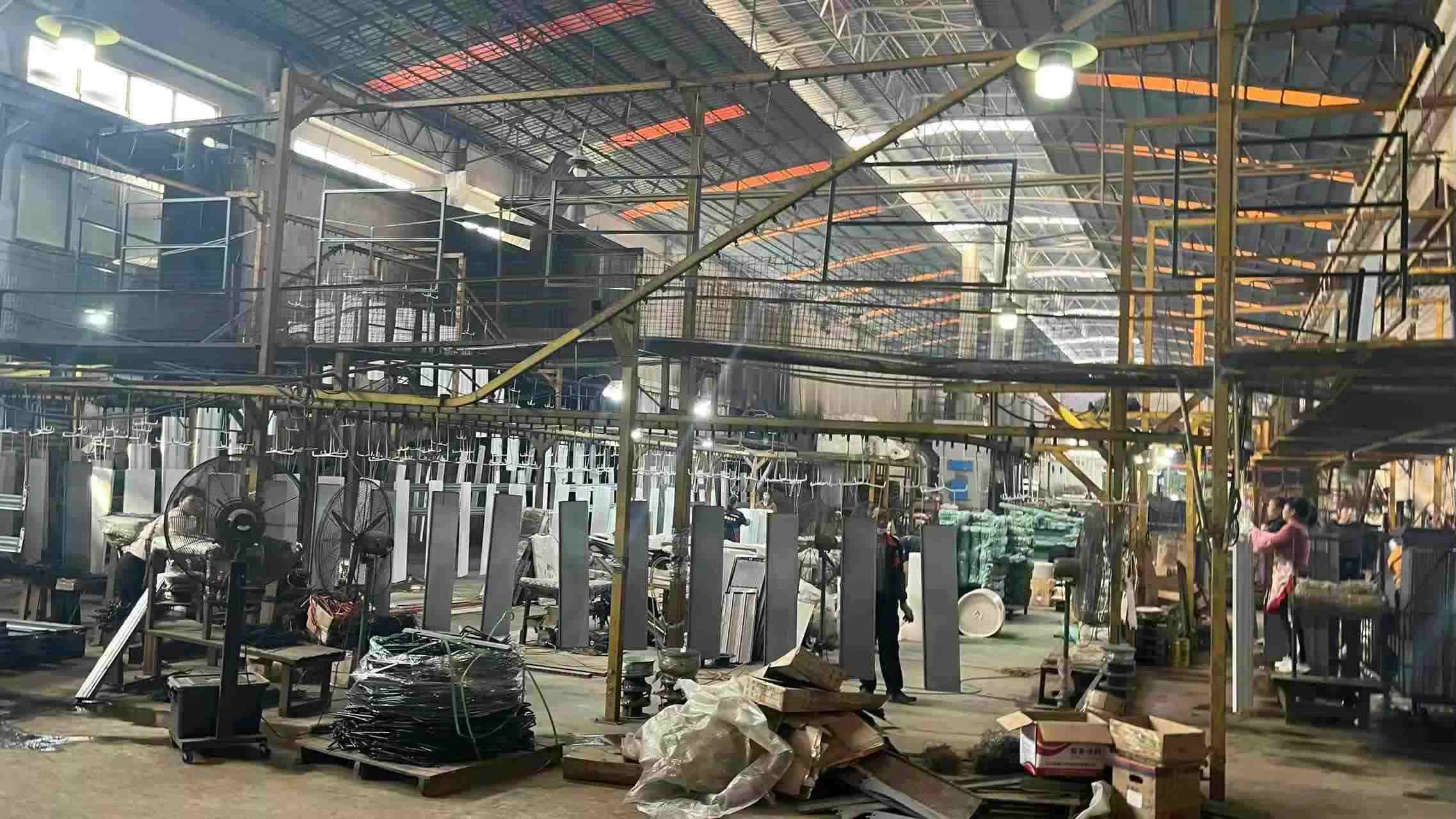
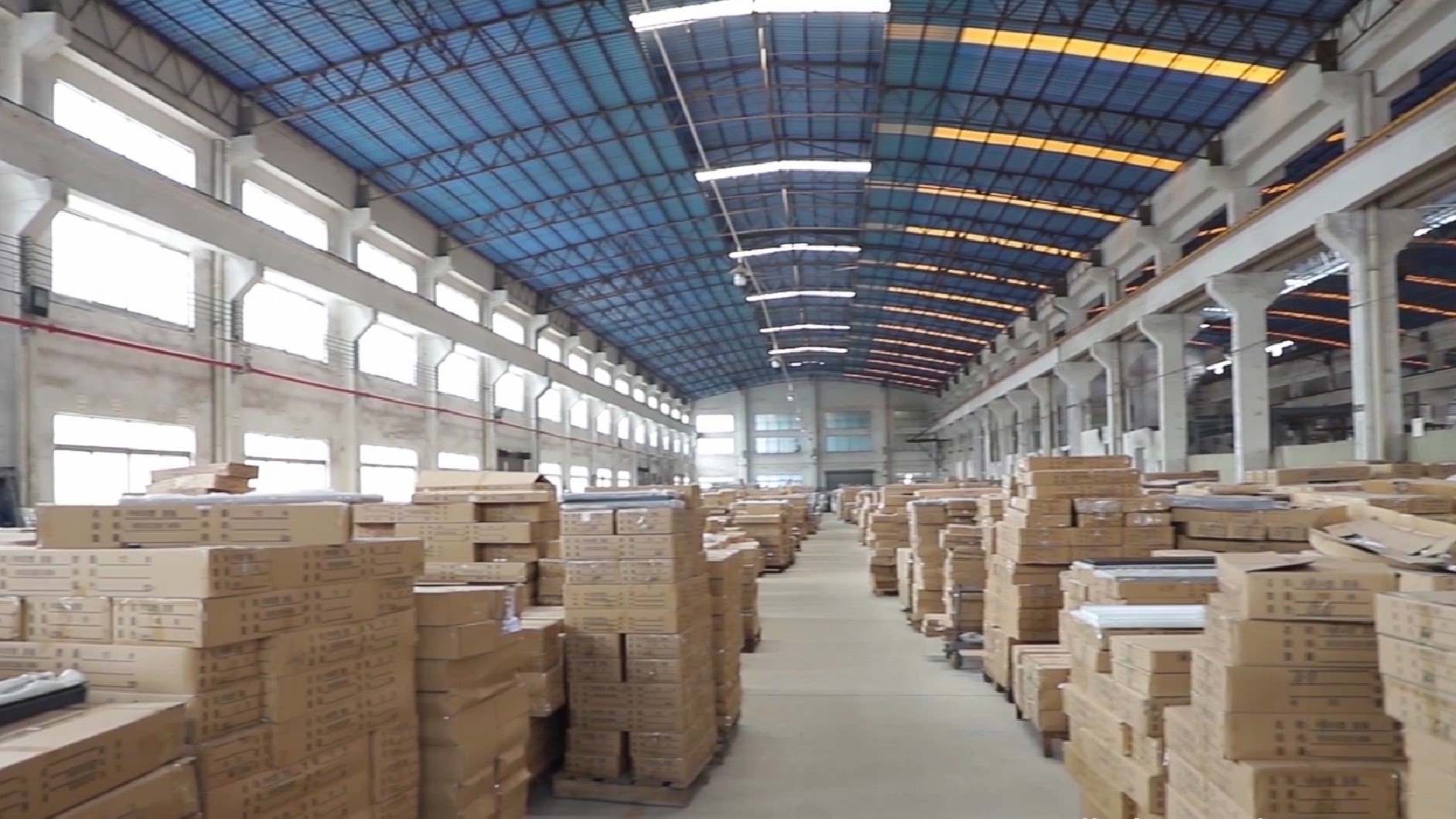
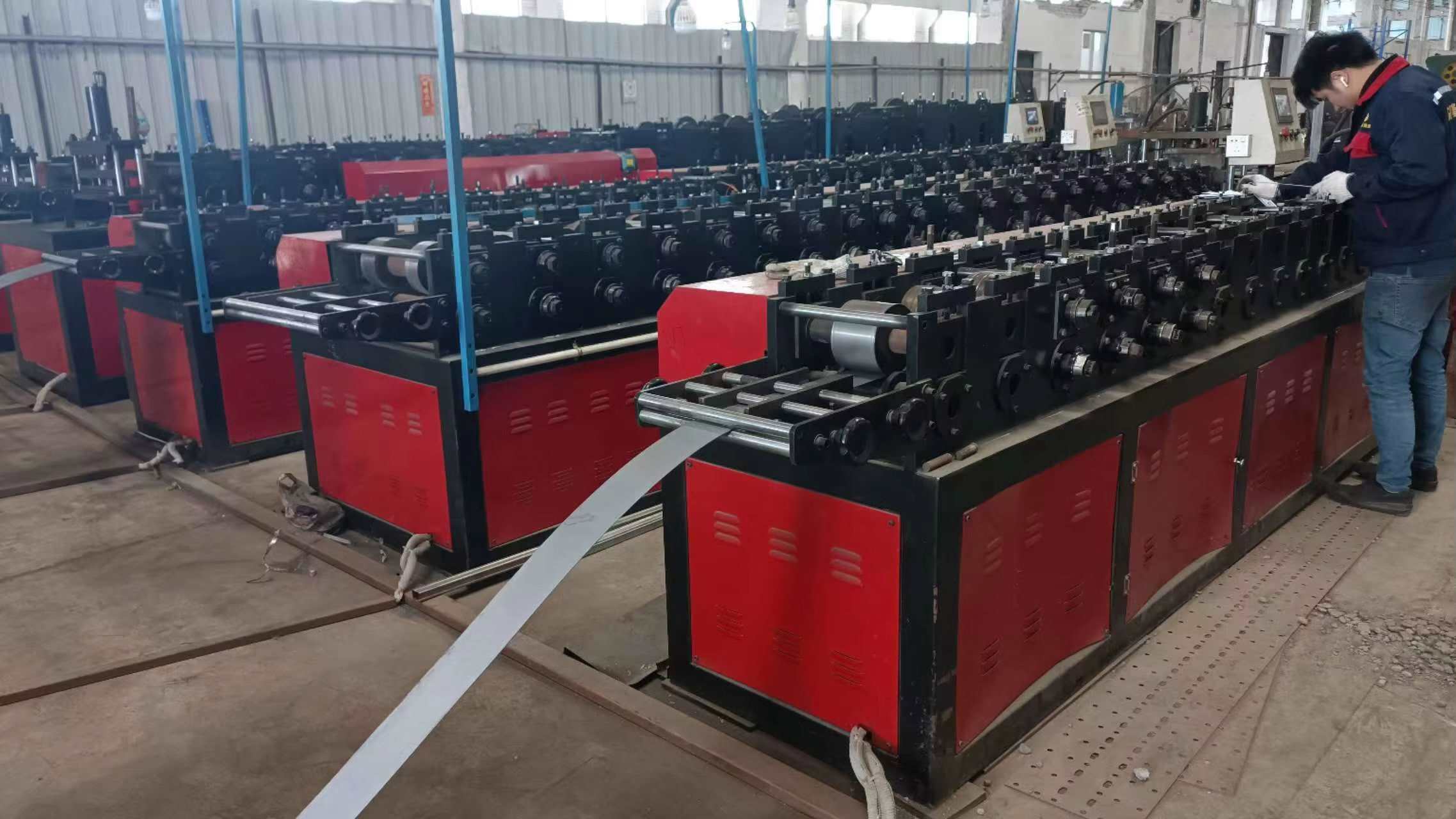
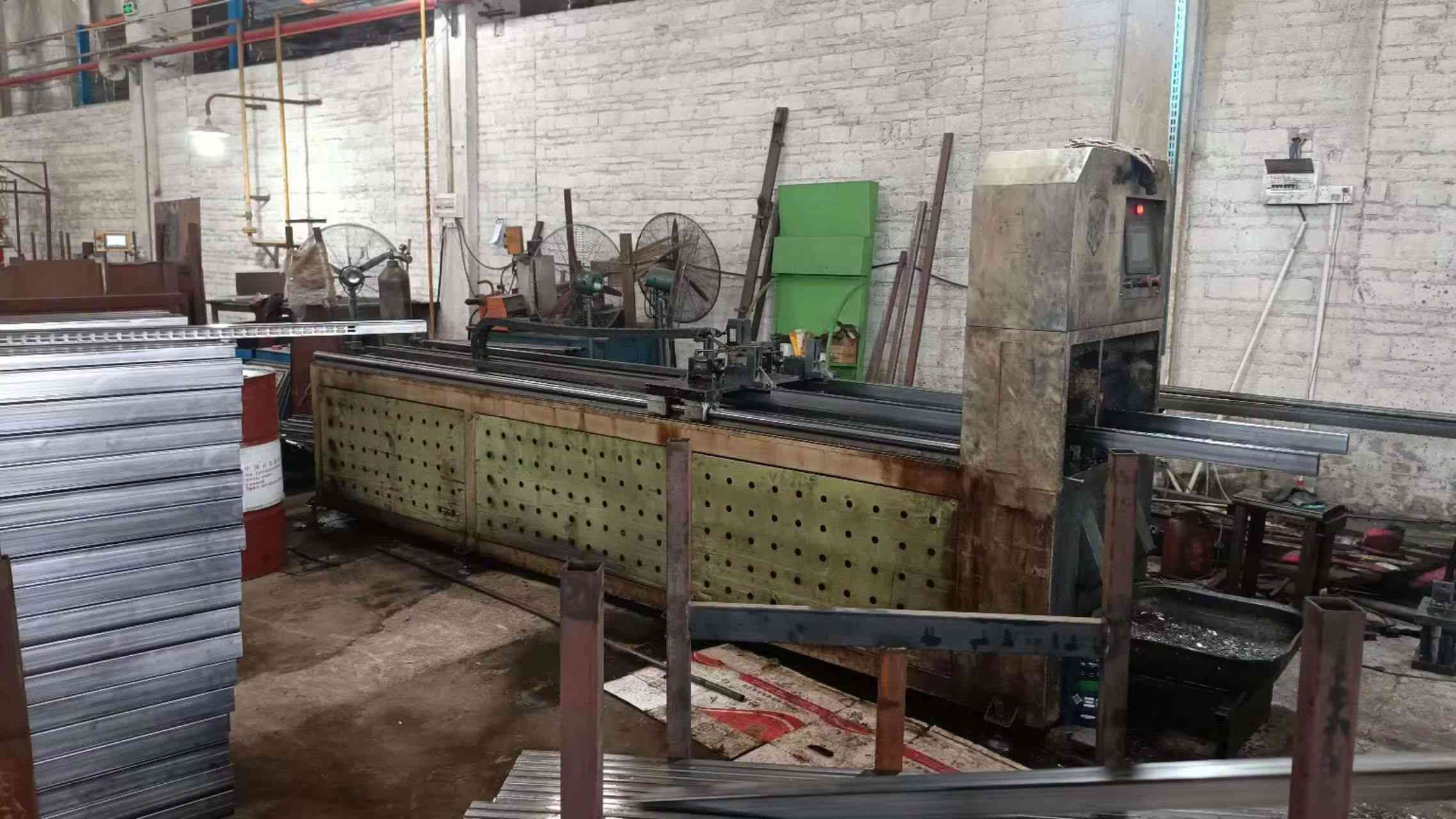
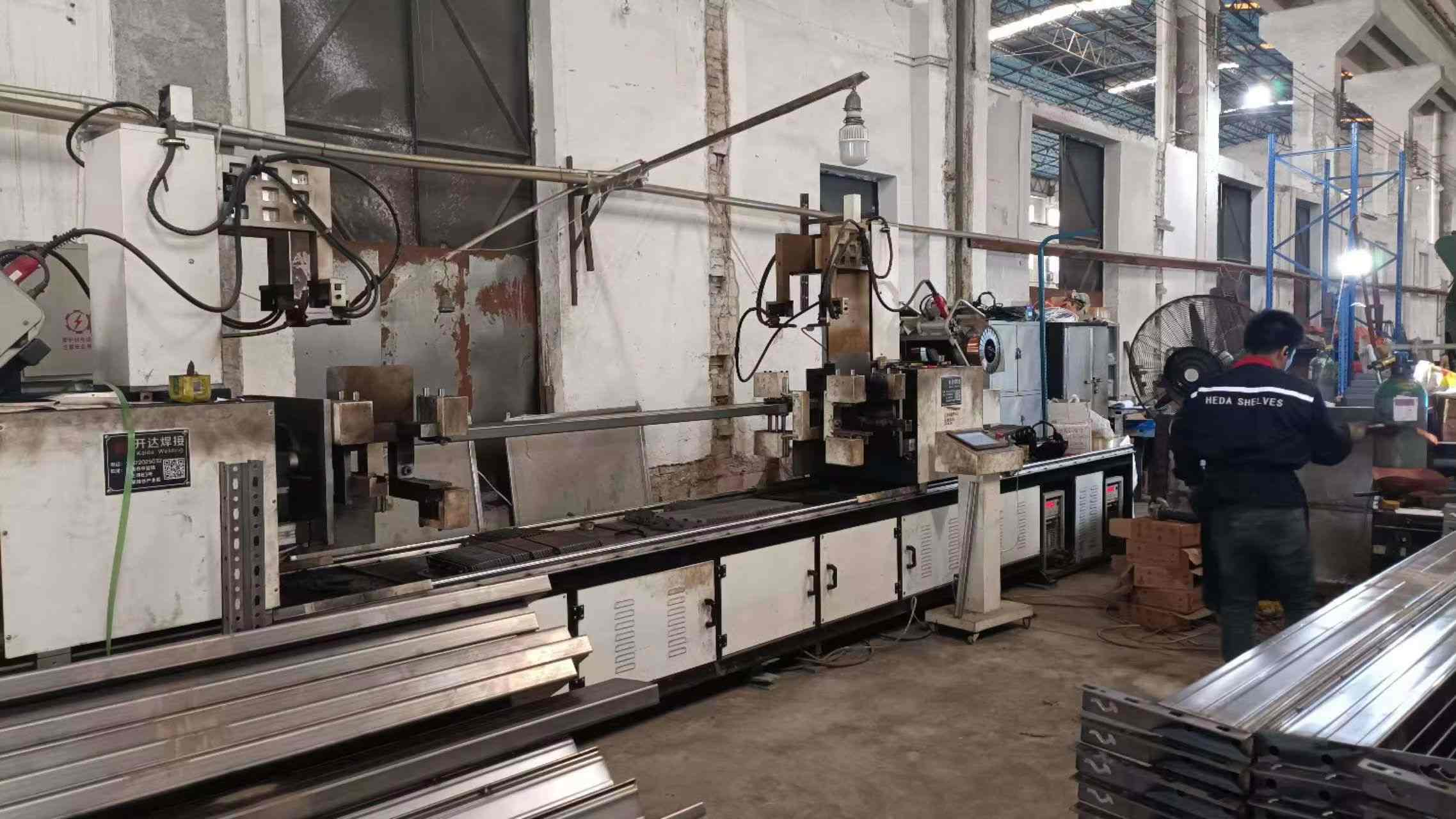
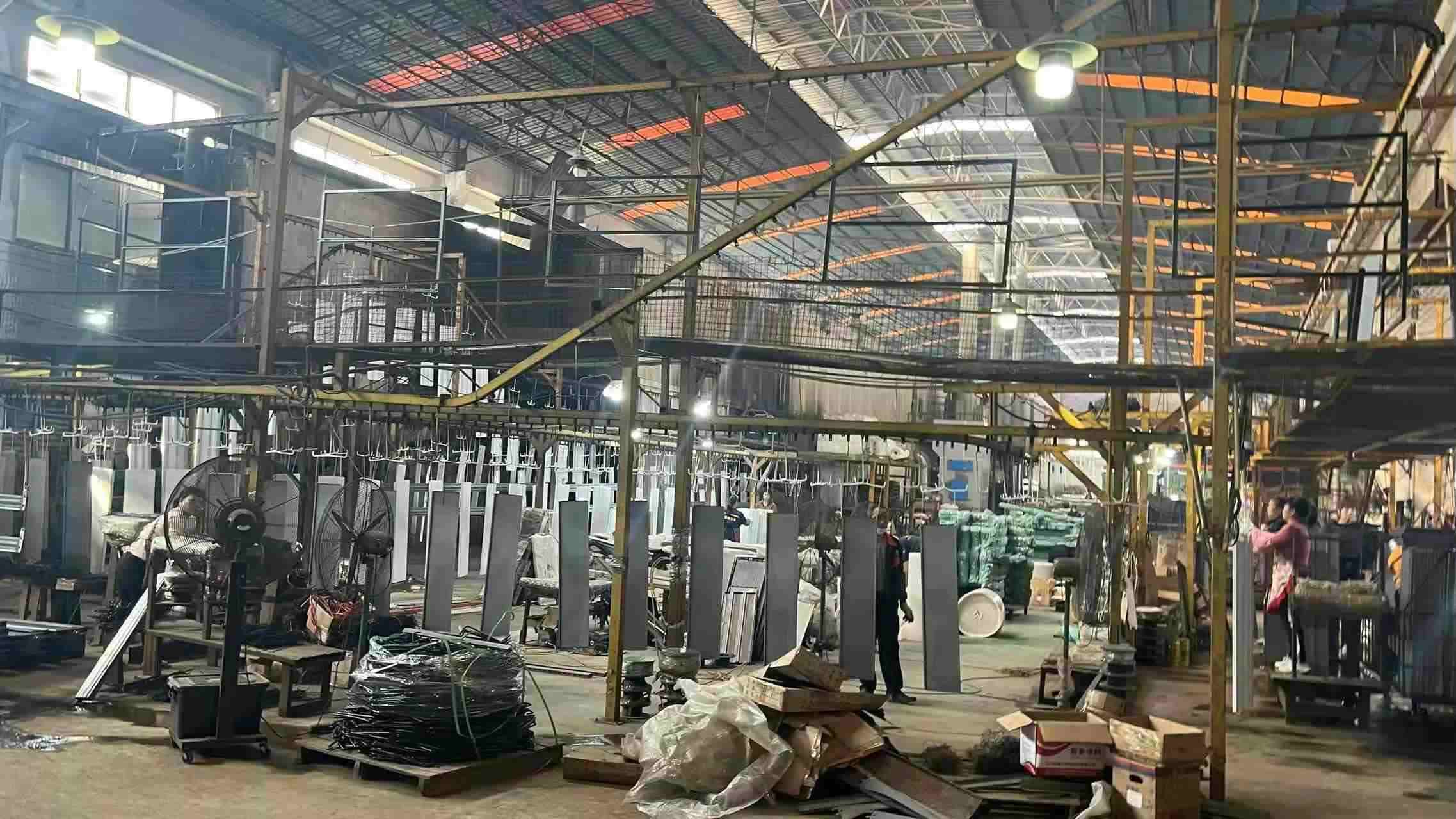
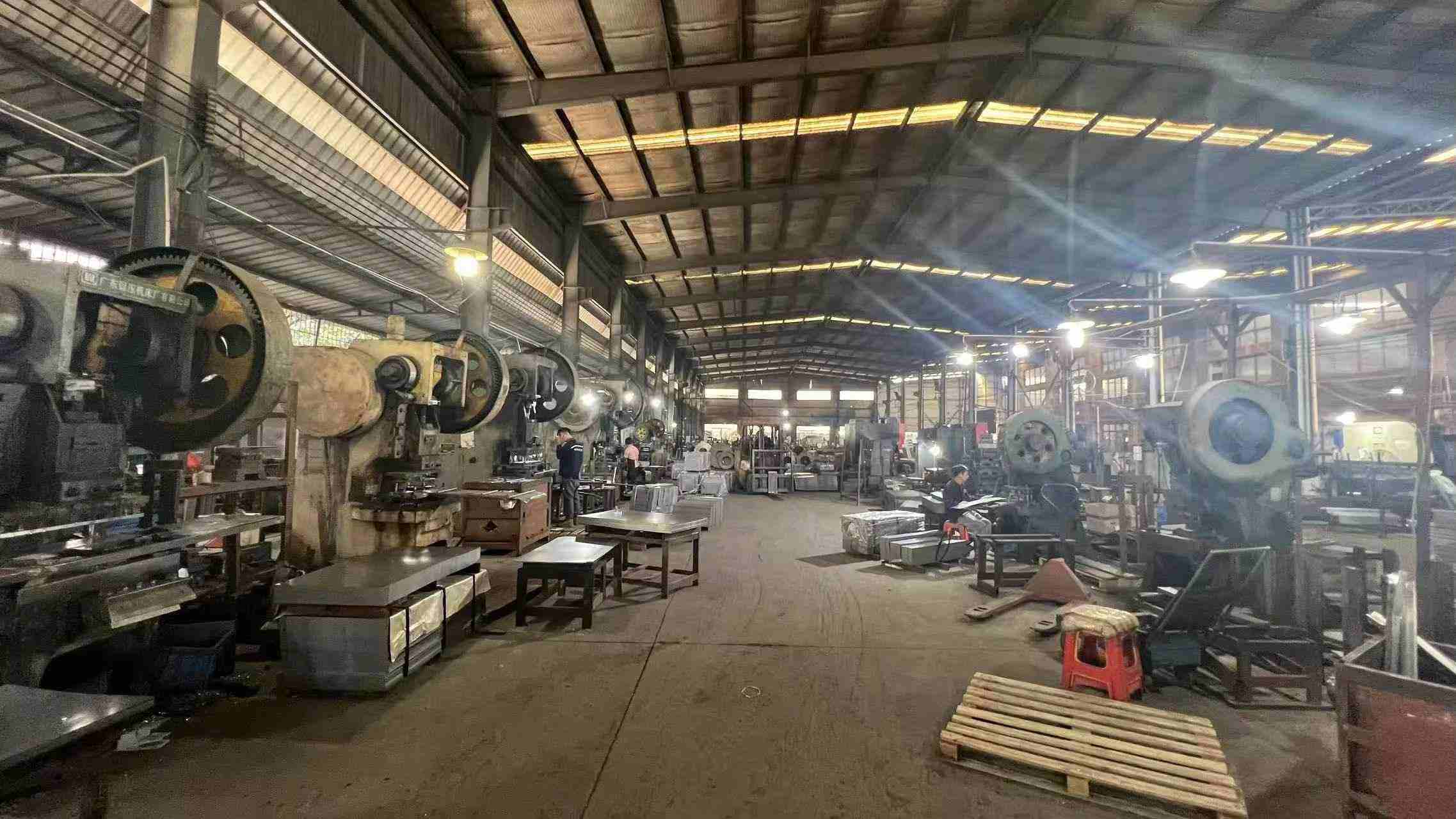
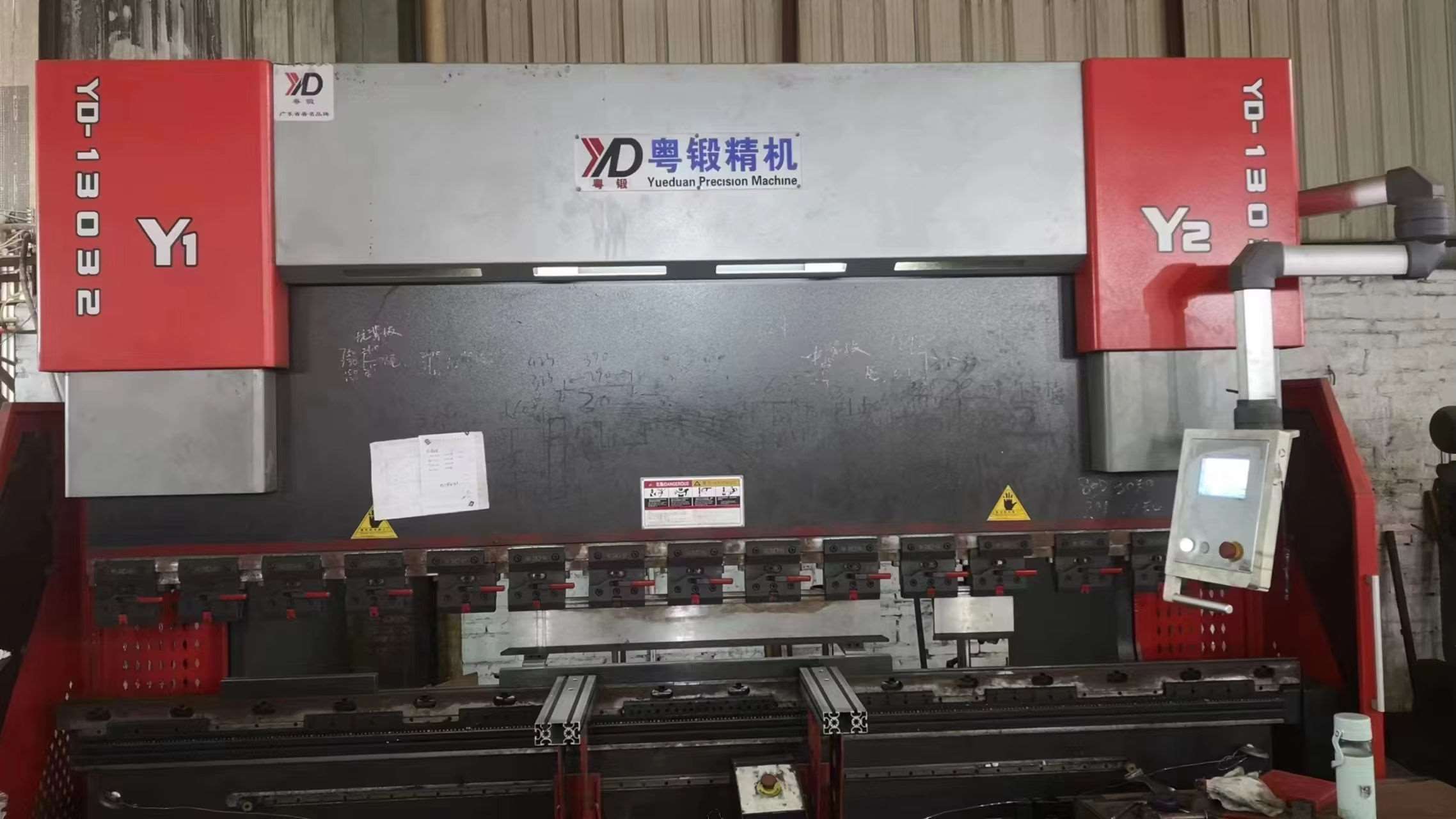
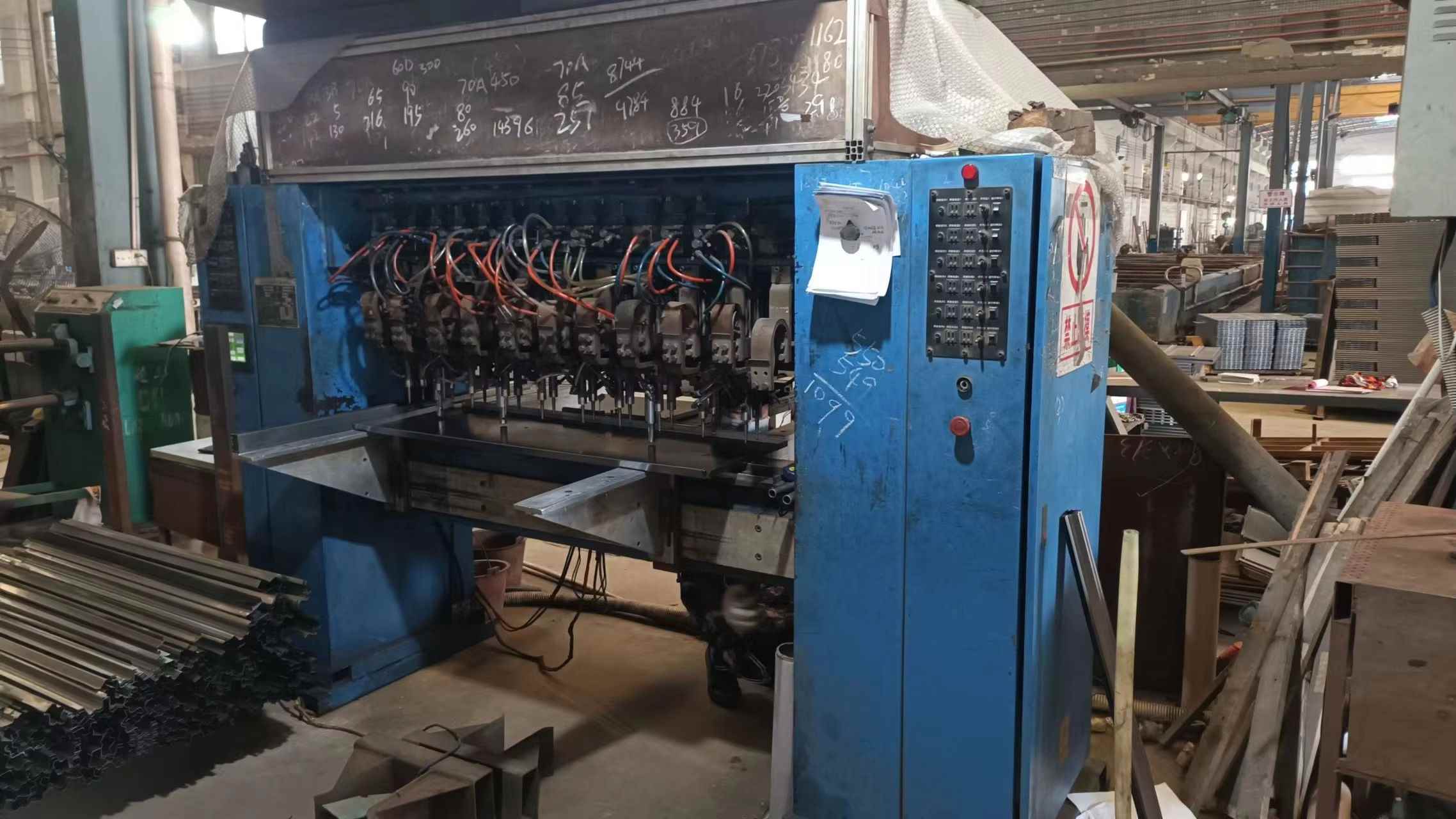
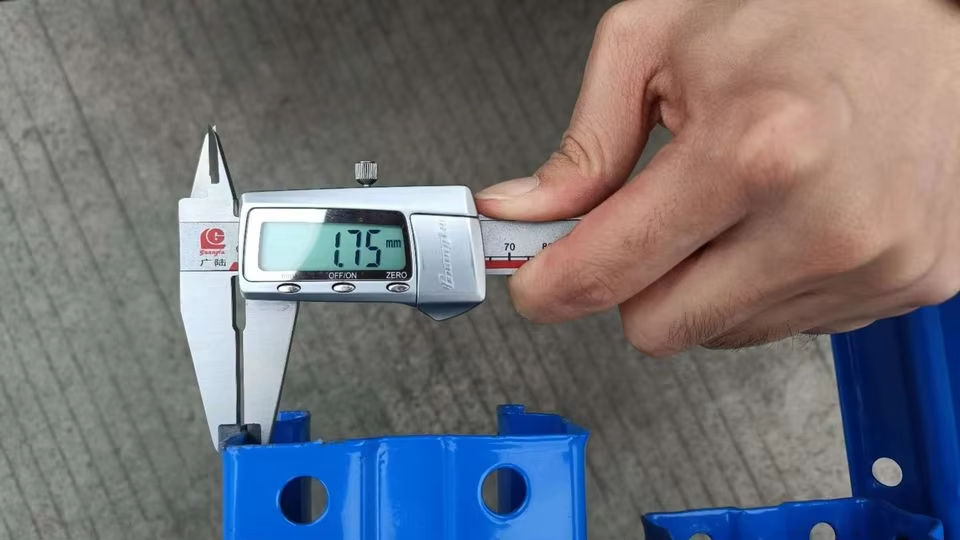
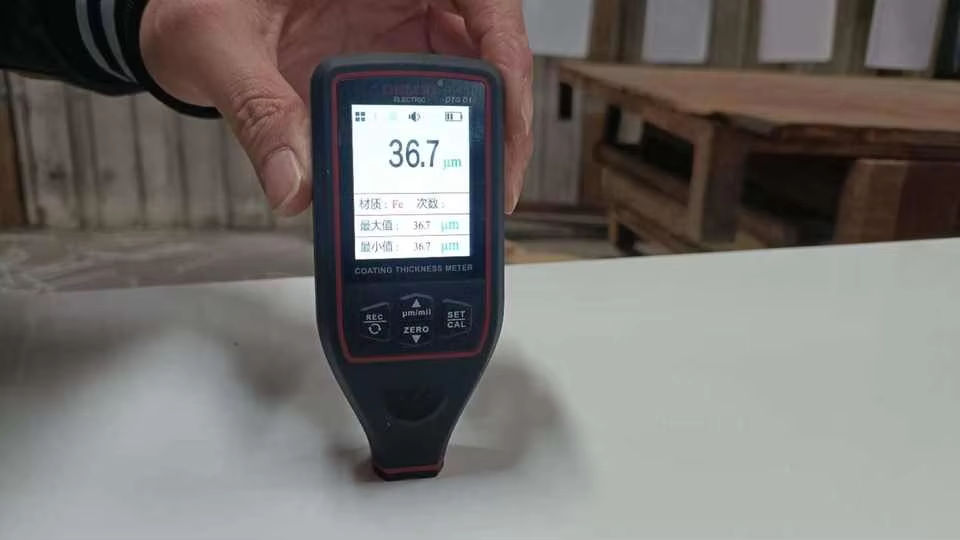
Quality control is supported by systematic mechanical and chemical testing. Our 45 skilled inspectors perform rigorous post-production testing. Using high-precision tools such as Calipers for physical dimensional verification and Coating Thickness Testers for corrosion protection evaluation, we ensure that every batch conforms to engineered parameters before shipping.
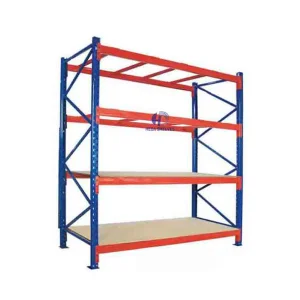
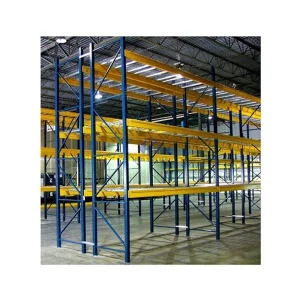
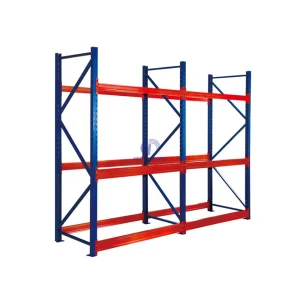
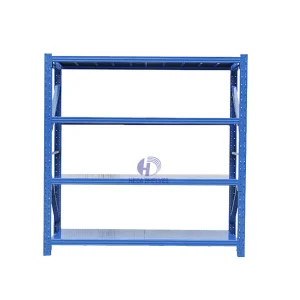
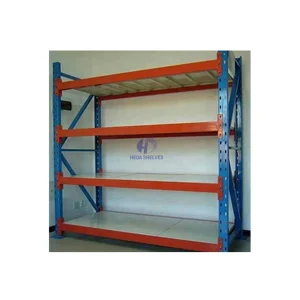
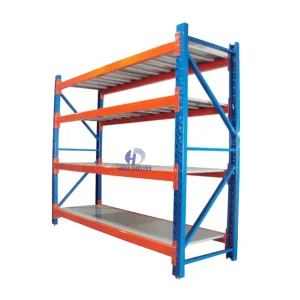
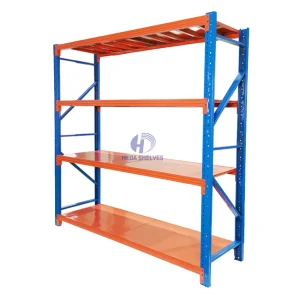
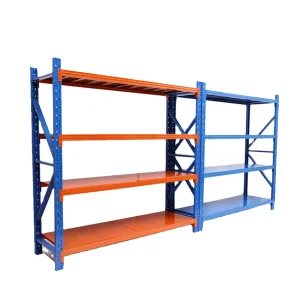
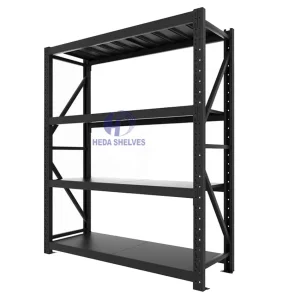
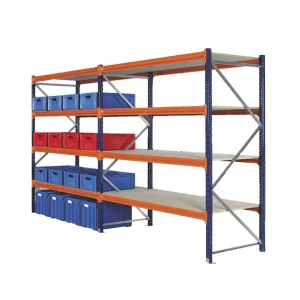
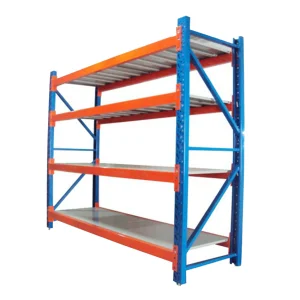
The structural flexibility of our medium-duty and light-duty shelving units adapts seamlessly to diverse industrial environments.
High-velocity e-commerce operations demand rapid sorting of light, multi-category units. Boltless shelving allows floor staff to quickly readjust shelf heights as seasonal products change, without requiring specialized tools.
For pharmaceutical or grocery cold chains, our steel frames undergo specialized zinc-rich pretreatment or hot-dip galvanization processes. This protection prevents oxidation in high-humidity, sub-zero environments.
Automotive parts lines handle awkward, concentrated loads. Our longspan shelves—specifically designed to distribute loads up to 500kg per level—use heavy duty safety pins to secure beams under constant loading and unloading.
As industrial storage evolves, our R&D team of 28 senior structural engineers focuses on three defining trends:
B2B buyers face challenges such as damage during transport, complex installation requirements, and inaccurate loading declarations. To mitigate these risks, procurement managers should verify that their racking exporter provides:
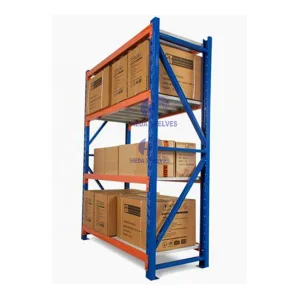
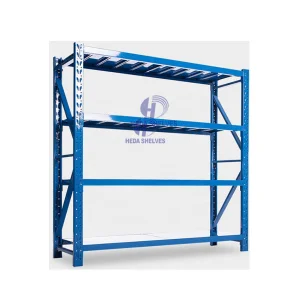
Light-duty shelving generally supports payloads ranging from 50kg to 150kg per layer, making it ideal for hand-picked operations, office archiving, and light retail storage. Medium-duty racking ranges from 200kg to 800kg per layer, utilizing cold-formed steel profiles, step beams, and wire deck/steel panels suitable for heavy industrial components, boxes, and bulk hand-stacked loads.
Our structural analysis starts with raw material tensile strength verification. Our engineering team calculates load ratings using Finite Element Method (FEM) software. On-site, our quality control team checks column thickness with calipers and performs physical static loading stress tests to guarantee that every system meets safety standards without permanent deformation.
Yes. Backed by our 28 structural engineers, we specialize in comprehensive OEM/ODM customization. We customize heights, depths, beam lengths, metal gauges, and colors (RAL selection). We also offer customized wire mesh decking, particleboard, or steel sheet shelf options.
Our standard powder coating thickness is 60–80 microns. This is verified using digital magnetic thickness gauges. Before coating, the steel undergoes an intensive eight-stage pretreatment process involving pickling, acid wash, and phosphating. This guarantees optimal coating adhesion and corrosion resistance in humid industrial environments.
Our logistics department uses specialized packaging techniques. Upright frames and beams are bundled with high-tensile steel straps, protected with protective foam wrapping, and shipped on wooden or steel pallets. This structure prevents shifting and surface abrasion during ocean transit.
 Hedaracking