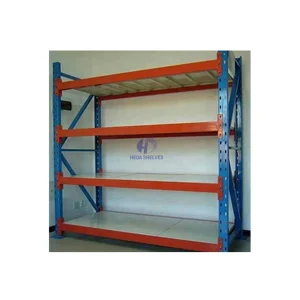
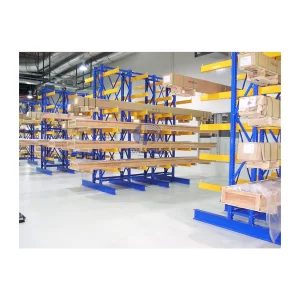
Explore our elite warehouse storage systems engineering to maximize floor utilization and dynamic load-bearing performance.
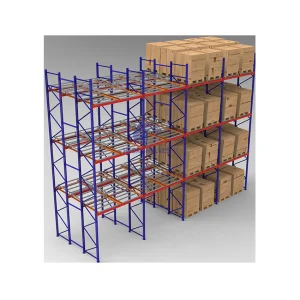
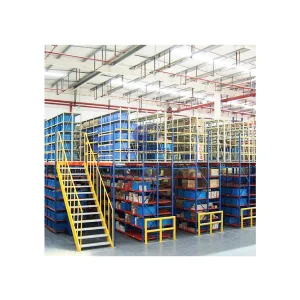
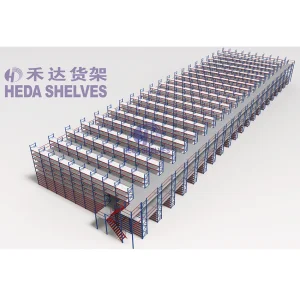
As dynamic warehouse logistics continue to demand higher space efficiency, Push Back Racking Systems stand out as the preeminent LIFO (Last-In, First-Out) high-density storage methodology. By utilizing nested carts riding on inclined tracks, these systems integrate the space-saving attributes of drive-in racking with the immediate selectivity benefits of live storage systems. When analyzing the system from a mechanical engineering perspective, push back systems enable pallets to be stored up to six deep. When a forklift pushes the incoming pallet into a lane, the existing pallets roll back on inclined steel tracks; when a pallet is retrieved, gravity gently feeds the remaining pallets forward to the aisle face.
"For modern third-party logistics (3PL) and cold chain storage, space is directly tied to operational profitability. High-density push back racking offers up to a 75% increase in storage density compared to standard selective racking, all while avoiding the structural vulnerability of drive-in configurations."
From an engineering standpoint, the incline angle of the cart rail is critical—typically ranging between 2.5% and 3.5%. This specific incline ensures smooth movement under the force of gravity while preventing accelerated, dangerous pallet momentum. Top-tier exporters must calculate dynamic load capacities with strict safety factors, accounting for pallet deflection, track distortion, and friction coefficients of dynamic rolling elements.
China has consolidated its position as the global hub for high-grade warehouse rack manufacturing. Sourcing from a premier Chinese push back racking exporter like Shenzhen Heda Warehouse Equipment Co., Ltd. provides distinct structural and commercial benefits:
Leading Chinese exporters utilize premium domestic steel, conforming to international standards like Q235B or Q355B structural steel (equivalent to ASTM A36 or S355JR). This ensures optimal tensile strength, impact toughness at low temperatures (vital for cold-storage facilities), and predictable yield points during seismic stress.
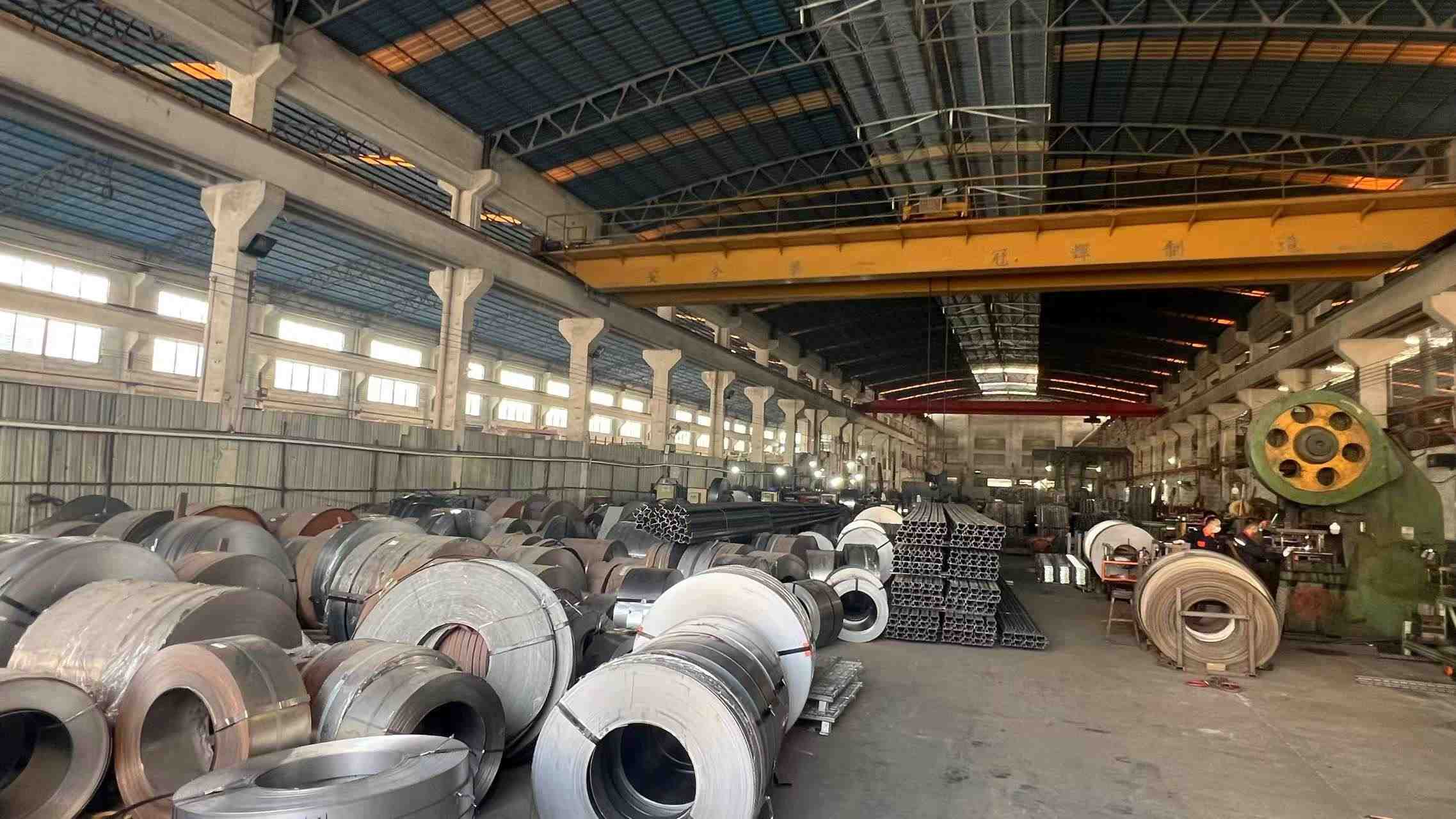
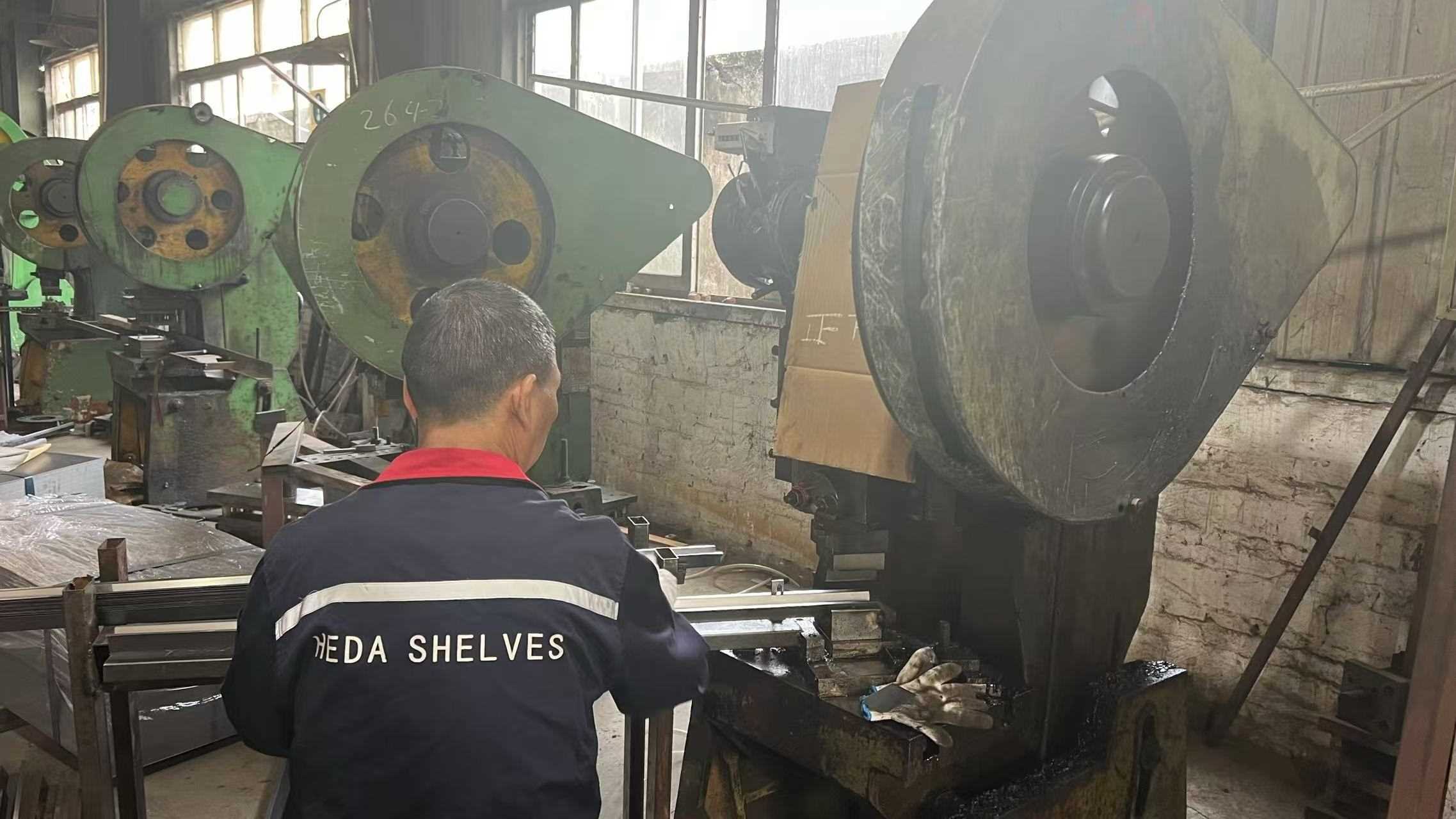
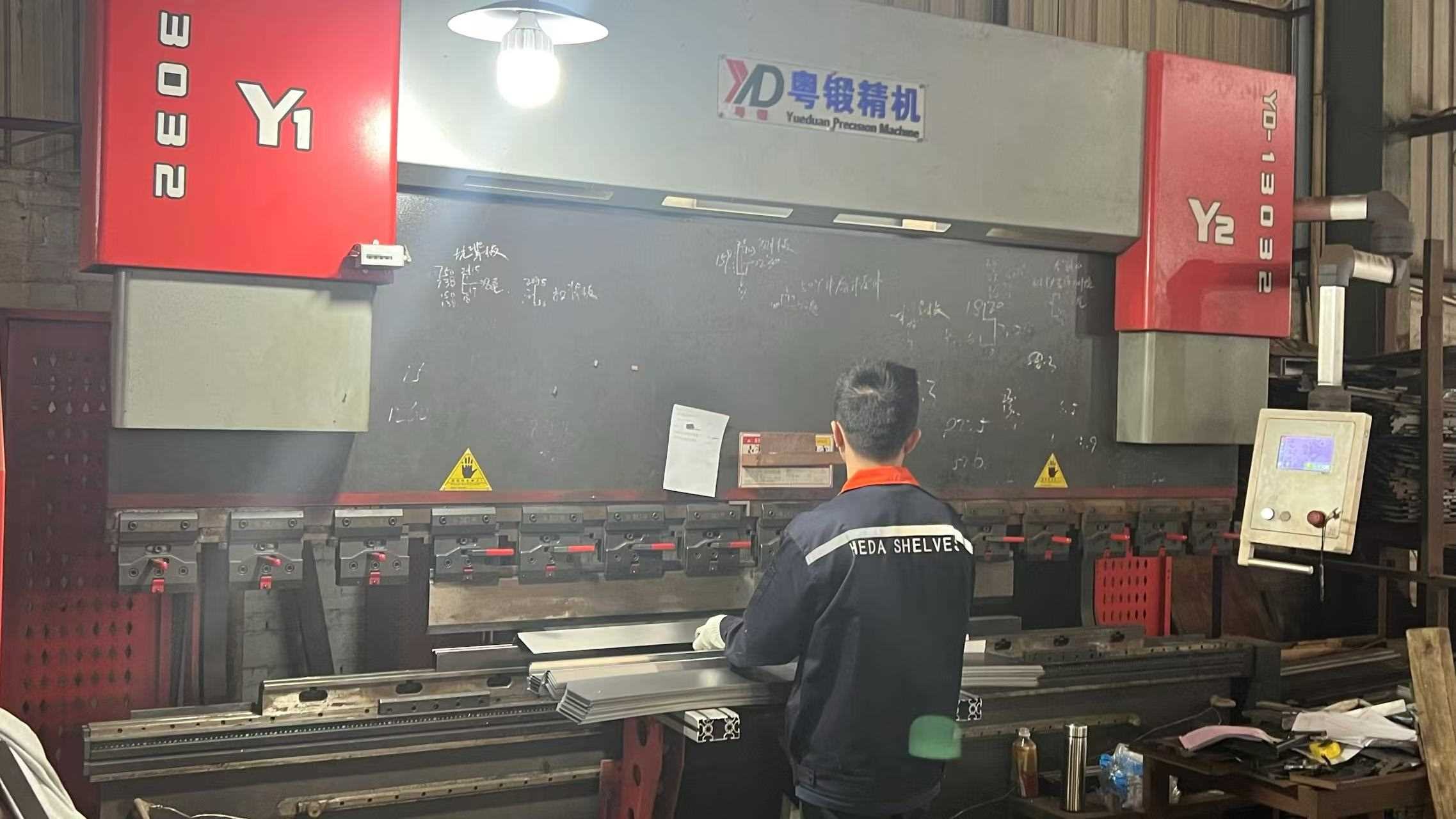
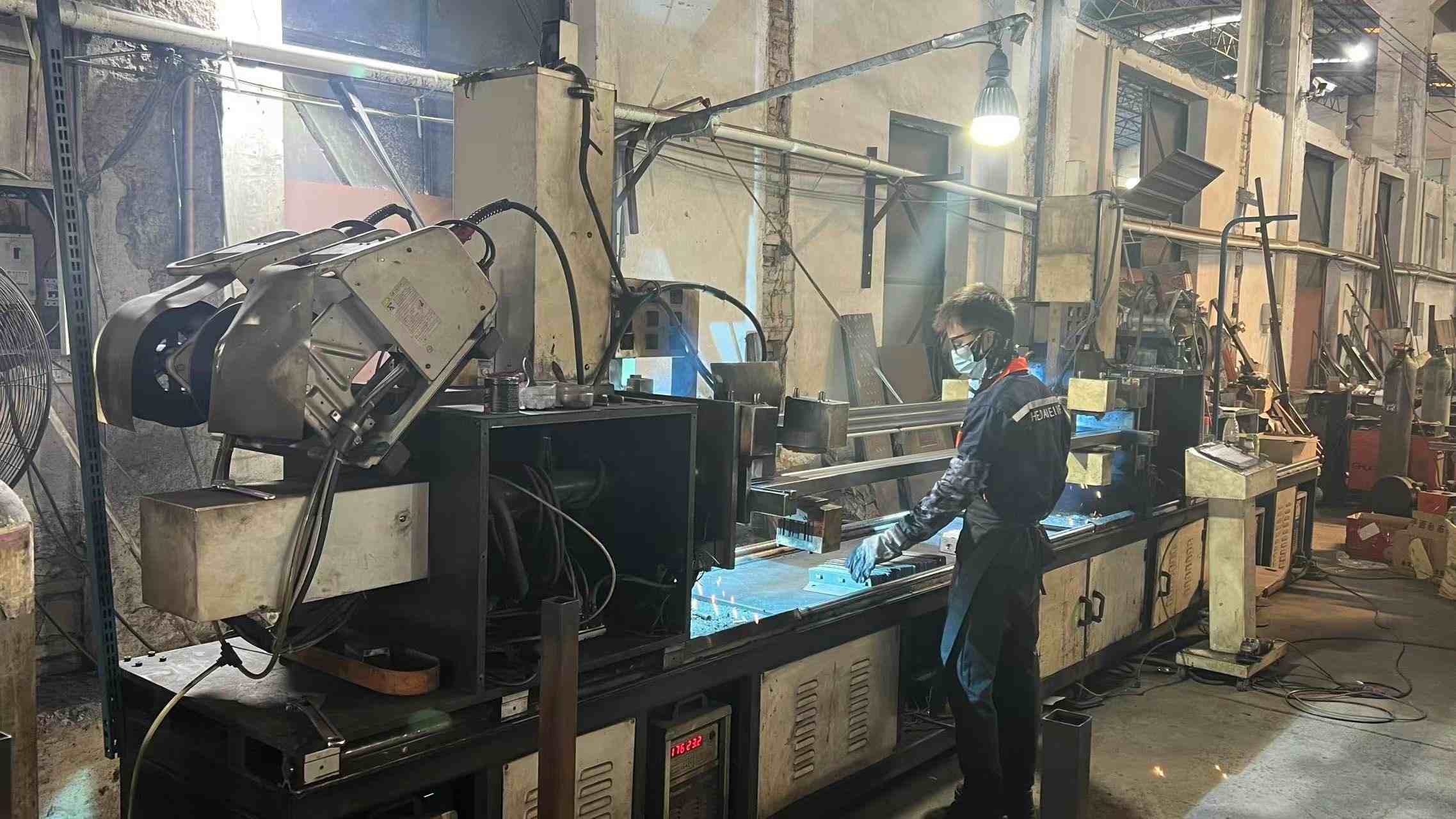
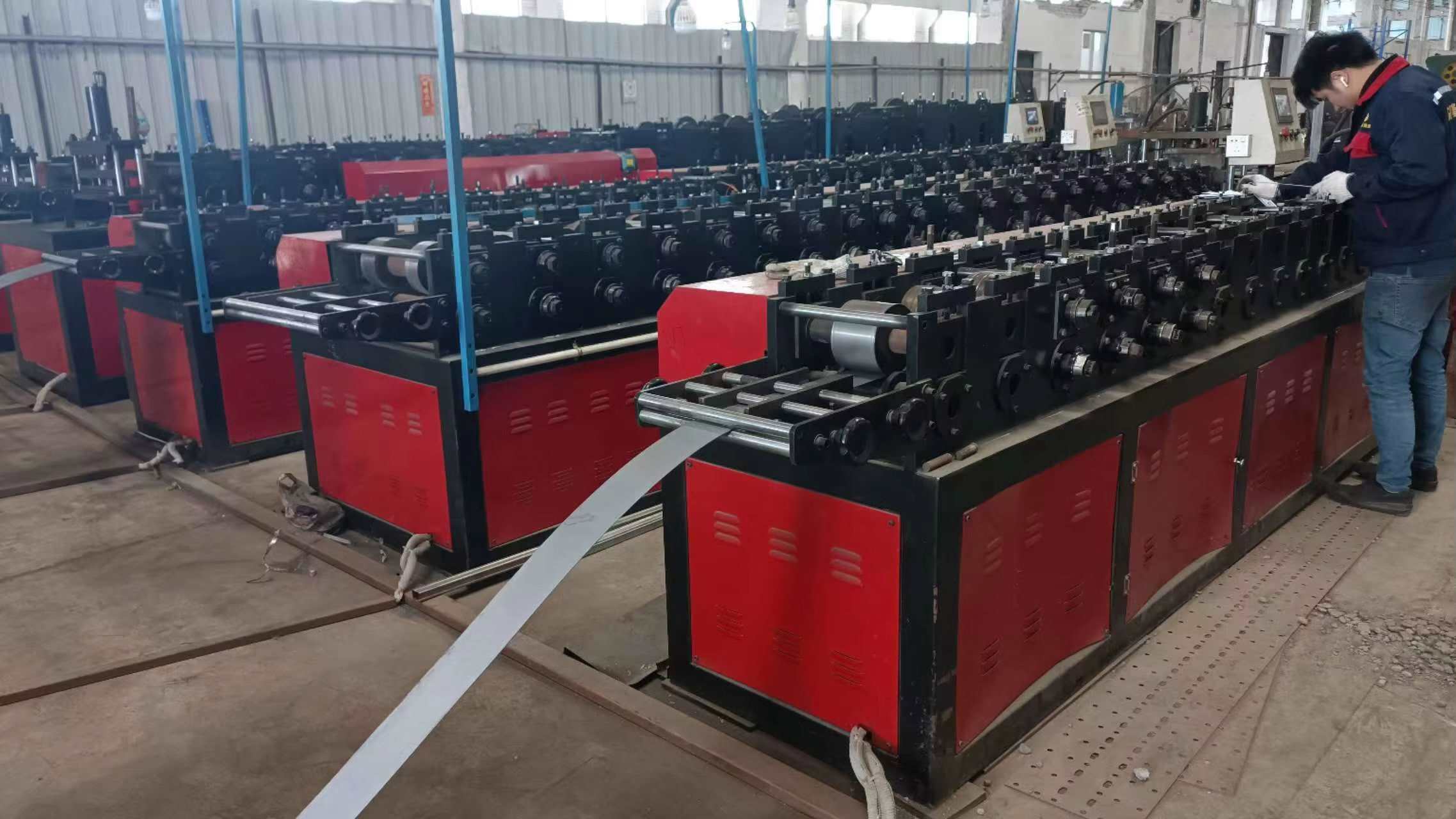
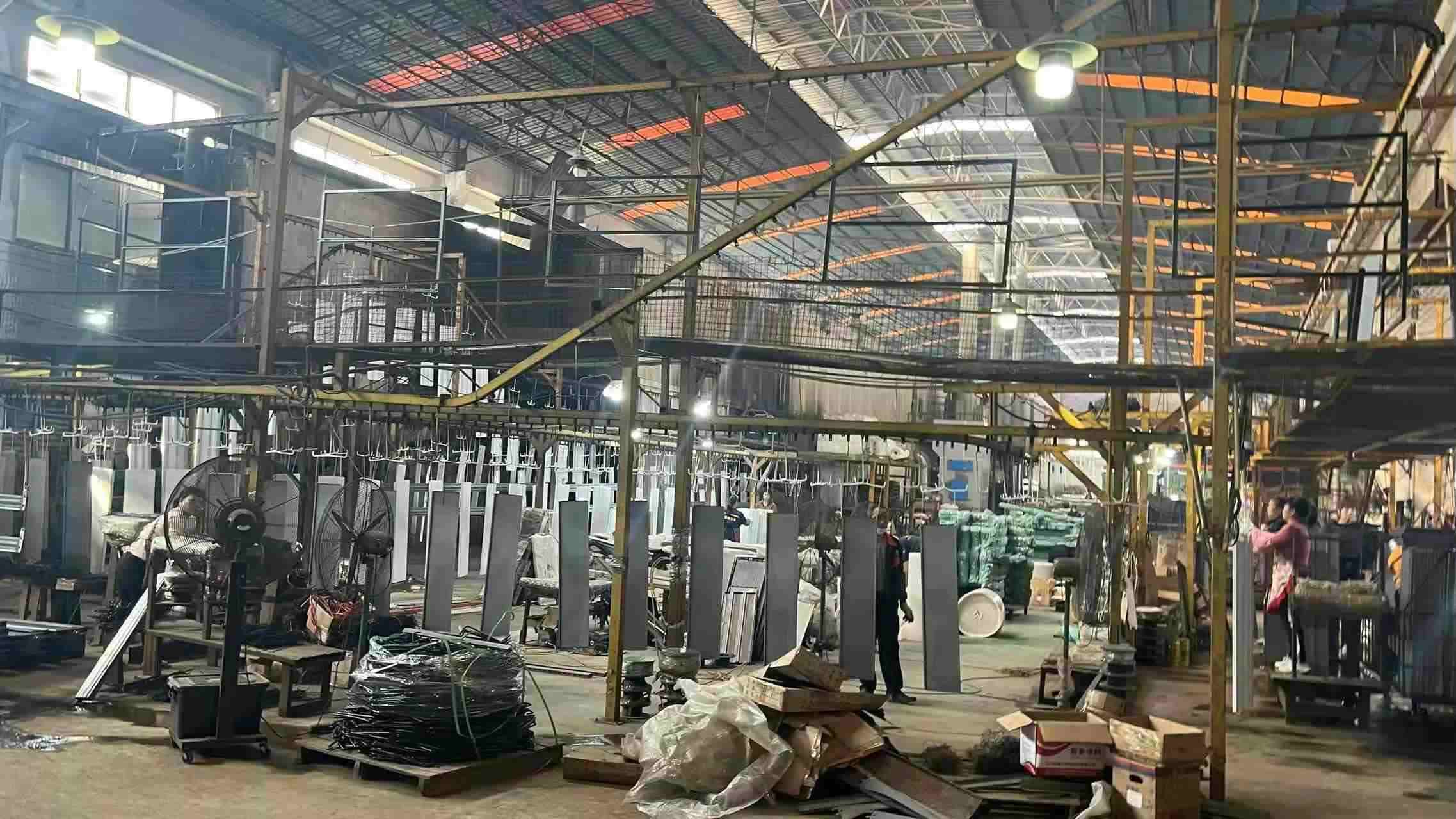
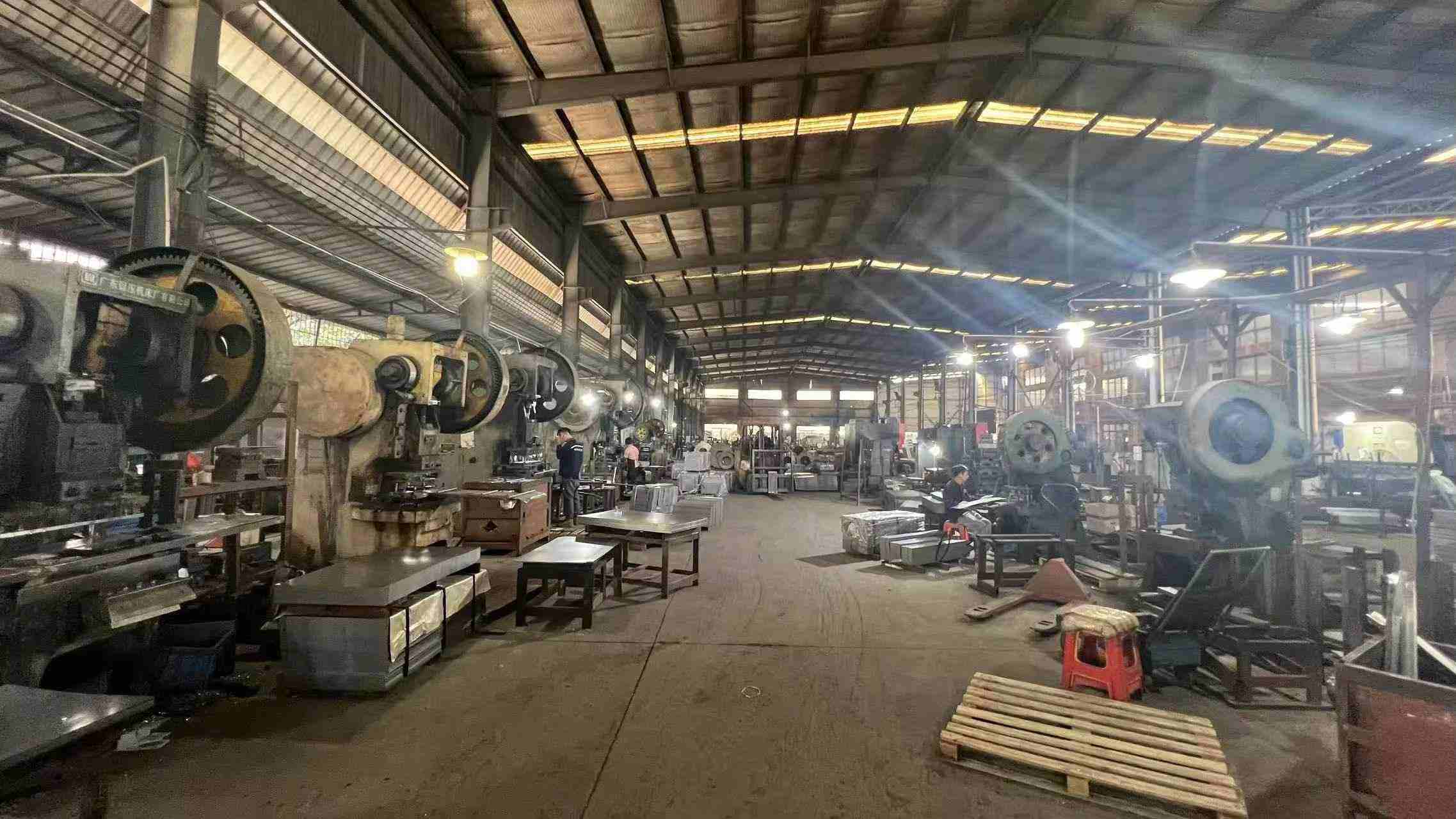
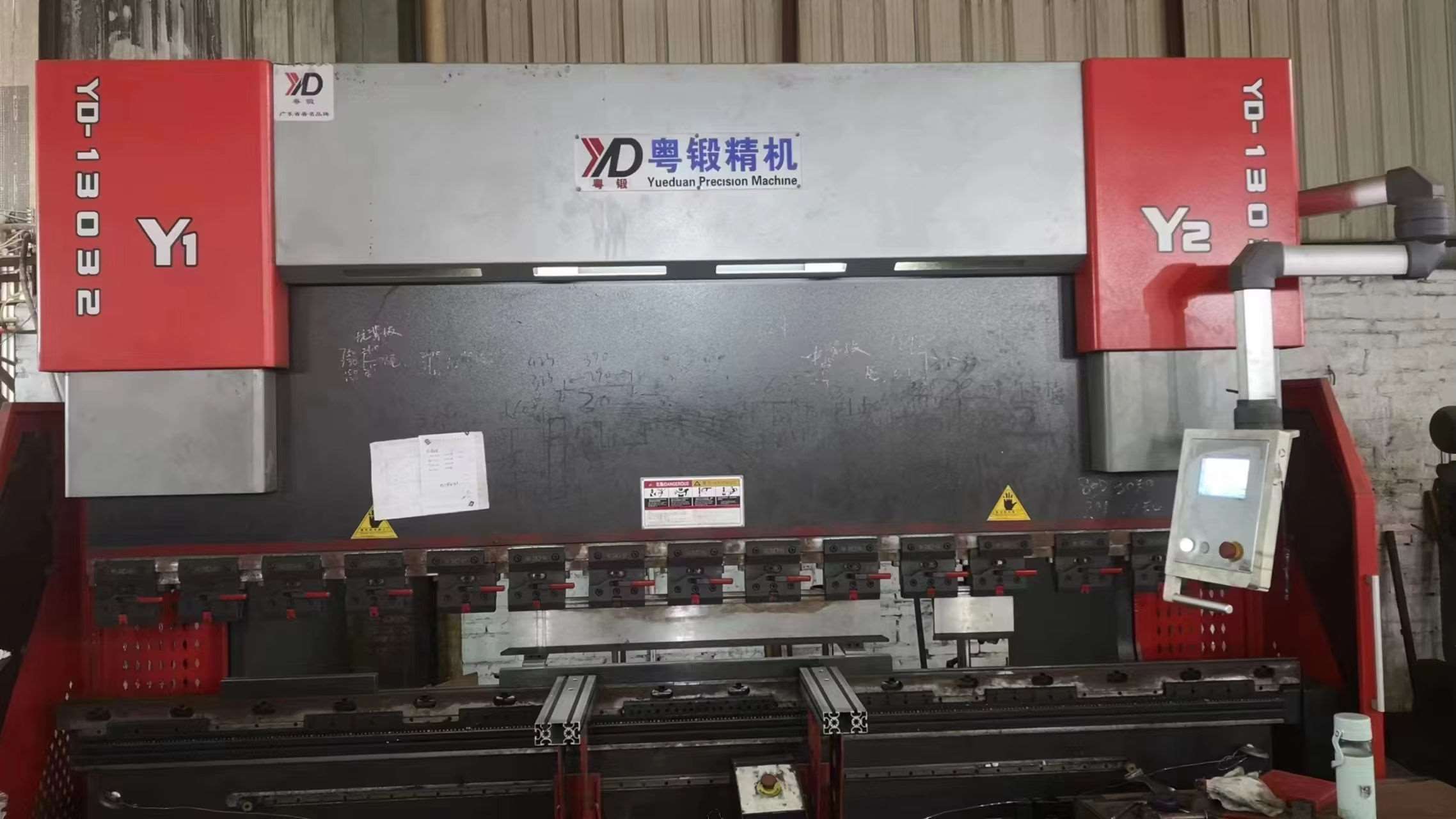
Chinese factories have transitioned from manual fabrication to high-precision robotic stamping, continuous automated roll-forming, and computerized powder coating lines. This level of automation keeps dimensional tolerances within microns, ensuring the nested dynamic carts align perfectly along the steel rails without binding.
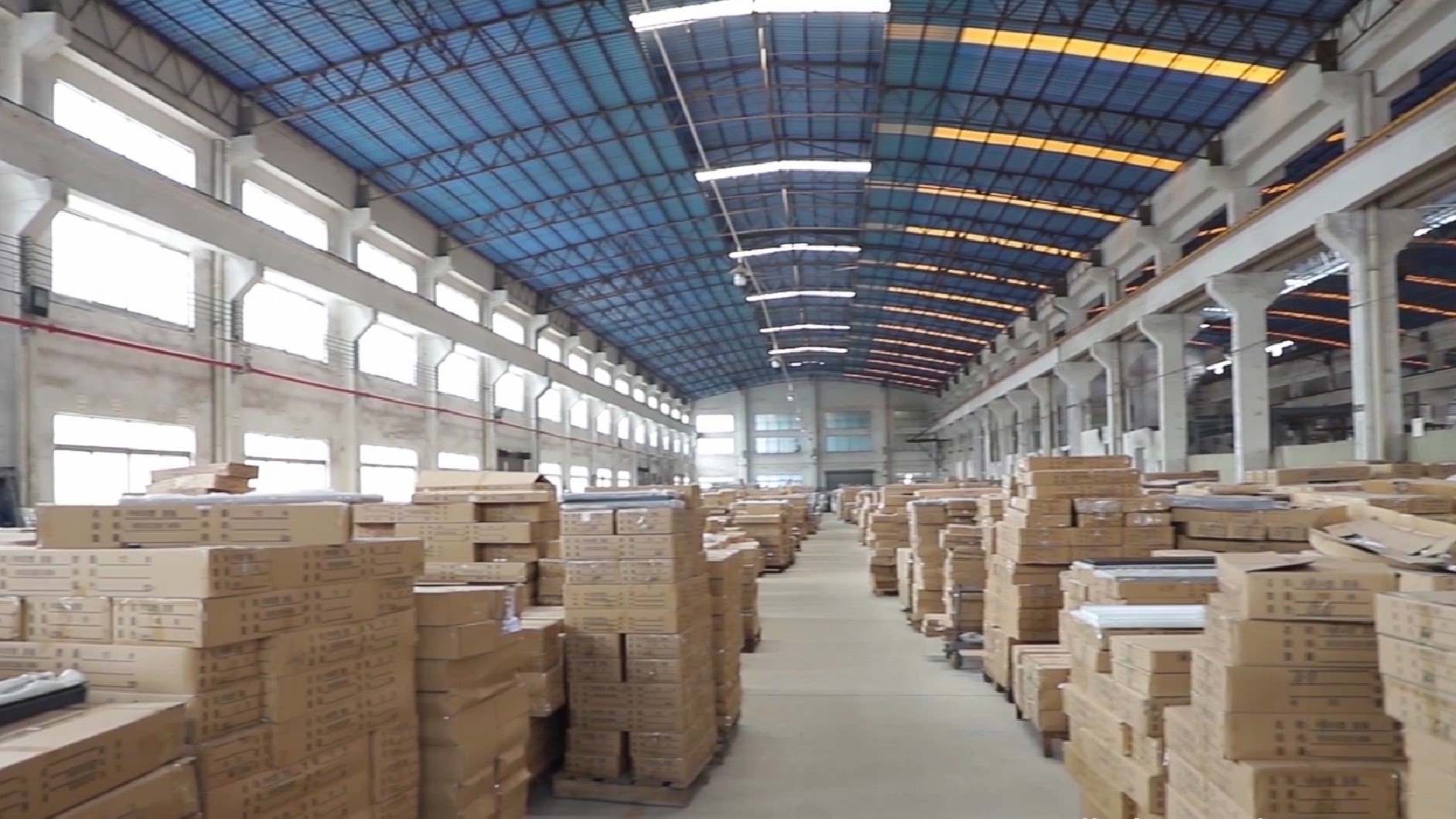
Managing massive facilities (such as Heda's 35,000 m² footprint) enables high-capacity production schedules. Integrated manufacturing pipelines guarantee that structural steel components, precision bearings, CNC-machined wheels, and custom epoxy powders are consolidated seamlessly under one roof, reducing international lead times.
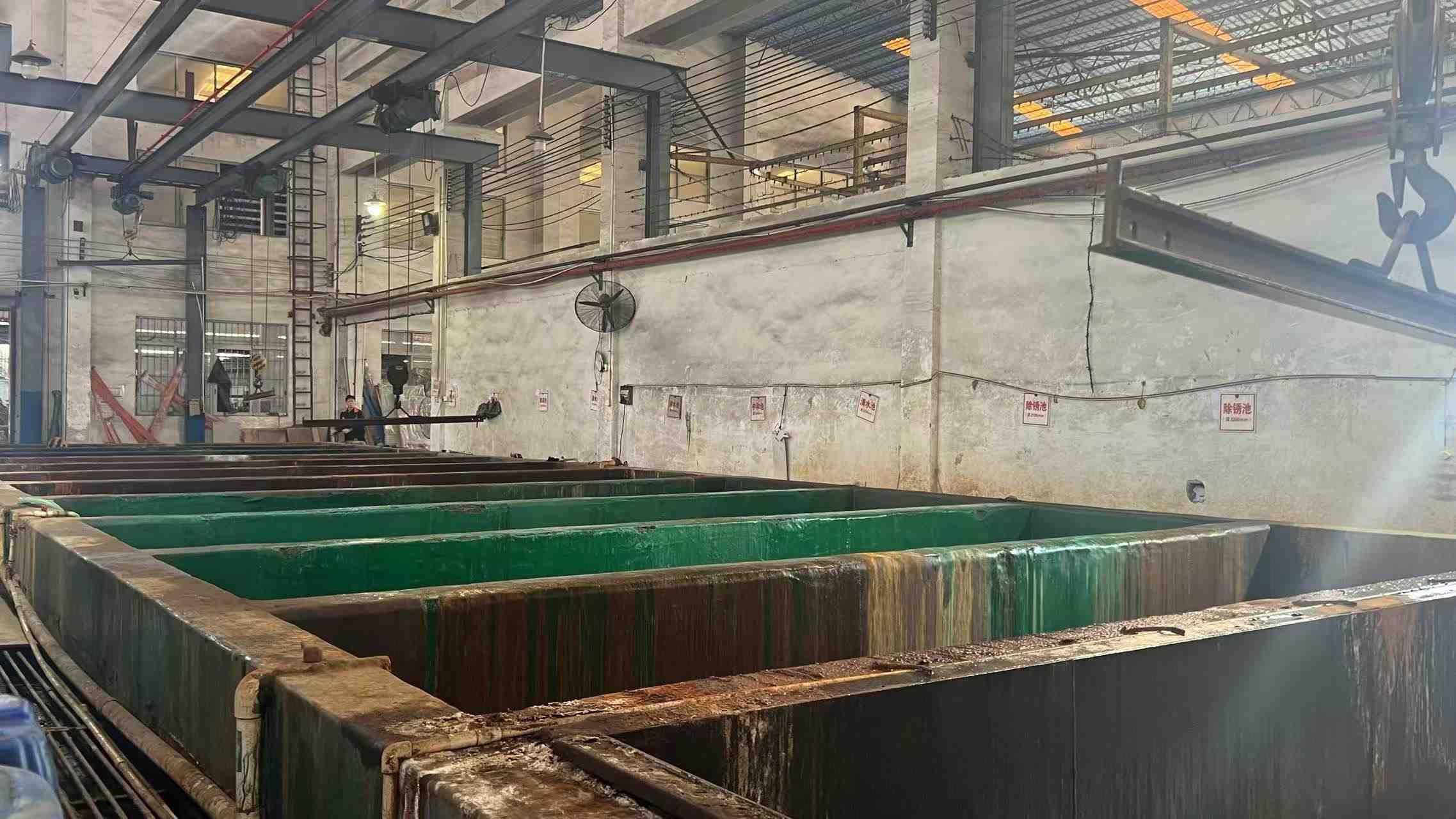
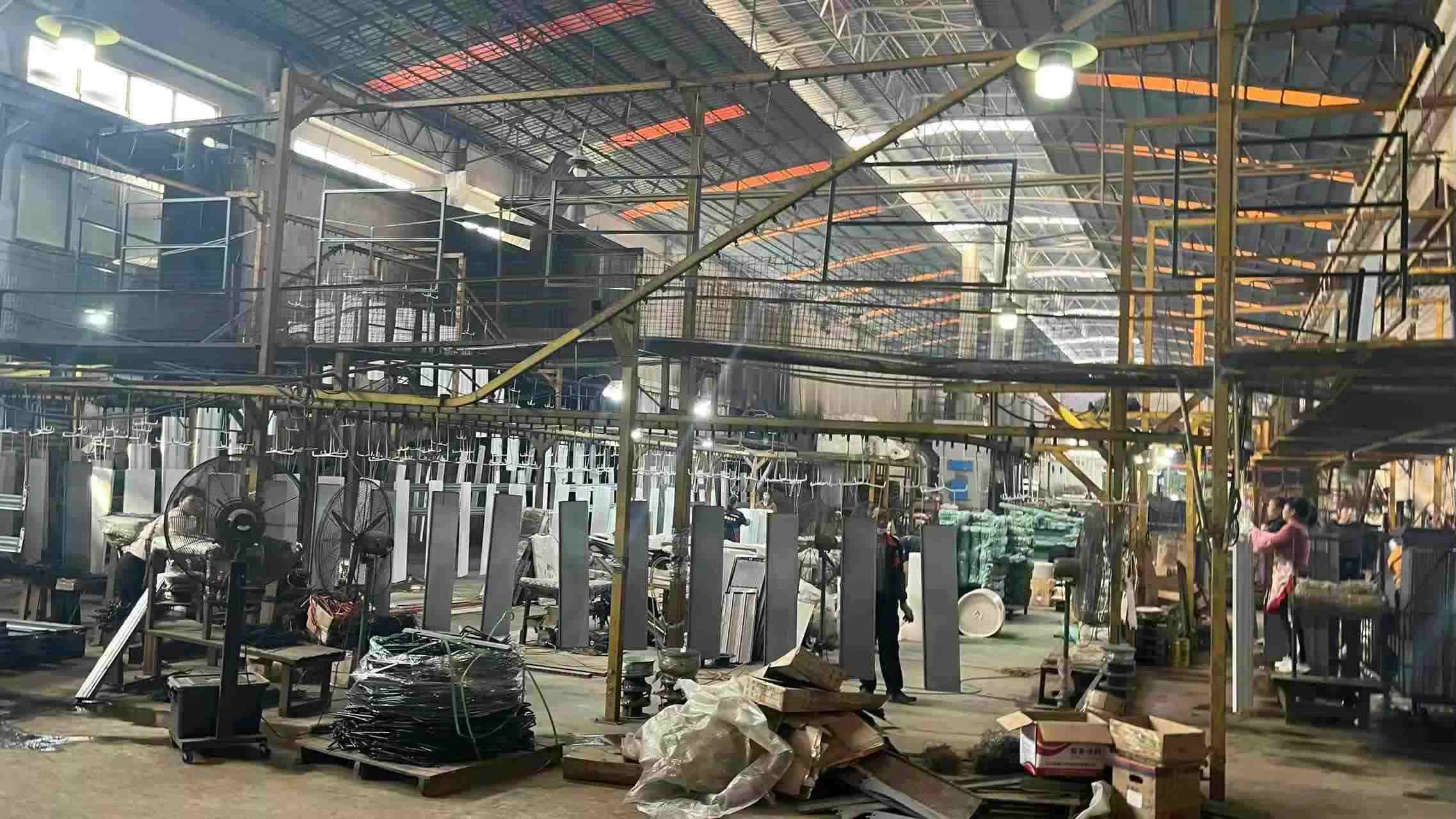
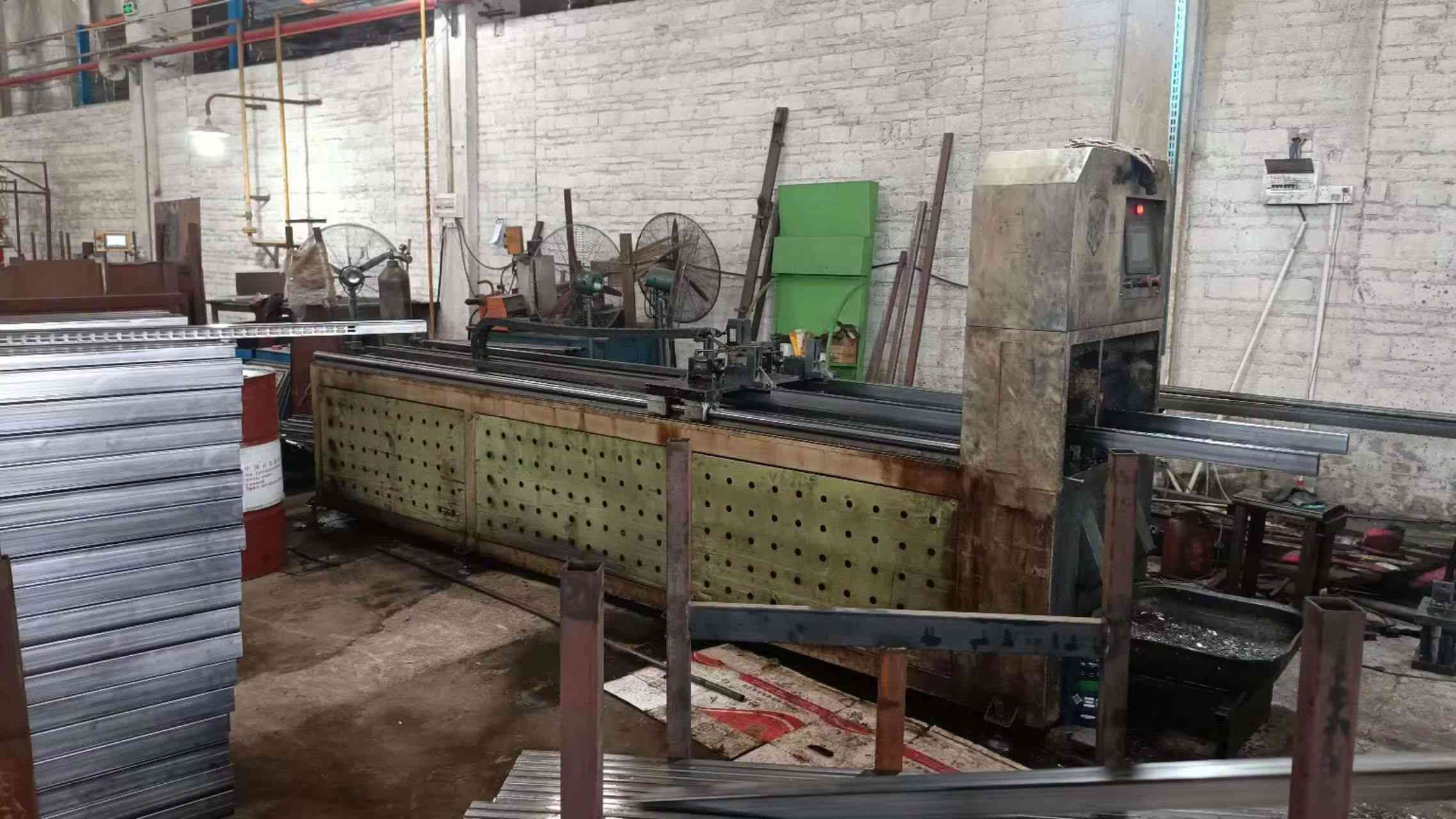
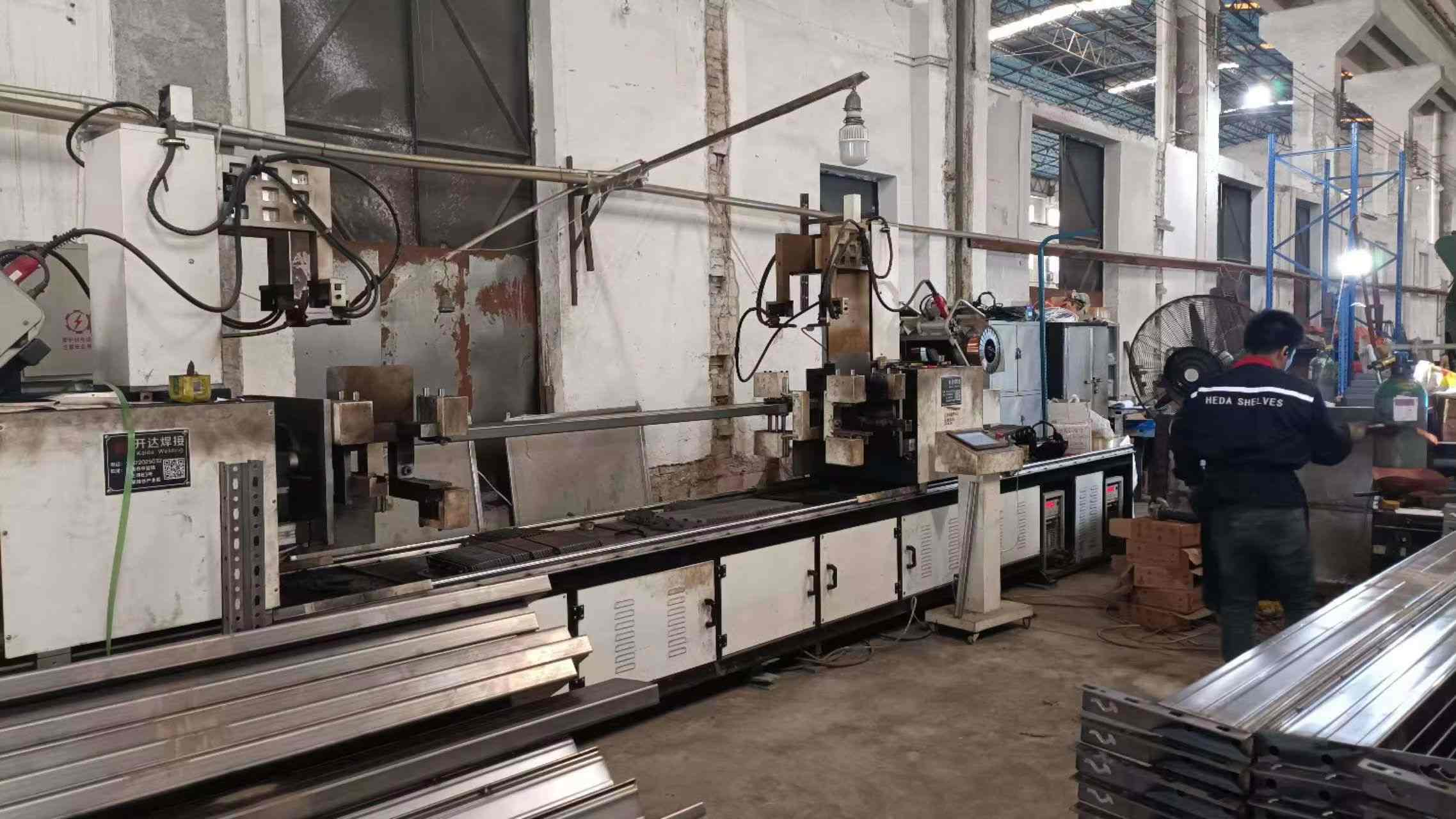
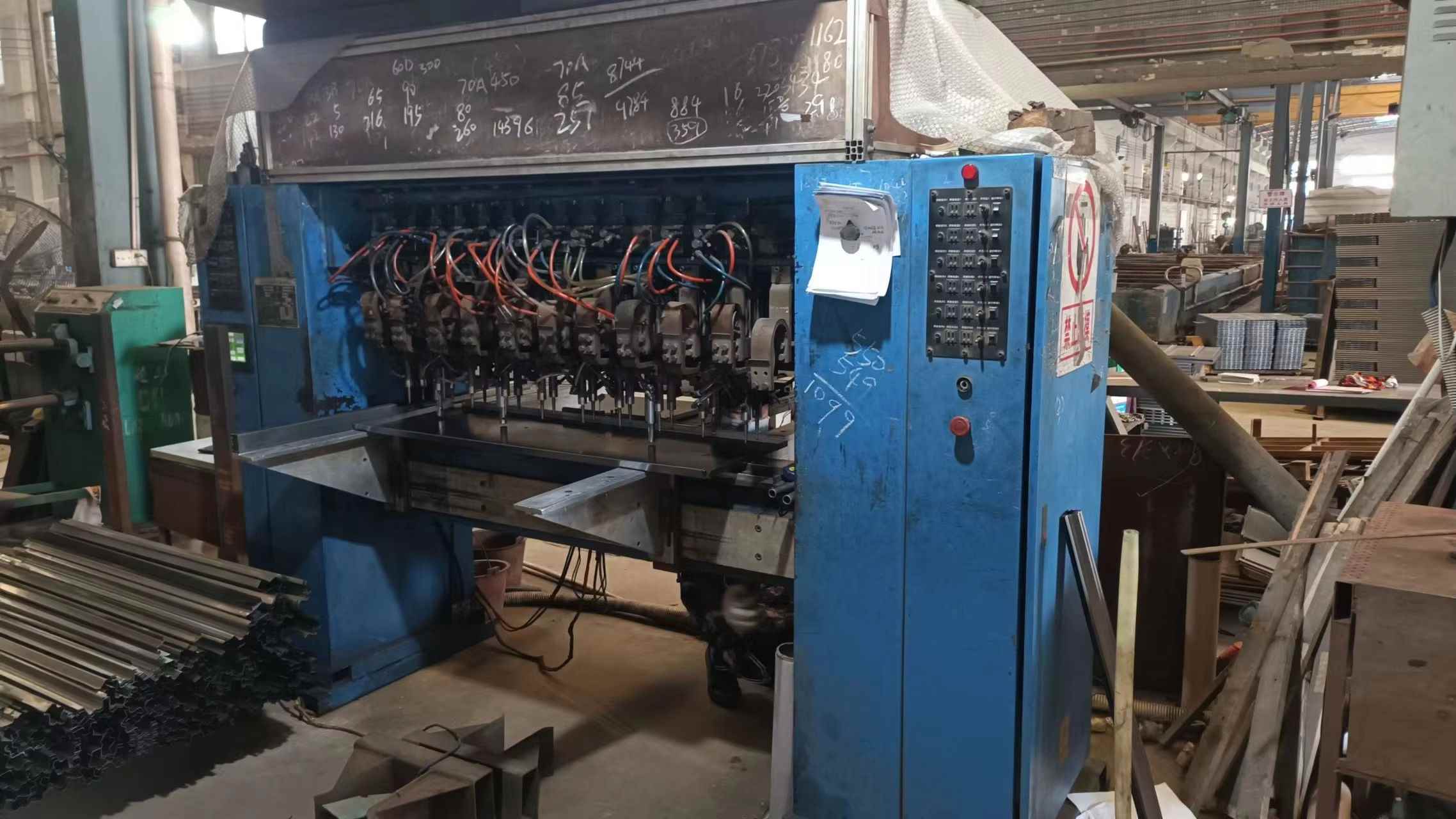
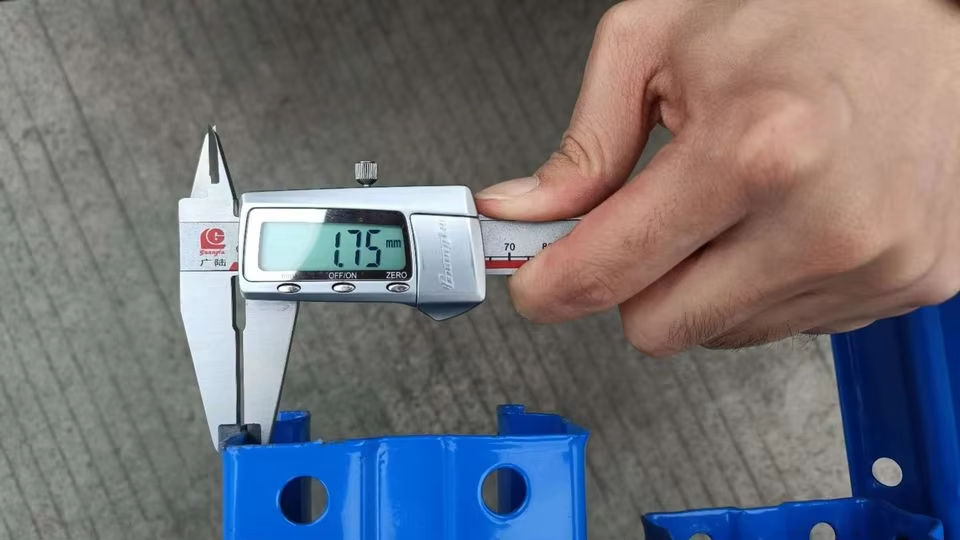
Quality control for dynamic racking requires rigorous oversight at every step of fabrication. Below is the exact structural fabrication, surface passivation, and inspection process utilized in our facility to guarantee performance reliability:
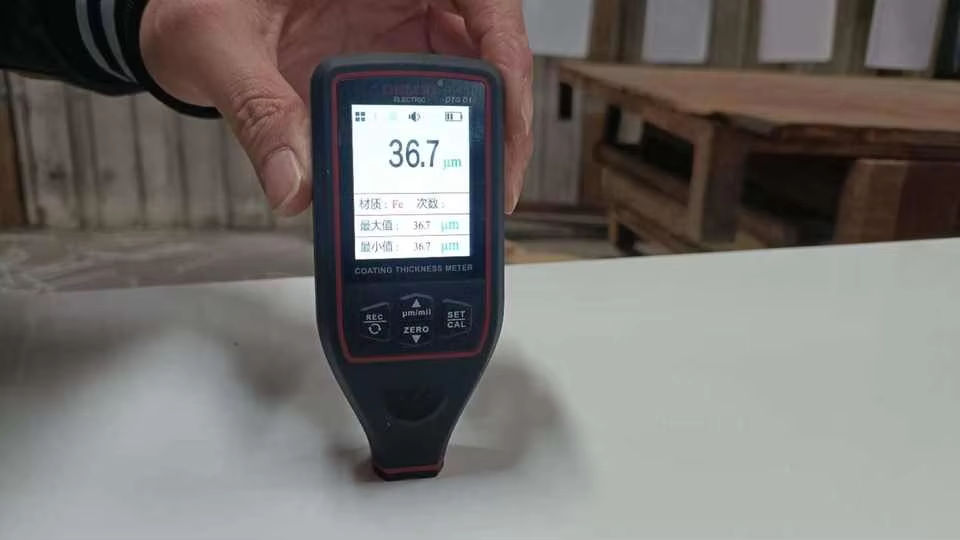
The warehouse storage sector is shifting toward modular, hybrid, and smart systems. Key trends influencing global procurement departments include:
Push back racking is not a one-size-fits-all product. Different operating environments require specific design adjustments to ensure maximum reliability and performance:
Operating in temperatures down to -30°C requires a specialized low-temperature powder coating and high-performance grease within the cart bearings to prevent freezing. Push back racks eliminate dead volume in cold rooms, saving substantial energy costs.
Automotive logistics involve heavy, uniformly sized parts stored in steel crates or plastic tubs. Standard nested carts are customized with reinforced cross bars to support multi-spec load bases and minimize concentrated structural stress.
Fast-moving consumer goods require high throughput. A push back system allows dedicated lanes for SKU-specific LIFO batch retrieval, optimizing truck loading schedules and reducing forklift transit distance inside the facility.
Established in 2014, Shenzhen Heda Warehouse Equipment Co., Ltd. is a premier manufacturer specializing in heavy-duty warehouse racking and industrial storage solutions. Spanning a modern manufacturing facility of 35,000 m², our enterprise integrates R&D, design, production, and international marketing to serve diverse storage needs worldwide. With 12 years of industry experience and 8 years of dedicated export expertise, we deliver high-caliber storage systems that generate over $28 million in annual export revenue.
At Heda, quality control and engineering innovation drive our core operations. Our robust QC department comprises 45 skilled inspectors utilizing rigorous testing methods, including raw material tensile testing, automated weld flaw detection, layer load-bearing stress analysis, and salt spray surface corrosion testing. Supported by a professional R&D team of 28 senior structural engineers, we maintain strong full-customization capabilities (OEM/ODM)—offering tailored rack dimensions, load capacities, surface coatings, and layout designs. Driven by continuous innovation, we launched over 120 new dynamic storage products and component upgrades last year.
Operating with a strong direct-factory and international trade background, we have built a resilient ecosystem supported by over 800 supply chain partners. Our products are exported to major global markets, including North America, Western Europe, Southeast Asia, and the Middle East. We proudly serve a diverse clientele ranging from third-party logistics (3PL) providers and large distribution centers to industrial manufacturers and wholesale equipment distributors.
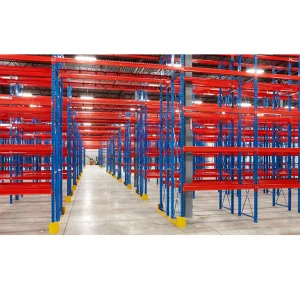
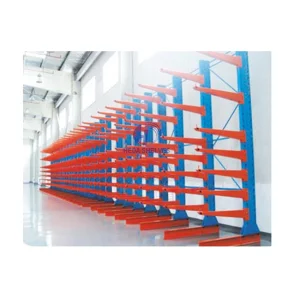
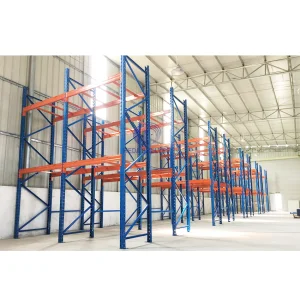
Engineered structural steel configurations and storage systems built for high-throughput, high-weight capacities.
 Hedaracking