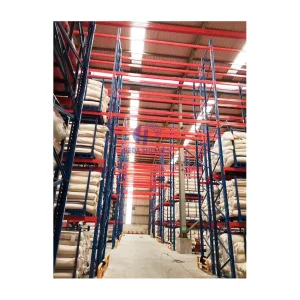
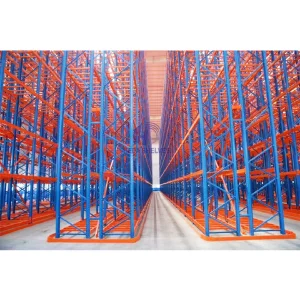
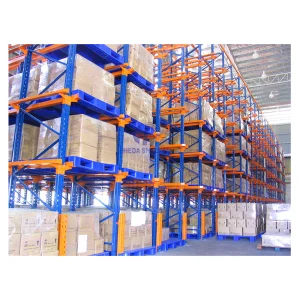
Modern supply chain networks and high-throughput distribution hubs require highly integrated, structurally resilient load-bearing frameworks. The role of pallet racking factories and exporters has evolved from simple steel fabrication to high-precision structural design engineering. In response to global warehouse space shortages, high-density racking configurations—such as Selective Pallet Racking, Drive-In Systems, and Push-Back Racking—have become critical foundations for operational efficiency.
In international logistics, structural failure is not an option. Industry guidelines set by the Rack Manufacturers Institute (RMI) in North America, as well as EN standards and FEM 10.2.02 codes across Europe, require strict quality controls. Global logistics operations, industrial manufacturing plants, and third-party logistics (3PL) providers look to top-tier steel racking manufacturers to handle strict load requirements, seismic activities, and harsh environmental conditions, such as cold-storage warehouses.
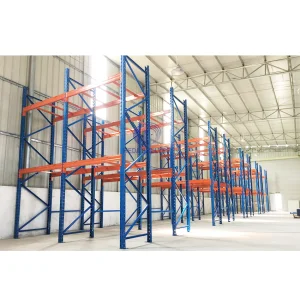
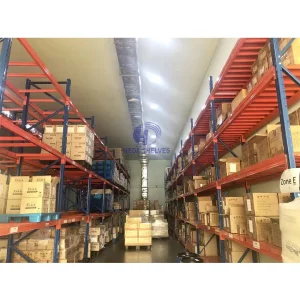
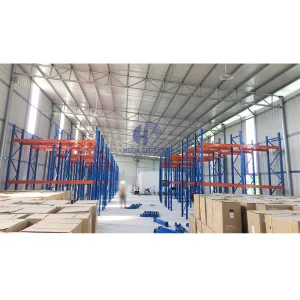
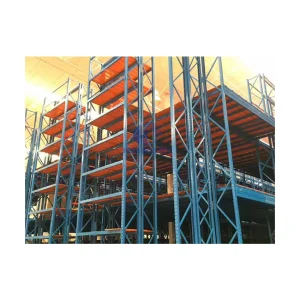
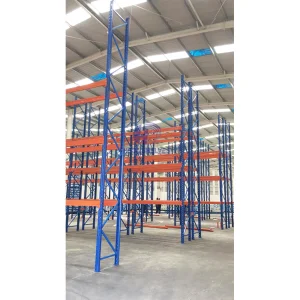
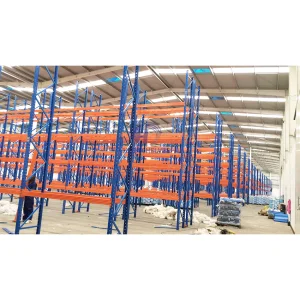
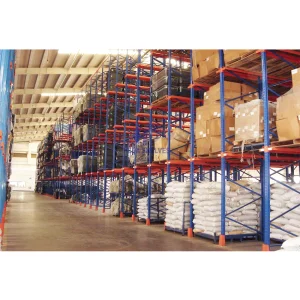
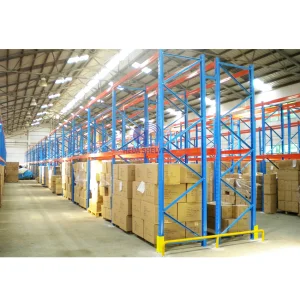
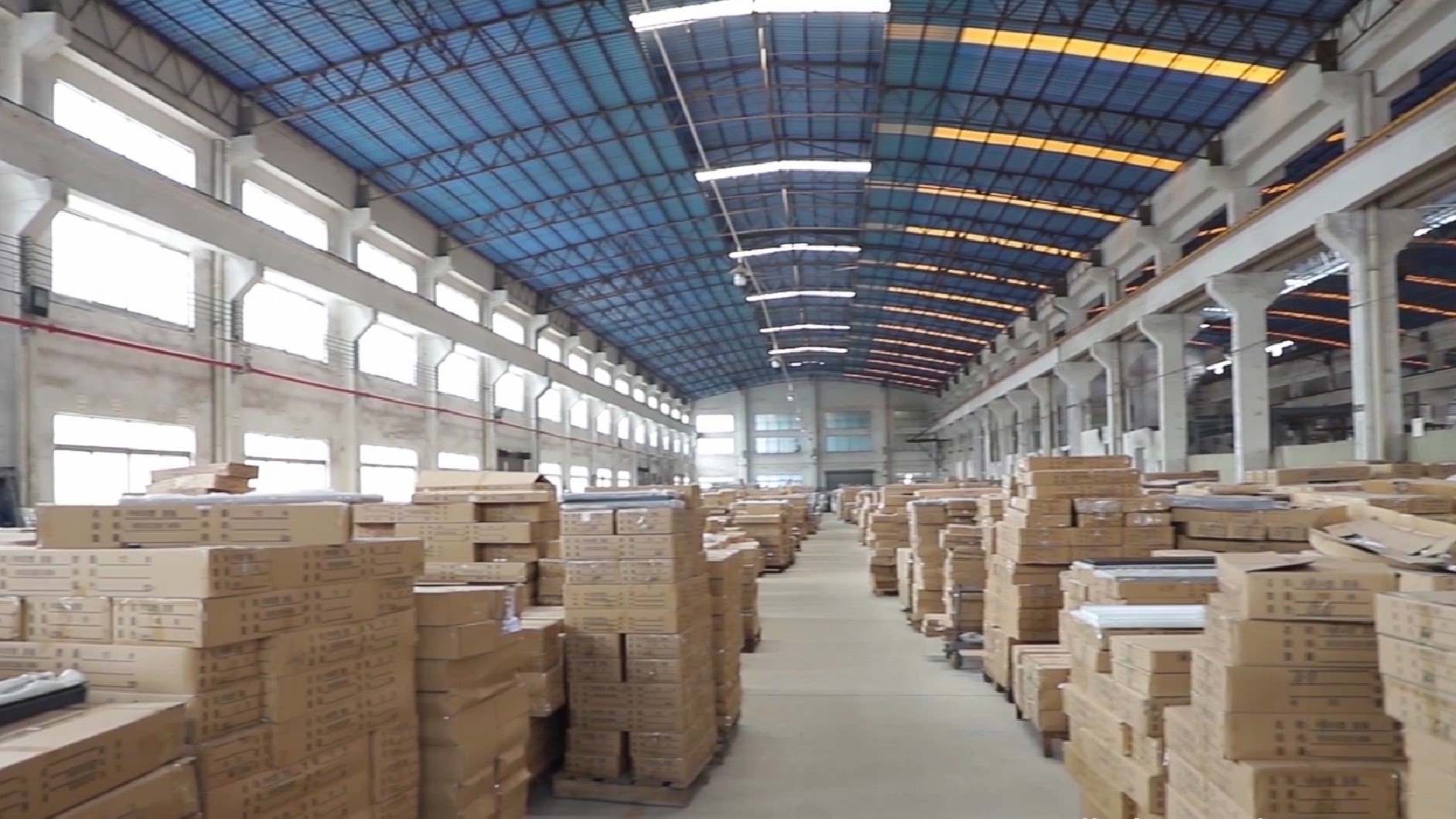
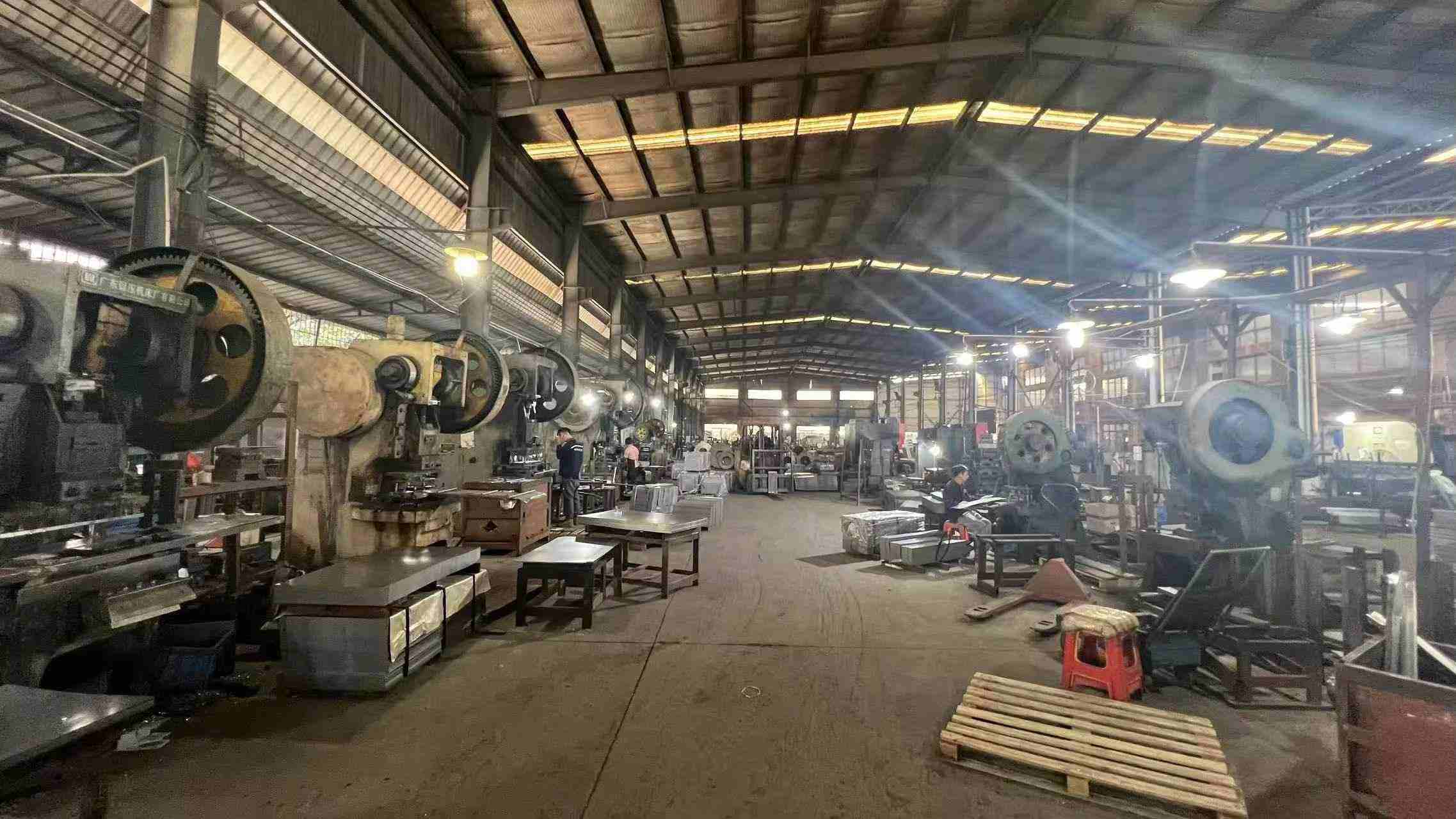
Established in 2014, Shenzhen Heda Warehouse Equipment Co., Ltd. is a premier manufacturer specializing in heavy-duty warehouse racking and industrial storage solutions. Spanning a modern manufacturing facility of 35,000 m², our enterprise integrates R&D, design, production, and international marketing to serve diverse storage needs worldwide. With 12 years of industry experience and 8 years of dedicated export expertise, we deliver high-caliber storage systems that generate over $28 million in annual export revenue.
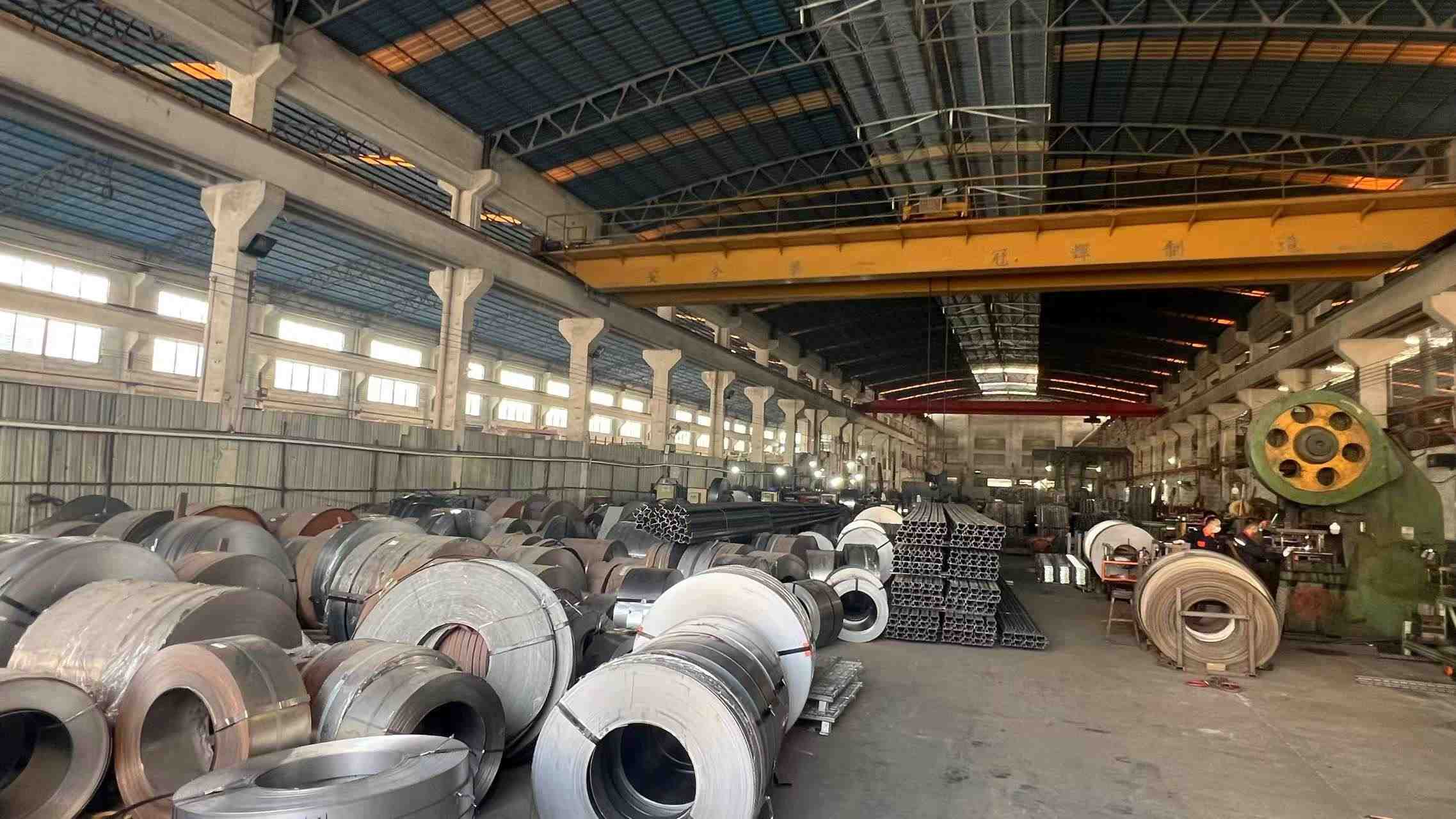
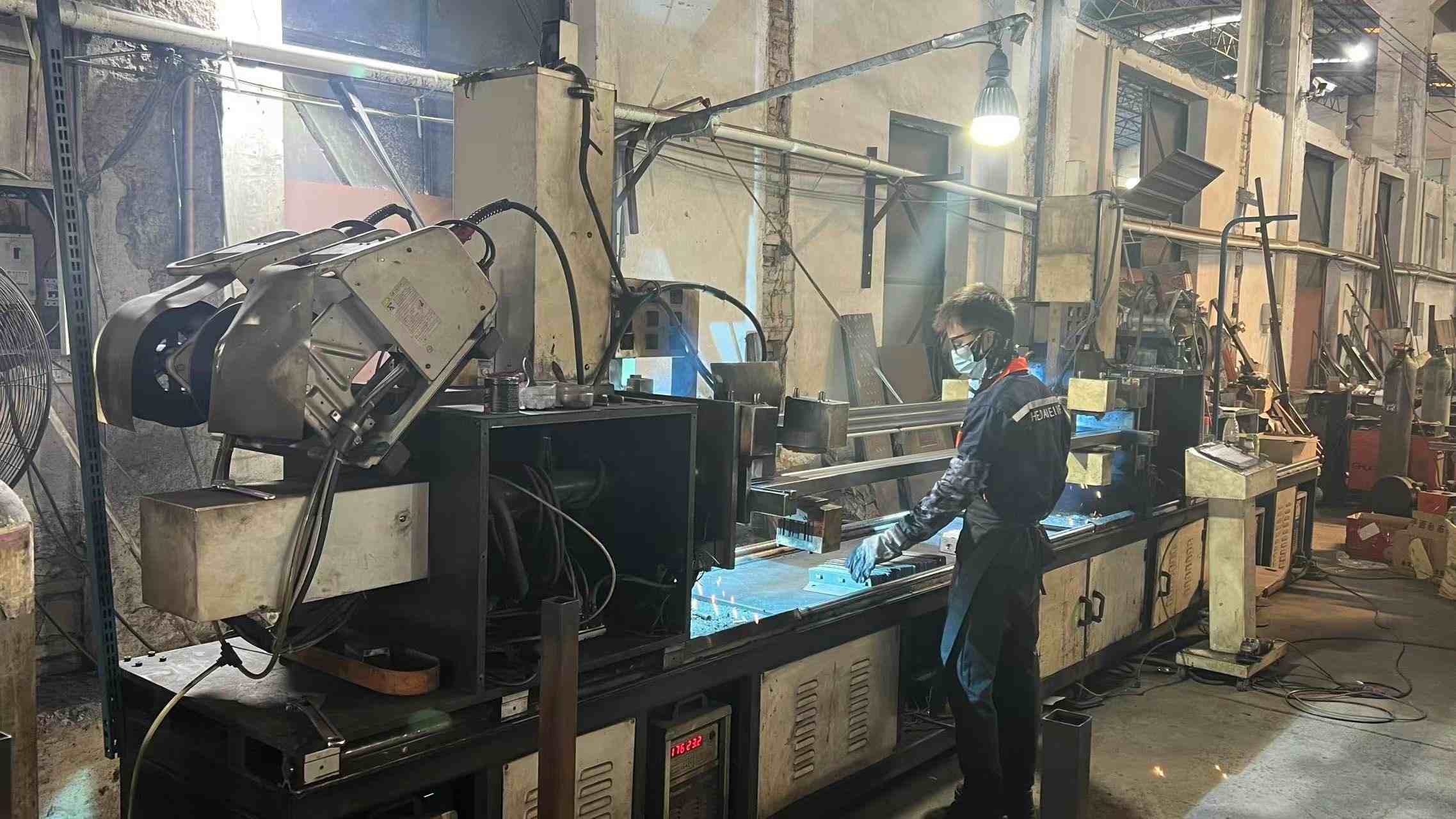
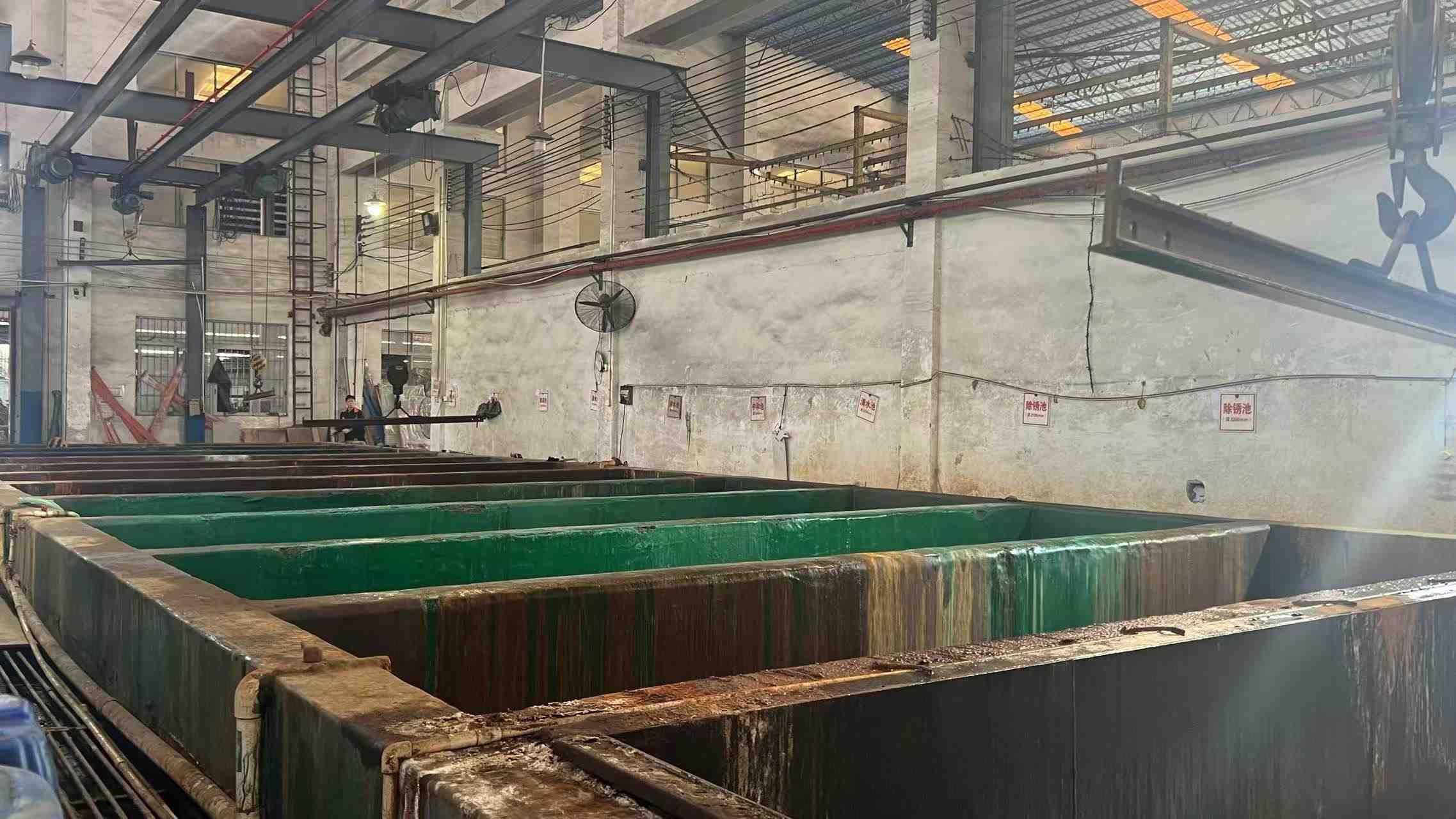
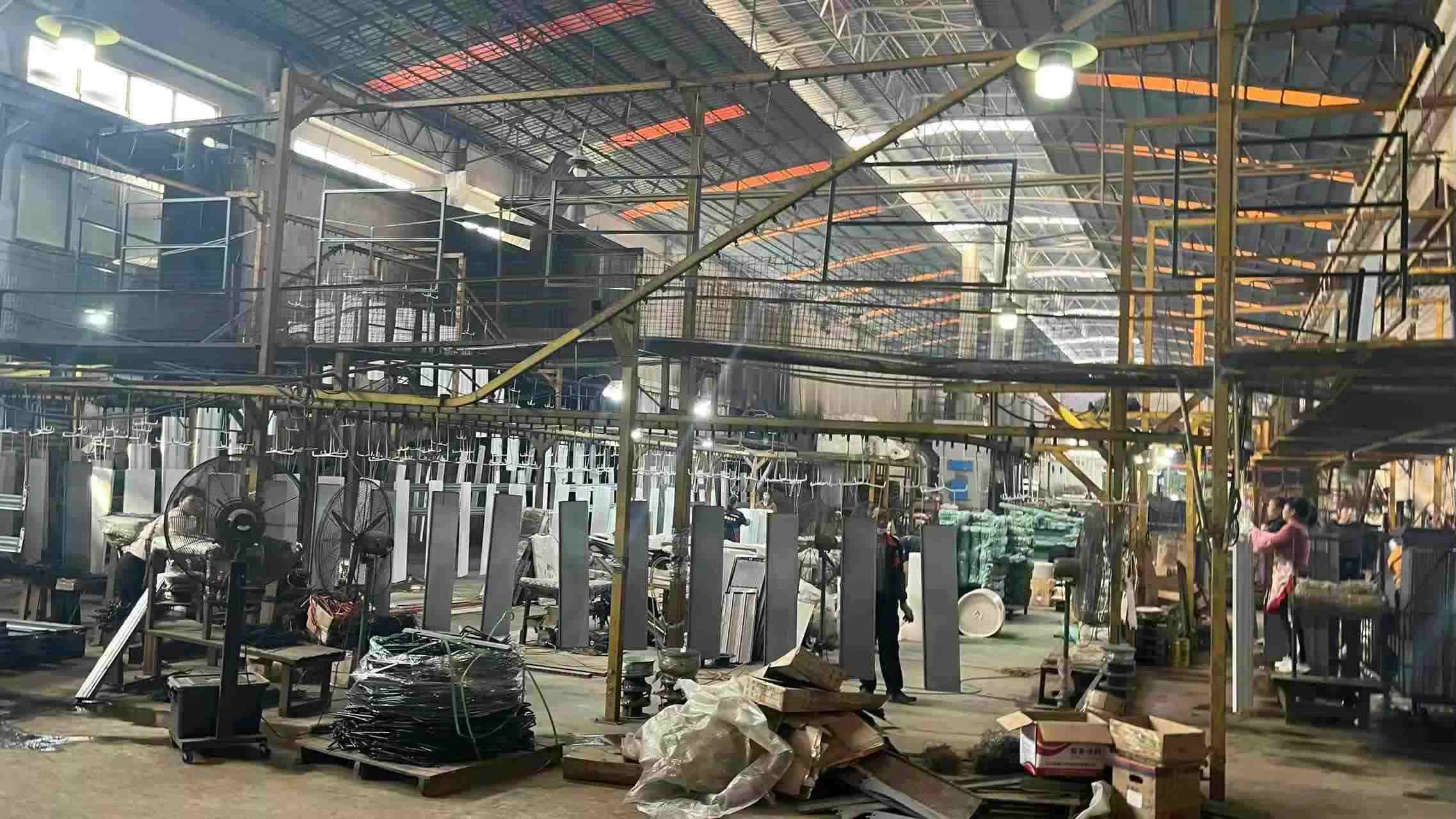
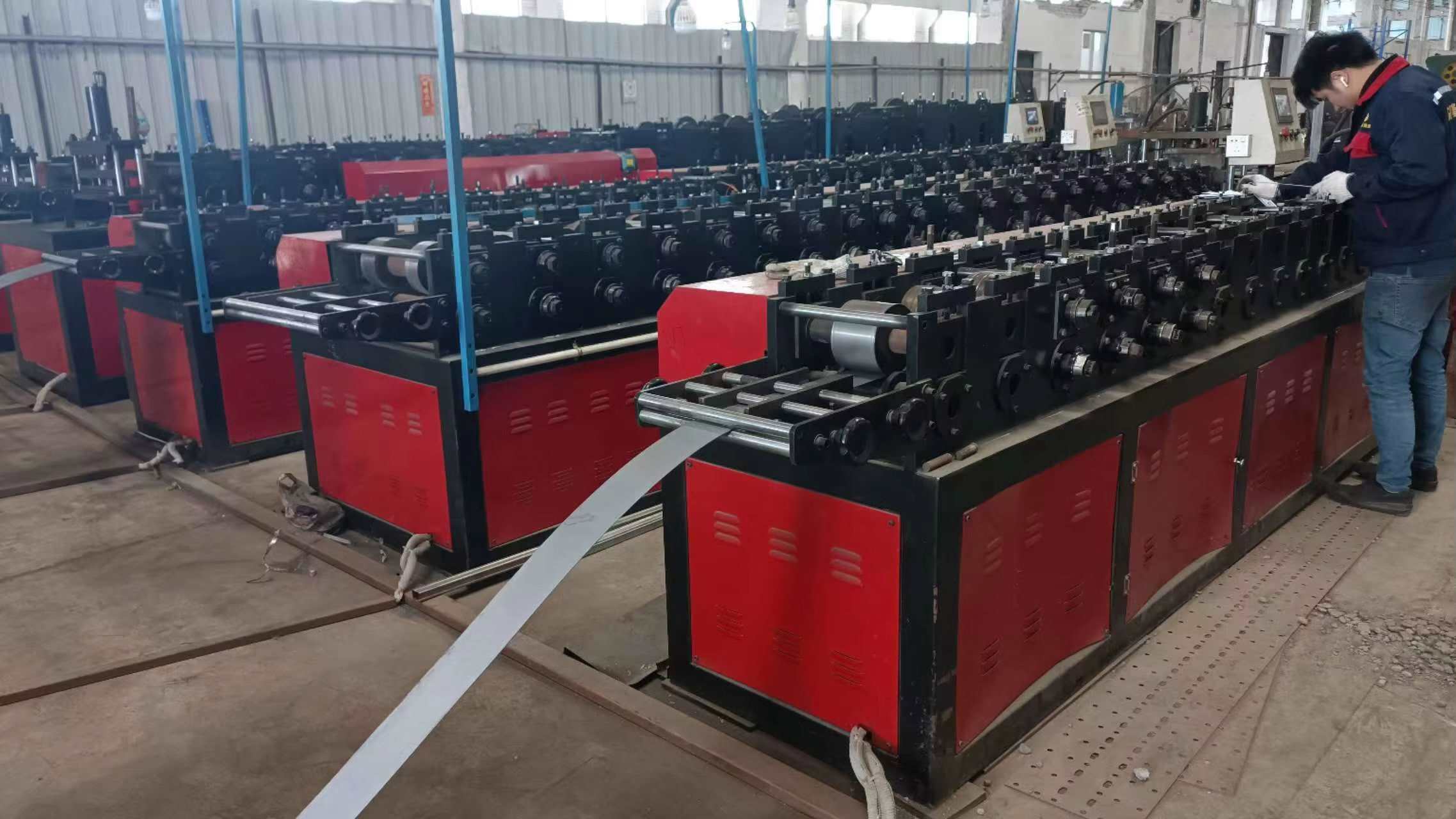
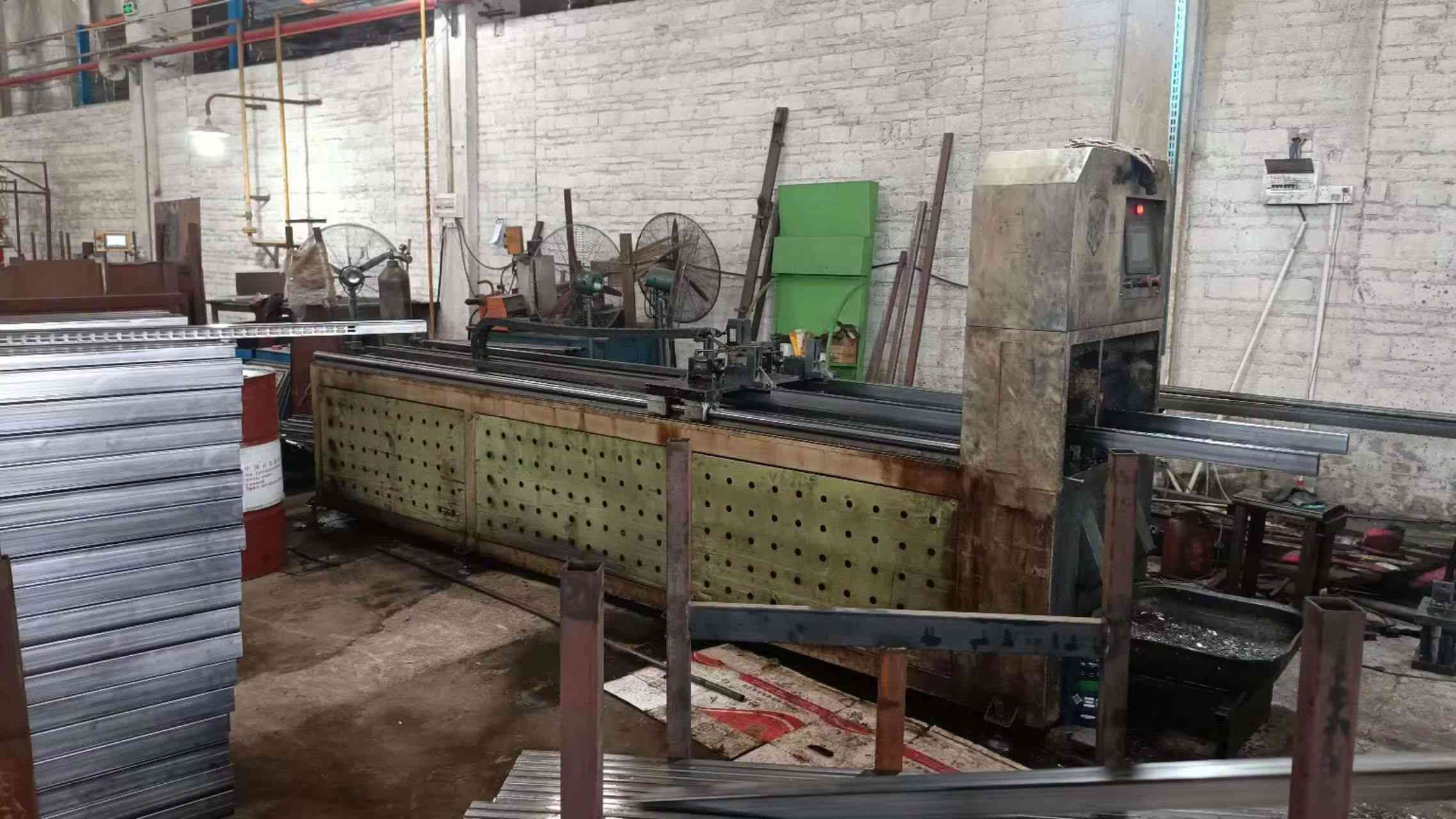
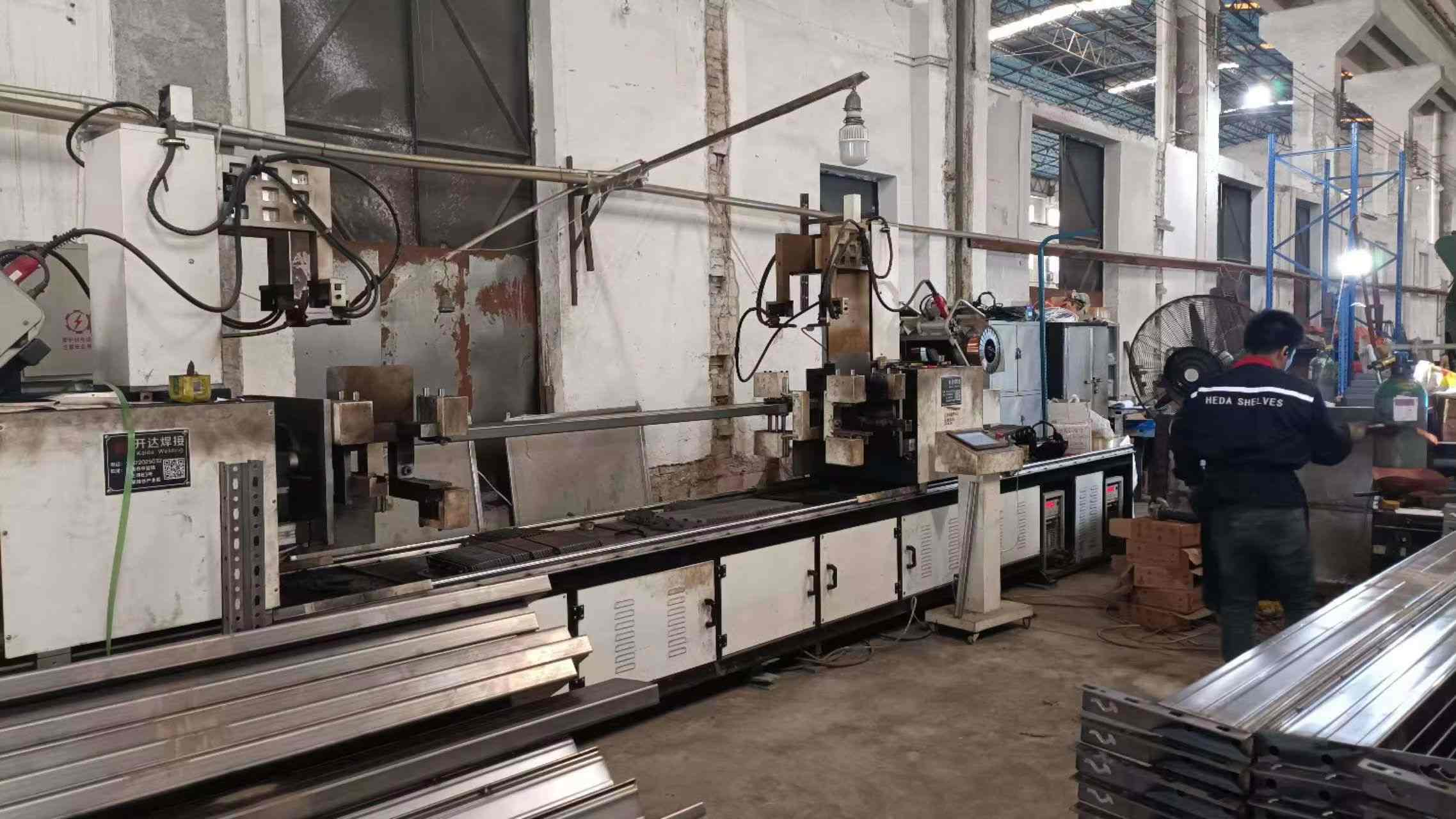
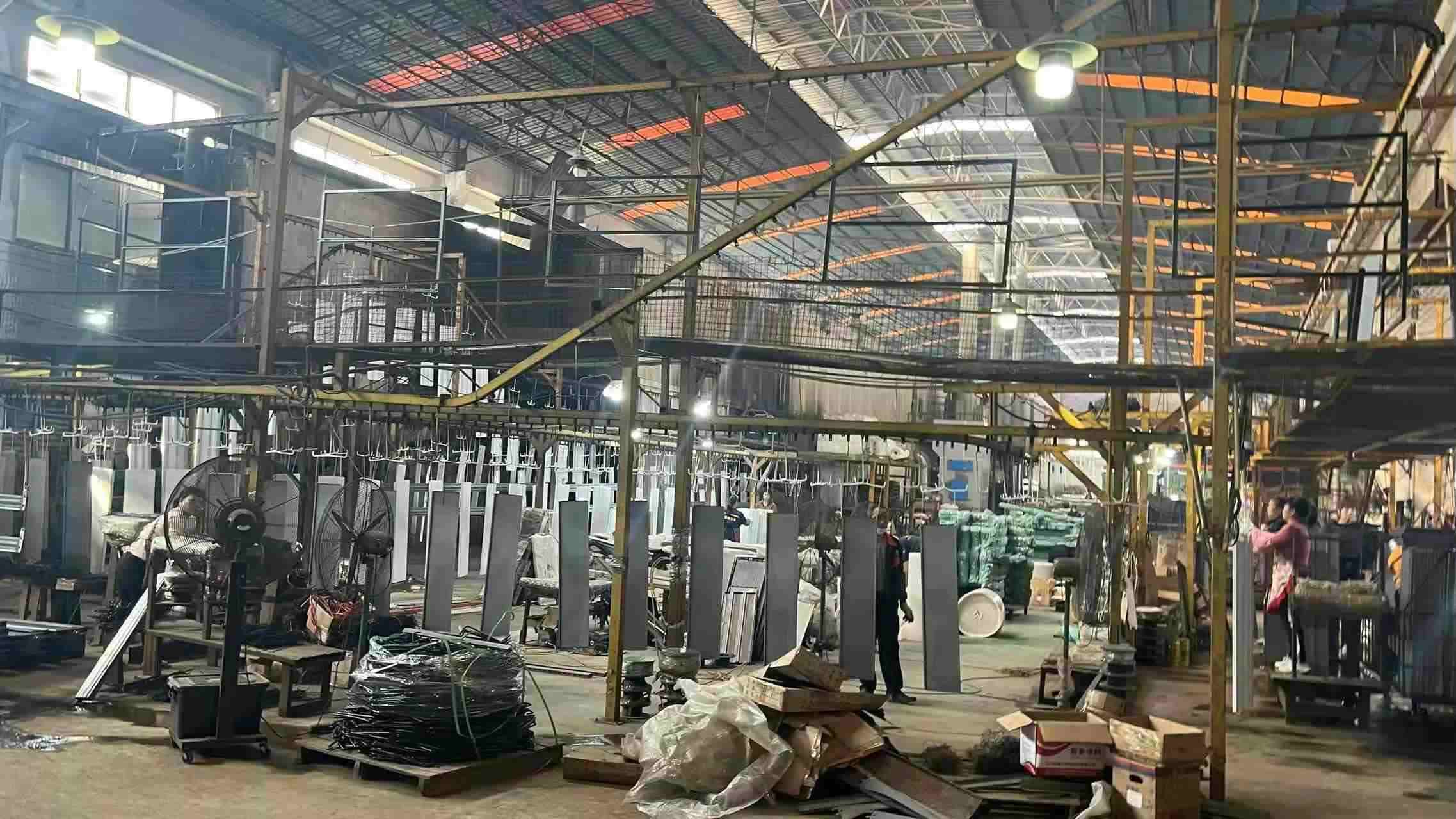
Chinese steel mills produce high-grade structural alloys, such as Q235B and Q355B. This local raw material supply gives factories like Heda a strong competitive advantage. By sourcing raw materials locally, our factory maintains stable pricing and consistent quality compared to Western fabricators. Our manufacturing facility utilizes high-speed automated rolling lines, precision robotic welding stations, and an integrated electrostatic powder coating operation. This structural setup allows us to quickly scale production for major warehouse projects.
At Heda, quality control and engineering innovation drive our core operations. Our robust QC department comprises 45 skilled inspectors utilizing rigorous testing methods, including raw material tensile testing, automated weld flaw detection, layer load-bearing stress analysis, and salt spray surface corrosion testing. Supported by a professional R&D team of 28 senior structural engineers, we maintain strong full-customization capabilities (OEM/ODM)—offering tailored rack dimensions, load capacities, surface coatings, and layout designs. Driven by continuous innovation, we launched over 120 new dynamic storage products and component upgrades last year.
Operating with a strong direct-factory and international trade background, we have built a resilient ecosystem supported by over 800 supply chain partners. Our products are exported to major global markets, including North America, Western Europe, Southeast Asia, and the Middle East. We proudly serve a diverse clientele ranging from third-party logistics (3PL) providers and large distribution centers to industrial manufacturers and wholesale equipment distributors.
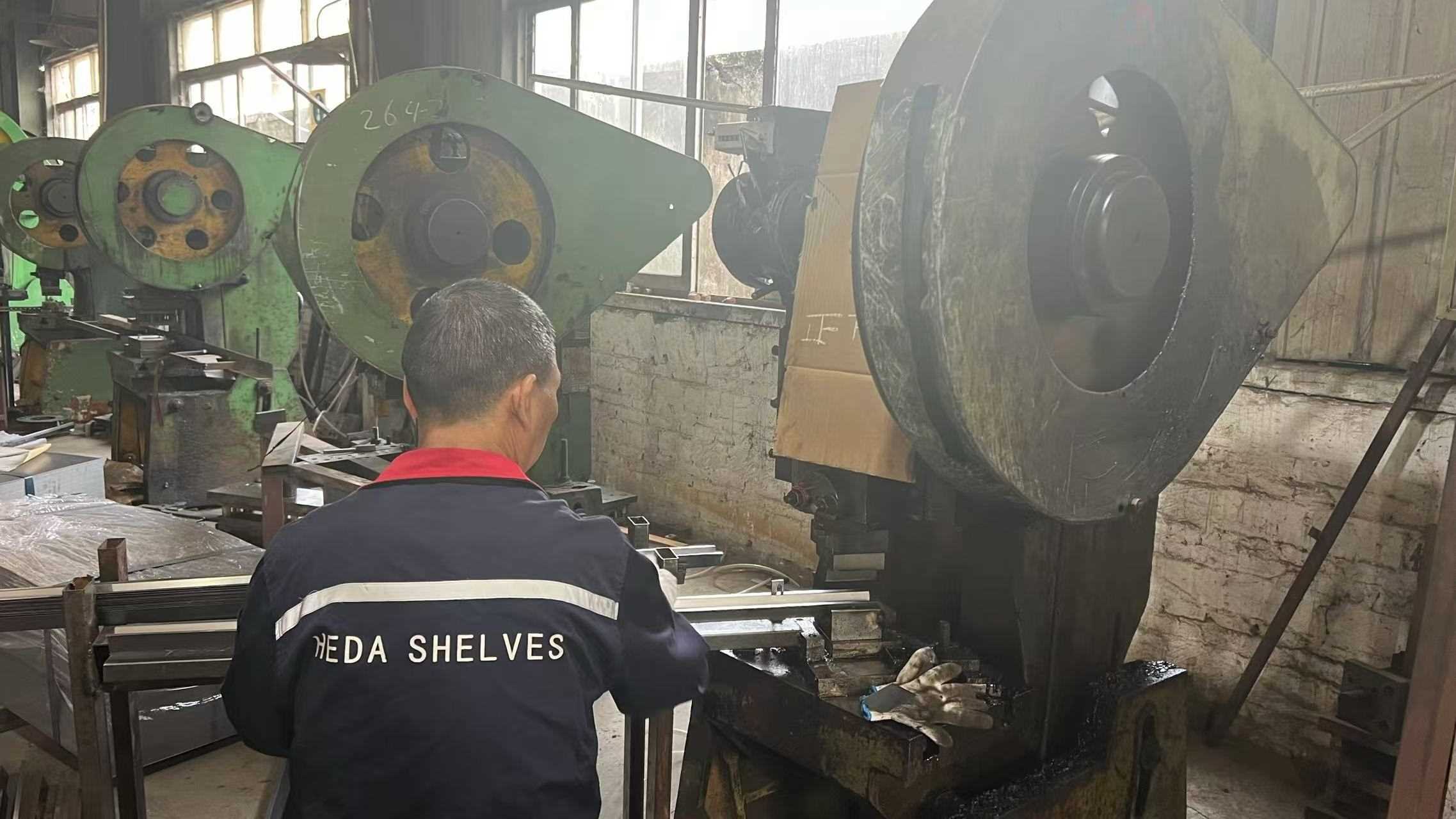
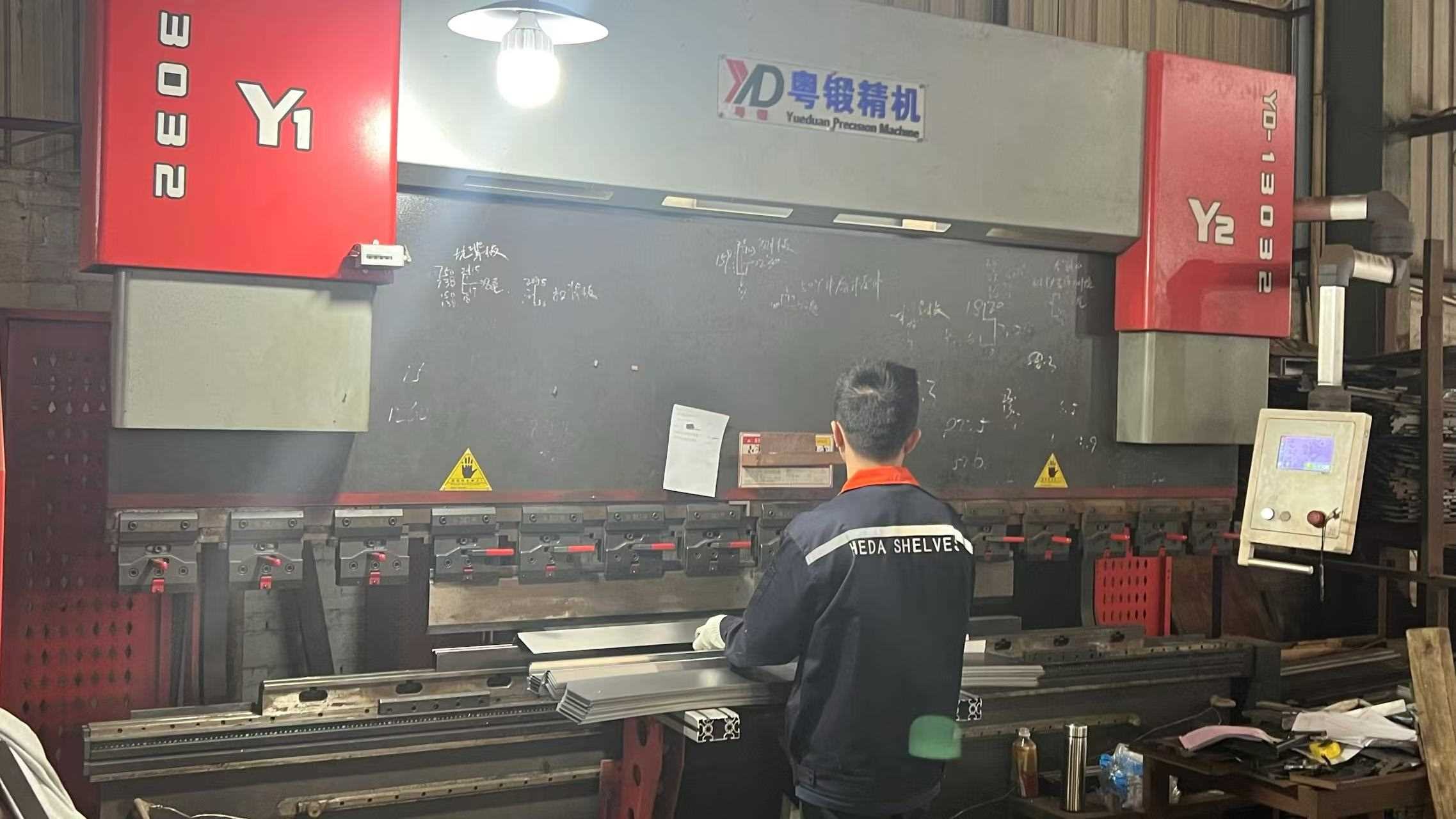
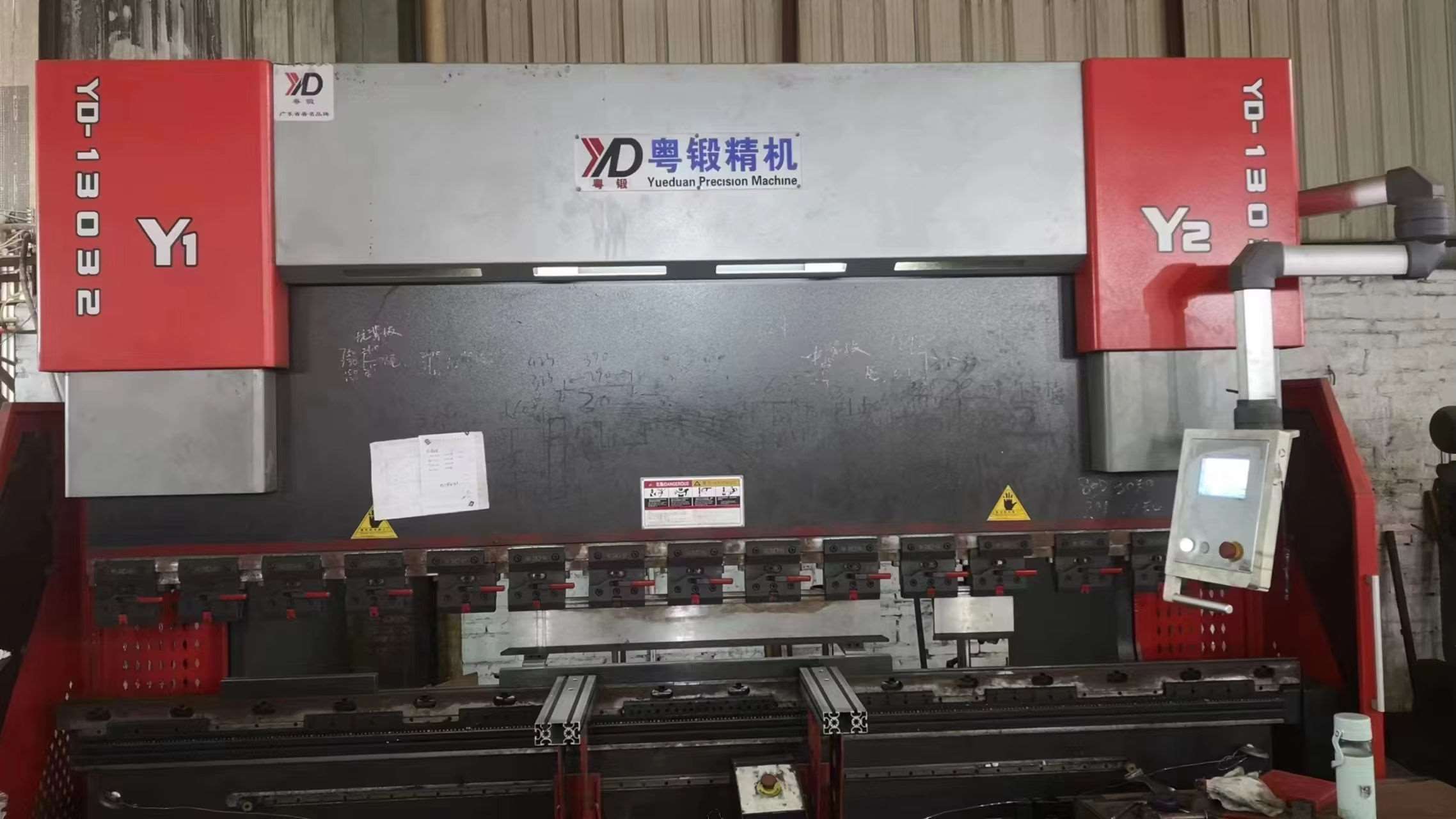
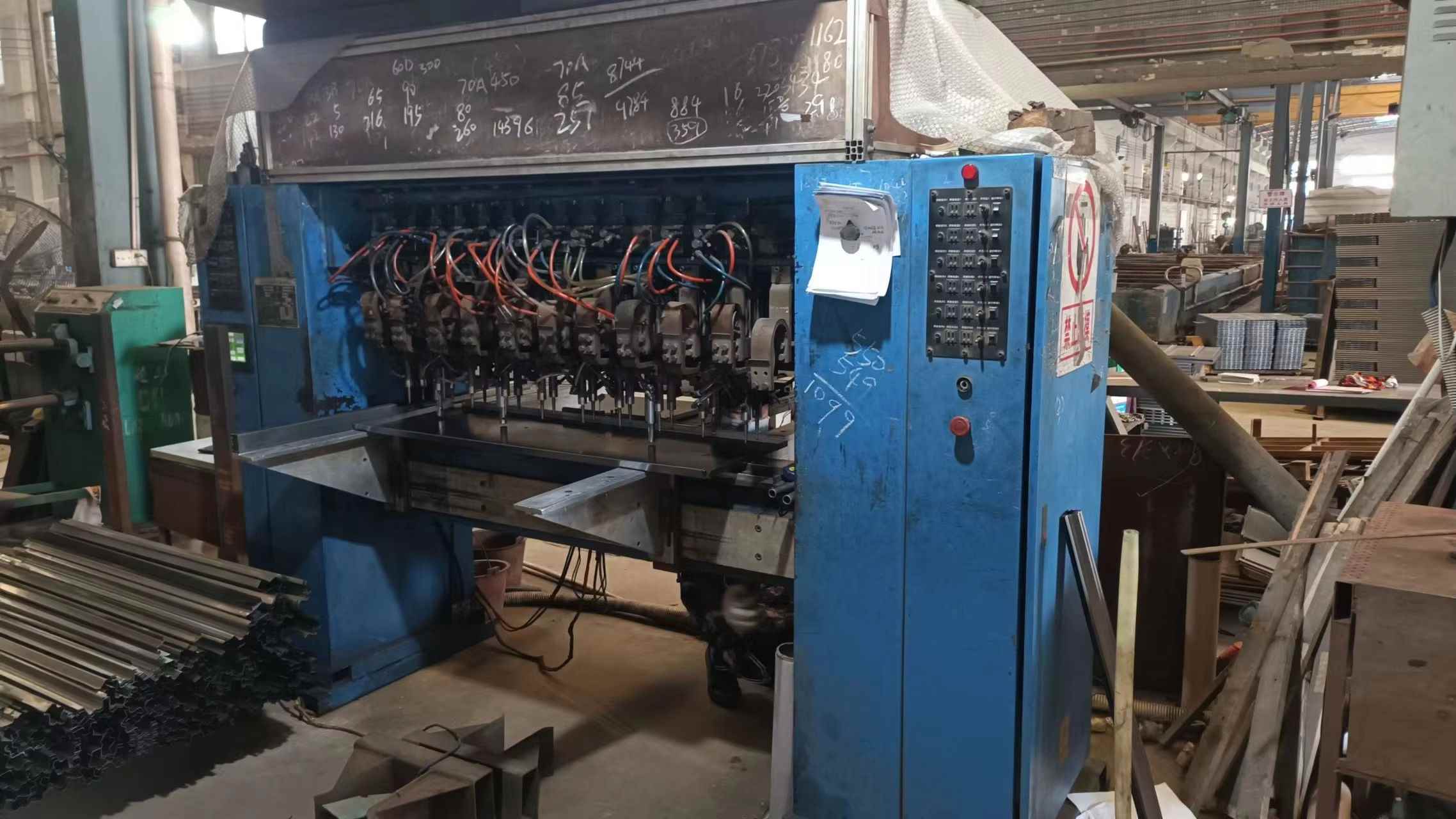
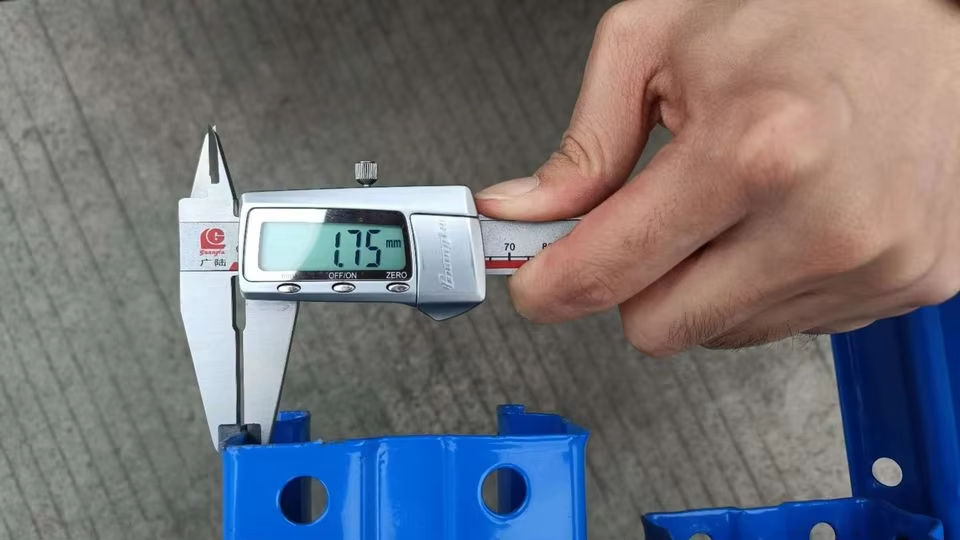
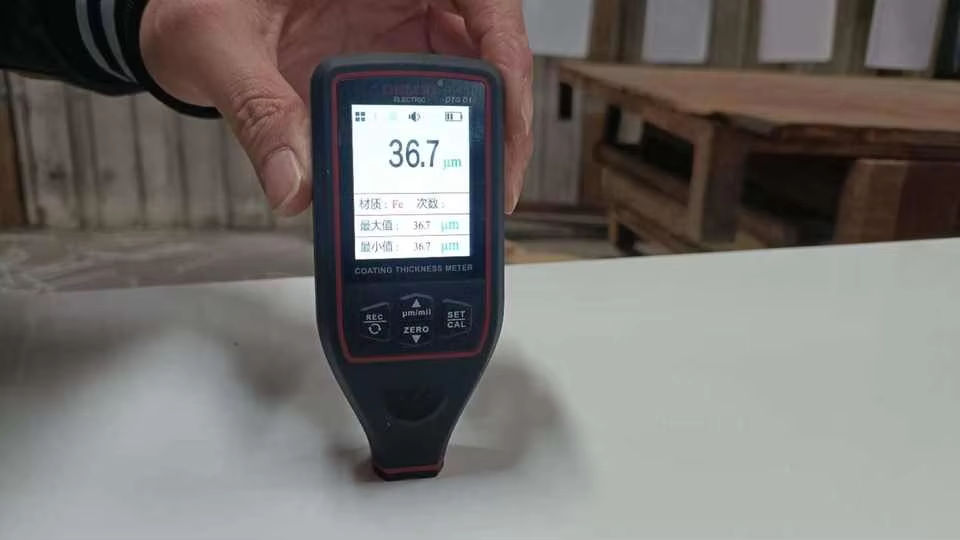
The reliability of high-capacity warehouse racking depends on precise manufacturing processes. Below is our complete production sequence, tracking each step from raw coil feeding to the final thickness and stress tests. This systematic process ensures all products conform to our strict engineering standards.
Pallet racking is not a one-size-fits-all product. Different operating environments require specific modifications to the structural design, steel configuration, and overall layout. Over years of working with international partners, our engineering team has developed specialized solutions for key industrial sectors:
For installations in seismically active regions like Japan, New Zealand, or the western coast of South America, structural integrity is critical. We engineer extra-large, heavy-duty baseplates, reinforce the frames with larger diagonal bracing, and use high-strength anchor bolts. These design updates ensure the racking systems meet all local seismic safety requirements.
Operating in temperatures as low as -30°C requires specialized materials. Standard carbon steel can become brittle and crack under stress in freezing environments. We utilize low-temperature structural steel alloys and finished products with impact-resistant, non-porous powder coatings. This prevents moisture ingress and peeling paint, keeping your cold storage facility safe and sanitary.
Automated storage and retrieval systems demand exceptionally tight manufacturing tolerances. Even a tiny deviation in alignment can cause automated cranes or shuttles to malfunction. We use specialized, automated punching and roll-forming processes to keep structural tolerances to a minimum, ensuring smooth integration with automated systems.
Modern industrial warehousing requires continuous innovation in materials science, automation integration, and structural engineering. We align our manufacturing processes and design work with a clear, tech-driven development path:
We focus on introducing high-strength, thin-walled cold-formed steel sections. Using advanced Q355B and Q420 steel alloys, we can reduce overall steel weight by 15% while maintaining load-bearing capacity. This lowers shipping and installation costs for global projects.
To support next-generation logistics, we are testing racking systems embedded with low-cost structural sensors. These sensors monitor load changes, frame alignment, and unexpected impacts in real time, alerting facility managers to potential safety hazards before they occur.
We are updating our manufacturing processes to lower carbon emissions. By partnering with eco-friendly steel mills and using zero-VOC powder coatings, we help our logistics clients meet their corporate ESG goals.
Exporting structural steel components globally requires strict adherence to international building codes and product standards. Each region has specific certification requirements that must be met before installation:
Racking systems shipped to the USA and Canada are designed in accordance with the American National Standards Institute (ANSI) MH16.1 specification. Our structural calculations undergo rigorous testing to verify safety margins, shear resistance, and structural stability under load.
For European installations, we comply with the EN 15512 and FEM 10.2.02 design codes. In Australia, we fabricate systems to meet AS 4084-2012 standards. This ensures our pallet racking satisfies the technical requirements of engineers, safety inspectors, and insurers in these regions.
To simplify global project management, we provide comprehensive technical documentation for all shipments. This includes structural drawings, detailed load charts, and assembly instructions. We also coordinate with local installation teams and structural engineers to ensure a smooth, compliant setup on-site.
Review standard engineering and logistic answers compiled by our technical team to help guide your procurement and layout planning.
 Hedaracking