In the ever-evolving world of logistics, selecting the right pallet storage solutions is essential for efficiency and productivity. Industry expert John Anderson, a seasoned consultant at StackRight Solutions, states, "The effectiveness of your pallet storage can make or break your supply chain." This emphasizes the critical role that proper storage plays in operational success.
Many businesses overlook the nuances of pallet storage. It's not just about stacking items; it's about maximizing space and minimizing risk. Different industries require tailored solutions. For instance, a food distribution warehouse may need temperature-controlled pallet storage, while a manufacturing plant might emphasize durability and weight capacity. Understanding these factors can significantly impact your operational flow.
Additionally, companies often face challenges when assessing their storage needs. Choices can be overwhelming, and inadequate planning may lead to costly errors. Balancing cost, accessibility, and safety should be a priority. A well-structured pallet storage system is a valuable investment, but it requires careful consideration. The right choice will enhance efficiency and streamline processes across your business.
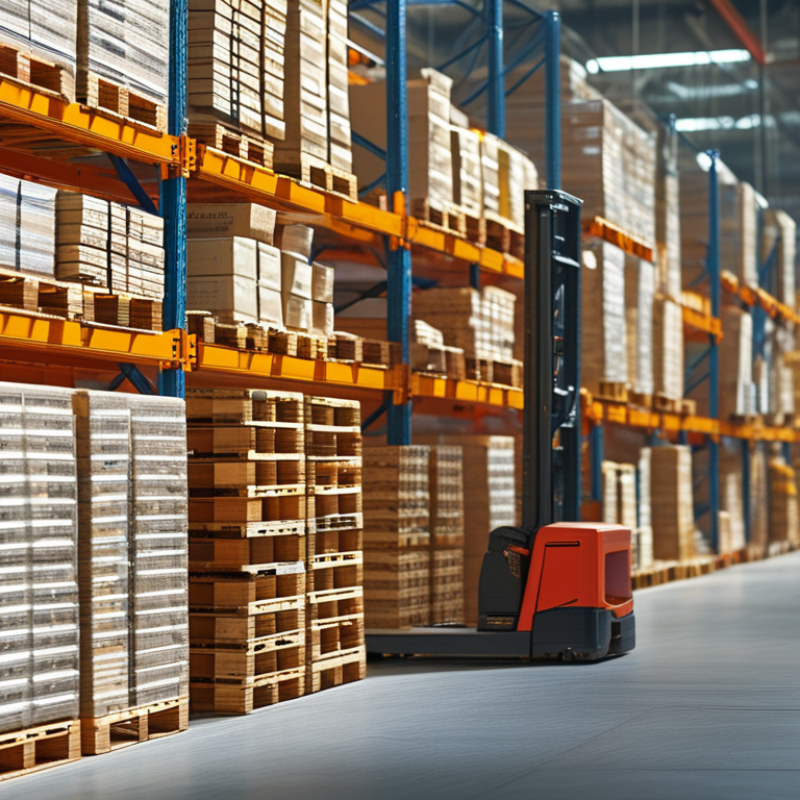
When selecting pallet storage solutions, several factors come into play. It's crucial to evaluate the available warehouse space. Industry reports highlight that businesses often underutilize their vertical space. A well-designed pallet racking system can increase storage capacity by up to 30%. This can significantly impact operational efficiency and cost-effectiveness.
Next, consider load capacity and safety requirements. According to the Rack Manufacturers Institute, improper loading can lead to accidents and increased insurance costs. Understanding the weight limits for different pallet types is vital. It helps ensure compliance with safety standards while protecting personnel. Investing in quality storage equipment minimizes risks and improves productivity.
Additionally, adjustability and flexibility are important features. Many warehouses experience fluctuating inventory levels. A configurable pallet system can adapt to changing needs without major renovations. However, not all systems allow for easy reconfiguration. Evaluating your current and future needs can prevent costly mistakes.
When considering pallet storage systems, understanding their types and applications is crucial.
Selective pallet racking is one of the most common systems. It's flexible and allows for easy access to every pallet. This system works well in warehouses with a variety of products and frequent inventory turnover. However, its limitations include lower storage density compared to other systems.
Drive-in and drive-through racks offer greater storage efficiency for high-volume items. They allow forklifts to drive directly into the storage area.
This design maximizes space but can complicate stock rotation. It may lead to older stock being pushed further back, which could result in spoilage or obsolescence.
In contrast, pallet flow systems operate on a first-in, first-out principle. They use gravity to move pallets from the loading side to the picking side. This method enhances inventory turnover and minimizes waste.
Yet, the complexity of installation can be a barrier for some businesses. Each system has its pros and cons. Evaluating your specific needs is essential before making a decision.
When considering pallet storage solutions, assessing your warehouse space and layout is crucial. Every inch counts in maximizing efficiency. Start by mapping your warehouse's dimensions, including height and width. Measure current shelving and aisle space. Ensure that you have adequate room for both storage and movement.
Your layout should accommodate accessibility. Narrow aisles may save space but can hinder workflow. Instead, prioritize wider aisles for easier maneuverability. Think about the type of pallets you'll use. Standard sizes exist, but custom dimensions might be necessary based on your goods. Sometimes, this requires trial and error, especially for less common products.
Evaluate the flow of operations within your warehouse. Products should move easily from receiving to storage and then to shipping. Identify bottlenecks in your current process. Redesigning the layout may seem daunting, but it can lead to improved productivity. Don't hesitate to make adjustments based on performance. Remember, even minor tweaks can have significant impacts over time. Keep an open mind to adaptations as your inventory and business evolve.
When evaluating cost-effectiveness in pallet storage solutions, several factors come into play. The initial investment is crucial. Steel racking systems may cost more upfront, but they often provide greater durability. Wooden pallets, while cheaper, may require more frequent replacements. Consider the long-term implications of these choices, as lower initial costs can lead to higher expenses over time.
Space efficiency plays a vital role too. A well-organized storage setup minimizes wasted space and enhances accessibility. High-density storage options might seem costly initially but can optimize your warehouse layout. Reflect on your current storage habits and identify areas for improvement. Are you maximizing vertical space? Are there dead zones you could utilize better?
Lastly, evaluate the ease of use and safety. Complex systems may require additional training for staff, leading to productivity losses. Simplicity often translates to efficiency, so weigh the pros and cons. Balancing costs against functionality can be challenging, but thoughtful consideration will lead to better decision-making in the long run.
When considering pallet storage solutions, safety and compliance emerge as non-negotiable factors. Poorly managed pallet setups can lead to accidents and compliance issues. The Occupational Safety and Health Administration (OSHA) has specific regulations concerning pallet storage. Businesses must ensure they adhere to these standards. Regular inspections can uncover hazards like shaky stacks or damaged pallets. These checks can help avoid mishaps that compromise safety.
Moreover, employee training is crucial. Proper training ensures that staff understand safe lifting practices. Workers should know how to stack pallets correctly. An environment that promotes safety boosts morale and productivity. It also reduces risks associated with workplace injuries.
Compliance is not only about avoiding fines. It's about fostering a culture of safety. Regular audits of storage practices can help identify weaknesses. Employees may feel more secure in a well-controlled environment. This factor can enhance trust between management and staff. Finding the right balance between efficiency and safety is essential. A reliance on temporary fixes may lead to issues down the line. Instead, establishing robust systems can be beneficial.
| Storage Solution Type | Max Load Capacity (kg) | Safety Features | Compliance Standards | Recommended For |
|---|---|---|---|---|
| Standard Pallet Racking | 1500 | Safety lock pins, reinforced beams | ISO 9001 | General warehouse storage |
| Drive-In Racking | 2000 | Anti-collapse nets, guide rails | ANSI and OSHA standards | High-density storage |
| Push Back Racking | 1800 | Dual-track guides, safety barriers | SFI certification | Order picking and storage |
| Cantilever Racking | 2500 | Stability supports, arm safety locks | FM Global standards | Bulky goods storage |
| Mobile Racking | 1200 | Emergency stop buttons, aisle sensors | RMI standards | Space-saving operations |
: Begin by assessing your available warehouse space. Consider how to utilize vertical space effectively.
It can increase storage capacity by up to 30%. This boosts operational efficiency and reduces costs.
Improper loading can lead to accidents and increased insurance costs. It's vital to know weight limits for safety.
Warehouses often face fluctuating inventory levels. A flexible system adapts to changes without major renovations.
Selective pallet racking is common. It provides easy access but has lower storage density than others.
They maximize space but complicate stock rotation. Older stock can get pushed back, risking spoilage or obsolescence.
It uses gravity for first-in, first-out principles, enhancing inventory turnover and reducing waste.
Poor setups can lead to accidents. Compliance with regulations helps maintain a safe work environment.
Proper training ensures safe lifting and stacking practices. A training culture promotes morale and reduces workplace injuries.
Audits identify weaknesses, fostering a culture of safety. This can enhance trust and security among employees.
When choosing the best pallet storage solutions for your business, it's crucial to consider various factors such as the specific needs of your operation, warehouse layout, and safety requirements. Different types of pallet storage systems, including selective racking and drive-in racking, cater to diverse applications, allowing businesses to optimize their storage capacity and workflow efficiency.
Assessing your warehouse space is vital for effectively implementing pallet storage solutions. It ensures that the chosen system fits seamlessly within your existing layout while maximizing available space. Additionally, evaluating the cost-effectiveness of different options will help you make informed decisions that align with your budget. Emphasizing safety and compliance is essential in pallet storage, as it mitigates risks and maintains workplace standards, ensuring a secure environment for your employees and operations.

Hedaracking