Choosing the right Mezzanine Systems can be a critical decision for businesses aiming to optimize their space. According to a 2023 industry report by Market Research Future, the demand for mezzanine solutions has grown significantly, reflecting an increase of 25% in warehouse efficiency when these systems are implemented correctly. Businesses in retail, logistics, and manufacturing sectors are realizing the value of flexible designs and increased storage capabilities they provide.
When evaluating Mezzanine Systems, one must consider several factors, including load capacity, material quality, and installation costs. A poorly chosen system can lead to safety hazards and increased operational costs. In fact, 45% of companies reported that improper mezzanine selection resulted in significant downtime. This underscores the importance of making informed decisions backed by expert analysis and data.
In today's fast-paced market, relying solely on generic solutions is inadequate. Businesses should seek tailored options that fit their unique needs. Understanding your specific storage requirements and future scalability is essential. Each choice has implications for efficiency and operational flow, emphasizing the need for careful consideration and professional guidance in selecting Mezzanine Systems.
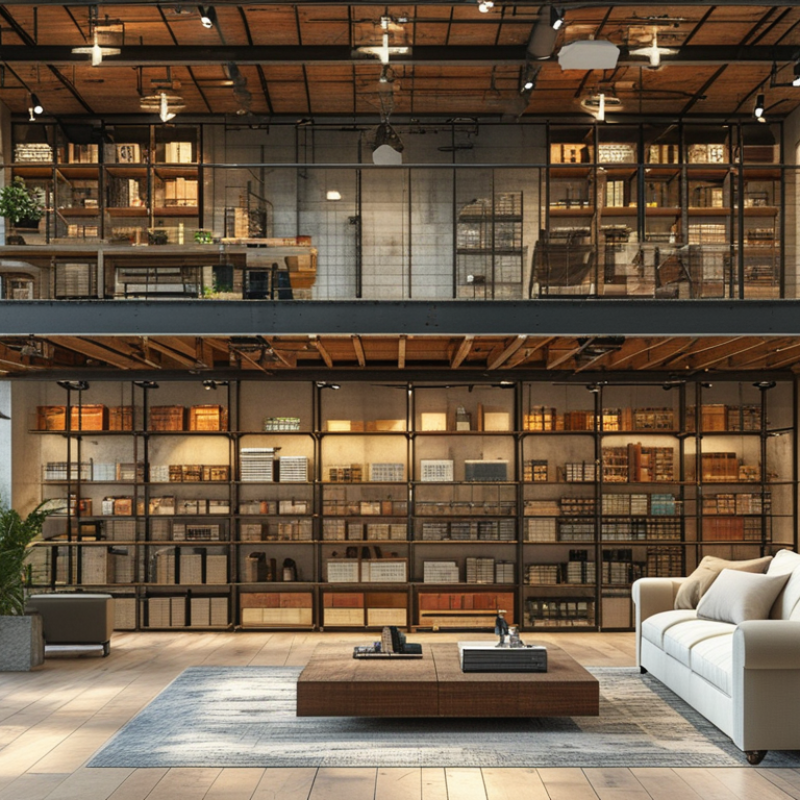
Mezzanine systems serve as versatile solutions for businesses looking to optimize their space. These structures are a raised platform that adds extra square footage. By utilizing vertical space, businesses can improve operations, storage, and workflow efficiency. Understanding their purpose is crucial. They can accommodate various needs, from storage areas to office spaces.
When considering mezzanine systems, think about your specific requirements. Assess the type of goods you'll store. The design should cater to operational efficiency and accessibility. Remember, safety regulations apply. Installation must meet local guidelines to ensure safety.
Here’s a tip: engage with professionals who specialize in mezzanine designs. Their expertise can guide you through the process. Seek out reviews and past projects to gauge their reliability.
Also, consider future needs and growth. A mezzanine should not just serve current demands. Build flexibility into your design. This foresight can save costs in the long term. A well-planned mezzanine can adapt as your business evolves, ensuring optimal use of your space.
| Feature | Description | Considerations |
|---|---|---|
| Load Capacity | The maximum weight the mezzanine can support. | Determine the type of materials and equipment that will be stored or used. |
| Height | The vertical clearance between the mezzanine and the ceiling. | Ensure sufficient height for workers and operation of equipment. |
| Material | The construction material used (steel, aluminum, etc.). | Consider durability, weight, and cost when selecting materials. |
| Design | The layout and configuration of the mezzanine system. | Assess available space and workflow requirements. |
| Accessibility | How easily workers and equipment can access the mezzanine. | Consider incorporating ladders, lifts, or stairs. |
| Code Compliance | Adherence to local building codes and safety regulations. | Consult with local authorities to ensure compliance. |
: There are storage mezzanines and work platform mezzanines. Each serves different operational needs.
It maximizes vertical space for storage, ideal for warehouses with high ceilings.
Assess your facility layout and future growth. It's crucial for making the right choice.
Improper weight calculations can lead to safety issues and compliance risks. This should never be overlooked.
Planning for expansion can save costs. A flexible design helps adapt to changing needs.
Misjudgments can lead to costly burdens. It's essential to evaluate options carefully.
No, local building codes ensure safety and structural integrity. Always check before installation.
The layout determines the appropriate size and type. Accurate measurements are key to success.
Yes. Reflect on changing needs as your business grows. Adjustments may become necessary.
A carefully planned mezzanine can adapt to new requirements. Being proactive helps avoid problems later.
When selecting the right Mezzanine Systems for your business, it's essential to first understand their definition and purpose. Mezzanine systems serve as elevated platforms that maximize vertical space in warehouses and distribution centers, providing additional storage or workspace without the need for extensive construction. Key factors to consider include the specific operational needs of your business, the types of mezzanine systems available, and how each option aligns with your layout and workflow.
Additionally, it's critical to assess space and load requirements to ensure safety and functionality. Proper budgeting is also necessary, as costs can vary significantly based on the design, materials, and installation considerations. By carefully evaluating these aspects, businesses can make informed decisions that enhance efficiency while meeting their financial goals.

 Hedaracking