As we approach 2026, optimizing warehouse space is more critical than ever. Radio Shuttle Storage solutions are emerging as a game-changer in this regard. They offer significant advantages in efficiency and accessibility. Businesses need to explore these innovative systems to enhance their storage management.
Radio Shuttle Storage is designed to maximize available space. It enables high-density storage, making it easier to manage large volumes of goods. However, some might find the initial setup complex. It's essential to assess both benefits and challenges before implementation.
Investing in Radio Shuttle Storage can lead to increased productivity. The automated systems reduce labor costs and improve inventory accuracy. Still, companies must carefully evaluate their unique needs. Each warehouse has different requirements, so a one-size-fits-all approach may not work. Understanding these nuances is crucial for success.
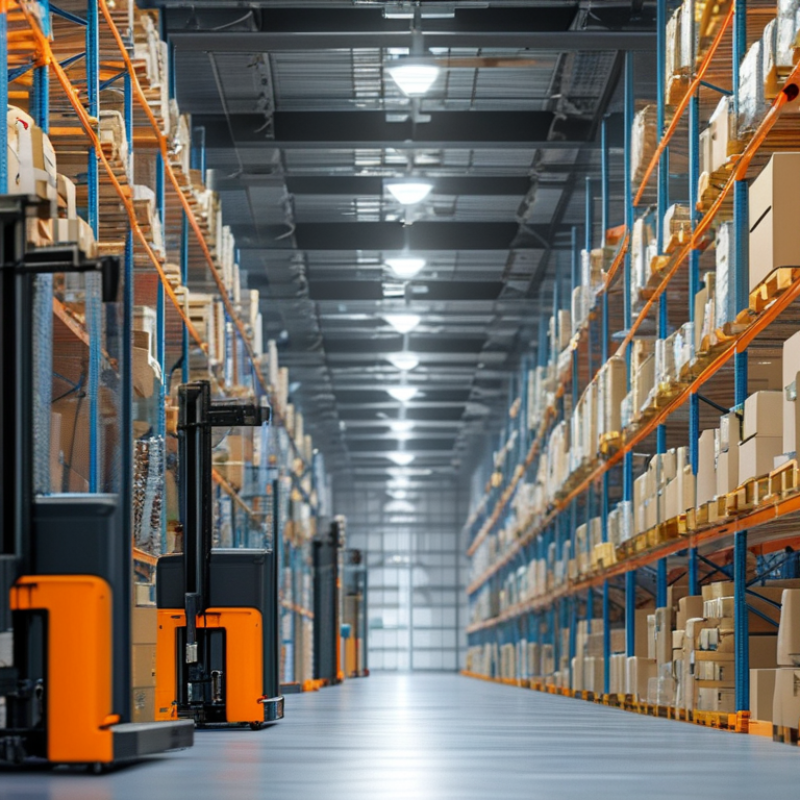
As we look toward 2026, radio shuttle storage systems are evolving rapidly. Efficiency and space optimization remain at the forefront. Companies are increasingly opting for automated solutions. These systems allow for real-time inventory management, which is crucial for modern logistics.
User experience is also gaining traction. Easy-to-use interfaces streamline operations. Integrating technologies such as AI and IoT can enhance decision-making processes. However, not all solutions are foolproof. Challenges still exist, particularly in system integration and training staff effectively.
Sustainability trends are shaping the future too. Eco-friendly materials and energy-efficient designs are emerging. Yet, many businesses struggle to balance cost with sustainability. It’s vital to assess both short-term gains and long-term impacts. The journey toward effective radio shuttle storage is ongoing, with much to innovate and improve upon.
In the realm of logistics, radio shuttle storage solutions are gaining traction, driven by new technologies. These systems enhance warehouse efficiency, offering rapid retrieval and optimal space utilization. According to a recent industry report, automated storage solutions can improve order picking speed by up to 50%. This is significant as the demand for fast and accurate order fulfillment continues to rise.
Key technologies are pivotal in shaping these solutions. For instance, advanced robotics can autonomously navigate through complex storage environments, reducing human error. Integration with sophisticated software enhances inventory management, allowing real-time tracking of stock levels. This not only boosts efficiency but also contributes to better decision-making in supply chain management. While the technology is promising, there are challenges in initial setup costs and training personnel to operate advanced systems.
Tips: When considering radio shuttle systems, assess your warehouse layout first. Streamlining operations may require adjustments to existing structures. Also, don't overlook staff training. A well-trained team maximizes the benefits of new technology. Embracing these innovative solutions presents a path to substantial improvement, but it's essential to recognize and address potential hurdles along the way.
The demand for radio shuttle storage solutions is projected to rise significantly by 2026. This growth reflects increased automation in warehouses. As businesses seek efficiency, advanced storage solutions will be crucial. Enhanced functionality can lead to reduced operational costs.
Tips: Consider assessing your current storage setup. Look for inefficiencies or areas for improvement. A well-planned layout can maximize space utilization.
With e-commerce on the rise, the need for effective storage is urgent. Radio shuttle systems allow rapid access to inventory. However, the initial investment may deter some companies. It’s essential to weigh the long-term benefits against short-term costs.
Tips: Research various storage systems before making decisions. Understand your specific needs and constraints. Engaging with industry experts may provide valuable insights.
In the landscape of automated warehousing, radio shuttle storage systems are emerging as a vital solution for 2026. These systems enhance space utilization and improve inventory management. When looking for effective solutions, consider factors like load capacity, speed, and adaptability to your specific operational needs.
One key aspect is the layout flexibility. Different facilities require varied configurations. An efficient system should seamlessly integrate into existing setups, minimizing disruption during installation. Performance metrics like retrieval time and energy consumption are crucial indicators of efficiency and sustainability.
When assessing options, ask yourself: How will this system scale with my business? Smaller operations may focus on compact shuttles, while larger facilities might need robust frameworks. Ensure you explore all available technologies; sometimes, innovative solutions outshine traditional models.
Tips: Always evaluate the long-term ROI of any system you consider. Speak to industry experts for tailored advice. Additionally, it’s wise to visit operational sites before buying. This hands-on insight can clarify which systems truly meet your demands.
Implementing radio shuttle storage systems can significantly enhance warehouse efficiency. These systems facilitate dense storage and quick retrieval, making them a good fit for dynamic environments. According to industry reports, businesses can improve their storage density by up to 60% when utilizing radio shuttle systems.
Understanding key practices is essential for successful implementation. Employees should receive thorough training. A well-trained workforce enhances productivity. Regular maintenance checks are also critical. They can prevent equipment downtime and extend service life. Unexpected failures can disrupt operations.
Tips: Optimize layout planning to reduce travel time. Use data analytics to assess performance. This helps identify bottlenecks. Although these systems confer many benefits, organizations must continually evaluate their processes. Monitoring allows for adjustments that meet changing demands. Proper installation and thoughtful configuration are paramount for long-term success.
| Feature | Specification | Advantages | Best Practices |
|---|---|---|---|
| Capacity | Up to 30 pallets deep | Maximizes space utilization | Regularly evaluate storage needs |
| Speed | Automated retrieval in seconds | Increases throughput | Implement efficient software controls |
| Flexibility | Multiple configurations | Adaptable to various warehouse layouts | Conduct layout assessments before installation |
| Safety Features | Integrated safety systems | Minimizes accident risks | Train employees on safety protocols |
| Cost Efficiency | Lower operational costs | Increased ROI | Analyze total cost of ownership |
: These systems are automated solutions enhancing warehouse efficiency, allowing for efficient inventory management and space optimization.
Easy-to-use interfaces streamline operations and help staff adapt quickly, improving overall productivity.
Eco-friendly materials and energy-efficient designs are emerging, but balancing costs with sustainability remains a challenge for many businesses.
Consider load capacity, speed, layout flexibility, and adaptability to your specific operational needs for effective integration.
A well-trained workforce improves productivity and reduces the risk of unexpected equipment failures that disrupt operations.
Regular maintenance checks prevent downtime and extend service life, essential for maintaining operational efficiency.
Use data analytics to identify bottlenecks and improve efficiency continually.
Assess long-term ROI and visit operational sites for hands-on insights to ensure the system meets your needs.
System integration can be complex, often requiring thorough planning and consideration of existing setups.
Optimizing layout planning reduces travel time for retrieval, which is critical for enhancing overall efficiency.
As we look ahead to 2026, the landscape of Radio Shuttle Storage systems is poised for significant transformation driven by emerging trends and technologies. Key trends include the increasing demand for automation and the integration of advanced analytics to enhance operational efficiency. These developments are supported by technologies such as IoT and AI, which play a crucial role in optimizing inventory management and streamlining warehouse operations.
Market growth projections indicate a substantial rise in the demand for Radio Shuttle Storage solutions, as businesses seek to maximize storage space and improve retrieval times. A comparative analysis of leading storage solutions will highlight the innovative features that set them apart in the market. To successfully implement these systems, best practices will be essential, focusing on proper planning, training, and maintenance strategies to ensure a smooth transition and long-term benefits.

Hedaracking