Why Choose Longspan Storage for Global Warehousing?

Time:2026-09-14 Author:Sienna
0%

Why Choose Longspan Storage for Global Warehousing?

Global warehousing demands more than additional floor space. It requires safe capacity, fast access, and room for changing inventory patterns. Longspan Storage supports these needs with adjustable beams, durable frames, and flexible shelf configurations. A warehouse manager can store cartons, spare parts, or palletized goods within one organized system. Forklift routes remain clearer. Picking distances can also become shorter.

Warehouse consultant Marc Wulfraat expresses the principle simply: “Storage is not just about space; it is about flow.” This idea matters across international distribution networks. Longspan Storage can help companies adapt when order volumes rise, product sizes change, or regional demand shifts. A modular bay may be extended without rebuilding the entire warehouse. That practical flexibility can reduce disruption during expansion.

Still, no storage solution is perfect. Poor measurements, weak floor assessments, or careless loading plans can create expensive problems. Climate, fire protection, local safety standards, and equipment compatibility also require professional review. A rack that works in a dry European facility may perform differently in a humid coastal warehouse. That detail is easy to overlook.

The strongest design begins with evidence. Review SKU dimensions, pallet weights, turnover rates, and handling equipment. Then test the proposed layout against real working conditions. Longspan Storage should support people, products, and future decisions—not merely fill empty space. Small mistakes remain possible. Careful planning makes them less likely.
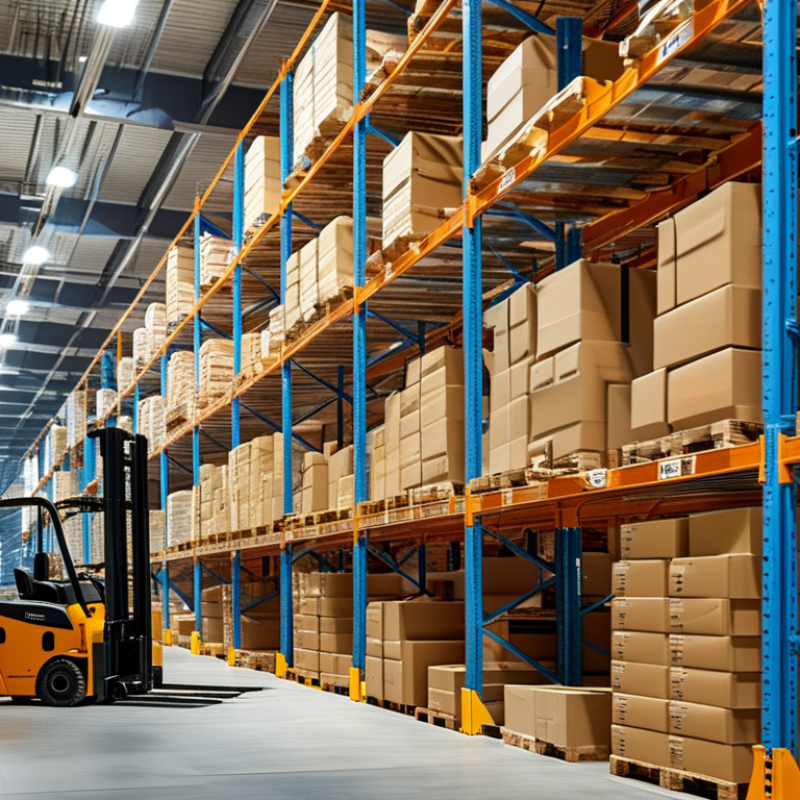
Why Choose Longspan Storage for Global Warehousing?

What Is Longspan Storage in Global Warehousing?

Why Choose Longspan Storage for Global Warehousing?

What Is Longspan Storage in Global Warehousing?

Longspan storage is a flexible shelving system for medium-sized goods. Its horizontal beams connect upright frames across wider bays. Workers usually load items by hand, without relying on forklifts for every task. This design suits cartons, spare parts, packaging materials, and slow-moving inventory.

In global warehousing, flexibility matters because product sizes and handling methods can change between regions. Adjustable shelf levels help facilities store different cartons within one structure. A warehouse team can create picking lanes, reserve stock areas, or small parts zones. Strong beams also support heavier items than ordinary office shelving. However, capacity must be checked carefully. A wider span does not automatically mean unlimited strength.

Longspan systems can improve space use, but poor planning creates awkward gaps and unsafe loading. Local engineers should review floor conditions, anchoring, fire access, and applicable safety requirements. Measurements should include pallet movement, walking clearance, and future inventory changes. The best layout is rarely the densest one. It is the one workers can use consistently.

Tips: Measure real cartons, not catalog samples. Label each level clearly. Keep heavy goods low. Review beam ratings before installation. Leave room for growth, even when current storage looks efficient. A small planning mistake can become expensive across several warehouses.

Why Choose Longspan Storage for Global Warehousing?

What Is Longspan Storage in Global Warehousing?

Longspan storage uses adjustable beams and wide shelving levels to store cartons, totes, components, and other medium-to-heavy goods without requiring pallet-rack layouts. Planning shelf depth and bay width around common pallet footprints helps global warehouses improve space compatibility across regions. The chart compares standardized pallet dimensions referenced by ISO 6780 and shows the corresponding floor area of each footprint.

Source: ISO 6780, “Flat pallets for intercontinental materials handling — Principal dimensions and tolerances.” Footprint area is calculated from the listed length and width.

How Longspan Storage Supports Different Warehouse Operations

In a global warehouse, storage must support work, not merely hold cartons. Longspan storage provides open, adjustable levels for hand-loaded goods, spare parts, folded textiles, and packaged equipment. A worker can reach many cartons without using a forklift. That matters when aisles are narrow or order volumes change seasonally. Shelf heights can be revised as product dimensions shift, although frequent changes require planning and safety checks. Small detail, real impact.

Different warehouse operations need different access patterns. Receiving teams can stage checked cartons on lower levels, while pickers use labeled middle shelves for fast-moving items. Upper levels can hold reserve stock when load limits and clearance rules permit. In a kitting area, longspan bays keep components visible and grouped by work order. Returns teams can separate inspected, pending, and restock items without mixing inventory. Clear labels and accurate location records remain essential. Storage alone cannot prevent errors.

For international facilities, the same framework can adapt to local building conditions, labor practices, and inventory software. Measurements should include aisle width, ceiling height, floor capacity, and handling equipment. A site survey is more reliable than copying a layout from another country. Longspan storage may be unsuitable for very heavy pallets or highly automated operations. That limitation deserves attention. Reviewing access times, damage points, and future SKU growth helps teams create safer, more responsive daily workflows.

Key Design Features of Longspan Storage Systems

Why Choose Longspan Storage for Global Warehousing?

Key Design Features of Longspan Storage Systems

Longspan storage systems use adjustable beams, open frames, and modular bays. These features accommodate cartons, totes, tools, and irregular packages without complex reconstruction. A warehouse team can alter beam heights as inventory changes. That flexibility matters across markets with different carton sizes and handling routines.

The 2024 Annual Industry Report from the Material Handling Institute surveyed more than 2,000 supply-chain professionals. It found that 88% considered supply-chain innovation important or very important. Longspan design supports that goal through scalable layouts, clear stock visibility, and compatibility with manual or automated handling. The World Bank’s 2023 Logistics Performance Index assessed 139 economies, showing why adaptable storage matters across uneven logistics environments. A standard bay may work well in one country, but aisle widths, floor conditions, and labor practices can differ sharply elsewhere.

Load ratings must match real operating conditions, not optimistic estimates. Engineers should check beam deflection, frame anchoring, floor capacity, and impact protection. Adjustable shelving helps, but it does not solve poor planning. I have seen unused upper levels collect dust while busy workers struggle below. That is a design warning. Clear labels, accessible picking heights, and safe inspection routines often deliver more value than simply adding storage volume. No layout is perfect. Reassessment remains necessary.

Benefits of Longspan Storage for International Supply Chains

Why Choose Longspan Storage for Global Warehousing?

Benefits of Longspan Storage for International Supply Chains

International supply chains need storage that adapts to changing products, packaging, and order volumes. Longspan storage provides adjustable levels for cartons, spare parts, tools, and medium-weight goods. Warehouse teams can reposition beams without replacing the entire system. This flexibility supports seasonal demand and reduces unnecessary construction work.

Access is another practical advantage. Workers can reach individual items directly, instead of moving several pallets first. That can shorten picking routes and reduce handling damage. Clear shelf locations also support more accurate stock checks across regional facilities. Small improvements matter.

Longspan shelving can fit different warehouse zones. It works beside packing benches, near receiving areas, or within controlled inventory sections. Its open design improves visibility and allows easier cleaning and inspections. Strong materials and suitable load ratings are essential. A poorly planned layout can still create congestion, even with good shelving. That part deserves honest review.

For international operations, consistency is valuable. Standard shelf dimensions can simplify training, maintenance, and relocation between sites. Local teams may still need adjustments for building conditions, equipment, and approved safety procedures. A careful assessment should cover floor capacity, aisle clearance, load distribution, and future growth. The best arrangement is not always the densest one. It is the one workers can use safely and reliably every day.

Why Choose Longspan Storage for Global Warehousing? - Benefits of Longspan Storage for International Supply Chains

Practical planning benchmarks for evaluating longspan storage in multi-country warehouses and distribution centers.

Evaluation Dimension Typical Planning Data Supply-Chain Benefit International Warehousing Relevance Planning Consideration
Load Capacity per Level Approximately 150–500 kg
Common range for manually loaded longspan shelving, subject to beam length, decking and frame design.
Supports cartons, totes, spare parts, packaged goods and other medium-weight inventory without requiring pallet racking. Suitable for regional distribution centers handling mixed product categories and different packaging standards. Capacity must be verified through structural calculations and local safety requirements before installation.
Typical Storage Levels 3–6 levels
Often configured within a manually reachable height of about 2.0–3.0 m.
Creates several vertical storage positions while maintaining convenient access for order pickers. Helps standardize storage layouts across facilities with different building heights and labor practices. Higher configurations may require approved access equipment, guardrails or a mezzanine solution.
SKU Accessibility Direct access to each assigned location
No need to move items stored in front of the selected SKU.
Reduces double handling and supports piece-picking operations for high-mix inventories. Useful for international orders containing varied quantities, customs documents, replacement parts or local-market assortments. Location labeling and barcode discipline are still required to maintain inventory accuracy.
Product Flexibility Adjustable shelf spacing
Levels can be repositioned to accommodate different carton and tote heights.
Improves space utilization when product dimensions change between seasons, markets or suppliers. Supports product localization, packaging variations and SKU introductions across multiple countries. Allow clearance for handling, labels, ventilation and fire-protection requirements.
Common Shelf Depth Approximately 400–800 mm
Selected according to carton depth, picking method and available aisle space.
Provides a balance between storage density and ergonomic access. Allows a consistent design standard while accommodating different carton footprints used in global trade. Excessive depth can increase reach distance and reduce visibility of stock at the rear.
Typical Use Cases Cartons, totes, bins and small components Works well for spare parts, e-commerce items, maintenance supplies, tools and slow-to-medium velocity inventory. Provides a common storage method for forward stocking locations, import warehouses and after-sales distribution. Very heavy or palletized products may require pallet racking or another engineered storage system.
Layout Scalability Modular bays and add-on sections
Rows can be extended or reconfigured as inventory requirements change.
Enables phased investment instead of fitting out the entire warehouse at once. Supports demand growth, new country launches and changes in regional inventory policy. Expansion space, column locations, doors, sprinklers and emergency routes should be included in the initial layout.
Inventory Visibility One location per SKU or batch
Location coding can be linked to a WMS or warehouse spreadsheet.
Improves cycle counting, replenishment control and order-picking accuracy. Helps coordinate inventory records across multilingual teams and different operating sites. Use standardized location codes, unit-of-measure rules and barcode formats across countries.
Installation Approach Boltless or bolted modular systems
Configuration depends on the required load, height and local regulations.
Can reduce disruption during warehouse reconfiguration and make future relocation easier. Useful for leased facilities and temporary or semi-permanent distribution hubs. Installation should follow the supplier’s instructions and applicable occupational-safety standards.
Space-Utilization KPI Storage density = active locations ÷ usable storage area Provides a measurable way to compare layouts without relying only on total floor area. Allows fair comparison between warehouses with different building footprints and market volumes. Measure usable storage area consistently and exclude offices, docks, fire aisles and mandatory circulation paths.
Picking Efficiency KPI Lines picked per labor hour
Track separately by product type, order profile and picking method.
Shows whether direct-access shelving improves operational performance for the selected SKU mix. Enables cross-site benchmarking while accounting for language, labor and order-profile differences. Compare equivalent periods and include travel time, replenishment and quality checks in the measurement method.
Note: The capacity, dimension and height figures are commonly used preliminary planning ranges rather than universal specifications. Final selection should be based on product weight, shelf span, building conditions, seismic requirements, fire codes, handling equipment and local workplace-safety regulations.

Factors to Consider When Selecting Longspan Storage Solutions

Why Choose Longspan Storage for Global Warehousing?

Factors to Consider When Selecting Longspan Storage Solutions

Longspan storage suits warehouses handling mixed cartons, spare parts, and hand-loaded goods. Its adjustable beams support changing product dimensions without rebuilding the entire layout. That flexibility matters across global operations. The 2024 Annual Industry Report from the Materials Handling Institute found that 55% of respondents planned to increase supply-chain technology investment. Storage systems should therefore support future changes, not only today’s stock.

Check load capacity, beam spacing, shelf depth, and aisle clearance before purchasing. A practical design should match real carton weights, picking methods, and available equipment. Include seismic, fire-safety, and corrosion requirements for each facility. Local engineering review remains essential. A system that works in a dry inland warehouse may fail near a humid port. The McKinsey Global Institute reported that major supply-chain disruptions may occur every 3.7 years. Flexible storage can reduce disruption, but it cannot replace accurate forecasting.

Tips: Measure the largest and smallest cartons. Leave clear access around columns and emergency routes. Request tested load data, installation records, and inspection guidance. Photograph each bay after installation. This seems simple, yet it exposes uneven loading and damaged components early. Do not overestimate capacity. Real operations are messier than drawings.

FAQS

What types of goods suit longspan storage?

It suits cartons, spare parts, folded textiles, totes, tools, and packaged equipment. Open levels keep items visible and reachable.

How does longspan storage support manual picking?

Workers can reach many cartons without forklifts. Labeled middle shelves help teams locate fast-moving products quickly.

Can shelf heights change over time?

Yes, adjustable beams allow shelf heights to match changing product dimensions. Every change still needs planning and safety checks.

How can different warehouse teams use the same storage system?

Receiving teams can stage checked cartons on lower levels. Pickers use middle shelves, while reserve stock occupies suitable upper levels.

How does storage help with kitting and returns?

Kitting areas can group components by work order. Returns teams can separate inspected, pending, and restock items.

What should be checked before installing longspan storage internationally?

Measure aisle width, ceiling height, floor capacity, and equipment access. A site survey is safer than copying another country’s layout.

What safety factors matter most?

Load ratings must reflect real operating conditions. Teams should check beam deflection, anchoring, floor strength, and impact protection.

Is longspan storage suitable for every warehouse?

Not always. It may be unsuitable for very heavy pallets or highly automated operations.

How can teams prevent storage-related picking errors?

Use clear labels and accurate location records. Storage cannot fix poor inventory data by itself.

What problems may appear after installation?

Upper shelves may collect dust while workers struggle below. That warning deserves review, not another automatic storage bay.

Conclusion

Longspan Storage is a flexible warehousing solution designed to organize medium- to large-sized goods efficiently across international distribution networks. Its open, adjustable structure can support various operations, including receiving, order picking, replenishment, inventory staging, and product handling. By making better use of vertical and horizontal space, it helps warehouses manage changing stock levels while maintaining clear access and smooth workflow. Its adaptable layout also makes it suitable for facilities with diverse product sizes and operational requirements.

When selecting Longspan Storage, warehouse operators should consider load capacity, shelf dimensions, material durability, available floor space, accessibility, and future expansion needs. Safety, installation requirements, maintenance, and compatibility with existing handling equipment are also important factors. A well-planned system can improve inventory visibility, reduce unnecessary movement, and support more reliable supply chain performance. For global warehousing, Longspan Storage offers a practical balance of flexibility, efficiency, and scalability while helping businesses respond to changing storage demands.

Sienna

Sienna

Sienna is a skilled marketing professional with a deep expertise in our company’s core products and services. With a passion for innovation and detail, she plays a pivotal role in crafting insightful blog posts that not only highlight the unique features of our offerings but also provide valuable......