In the contemporary global logistics landscape, real estate cost pressure has elevated spatial optimization to a primary corporate benchmark. However, historical procurement models often conflated "economical racking" with substandard structural gauge steel or compromised safety coefficients. Today, true industrial economy is defined by engineering efficiency: structural optimization that maximizes volumetric utilization, guarantees load integrity under dynamic operational stresses, and achieves long-term durability without inflated capital expenditure.
A CE Certified Economical Racking System represents a structural synthesis of cold-rolled high-tensile steel (Q235B / Q355B grade), algorithmic profile optimization, and modular component design. By implementing precise structural engineering techniques—such as box-beam section profiling, teardrop or diamond upright punching pattern alignment, and finite element analysis (FEA) stress modeling—manufacturers can reduce redundant steel mass while increasing static and dynamic load capabilities. This yields up to 40% higher volumetric density per square meter of facility floor space compared to legacy structural rack setups, dramatically lowering the overall cost per pallet slot over a 15-to-20-year operational lifecycle.
For global procurement managers, third-party logistics (3PL) directors, and industrial warehouse developers, regulatory compliance is non-negotiable. Industrial rack failure carries catastrophic risks, including inventory destruction, facility shutdown, structural collapse, and legal liability. CE Certification serves as a mandatory indicator that an economical racking manufacturer meets European Union directives for structural safety, mechanical stability, and quality assurance under harmonized standards such as EN 15512 (Steel static storage systems), FEM 10.2.02, and RMI (Rack Manufacturers Institute) specifications.
CE marked racking systems undergo rigorous mechanical evaluation. Structural components are tested for upright buckling limits, beam deflection ratios under maximum permissible load (typically limited to L/200), connector lock stability, and seismic resistance. When global enterprise procurement teams evaluate an economical racking factory, CE validation guarantees that cost savings stem from automated high-speed production efficiency and direct raw material sourcing, rather than structural safety compromises.
Established in 2014, Shenzhen Heda Warehouse Equipment Co., Ltd. has evolved into a premier globally recognized manufacturer specializing in heavy-duty warehouse racking and customized industrial storage solutions. Spanning a modern manufacturing footprint of 35,000 m², our enterprise seamlessly integrates end-to-end R&D, structural design, automated production, and international logistics execution. With over 12 years of core industry experience and 8 years of dedicated export expertise, we engineer high-caliber storage systems generating over $28 million in annual export revenue across North America, Western Europe, Southeast Asia, and the Middle East.
Our competitive advantage lies within China’s highly integrated steel fabrication ecosystem. Backed by a network of over 800 supply chain partners, Heda secures prime-grade cold-rolled steel directly from top-tier mills. This direct sourcing, coupled with automated high-speed rolling lines, allows us to mitigate raw material price fluctuations while ensuring absolute consistency in steel tensile strength, yield points, and chemical composition.
From Raw Steel Coil Inspection to Automated Powder Coating and QC Calibration
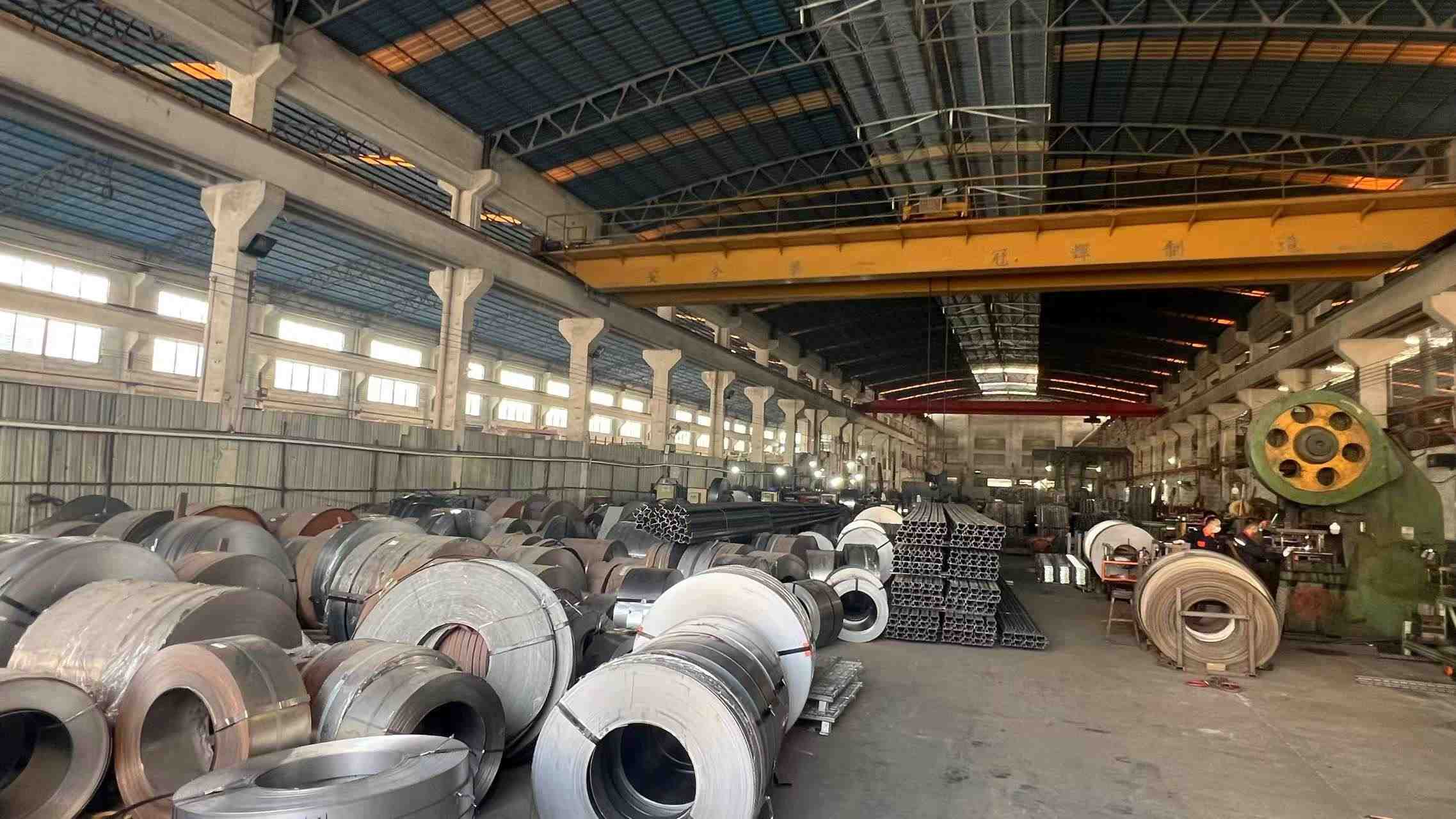
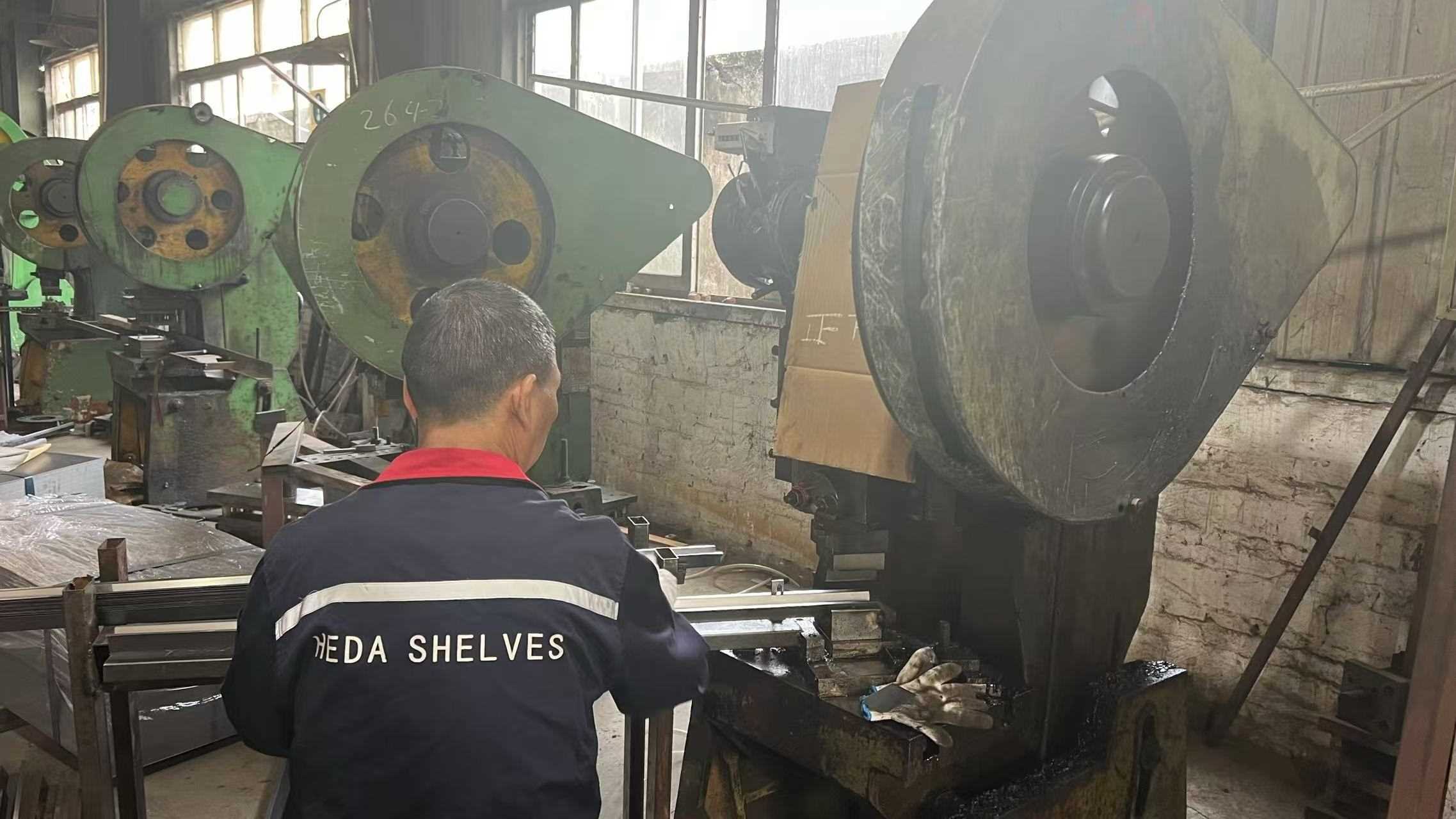
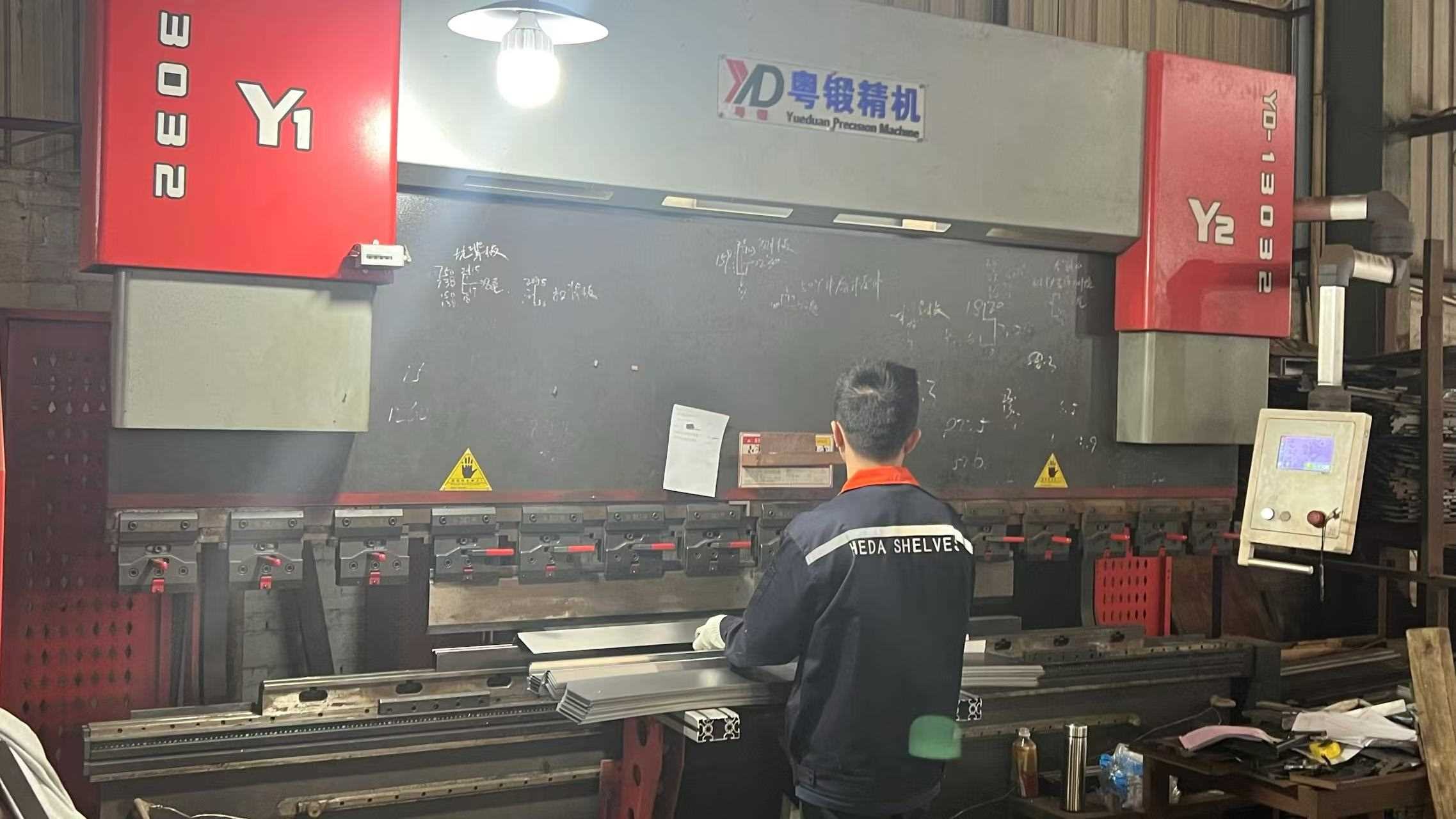
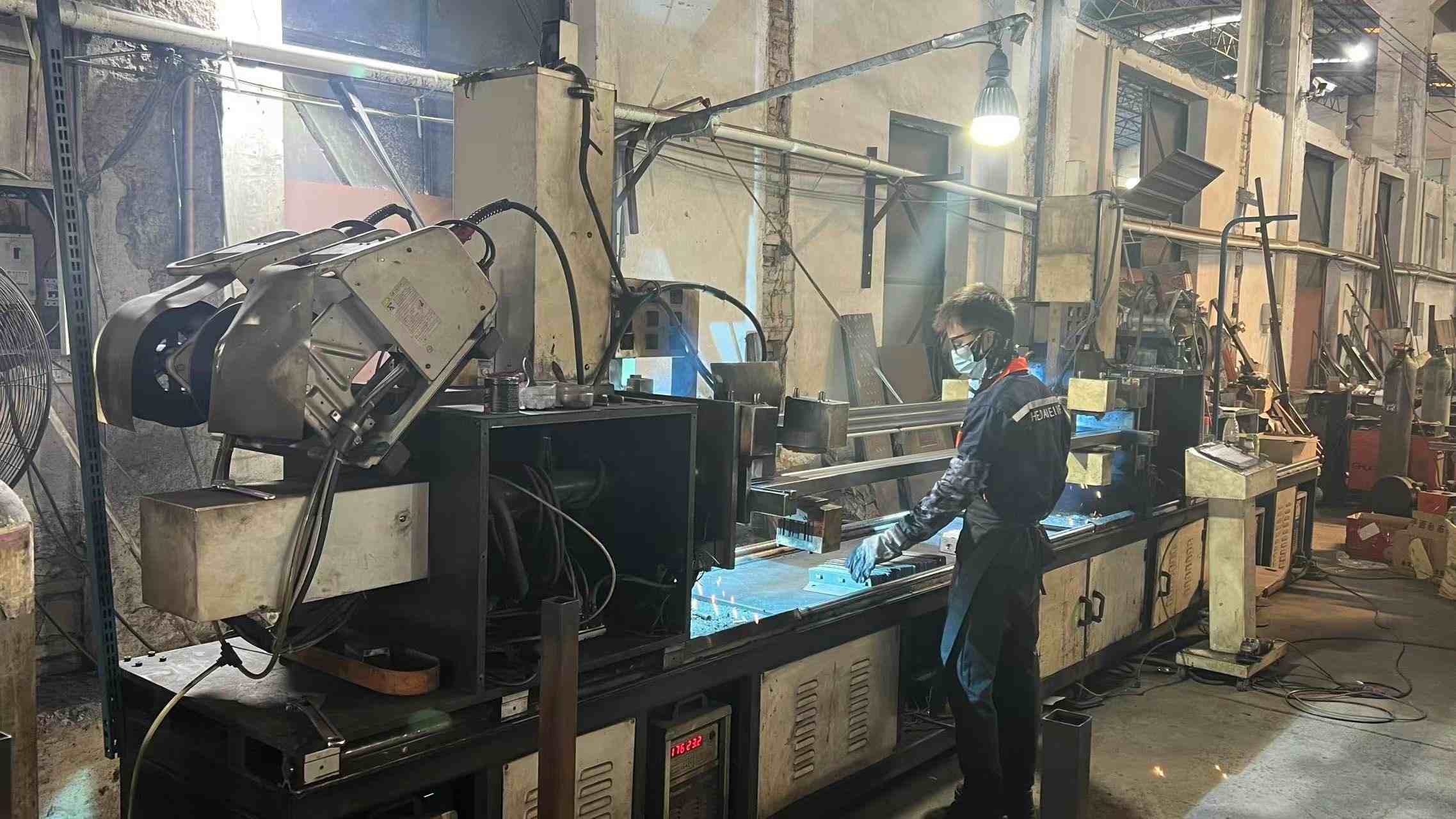
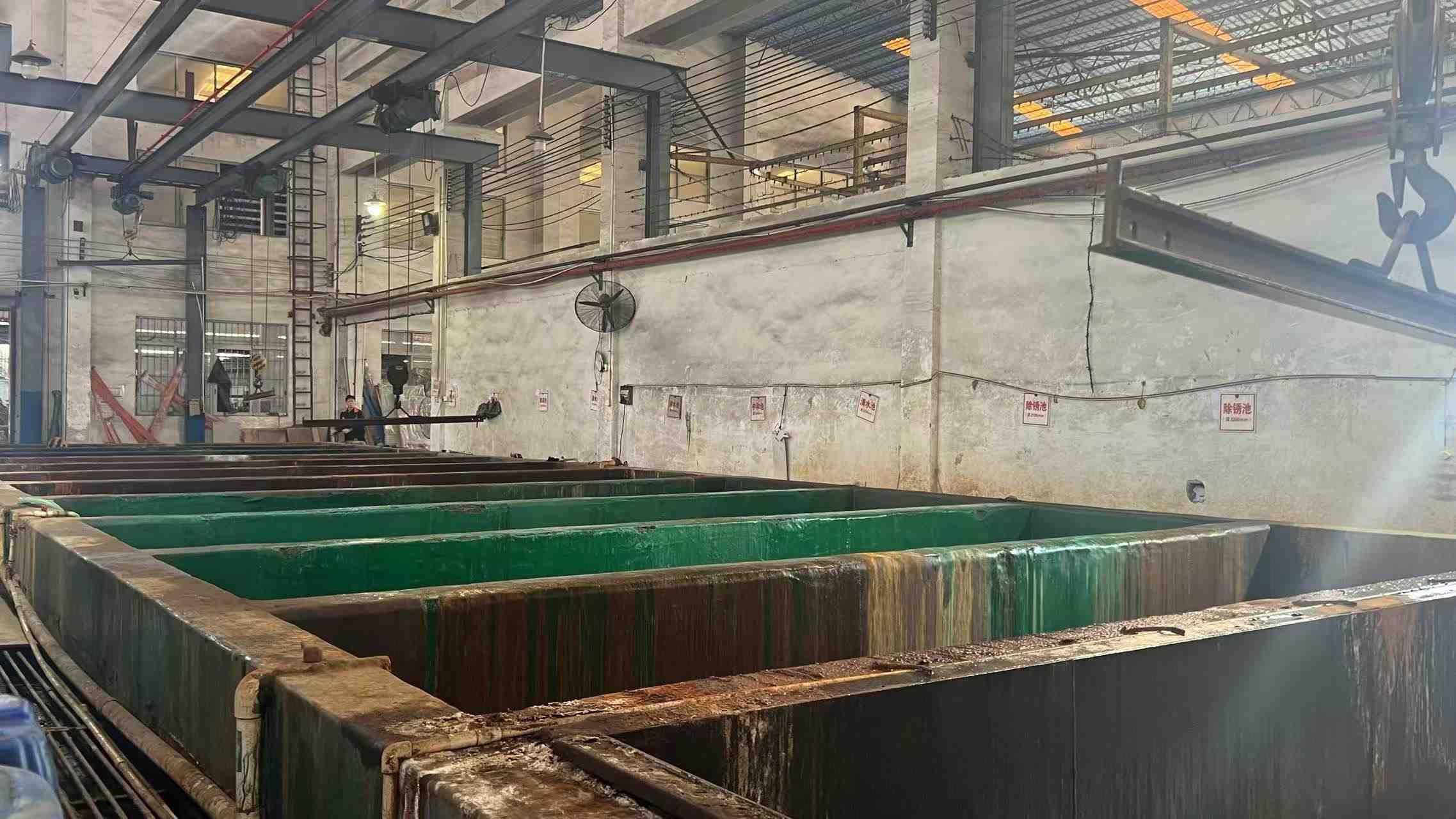
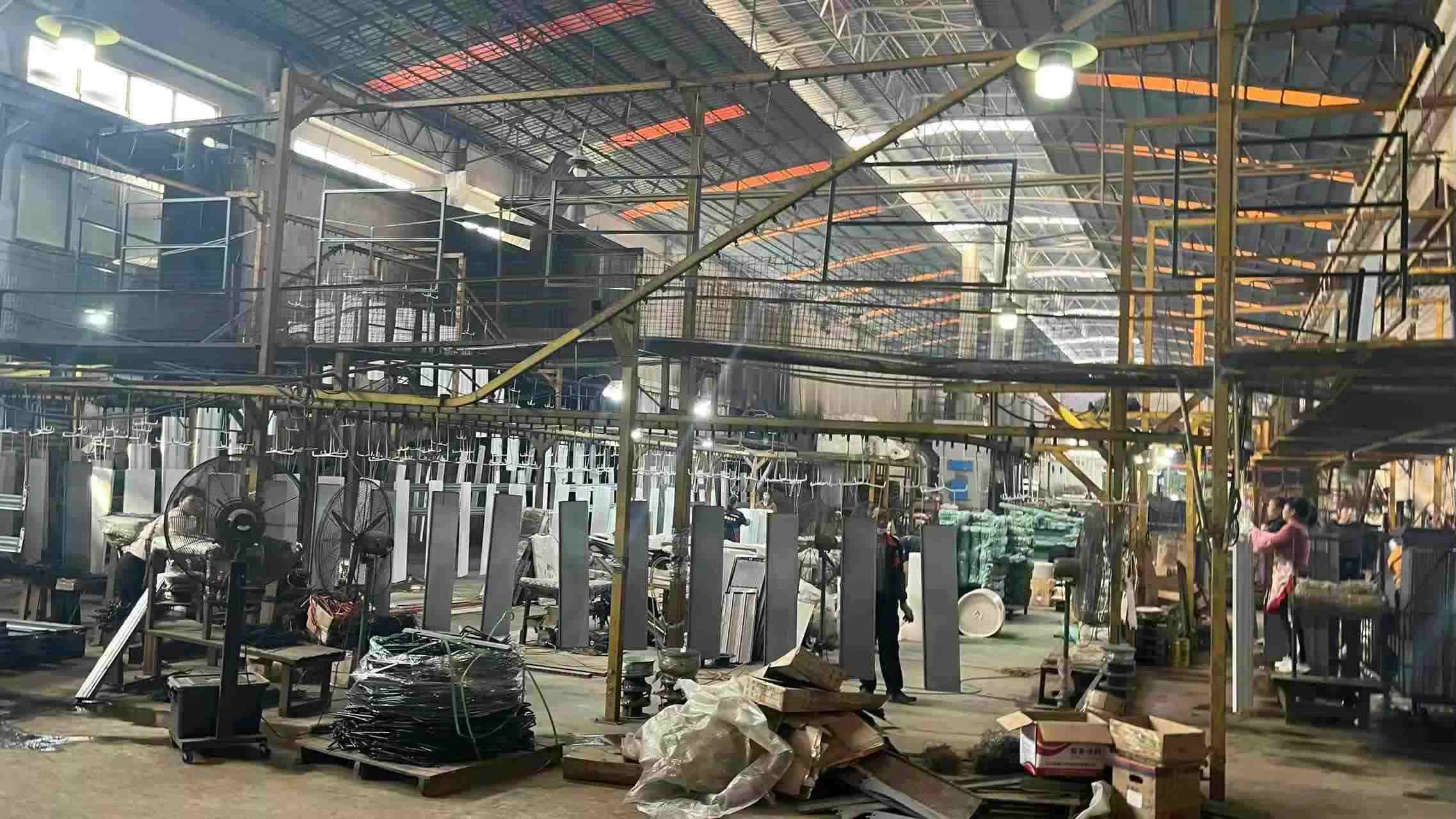
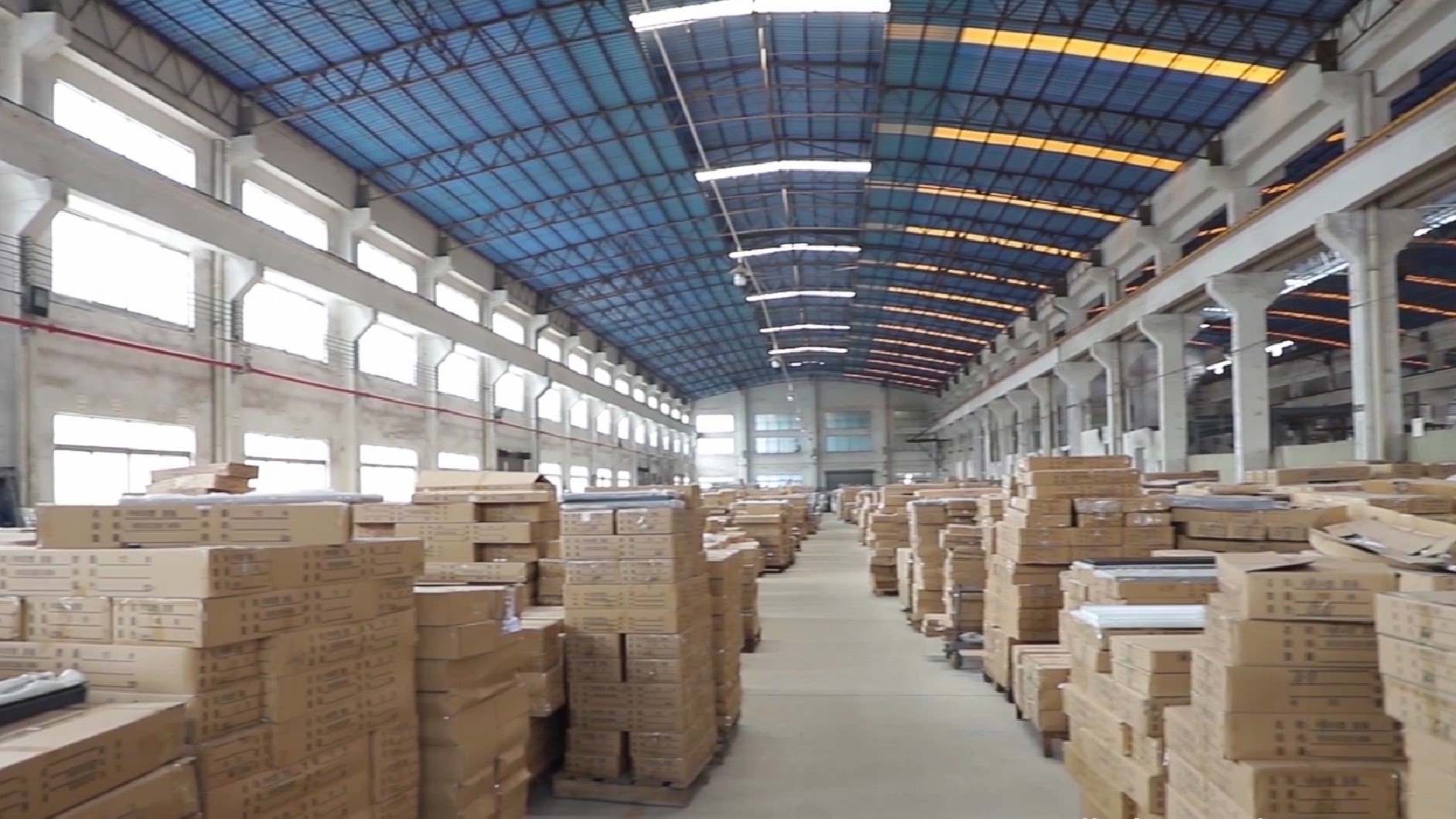
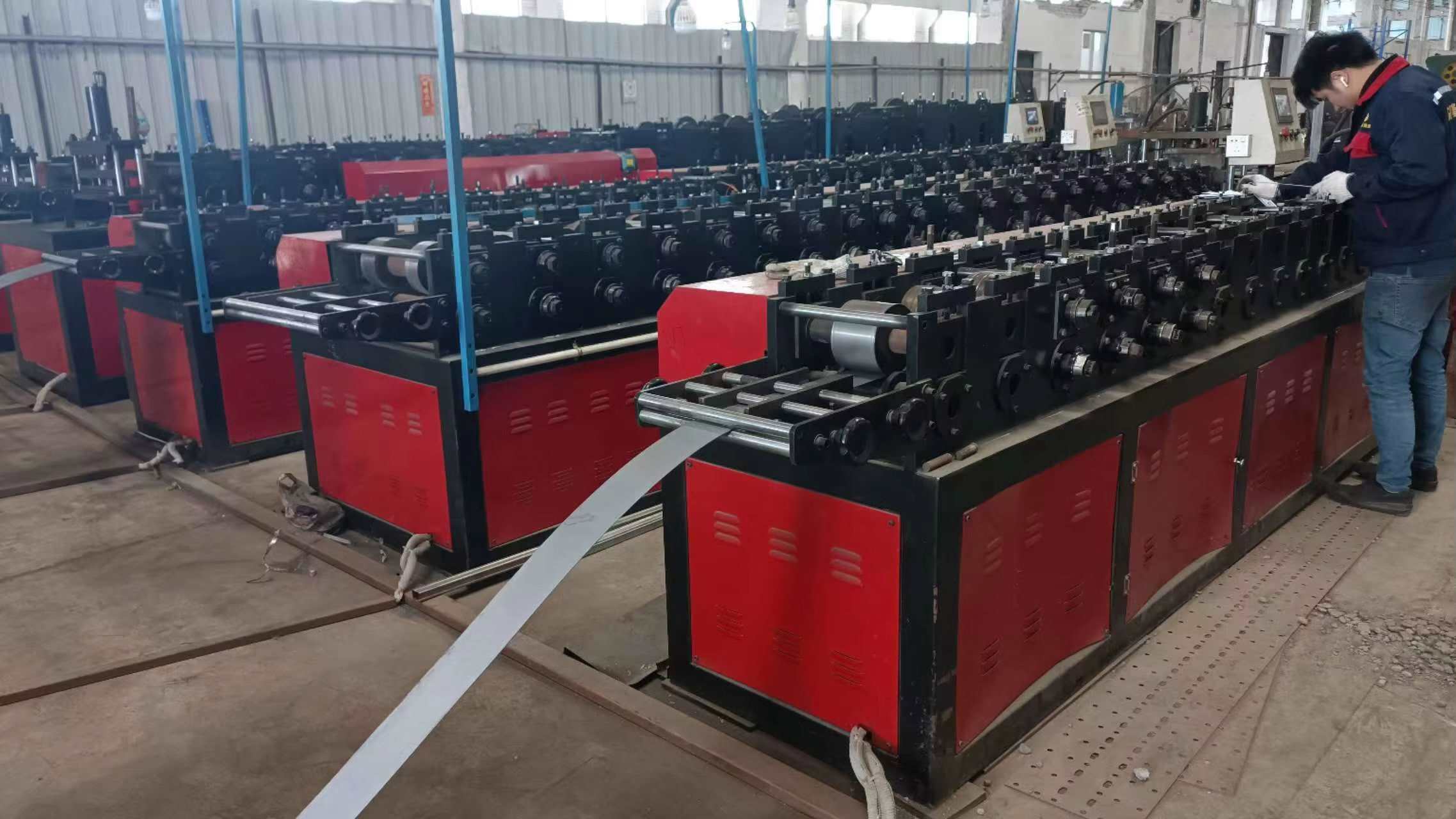
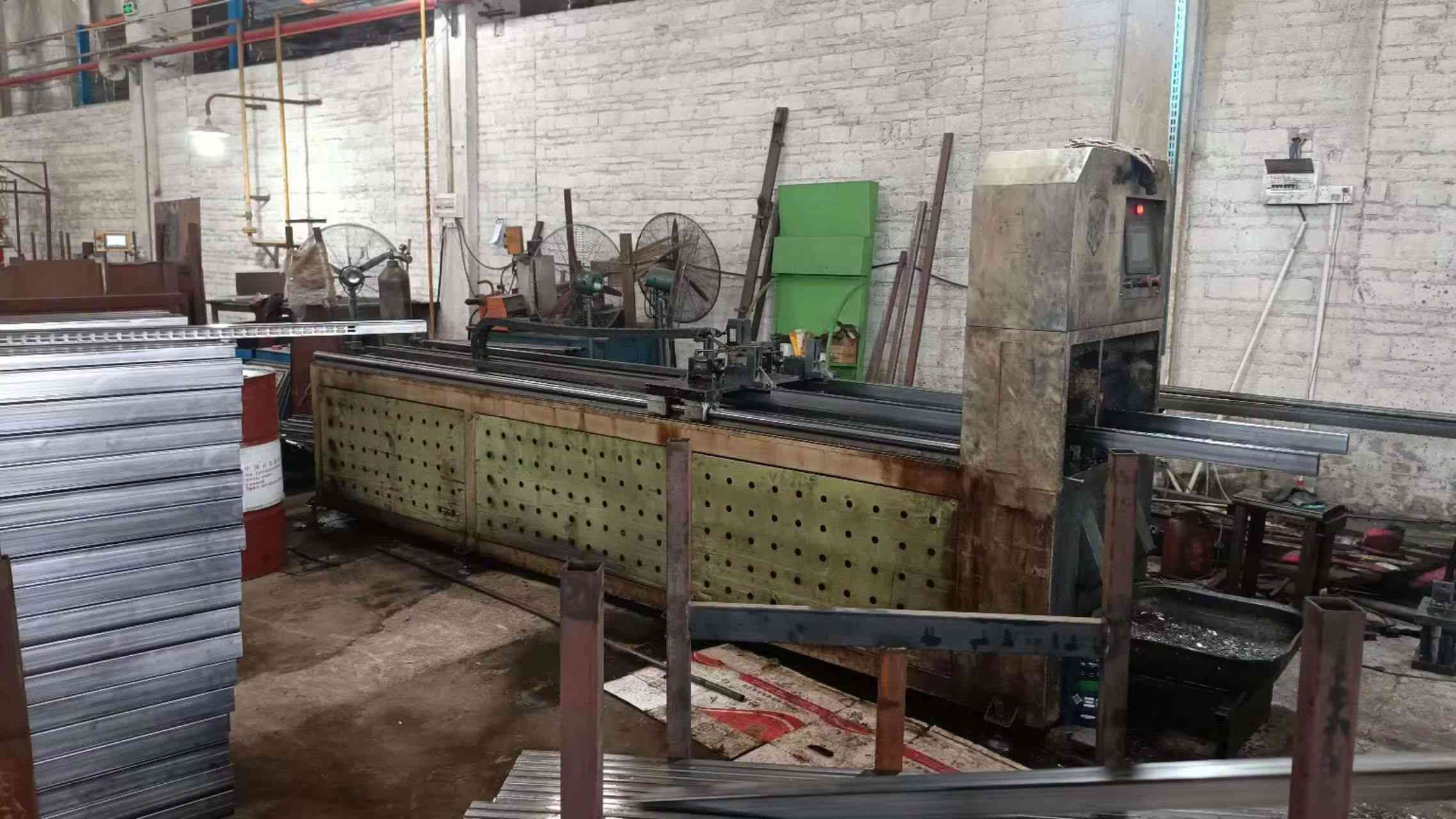
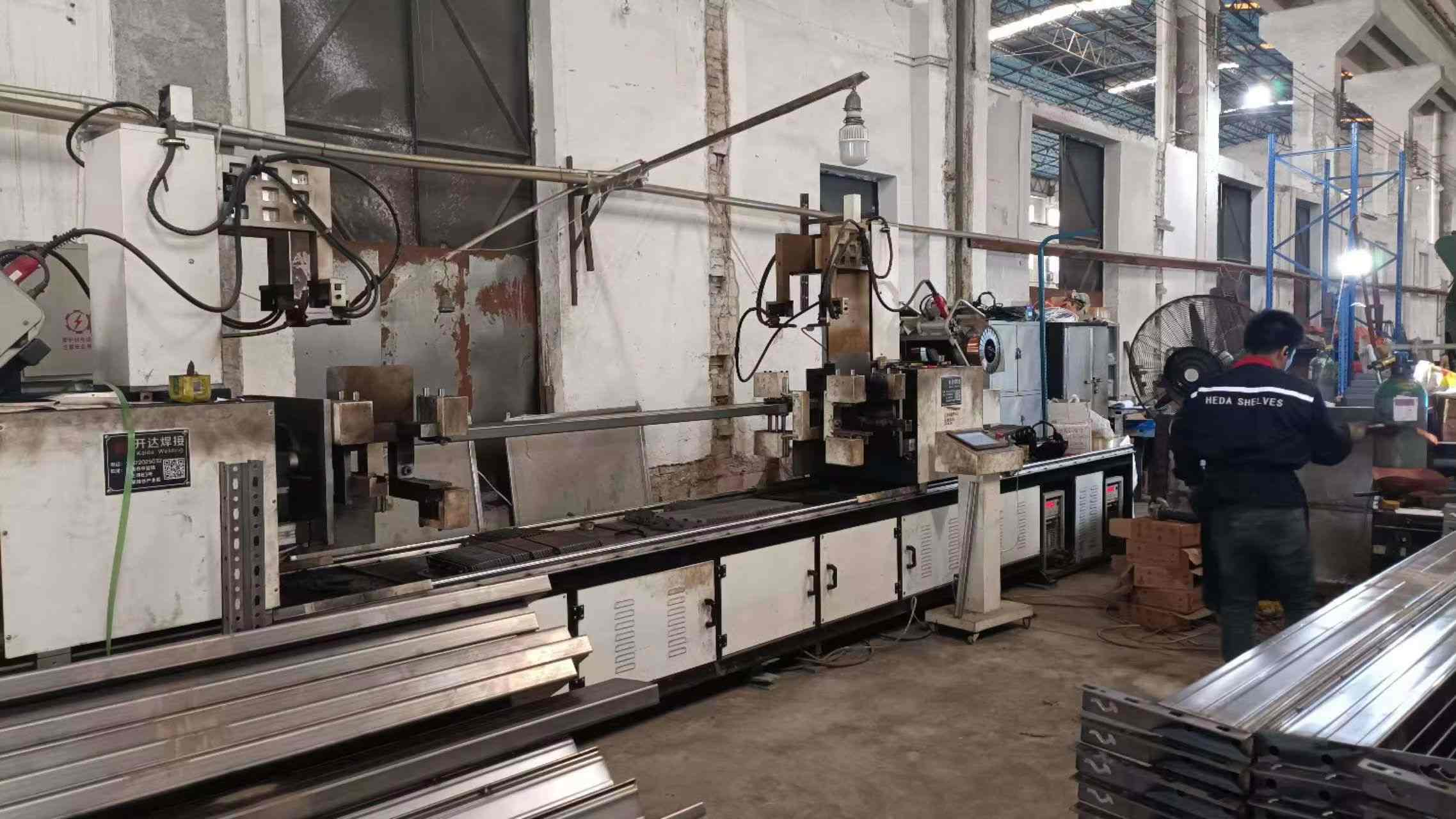
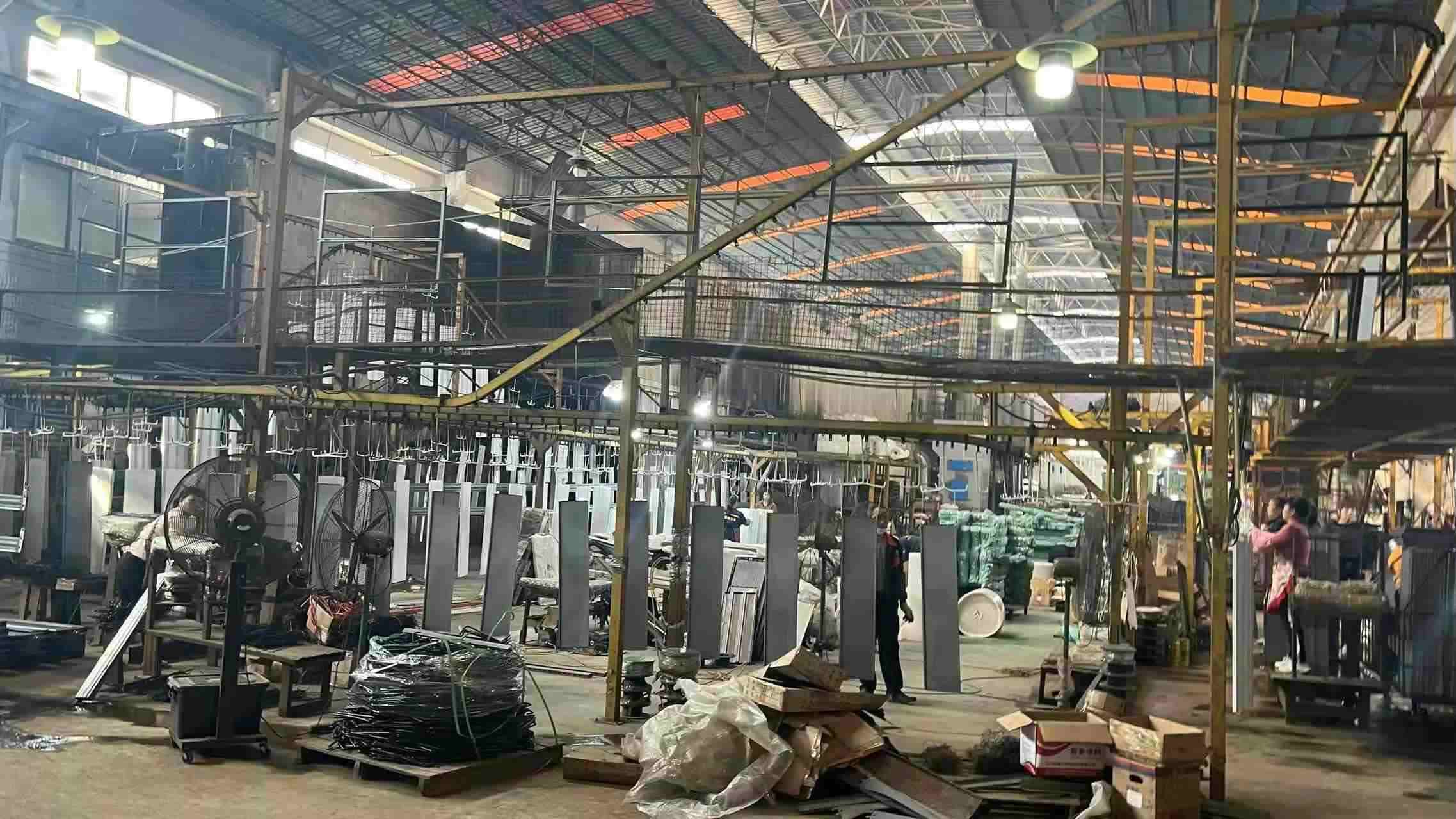
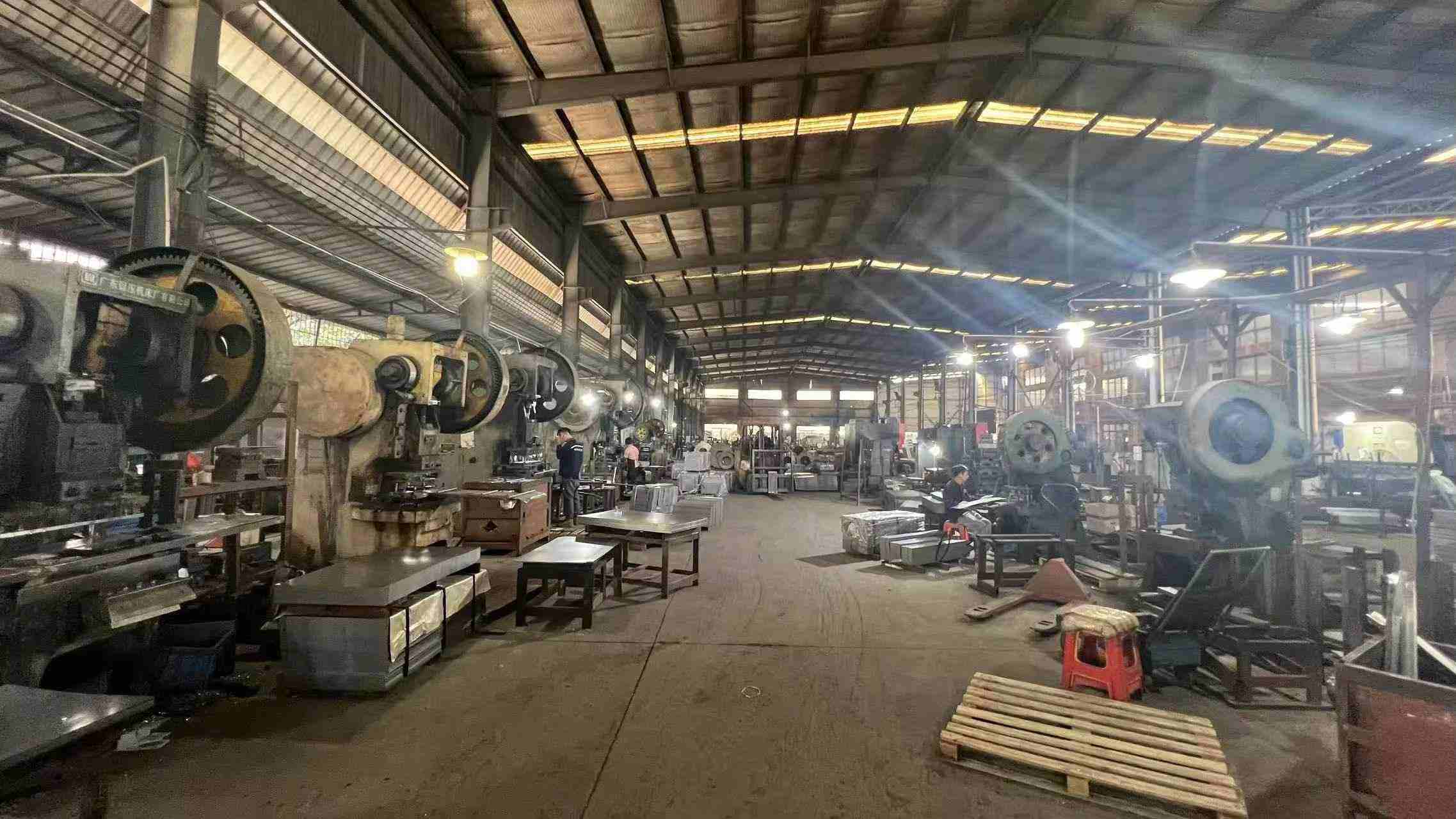
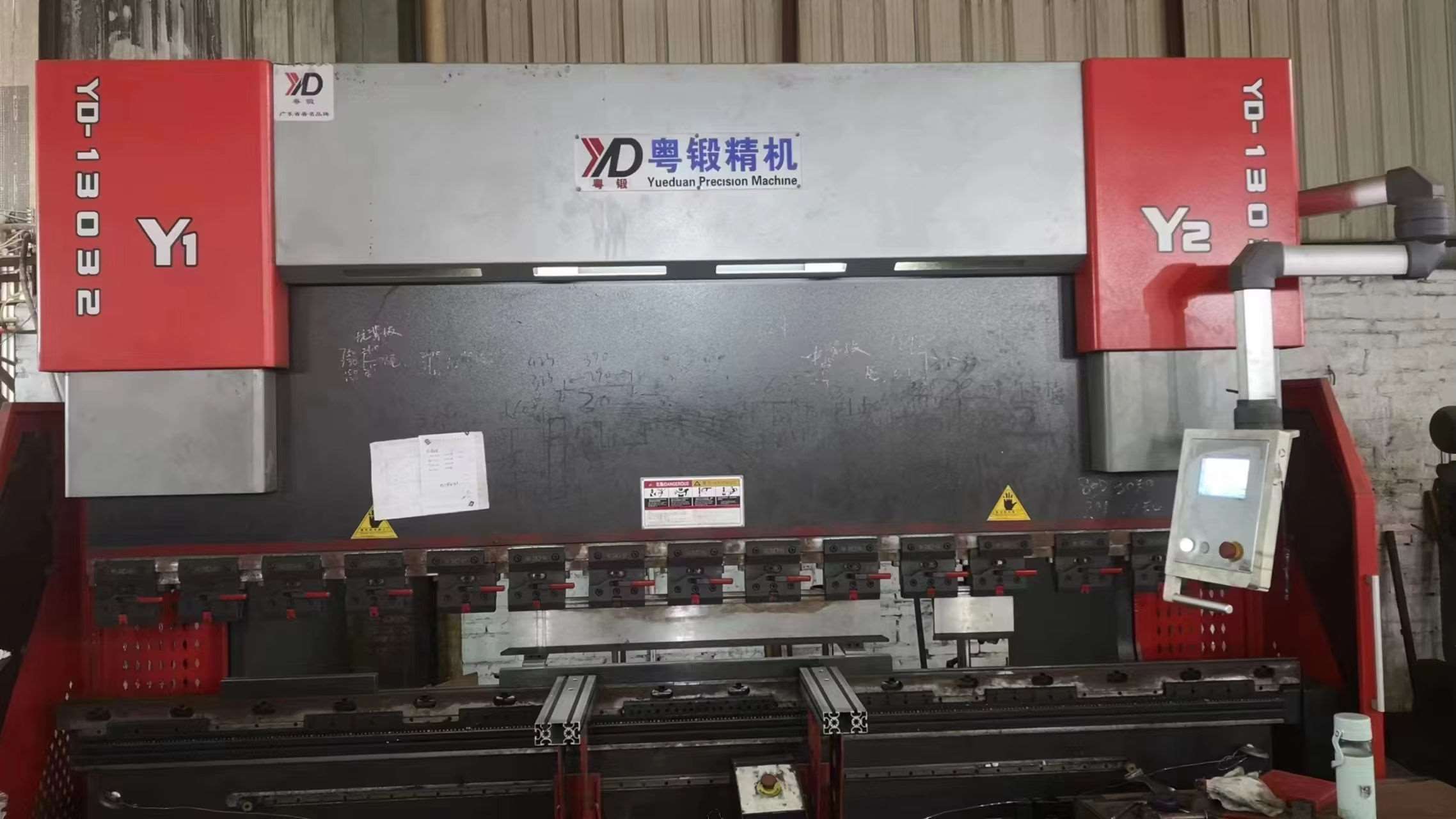
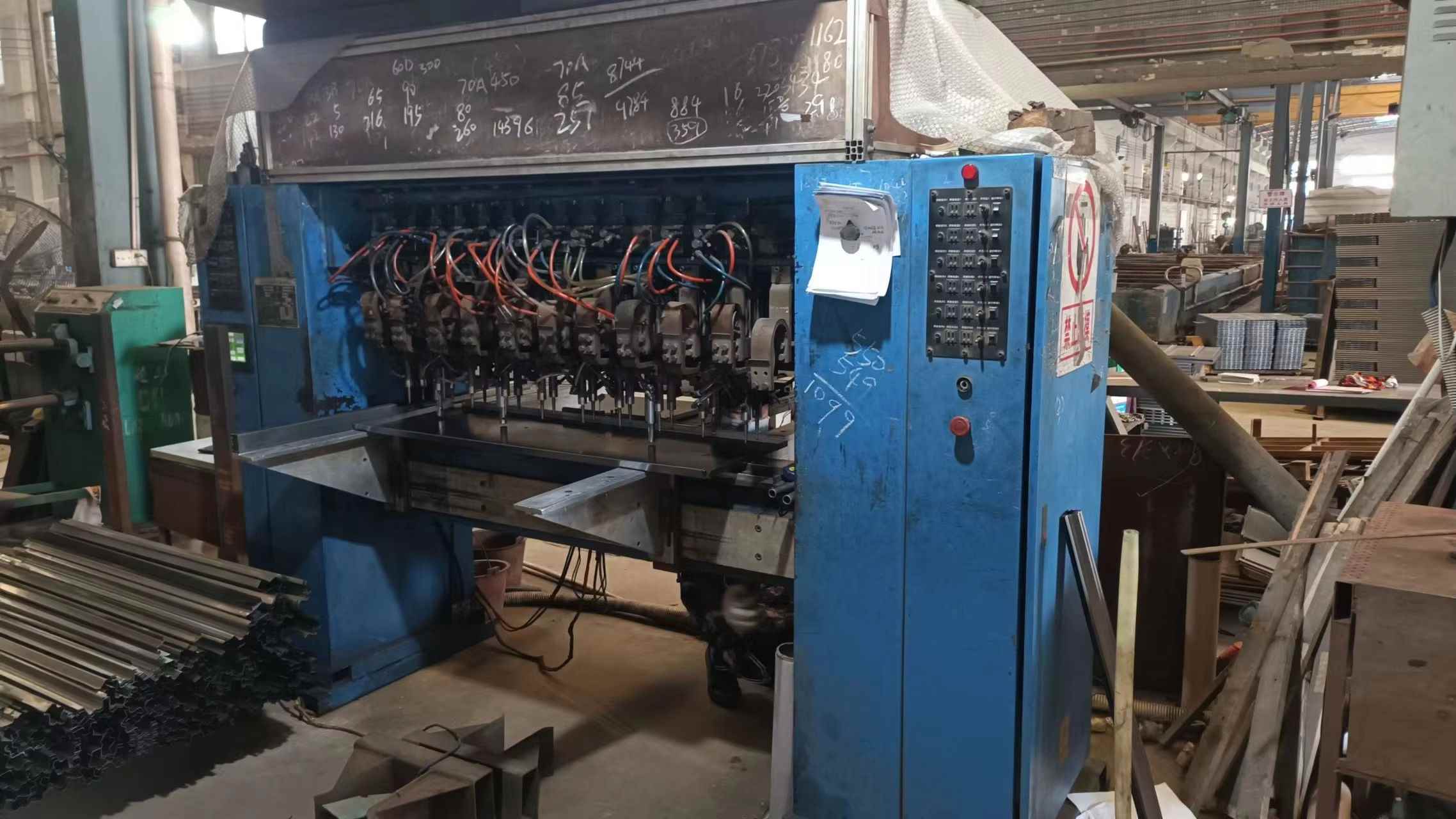
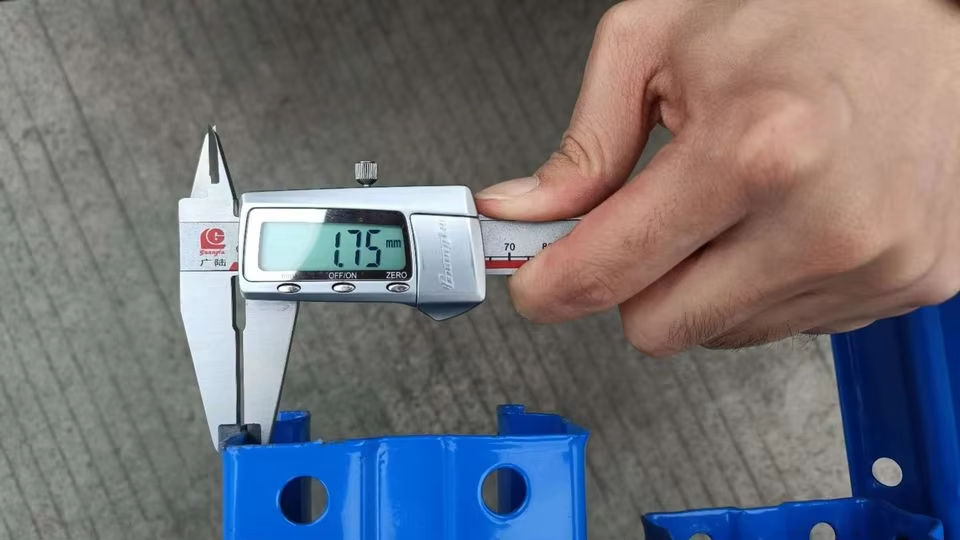
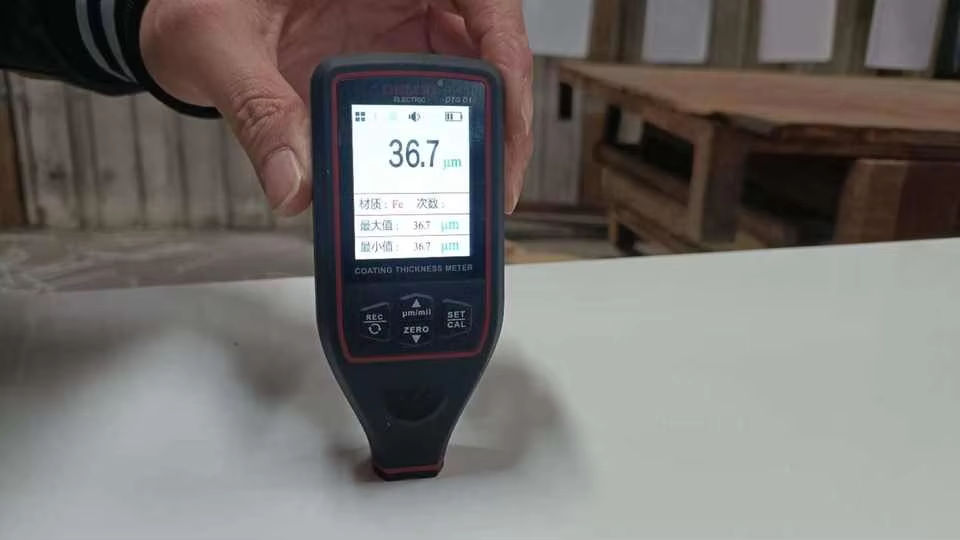
Quality control at Heda is engineered into every stage of fabrication. Our specialized QC department consists of 45 skilled inspectors executing rigorous testing procedures: steel tensile stress analysis, ultrasonic weld flaw detection, layer load-bearing deflection testing, and ASTM B117 salt spray surface corrosion evaluations. Supported by a dedicated R&D department of 28 senior structural engineers, we maintain full ODM/OEM customization capabilities—tailoring upright frame geometry, load beam profiles, dynamic pitch adjustments (50mm / 75mm / 76.2mm), surface powder formulations, and full warehouse floor CAD layout designs. Driven by market-focused engineering, Heda successfully launched over 120 new dynamic storage products and structural component upgrades last year alone.
Selecting the optimal racking system requires balancing storage density, selectivity percentage, floor loading capacity, and material handling equipment (MHE) compatibility. Below is an engineering matrix detailing Heda’s certified industrial storage configurations:
| Racking System Type | Storage Density | Selectivity (%) | Typical Load Capacity | Handling Equipment | Primary Industrial Application |
|---|---|---|---|---|---|
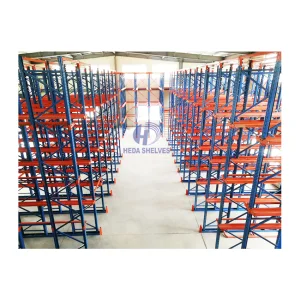
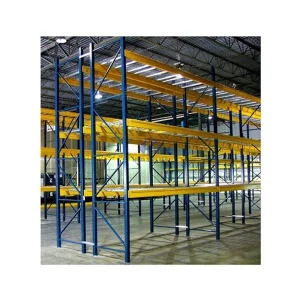
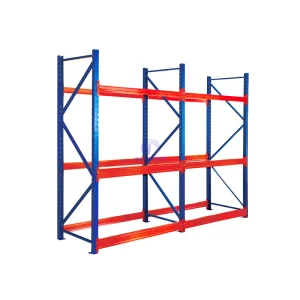
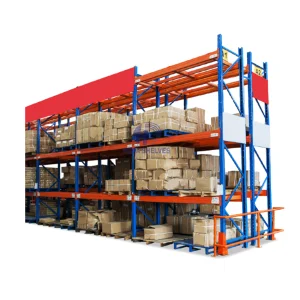
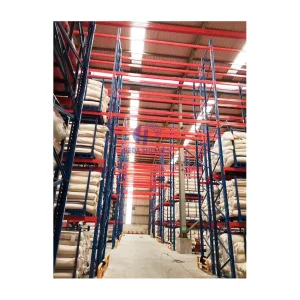
| Selective Pallet Racking | Medium (40-50%) | 100% Direct Access | 1,000kg - 4,500kg / Level | Standard Counterbalance, Reach Trucks | 3PL Warehouses, FMCG, High-SKU Distribution |
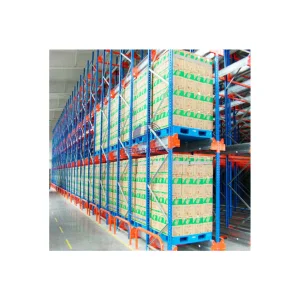
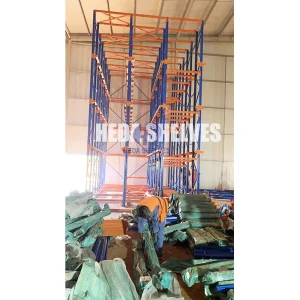
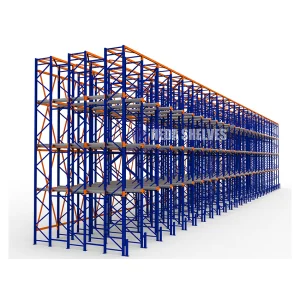
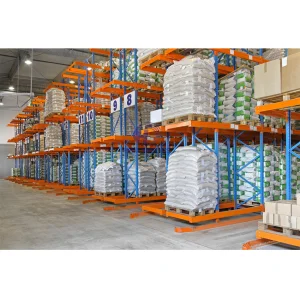
| Drive-In / Drive-Thru Racking | Very High (75-85%) | 20-30% (LIFO / FIFO) | 1,000kg - 1,800kg / Pallet | Reach Trucks, Specialized Narrow Forklifts | Cold Storage, Batch Production, Seasonal Inventory |
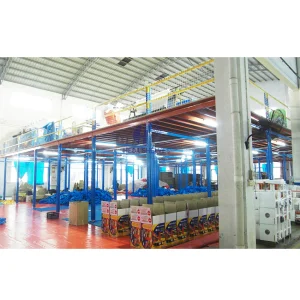
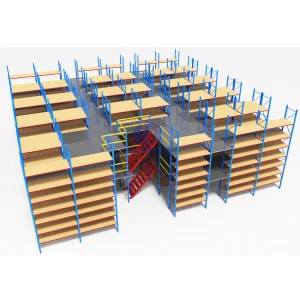
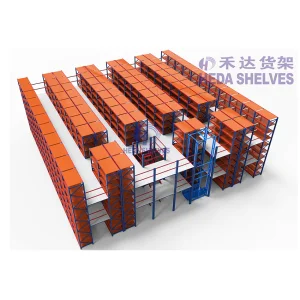
| Multi-Tier Mezzanine Platform | Maximum Vertical (200-300%) | 100% Manual / Tote Access | 300kg - 1,000kg / m² Floor Load | Conveyors, Freight Lifts, Hand Trucks | E-commerce Order Fulfillment, Automotive Spare Parts |
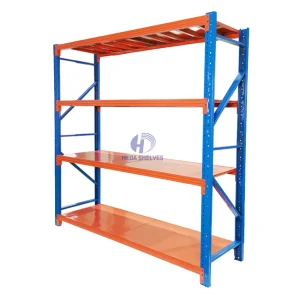
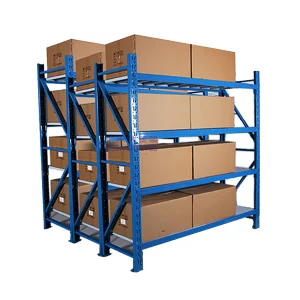
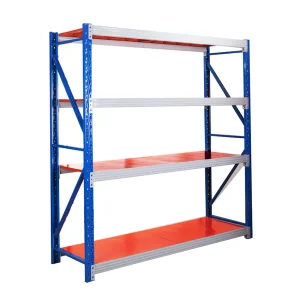
| Longspan & Medium Duty Shelving | Medium-High | 100% Hand Pick | 200kg - 800kg / Shelf Level | Manual Operations | Industrial Garages, Hardware Distribution, Retail Backroom |
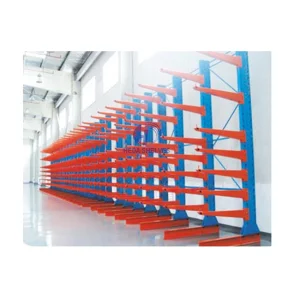
| Cantilever Storage System | High (Linear Items) | 100% Front Access | 500kg - 3,000kg / Arm | Side Loaders, Heavy Counterbalance Forklifts | Steel Pipes, Lumber, Extrusions, Sheet Metal Storage |
All structural uprights and beam profiles engineered by Heda utilize cold-formed high-yield steel coils. Upright columns feature multi-stage bend profiles (up to 12-fold bends) to significantly improve structural stiffness against torsional strain and lateral seismic movements. Finishing relies on a 9-stage pre-treatment process—including degreasing, acid-pickling rust removal, and zinc-phosphate parkerising—followed by thermo-hardened epoxy-polyester powder coating (60–90 microns thickness). This process guarantees superior impact resistance, anti-scratch properties, and long-term rust protection even in high-humidity or cold-chain environment conditions.
Drive-In systems constructed from low-temperature resistant steel operating down to -30°C. Maximizes cube density to reduce freezing energy costs per pallet position.
Integrated multi-tier mezzanine rack structure incorporating bin shelving, tire racks, and heavy component flow rails for fast SKU picking efficiency.
High-density boltless longspan shelf configurations equipped with wire mesh decking and divider systems for dynamic, high-speed piece picking.
Heavy-duty hot-dip galvanized cantilever storage systems engineered to withstand harsh outdoor weathering while storing heavy pipes, bar stocks, and timber.
Understanding regional compliance variations is vital for international enterprise buyers:
 Hedaracking