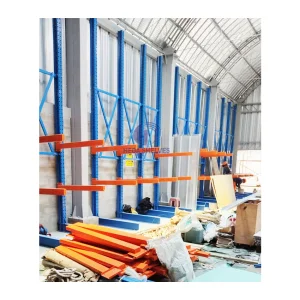
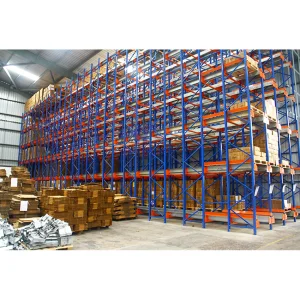
Explore our flagship heavy-duty storage assemblies, optimized for high structural rigidity, dynamic payloads, and smart automated system interfaces.
Established in 2014, Shenzhen Heda Warehouse Equipment Co., Ltd. has positioned itself as a premier global manufacturer specializing in heavy-duty warehouse racking and industrial automated storage solutions. Operating out of a state-of-the-art 35,000 m² manufacturing plant, our facilities represent the cutting edge of industrial metallurgy, robotic automation, and structural engineering. We seamlessly integrate R&D, structural design, manufacturing, quality inspection, and international commissioning teams under one global deployment framework.
With 12 years of core industry experience and 8 years of dedicated export execution, our systems support global supply chains by driving down cost-per-pallet metrics. We proudly generate over $28 million in annual export revenue, implementing high-density structural and robotic projects across North America, Western Europe, Southeast Asia, and the Middle East.
How next-generation robotics, power storage, and sub-millimeter positioning tolerances are shaping modern intralogistics.
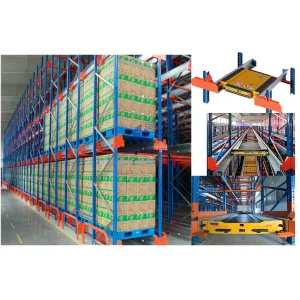
The contemporary warehousing market is undergoing a paradigm shift from traditional, human-operated static racking to fully automated, highly intelligent dynamic systems. At the apex of this evolution is the 4-Way Shuttle Storage System (AS/RS). Unlike traditional stacker cranes that operate on fixed rails along a single aisle, or 2-way shuttle systems limited to linear lane travel, the 4-way robotic shuttle can traverse both longitudinal rails (aisles) and lateral rails (cross-lanes). This multidirectional capability maximizes volumetric space utilization while allowing modular horizontal and vertical scaling.
Modern 4-way shuttles utilize two primary power architectures: high-density Lithium Iron Phosphate (LiFePO4) battery packs or advanced electric double-layer capacitors (EDLC/Supercapacitors). While lithium-ion configurations offer extended runtimes (6 to 8 hours of continuous operation per charge), supercapacitors represent the future of high-throughput systems. Engineered with fast-charging technology, supercapacitors recharge fully in 10-30 seconds during vertical lift transition or product drop-off operations, facilitating 24/7/365 continuous autonomous uptime without battery swap downtime.
To safely navigate dynamic racking structures at speeds up to 2.0 m/s with load weights up to 1,500 kg, 4-way shuttles employ a multi-sensor positioning array. By combining barcode/QR code optical readers mapping grid coordinates on the track surface, laser range finders for depth triangulation, and absolute rotary encoders, the shuttle's control board achieves structural positioning accuracy of ±1.0 mm. This extreme accuracy is vital during elevator transfers, ensuring seamless mechanical handoffs between vertical lifts and the horizontal rail grid.
The intelligence of the hardware is unlocked by the Warehouse Control System (WCS) and Warehouse Management System (WMS) layers. Future-focused WCS platforms integrate AI-driven routing heuristics. These algorithms execute real-time collision avoidance, dynamically re-routing shuttles through alternative pathways if a specific aisle experiences a throughput bottleneck. The system also supports fleet scaling: as throughput demands increase, operators can add new shuttles to the existing grid layout without needing to expand the physical racking footprint.
| Technical Specification Parameter | Standard Industrial Range | Heda High-Precision Specification |
|---|---|---|
| Maximum Travel Velocity (Unloaded / Loaded) | 1.2 - 1.5 m/s | Up to 2.0 m/s |
| Positioning Accuracy (Horizontal Grid) | ±2.0 mm to ±3.0 mm | ±1.0 mm (Laser/Encoder Hybrid) |
| Maximum Dynamic Payload Capacity | 500 - 1000 kg | 1,500 kg per Pallet |
| Power System Charging Efficiency | Slow recharge cycles (2-4 hours) | Supercapacitor Rapid Charge (15-30 sec) |
| Ambient Temperature Operating Range | 0°C to +40°C | -25°C to +45°C (Cold-Storage Approved) |
Tailoring physical configurations and operational workflows to meet specialized regulatory and environment-specific industry demands.
Sub-zero environments require special engineering. Heda's cold chain 4-way systems use special low-temp hydraulic fluids, moisture-sealed electronic boards to prevent condensation short-circuits, and low-temperature batteries that perform down to -25°C, ensuring food and perishables remain fresh and secure.
Designed to support FDA GAMP5 compliance. Integrated WMS tracking guarantees complete trace-and-track visibility with strict First-In, First-Out (FIFO) routing. Smooth acceleration curves reduce vibration risk, keeping delicate vaccine and vial packages safe during transport.
E-commerce demands extreme flexibility to manage seasonal dynamic peaks. Our hybrid layouts support both deep-lane storage (LIFO configuration for bulk stock) and highly accessible single-depth lanes (FIFO config for picking zones) on a single unified structural steel framework.
A deep dive into our advanced production lines, materials testing, and multi-step surface finish technology.
The manufacturing quality of the racking system is critical to the safety and durability of any 4-way shuttle AS/RS installation. High-speed robotics travelling on long-span racks create continuous structural dynamic stresses. To prevent structural sag and ensure smooth shuttle operation, tolerances must be kept within sub-millimeter limits. At Shenzhen Heda, our production processes combine Factory 4.0 automation with rigorous empirical quality assurance.
Our raw structural steel is sourced directly from top domestic mills, selecting high-strength grades like Q235B and Q355B. This raw steel undergoes multiple automated forming steps, including CNC punching, roll forming, robot welding, and multi-stage chemical pretreatment, ending with electrostatic powder deposition coating.
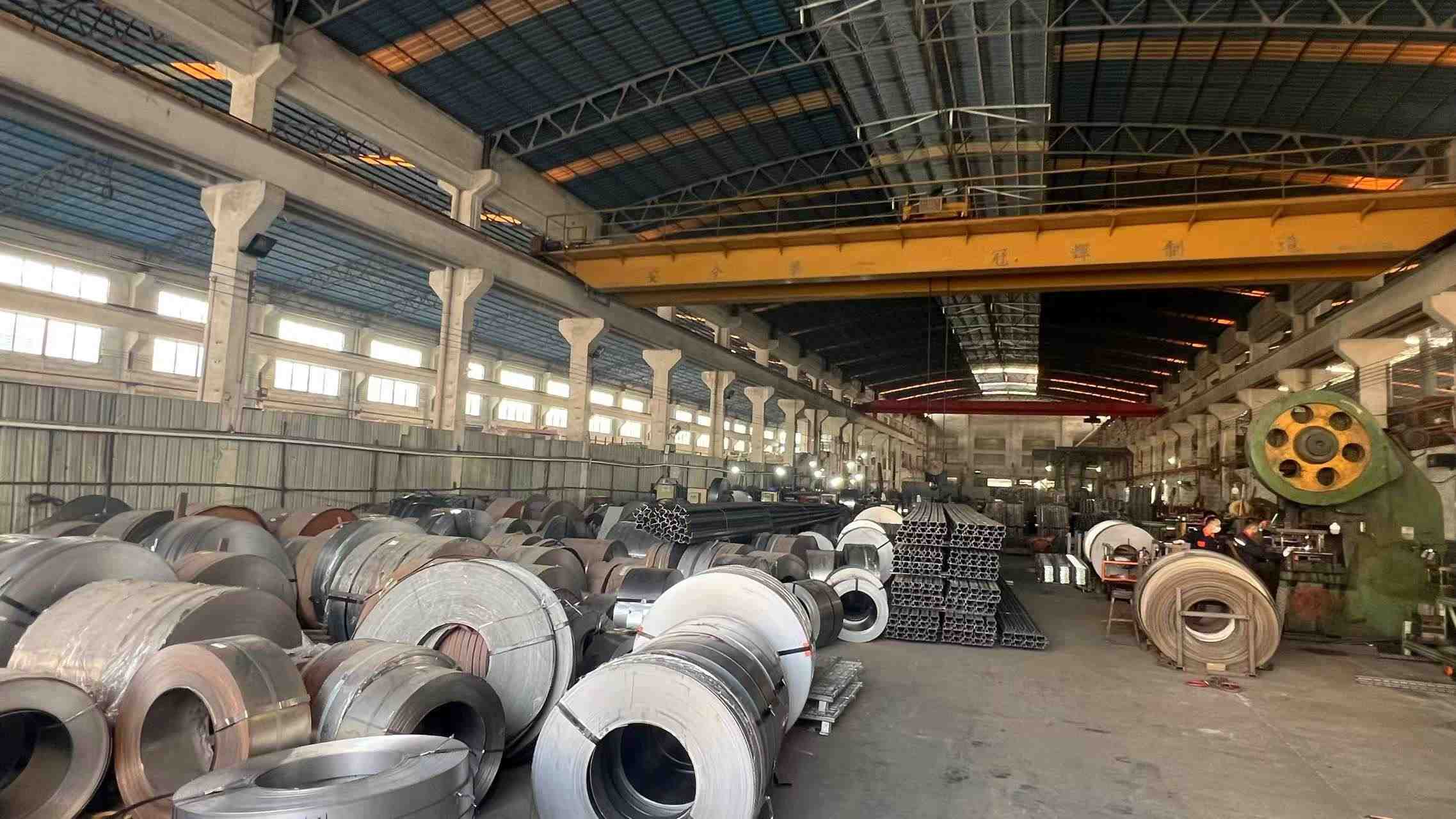
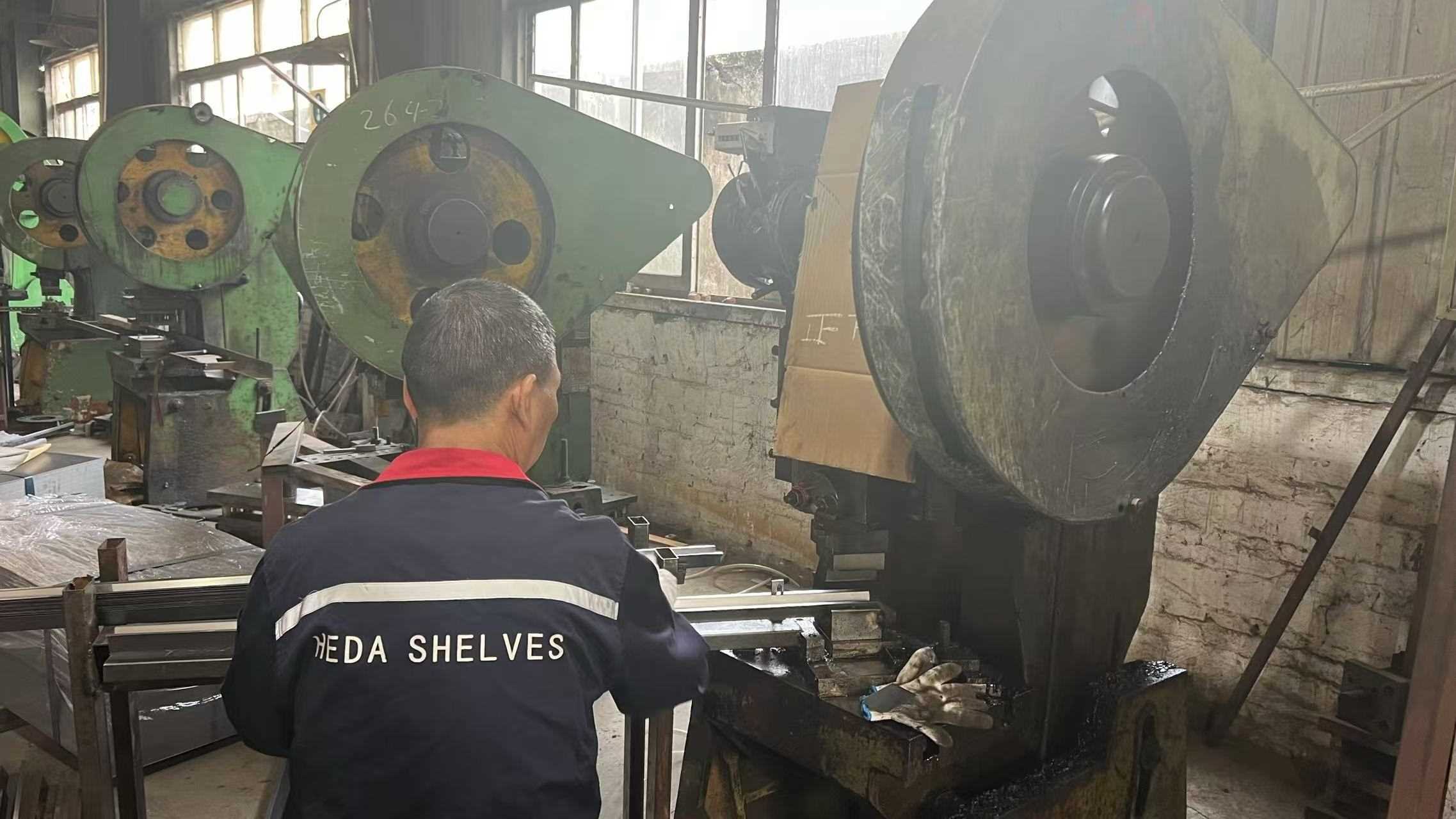
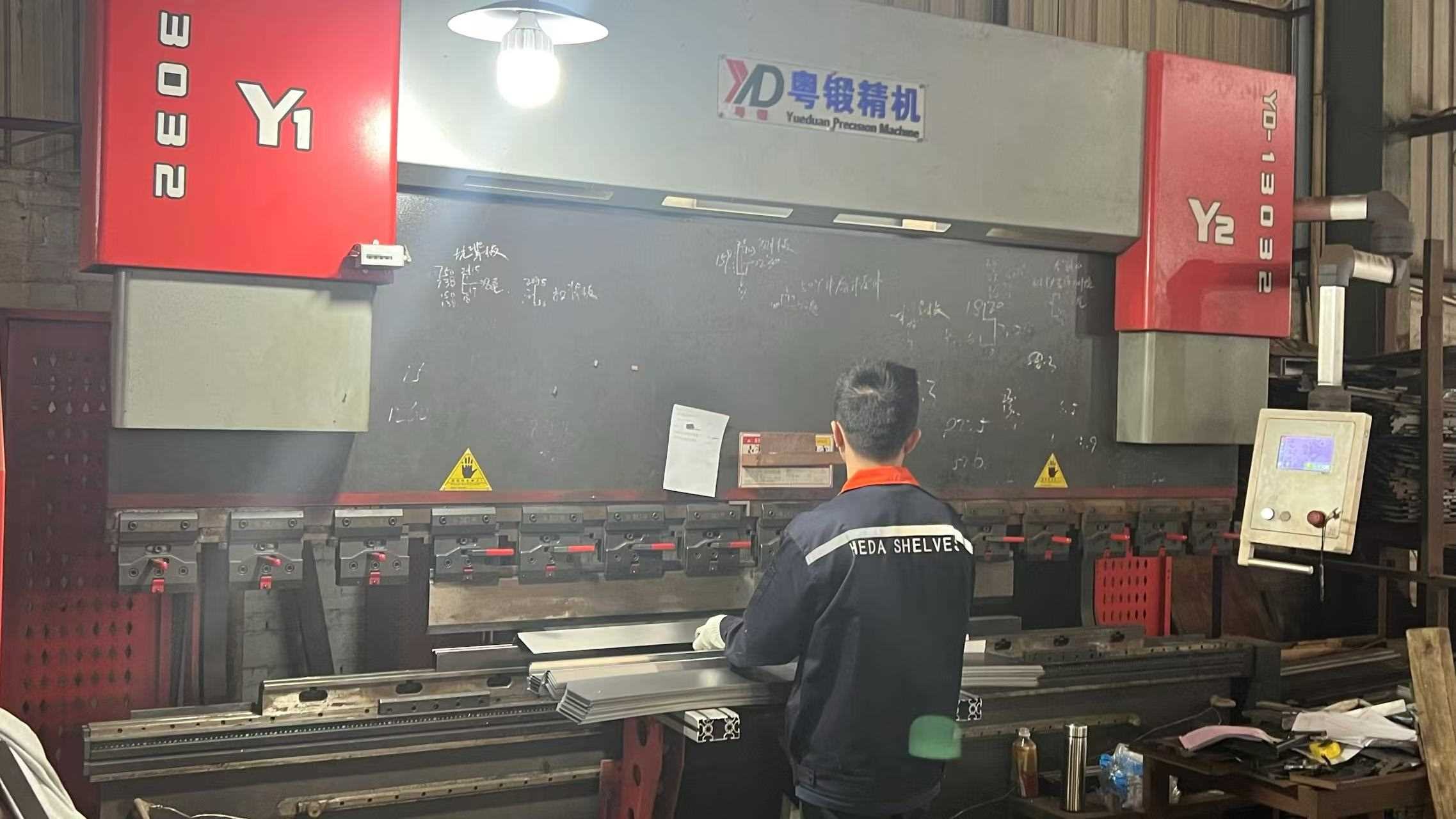
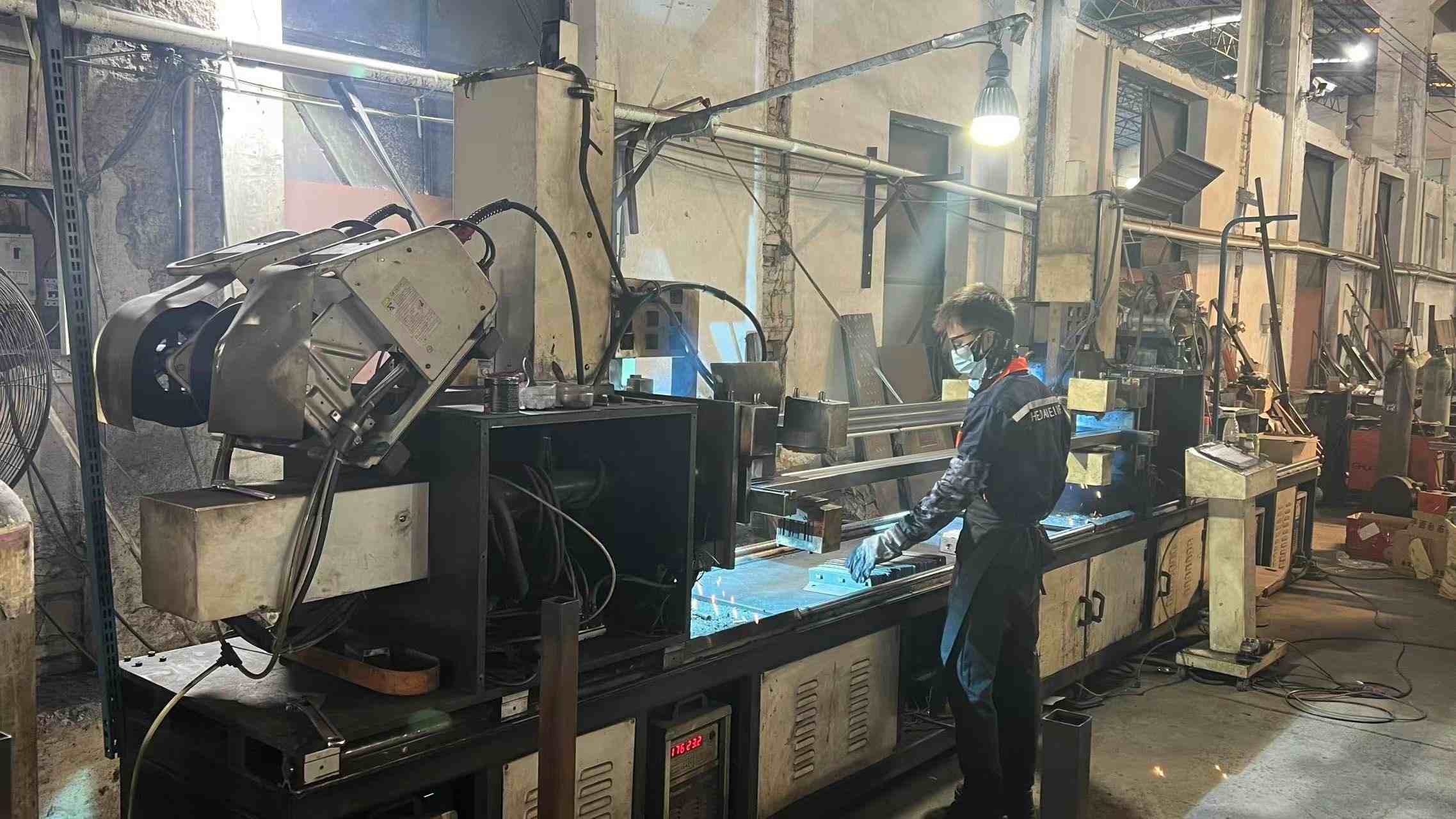
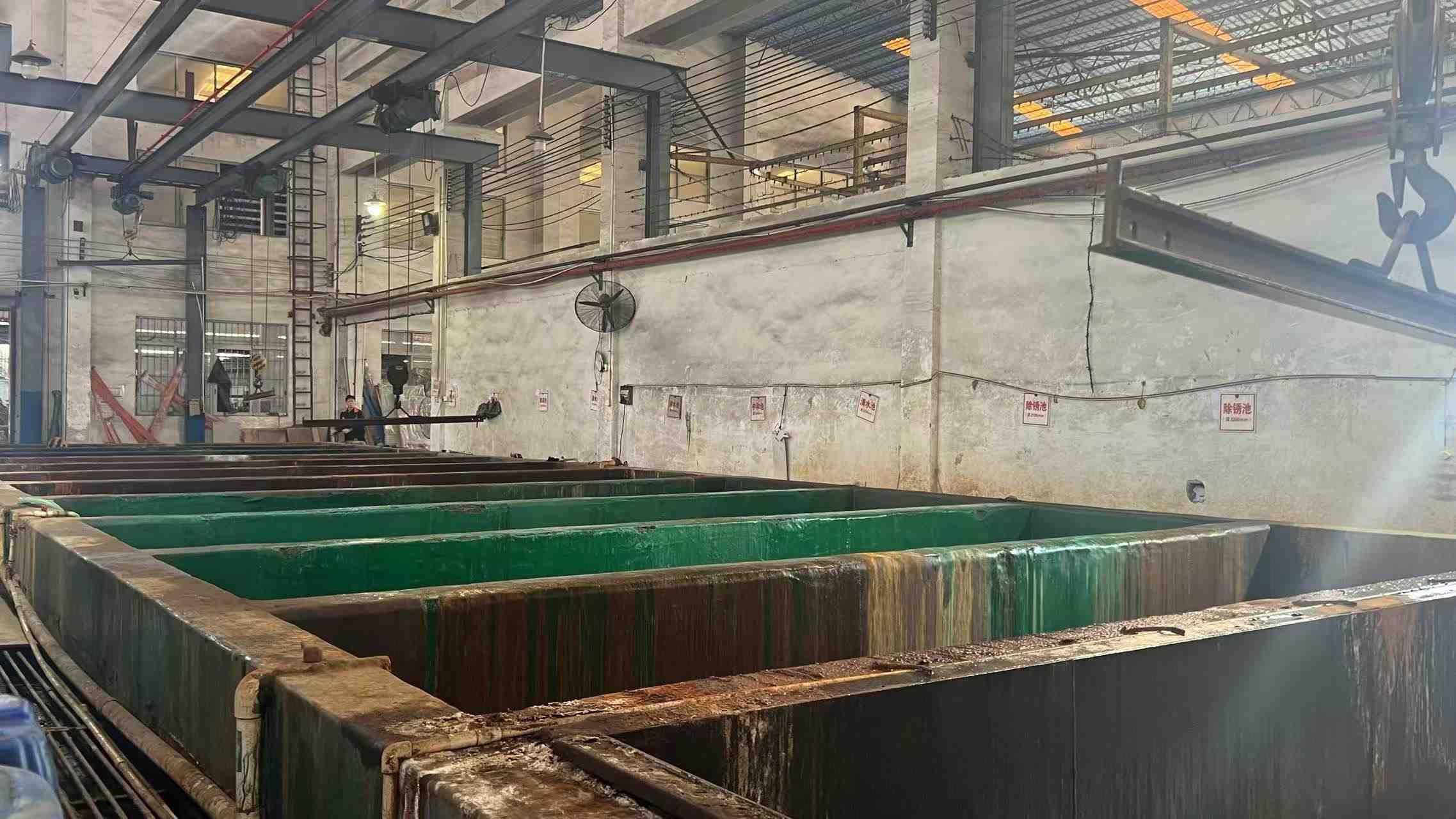
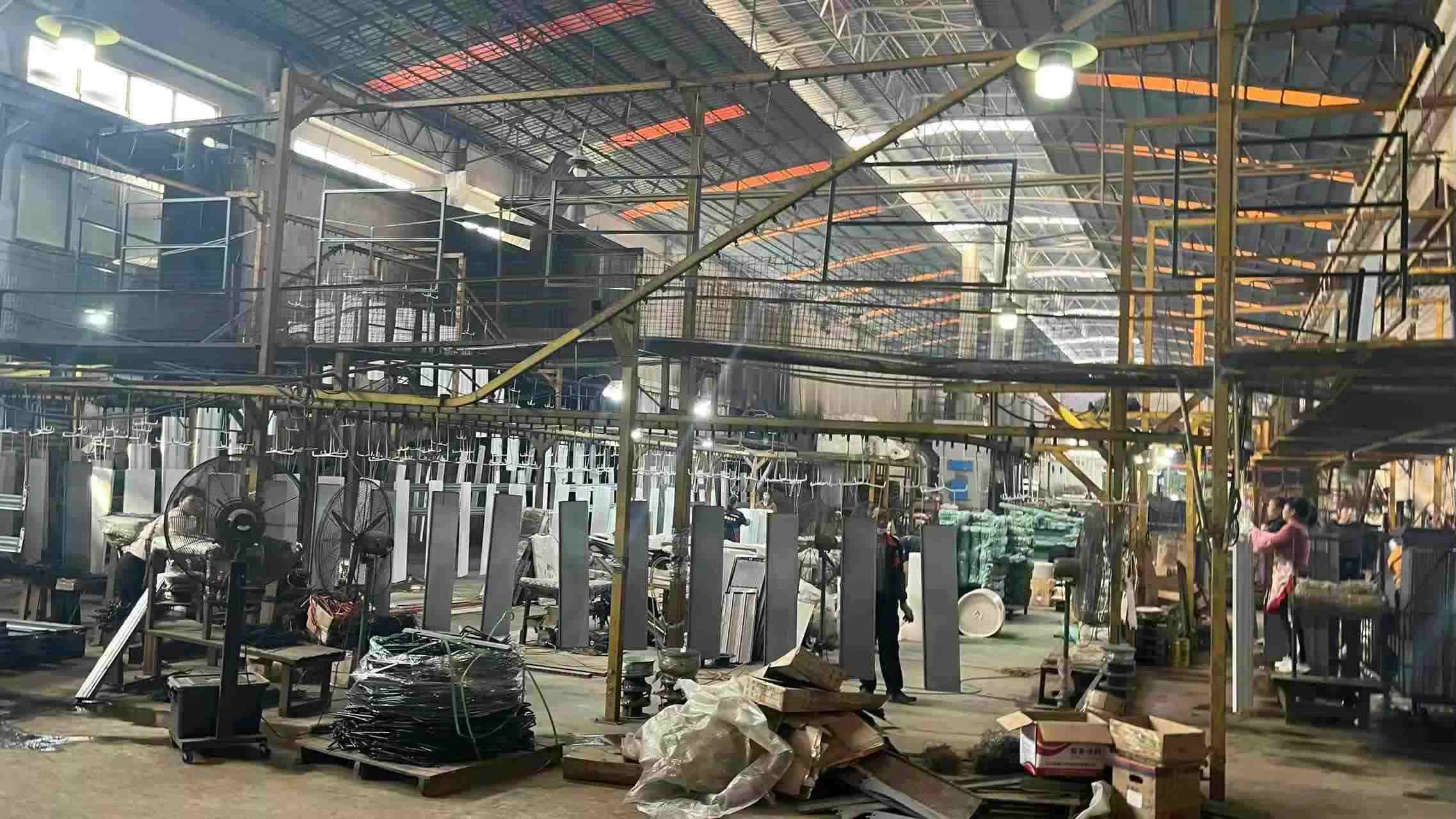
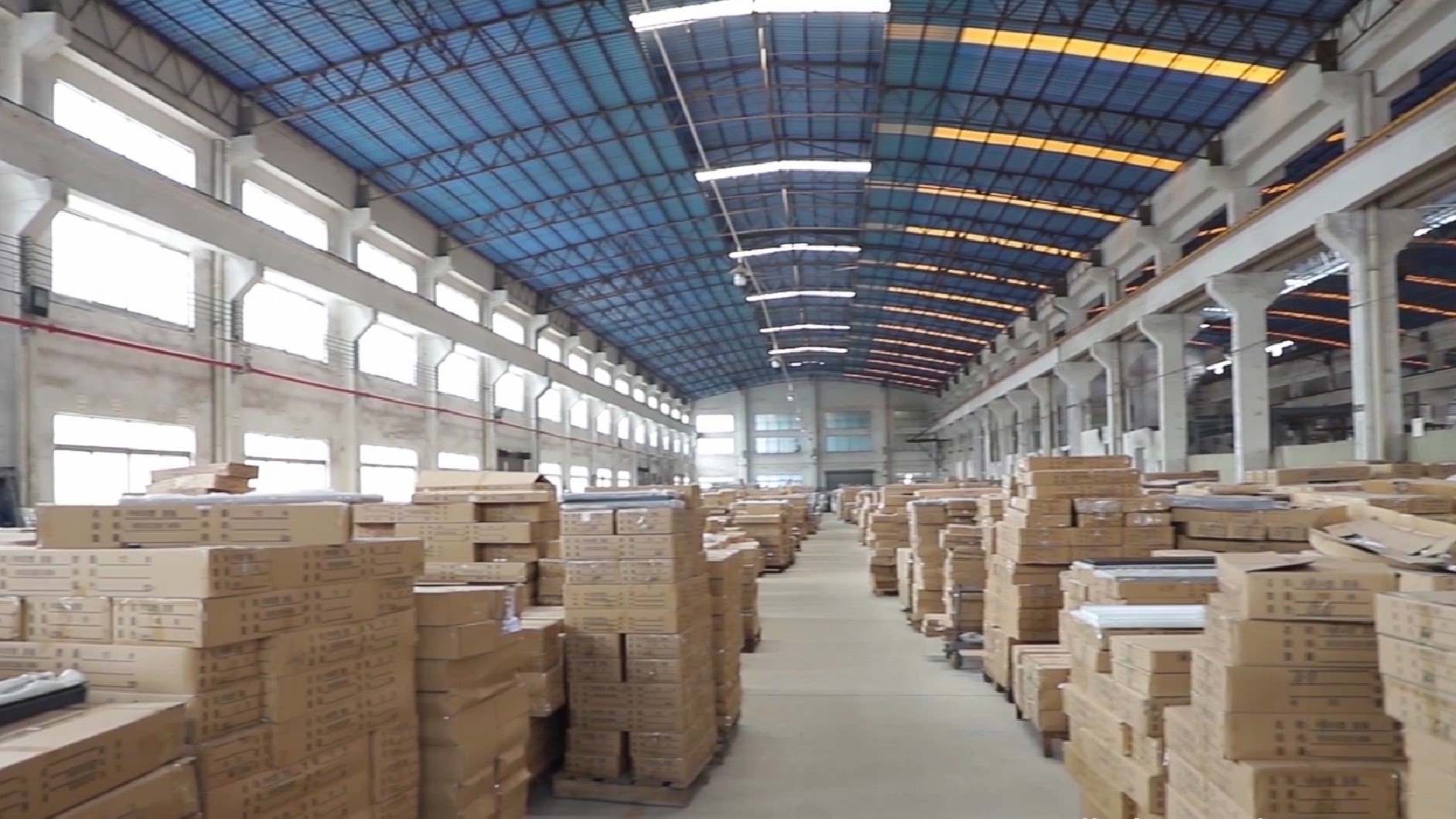
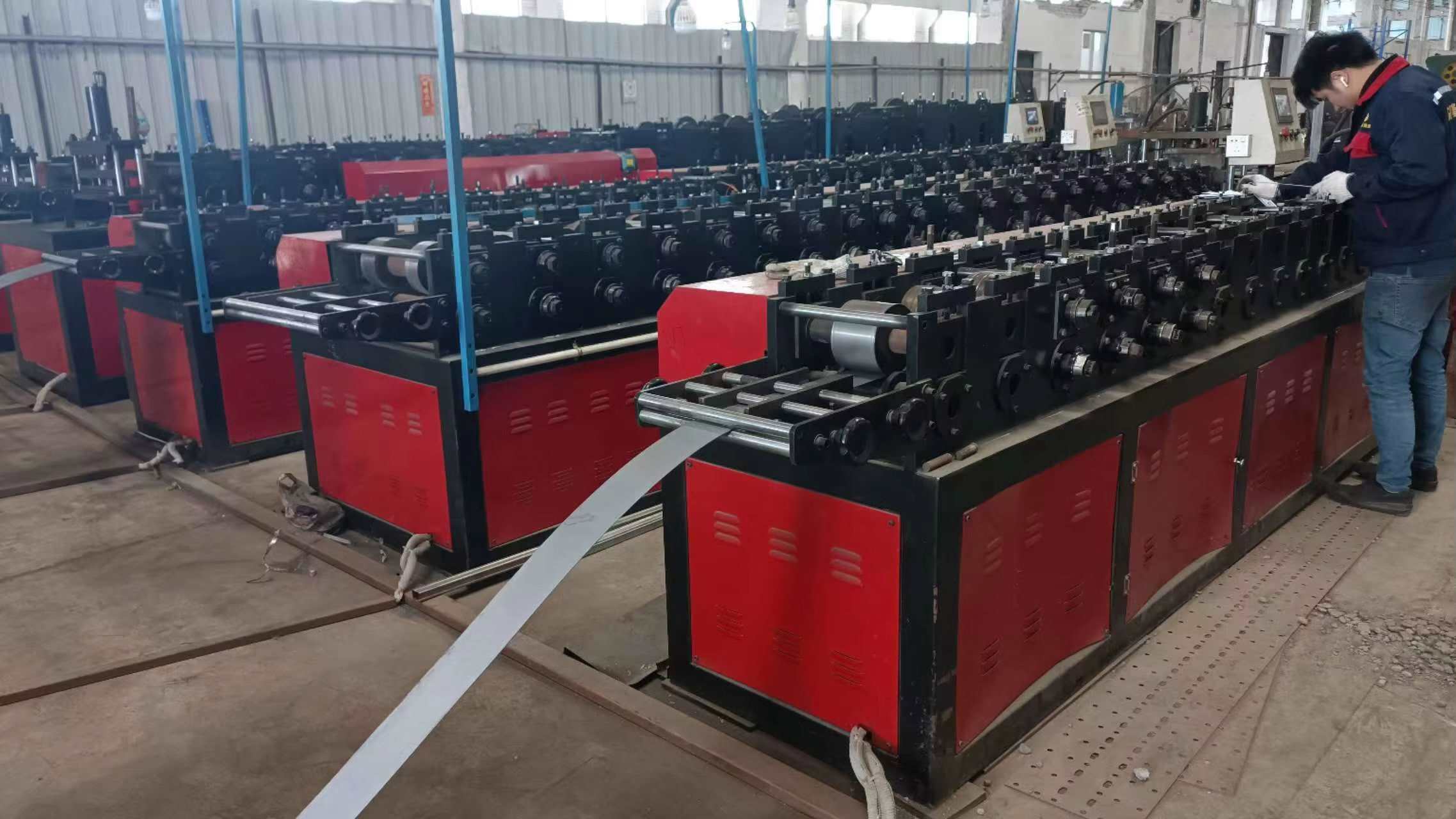
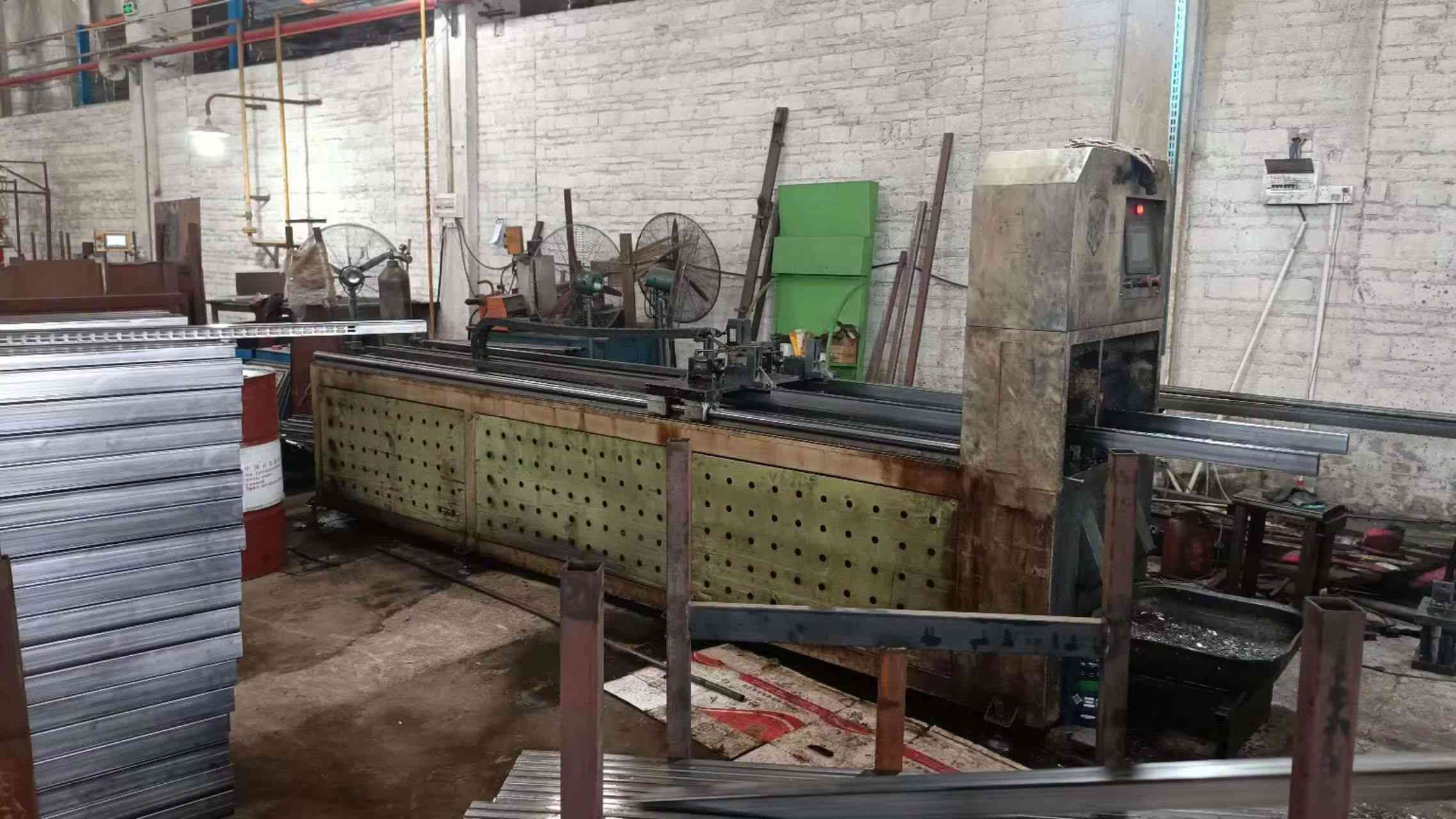
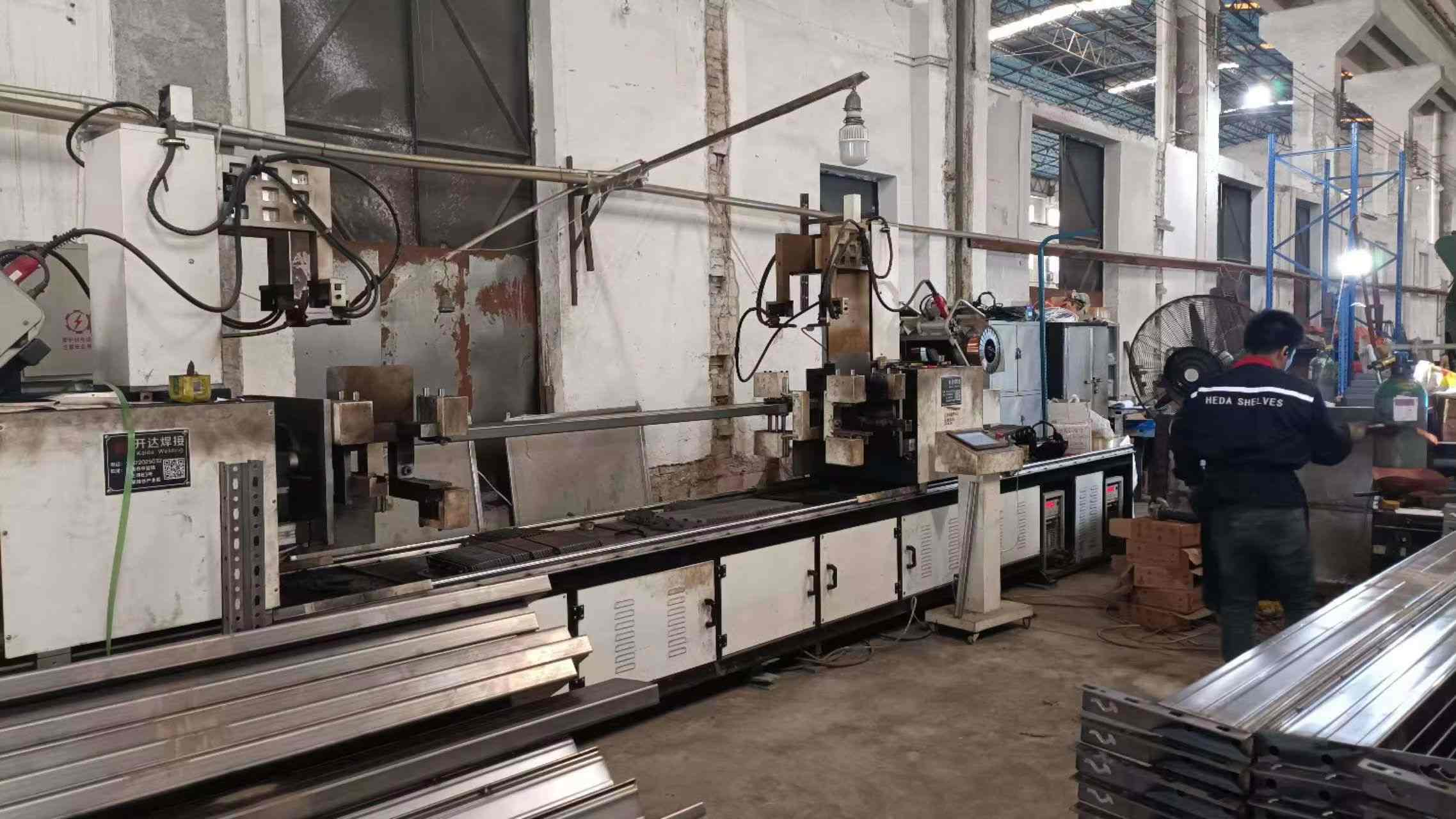
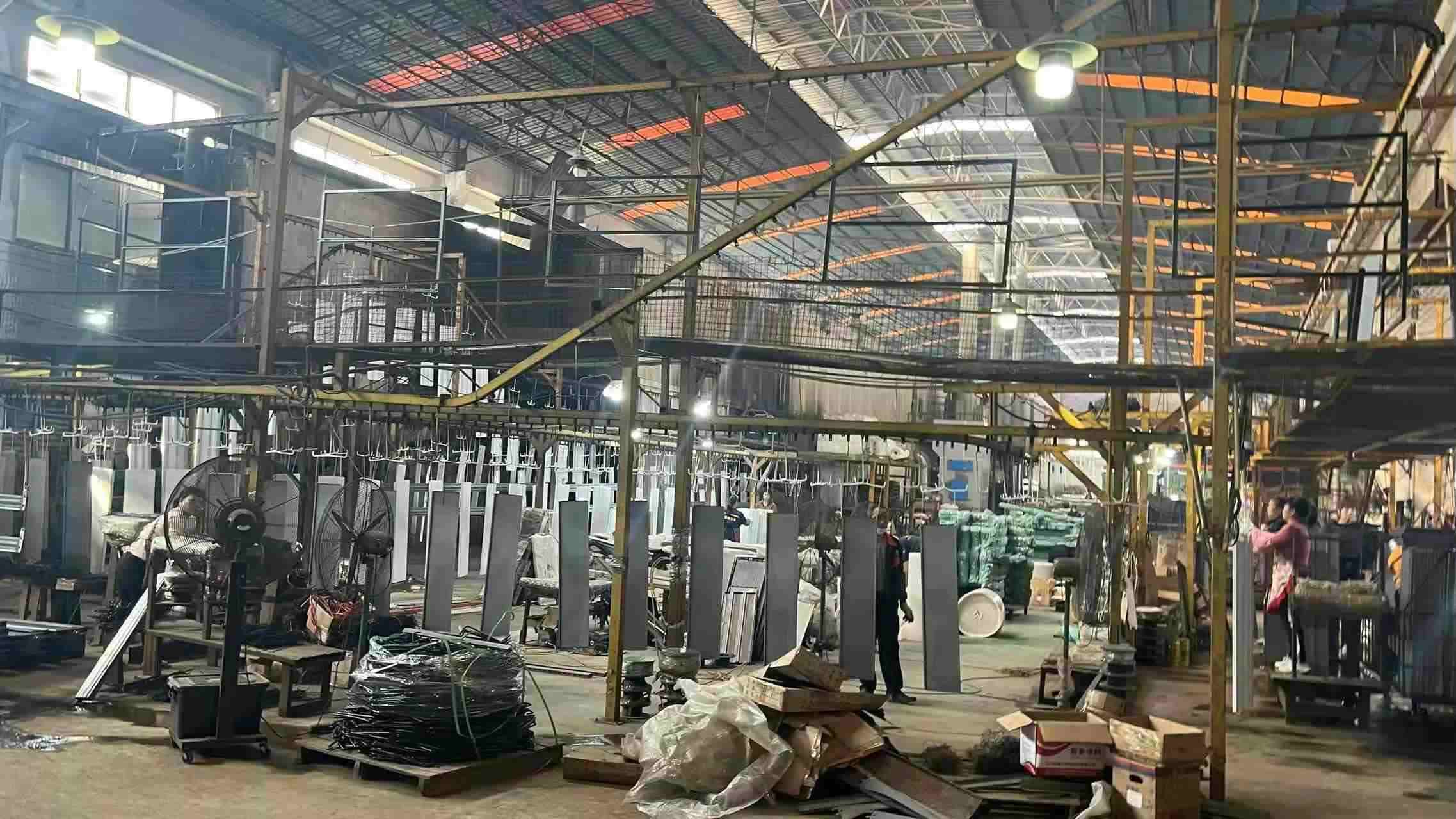
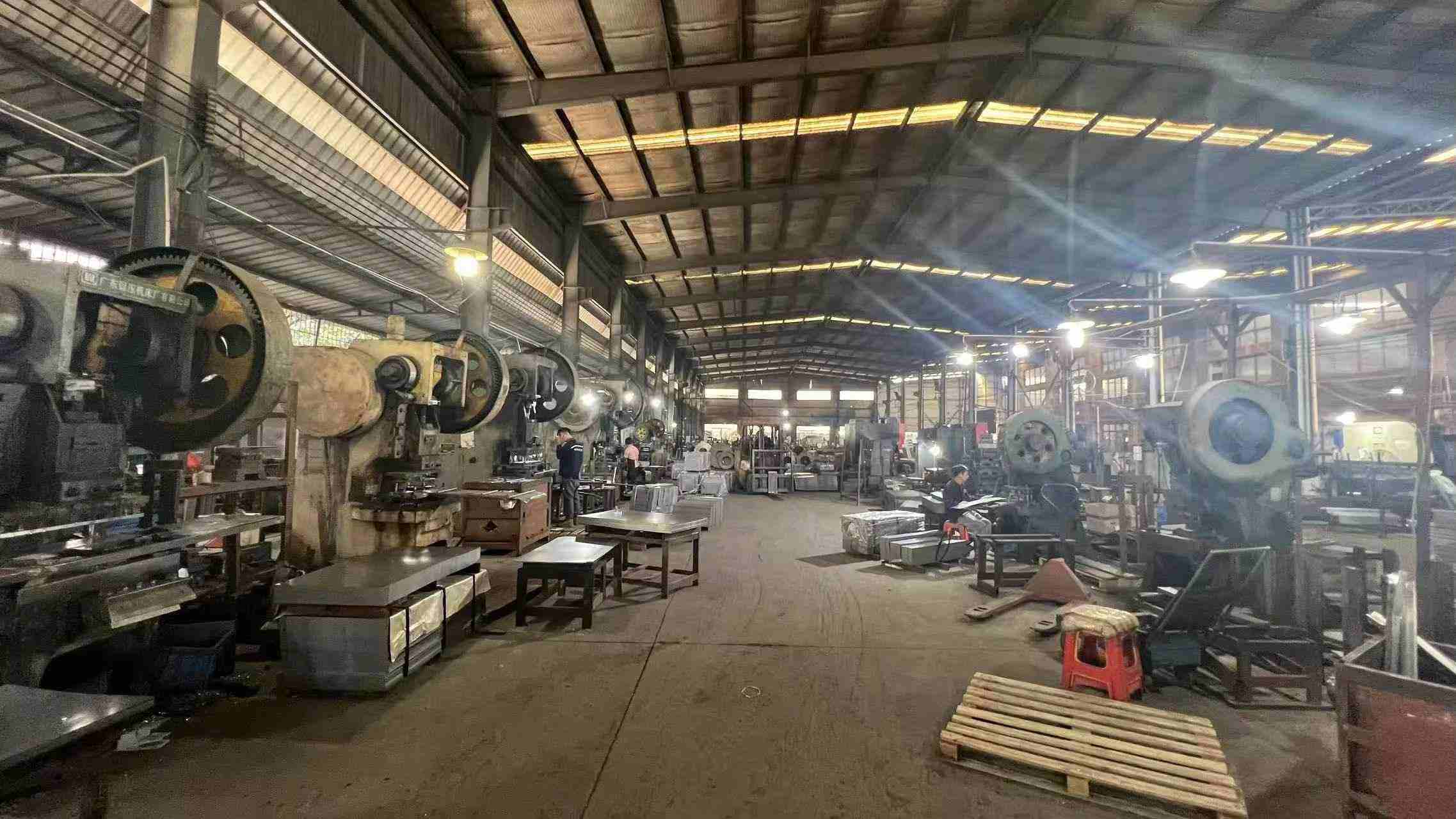
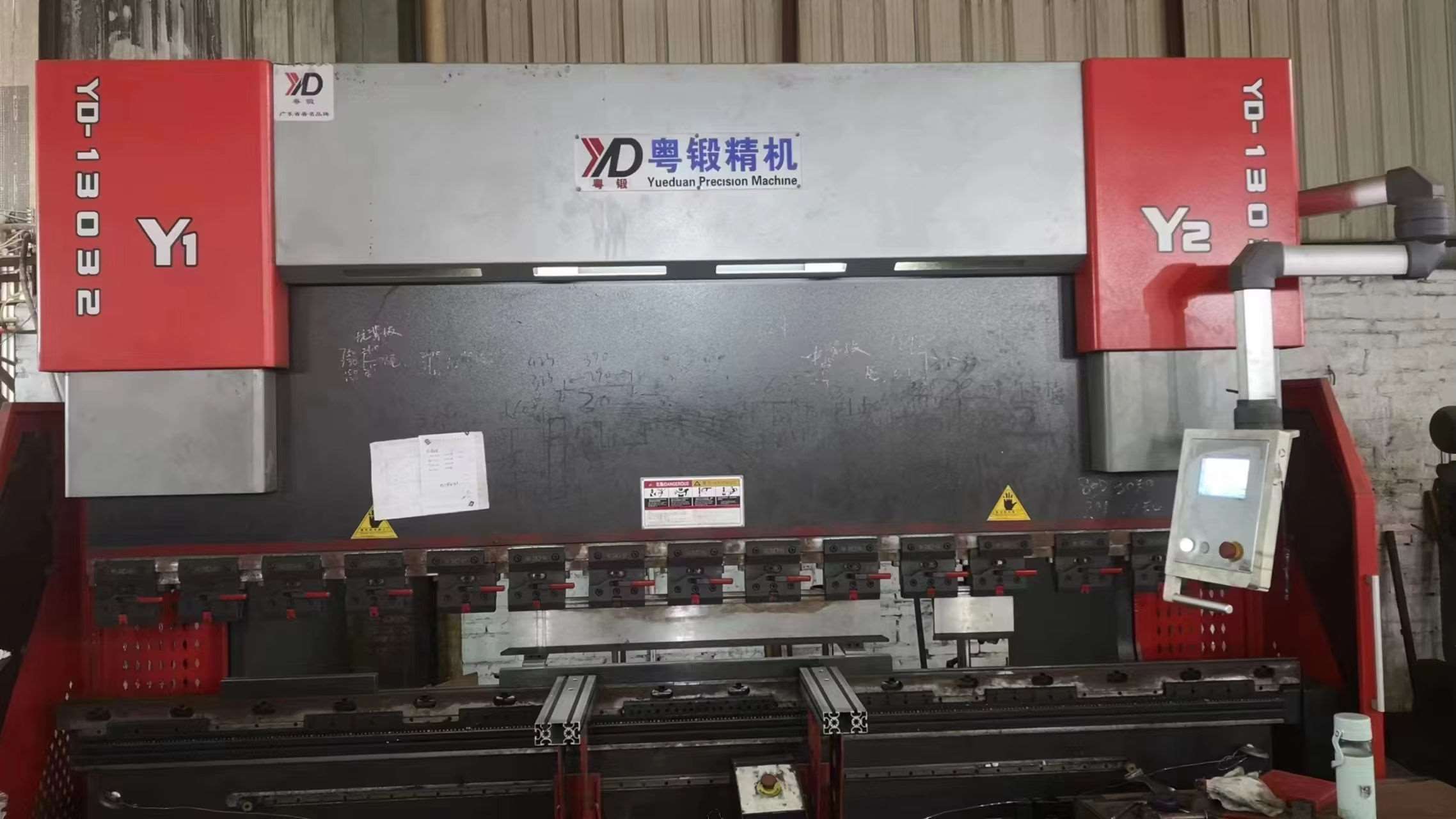
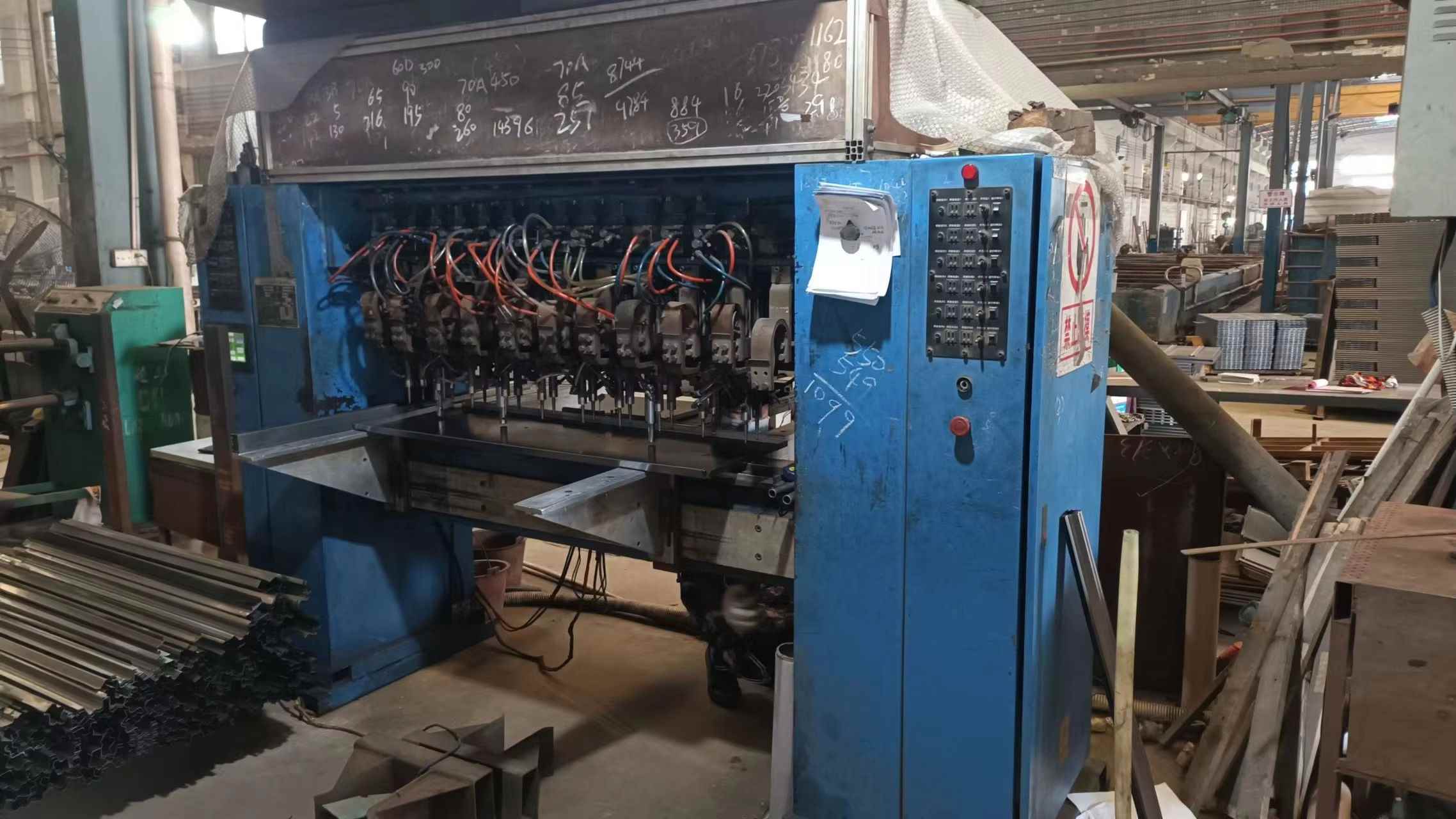
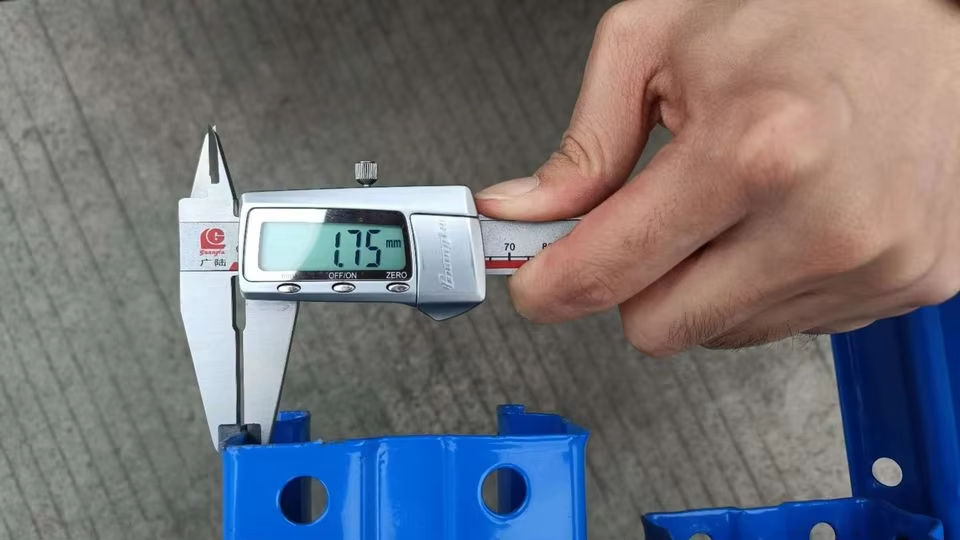
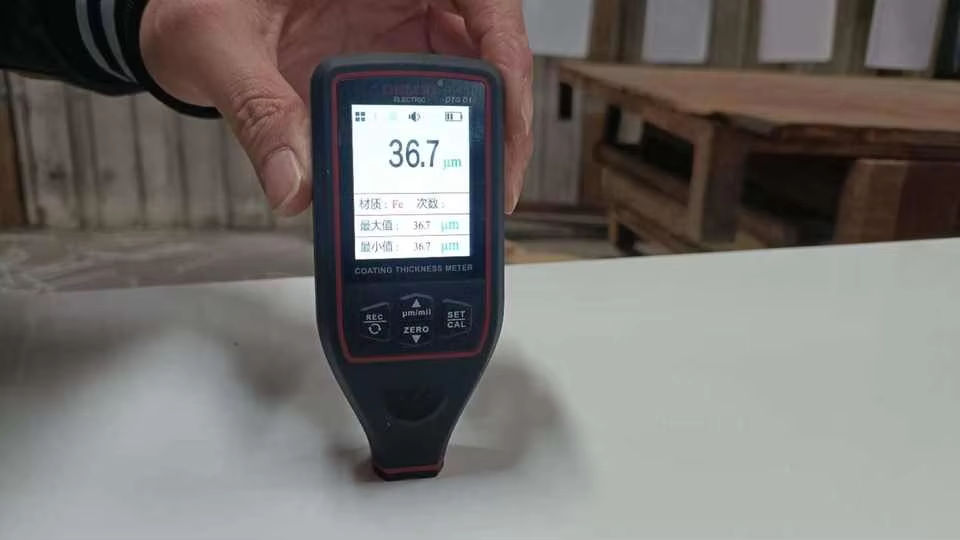
Our Quality Control team consists of 45 skilled QA inspectors. By using digital calipers, dynamic coating thickness testers, tensile stress testers, and non-destructive weld-flaw detectors, we confirm that every component conforms to RMI and FEM specifications. This keeps dimensional variation under strict control, ensuring safe and smooth robotic shuttle operation over decades of service.
Key requirements and design parameters for international supply chain and warehouse infrastructure projects.
Evaluating automated warehousing systems requires a clear understanding of the Total Cost of Ownership (TCO) and structural parameters. Beyond initial equipment costs, procurement teams should evaluate system scalability, maintenance costs, energy efficiency, and construction safety tolerances.
A high-performance automated system requires a level, stable concrete foundation. Flatness parameters must comply with ASTM E1155 (typically specifying an FF 45 / FL 35 rating) or DIN 18202. Surface variations can cause alignment issues between the rails and the shuttle's lasers, potentially leading to tracking errors. Proper floor preparation is critical for automated shuttle projects.
Unlike manual forklift drive-in systems, automated systems have strict alignment requirements. The vertical upright column verticality variation must be kept under 1/1000 of the total building height, and the horizontal rail alignment variation must be within ±1.5 mm. Structural designs must account for these limits to prevent shuttle derailment or transport blockages.
Heda's 4-way systems are designed to scale with your throughput requirements. The structure is built to support maximum load capacity from day one, allowing you to add more shuttles to the grid as order volumes increase over time. This keeps initial investment down while maintaining long-term capacity flexibility.
How Heda guarantees global project execution, compliance, and ongoing maintenance support.
Installing automated systems requires strict compliance with local structural and machinery standards. Heda's systems comply with EU CE certifications, American RMI guidelines, and European FEM 10.2.16 standards. We account for local seismic conditions, building codes, and safety requirements from the design phase onward.
Our localized support plans feature remote IoT diagnostic modules on the shuttle control boards, enabling our engineers to troubleshoot software issues remotely. For physical parts, our quick-ship component centers in North America and Western Europe ensure rapid delivery of critical spares like wheel sets, sensors, and controllers to minimize warehouse downtime.
Answering technical, structural, and integration queries from site managers and design engineers.
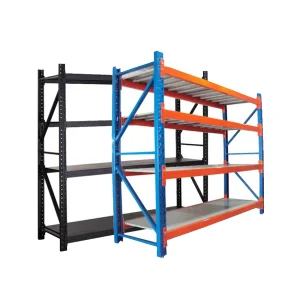
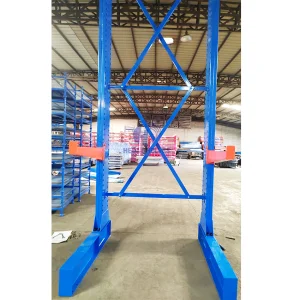
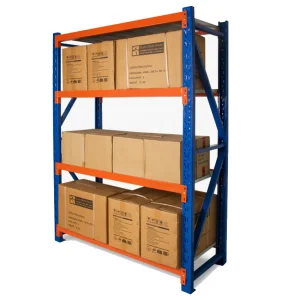
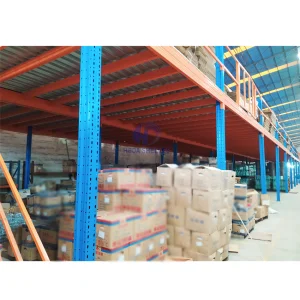
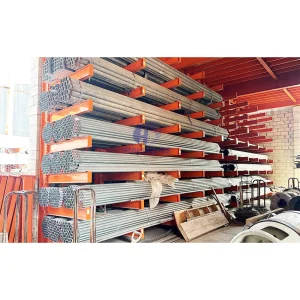
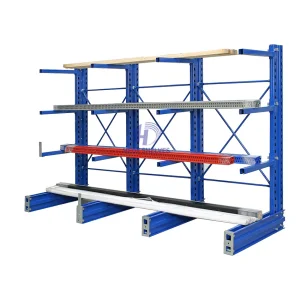
Our extended range of structural racking products designed to maximize storage density, load capacities, and logistics efficiency.
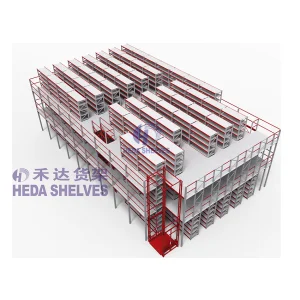
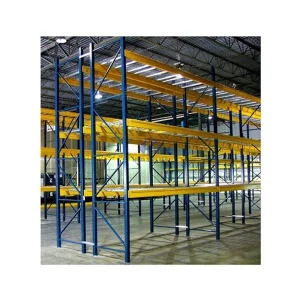
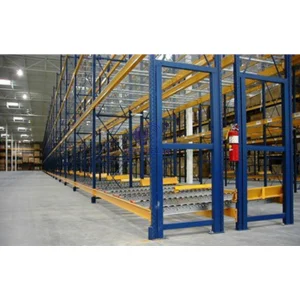
 Hedaracking