In the current global industrial economy, commercial real estate costs and supply chain fluctuations are pushing enterprises to re-evaluate their spatial layout. The traditional model of warehouse expansion—investing in additional land and erecting larger structures—is increasingly cost-prohibitive. In urban centers and logistics hubs across Europe, North America, and the Asia-Pacific region, the price per square foot of industrial storage has surged exponentially. Consequently, warehouse operators, 3PL (third-party logistics) providers, cold chain distributors, and pharmaceutical companies are shifting from horizontal footprint expansions to high-density vertical solutions.
Mobile shelving and dynamic racking systems represent the pinnacle of this space-saving evolution. By mounting standard pallet racks or shelving units onto heavy-duty motorized carriages that travel along floor-embedded rails, these systems eliminate static aisles. Instead of having an aisle for every rack line, a mobile shelving system requires only a single moving aisle. When an operator needs access to a specific rack, the units slide apart, creating a corridor on demand. This simple mechanism reduces floor footprint requirements by up to 50% while maintaining 100% selectivity of all stored pallets or packages.
Additionally, modern industrial facilities must operate under tight energy budgets. In cold storage warehouses and freezer vaults, the cost of cooling unused aisle space is massive. By converting static racking into high-density mobile systems, companies can pack up to 80% more inventory into the same refrigerated volume, significantly slashing utility expenses and carbon footprints. As energy regulations tighten worldwide, the economic justification for implementing dynamic, mobile storage systems becomes a regulatory and competitive necessity.
The technological trajectory of mobile shelving has evolved from simple mechanical crank systems to sophisticated, IoT-enabled automated storage networks. Understanding this roadmap is vital for procurement managers aiming to build future-proof facilities.
Utilizes geared manual drive systems allowing operators to move multi-ton racks with minimal physical effort. Ideal for office archives, museum vaults, and lighter commercial applications.
Equipped with industrial electric motors, logic control systems, and basic safety sensors. Handled via button panels or remote control, bringing ease to heavy-duty industrial environments.
Integrated with Warehouse Management Systems (WMS). Features automated aisle clearing, PLC programming, laser scanner arrays for obstacle detection, and automated shuttle integration.
Heda's current technical roadmap is deeply focused on Phase 3: the convergence of hardware structural integrity with advanced electrical engineering. Modern Heda mobile racking systems feature variable frequency drives (VFD) that guarantee smooth starting and stopping operations. This is critical for preventing unstable loads from shifting during movement. Our safety arrays utilize dual-channel photoelectric sensors and floor-level laser bumpers that halt motion instantly if an obstacle—whether a pallet fragment or a warehouse operator—is detected in the moving corridor.
Looking to the future, our engineering team is incorporating machine learning diagnostics. Vibration sensors mounted on the carriage wheel assemblies monitor real-time track friction and motor health. This enables predictive maintenance, notifying the maintenance team of potential mechanical wear before an operational failure can occur. By selecting a supplier with a clear technical vision, buyers secure a partnership that guarantees long-term upgrade paths.
Established in 2014, Shenzhen Heda Warehouse Equipment Co., Ltd. is a premier manufacturer specializing in heavy-duty warehouse racking and industrial storage solutions. Spanning a modern manufacturing facility of 35,000 m², our enterprise integrates R&D, design, production, and international marketing to serve diverse storage needs worldwide. With 12 years of industry experience and 8 years of dedicated export expertise, we deliver high-caliber storage systems that generate over $28 million in annual export revenue.
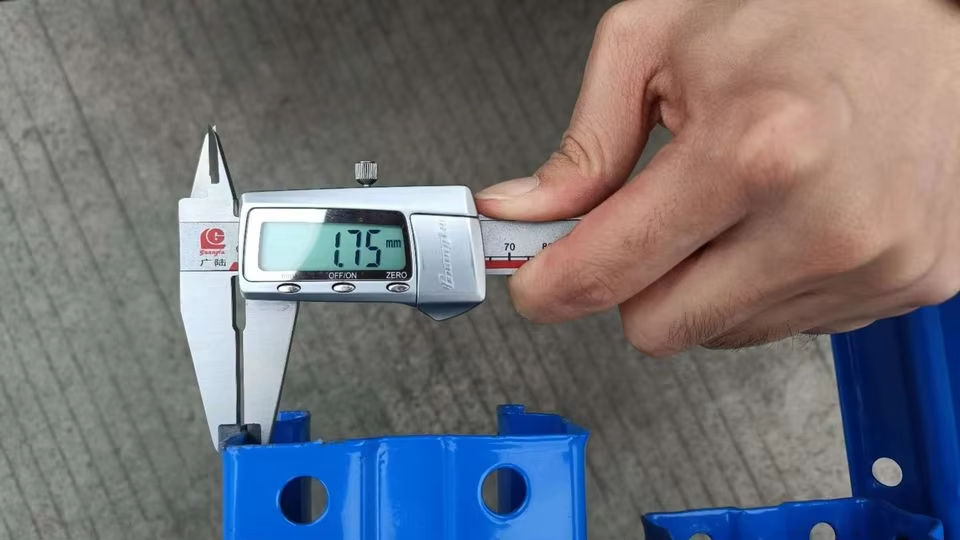
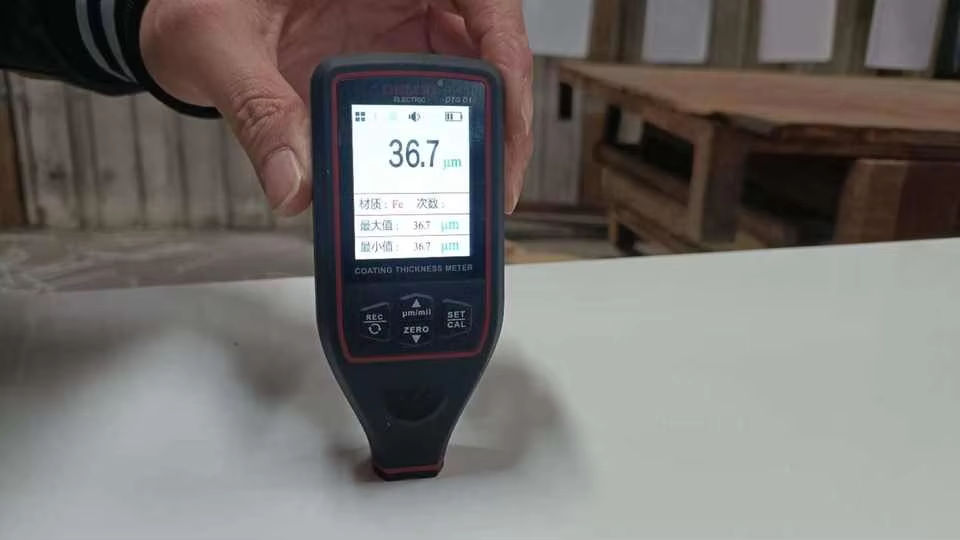
At Heda, quality control and engineering innovation drive our core operations. Our robust QC department comprises 45 skilled inspectors utilizing rigorous testing methods, including raw material tensile testing, automated weld flaw detection, layer load-bearing stress analysis, and salt spray surface corrosion testing. Supported by a professional R&D team of 28 senior structural engineers, we maintain strong full-customization capabilities (OEM/ODM)—offering tailored rack dimensions, load capacities, surface coatings, and layout designs. Driven by continuous innovation, we launched over 120 new dynamic storage products and component upgrades last year.
Operating with a strong direct-factory and international trade background, we have built a resilient ecosystem supported by over 800 supply chain partners. Our products are exported to major global markets, including North America, Western Europe, Southeast Asia, and the Middle East. We proudly serve a diverse clientele ranging from third-party logistics (3PL) providers and large distribution centers to industrial manufacturers and wholesale equipment distributors.
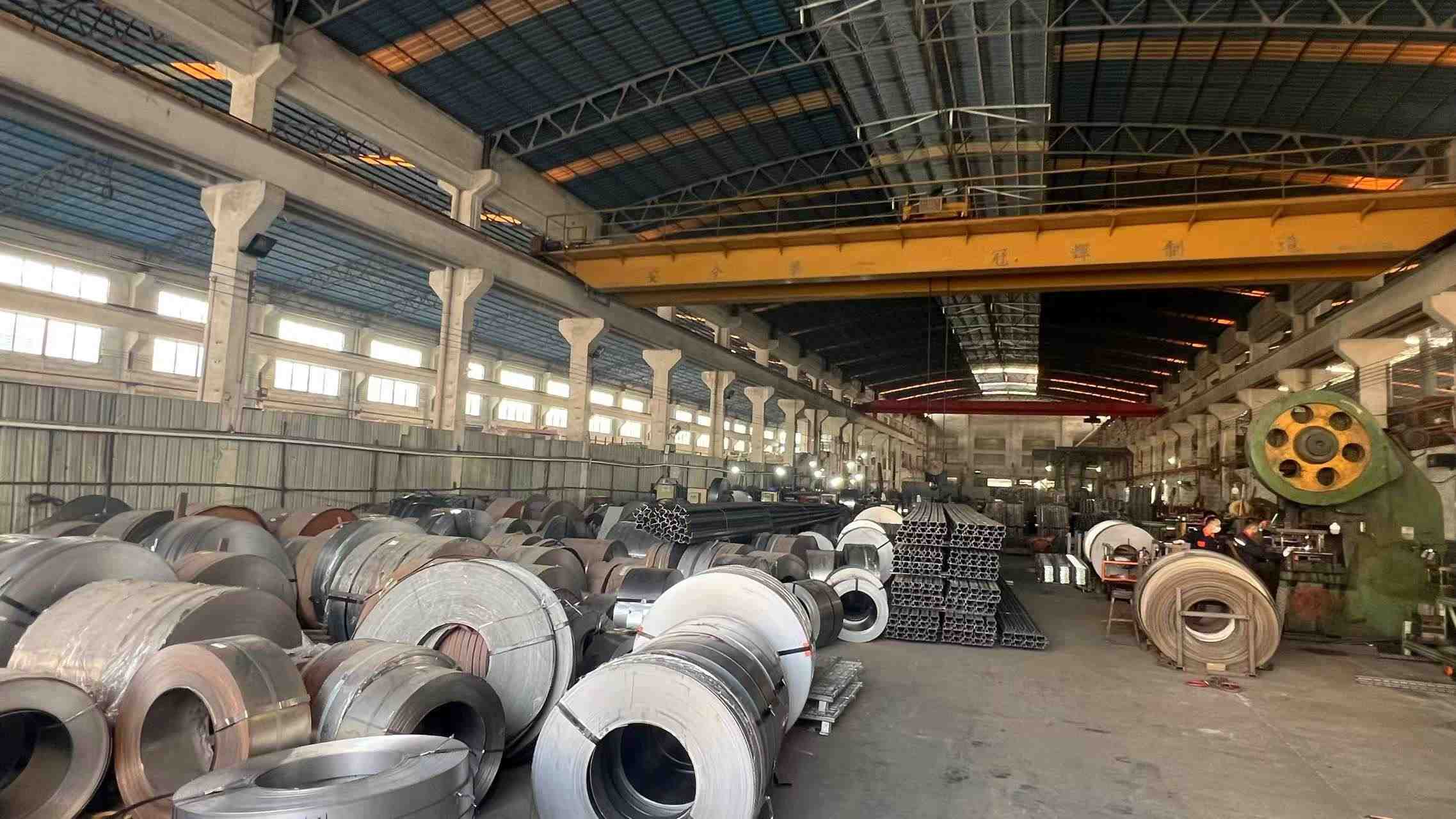
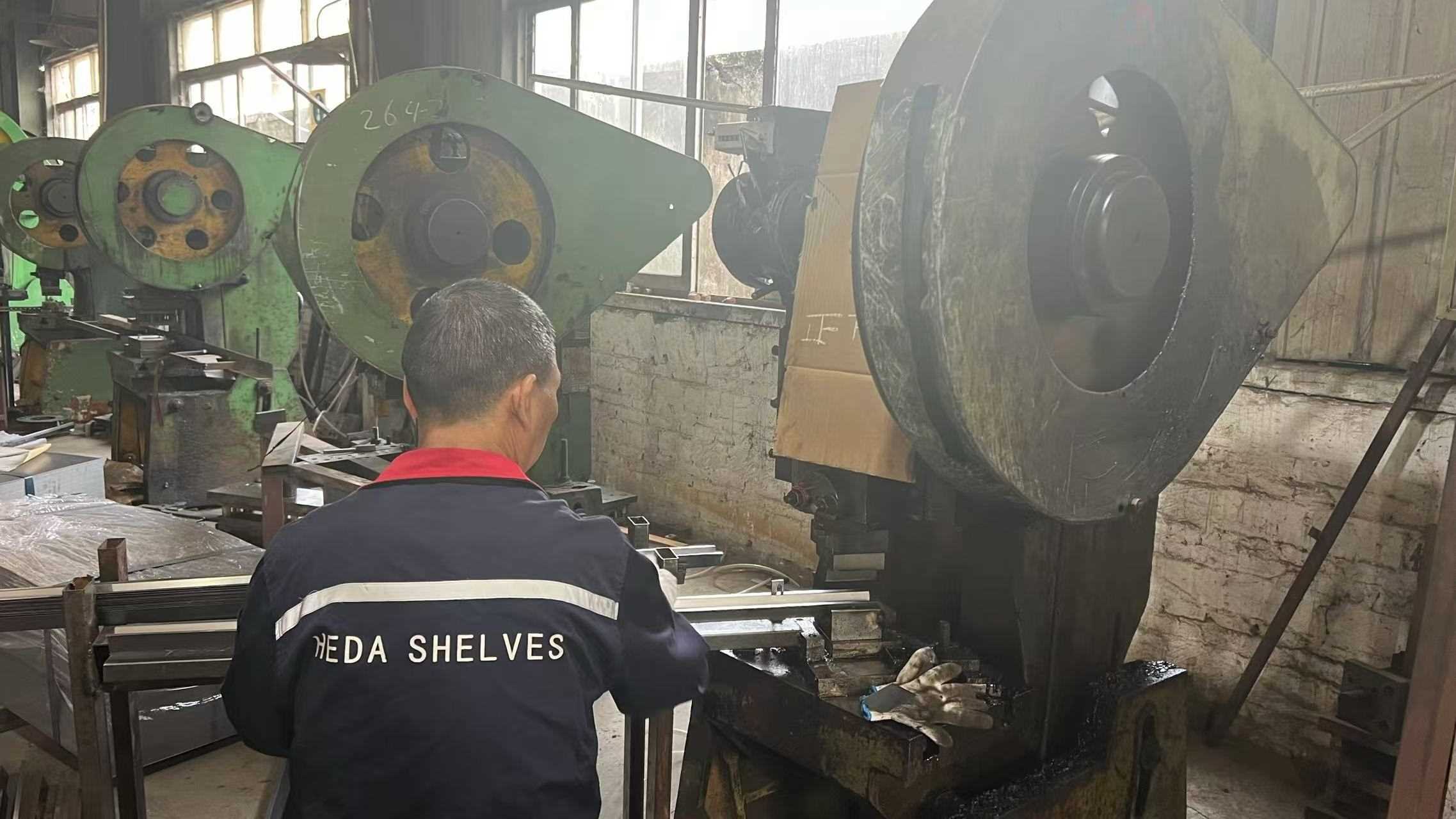
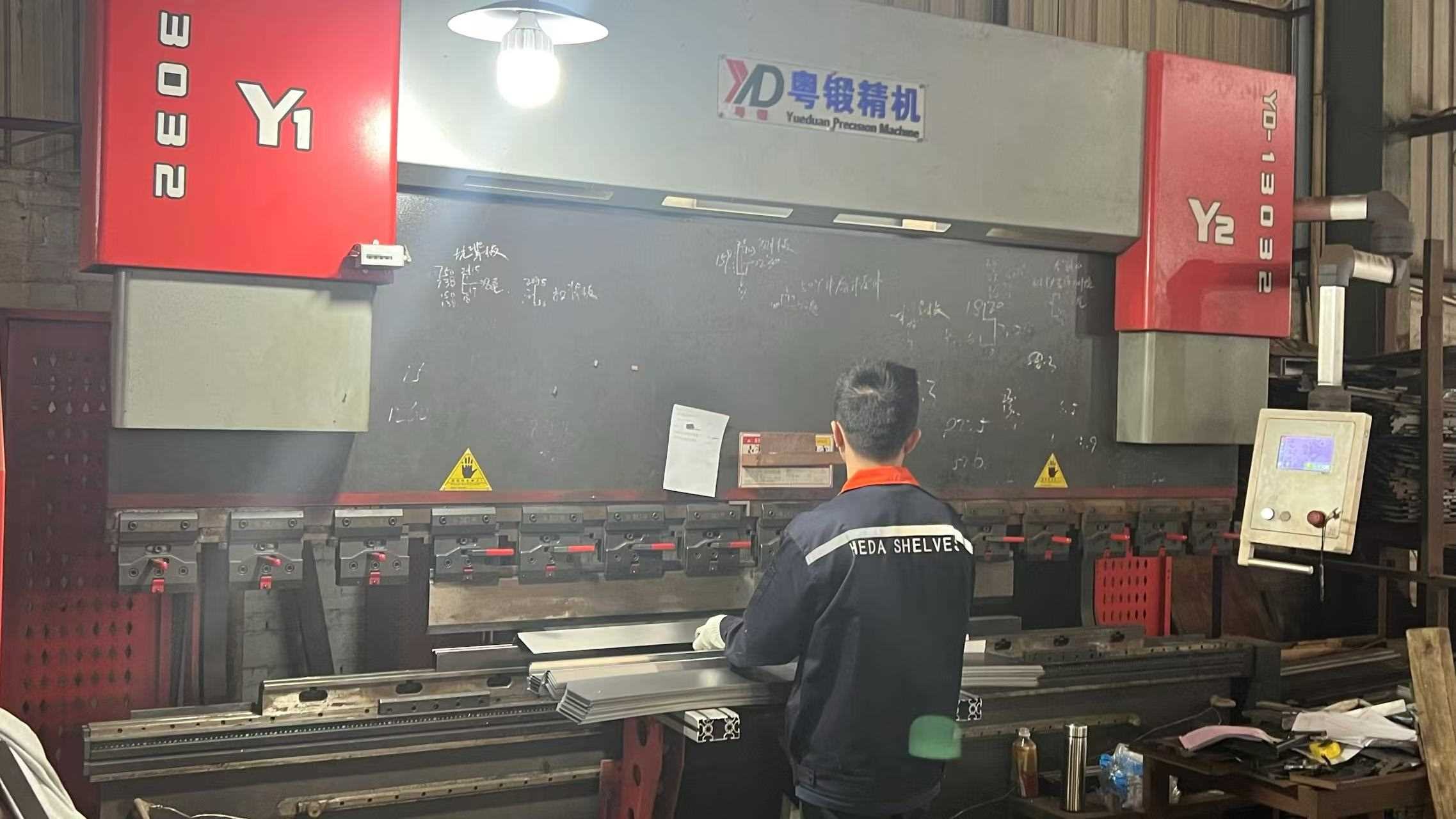
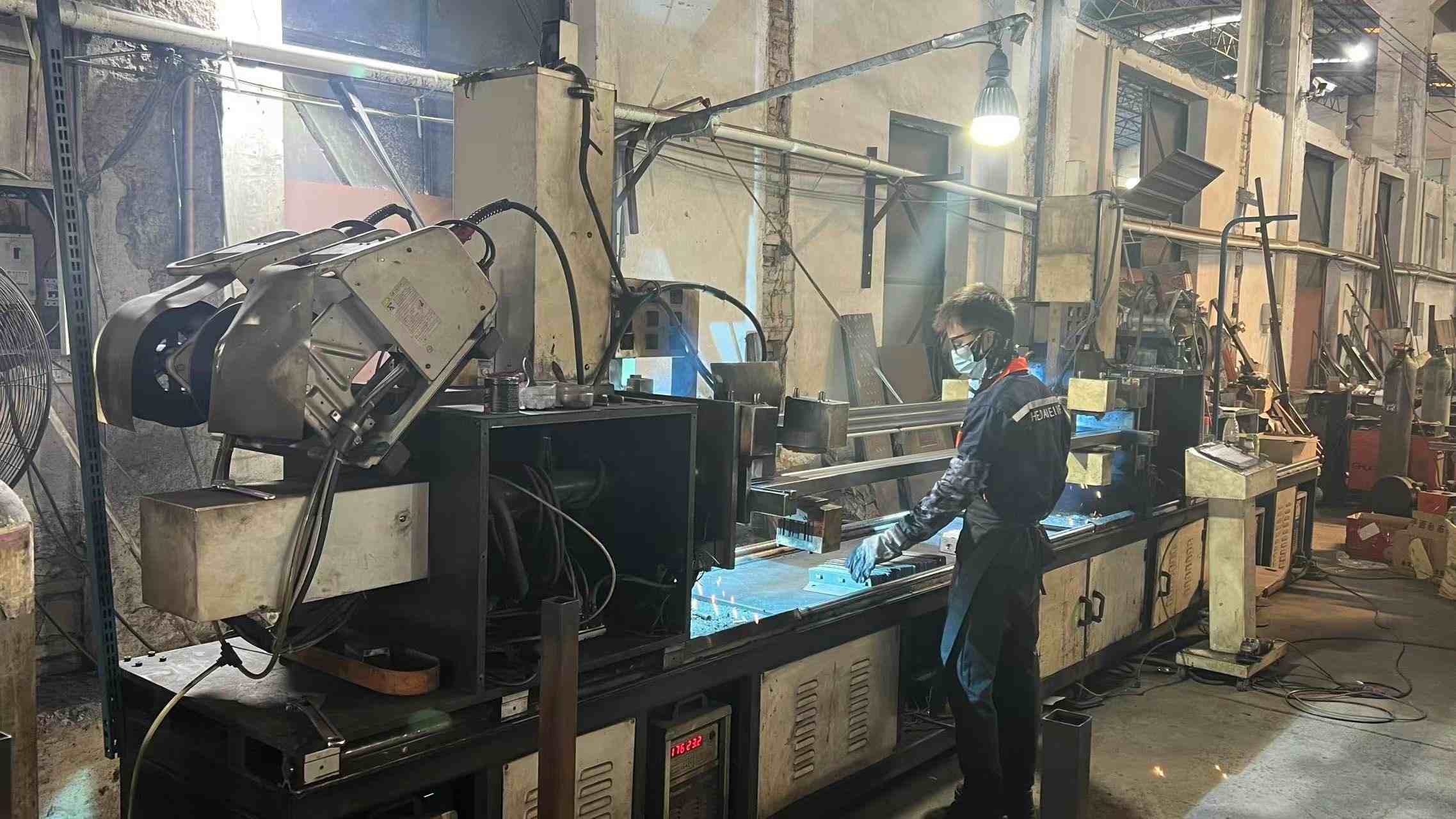
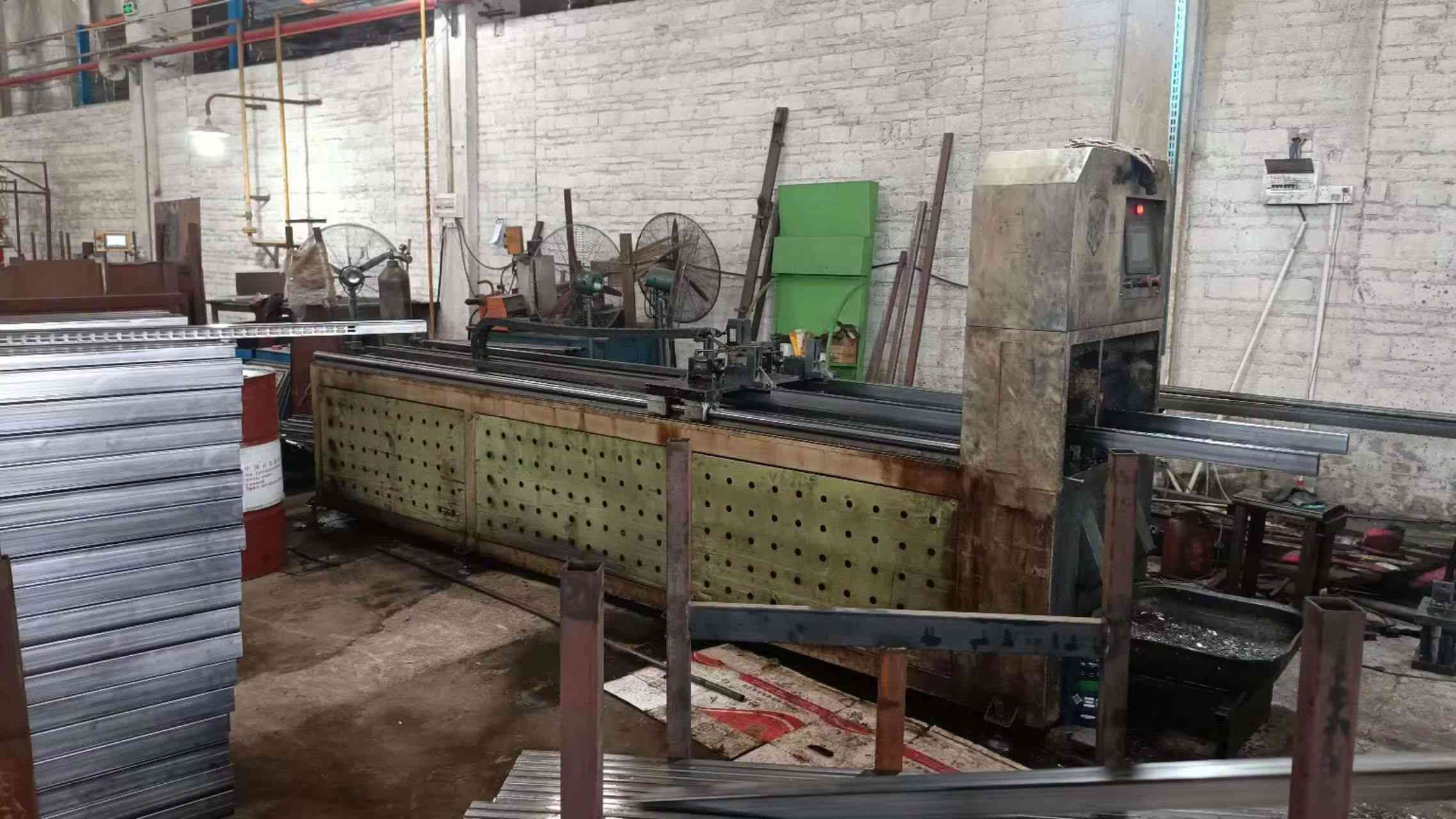
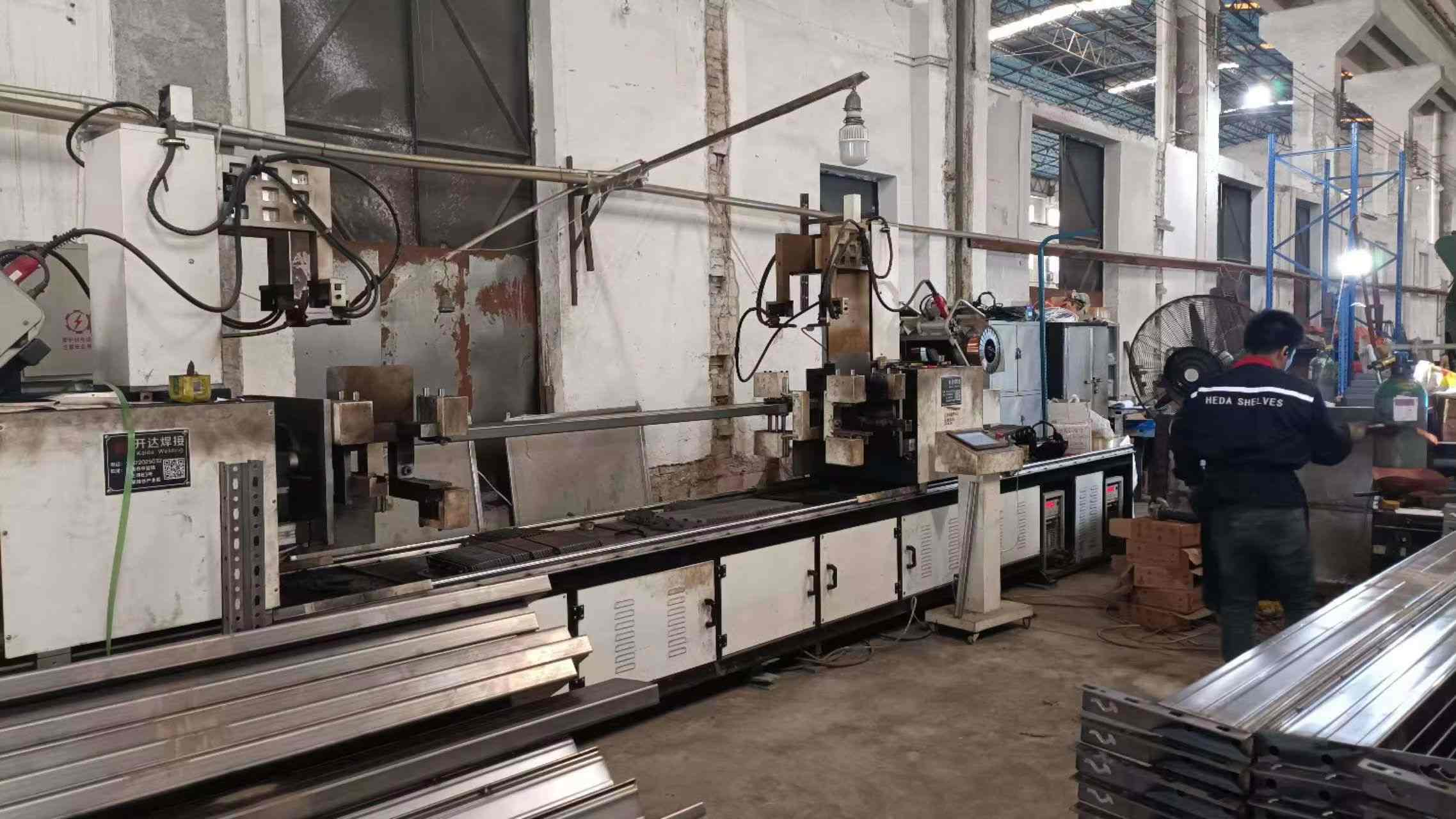
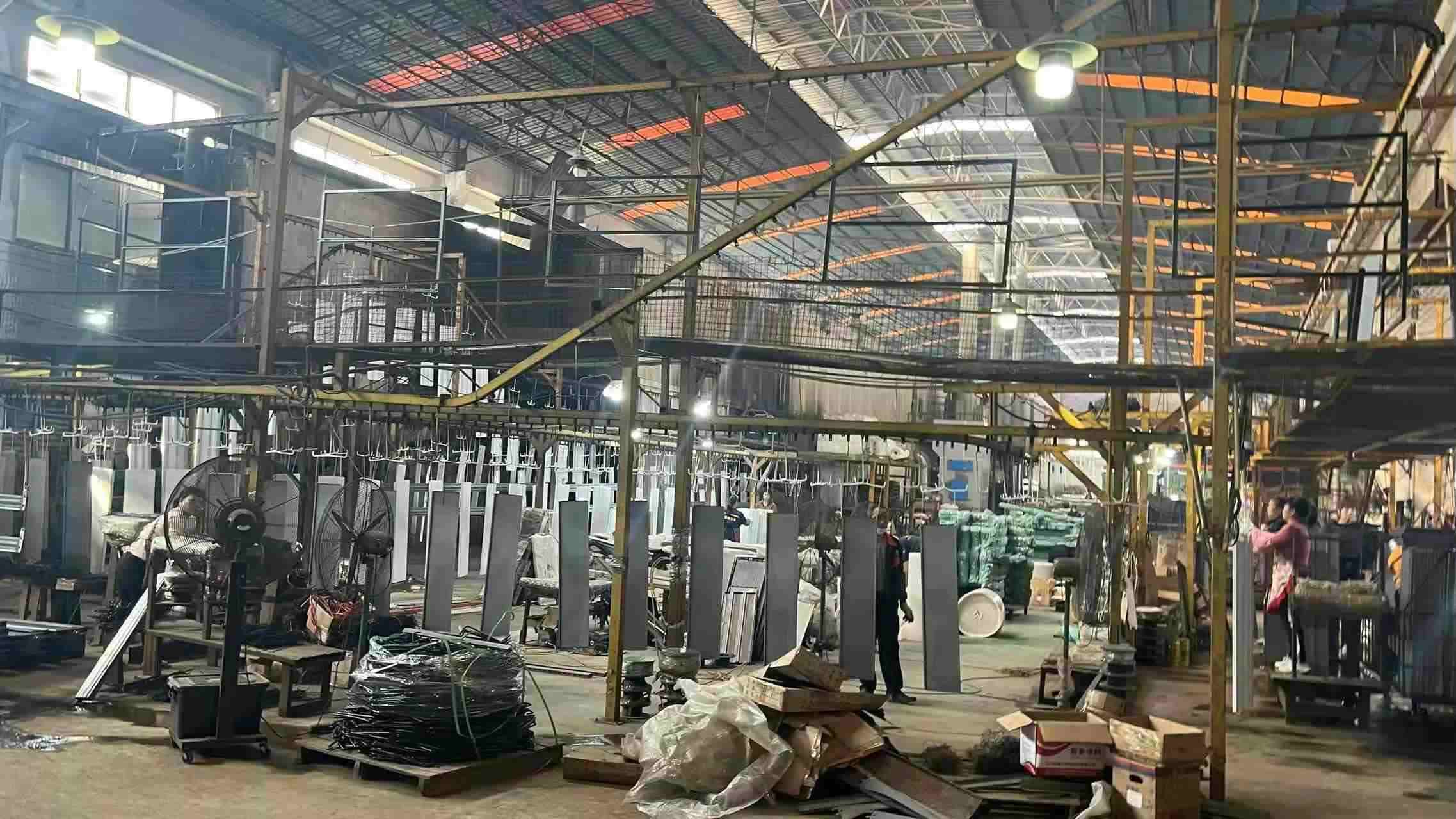
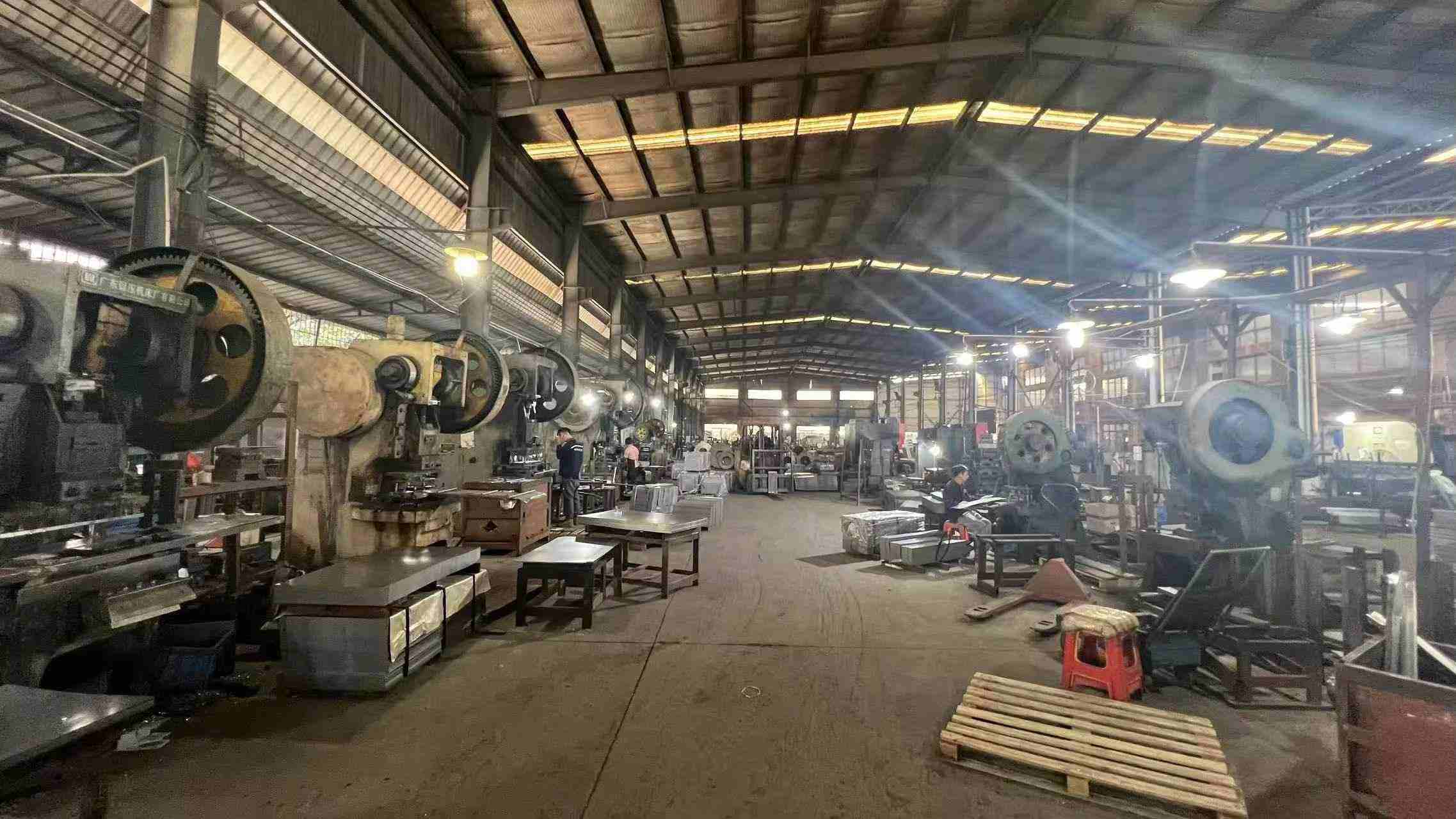
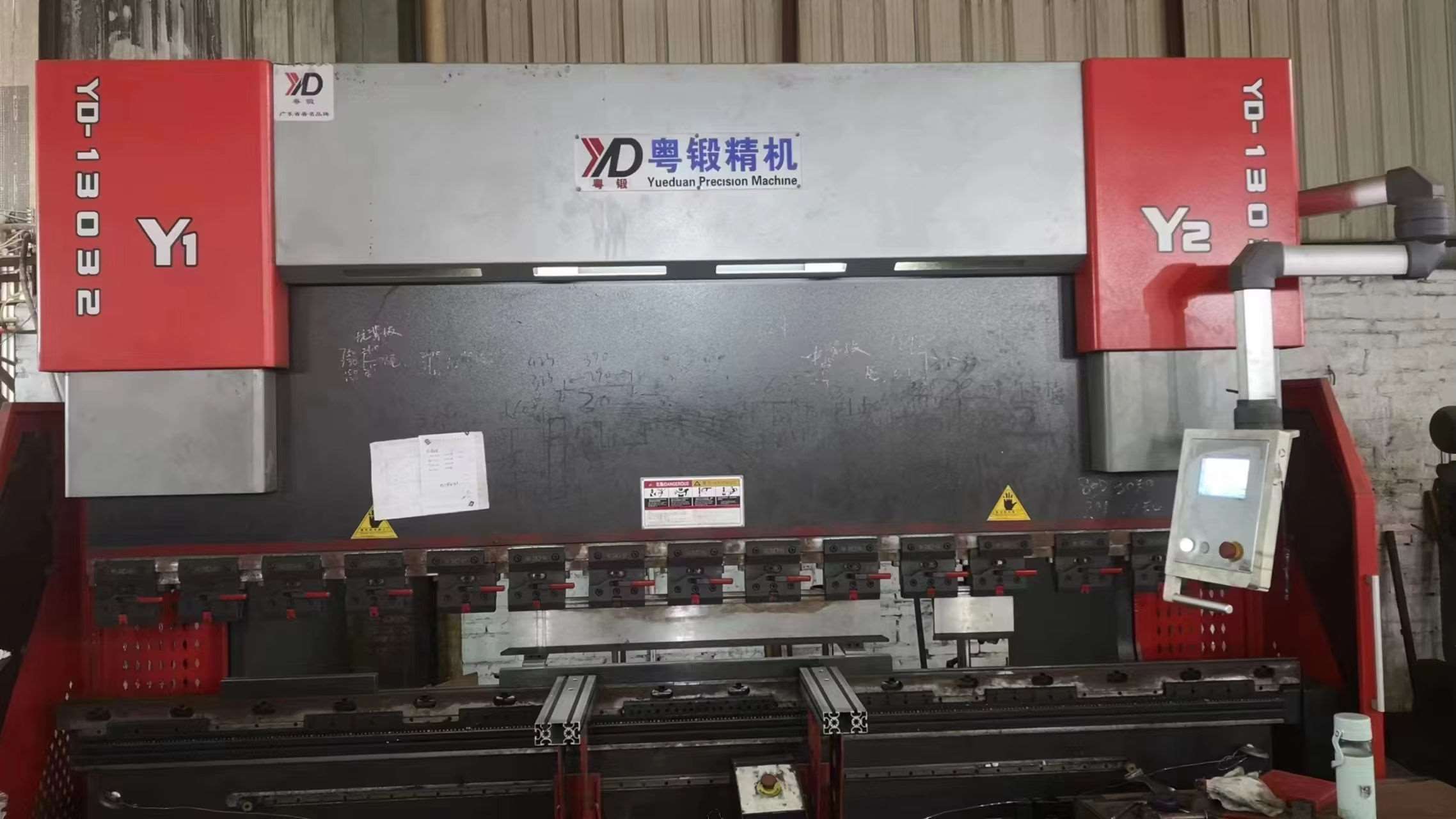
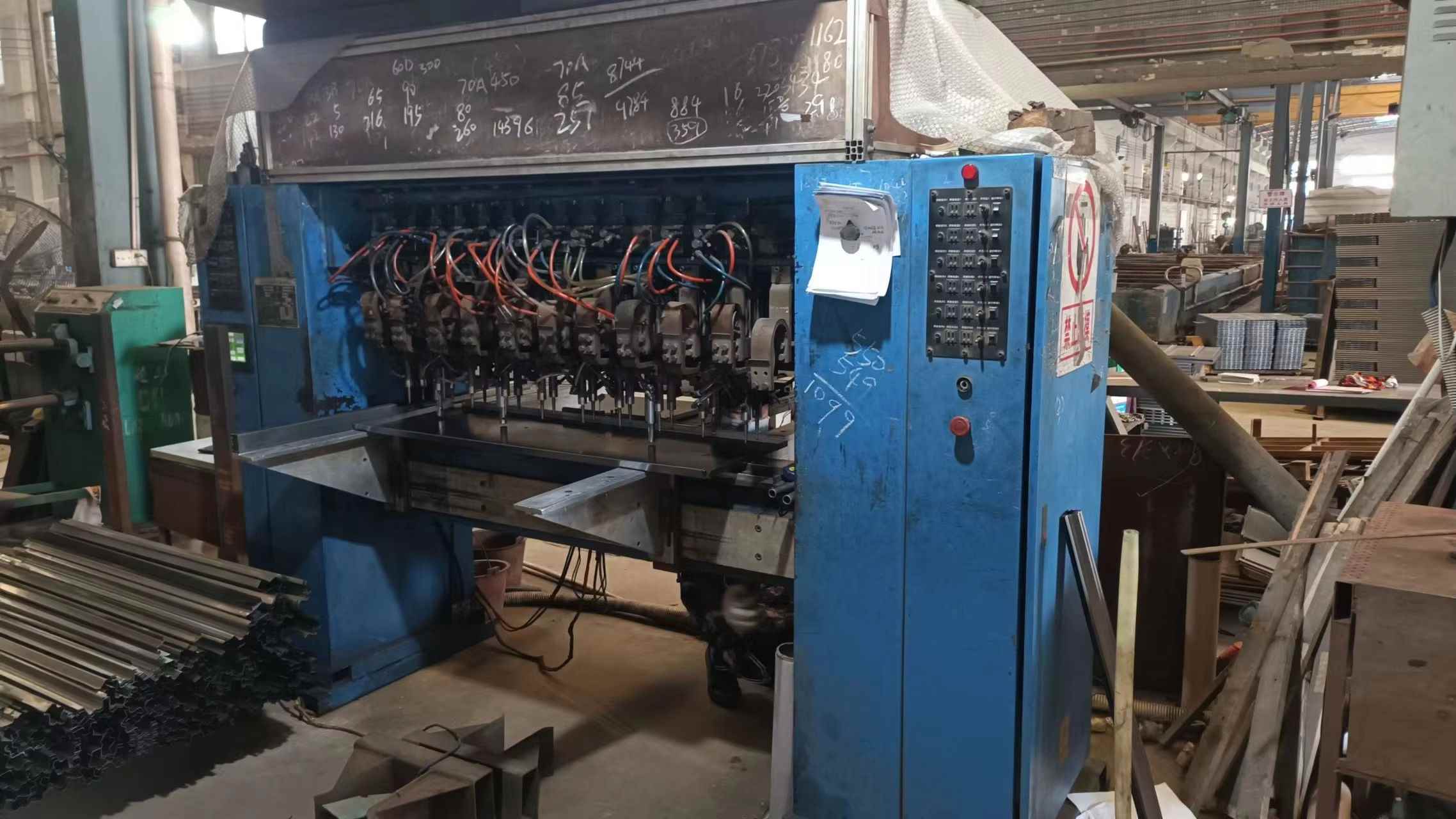
To maintain strict conformity to international engineering standards, Heda controls every phase of the manufacturing process inside our 35,000 m² smart factory. We source certified structural steel and put it through computerized rolling, high-precision bending, robotized welding, and multi-stage chemical pretreatment before the final impact-resistant powder coat application.
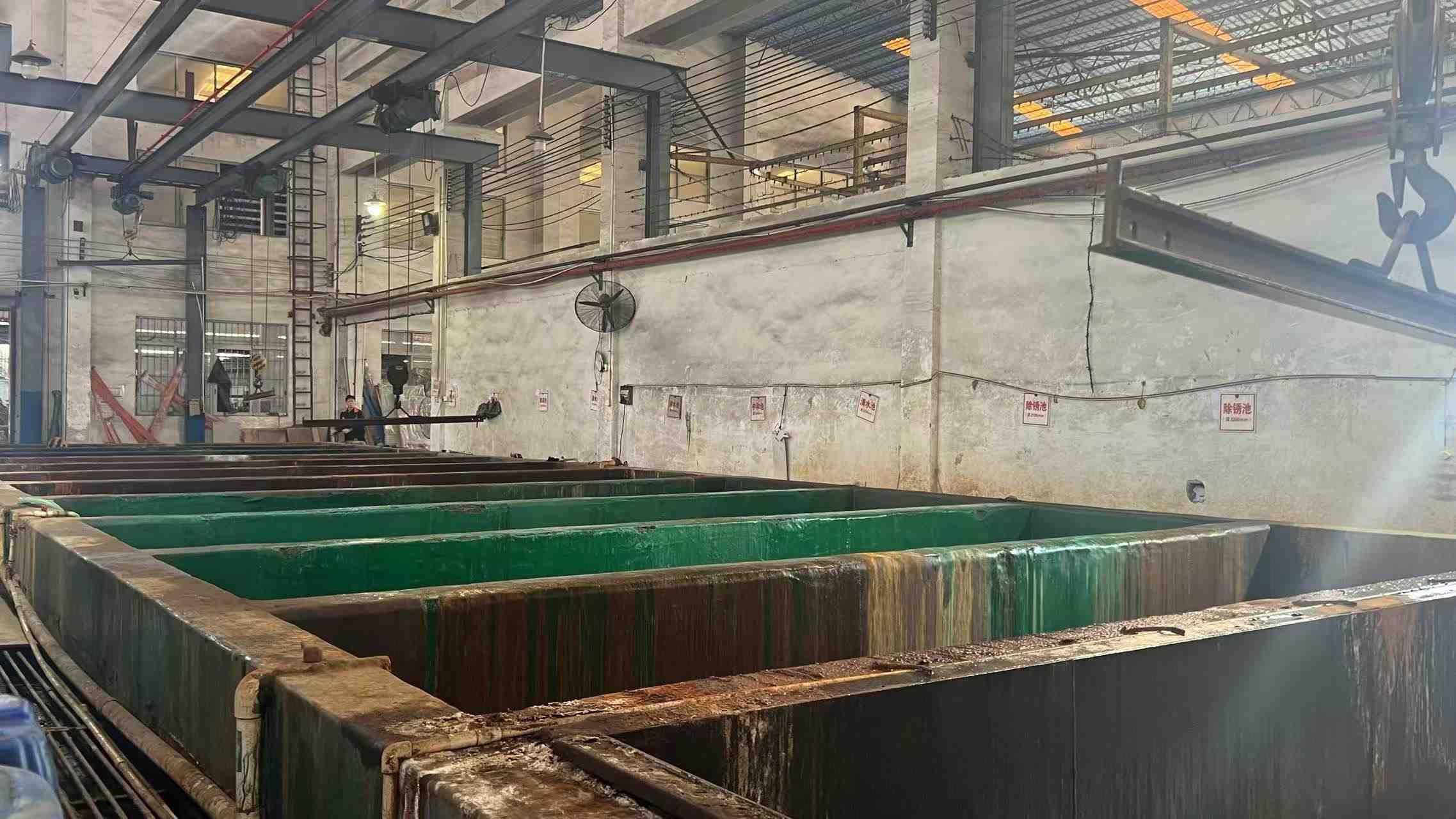
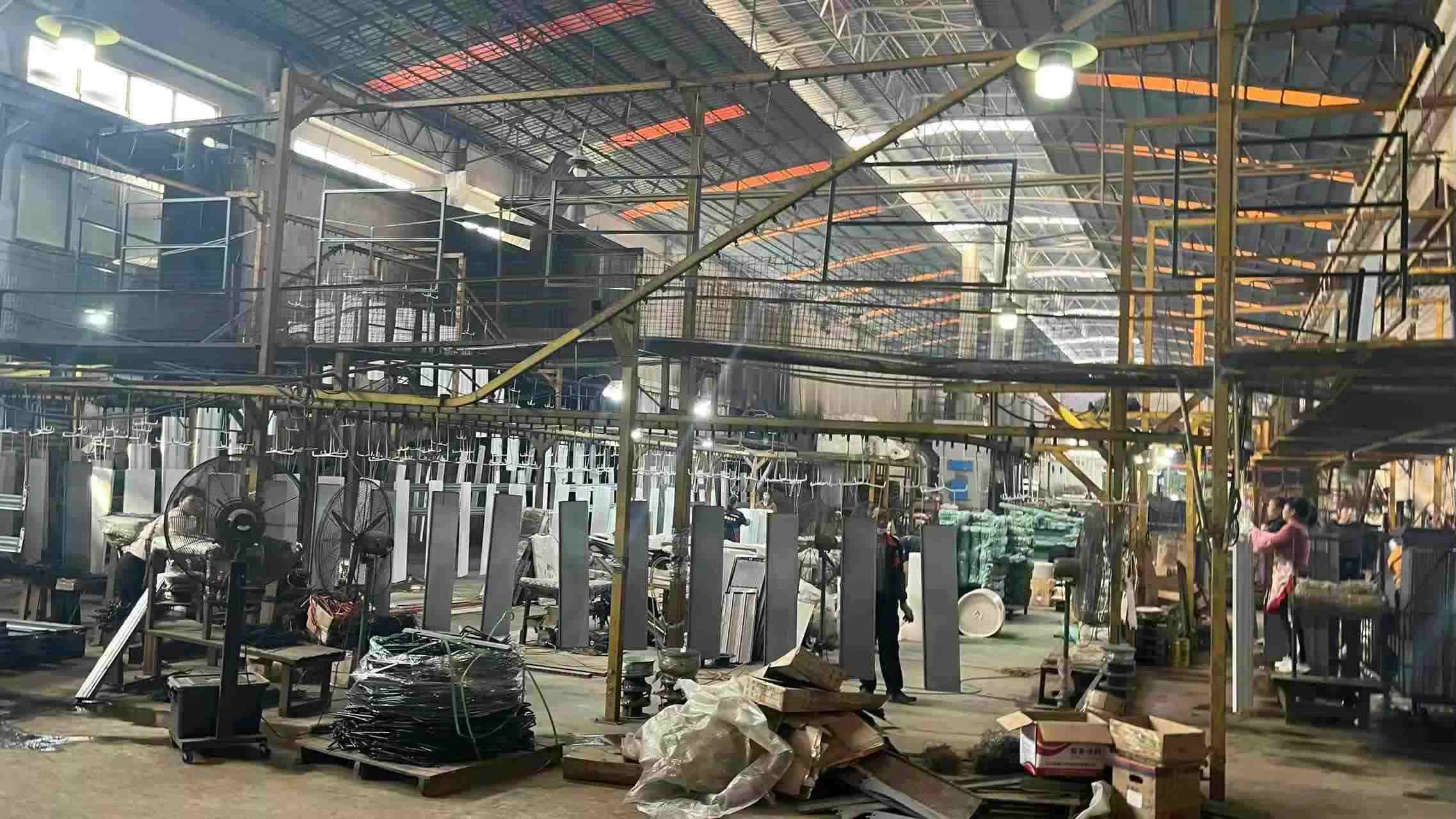
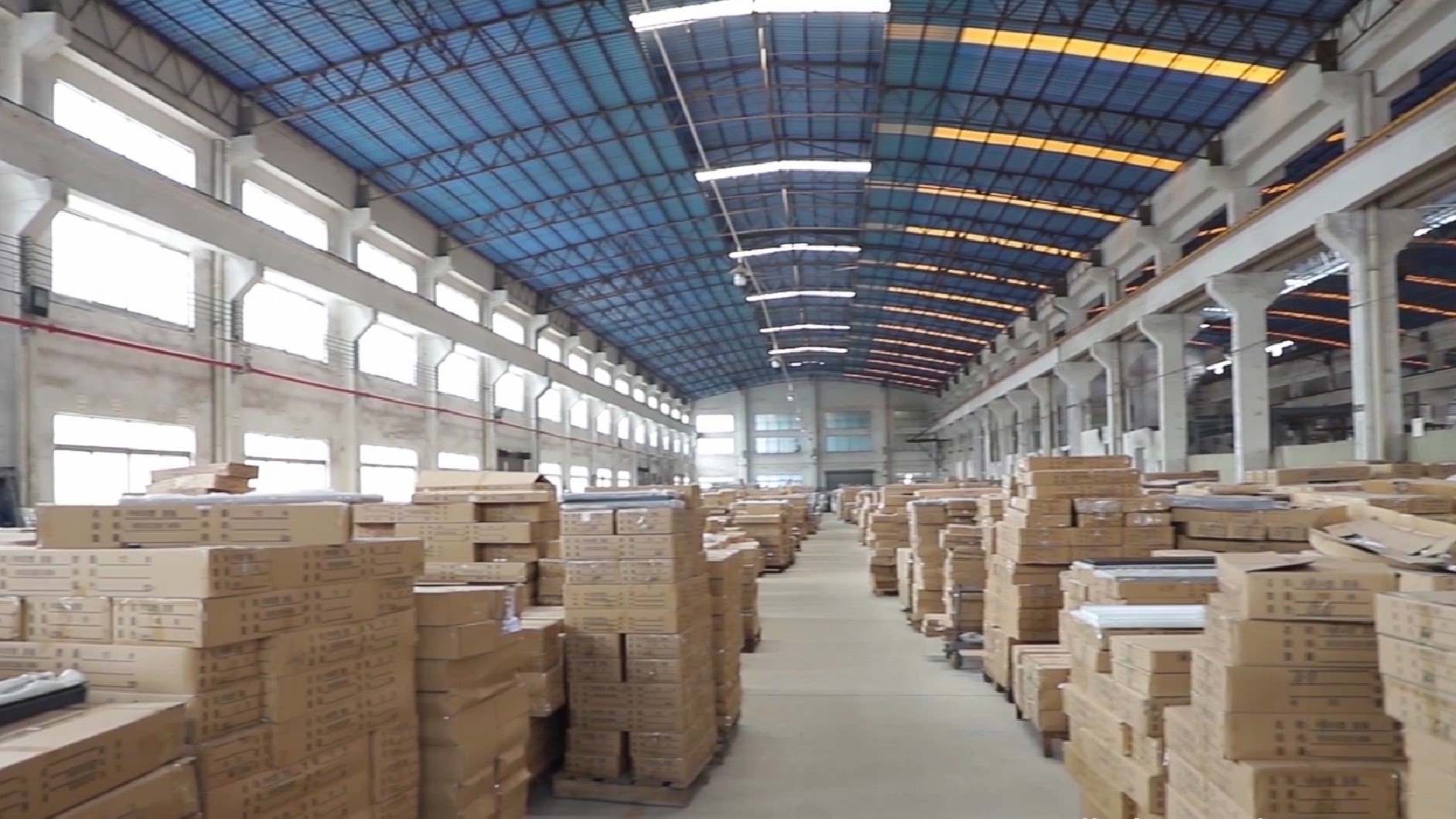
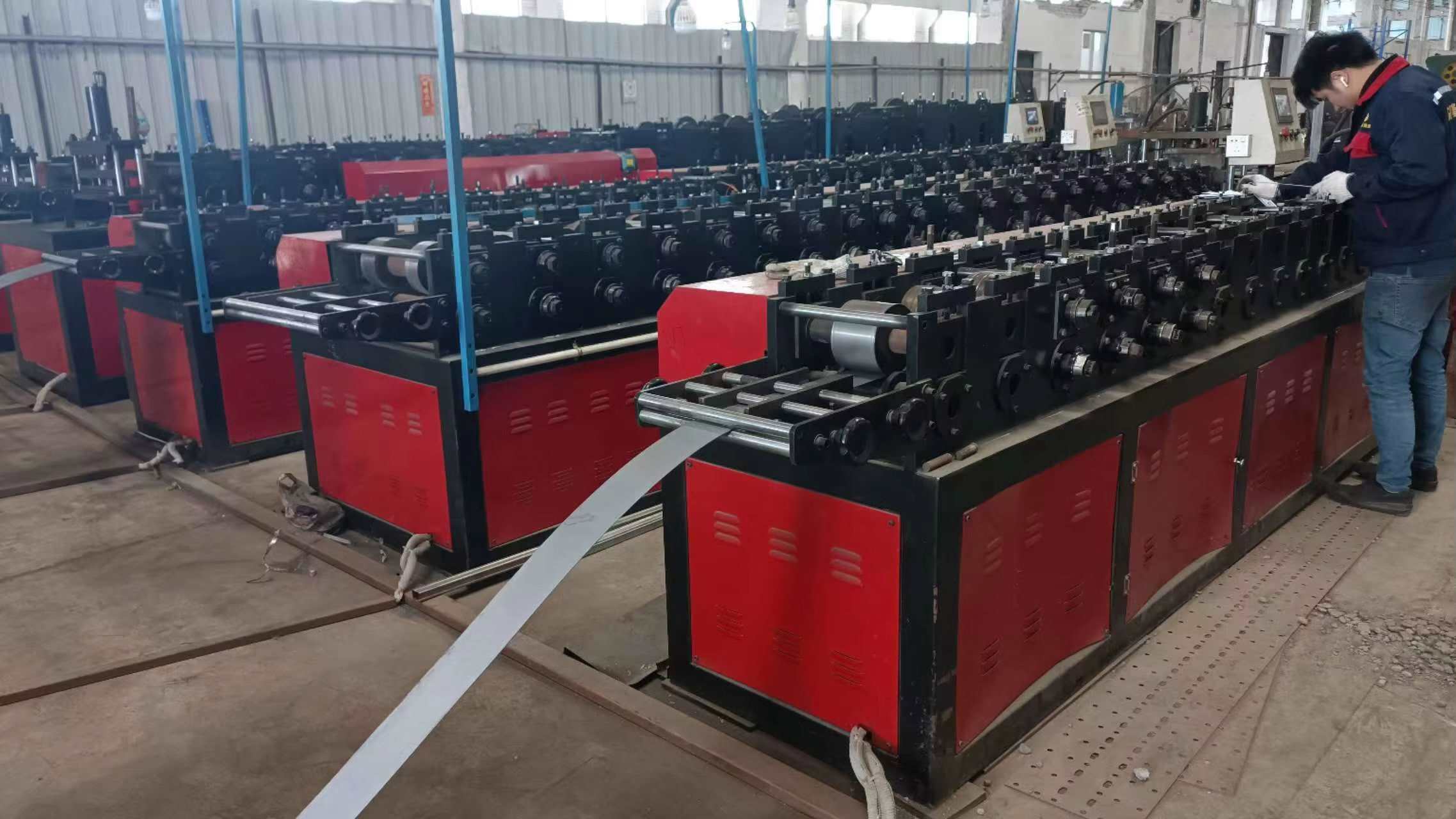
Different global markets present distinct regulatory, environmental, and spatial requirements. Shenzhen Heda customizes its mobile shelving configurations to ensure robust local compatibility.
In locations situated along active seismic zones, such as California or Japan, dynamic mobile racking demands extensive structural calculations. Heda's design engineers evaluate peak ground acceleration data and configure the racks with heavy-duty anti-tip systems. We utilize deep-anchored guide rails, top-tie structural stabilizers, and automatic base lockouts that engage if seismic sensors detect tremors. This ensures the protection of both personnel and inventory under critical situations.
Cold chain facilities in Western Europe must deal with high energy tariffs. Our localized configurations utilize special structural steel grades (such as Q345D or Q355E) designed to remain ductile at sub-zero temperatures without becoming brittle. Furthermore, all motorized carriage components and electrical cables are insulated and coated with low-temperature lubricants, guaranteeing smooth operation in environments down to -30°C.
For public libraries, universities, and corporate office complexes, floor space commands a massive premium. Our light-duty mechanical-assist and electrical mobile shelving systems are deployed to house hundreds of thousands of historical files, medical records, and material samples within a fraction of normal room dimensions. The integration of high-density fire-extinguishing access paths and smart security lockouts safeguards sensitive records against unauthorized entry.
The logistical and manufacturing landscape of China offers unparalleled advantages for the procurement of industrial racking systems. Rather than operating in isolation, manufacturers like Shenzhen Heda are embedded in dense regional clusters that support rapid prototyping and manufacturing scalability.
Our factory is positioned within a tight supply network comprising over 800 certified supply chain partners. This proximity allows us to source premium structural steel, precise motor controls, and high-tensile fasteners within hours rather than weeks. When global steel prices fluctuate, our deep integration with local raw material providers acts as a buffer, enabling Heda to offer stable pricing structures to our overseas distribution partners.
This massive domestic cluster also significantly shortens design cycles. If an overseas logistics project requires a custom structural bracket configuration, our R&D center can draft, prototype, load-test, and refine the component in less than 72 hours. When compared to suppliers located in highly fragmented industrial regions, China's end-to-end manufacturing footprint translates directly to shorter lead times, lower capital expenditures, and higher overall operational efficiency.
For major capital equipment purchases, engineering compliance is critical. A failure to meet regional building codes can result in extensive project delays, legal liabilities, or structural disasters. At Shenzhen Heda, our engineering practices strictly align with global standards:
To facilitate seamless global deployments, Heda maintains a network of certified local installation partners. We provide detailed 3D CAD mockups, step-by-step structural calculation sheets, and remote video guidance for on-site crews. For large-scale enterprise deployments, we can dispatch project engineers to supervise the assembly, calibration of motorized tracks, and initial system integration, ensuring your facility goes live safely and on schedule.
 Hedaracking