Explore our heavy-duty, certified industrial racking solutions tailored for global logistics infrastructure.
The global warehousing landscape is undergoing an unprecedented structural transition. Industrial supply chains require layout flexibility to cope with volatile product line cycles, rapid shifts in international shipping lanes, and seasonal demands. Traditional, fixed storage rack installations no longer suffice. Industrial buyers are transitioning rapidly to modular, portable, and custom-designed racking structures that integrate safety compliance with rapid layout shifts.
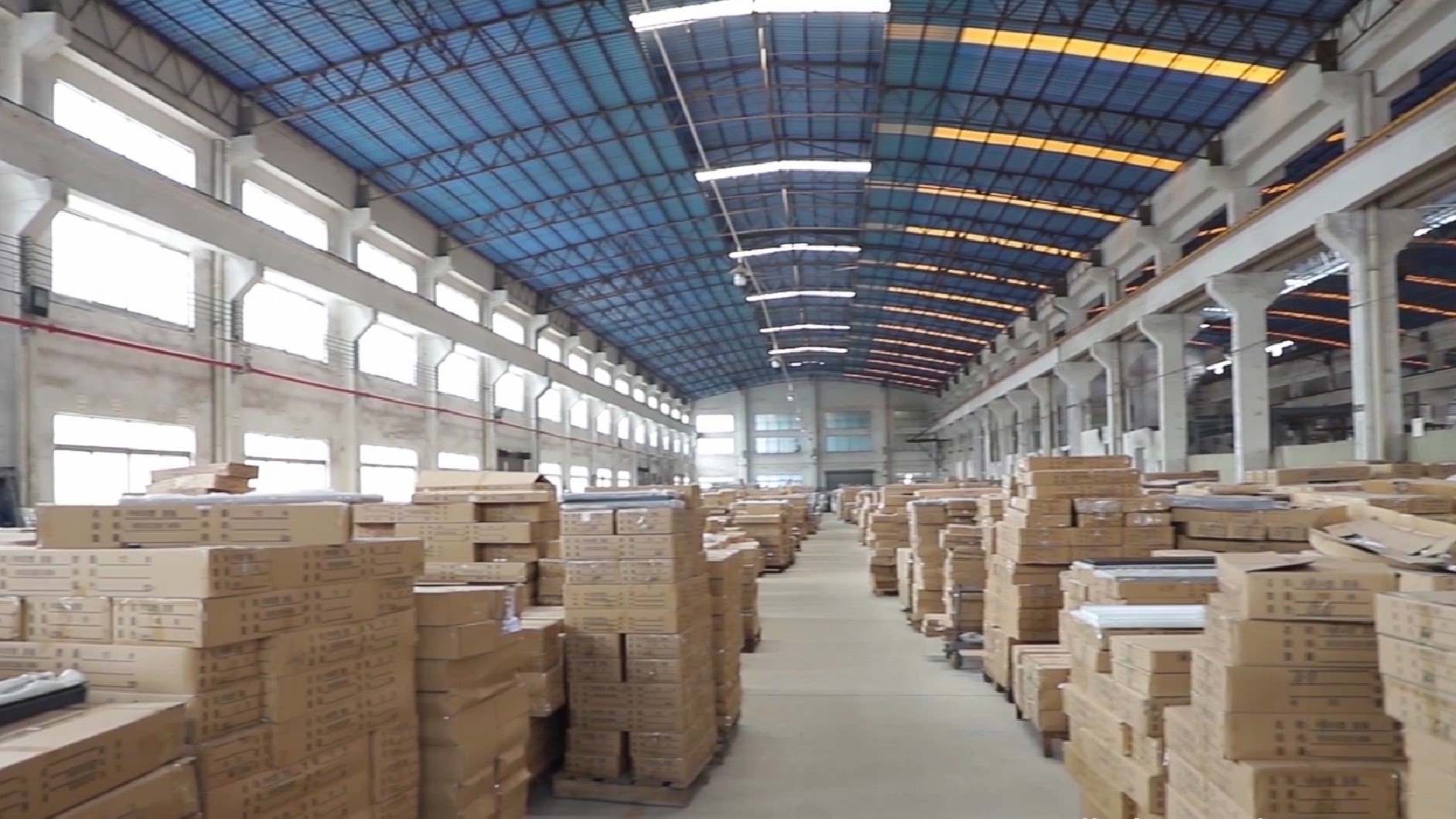
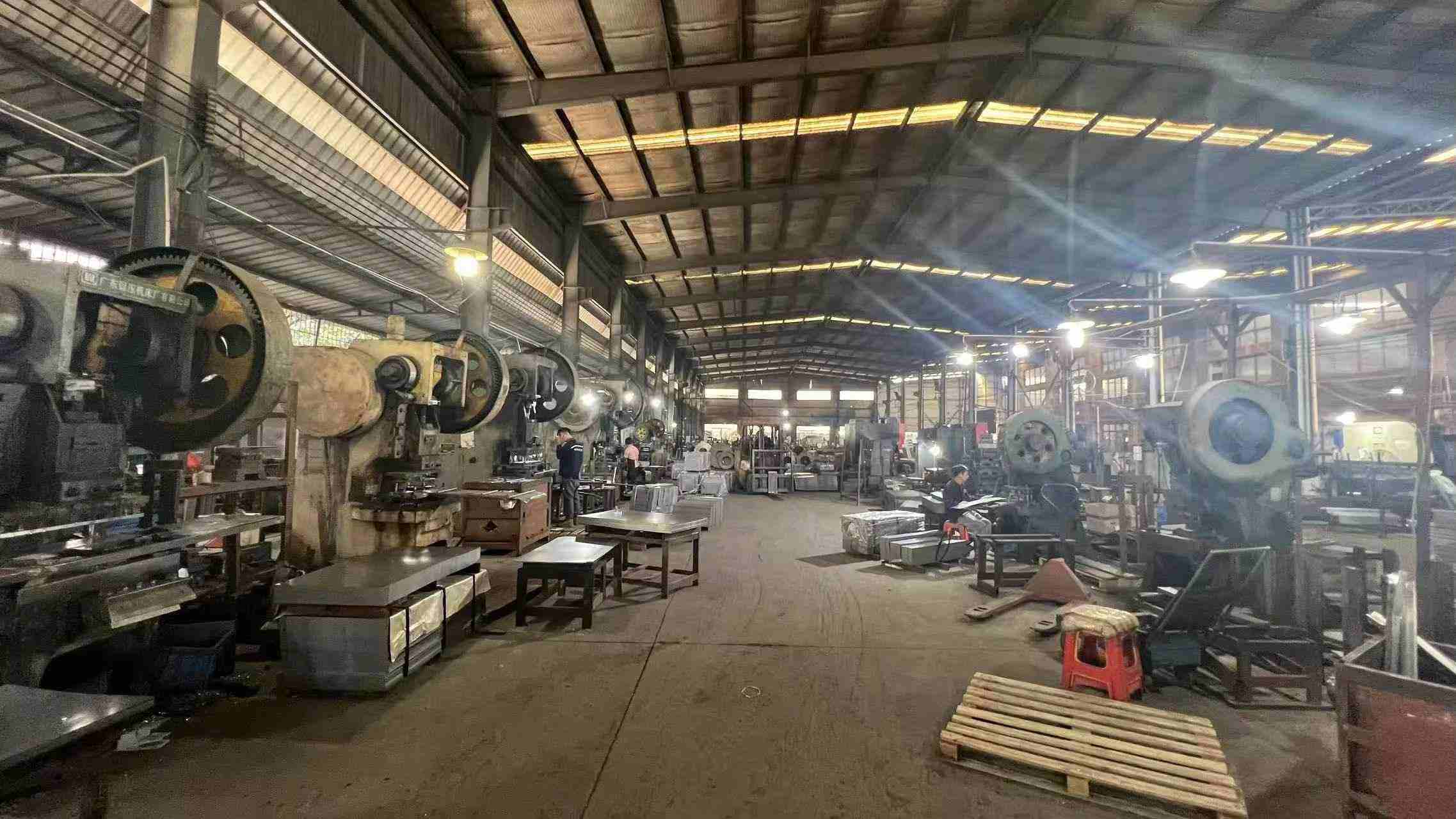
Established in 2014, Shenzhen Heda Warehouse Equipment Co., Ltd. is a premier manufacturer specializing in heavy-duty warehouse racking and industrial storage solutions. Spanning a modern manufacturing facility of 35,000 m², our enterprise integrates R&D, design, production, and international marketing to serve diverse storage needs worldwide. With 12 years of industry experience and 8 years of dedicated export expertise, we deliver high-caliber storage systems that generate over $28 million in annual export revenue.
A Comprehensive Technical Briefing on High-Capacity Industrial Storage Systems
In modern industrial logistics, floor space is premium real estate. With the massive growth of third-party logistics (3PL) operations and mega-distribution warehouses across the Americas, Europe, and Asia-Pacific, structural space optimization has emerged as a key operational variable. Traditional static warehouse solutions fail to adjust when inventory velocity accelerates or shifts profile. Hence, modular racking, heavy-duty adjustable pallet systems, and specialized cantilever setups are seeing double-digit year-over-year increases in procurement share.
Furthermore, automation integration (like Automated Storage and Retrieval Systems - ASRS, and autonomous mobile robots - AMRs) demands unprecedented racking tolerance levels. Structural deflection tolerances are tighter than ever. As structural steel profiles evolve, modern systems must absorb dynamic impacts, endure seismic movements, and retain structural integrity for decades.
“Industry 4.0 does not stop at automated software; it requires a physically flexible and structurally reliable foundation. High-strength structural steel, engineered weld geometries, and precise surface coating metrics dictate a facility’s long-term performance profile.”
Our research into global logistics procurement shows that supply chain directors evaluate manufacturing partners on three strict dimensions:
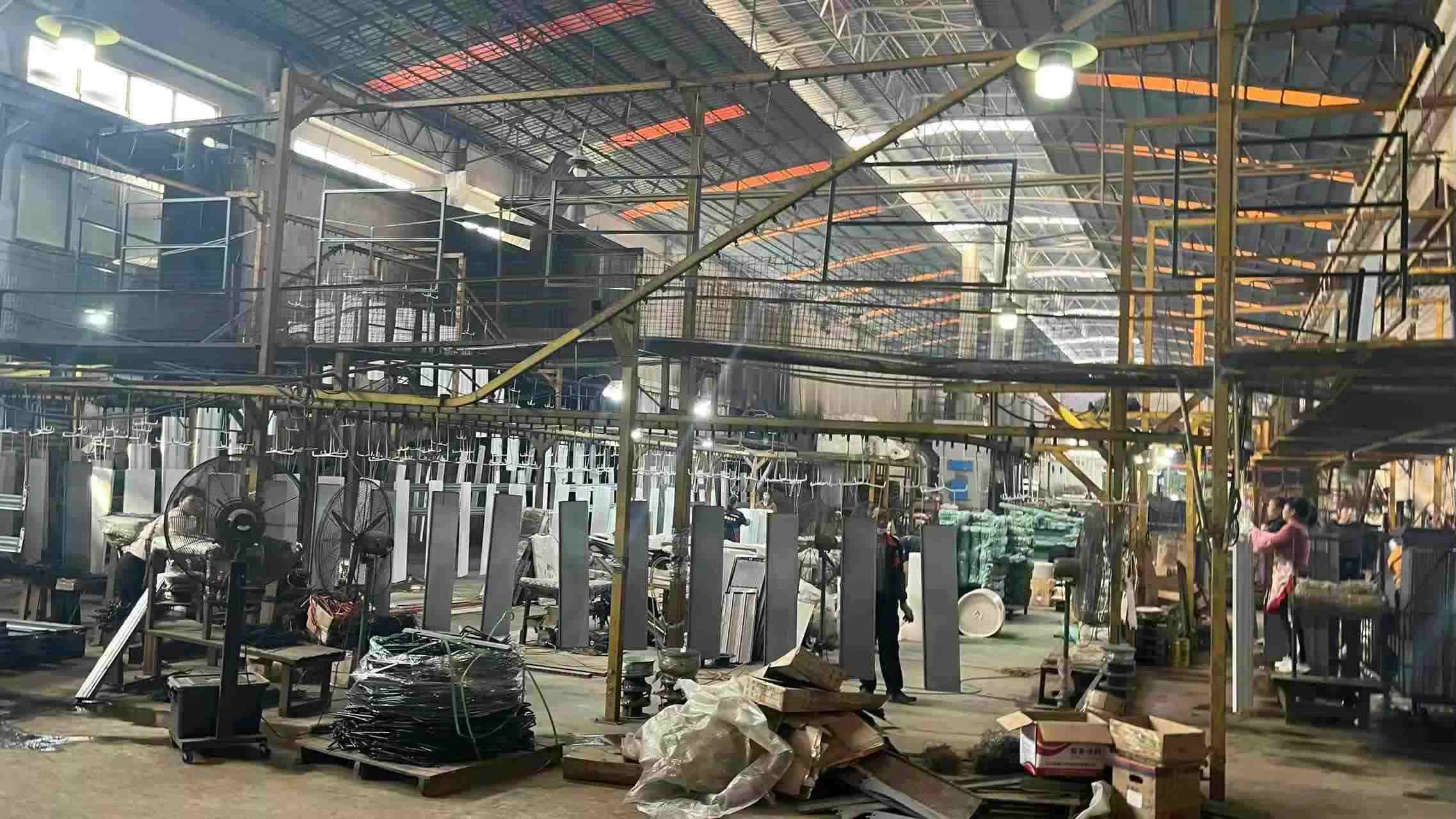
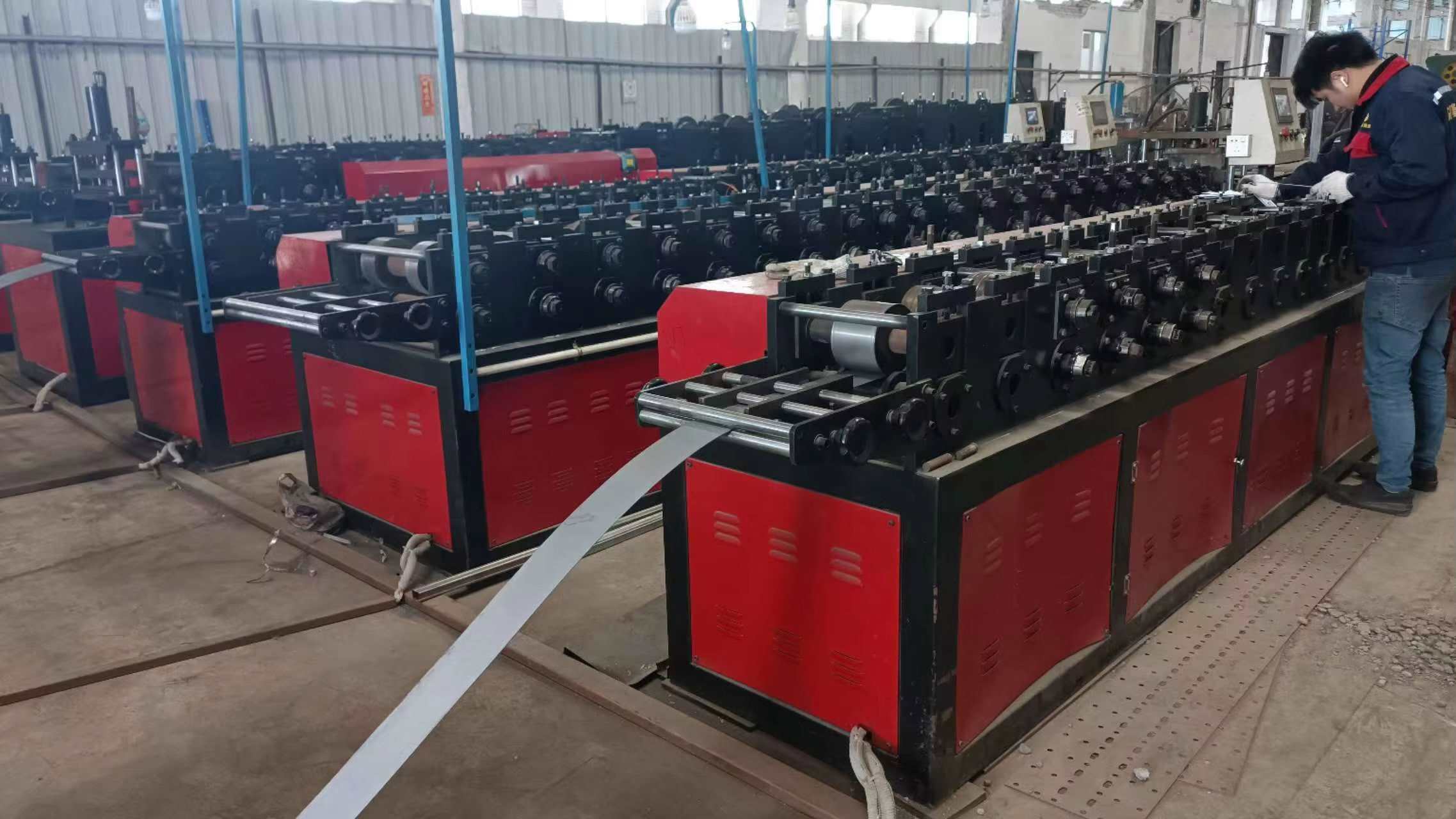
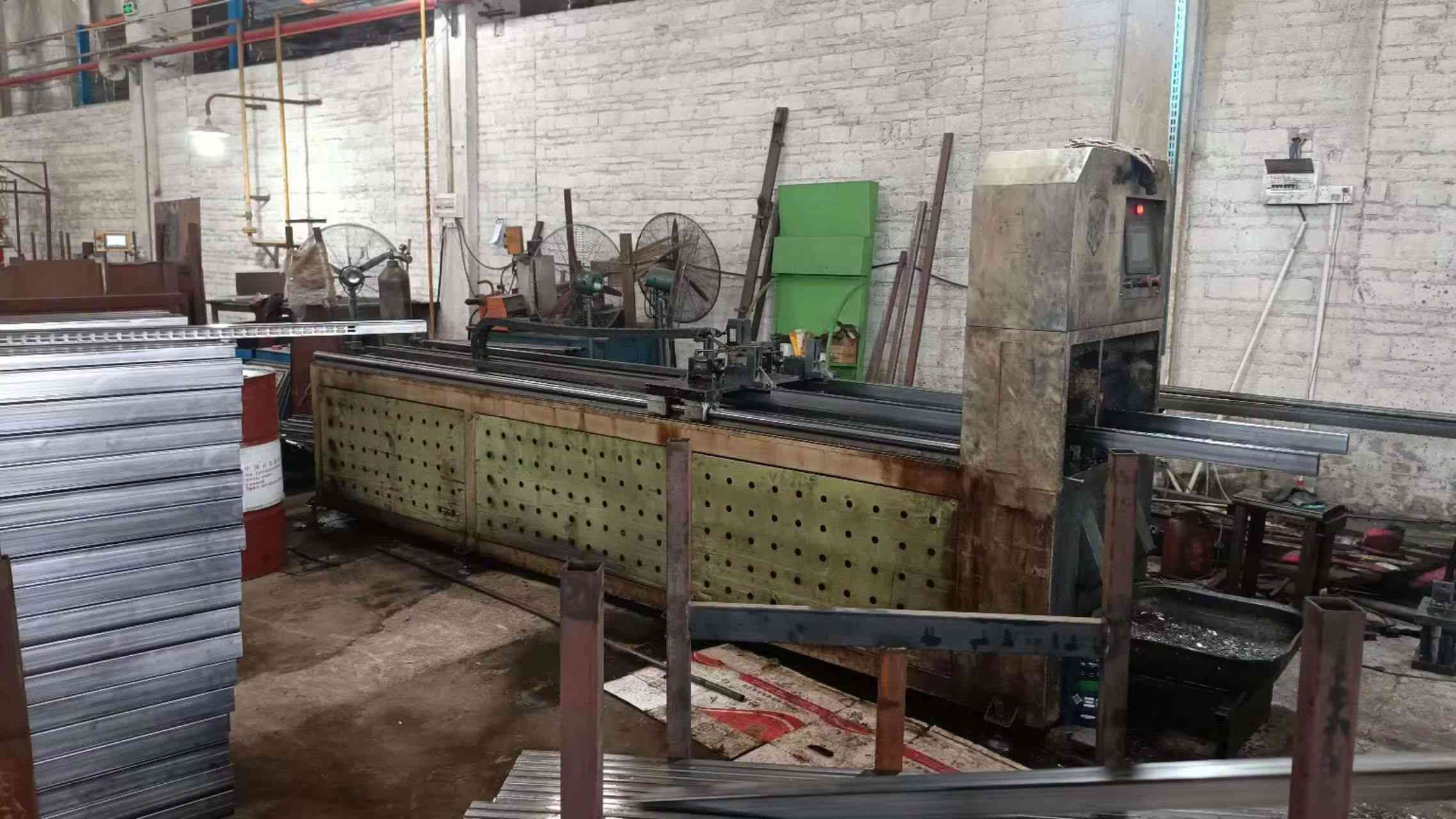
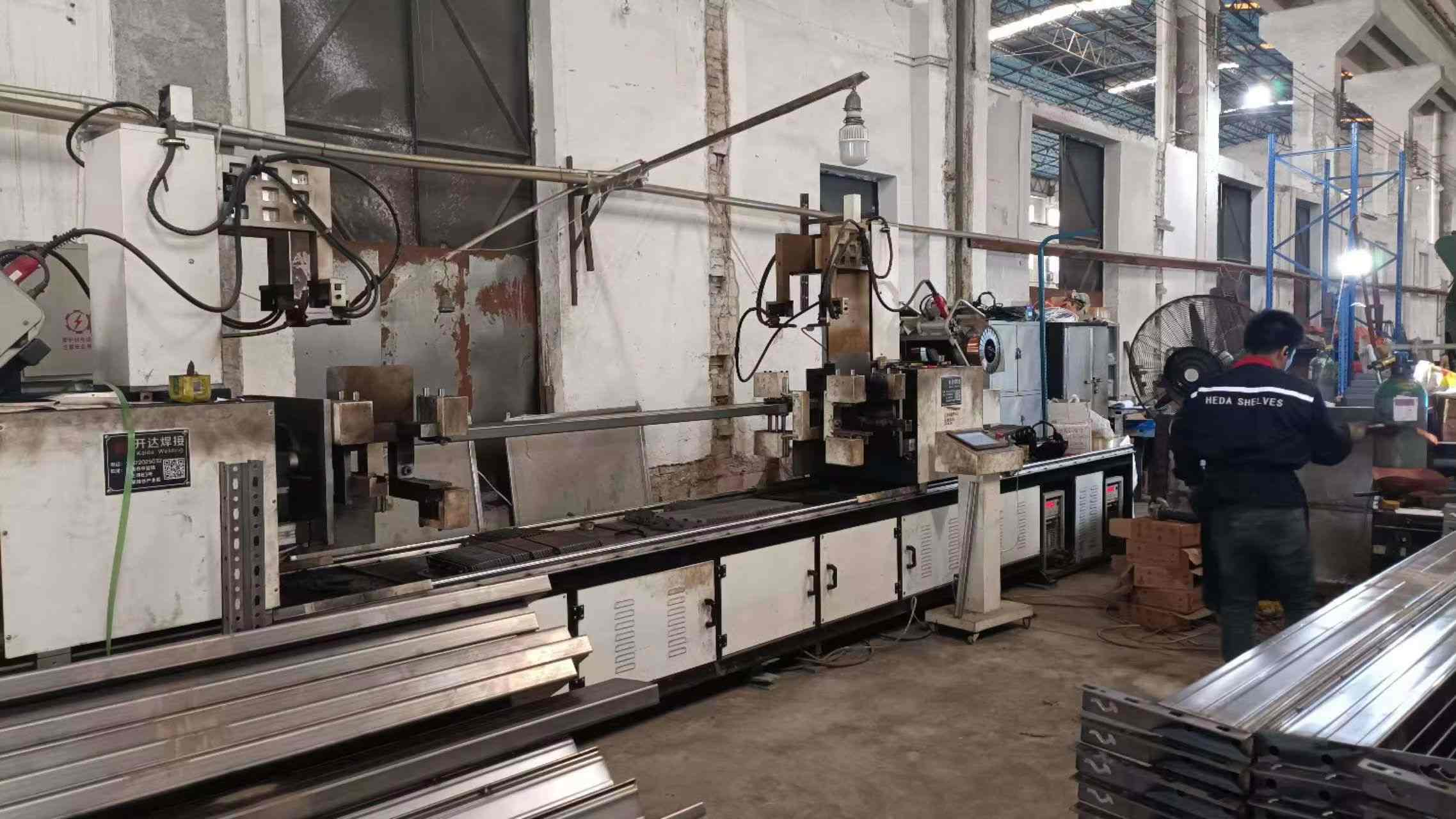
How does Shenzhen Heda satisfy these stringent, high-level procurement demands? The answer lies in the intersection of structural engineering and advanced automation. With a dedicated 35,000 m² factory floor, our production capacity runs on high-precision rolling mills, robotic laser-welding lines, and fully automated electrostatic powder-coating systems.
We source raw Q235B and Q355B structural steel directly from certified tier-1 steel mills, verifying mechanical yield strength properties before stamping begins. Our robust QC department comprises 45 skilled inspectors utilizing rigorous testing methods, including raw material tensile testing, automated weld flaw detection, layer load-bearing stress analysis, and salt spray surface corrosion testing. Supported by a professional R&D team of 28 senior structural engineers, we maintain strong full-customization capabilities (OEM/ODM)—offering tailored rack dimensions, load capacities, surface coatings, and layout designs. Driven by continuous innovation, we launched over 120 new dynamic storage products and component upgrades last year.
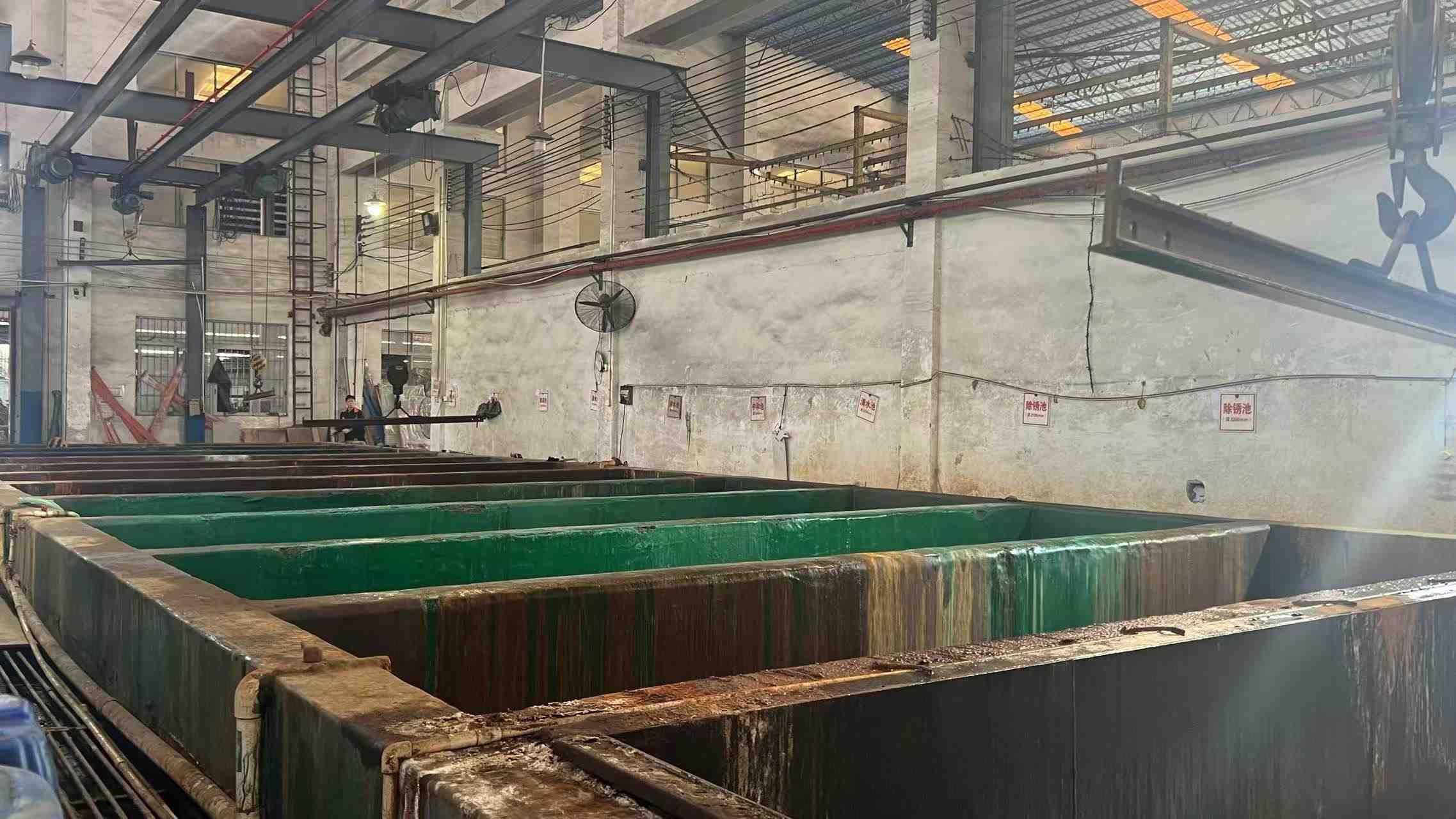
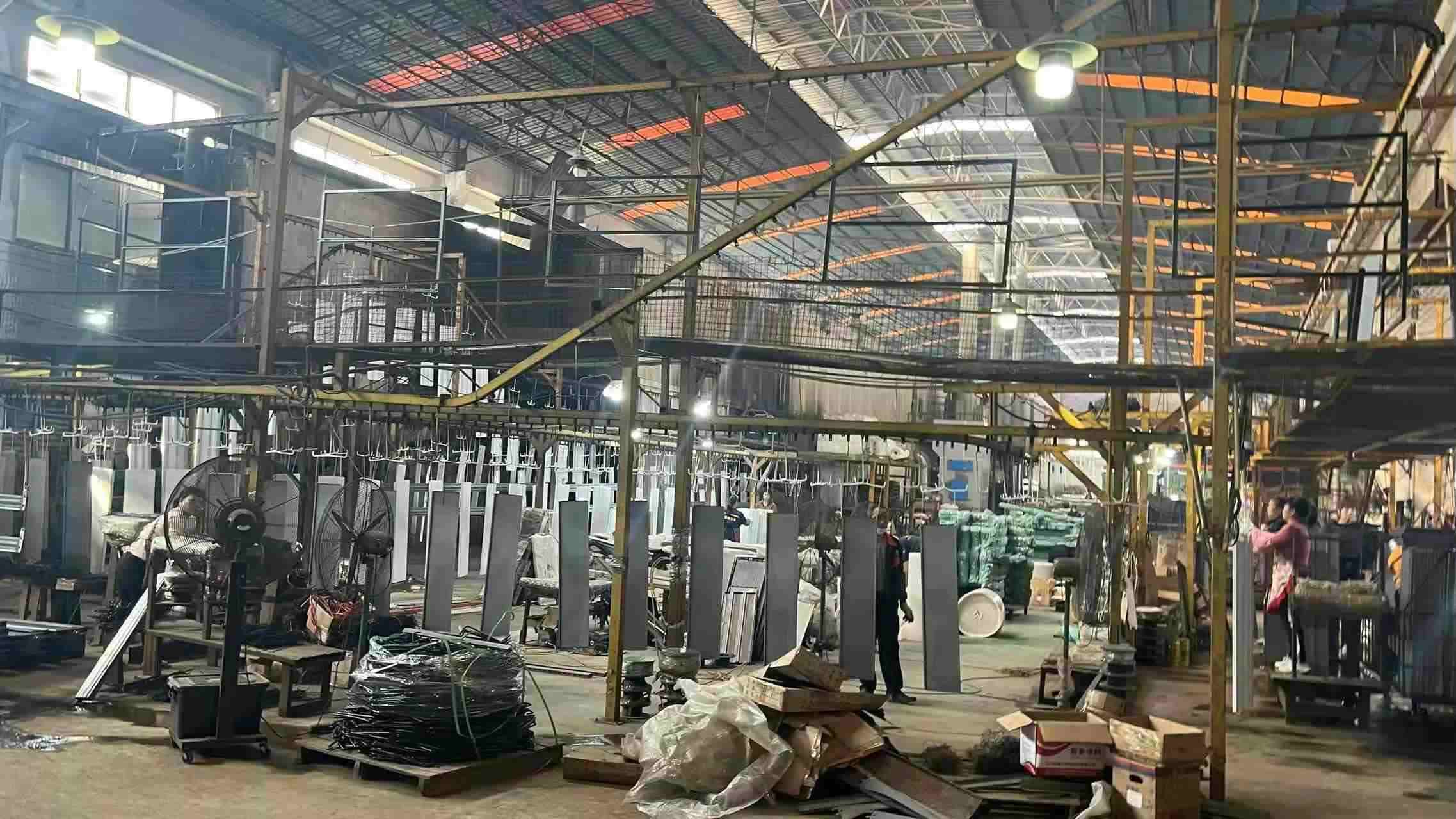
A step-by-step look into our advanced manufacturing, stamping, bending, and quality assurance workflows.
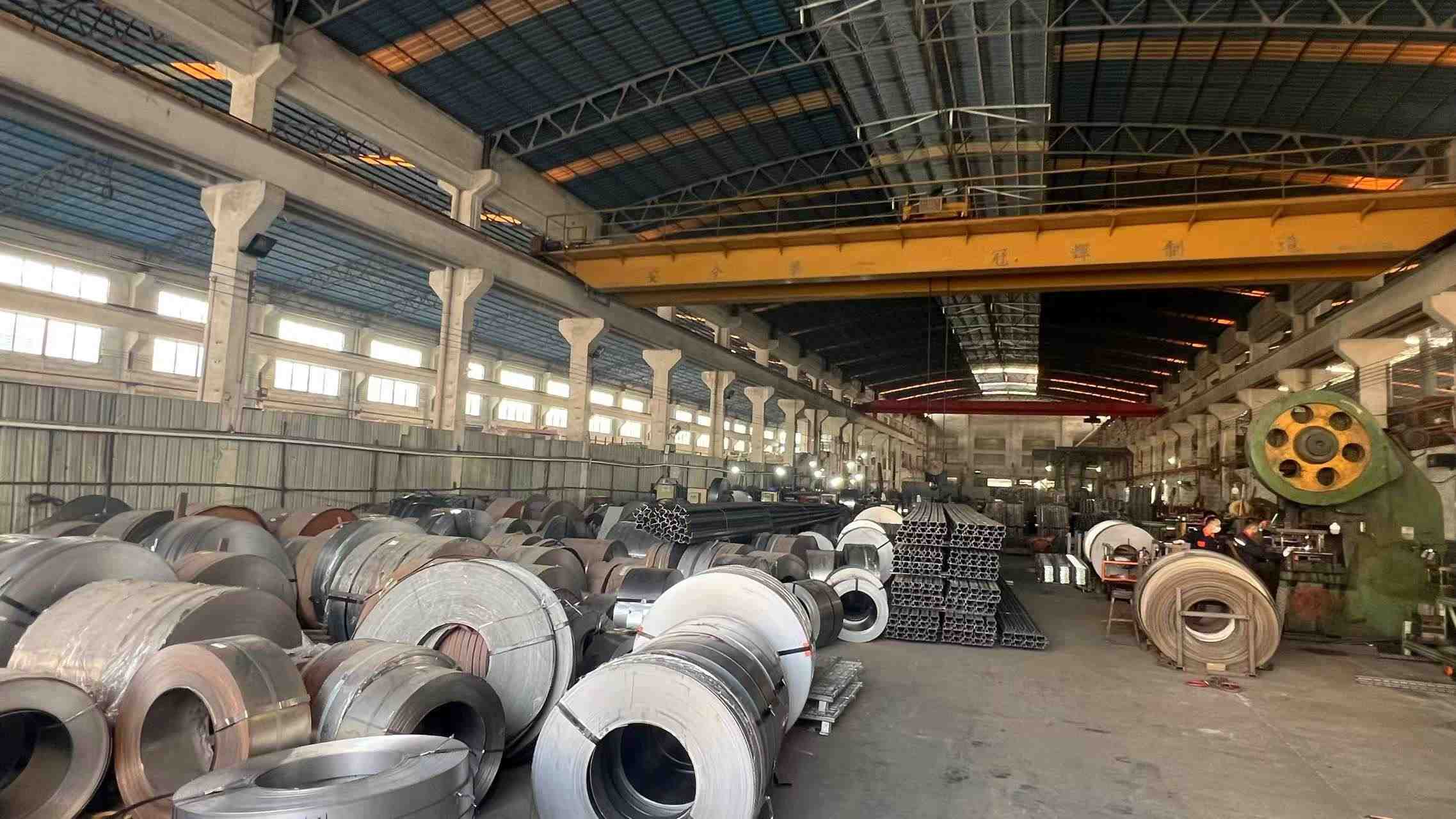
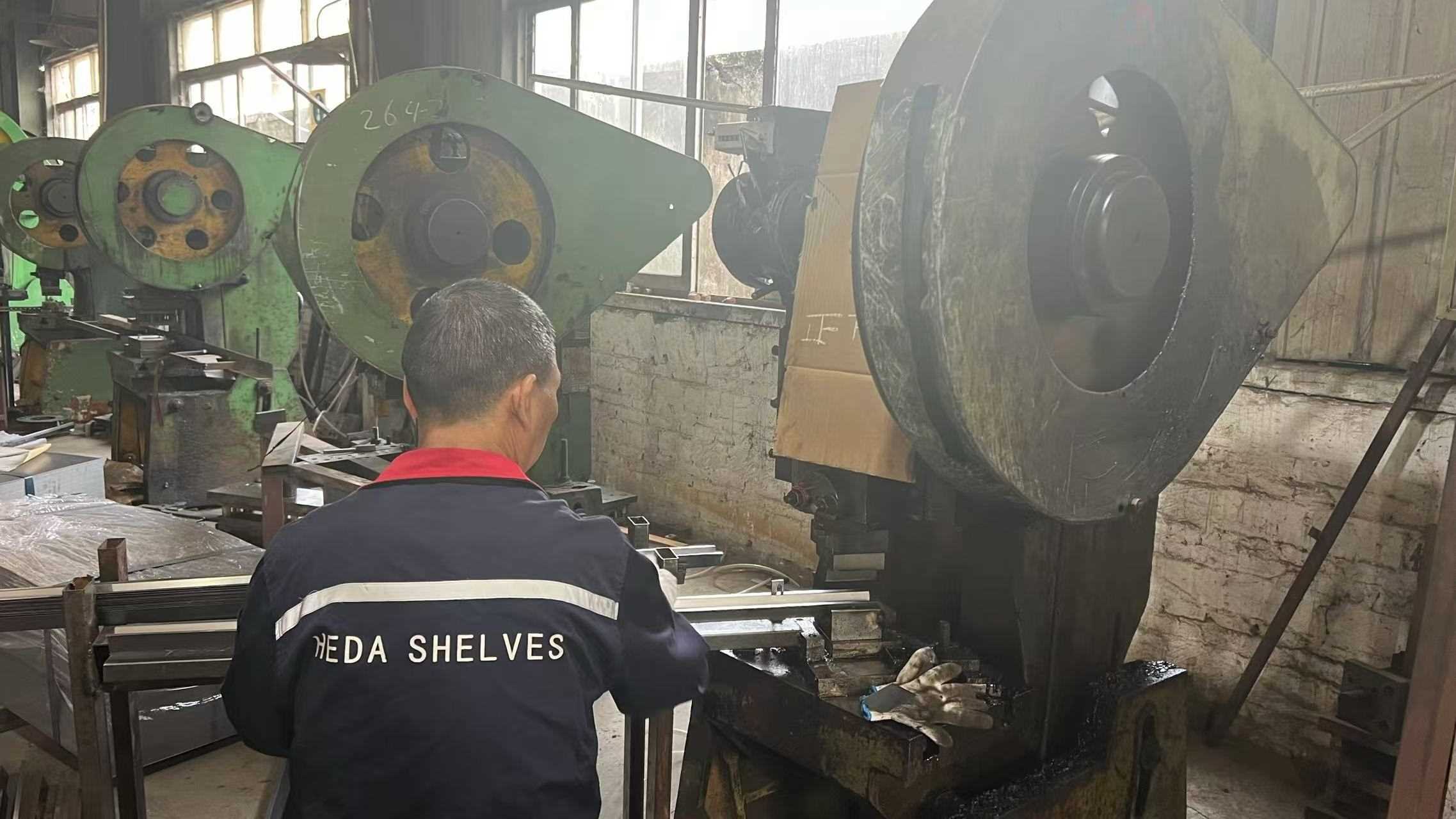
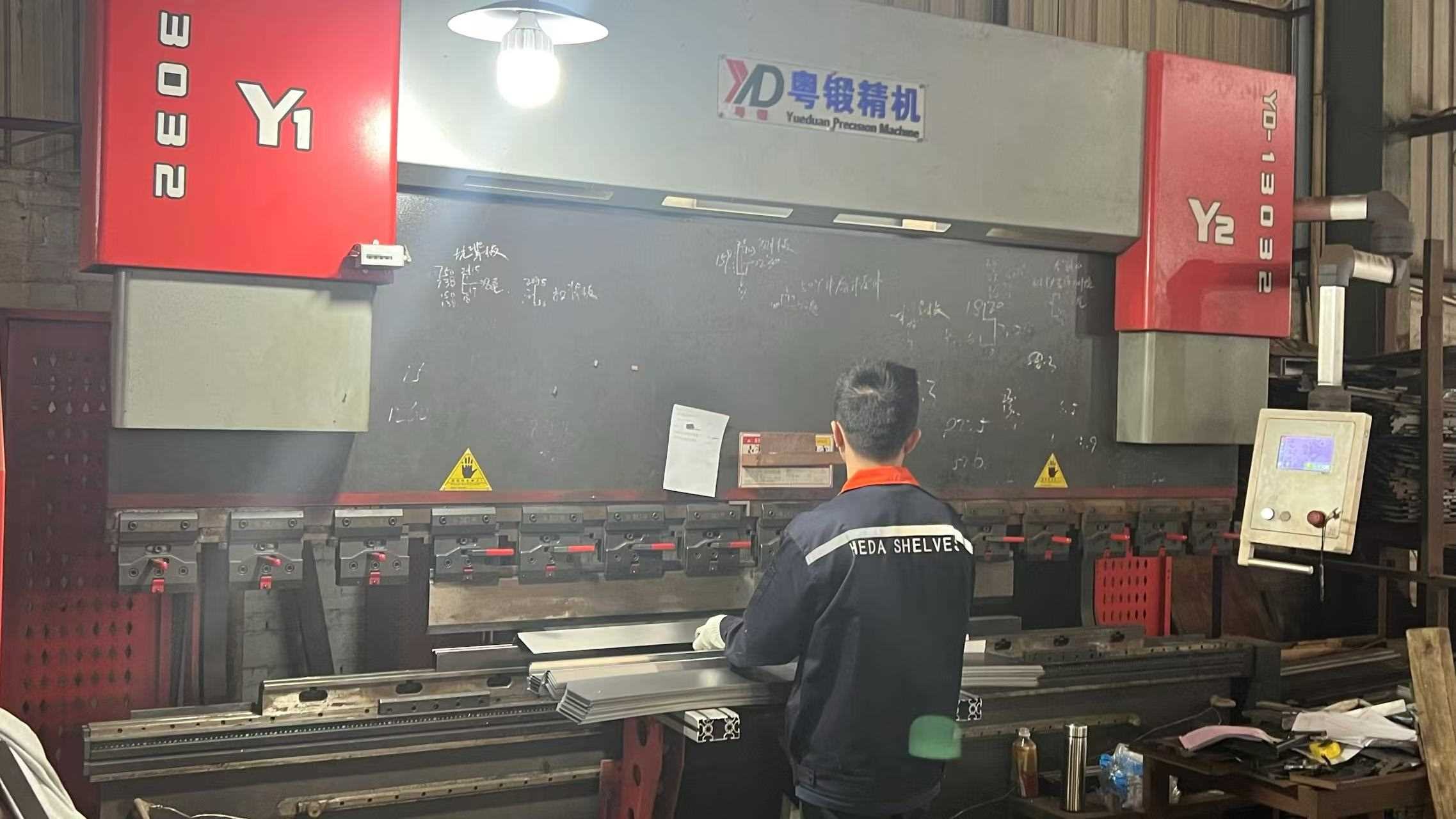
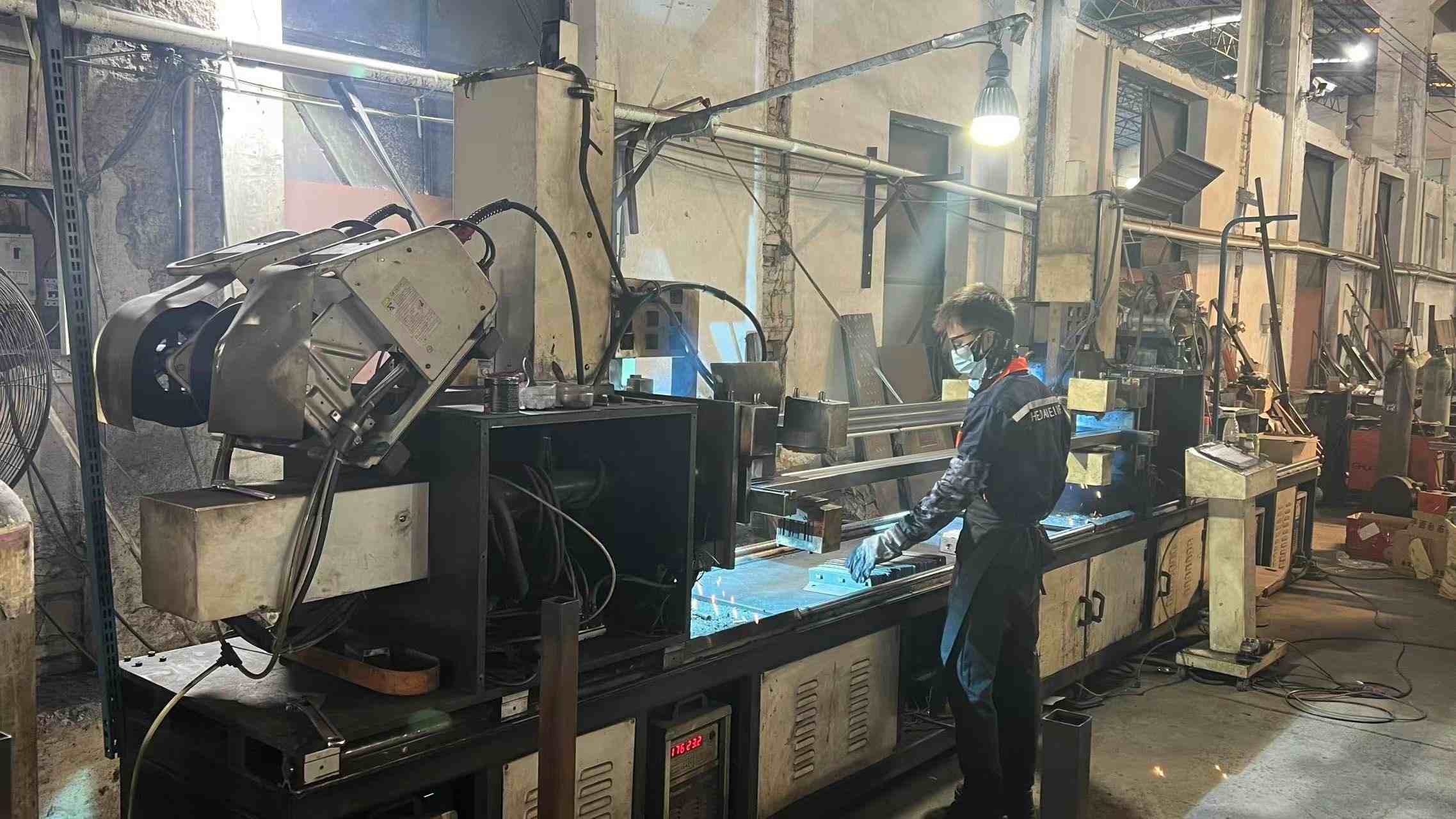
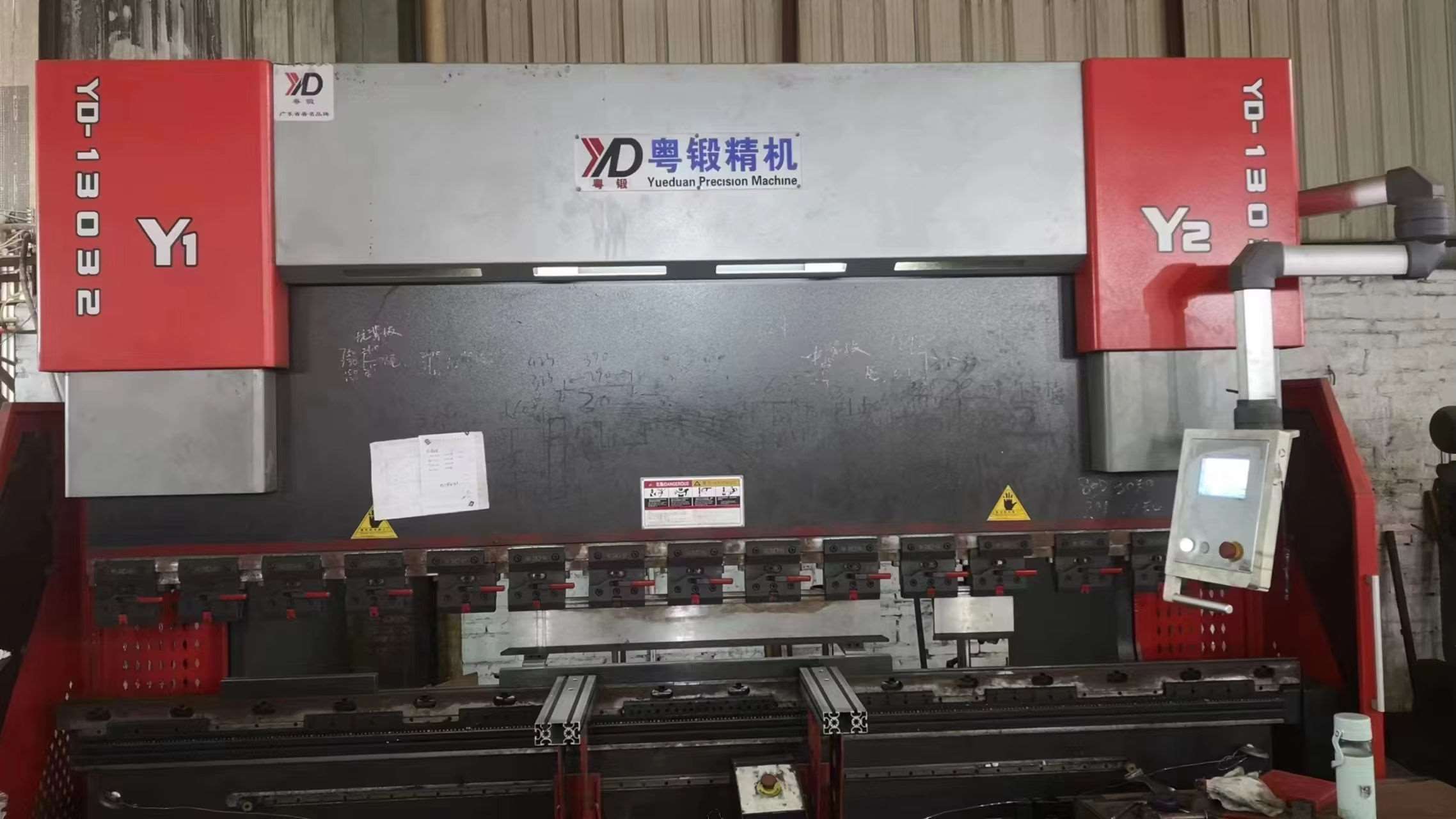
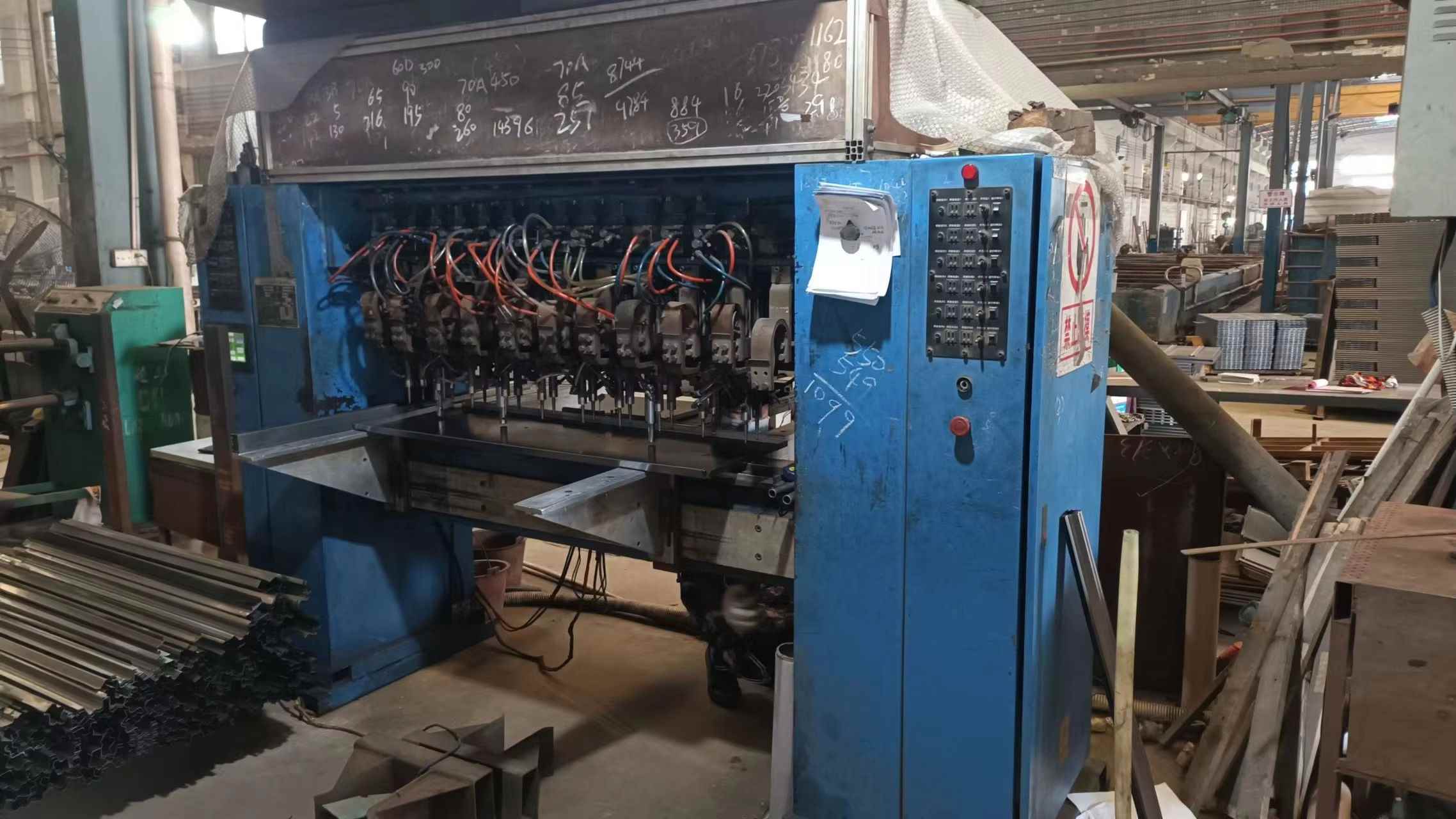
How global industries execute optimal spatial allocation with customized racking solutions.
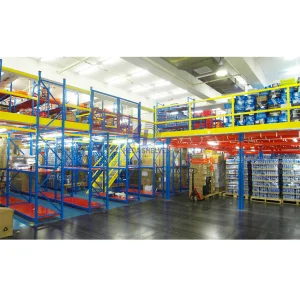
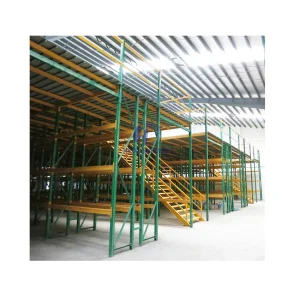
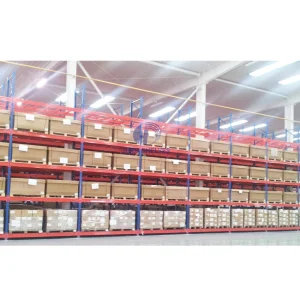
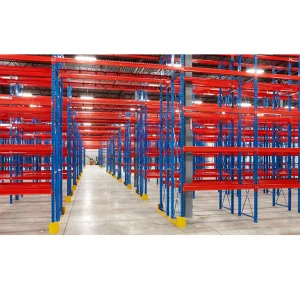
Logistics operators in high-cost land environments require highly flexible, multi-level platforms. Heavy-duty steel mezzanine platform systems and selective pallet racking systems are customized with specific column grid dimensions. Heda’s engineers utilize Finite Element Analysis (FEA) to design mezzanine systems that handle variable payloads while allowing forklifts to operate smoothly beneath the platforms. Structural safety pins, anti-collapse wire mesh backstops, and heavy-duty load beams safeguard fast-moving inventory environments.
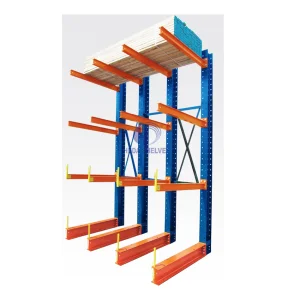
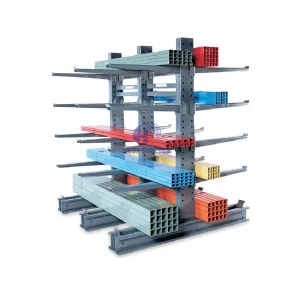
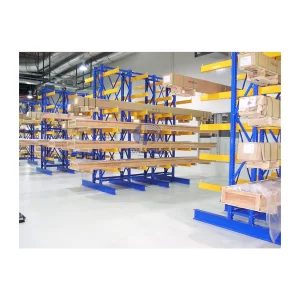
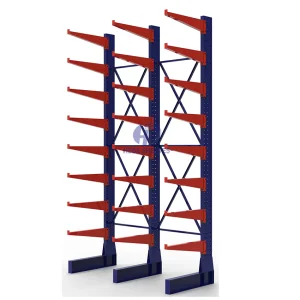
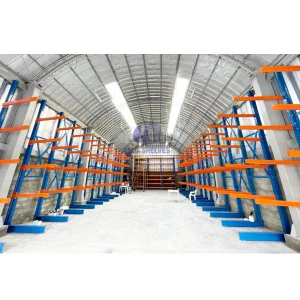
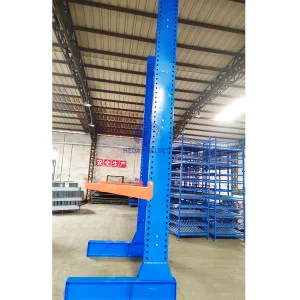
For industrial pipes, structural lumber, sheet metals, and tubing, standard pallet positions are ineffective. Heavy-duty cantilever rack systems (single- or double-sided) utilize free-standing columns and adjustable arm mechanisms. These arms are engineered to hold loads ranging from 1,000kg to over 3,000kg per arm, designed to bend slightly without failing under heavy loads. The connection points use high-strength structural bolts and load-distributing column spacers to prevent failure during loading.
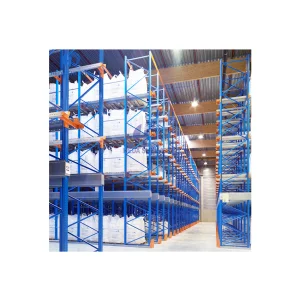
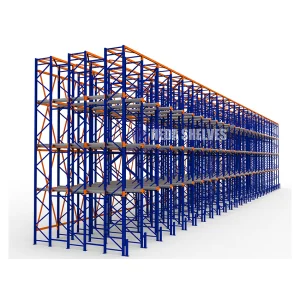
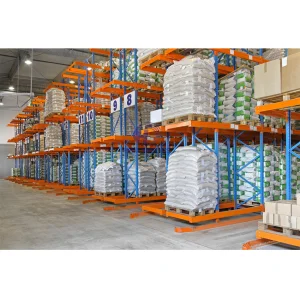
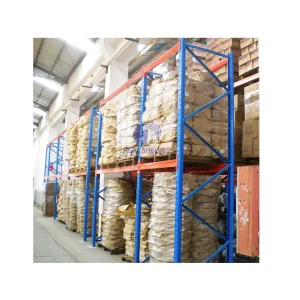
Cold chain facilities require dense storage due to the massive electrical costs of cooling space. Adjustable drive-in pallet racking systems operating on a LIFO (Last-In, First-Out) inventory model maximize the volume-to-space ratio. Steel selection in cold chain installations requires specialized metallurgy to avoid low-temperature steel embrittlement. Heda’s structural engineers select Q355D steel grades combined with special low-temperature powder coatings to prevent fracturing in temperatures down to -30°C.
Direct technical answers from our R&D and Quality Control Directors.
We source structural carbon steel, mainly Q235B and Q355B, directly from premier state-owned steel mills in China. Every batch is delivered with a Mill Test Certificate (MTC) proving its chemical composition and mechanical yield strength. Our in-house QC laboratory performs tensile testing to verify the steel can handle heavy structural demands before it is approved for rolling and welding.
Our customization flow is highly collaborative: First, the client provides their warehouse floorplan, storage dimensions, and target load capacity per level. Our R&D team of 28 structural engineers generates a preliminary CAD layout and 3D stress simulation report within 48 hours. After refining the configuration, structural calculations are run through FEA software. Once structural parameters are locked, we manufacture a prototype or move directly to production based on design complexity.
Raw steel naturally carries mill scale, surface oils, and rust spots. Skipping preparation stages causes powder coatings to peel over time. Our multi-stage preparation process uses hot acid washing to strip oxides, followed by Parkerising (phosphate conversion coating). This creates a porous, rust-resistant layer that allows the electrostatic powder coating to bond securely with the steel, ensuring the racking remains rust-free even in demanding warehouse environments.
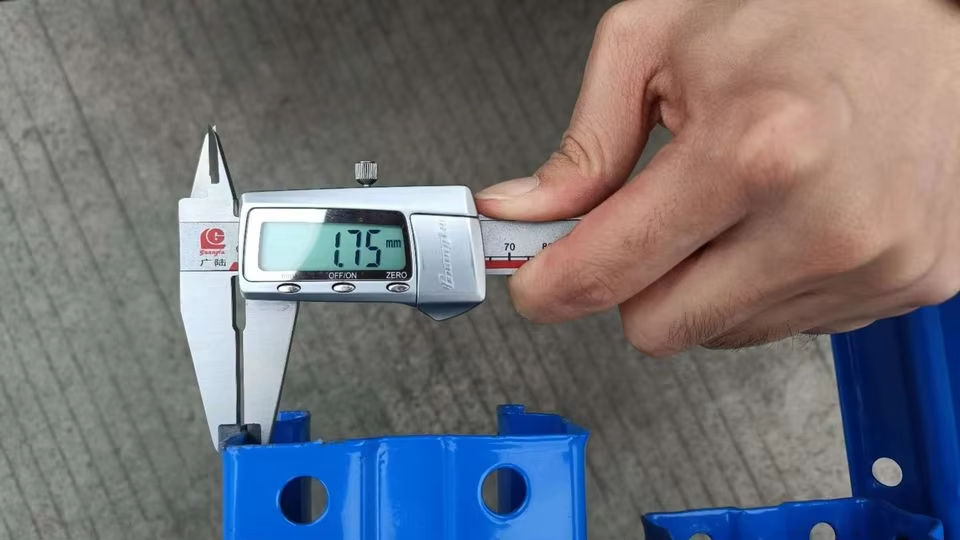
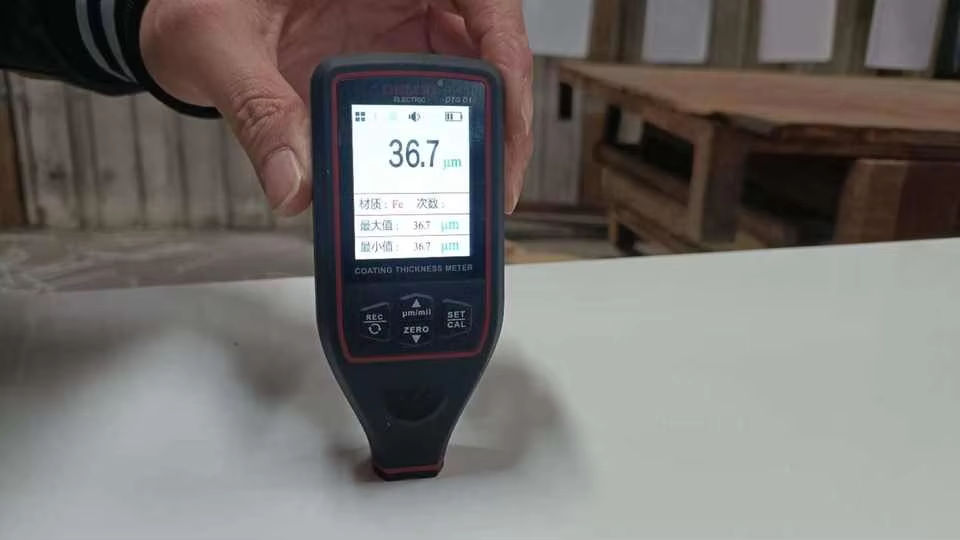
We perform testing throughout the manufacturing process. Key checks include weld penetration testing using ultrasonic instruments, destructive load testing on beam connectors, and deflection measurements under load. Additionally, we use calipers for dimensional precision and digital thickness gauges to verify coating uniformity, ensuring the final product matches its engineering specifications.
Racking components are long, heavy, and susceptible to scratching if not handled correctly. We use high-tensile steel straps, protective plastic corners, and custom wooden block supports to secure the loads. Every container packing plan is simulated via 3D software to optimize space while ensuring the racking remains stable during ocean transit.
Heavy-capacity modular storage optimized for pipe, structural lumber, and large pallet formats.
 Hedaracking