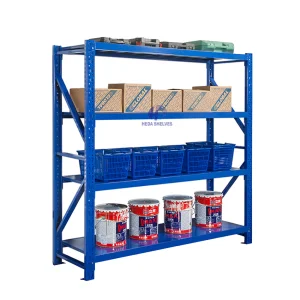
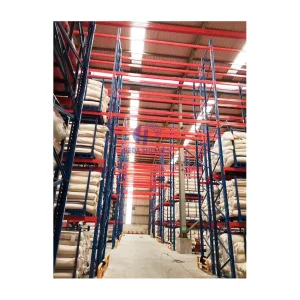
Designed to handle temperatures down to -30°C. Our systems optimize cubic footprint capacity, protect structural integrity, and streamline flow rate logistics.
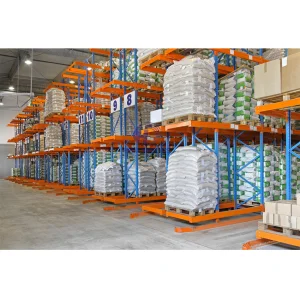
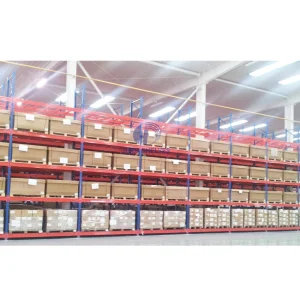
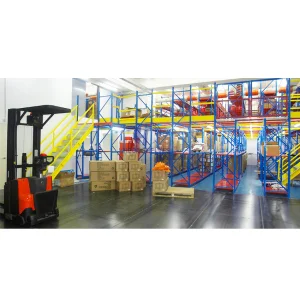
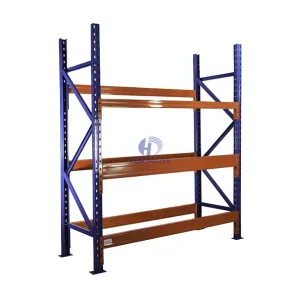
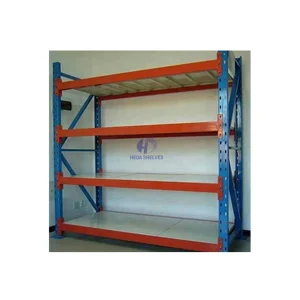
Unlike ambient temperature warehouses, cold and frozen storage facilities face unique structural dynamics. Sub-zero temperatures drop steel ductility, creating a hazardous environment for standard racking steel. At Shenzhen Heda Warehouse Equipment Co., Ltd., we focus on micro-climatic metallurgy to address these specific cold chain vulnerabilities.
Standard carbon structural steels undergo transition behavior under cold temperatures, turning brittle. We leverage premium high-tensile Q355B and Q235D steels that undergo strict impact energy charpy test validation, ensuring structural durability even at temperatures as low as -30°C.
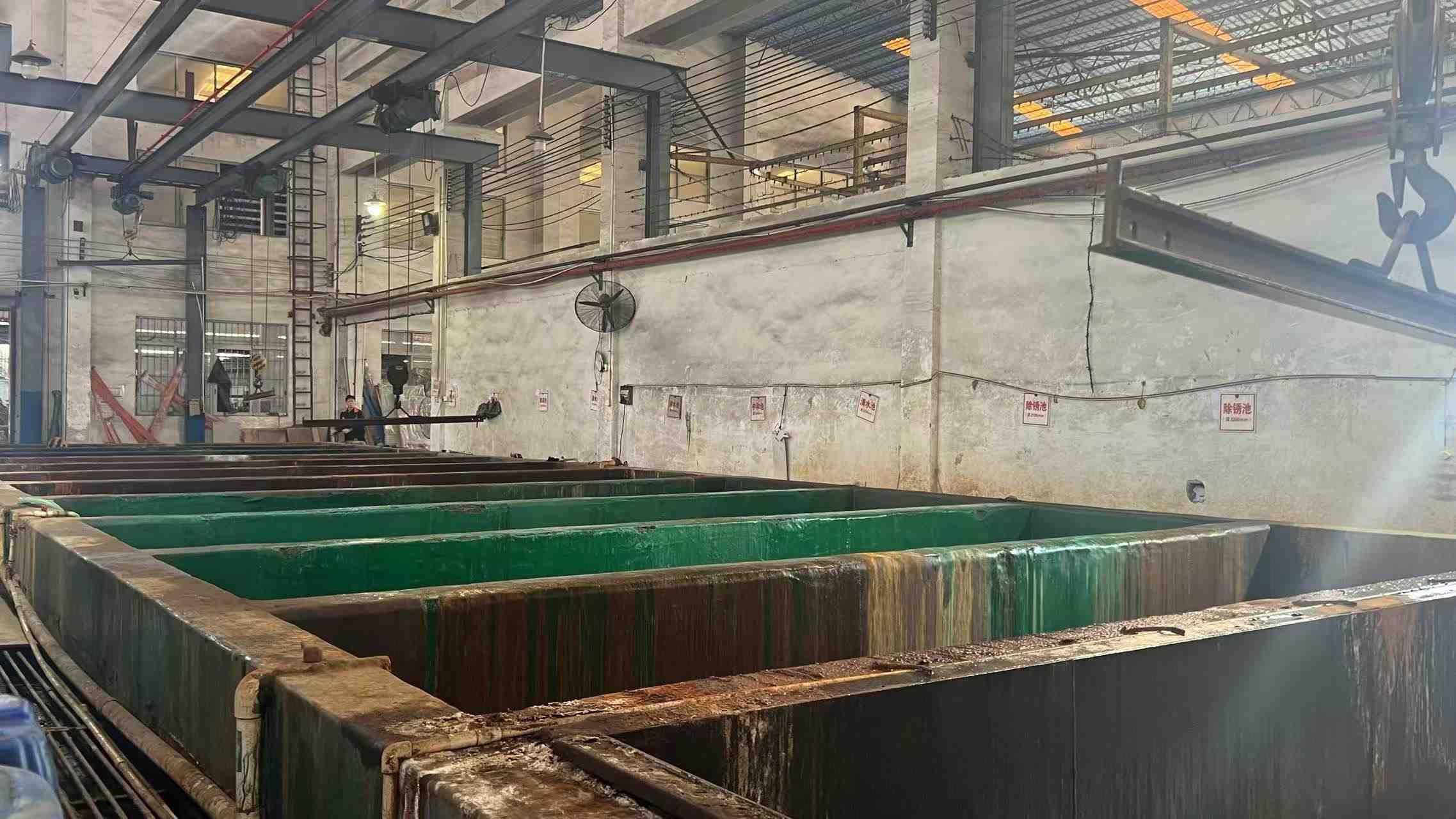
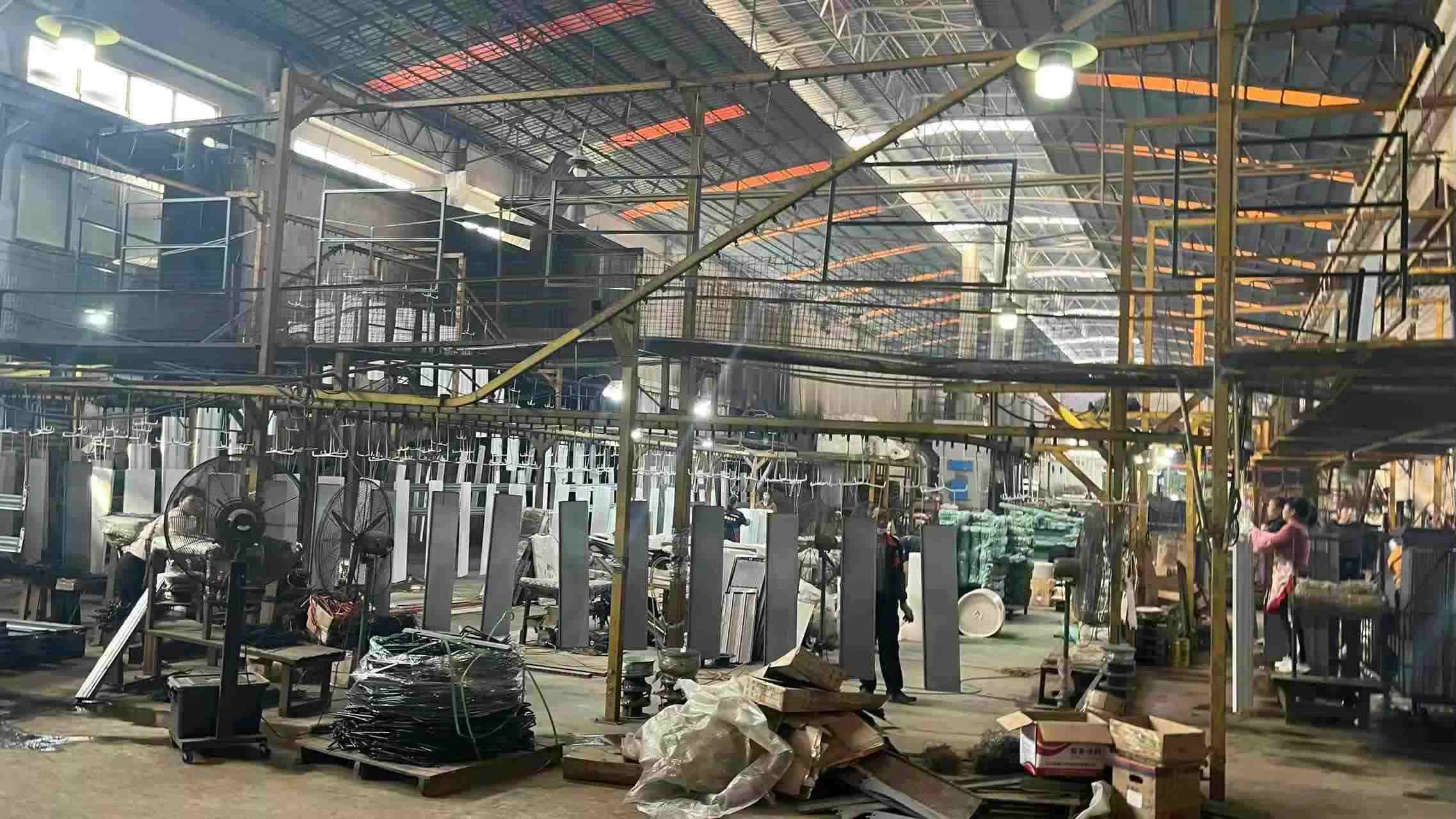
Rapid thermal shifts cause heavy condensation inside cold chambers. Our multi-stage pretreatment process including Acid-washing & Parkerising is paired with high-performance epoxy-polyester powder formulations, guaranteeing high resistance to rust, oxidation, and blistering.
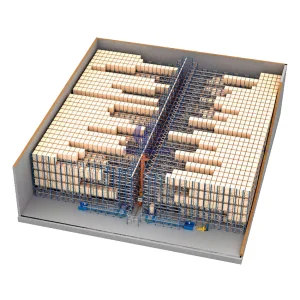
With refrigerated volume costing upwards of 3x ambient storage, every cubic foot matters. Our customizable ASRS configurations, semi-automated Radio Shuttle structures, and Drive-in systems maximize capacity and lower operational refrigeration expenditures.
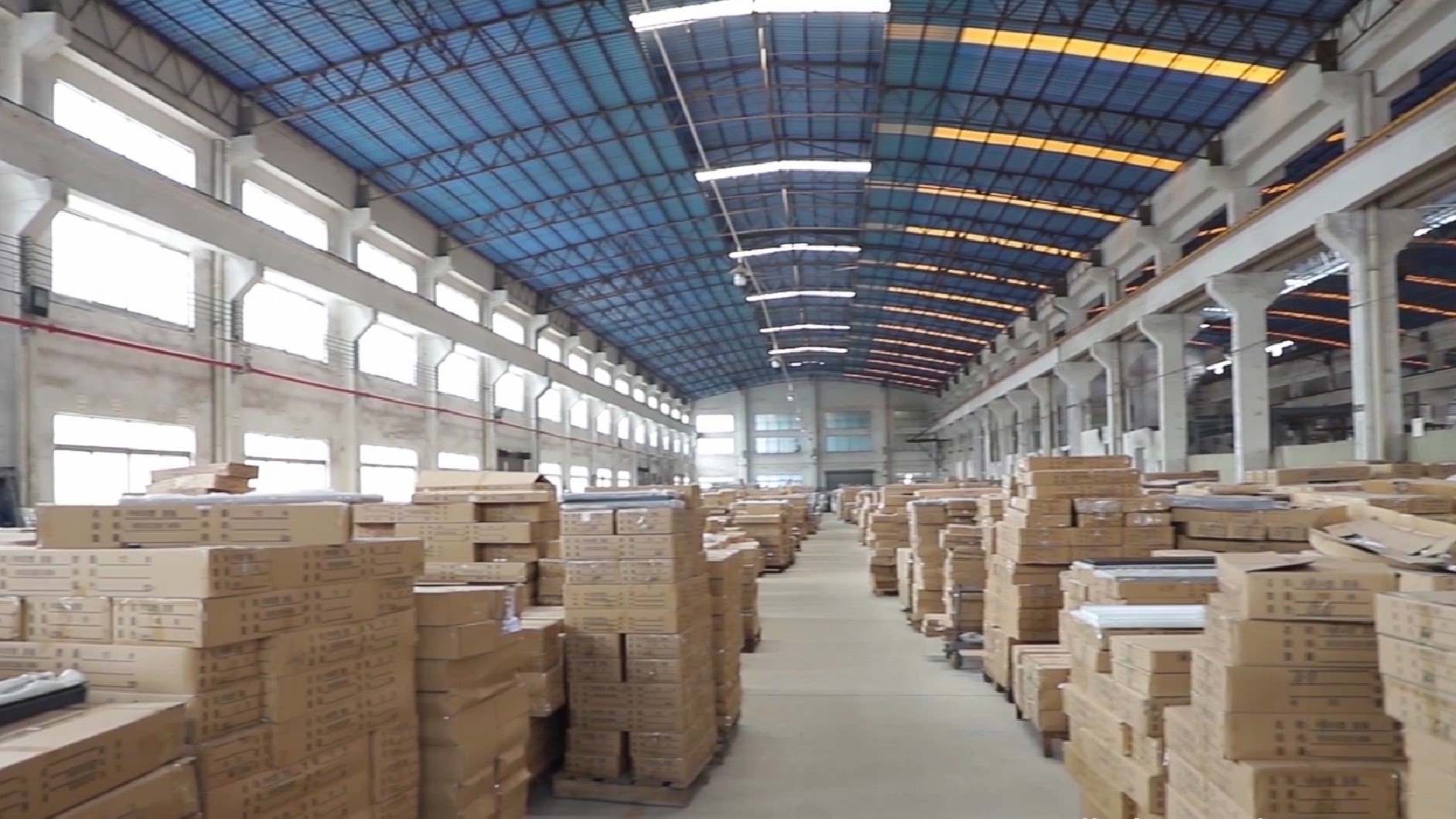
Established in 2014, Shenzhen Heda Warehouse Equipment Co., Ltd. is a premier manufacturer specializing in heavy-duty warehouse racking and industrial storage solutions. Spanning a modern manufacturing facility of 35,000 m², our enterprise integrates R&D, design, production, and international marketing to serve diverse storage needs worldwide. With 12 years of industry experience and 8 years of dedicated export expertise, we deliver high-caliber storage systems that generate over $28 million in annual export revenue.
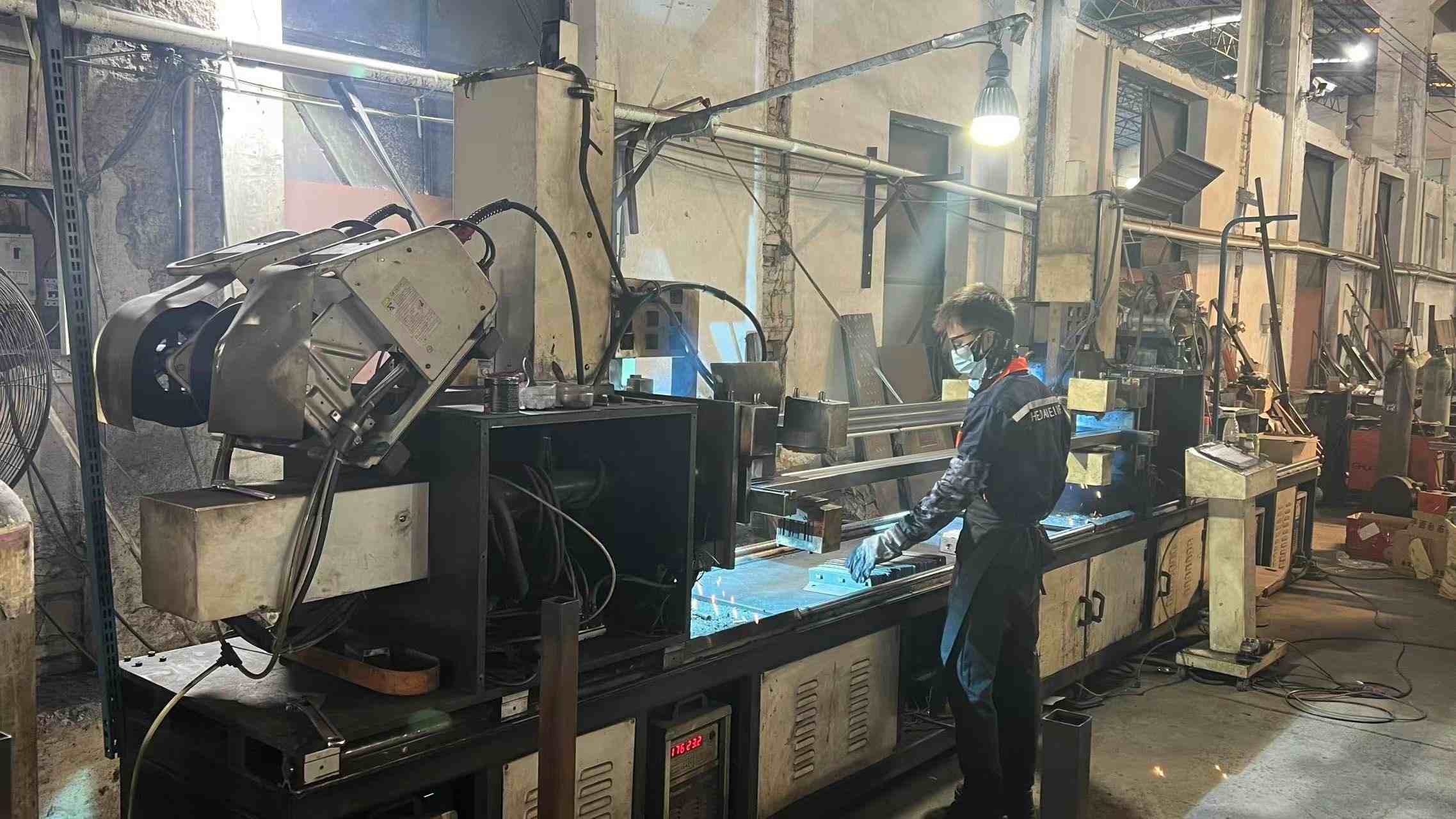
At Heda, quality control and engineering innovation drive our core operations. Our robust QC department comprises 45 skilled inspectors utilizing rigorous testing methods, including raw material tensile testing, automated weld flaw detection, layer load-bearing stress analysis, and salt spray surface corrosion testing. Supported by a professional R&D team of 28 senior structural engineers, we maintain strong full-customization capabilities (OEM/ODM)—offering tailored rack dimensions, load capacities, surface coatings, and layout designs. Driven by continuous innovation, we launched over 120 new dynamic storage products and component upgrades last year.
Operating with a strong direct-factory and international trade background, we have built a resilient ecosystem supported by over 800 supply chain partners. Our products are exported to major global markets, including North America, Western Europe, Southeast Asia, and the Middle East. We proudly serve a diverse clientele ranging from third-party logistics (3PL) providers and large distribution centers to industrial manufacturers and wholesale equipment distributors.
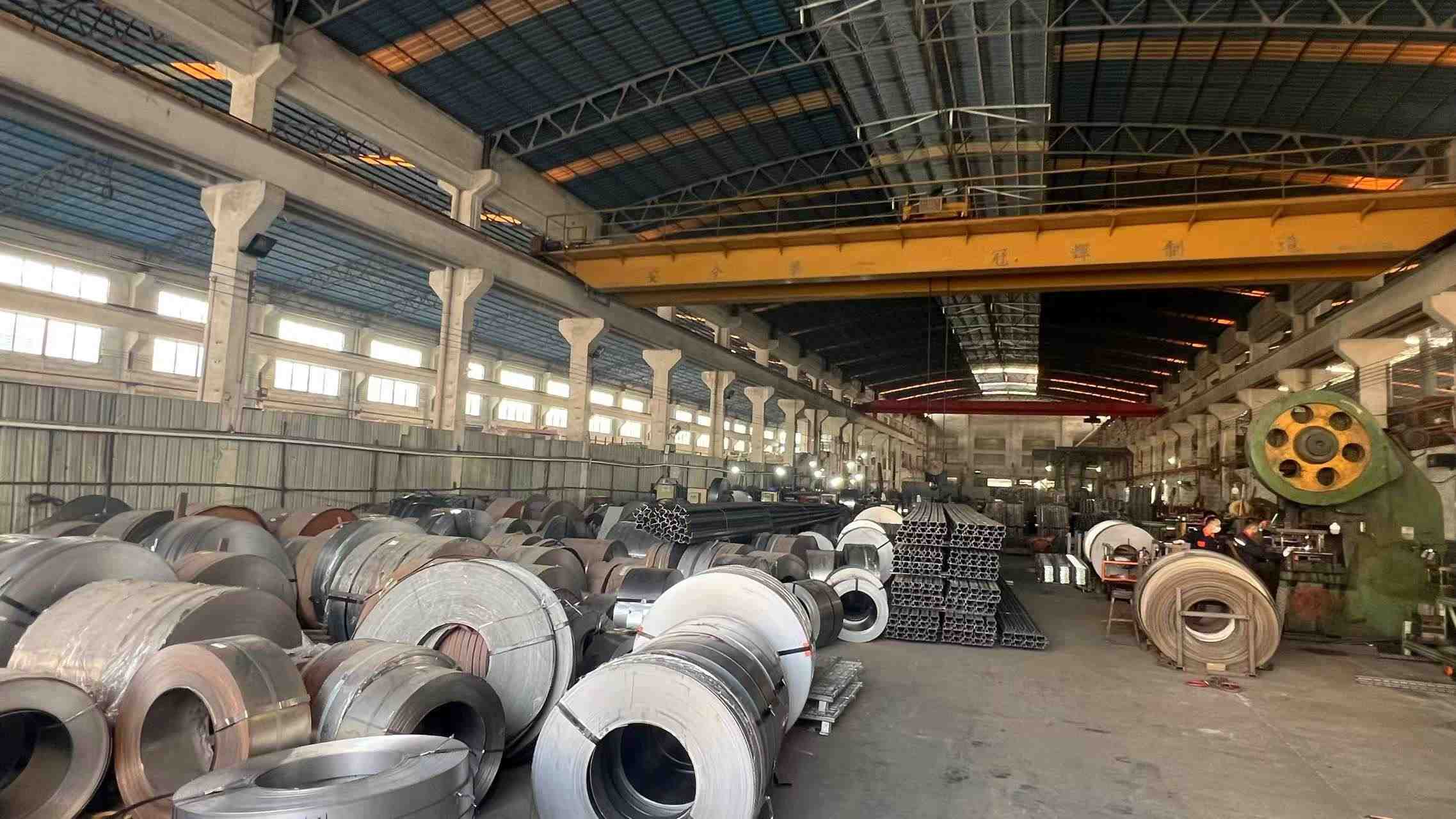
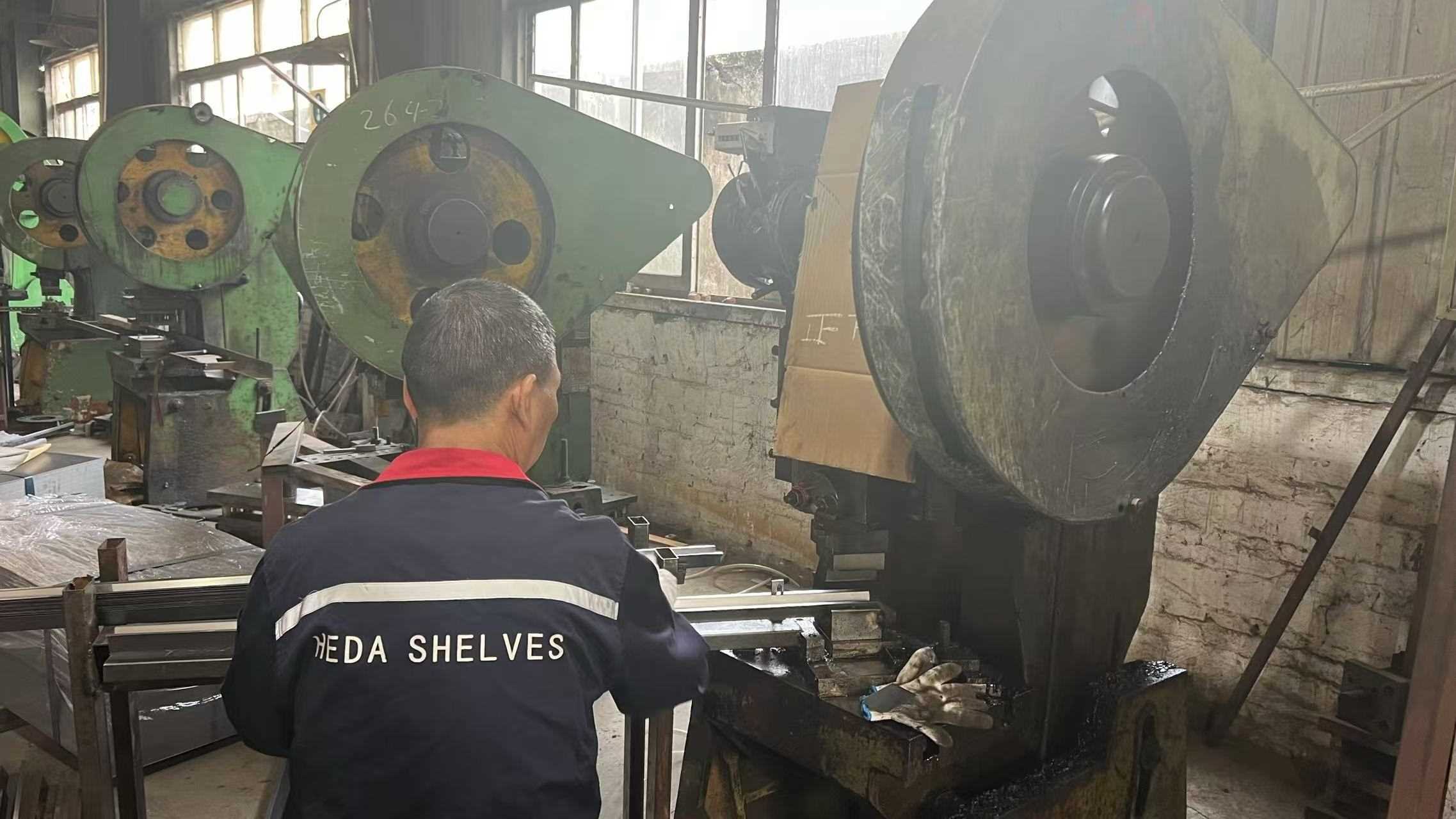
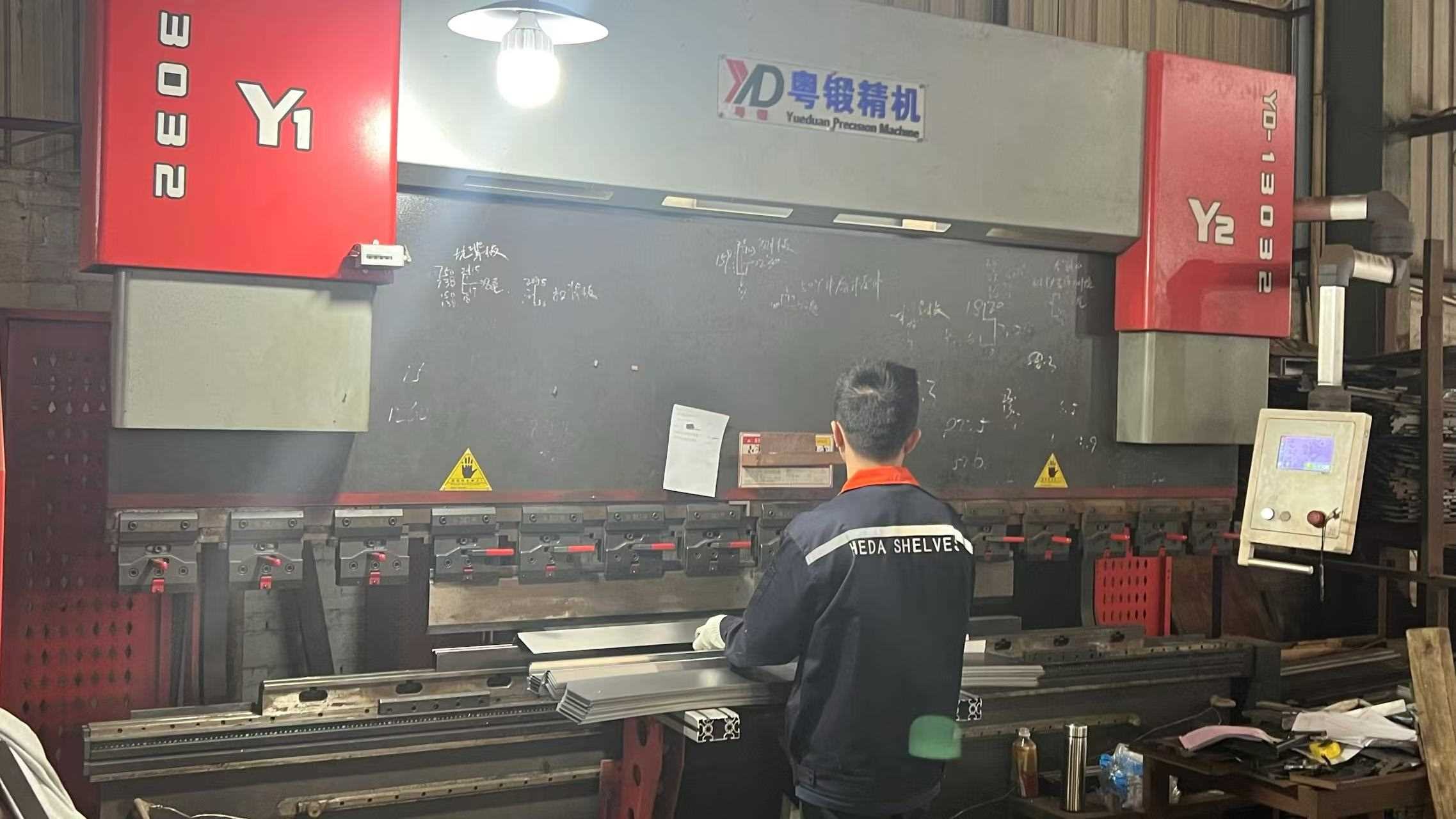
Our integrated manufacturing facility handles raw materials to final powder coatings under a unified quality management system. See our heavy fabrication and laboratory equipment below.
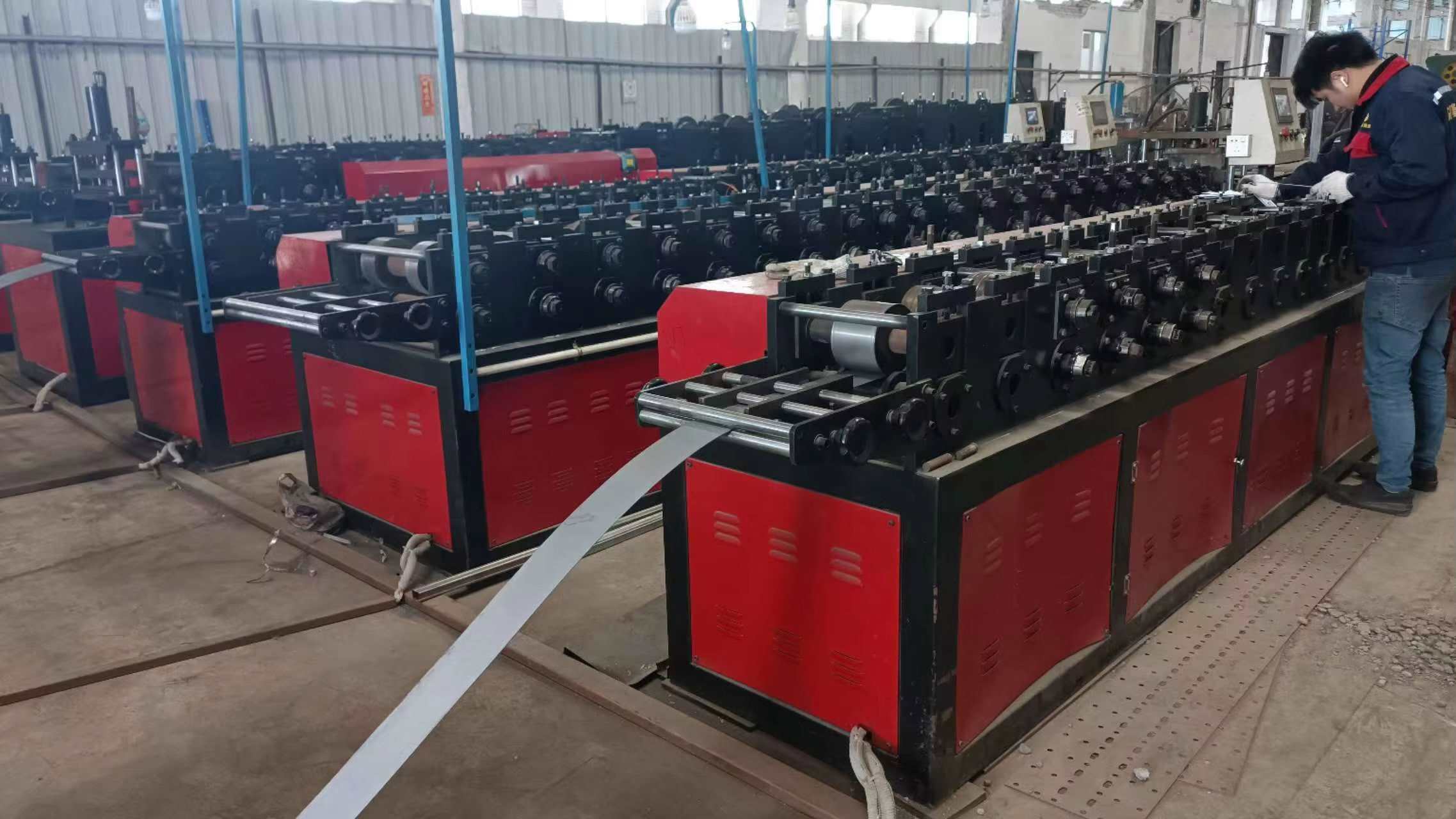
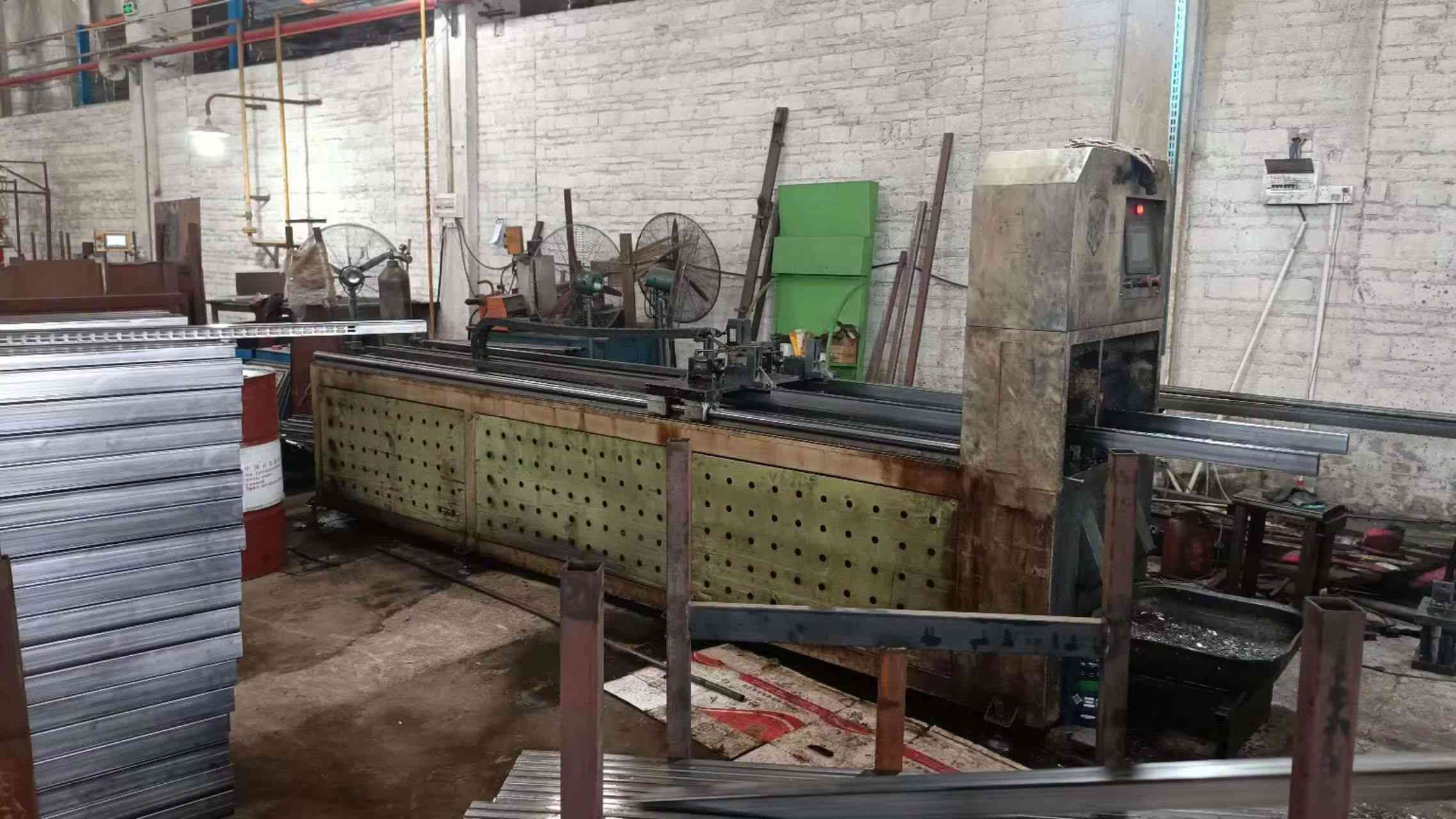
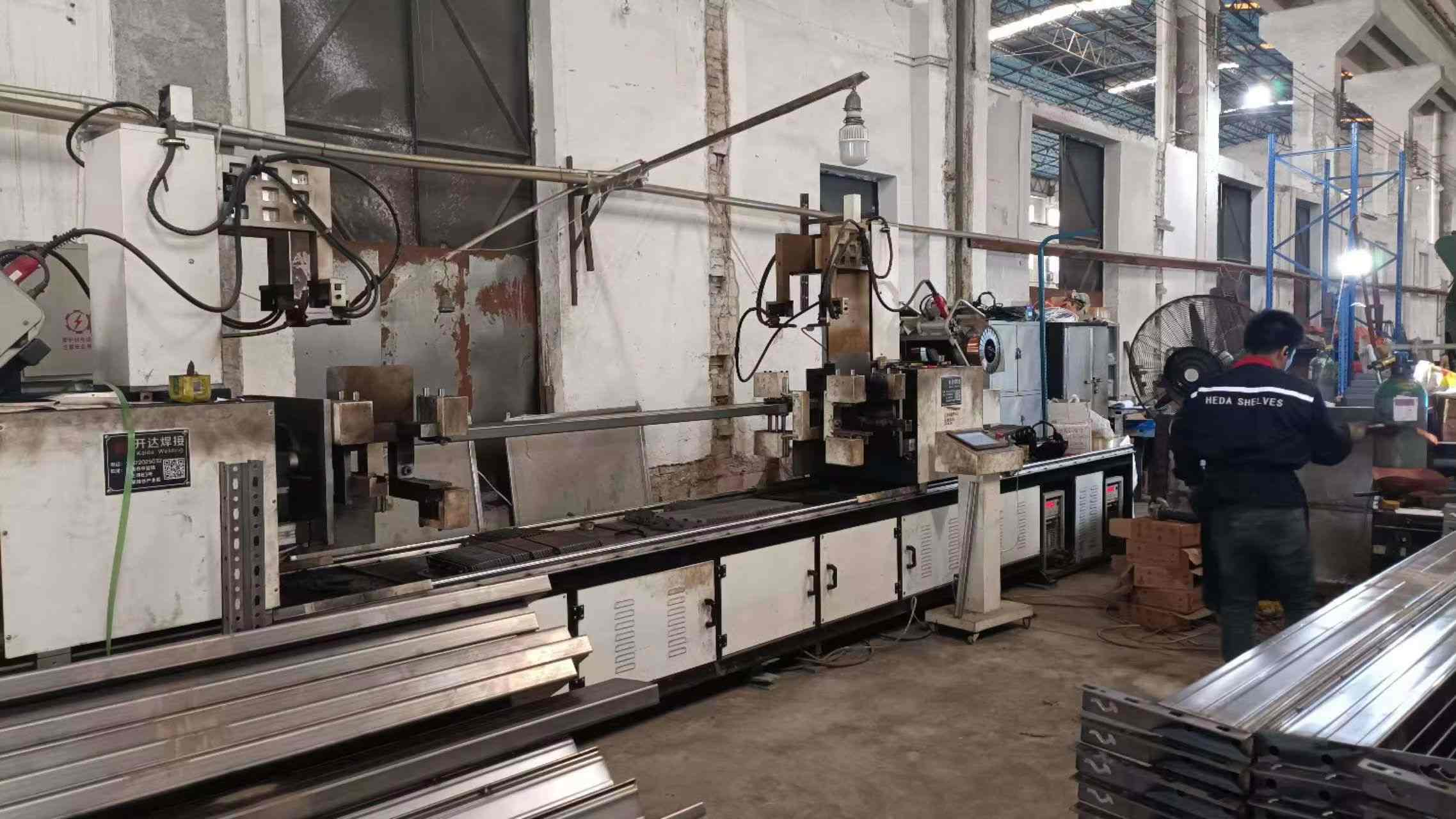
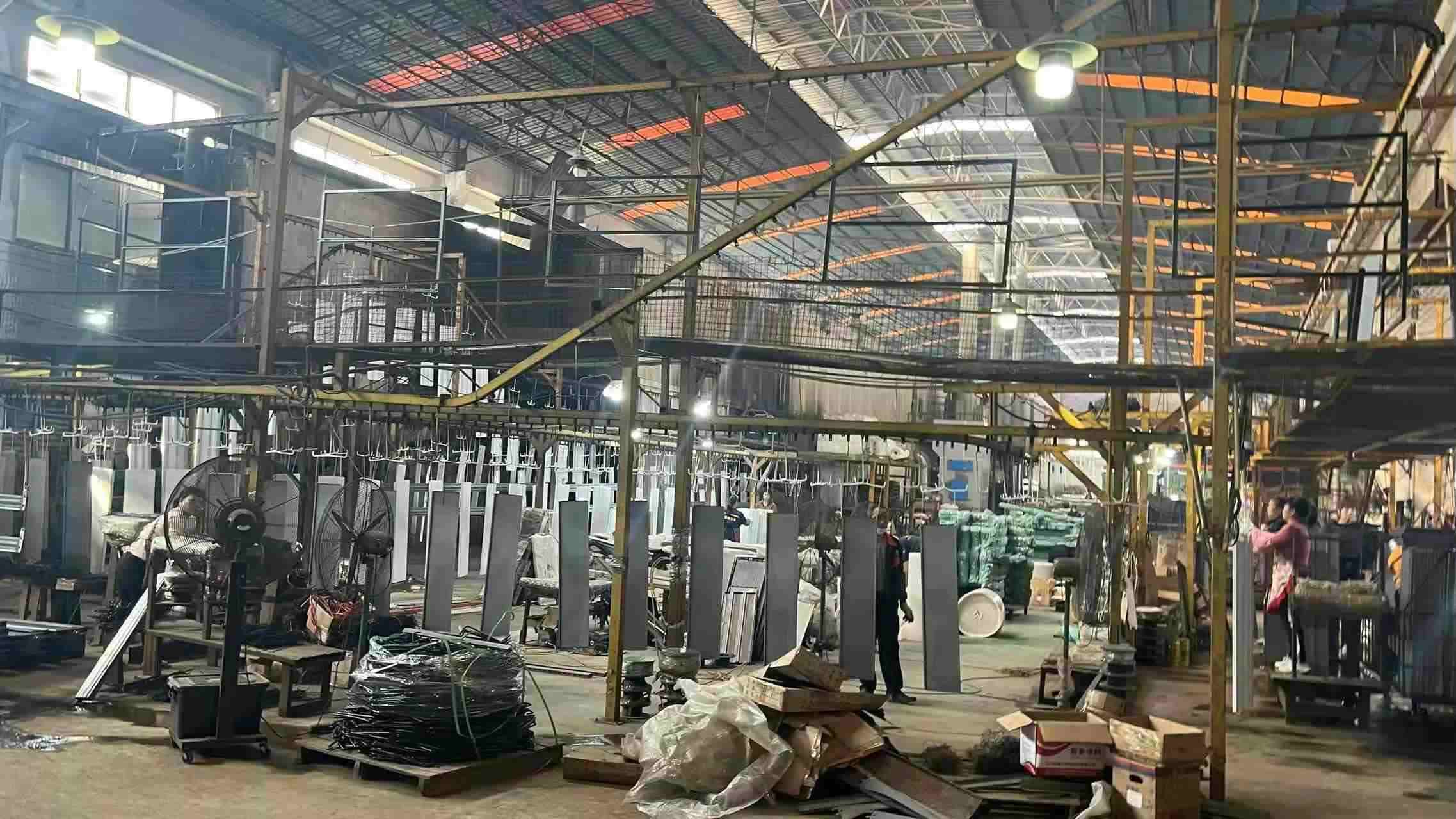


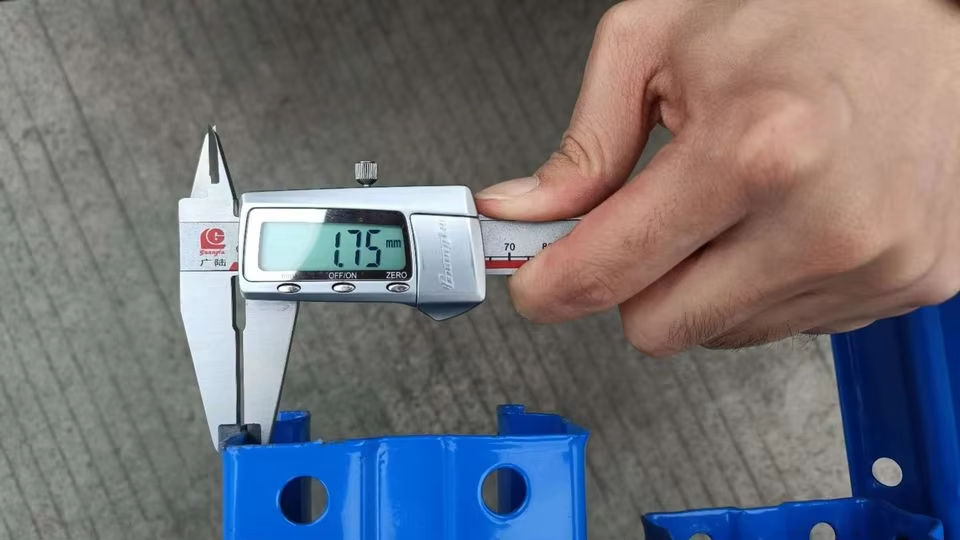
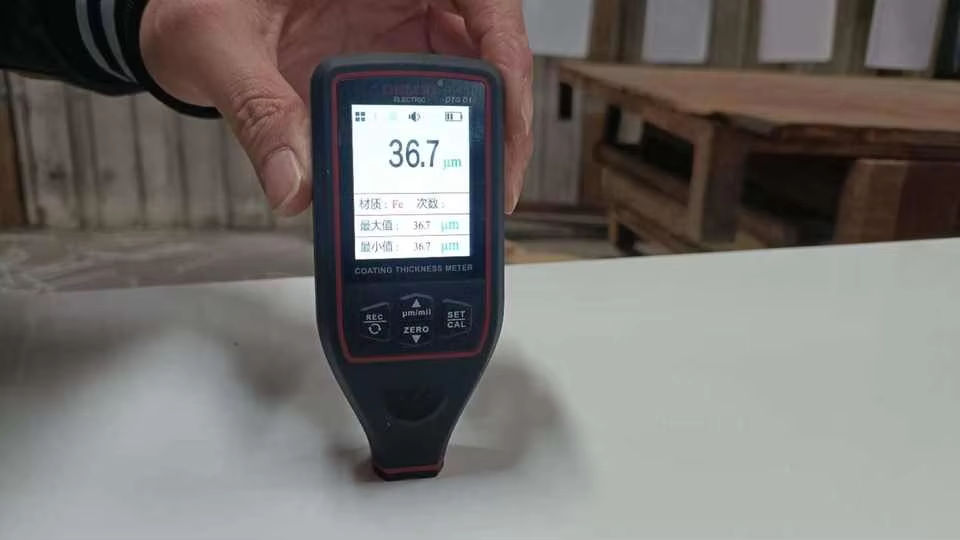
In global cold chain logistics, raw equipment costs represent only a fraction of total life-cycle costs. Operational procurement managers prioritize long-term system integrity, ease of routine inspections, and full compliance with regional structural norms (such as FEM 10.2.02 and EN 15512 in Europe, or RMI standards in the United States).
At Shenzhen Heda Warehouse Equipment Co., Ltd., we develop customized heavy-duty solutions engineered to align with automated storage and retrieval systems (ASRS) and specialized radio-shuttle integrations. These cold chain systems require extremely tight design tolerances: standard deviations on floor deflections and racking plumb lines cannot exceed fractions of an inch without risking automatic safety lockouts on robotic shuttle vehicles.
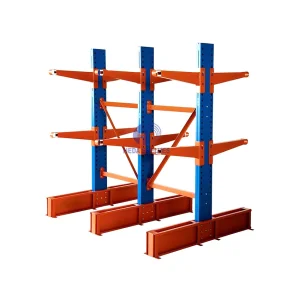
Our senior structural engineers carry out comprehensive structural analysis tests simulating realistic conditions, including seismic movement, vertical static loading, and collision energy transfer. This rigorous design phase guarantees that our cantilever racks, selective pallet frames, and automated ASRS systems stay reliable through decades of temperature fluctuation.
Refrigerated storage systems are shifting toward full dark-room operations. Decreasing human foot traffic inside cold stores reduces heat influx and limits condensation, cutting energy costs. Integrated 4-Way Radio Shuttle and ASRS architectures represent the peak of modern space optimization.
Advanced chemical coatings now incorporate self-healing nanoparticles. When micro-abrasions occur on the coating surface during pallet movement, chemical chains interact with atmospheric humidity to reseal the barrier layer, blocking moisture from contacting the structural steel beneath.
Modern ESG targets demand low-carbon supply chains. We are transitioning toward high-strength lightweight micro-alloyed steel. These materials lower weight profiles by 15% without sacrificing vertical load capacities, reducing shipping emissions and initial material cost inputs.
Integrating IoT load cell transmitters and micro-strain gauges within critical upright frames allows real-time load distribution tracking. This technology warns logistics operators of structural overloads or deflection changes long before failure risk develops.
Regular carbon structural steels experience carbon-martensite embrittlement at freezing temperatures, meaning they can fracture cleanly under sudden stress. Cold-room installations require special steel alloys like Q355B or Q235D. These alloys contain lower carbon and higher manganese, maintaining high elasticity and impact absorption down to -30°C.
We process all components through an intensive 9-stage pre-treatment wash consisting of Acid-washing and Parkerising. This removes microscopic oils and scales before applying a thick, oven-cured electrostatic epoxy-polyester powder coat. For highly humid areas, we recommend hot-dip galvanized finishes.
Radio Shuttle ASRS systems deliver the highest density by minimizing access aisles and maximizing vertical storage height. Drive-in systems also offer excellent density at a lower initial investment, though they limit warehouse throughput.
Our structural racking is engineered in strict compliance with key global structural norms, including European FEM 10.2.02 and EN 15512 specifications, as well as American RMI standards.
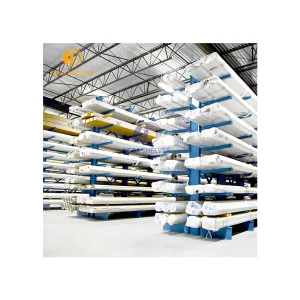
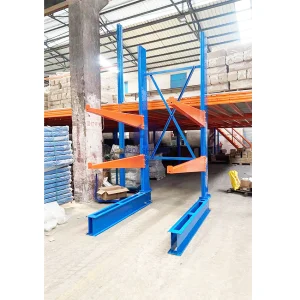
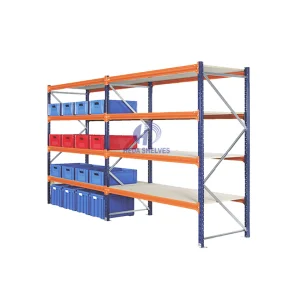
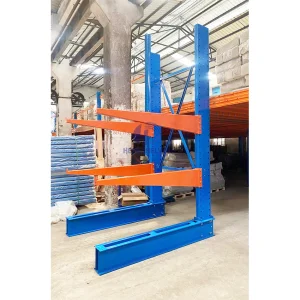
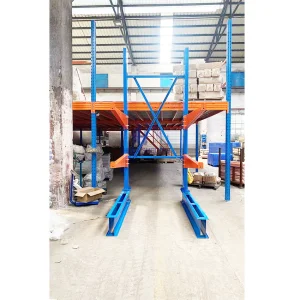
High-load industrial racks suited for long materials, piping, palletized freight, and heavy structural components in cold-room and standard environments.
 Hedaracking