Engineered for Maximum Load Distribution, Warehouse Safety, and Optimization
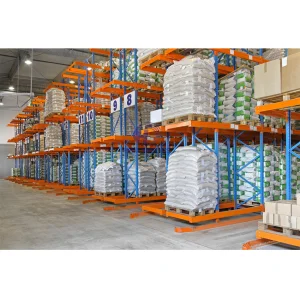
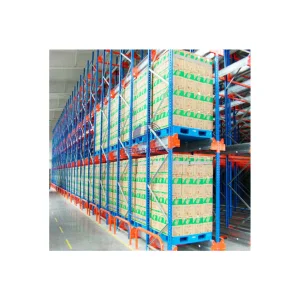
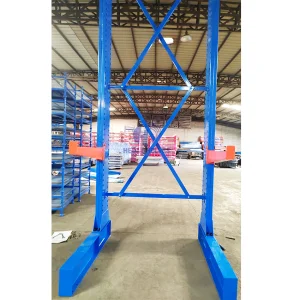
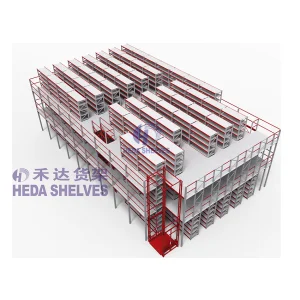
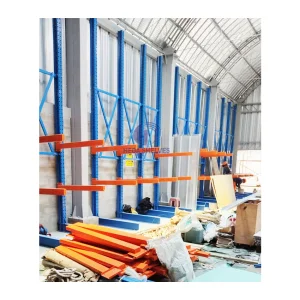
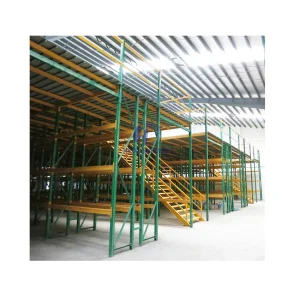
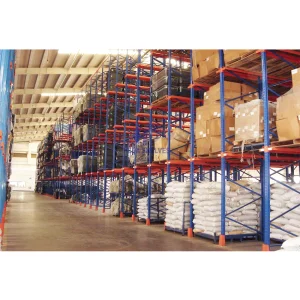
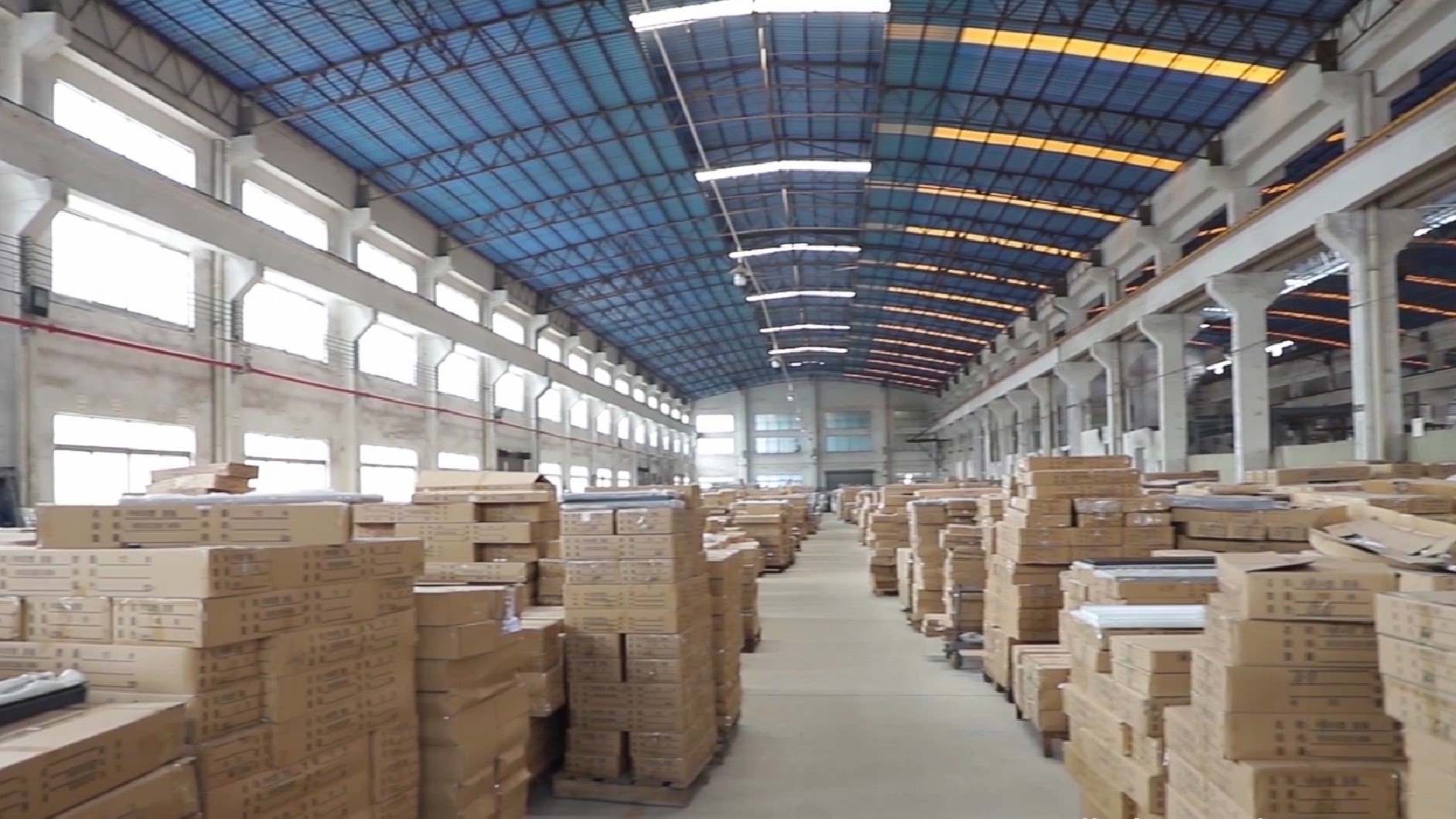
Established in 2014, Shenzhen Heda Warehouse Equipment Co., Ltd. is a premier manufacturer specializing in heavy-duty warehouse racking and industrial storage solutions. Our state-of-the-art enterprise integrates continuous R&D, structural design, automated production, and dedicated international marketing to serve diverse storage footprints worldwide.
Driven by continuous structural innovation, our technical group successfully designed and rolled out over 120 new dynamic storage systems and core component upgrades last year. Operating with a robust direct-factory model, Heda supplies leading global third-party logistics (3PL) centers, cold storage hubs, automotive spare parts warehouses, and heavy manufacturing units across North America, Western Europe, Southeast Asia, and the Middle East.
Modern warehousing requires optimizing spatial volume while complying with stringent regional safety standard frameworks. High land costs dictate height expansion, which puts extreme demand on the material selection and engineering compliance of structural steel systems.
Heda overcomes these variables by configuring specific roll-formed profiles and structural beams using superior structural grade steels. This ensures high structural stability and maximum load capacity, even under intense cycle frequencies or in highly seismically active regions.
How We Guarantee Structural Reliability and Lifespan of Heavy-Duty Systems
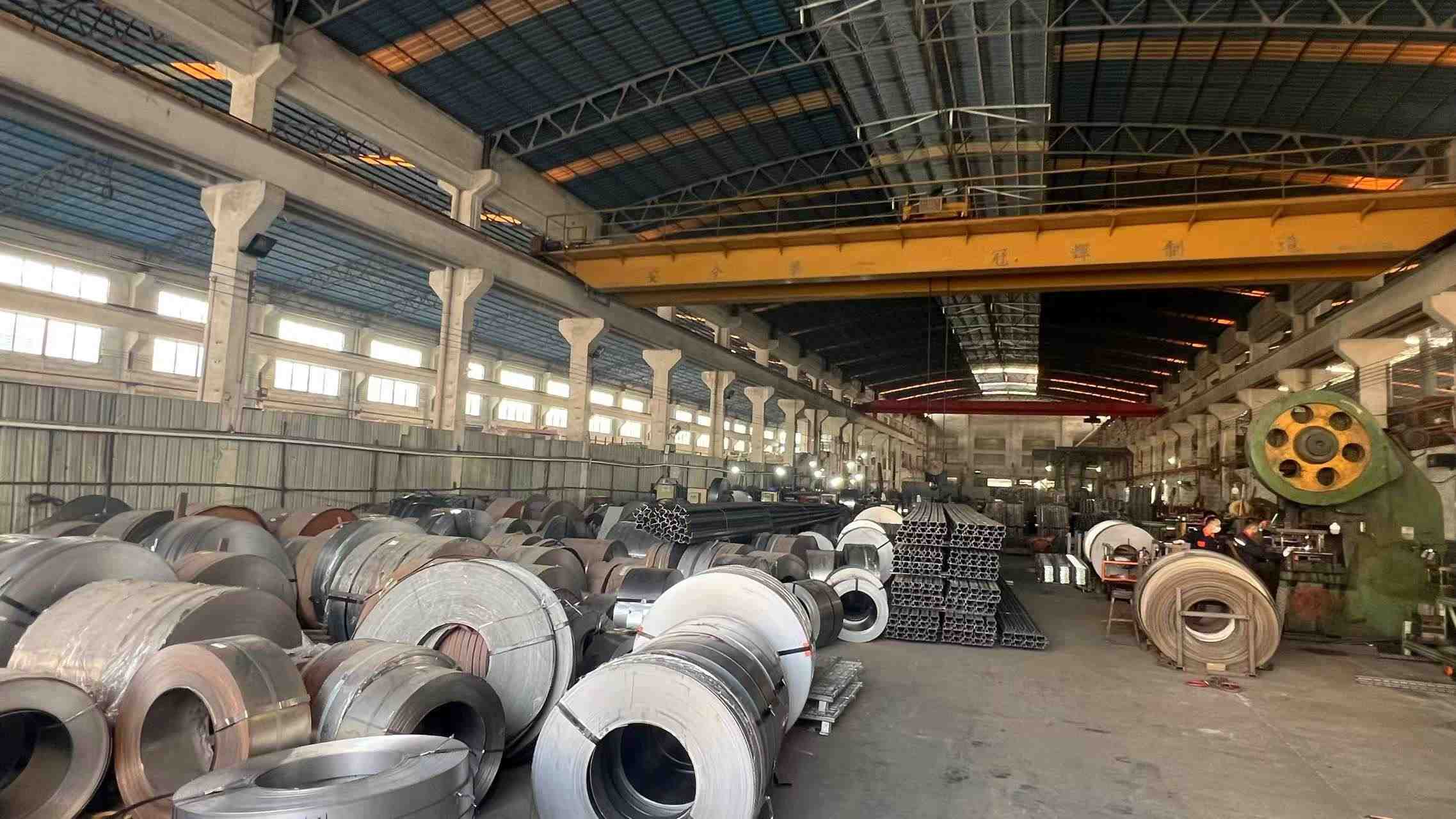
The acceleration of global e-commerce, combined with modern just-in-time (JIT) delivery systems, has transformed how warehouses operate. Storage density is no longer just a metric; it directly impacts overall operational efficiency and real estate costs. When global enterprise procurement teams evaluate factories, they analyze physical steel components, structural compliance, seismic capacity, and supply chain resiliency.
Today's procurement strategies favor manufacturers that offer end-to-end design-to-deployment support. This includes customized product development, rapid prototyping, load testing, and compliance documentation. By sourcing from a direct manufacturer with a verified global export record, enterprise purchasers can reduce middleman markup fees, establish reliable supply lines, and secure system warranties that protect capital expenditures for decades.
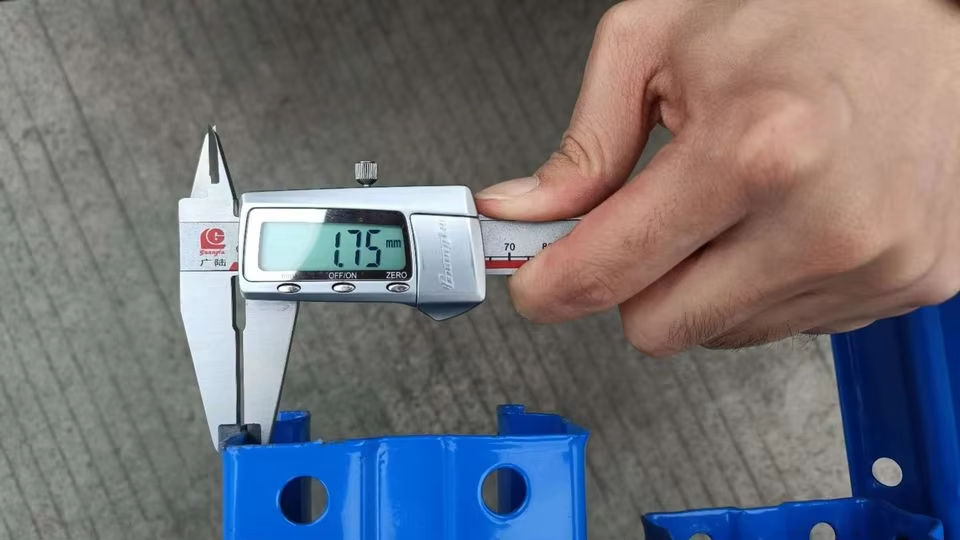
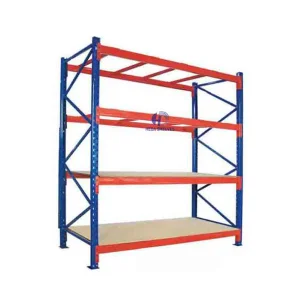
Structural reliability in warehousing systems depends directly on steel grades, forming technology, and post-production processing. Most heavy-duty pallet racks are fabricated from high-grade structural carbon steel, such as Q235B or Q355B (equivalent to ASTM A36 and ASTM A572 Grade 50). These materials offer the optimal yield strength required to support loads of up to 4,000 kg per level.
| Steel Grade | Yield Strength (MPa) | Tensile Strength (MPa) | Primary Industrial Use Case |
|---|---|---|---|
| Q235B / ASTM A36 | ≥ 235 | 370 - 500 | Standard Pallet Racking, Uprights, Light Beams, Mezzanine Decking |
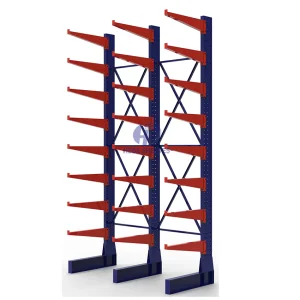
| Q355B / ASTM A572 Gr. 50 | ≥ 355 | 470 - 630 | High-load Beams, Heavy Cantilever arms, Seismic-resistant Framing |
| SPCC (Cold Rolled) | ≥ 210 | ≥ 270 | High-precision accessories, safety lock pins, connector plates |
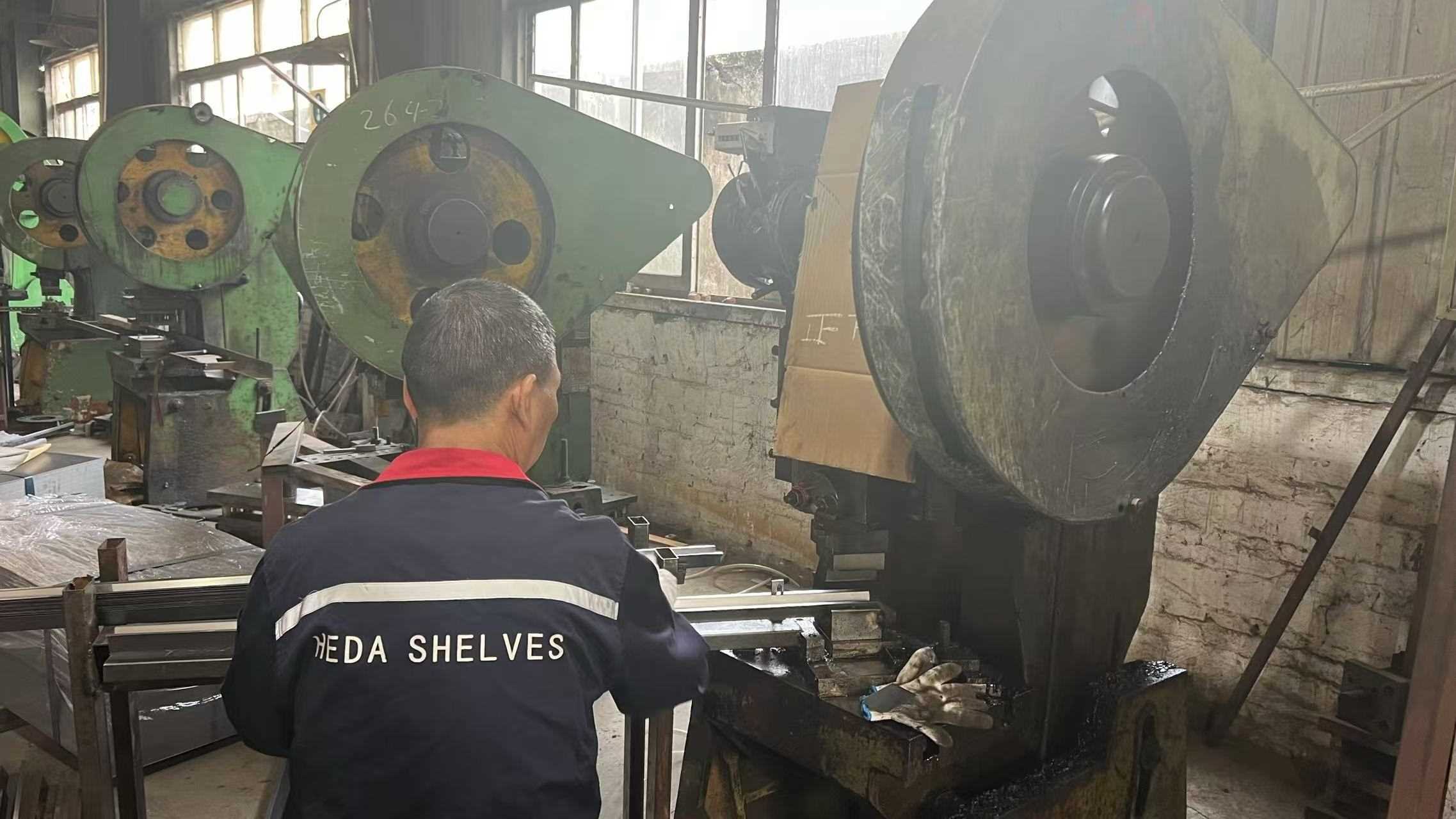
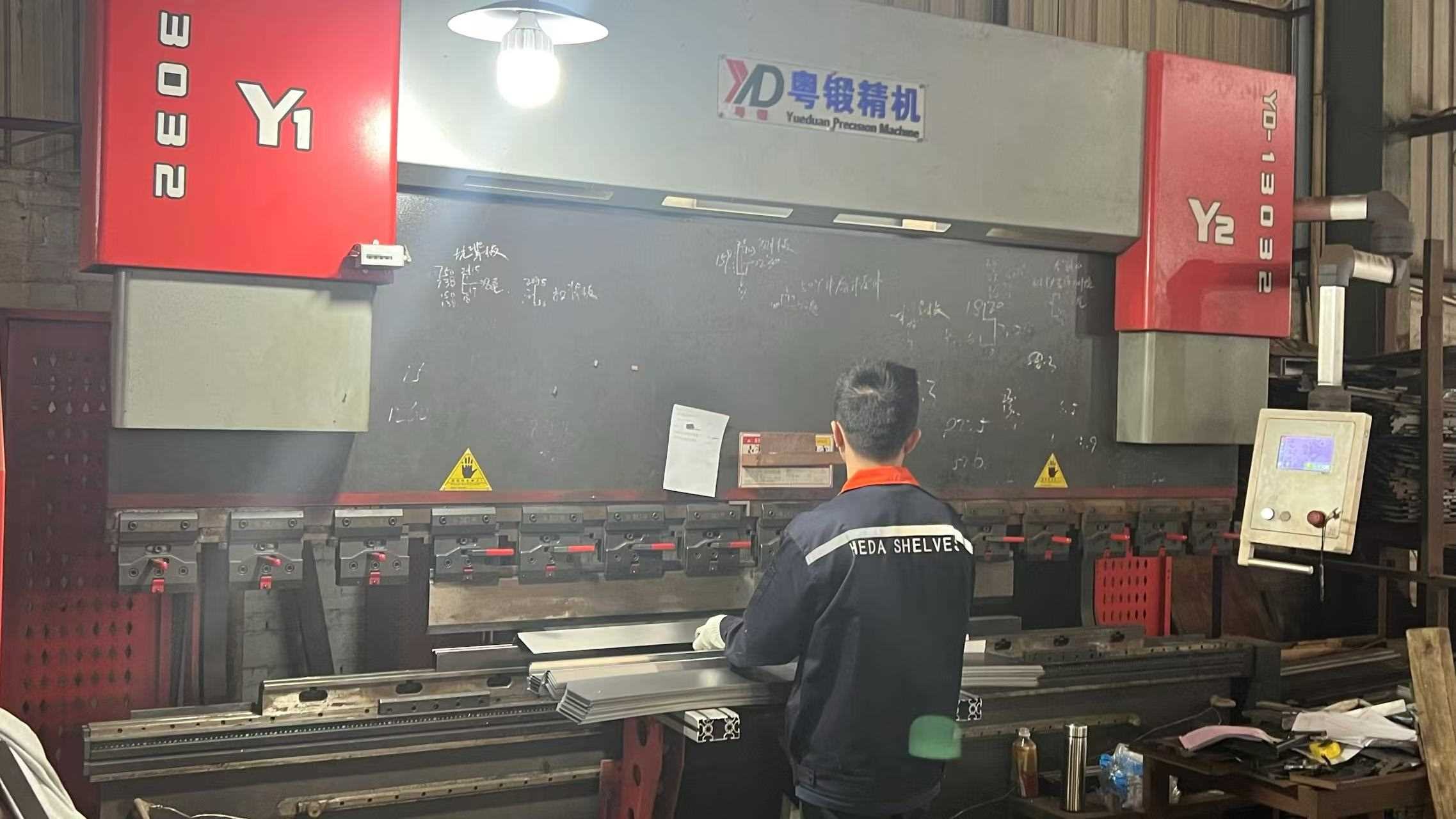
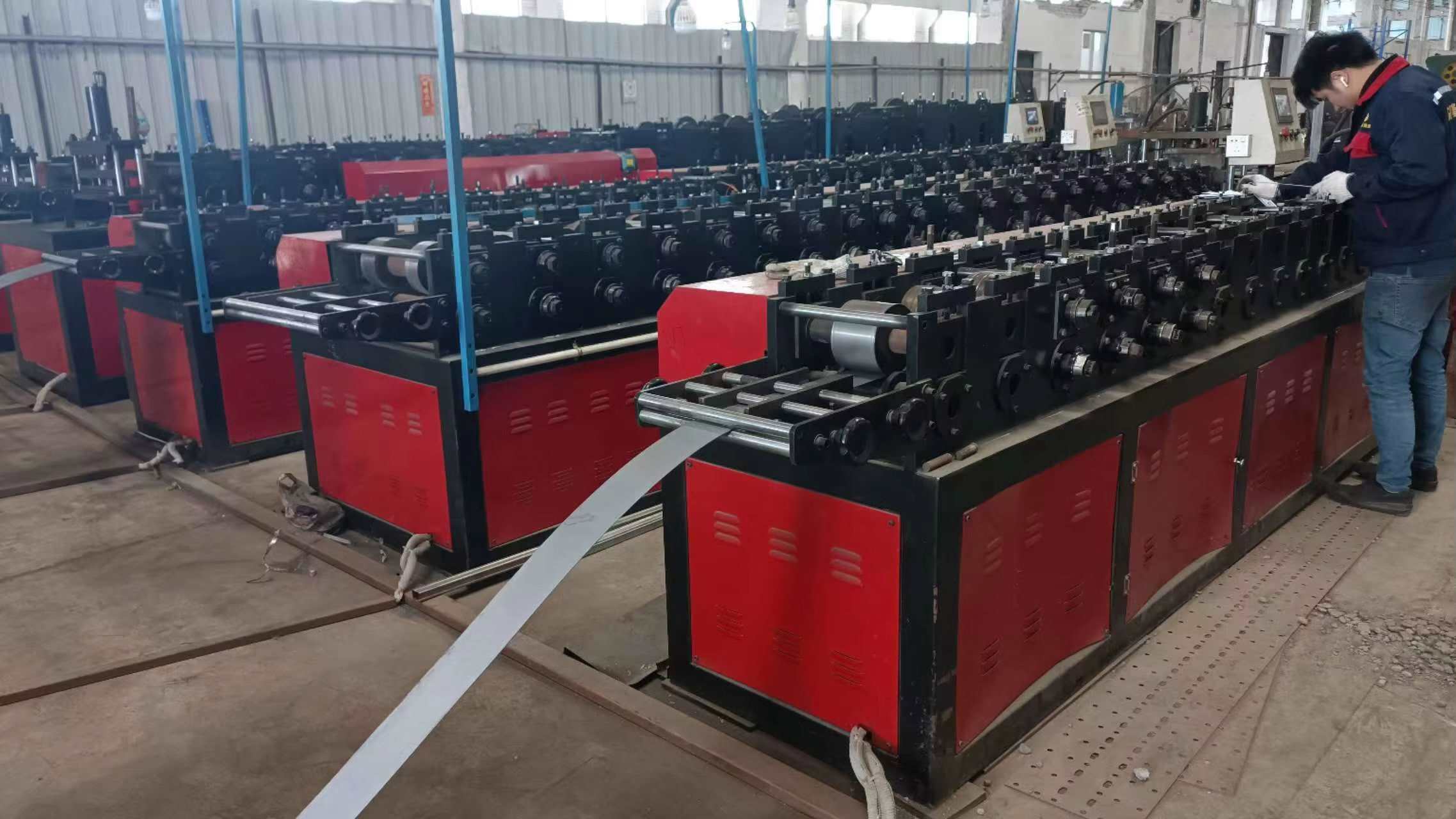
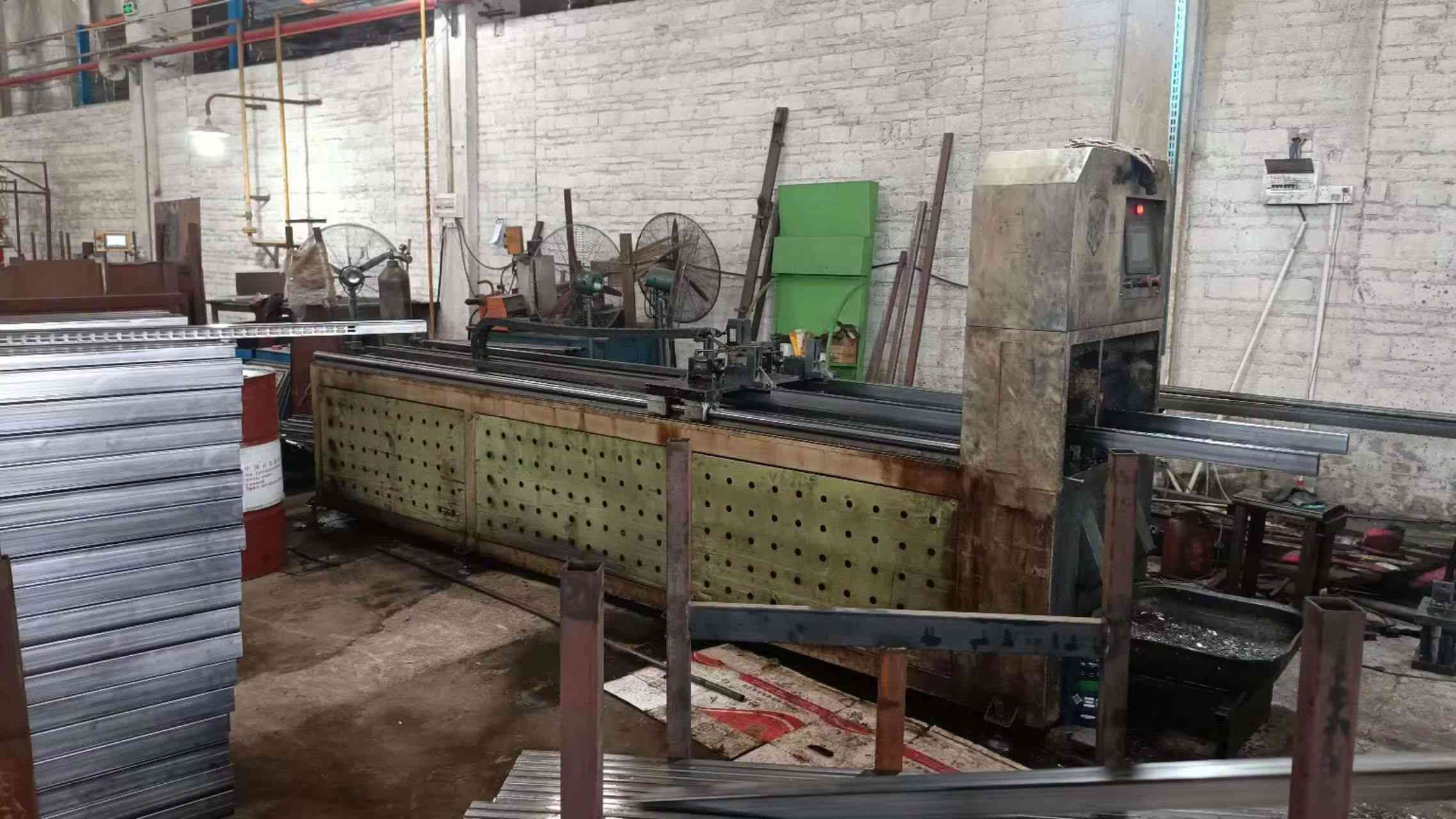
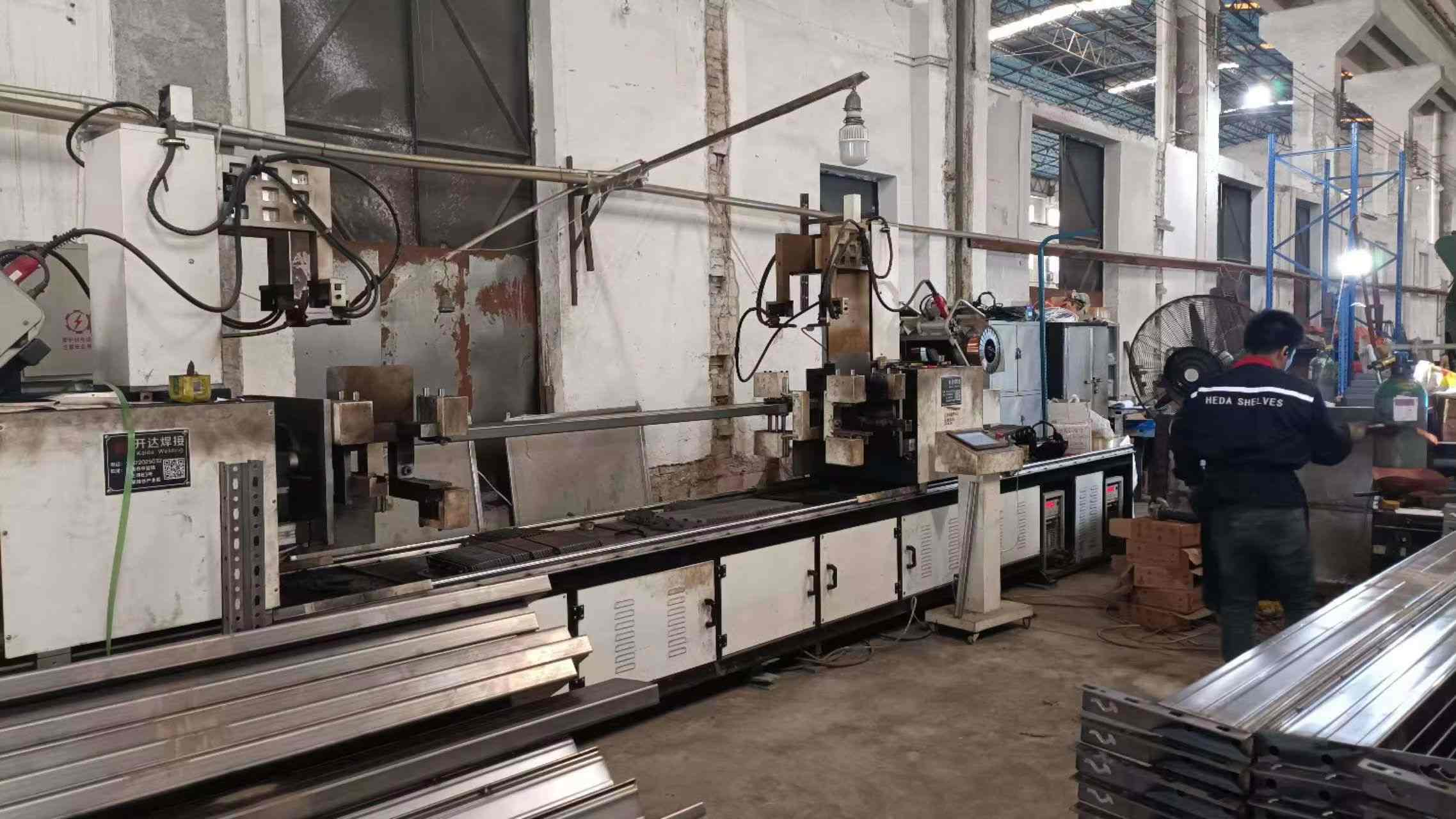
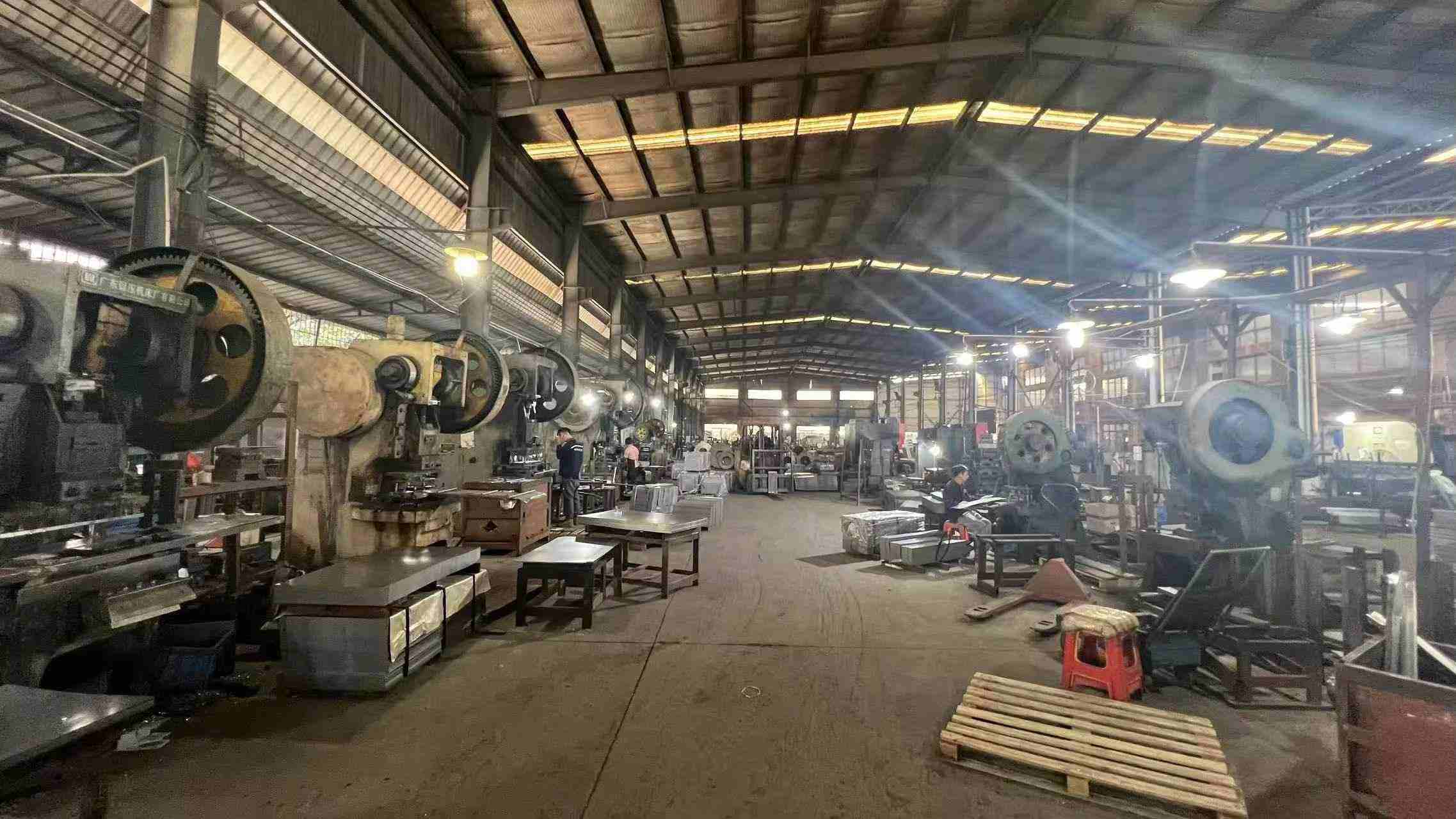
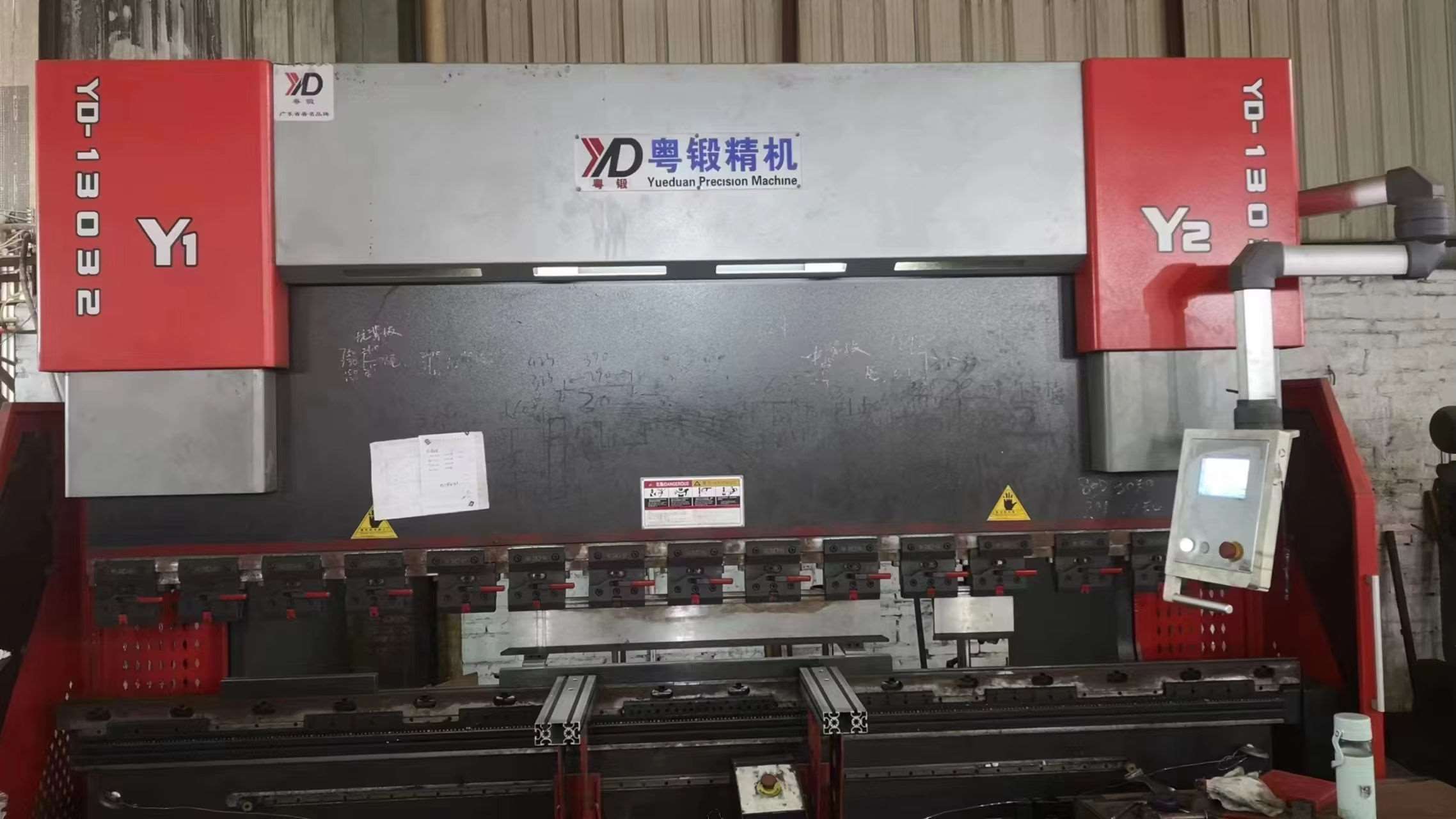
During upright roll-forming, a single sheet of steel passes through sequence rollers to shape the profile. This work-hardens the material and increases its load-bearing capacity. Choosing a manufacturer that utilizes high-precision CNC punch presses ensures that pitch intervals (commonly 50mm or 75mm) remain consistent. Consistent pitch intervals prevent alignment issues during assembly and ensure even load distribution across beam connections.
Standard storage systems are rarely suitable for complex industrial environments. Different industries require customized solutions to optimize throughput and safety:
Industrial storage is evolving beyond static steel frames. The future of warehousing lies in integrating structural engineering with real-time operational technology:
Integration with ASRS (Automated Storage & Retrieval Systems): Automated systems utilize stacker cranes, high-speed elevators, and automated guided vehicles (AGVs). These applications require high structural tolerance profiles. Upright vertical deviation must not exceed 1/1000 of the total building height, requiring tight manufacturing tolerances and precise installation.
IoT Structural Health Monitoring: Next-generation rack columns are beginning to incorporate micro-sensor arrays. These sensors monitor load changes, frame alignment, and impact stress. By providing early warnings of structural overload or forklift collision damage, they prevent structural failures before they happen.
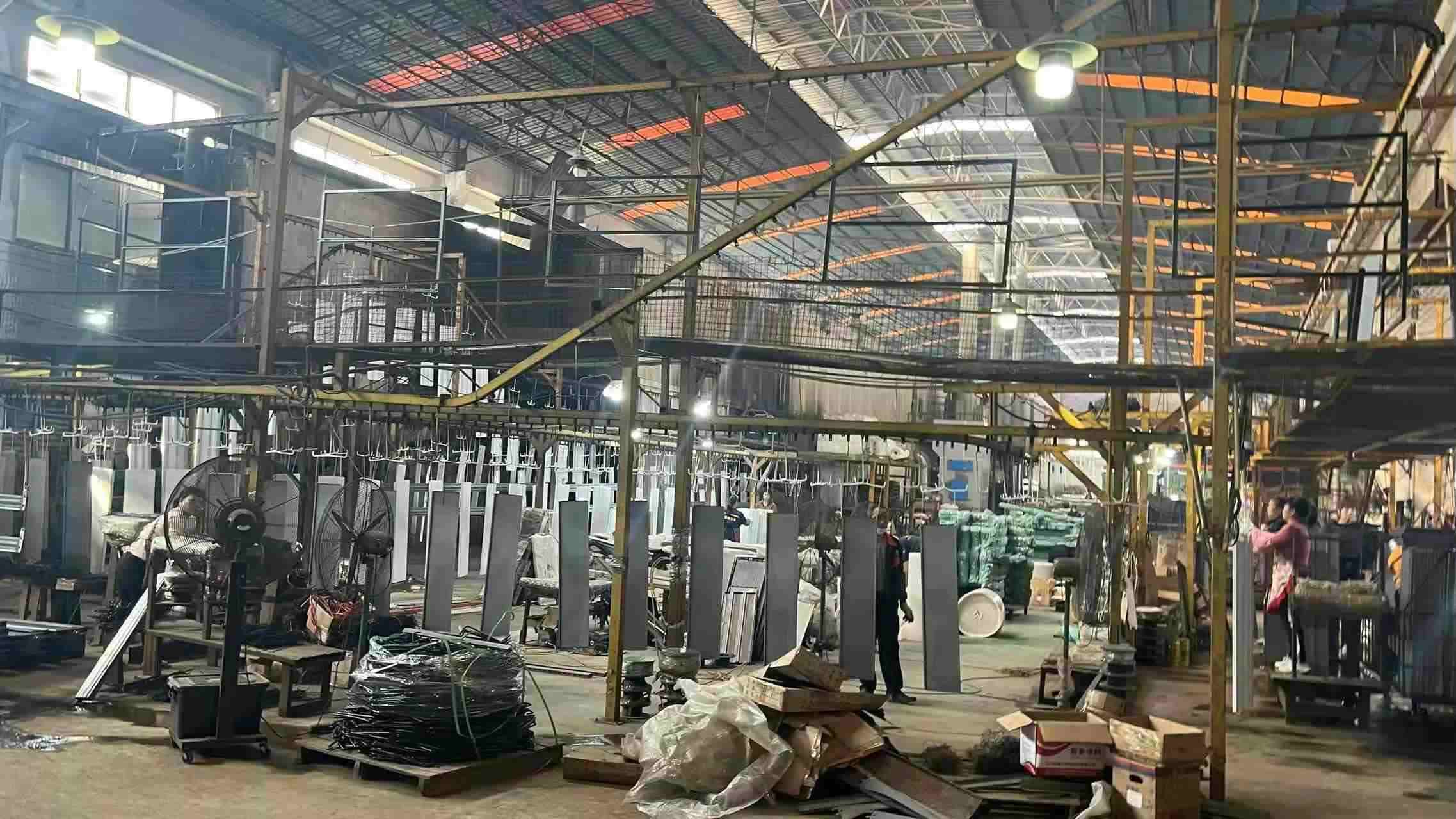
Eco-Friendly Powder Coatings: Modern powder coating processes are shifting toward zero-VOC, epoxy-polyester coatings. These eco-friendly coatings provide excellent scratch resistance and prevent toxic outgassing, even when subjected to intense warehouse wear-and-tear.
Structural failures in warehousing present serious safety risks to personnel and inventory. Heda mitigates these risks through a comprehensive Quality Control framework overseen by 45 QA inspectors:
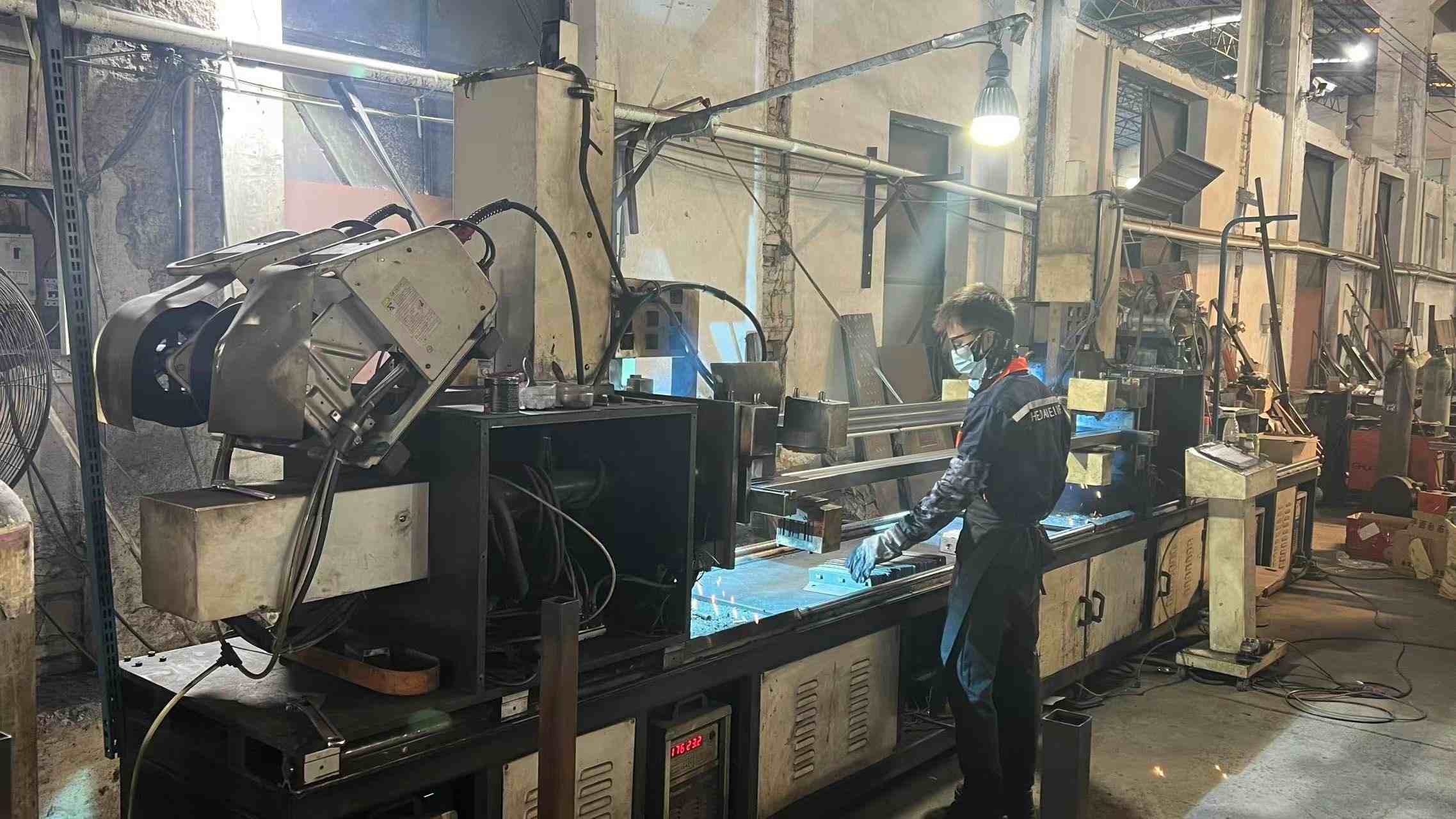
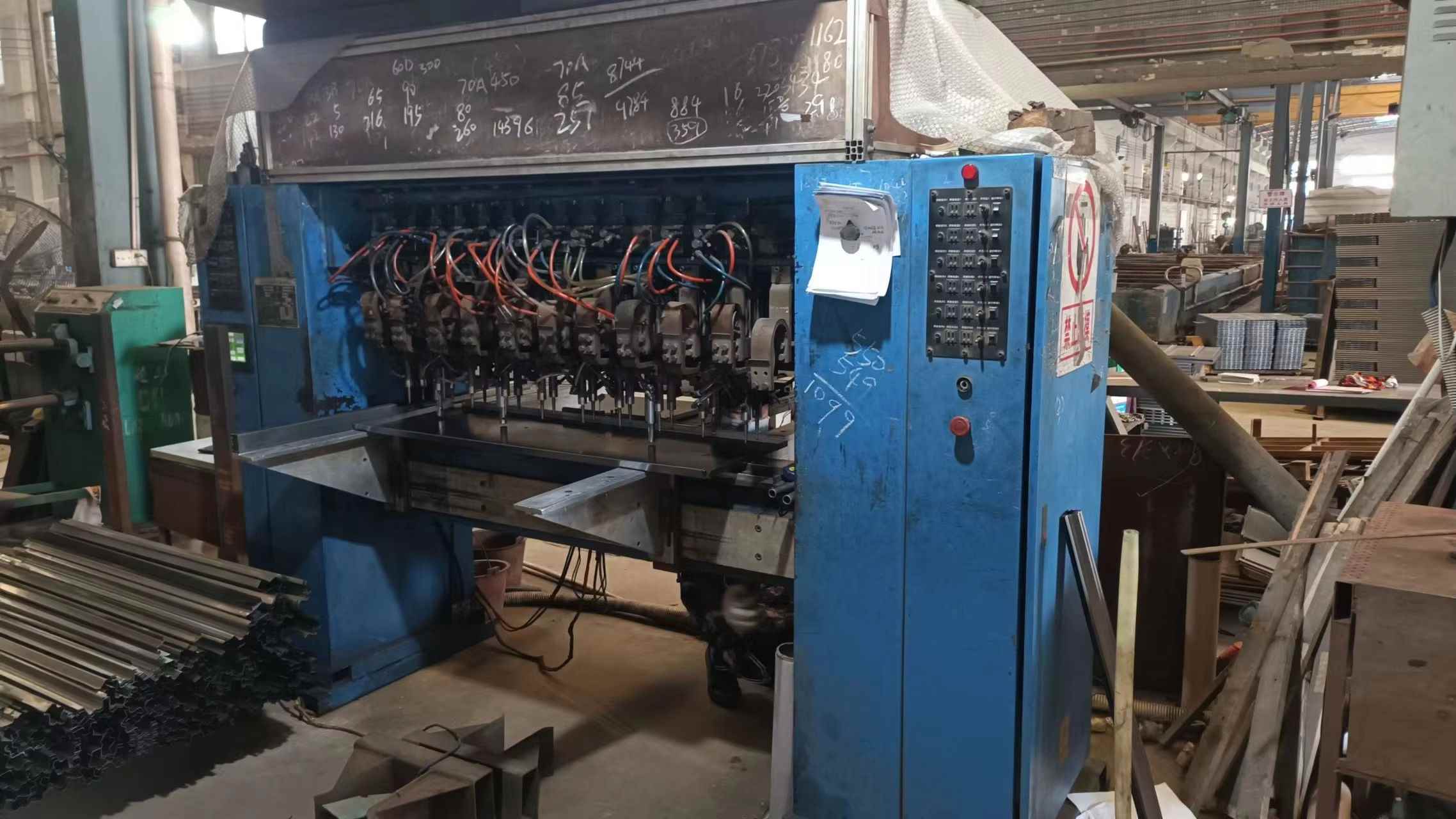
The process begins with raw material verification, analyzing carbon equivalents and grain size distribution. During production, weld integrity is checked using automated non-destructive testing (NDT) to identify weld defects. Completed components are then subjected to layer load-bearing stress tests, simulating extreme load conditions with a safety factor of 1.5 times the rated load capacity.
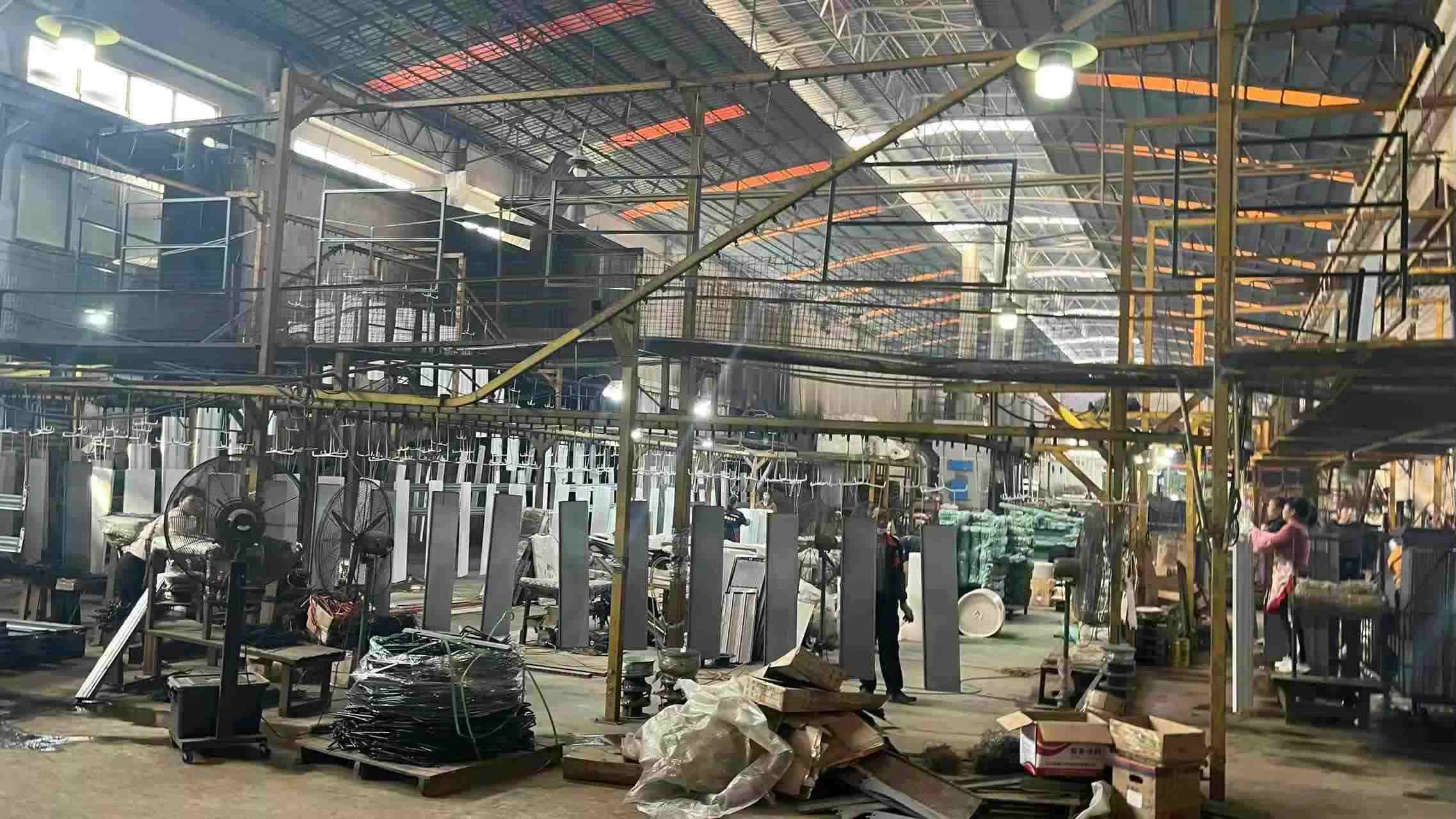
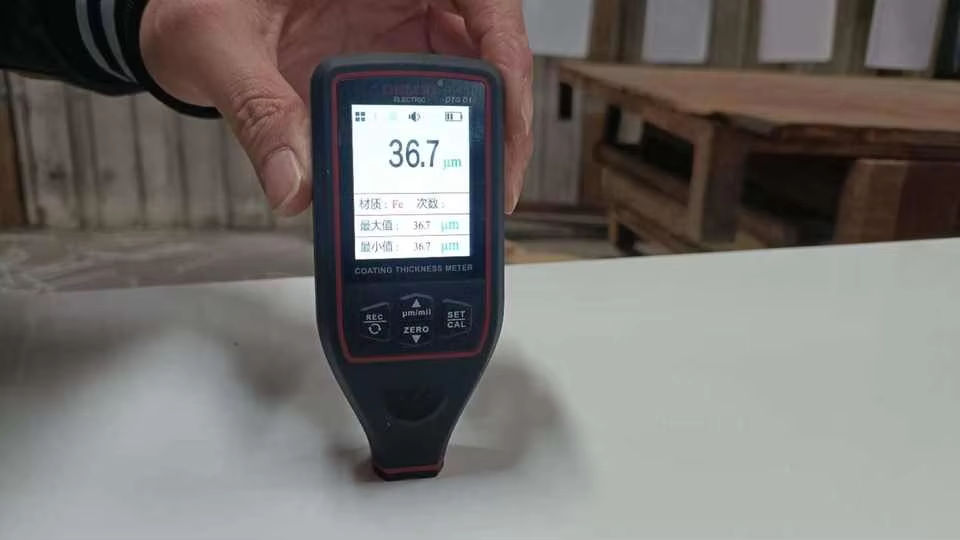
Finally, parts undergo salt spray testing (ASTM B117) to confirm the durability of the surface finish against rust and corrosion. Every production batch is fully documented, ensuring complete traceability from the raw steel mill batch to the final site installation.
Answers to Common Technical Questions from Procurement Engineers and Warehouse Managers
Roll-formed racking uses cold-rolled coil steel shaped into custom upright and beam profiles. This method is cost-effective, versatile, and easy to adjust. Structural racking is made from hot-rolled structural channel steel. It is highly resistant to forklift impacts and suited for heavy-duty applications or cold storage environments.
Warehouses in seismic areas must utilize reinforced steel structures. This includes wider and thicker footplates, heavy-duty floor anchor bolts, and specialized horizontal and diagonal bracing. Structural engineers compute dynamic earth movement forces using RMI (Rack Manufacturers Institute) or EN 15512 frameworks. This analysis determines maximum safe storage heights and loading capacities for seismically active regions.
Modern racking standards like FEM 10.2.02 and RMI MH16.1 recommend a structural safety factor of 1.5 for materials. This means components are engineered to withstand 1.5 times their rated load limit. The safety margin prevents collapse during minor loading imbalances or low-speed equipment impacts.
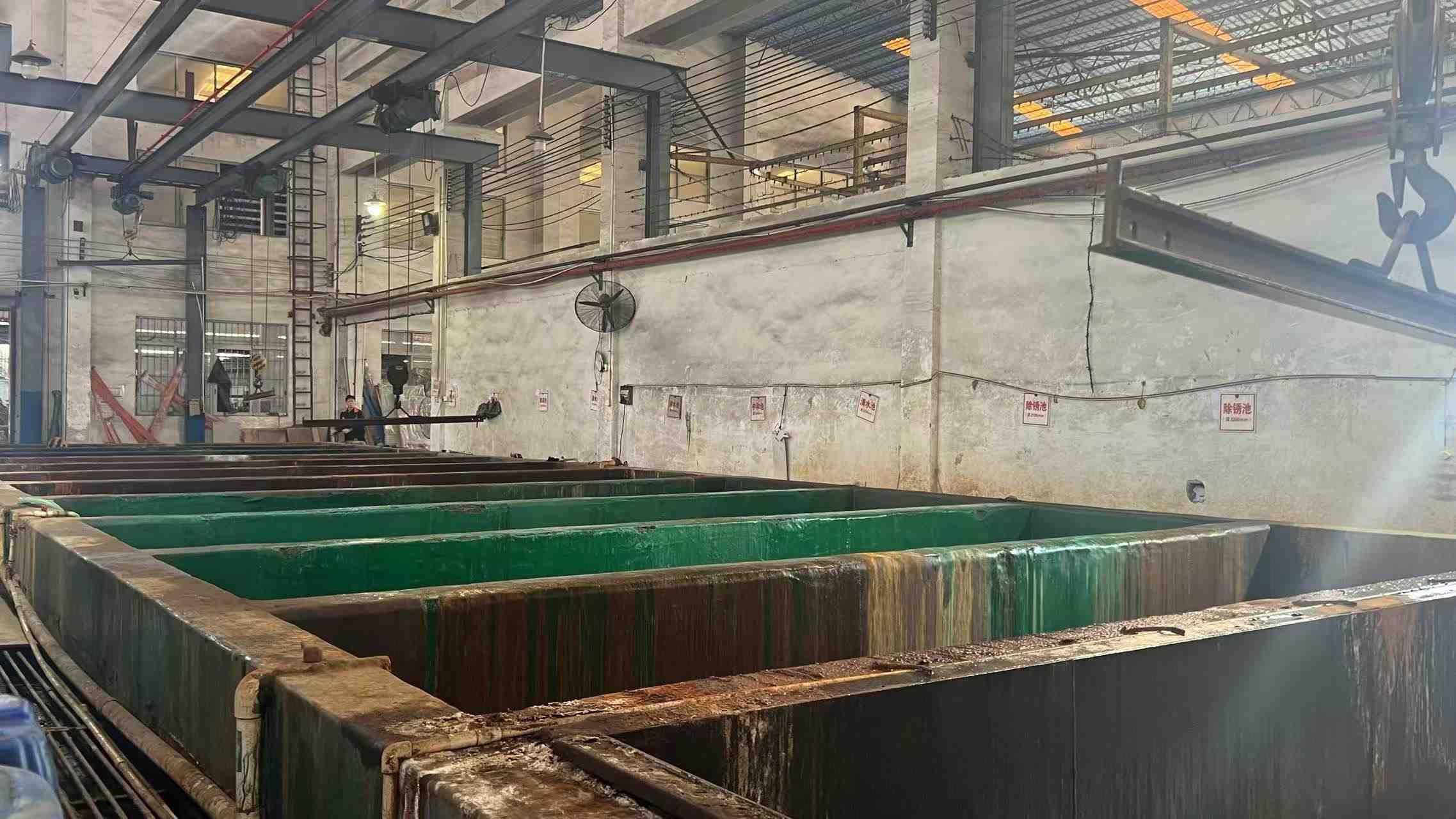
Acid-washing removes mill scale, surface oils, and rust from the raw steel. Parkerising creates a protective chemical phosphate layer on the clean steel. This layer provides a mechanical bond for the final powder coating, preventing moisture infiltration and stopping rust from spreading underneath the finish.
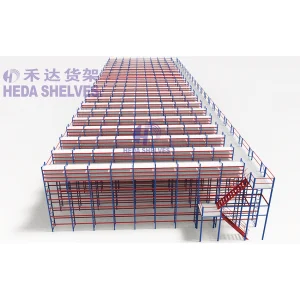
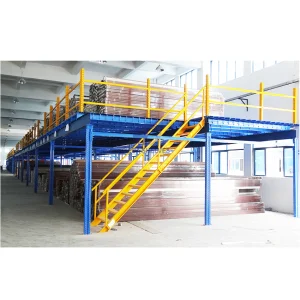
Heavy-duty mezzanine floor systems double or triple usable floor space by utilizing vertical height. This design avoids the construction costs of building extensions. They are self-supporting steel assemblies that can be reconfigured or expanded as warehousing needs change.
Premium Systems Designed to Handle Challenging Industrial Loads
 Hedaracking