High-performance structural configurations engineered for heavy pallet loads, long materials, and dense logistics.
Deciphering warehouse capacity strategies, material science, and safety standards for structural engineers.
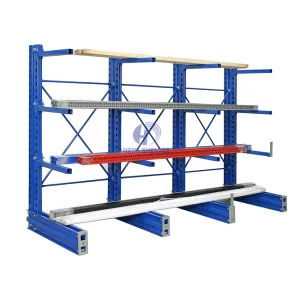
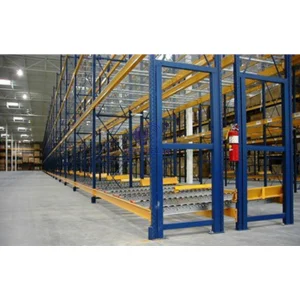
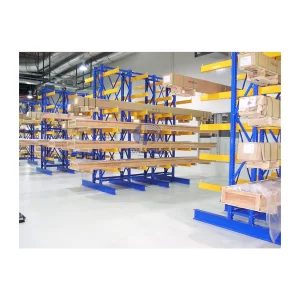
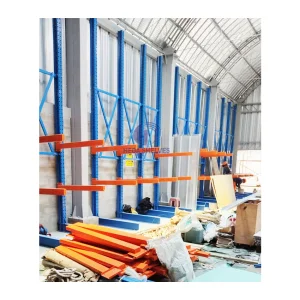
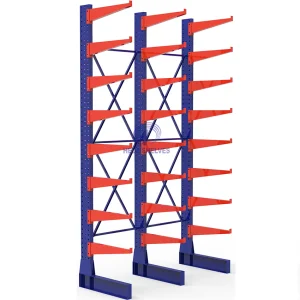
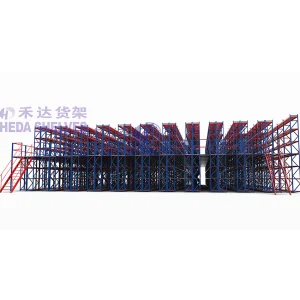
In modern supply chain architecture, structural flexibility is no longer a luxury—it is a core competitive driver. Mixed-use racks (often referred to as hybrid racking systems) integrate the structural characteristics of selective pallet racks, heavy-duty cantilever systems, and mezzanine floors into a singular, cohesive material handling platform. This architectural design addresses the challenge of storing highly variable SKU configurations: long structural profiles (e.g., metal pipes, lumber, steel beams) alongside standardized palletized loads within the same structural footprint.
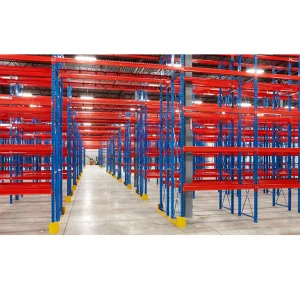
Historically, warehouse operators were forced to segregate storage areas. This led to underutilized vertical height and increased transit times for forklift operators. By configuring specialized uprights, adjustable arms, and heavy-duty steel shelves, modern manufacturing plants and third-party logistics (3PL) providers can achieve superior space optimization. These systems utilize high-tensile cold-rolled steel, engineered to handle dynamic loads ranging from 1,000kg to over 3,000kg per level.
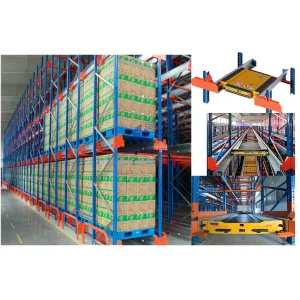
Information Gain Metric: Traditional selective racking offers roughly 40-50% cubic volume utilization. When combined into a modular mixed-use layout utilizing cantilever arms and automated shuttle integration (ASRS), volumetric efficiency increases by up to 75%, while handling cycle times decrease by 30%.
Procuring storage racking on a global scale requires detailed knowledge of structural engineering compliance, raw material volatility, and localized seismic codes. B2B enterprise procurement officers prioritize systems that mitigate structural risks while maximizing operational ROI. The key procurement considerations include:
| Racking Technology | Typical Load Limits | Ideal Application Verticals | Seismic Adaptability |
|---|---|---|---|
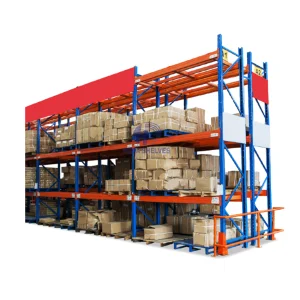
| Heavy Duty Pallet Racks | 1,000kg - 4,000kg / level | General Warehousing, Retail, 3PL Centers | High (with customized baseplates & bracing) |
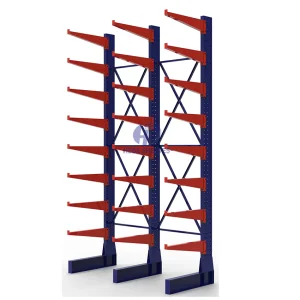
| Industrial Cantilever Racks | 500kg - 2,500kg / arm | Steel Beams, Metal Pipes, Lumber Storage | Medium to High (requires vertical column bracing) |
| Mezzanine Floor Platforms | 300kg - 1,500kg / m² | Multi-Level E-Commerce Fulfillment, Parts Storage | High (requires independent structural columns) |
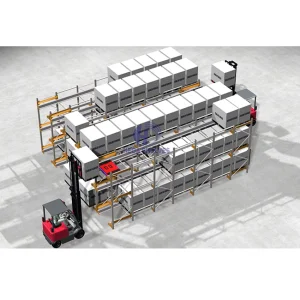
| 4-Way Shuttle ASRS | 1,000kg - 1,500kg / unit | High-Density Automated Cold Chain, FMCG | Excellent (integrated rack-supported structures) |
Industrial storage solutions must align with the operational flow of specific vertical markets. Standardizing on a single racking type often limits performance in dynamic business environments.
Third-party logistics providers handle diverse inventory types daily. High-capacity pallet systems combined with adjustable cantilever segments allow quick reconfigurations to match shifting client requirements, ensuring minimal downtime.
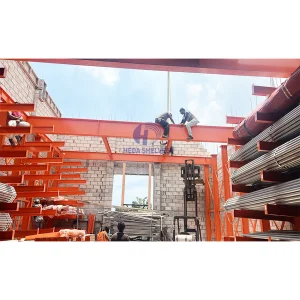
Industrial operations storing steel plates, machined shafts, and raw castings require high load capacities. Hybrid rack installations combine pallet bays with cantilever modules, ensuring safe handling with bridge cranes and heavy-duty lift trucks.
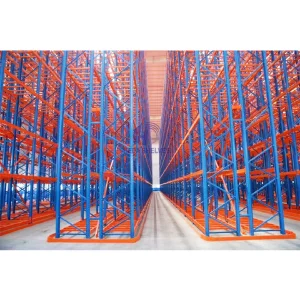
Cold chain facilities require space consolidation due to refrigeration energy costs. Drive-in and ASRS shuttle-guided racks maximize density, while hot-dip galvanized or specialized rust-resistant coatings prevent corrosion in sub-zero environments.
Analyzing the competitive landscape reveals key manufacturers capable of executing custom, large-scale industrial projects. These top-tier suppliers stand out based on their manufacturing footprints, quality control processes, and engineering certifications.
Spotlight on Shenzhen Heda: Leveraging 12 years of industry experience and 8 years of dedicated export expertise, Heda generates over $28 million in annual export revenue. Supported by 800+ supply chain partners, Heda delivers structural integrity, custom OEM/ODM solutions, and reliable safety margins across global markets.
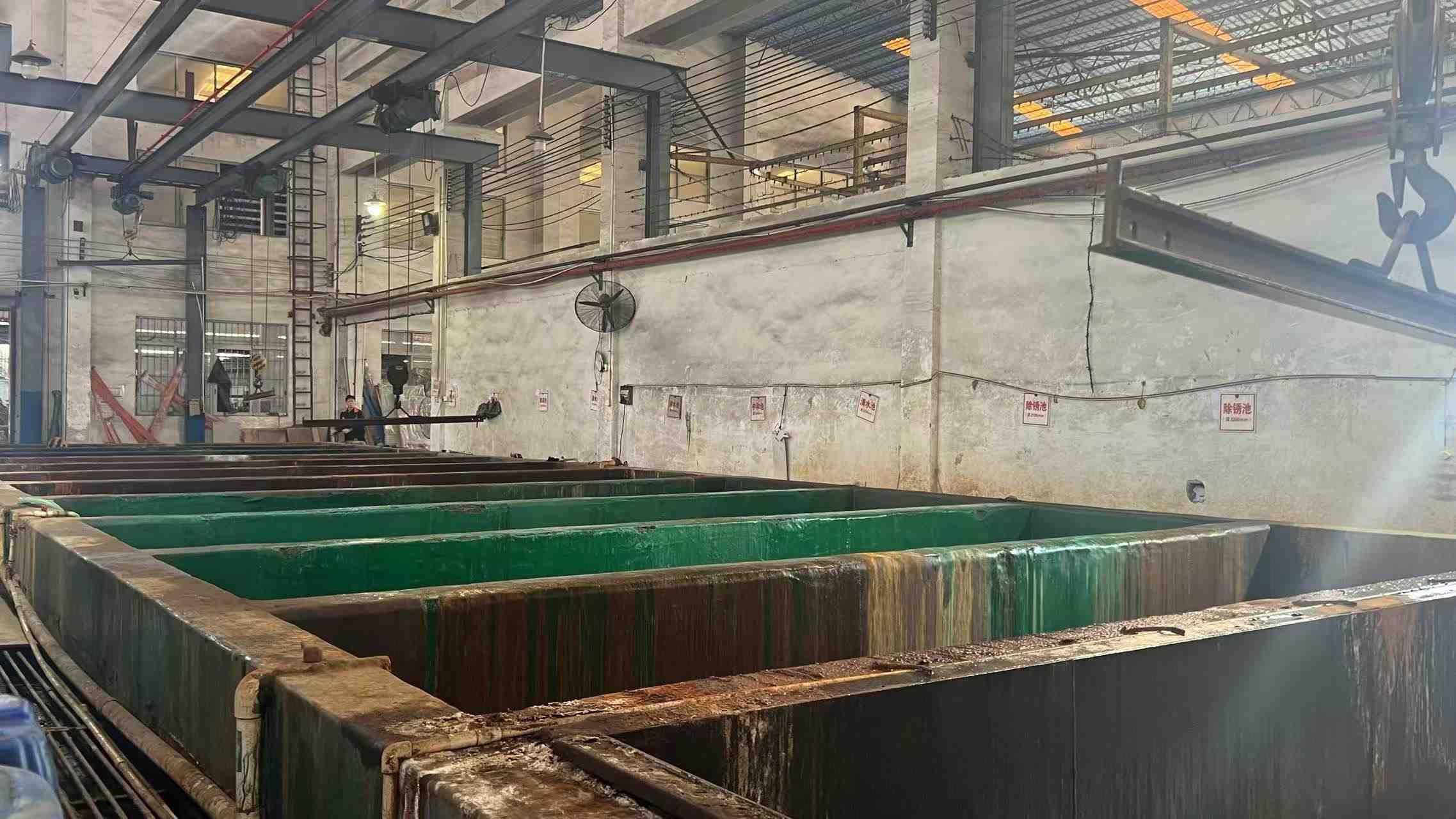
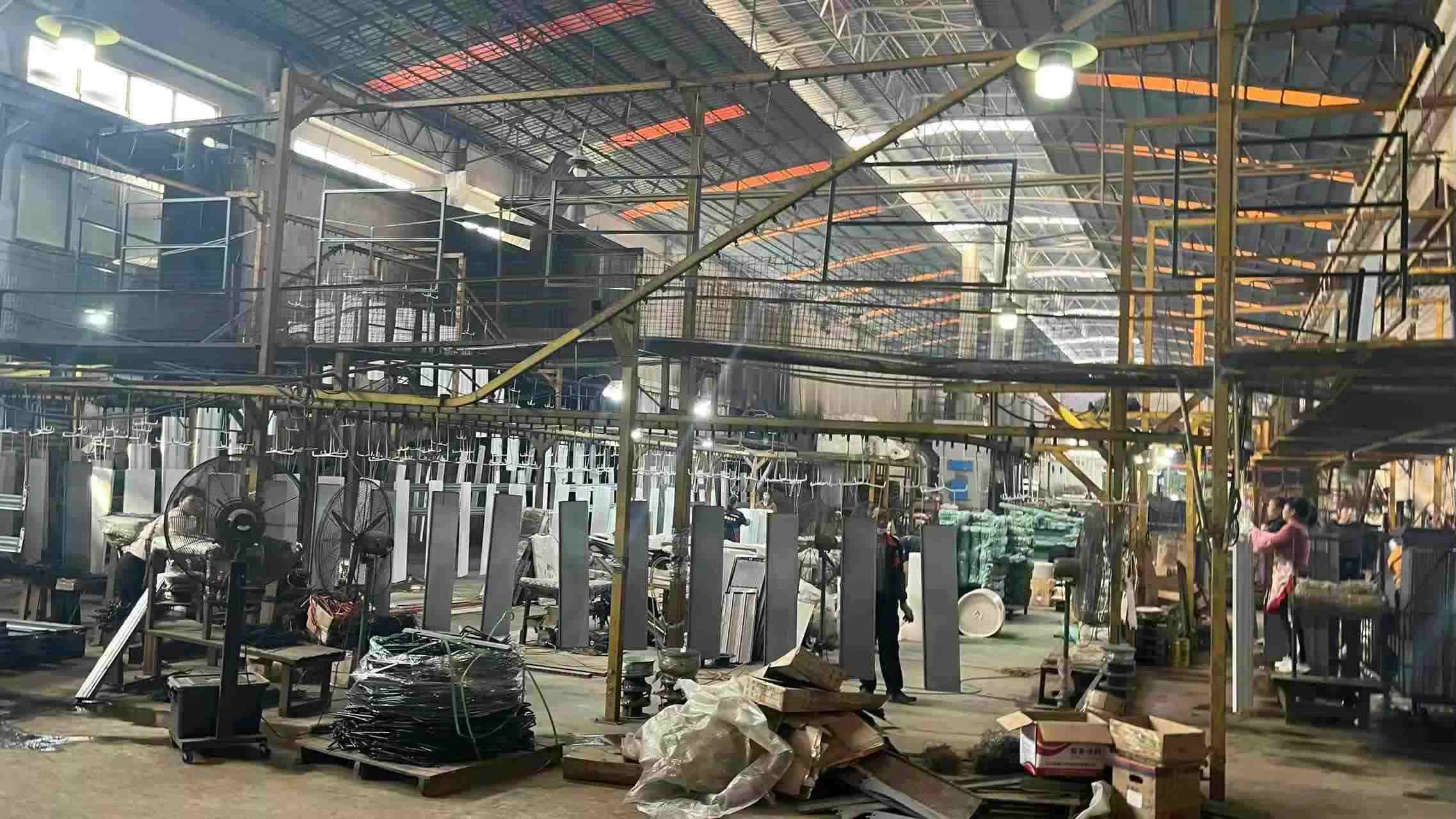
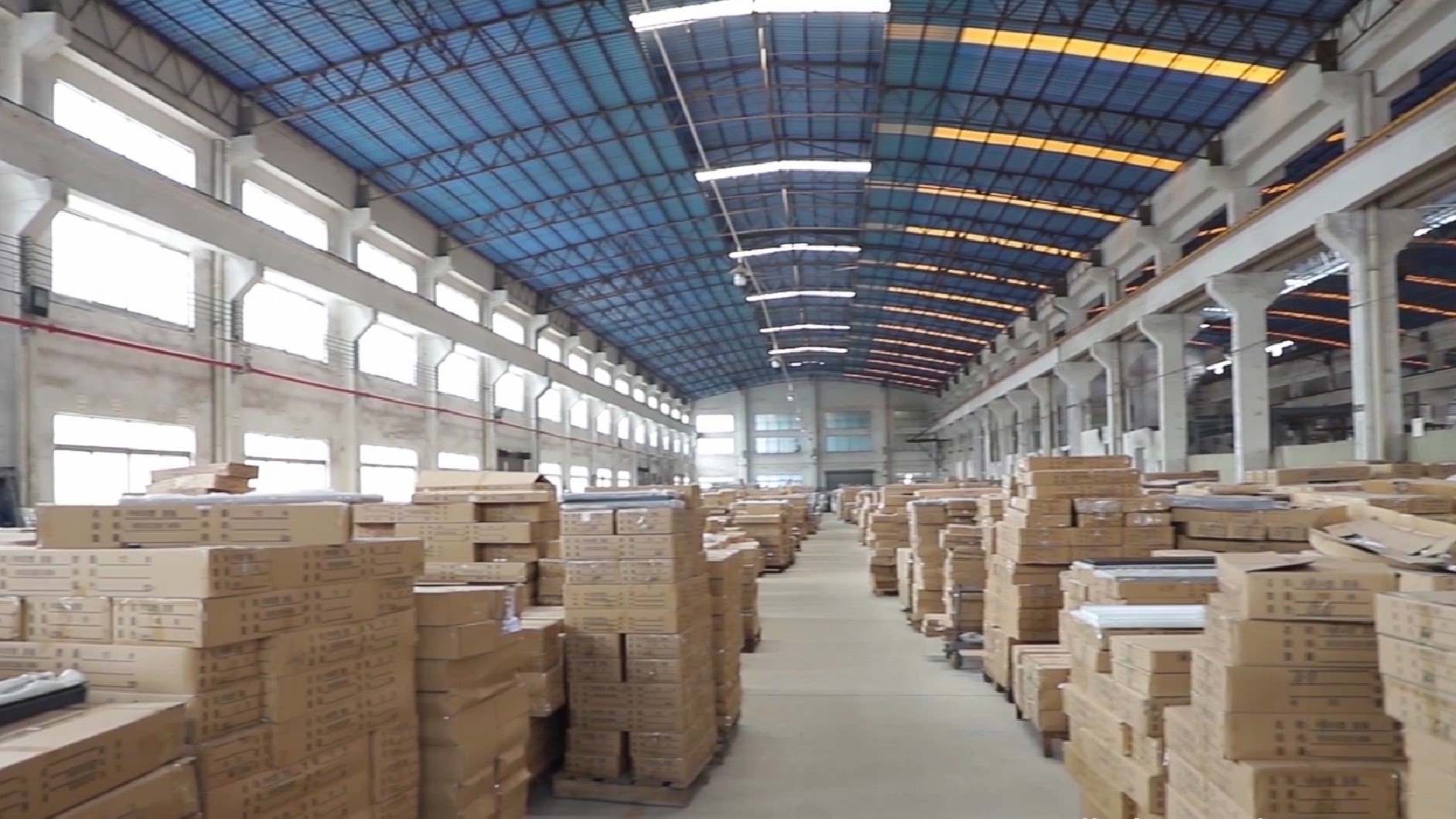
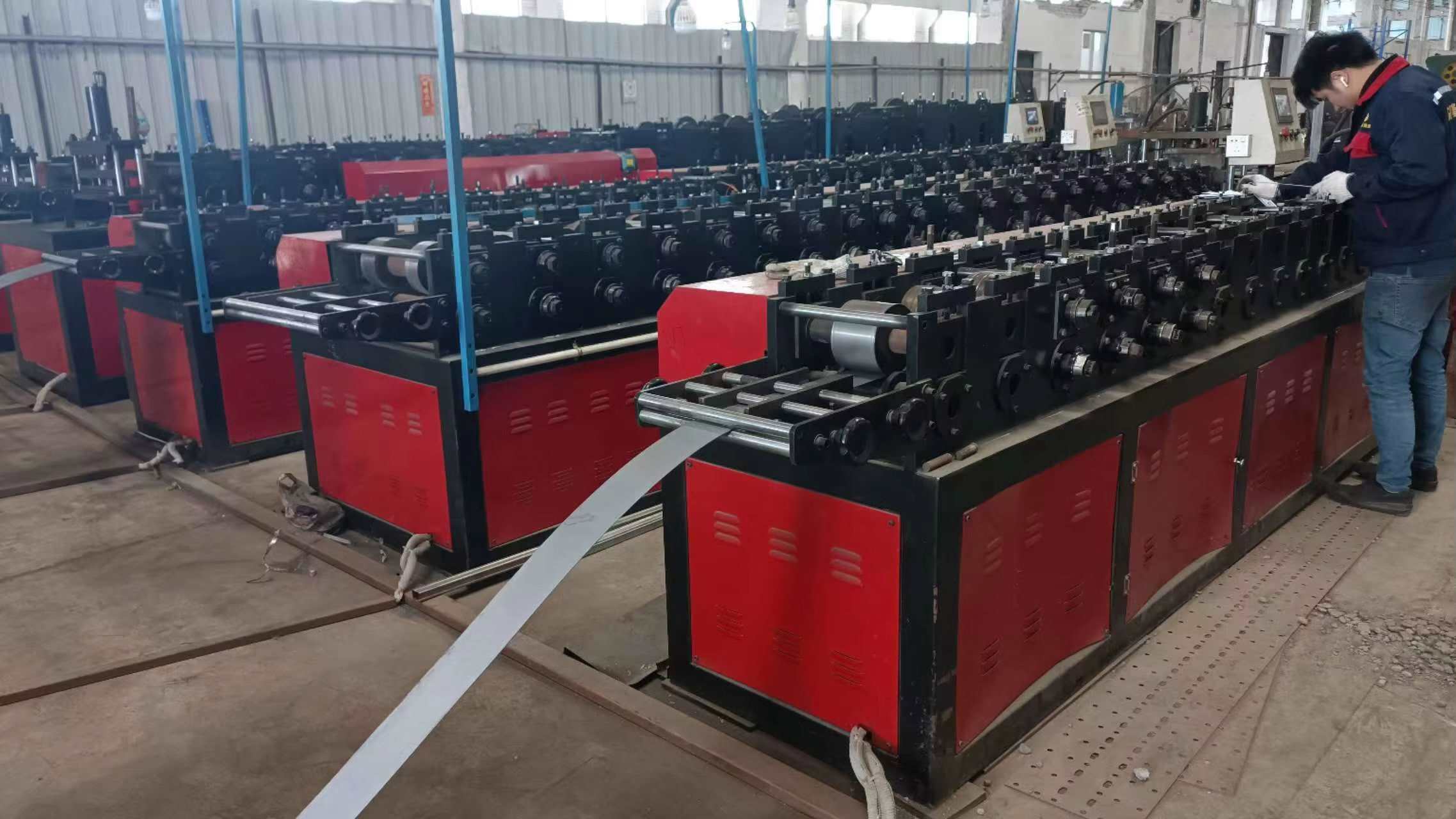
Operational quality is driven by engineering precision. Below is an overview of the manufacturing workflow at Heda's facility. It highlights the transformation of raw steel profiles into finished structural components:
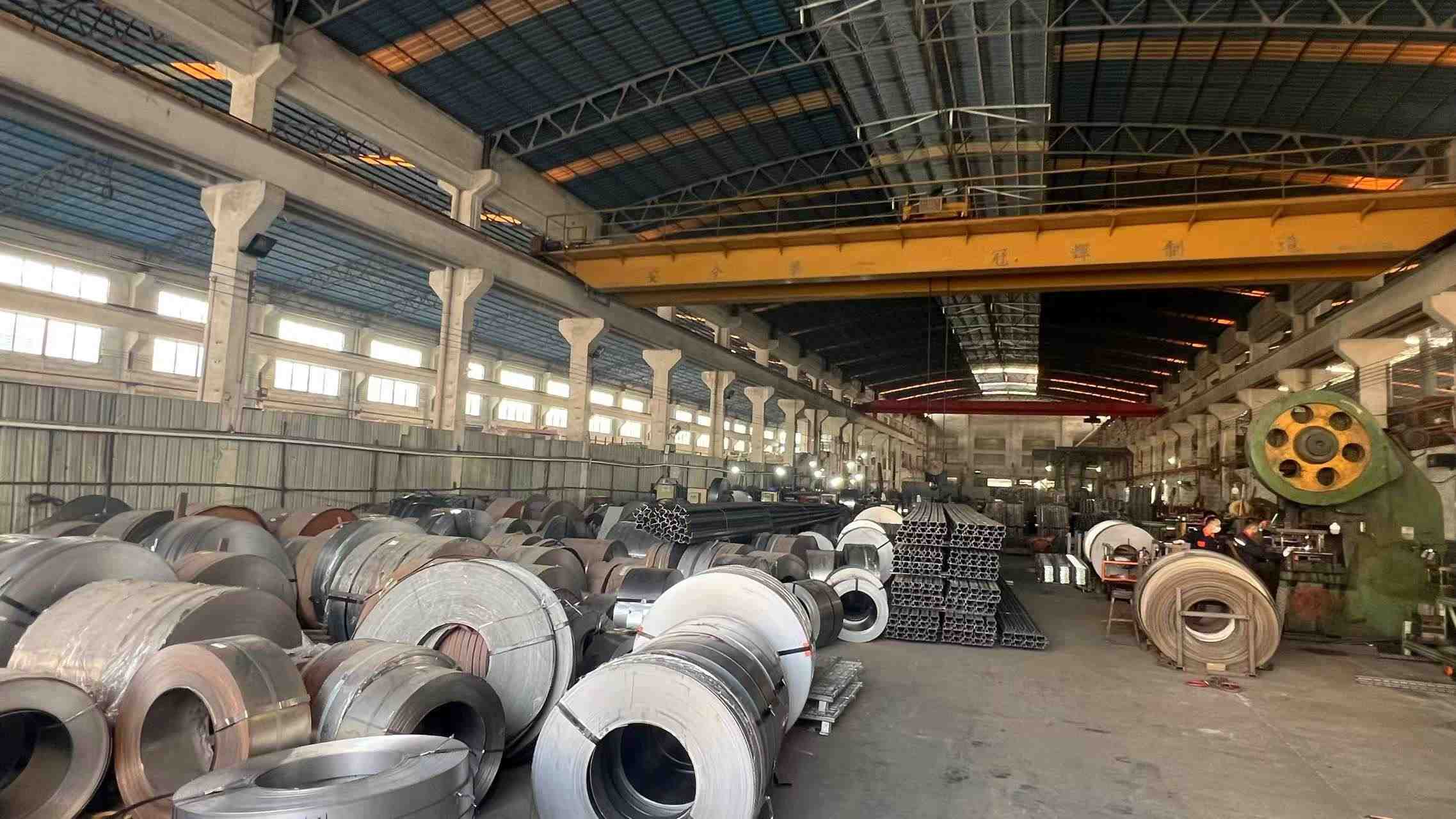
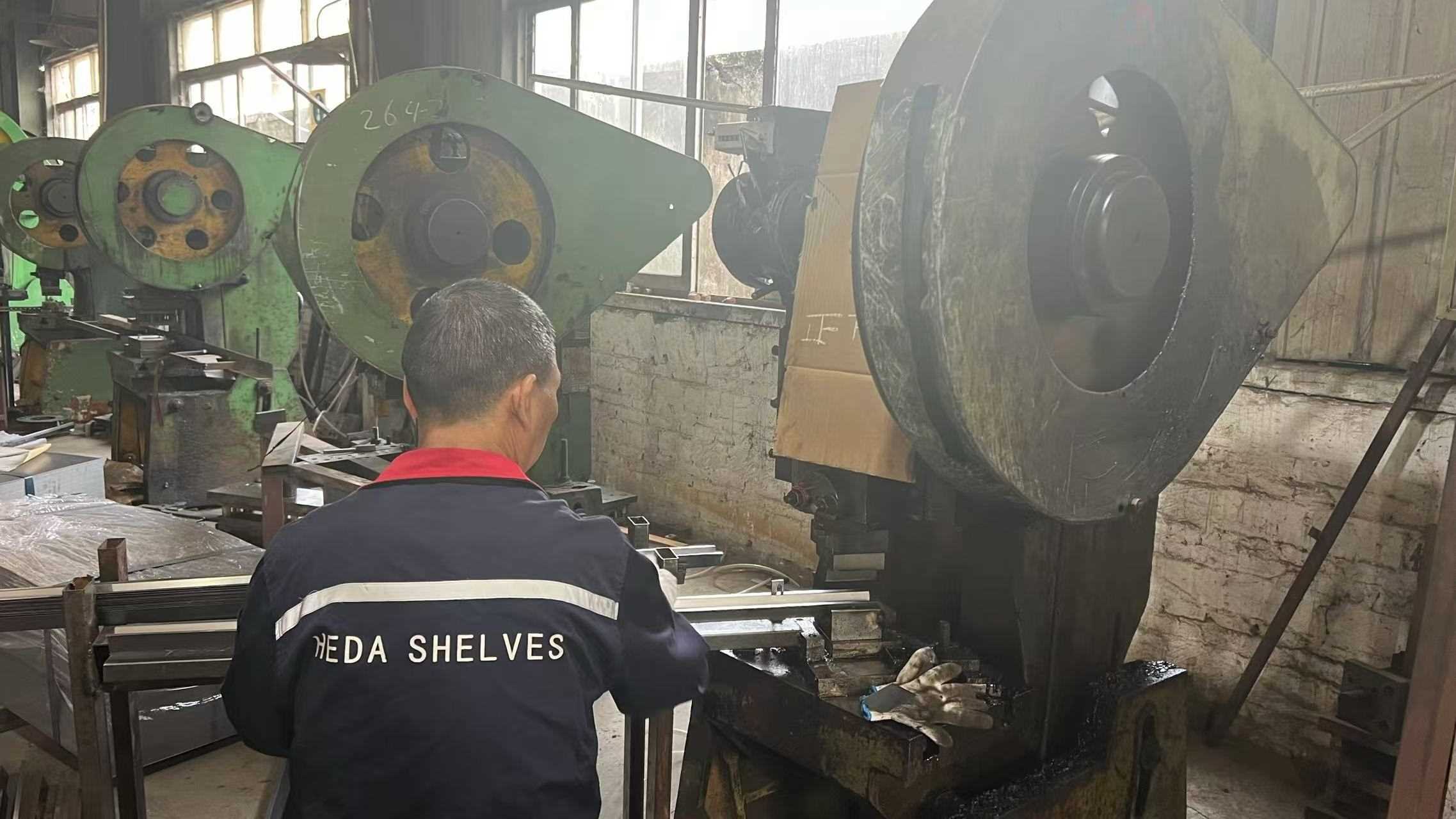
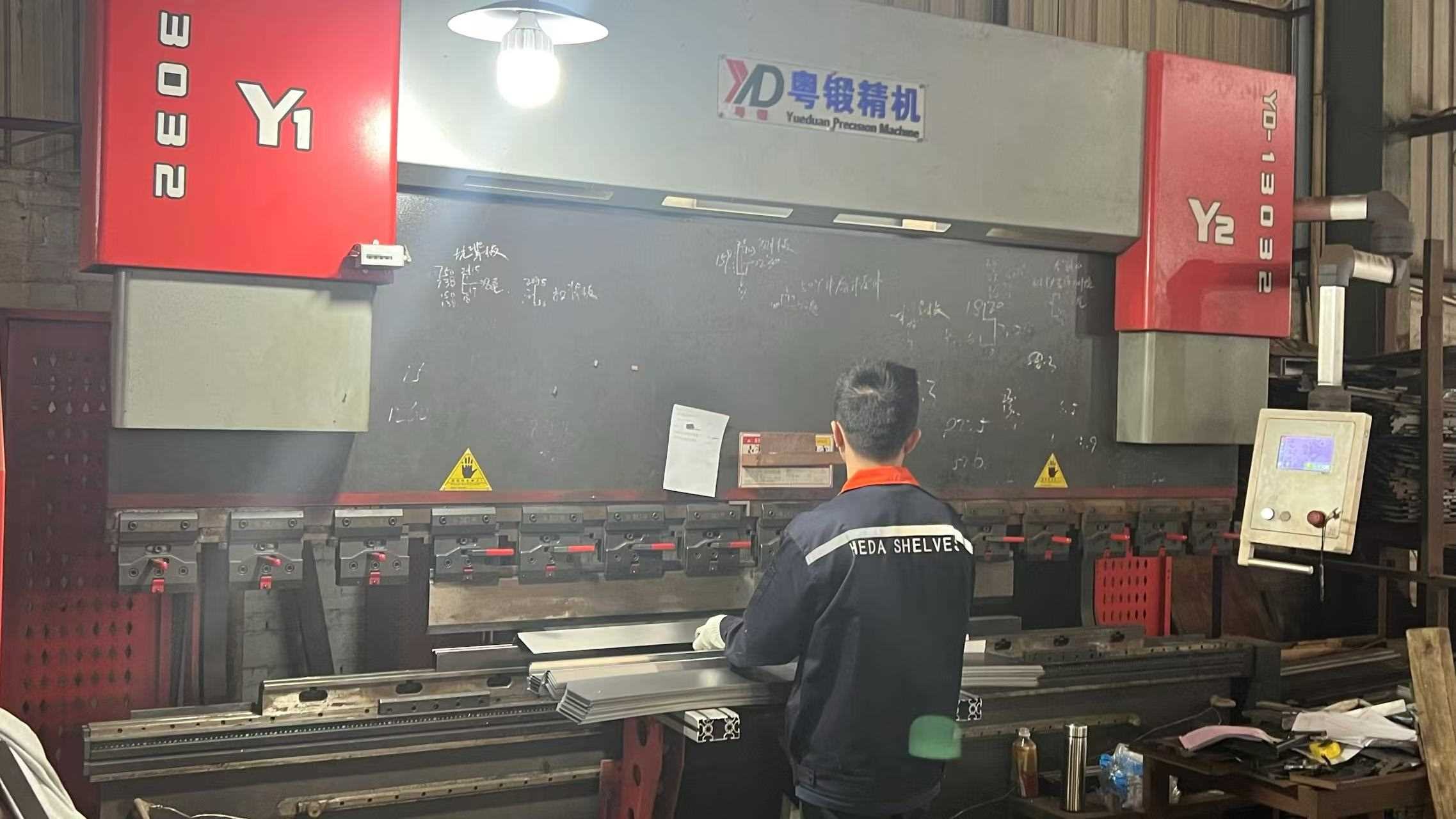
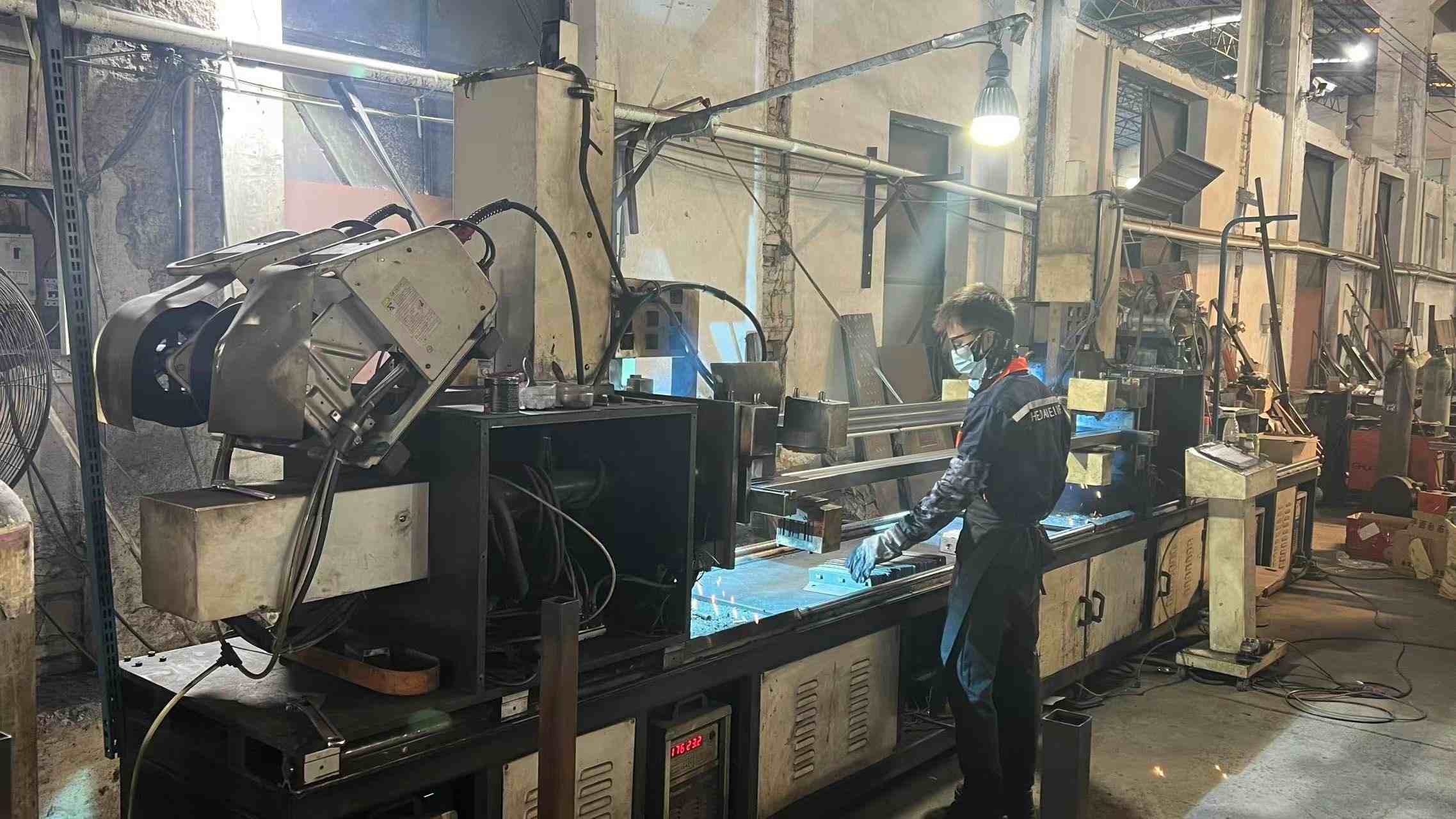
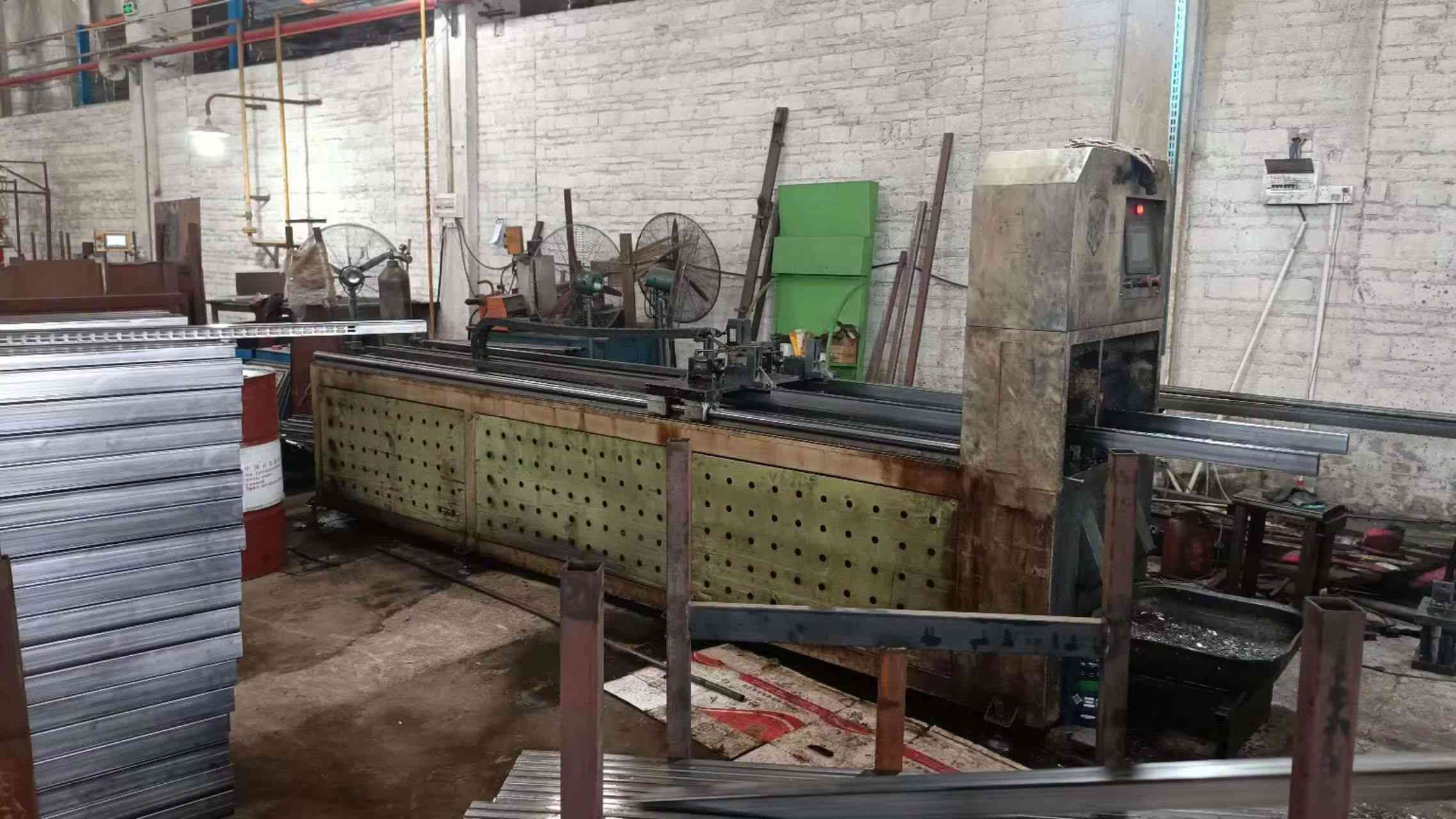
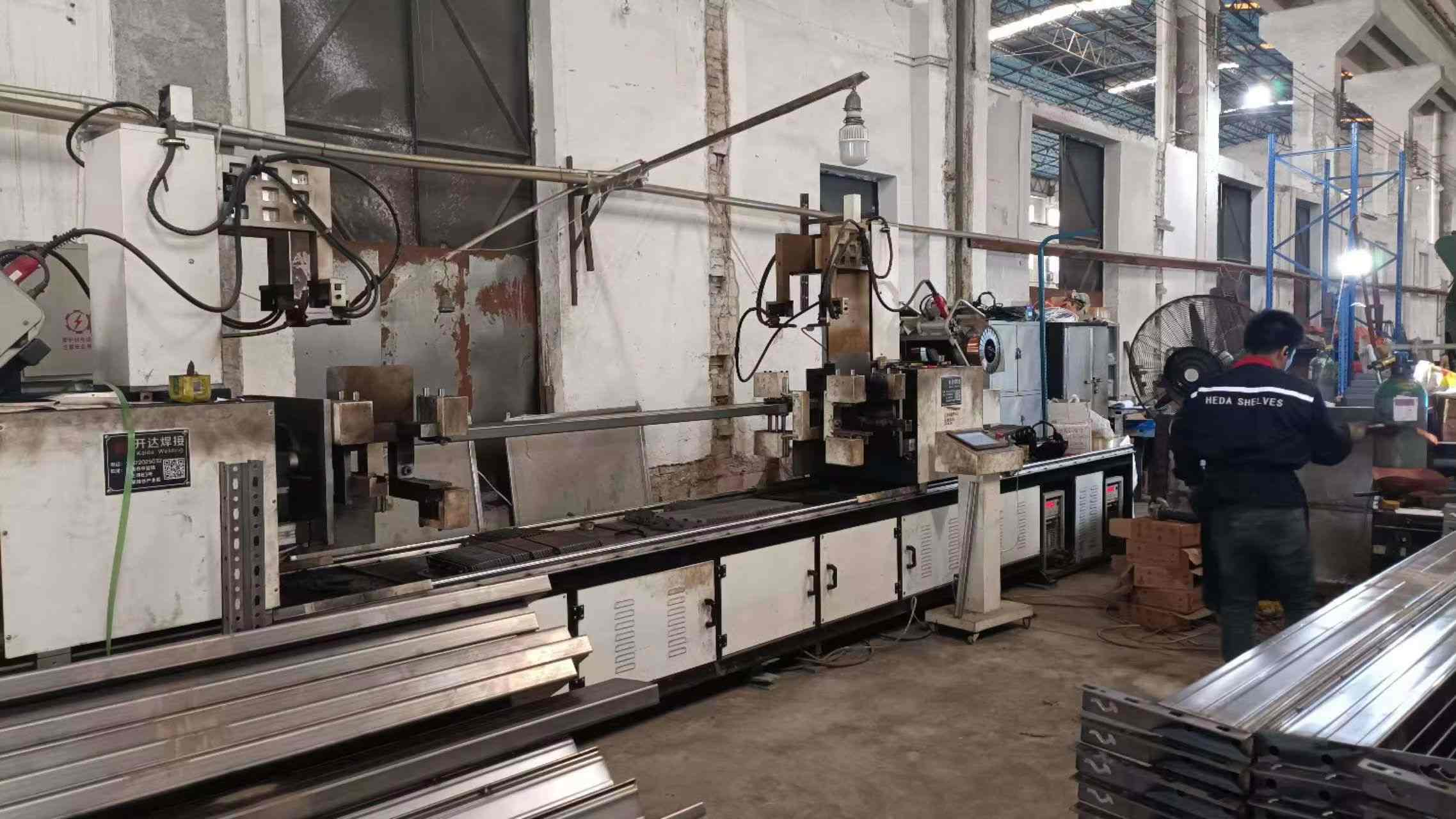
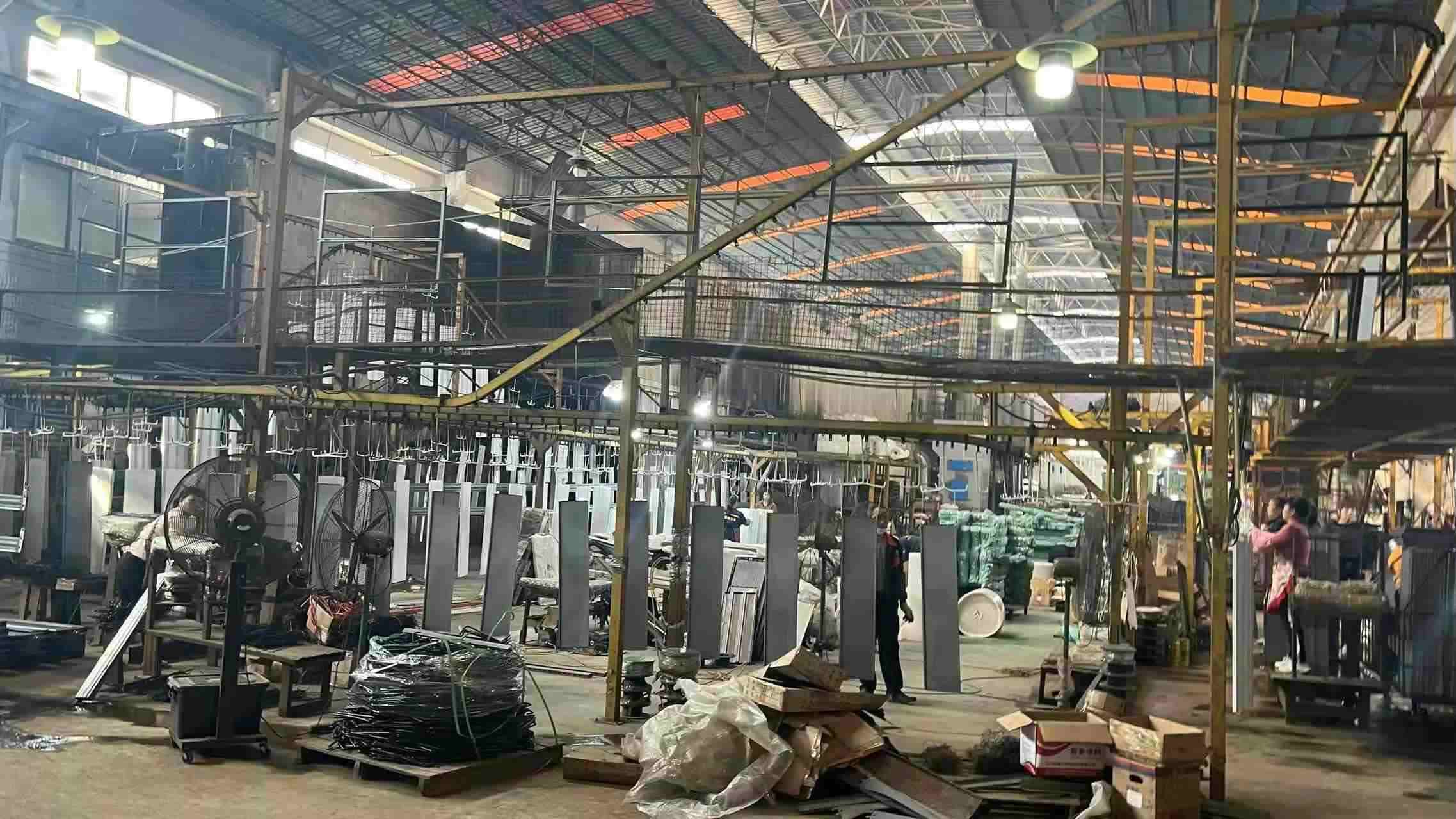
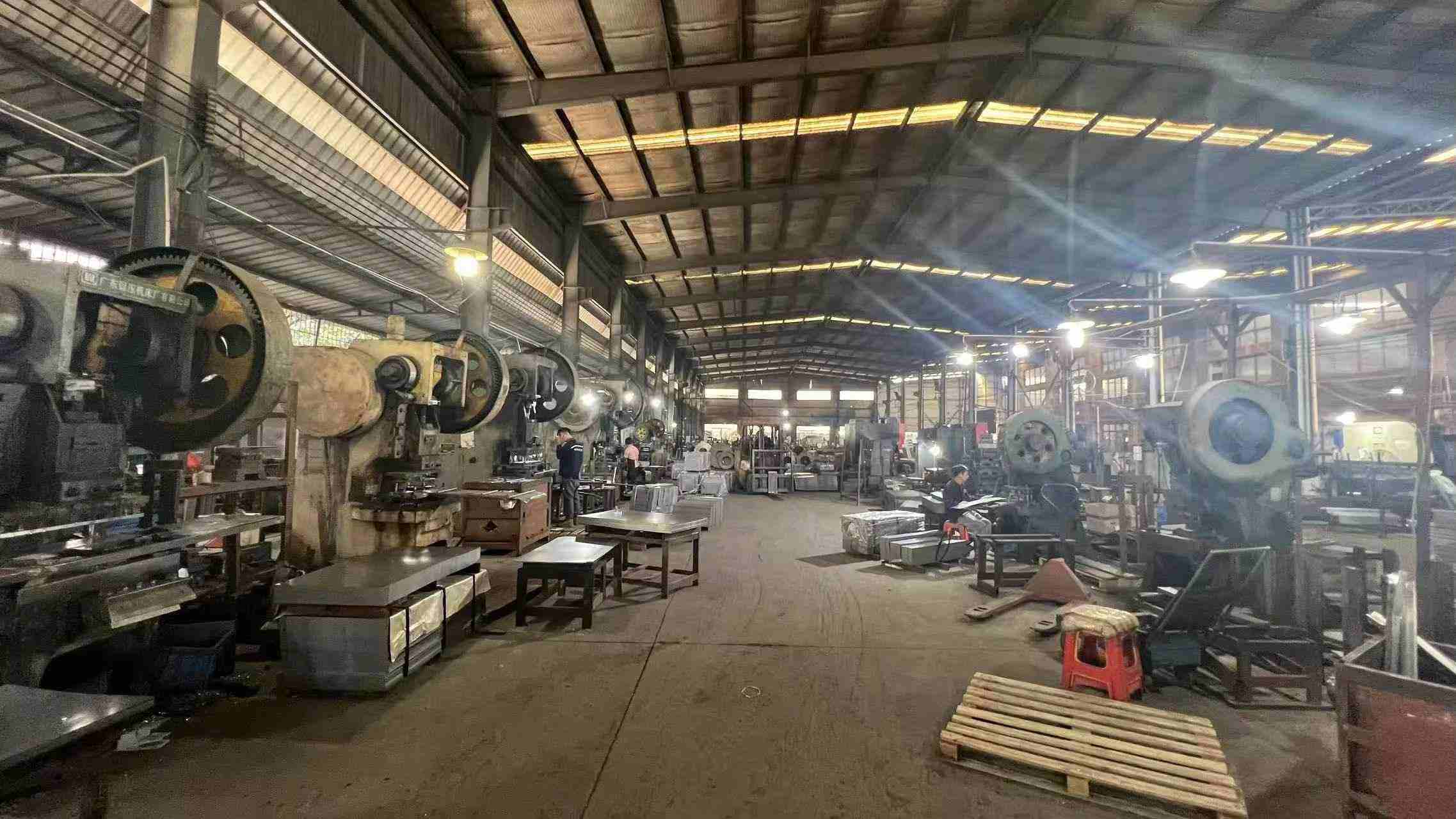
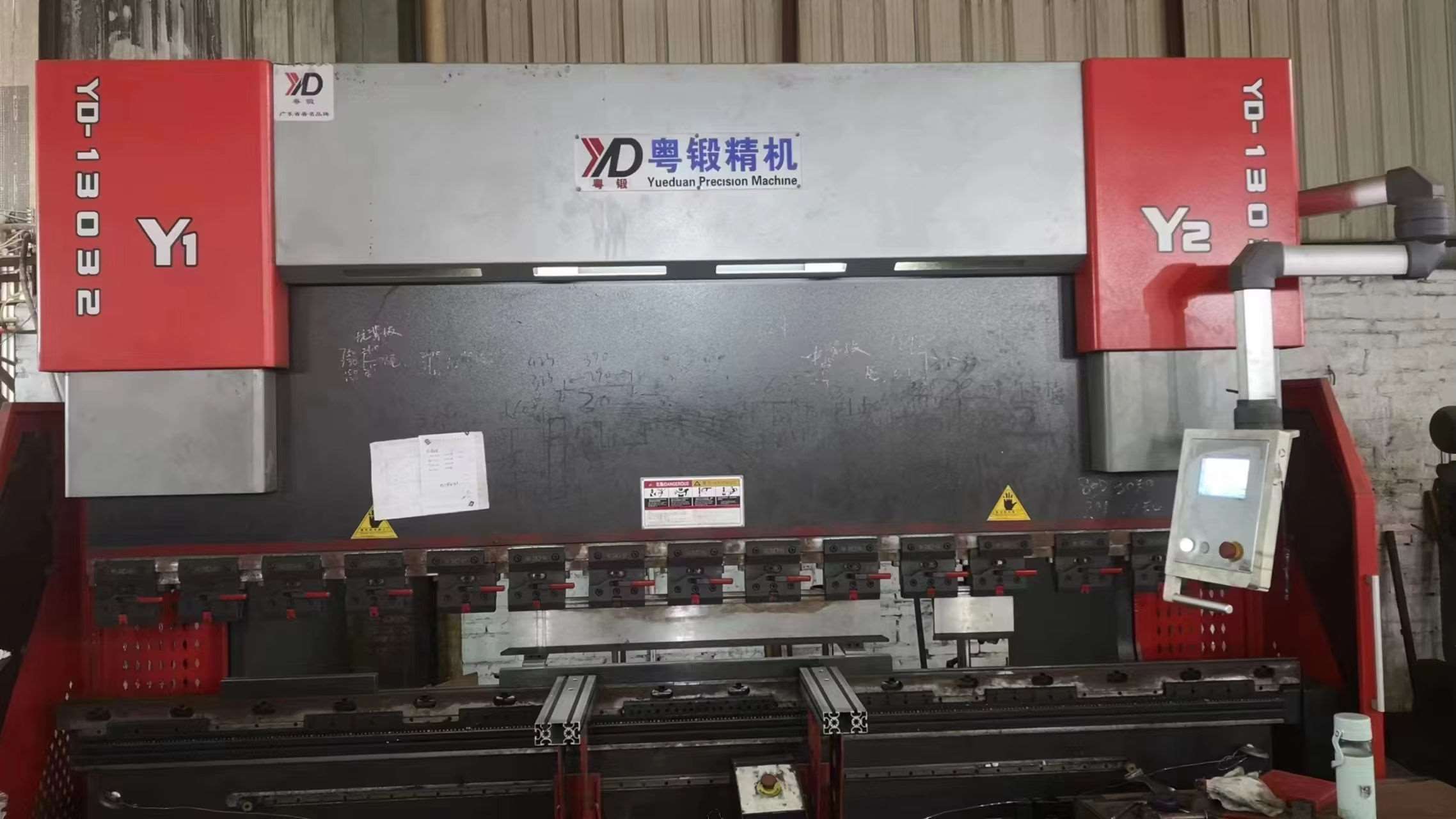
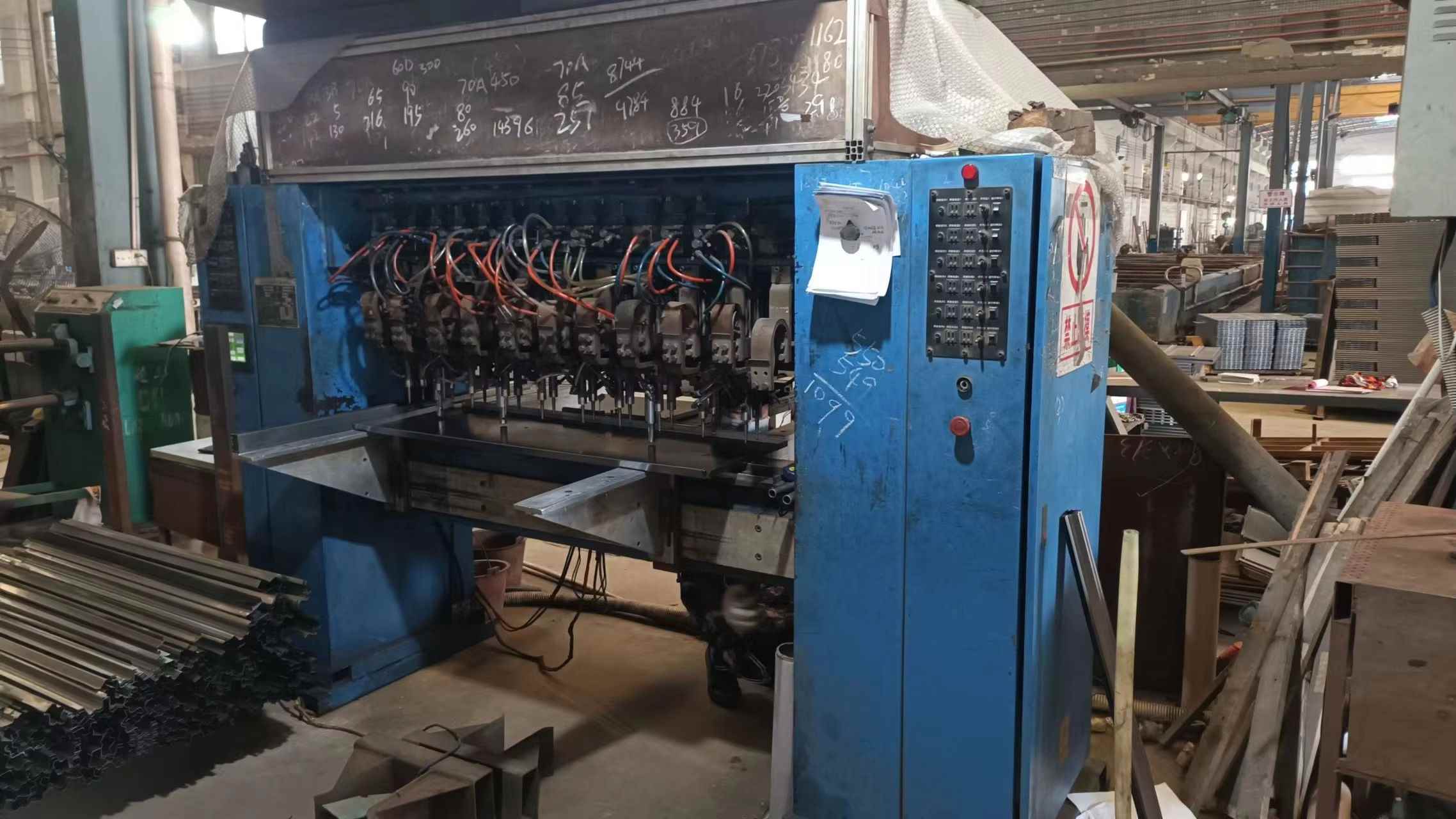
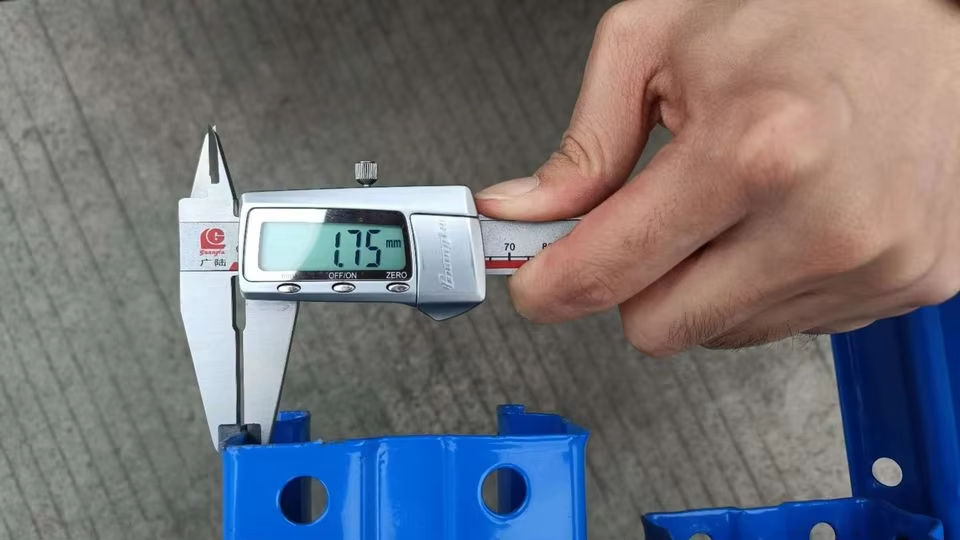
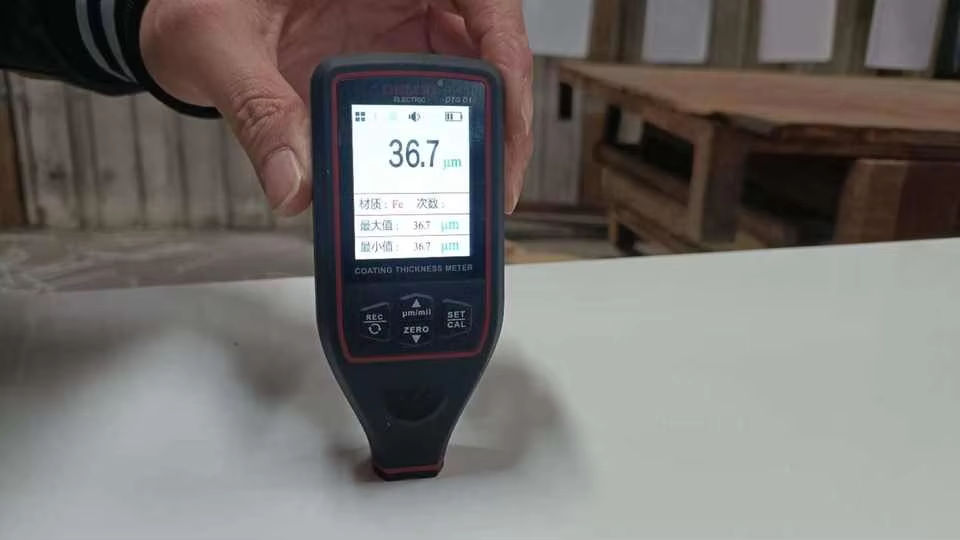
At Heda, quality control and engineering innovation drive our core operations. Our QC department comprises 45 skilled inspectors utilizing rigorous testing methods, including:
Industrial storage is changing as companies transition from manual warehouses to automated, smart systems.
Building a global racking system requires managing localized logistics challenges and regulatory frameworks. Custom clearance, site permits, and installation coordination require experienced engineering support.
Our international marketing team coordinates door-to-door delivery logistics. We optimize shipping container layouts to minimize bulk freight volumes. Additionally, we provide step-by-step 3D assembly guides, video walk-throughs, and on-site engineering supervision to ensure racking systems are built to specification and pass local inspections.
Answers to common structural design, engineering compliance, and logistics questions.
We use Q235B and Q355B structural steel grades. These grades offer an optimal balance of yield strength, ductility, and weldability. For heavy-duty cantilever arms and upright columns, we employ high-precision roll-forming to ensure uniform thickness and load distribution.
Our structural engineers design systems according to RMI MH16.1 and FEM 10.2.02 standards. Depending on the seismic activity rating of your location, we utilize oversized footplates, concrete dynamic anchoring systems, and diagonal spine/aisle bracing to safely absorb lateral seismic loads.
Engineering drawings are typically finalized within 3-5 working days. Once approved, production takes between 20 to 30 days, depending on custom requirements and steel volume. Global shipping times vary based on the port of destination.
Before applying the electrostatic powder coating, components undergo an acid wash and Parkerising process to remove oil, scale, and surface oxidation. We verify dry film thickness using electromagnetic testing and perform periodic salt spray tests to ensure long-term corrosion resistance.
Heavy-duty mezzanine floors, high-density shuttle racking, and multi-tier systems designed for maximum warehouse capacity.
 Hedaracking