In the high-velocity world of modern logistics, warehousing is no longer just about static storage; it is a critical driver of throughput efficiency, regulatory compliance, and structural safety. Finding the right industrial shelving partner requires deep insight into structural configuration options, load dynamics, and material science.
While standard wire shelving is heavily utilized in commercial, medical, and food-service applications for its sanitation and air circulation, heavy-duty industrial storage systems incorporate high-durability wire decking and steel shelves to satisfy heavy load limits and strict safety benchmarks, such as the NFPA 13 fire safety standards.
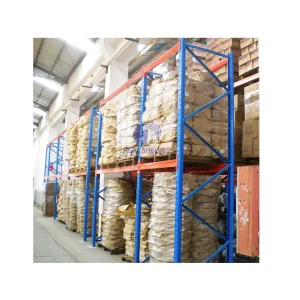
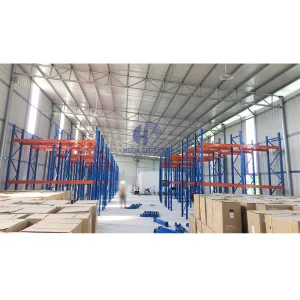
Our guide dissects how leading international suppliers design, manufacture, and test high-capacity pallet racking, cantilever systems, and mezzanine structures to support enterprise scale-up.
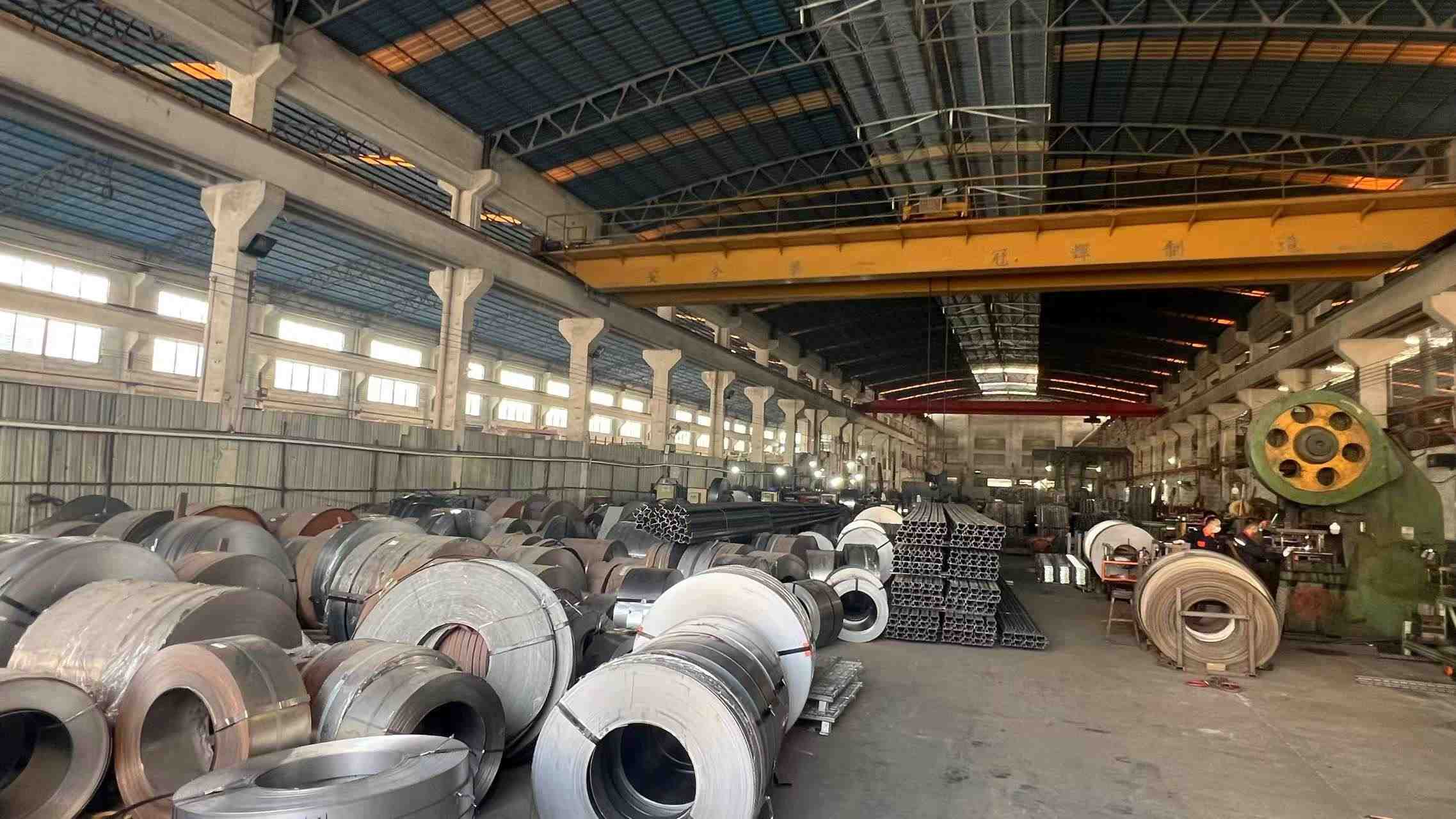
Established in 2014, Shenzhen Heda Warehouse Equipment Co., Ltd. is a premier manufacturer specializing in heavy-duty warehouse racking and industrial storage solutions. Spanning a modern manufacturing facility of 35,000 m², our enterprise integrates R&D, design, production, and international marketing to serve diverse storage needs worldwide. With 12 years of industry experience and 8 years of dedicated export expertise, we deliver high-caliber storage systems that generate over $28 million in annual export revenue.
At Heda, quality control and engineering innovation drive our core operations. Our robust QC department comprises 45 skilled inspectors utilizing rigorous testing methods, including raw material tensile testing, automated weld flaw detection, layer load-bearing stress analysis, and salt spray surface corrosion testing. Supported by a professional R&D team of 28 senior structural engineers, we maintain strong full-customization capabilities (OEM/ODM)—offering tailored rack dimensions, load capacities, surface coatings, and layout designs. Driven by continuous innovation, we launched over 120 new dynamic storage products and component upgrades last year.
Operating with a strong direct-factory and international trade background, we have built a resilient ecosystem supported by over 800 supply chain partners. Our products are exported to major global markets, including North America, Western Europe, Southeast Asia, and the Middle East. We proudly serve a diverse clientele ranging from third-party logistics (3PL) providers and large distribution centers to industrial manufacturers and wholesale equipment distributors.
Heda’s manufacturing facility leverages automated machinery and strict material science pathways to ensure that every upright frame, beam, and deck conforms to high mechanical safety standards. Below is our visual step-by-step production flow, followed by our primary testing equipment.
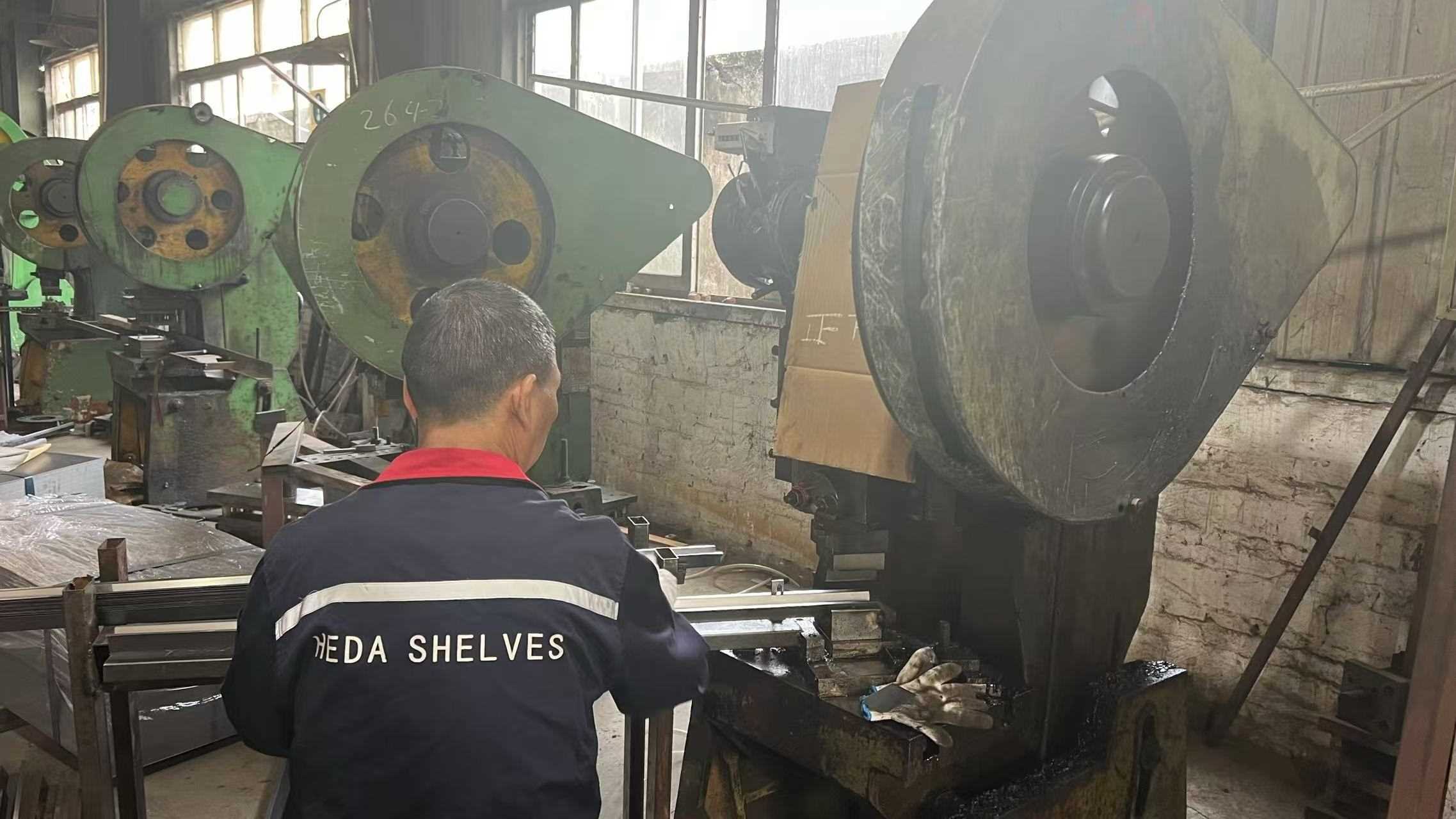
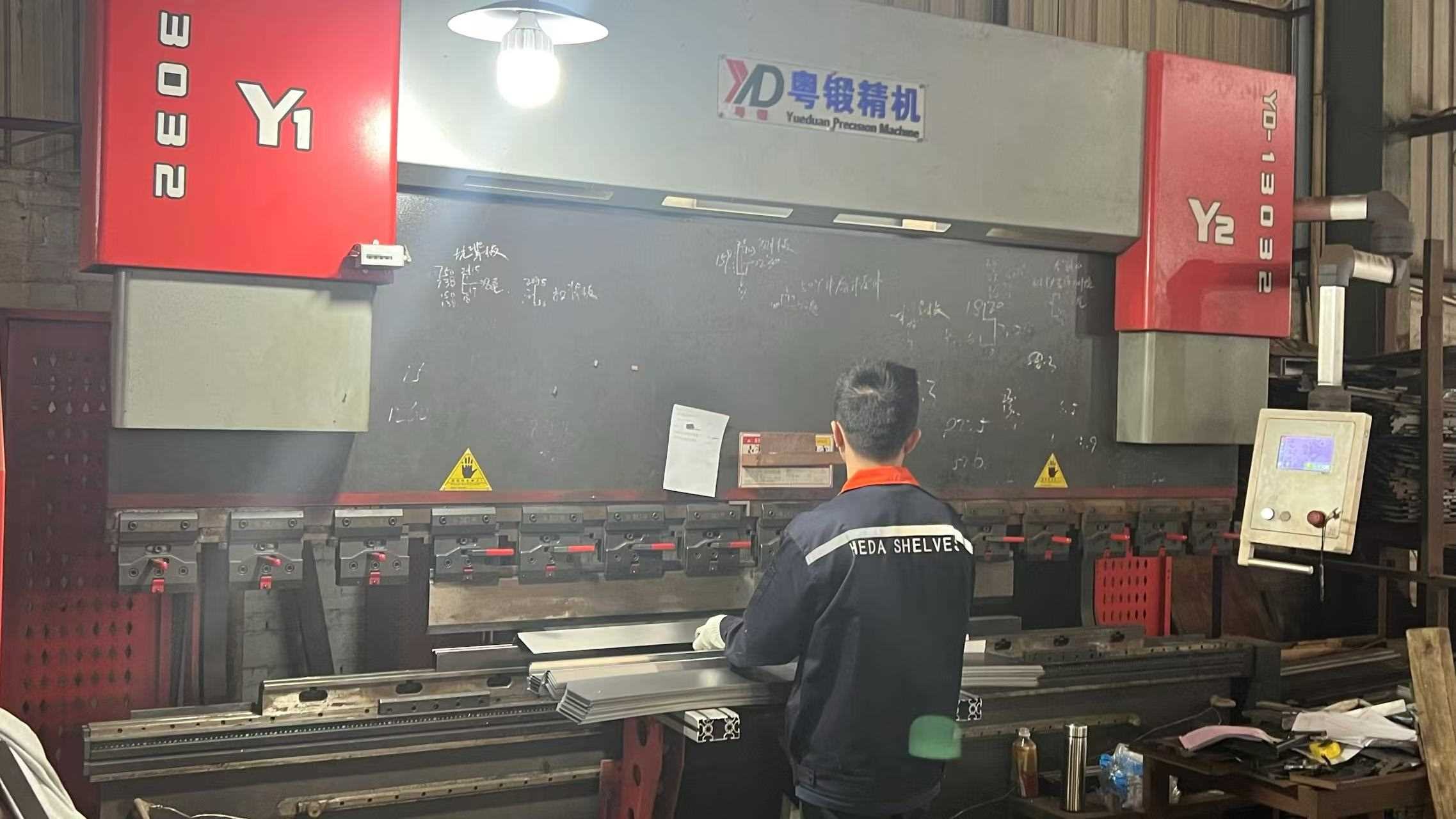
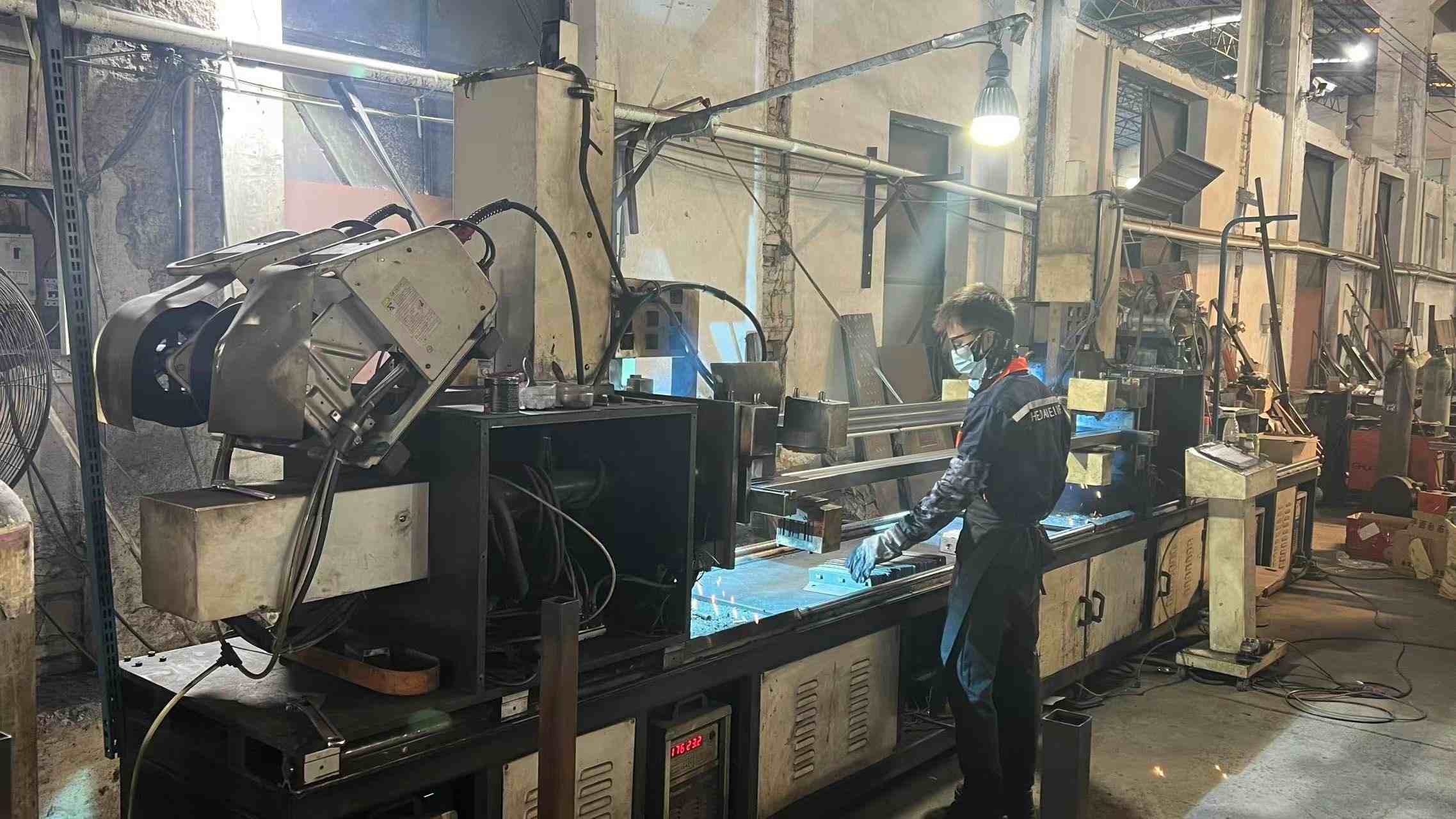
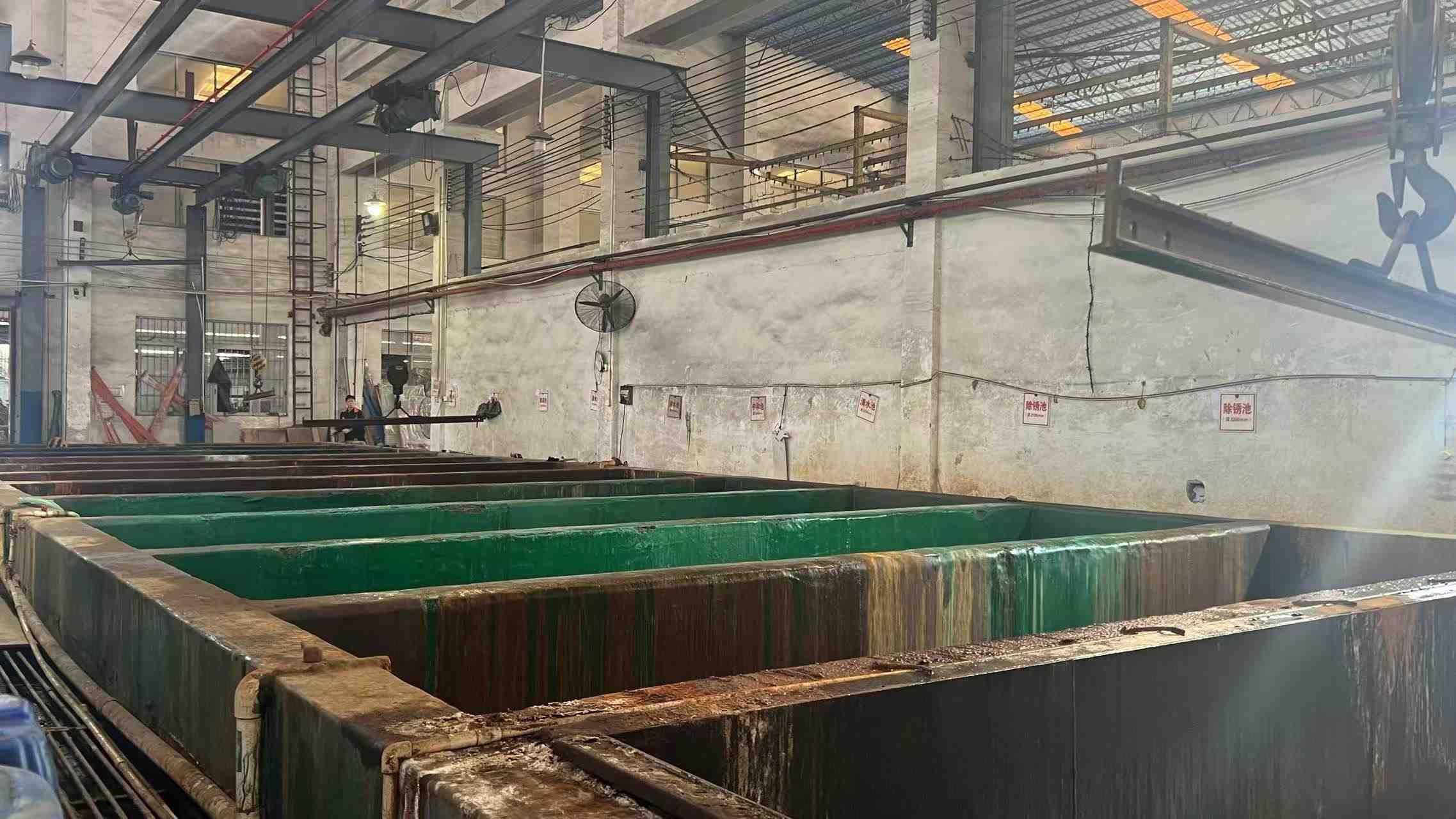
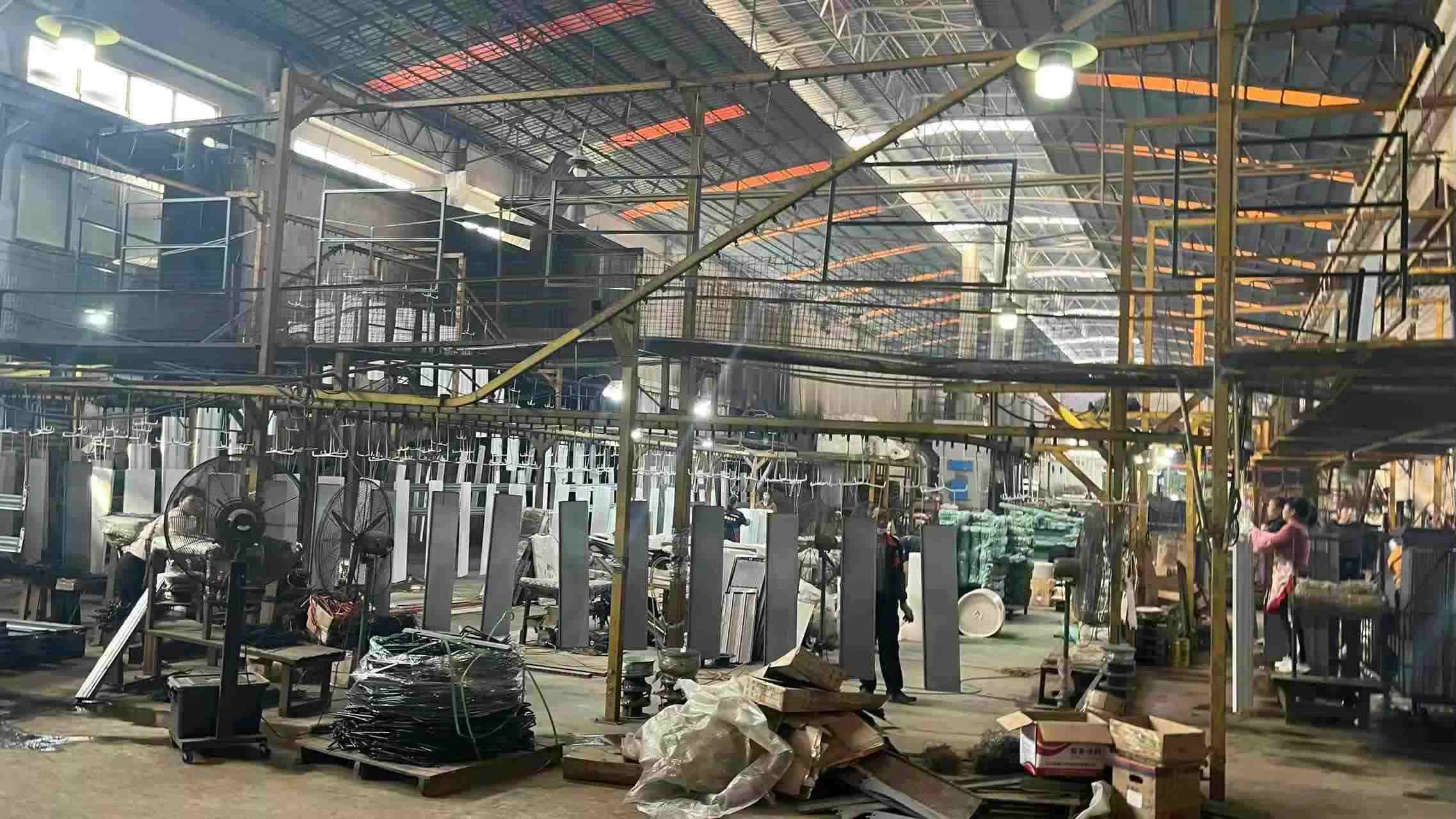
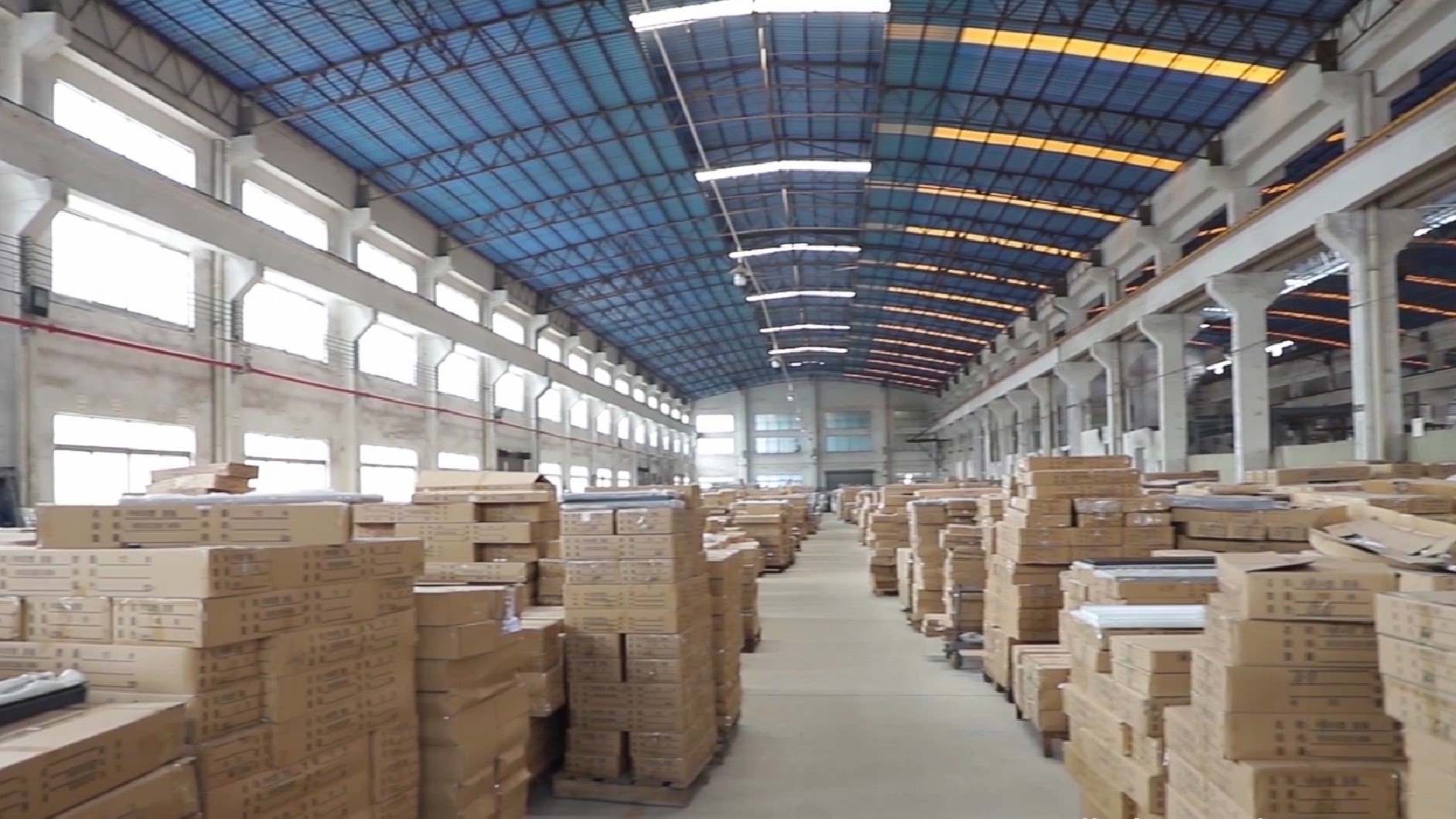
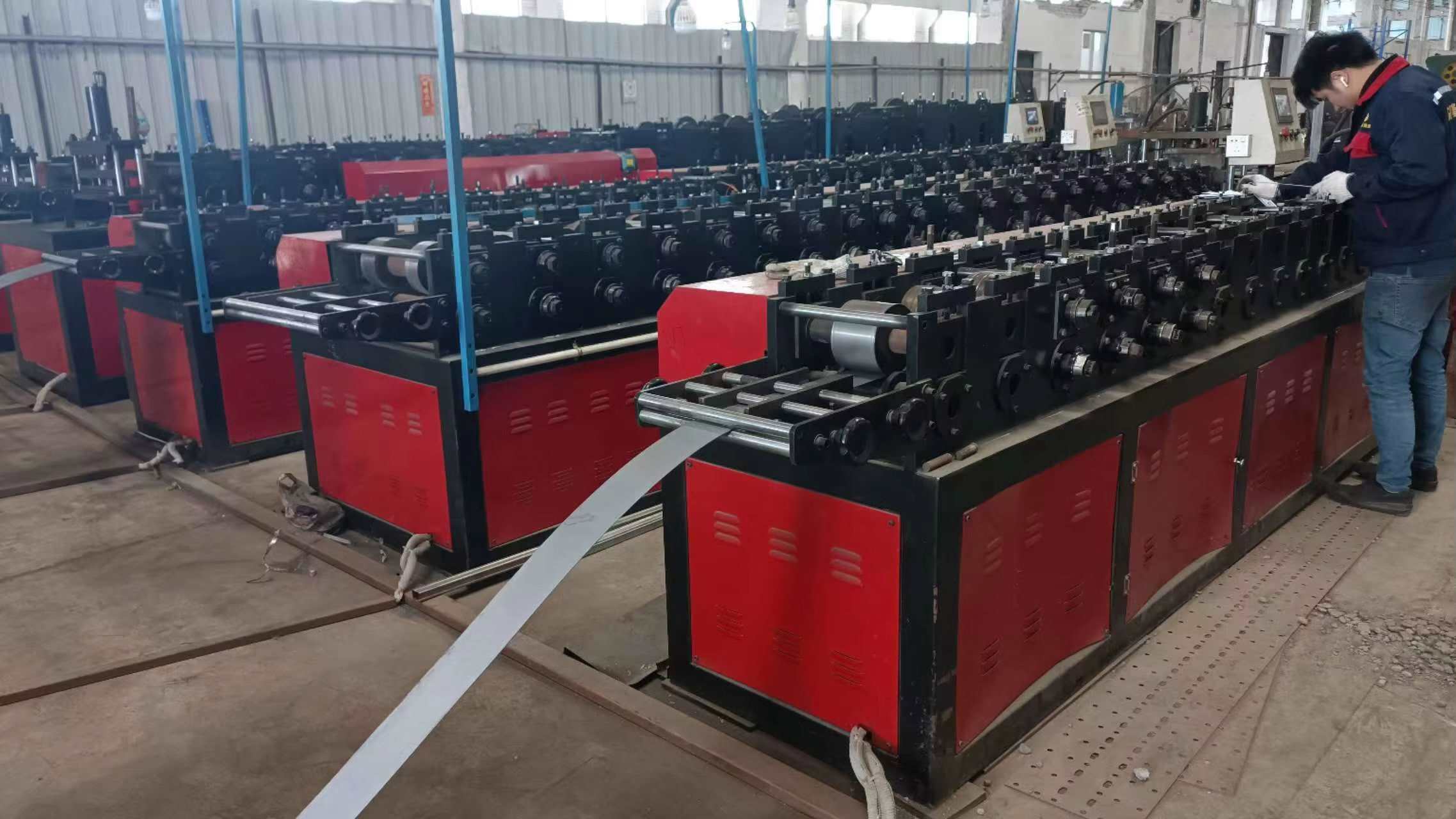
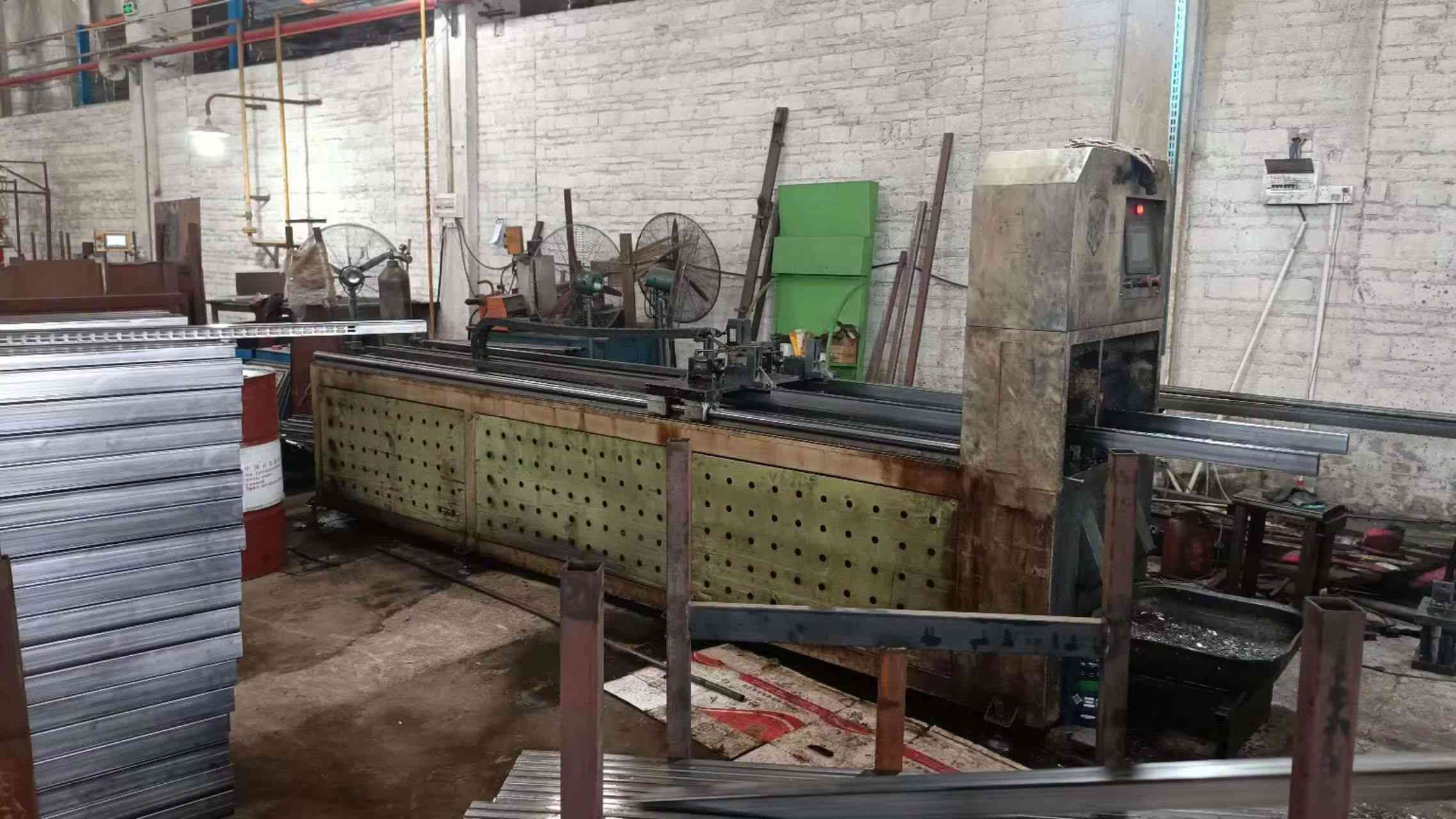
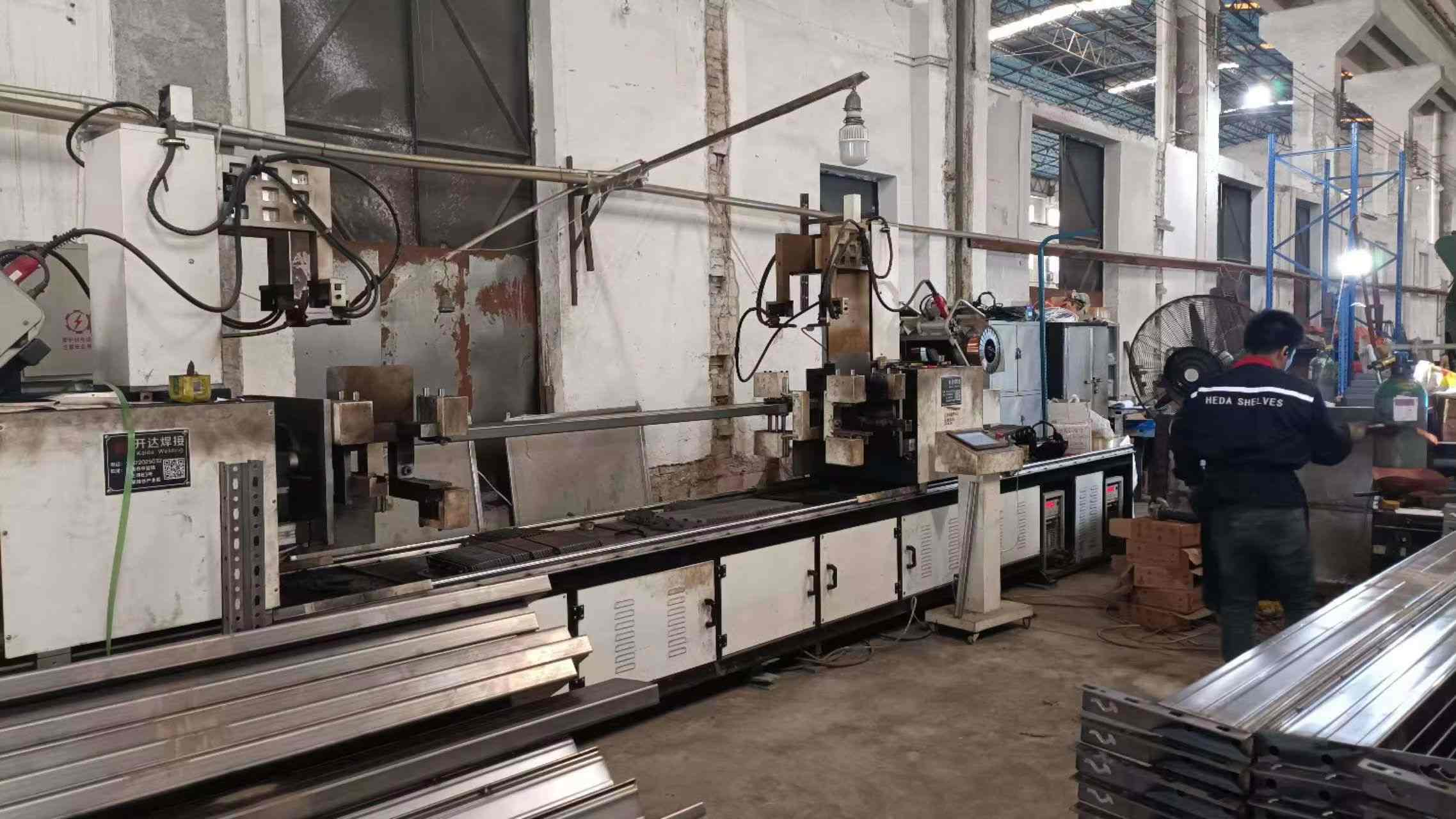
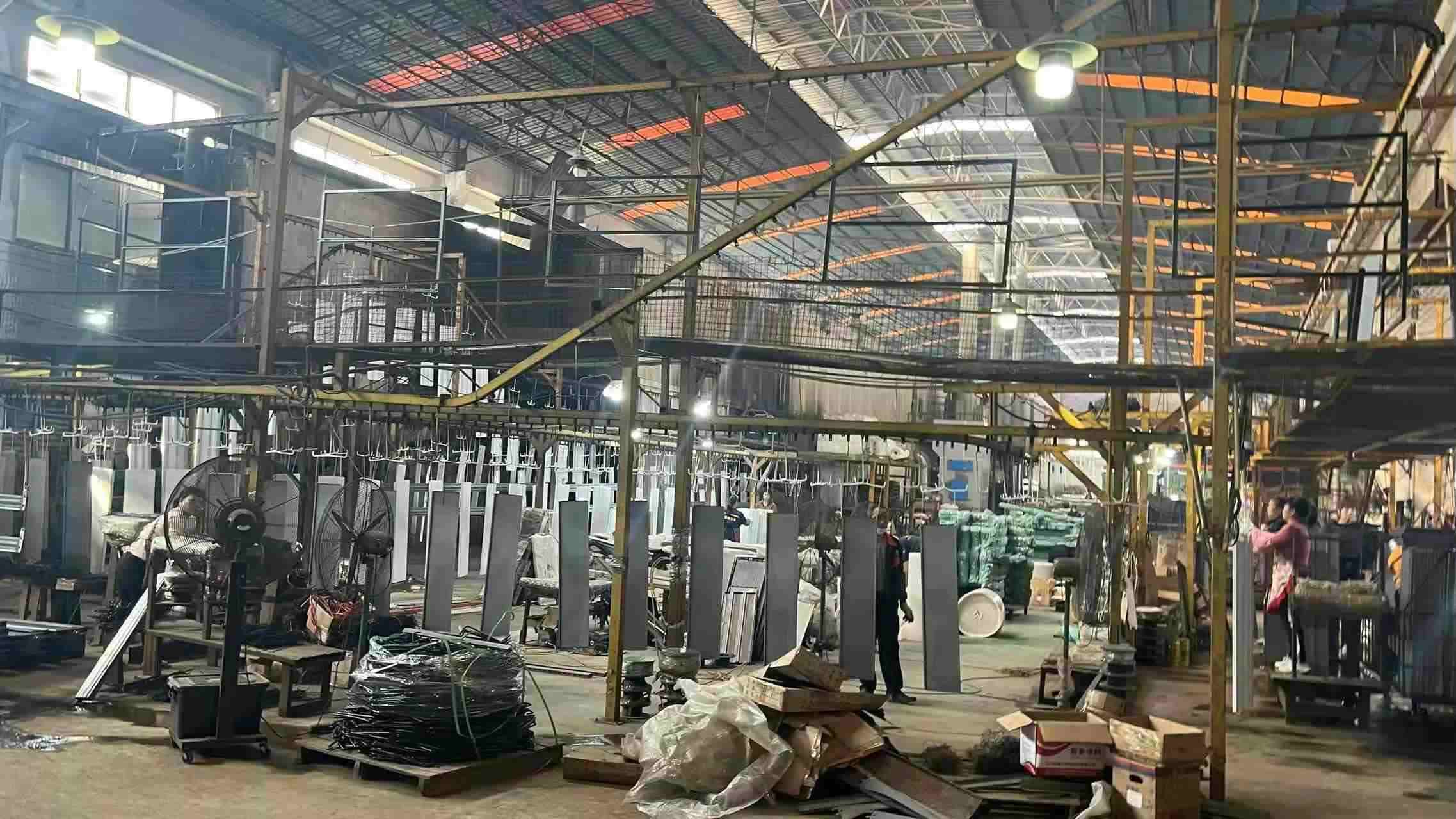
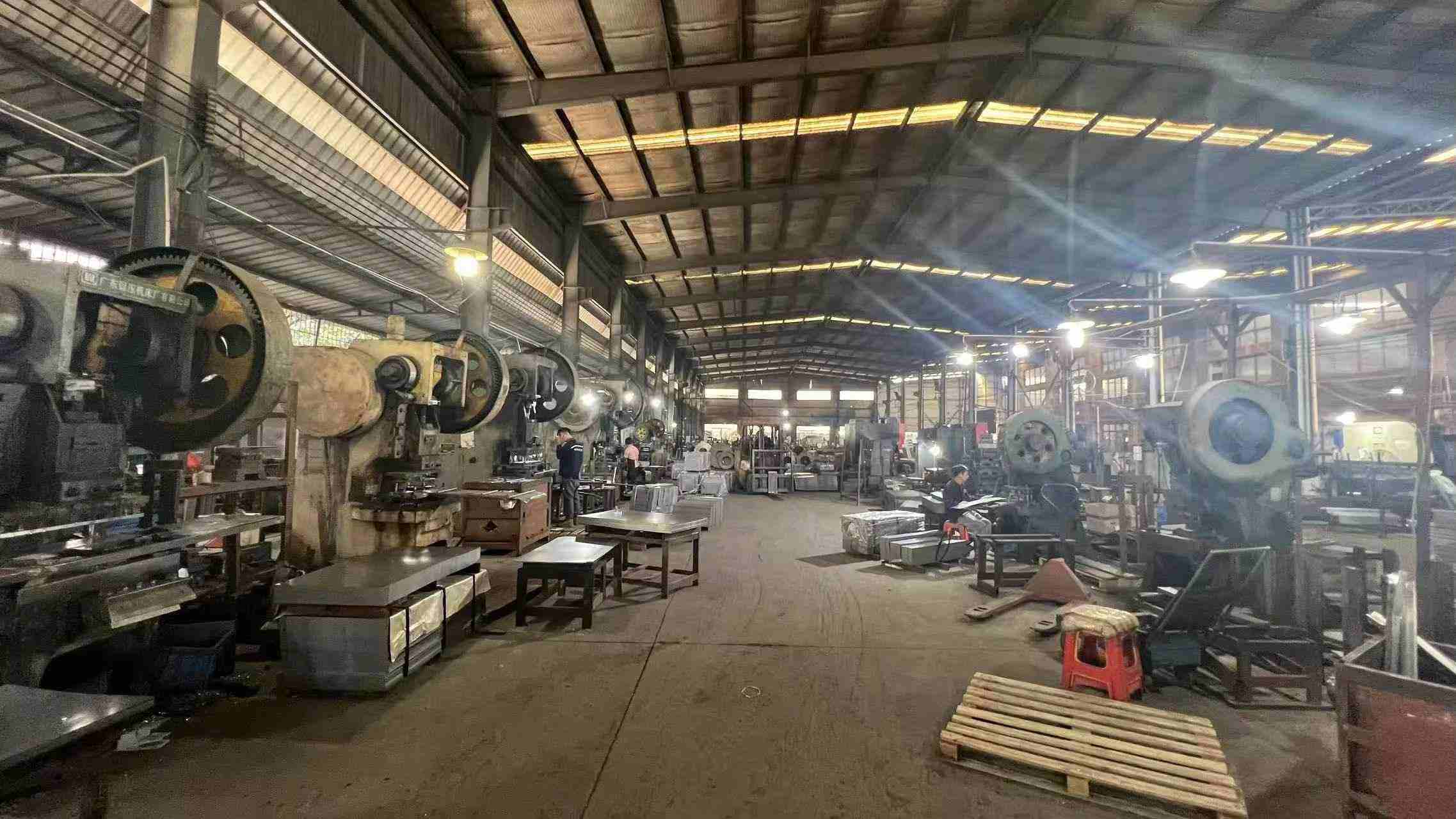
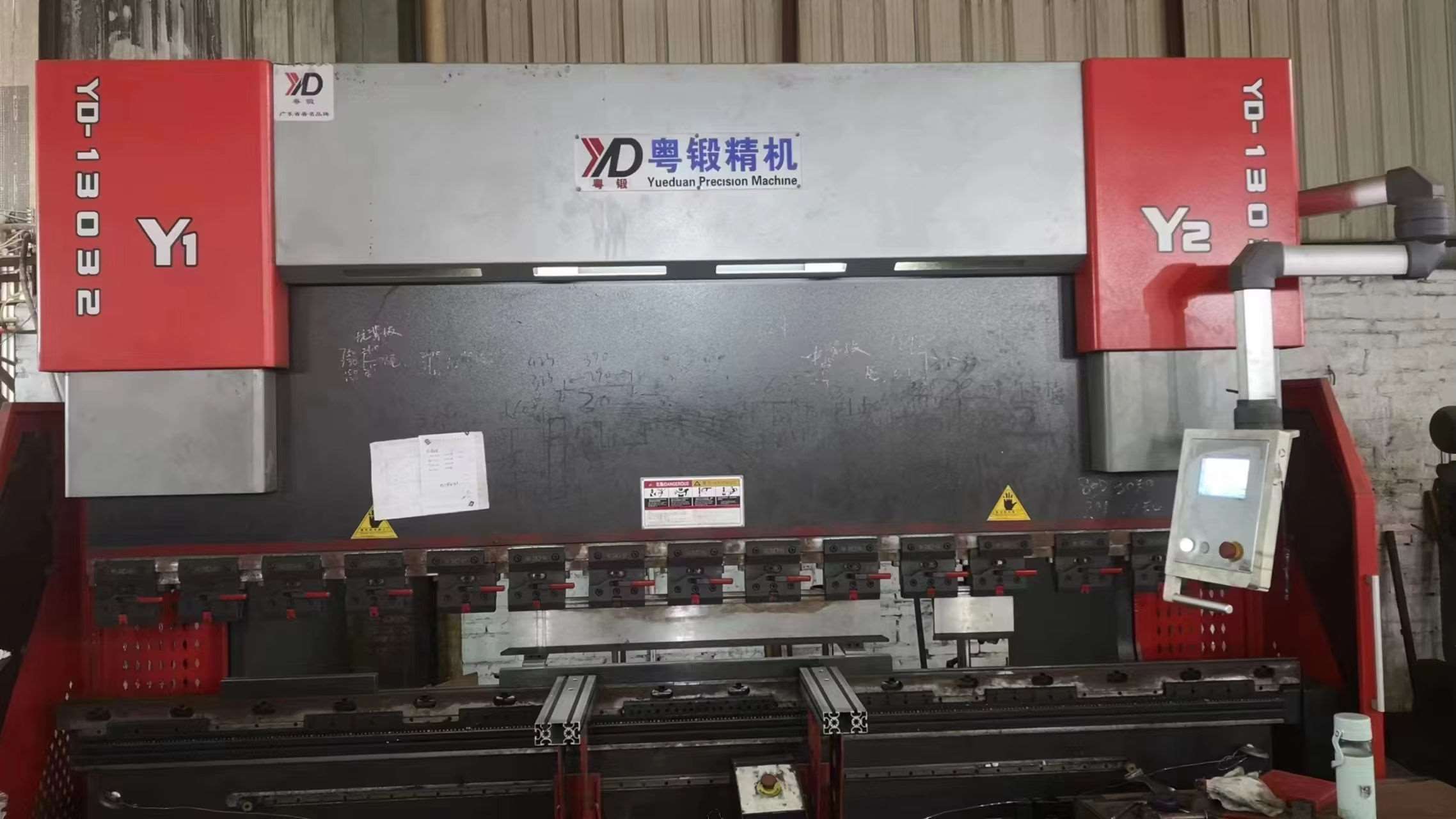
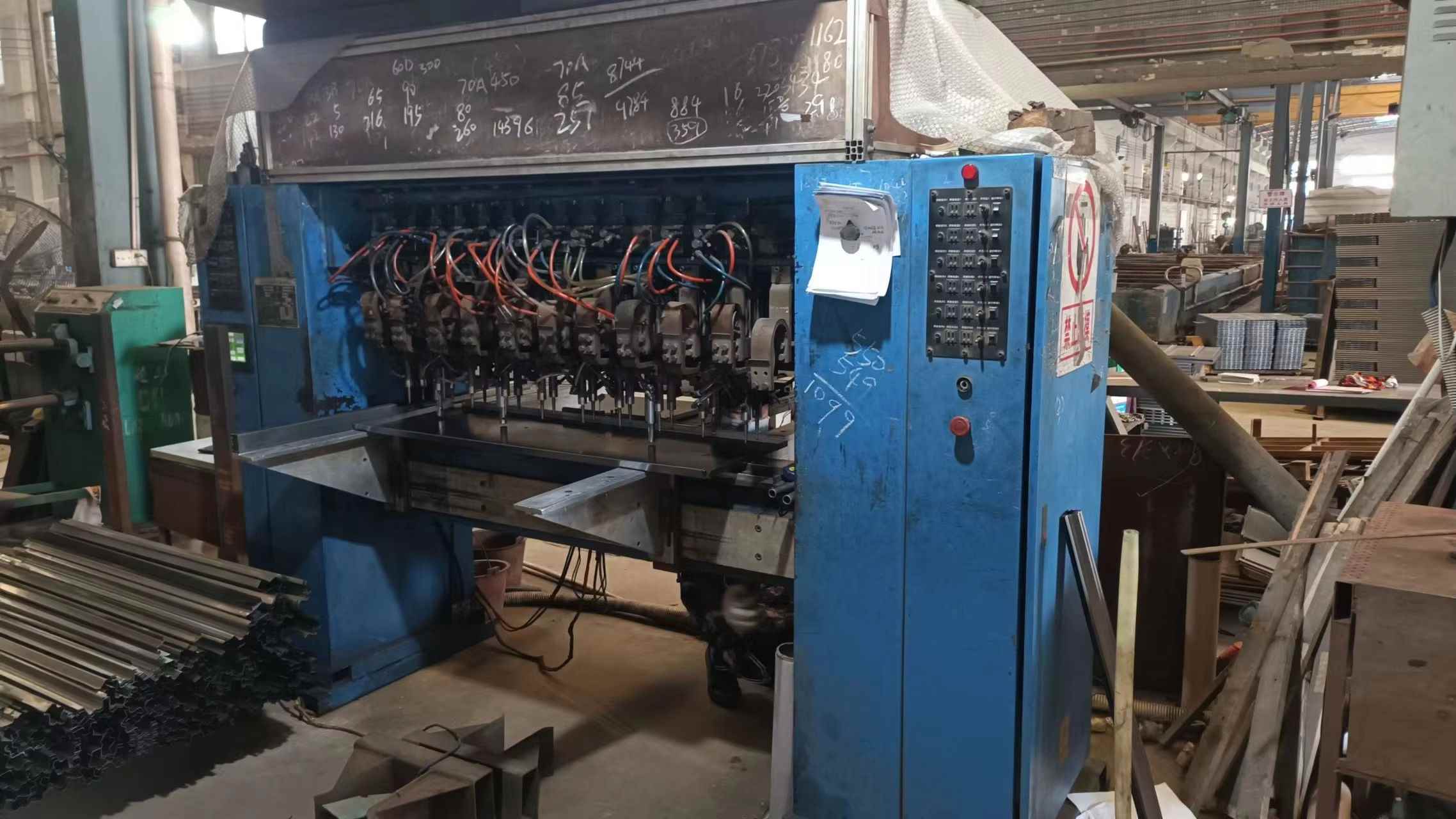
To secure international load certifications (SGS, CE, TUV), we continuously test critical metrics on our production lines using dedicated measuring equipment.
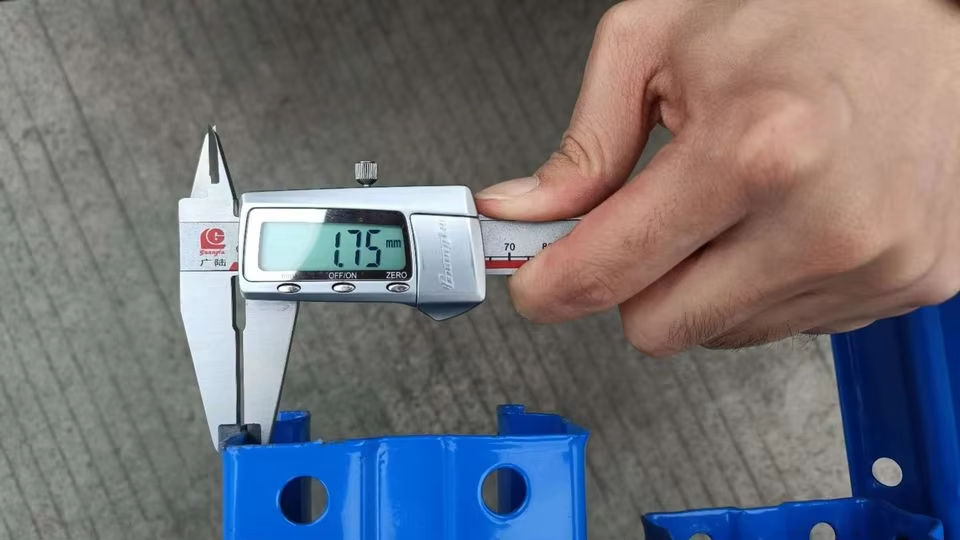
We perform systematic verification of structural steel thickness at the entry, bend, and final punched phases, maintaining structural tolerances within +/- 0.05 mm.
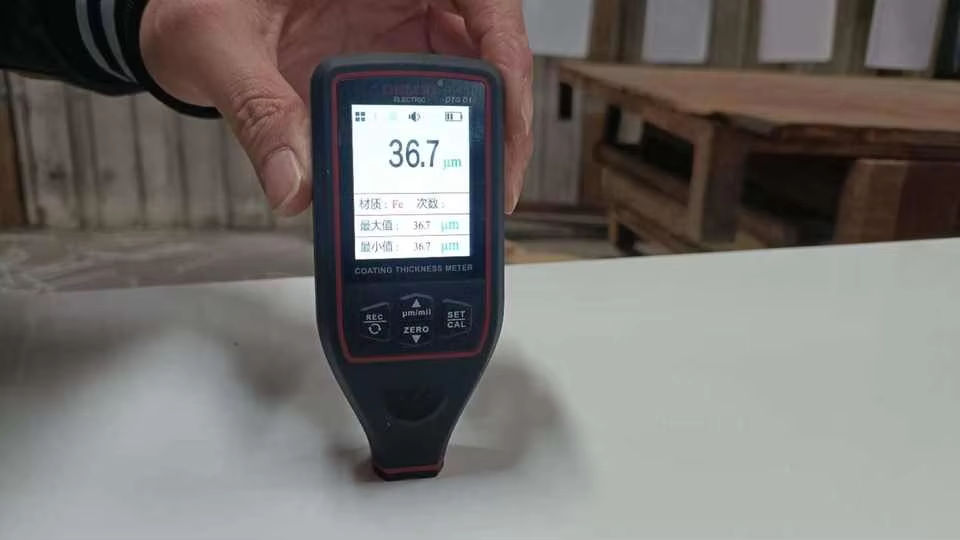
Our electrostatic powder coating is verified to range between 60 to 90 microns using magnetic and eddy current thickness gauges, preventing corrosion and peeling.
The structural storage landscape is evolving rapidly due to warehouse automation, material optimizations, and carbon-reduction initiatives. As a forward-thinking developer, Heda is pioneering development across several critical technology frontiers:
Future logistics relies on continuous monitoring. We are integrating load sensor arrays within pallet rack frames and cantilever arms, communicating data back to the customer's Warehouse Management System (WMS). Real-time stress and deformation monitoring alerts operators of load imbalances or structural failures before accidents occur.
While standard galvanized chrome options are typical for dry storage, harsh environments require specialized protection. We are investing in thermoplastic-coated wire decking and self-healing nano-zinc alloys. These materials deliver outstanding rust resistance under humid, acid-washing, or sub-zero refrigeration conditions, far exceeding ASTM B117 salt spray ratings.
Sustainable procurement is crucial for modern enterprise groups. Our technical roadmap aims to lower the carbon footprint of structural steel raw materials. Utilizing high-strength low-alloy (HSLA) steel allows us to reduce product weight by 15% while matching high static load capacities, minimizing carbon emissions during transportation and fabrication.
Different industries present unique engineering challenges. Our dynamic solutions portfolio balances specialized safety requirements with optimal space utilization:
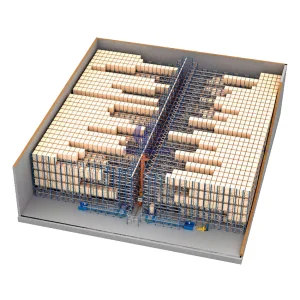
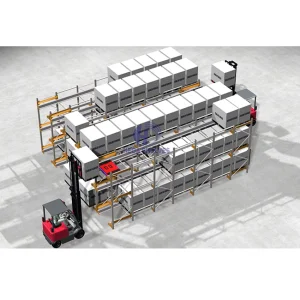
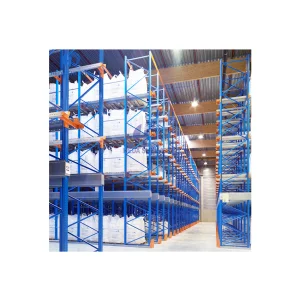
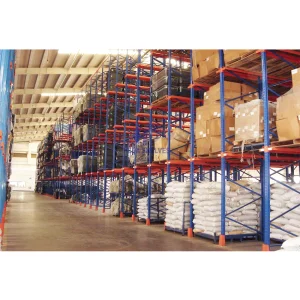
Cold storage facility spaces are highly expensive to run. Our Radio Shuttle and 4-Way Shuttle Pallet Racking systems maximize storage density in compact footprints. The open structures of our racking systems and wire-decked supports facilitate airflow, reducing the cooling load on refrigeration compressors.
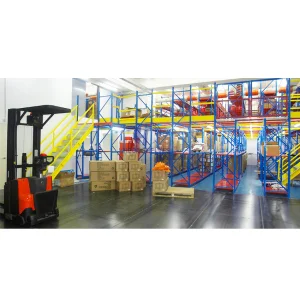
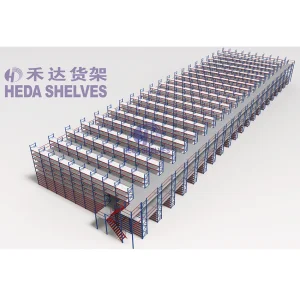
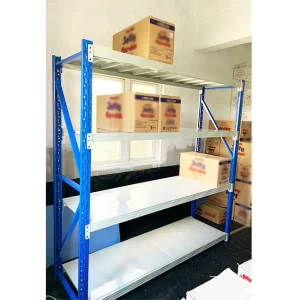
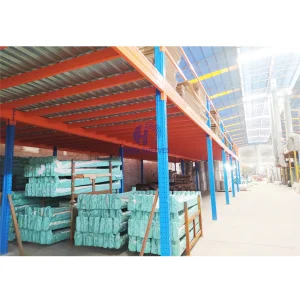
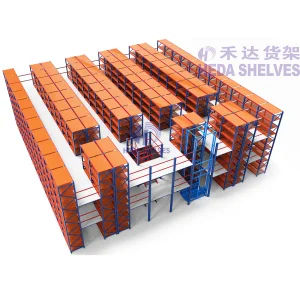
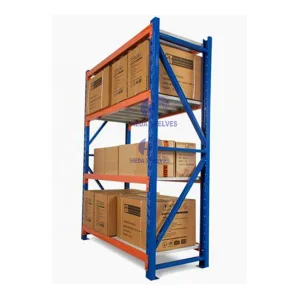
E-commerce operations handle high volumes of varied inventory. Multi-Tier Mezzanine Platforms and Adjustable Pallet Racking systems allow quick floor-to-ceiling access. Integrating mesh shelves ensures safe placement of varying package sizes while accommodating sprinkler paths.
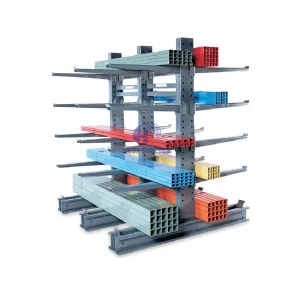
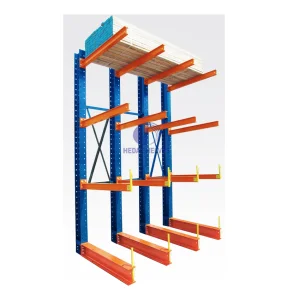
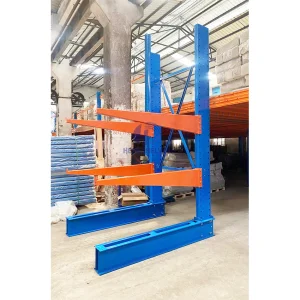
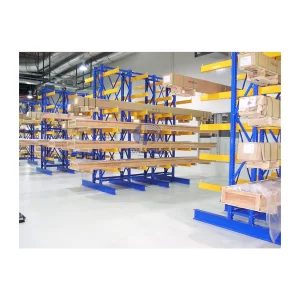
Storing long, dense materials like structural beams, pipes, and machinery parts requires heavy-duty support. Our Adjustable Cantilever Racking structures handle extreme loads with high resistance to structural deflection, keeping raw metal stock organized and accessible to overhead cranes.
Storing odd-shaped components like mufflers, wheels, and heavy engine blocks requires custom racking options. We engineer specialized roll-out heavy shelving drawers and heavy-duty step beam configurations to safely support point-concentrated loads.
Exporting industrial equipment globally demands strict alignment with regional building regulations, fire codes, and structural safety parameters. Heda implements strict engineering configurations for regional markets:
For global logistics managers and procurement directors, evaluating a manufacturing vendor goes far beyond comparing cost sheets. To ensure long-term structural safety and minimize total cost of ownership (TCO), apply this technical checklist during vendor vetting:
| Evaluation Parameter | Minimum Industry Benchmark | Heda Structural Competence |
|---|---|---|
| Steel Grade Standard | Q235B / Q345B High-Quality Hot-Rolled Steel | Complies; verified via heat-number mill certifications |
| Deflection Ratio (L/d) | Max L/200 under full rated design load | Exceeds; targets L/240 for improved structural safety margins |
| Welding Quality Control | AWS D1.1 structural welding standards | Robotized welding lines with ultrasonic weld inspections |
| Powder Coating Thickness | Minimum 60 microns thickness | 60-90 microns thick, electrostatically cured coating |
| Seismic Calculations | Based on site-specific IBC spectral coordinates | Tailored engineering packages utilizing advanced FEA modeling |
Chrome wire shelving is designed for light-to-medium loads (typically 100kg to 350kg per layer) and focuses on accessibility and cleanroom environments. Heavy-duty racking systems, constructed from hot-rolled carbon steel beams and uprights, support up to 3 tons per layer and are often paired with steel wire mesh decks for heavy pallet storage.
Our engineering department conducts structural finite element analysis (FEA) to simulate load capacities and wind loads. Physically, our QC division performs destructive tensile strength tests on raw steel batches and uses vertical hydraulic test rigs to apply real-world structural loads to prototypes.
For high-humidity zones, hot-dip galvanized coating (zinc bath) or thermoplastic powder coating is recommended due to its superior barrier thickness. For dry cold storage warehouses, standard powder coating is suitable, provided it has been cured to at least 70-80 microns to withstand structural impact and cold temperatures.
Typically, we prepare initial 3D layouts and floor CAD designs within 48 hours of receiving layout specs. Once structural drafts are approved, manufacturing takes between 20 to 30 days depending on the project scope, followed by ocean logistics coordination to your designated port.
 Hedaracking