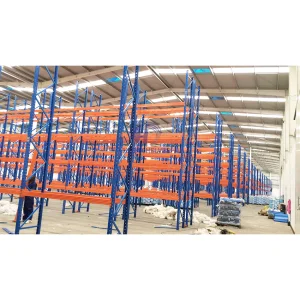
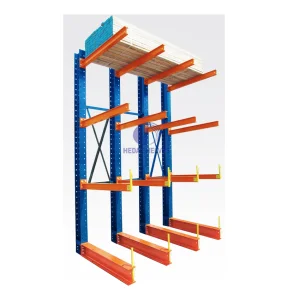
Engineered for extreme loading requirements, high spatial efficiency, and seamless automated compatibility.
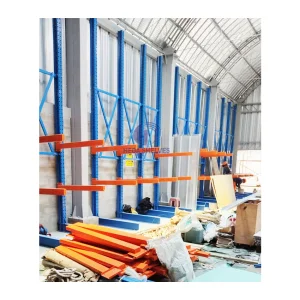
In the modern global supply chain network, logistics and warehousing are no longer cost centers; they are core competitive bottlenecks. As international conglomerates transition to high-throughput, dynamic distribution paradigms, the structural integrity and design efficiency of warehouse racking systems must withstand unprecedented physical and systemic stress. Global procurement teams looking for functionality racks manufacturers prioritize systems that do not merely store inventory, but actively optimize floor-space utilization indices, maximize vertical air-space, and integrate natively with modern logistics machinery (like reach trucks, AGVs, and automated shuttle carriers).
Modern procurement requirements have evolved beyond basic steel shelves. Global 3PL entities, cold-chain operators, and heavy industrial manufacturers require custom-engineered load distributions, precise deflection calculation profiles, and high seismic resilience characteristics. From structural integrity certificates to specific ISO compliance protocols, finding a Chinese manufacturer that possesses raw capability alongside advanced engineering consultancies is critical to achieving lower Total Cost of Ownership (TCO) and ensuring structural safety in dense seismic zones.
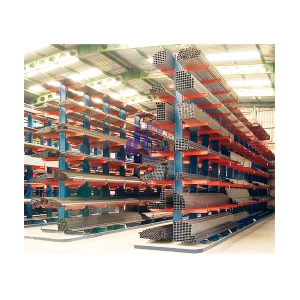
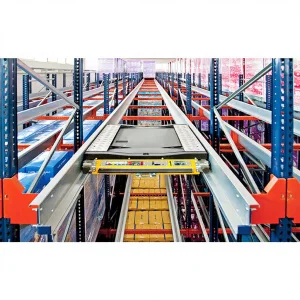
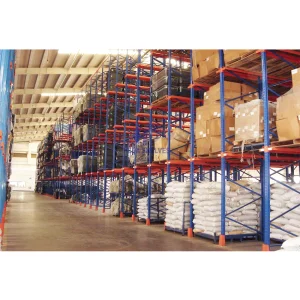
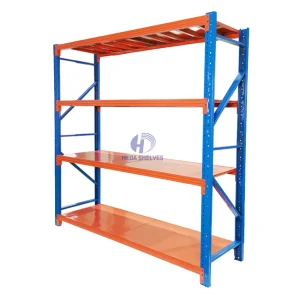
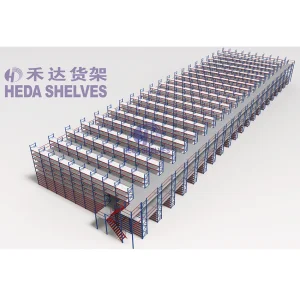
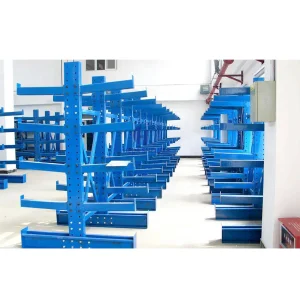
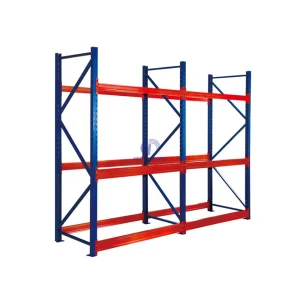
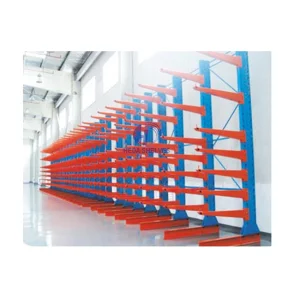
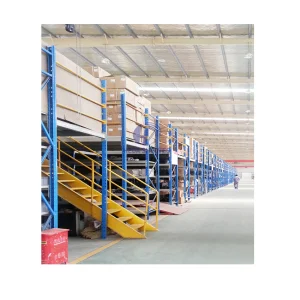
The warehouse environment requires customized structural configurations depending on the product attributes, storage duration, and picking density. As a leading voice in Chinese storage rack manufacturing, Heda offers comprehensive systems addressing diverse macro-industry requirements:
The future of warehousing is data-driven, and physical structures must evolve to keep pace. The technical roadmap for functionality racks revolves around four major trends:
Traditional racking acts as a passive container. Modern systems are designed as active structural frames for Automated Guided Vehicles (AGVs) and Autonomous Mobile Robots (AMRs). Standardized rail alignments, sensor mounts, and high-precision rack fabrication tolerances are essential to prevent collision risks and ensure consistent sensor triangulation.
Utilizing advanced structural software, racking elements are analyzed under simulated wind load, seismic activities, and uneven weight distributions. This ensures maximum load capacities with optimal steel usage, directly reducing global freight carbon footprints and raw material waste.
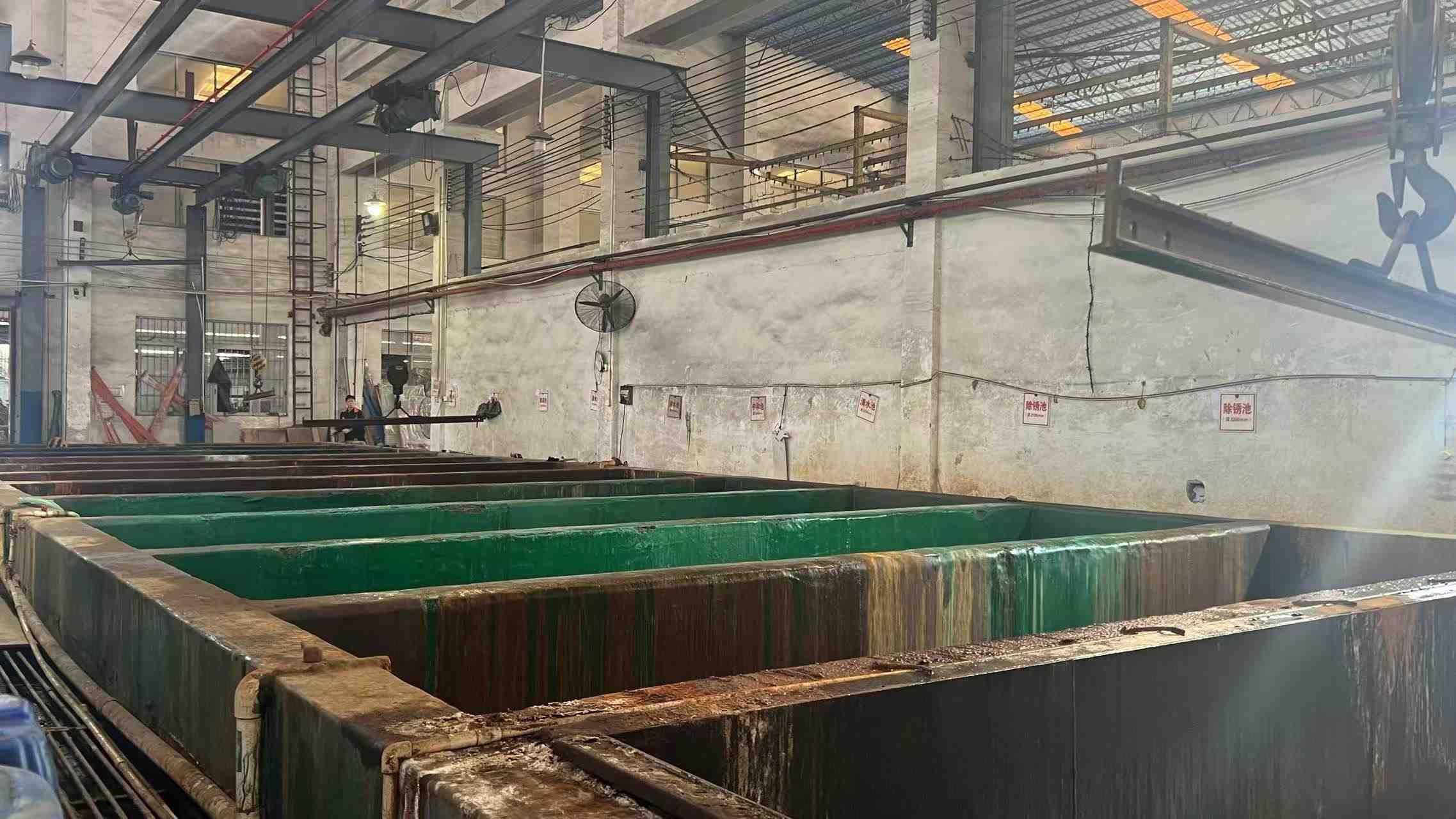
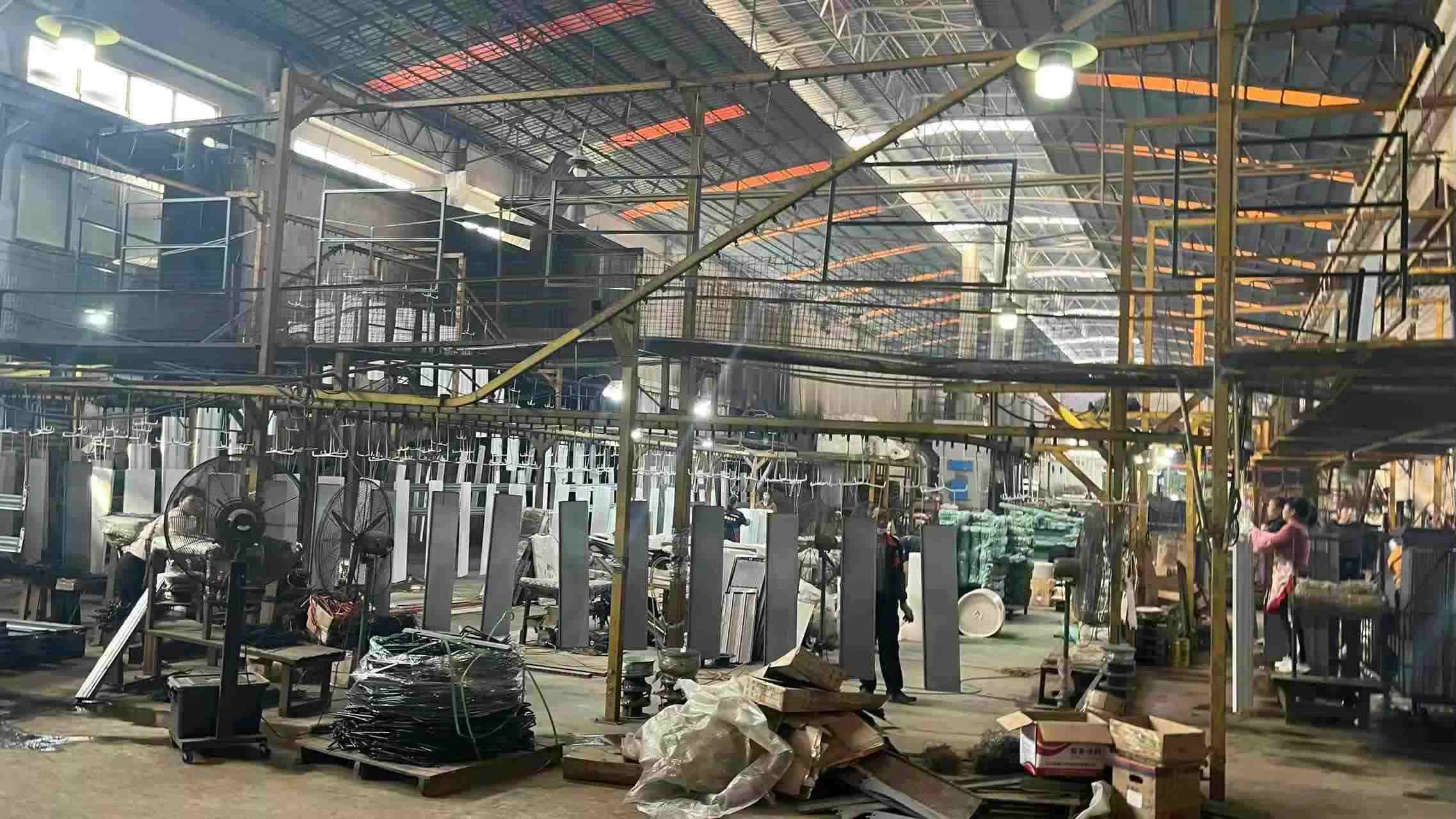
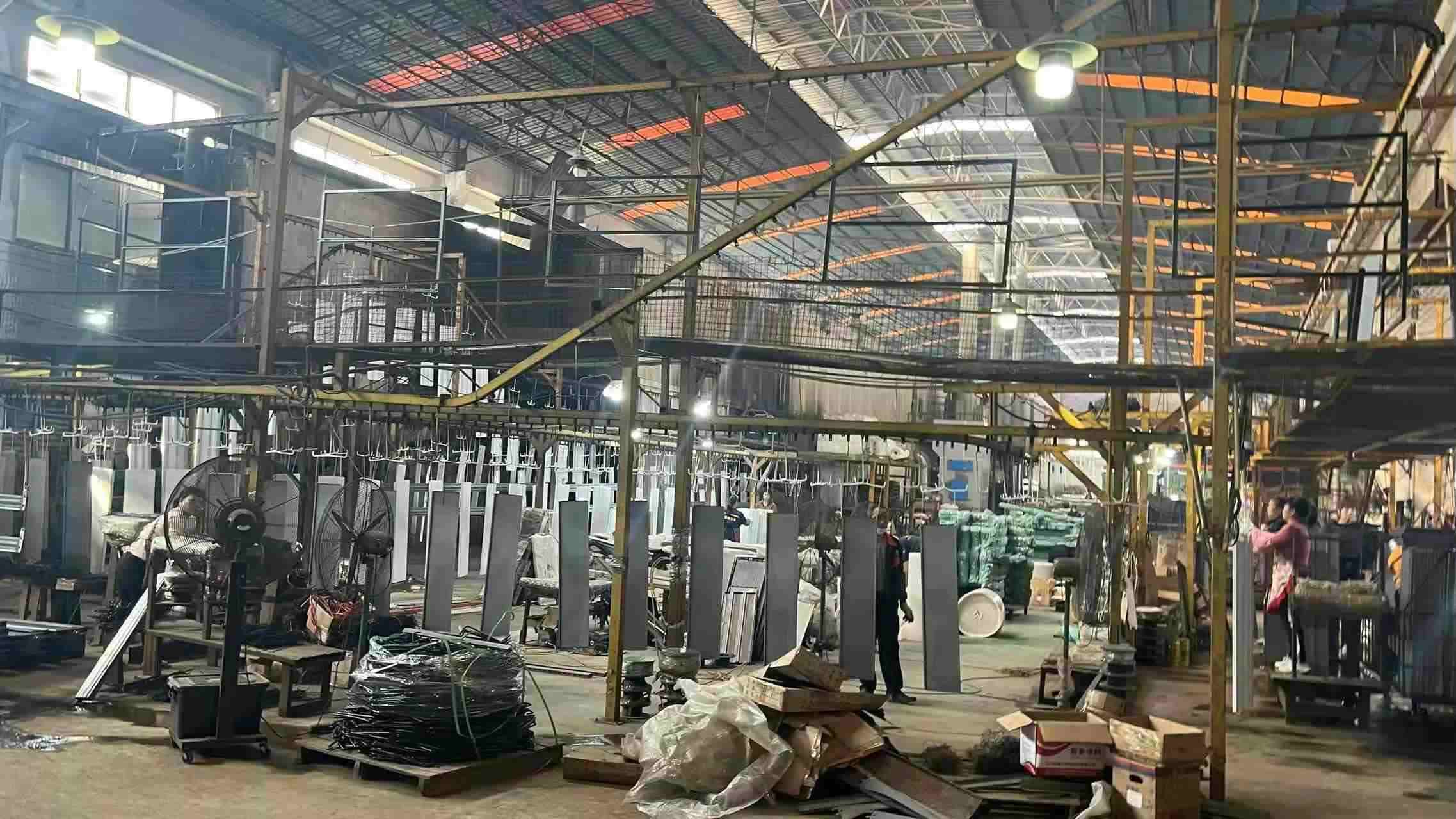
High-humidity distributions and low-temperature cold chain installations demand exceptional material longevity. Electrostatic powder coatings combined with multi-stage chemical pretreatment (acid washing and parkerising) provide a protective barrier against oxidation and mechanical wear.
A global racking rollout is only as strong as its local regulatory approval. Reputable manufacturers ensure that structural designs align with local building codes, including America's Rack Manufacturers Institute (RMI) standards, Europe’s EN 15512 specifications, and Australia’s AS4084 regulations. Working with experienced structural engineers guarantees that drawings can easily pass municipal inspections, structural audits, and workplace safety validations across any territory.
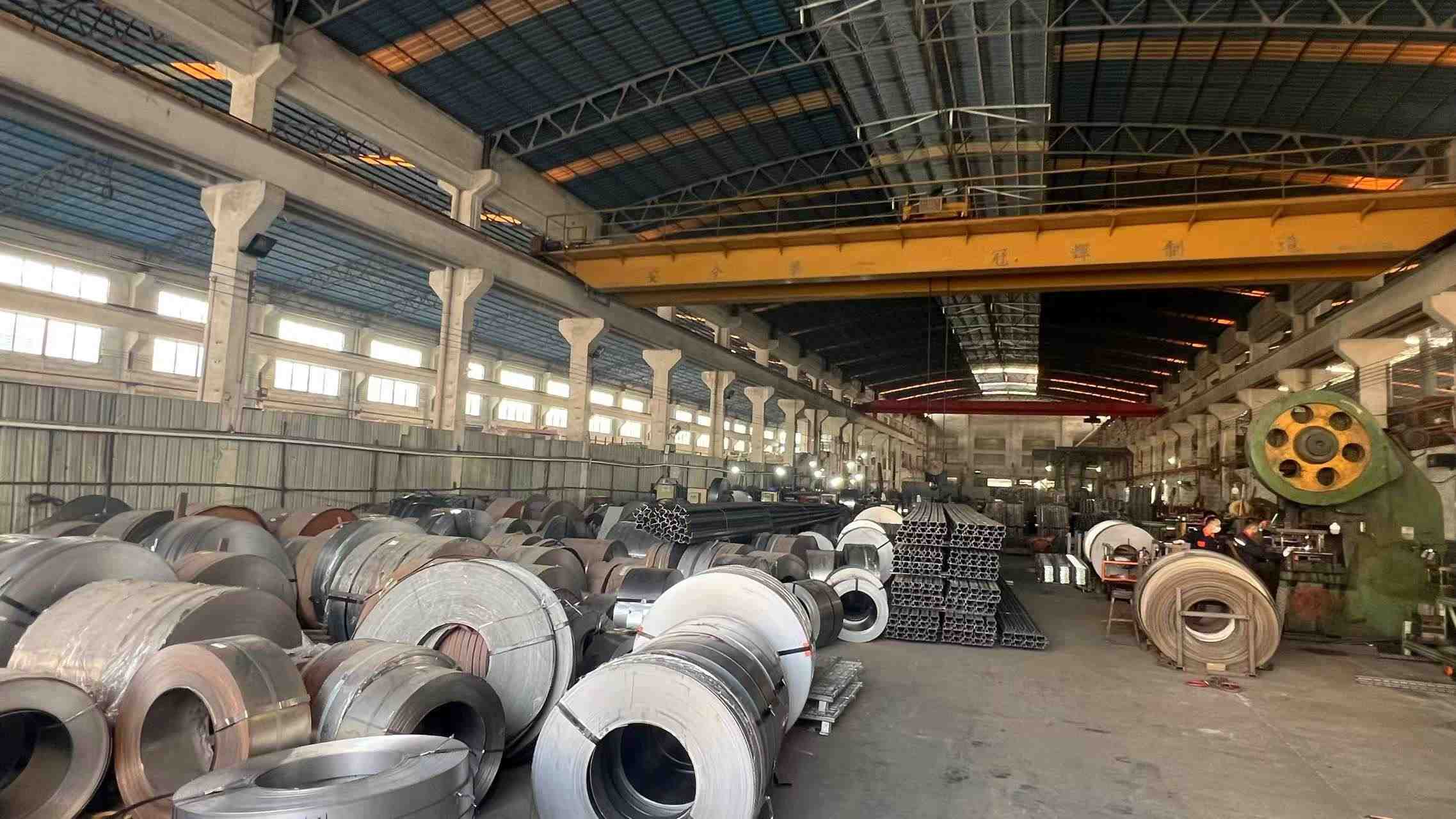
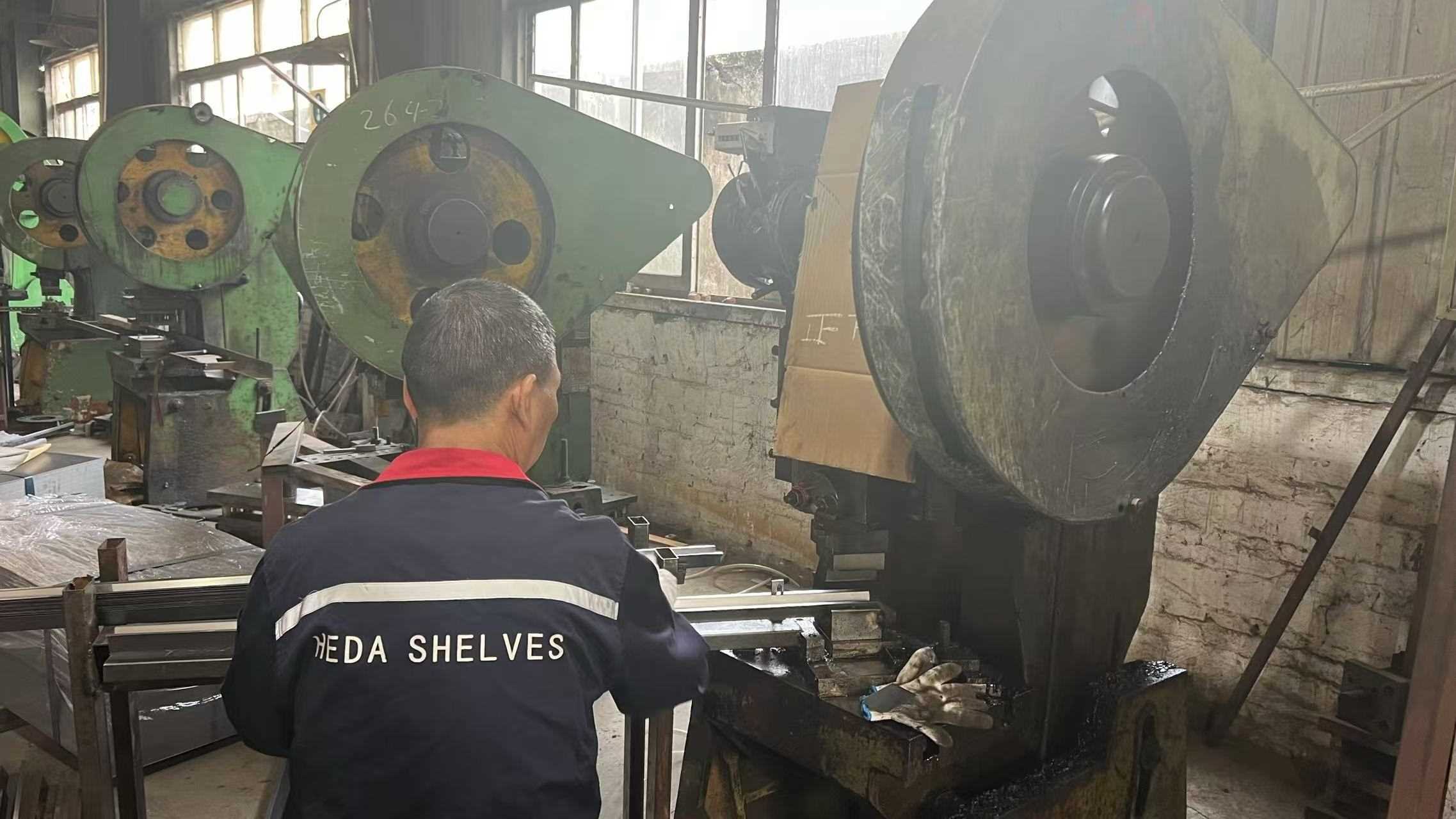
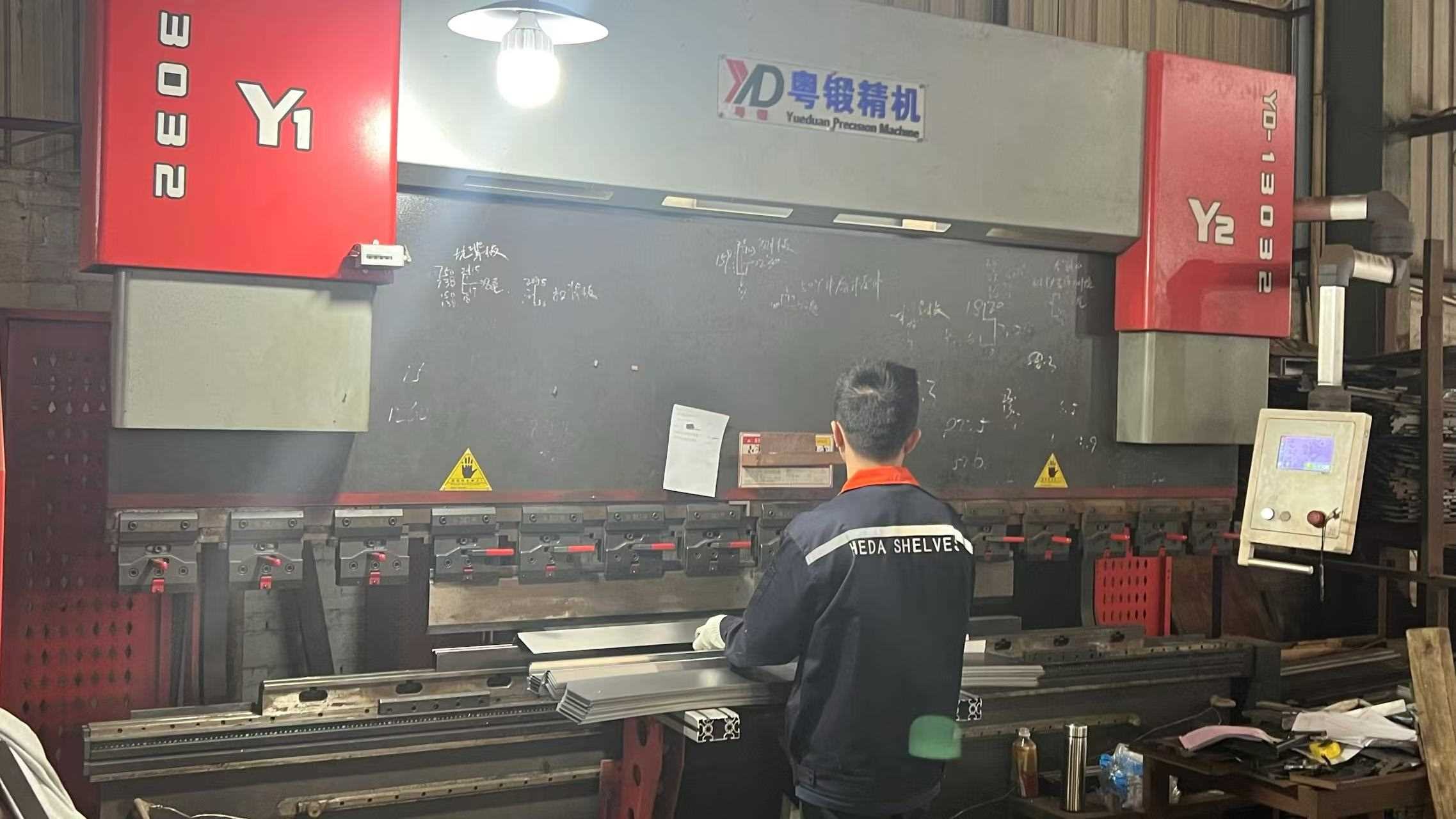
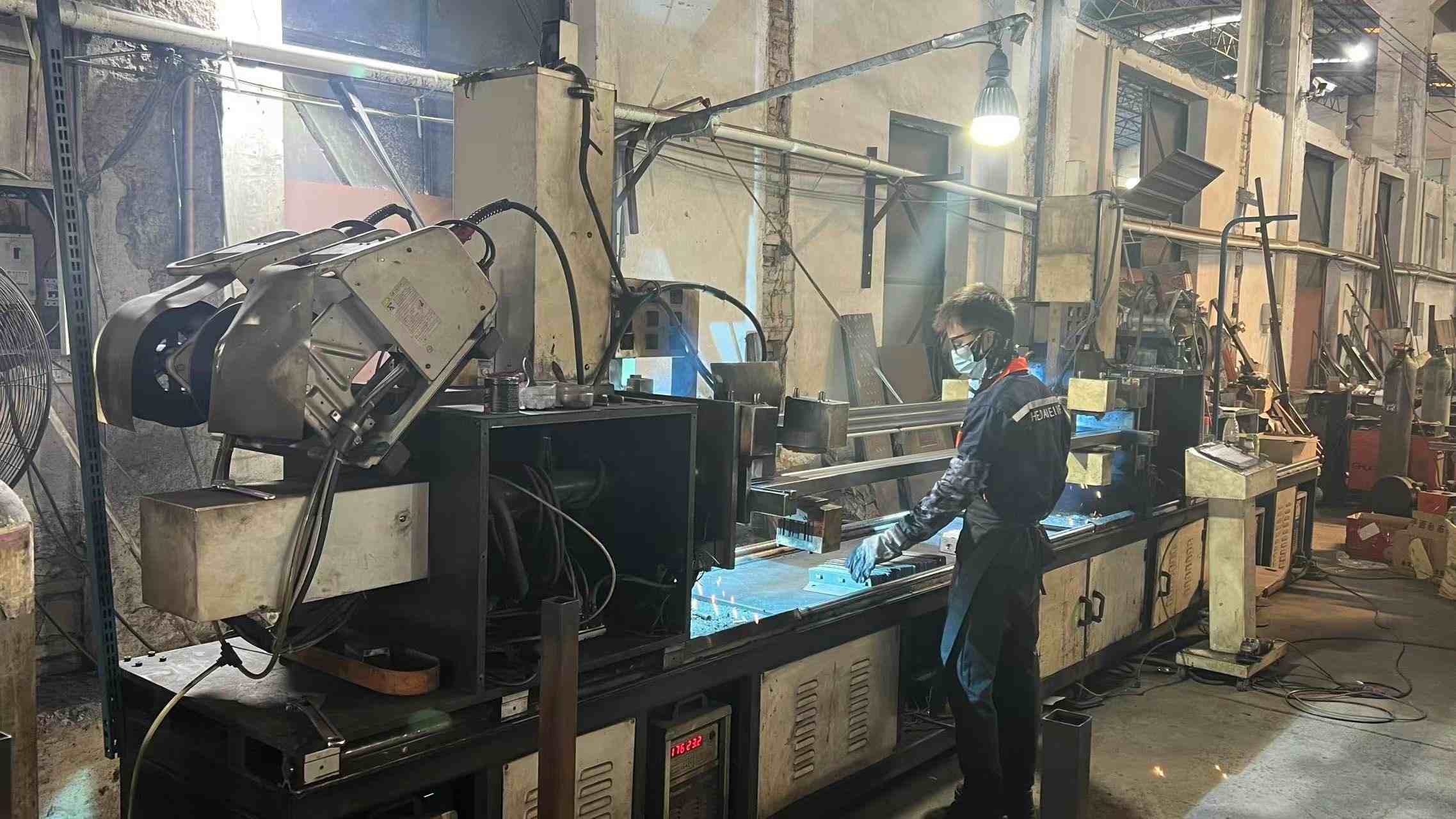
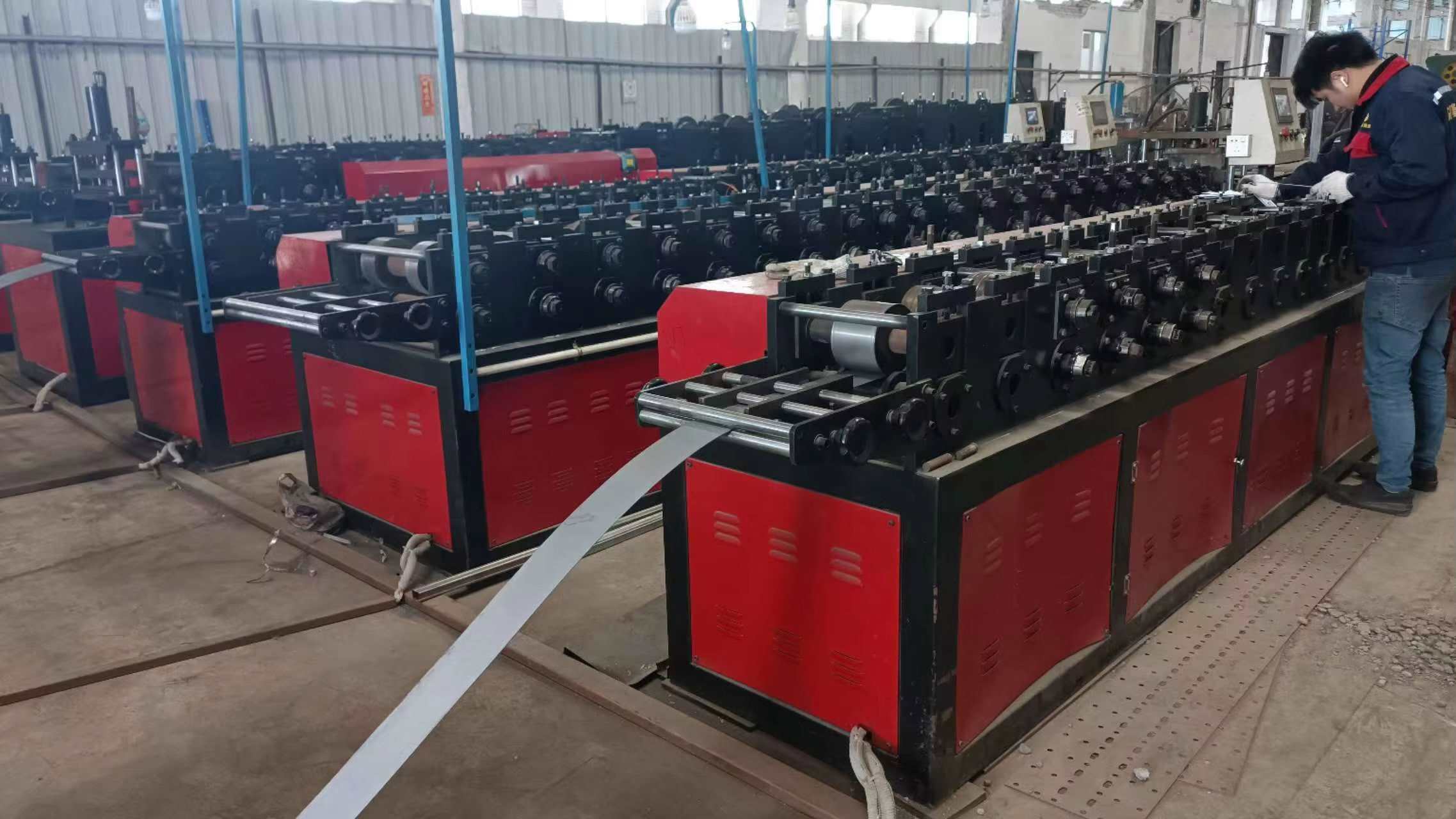
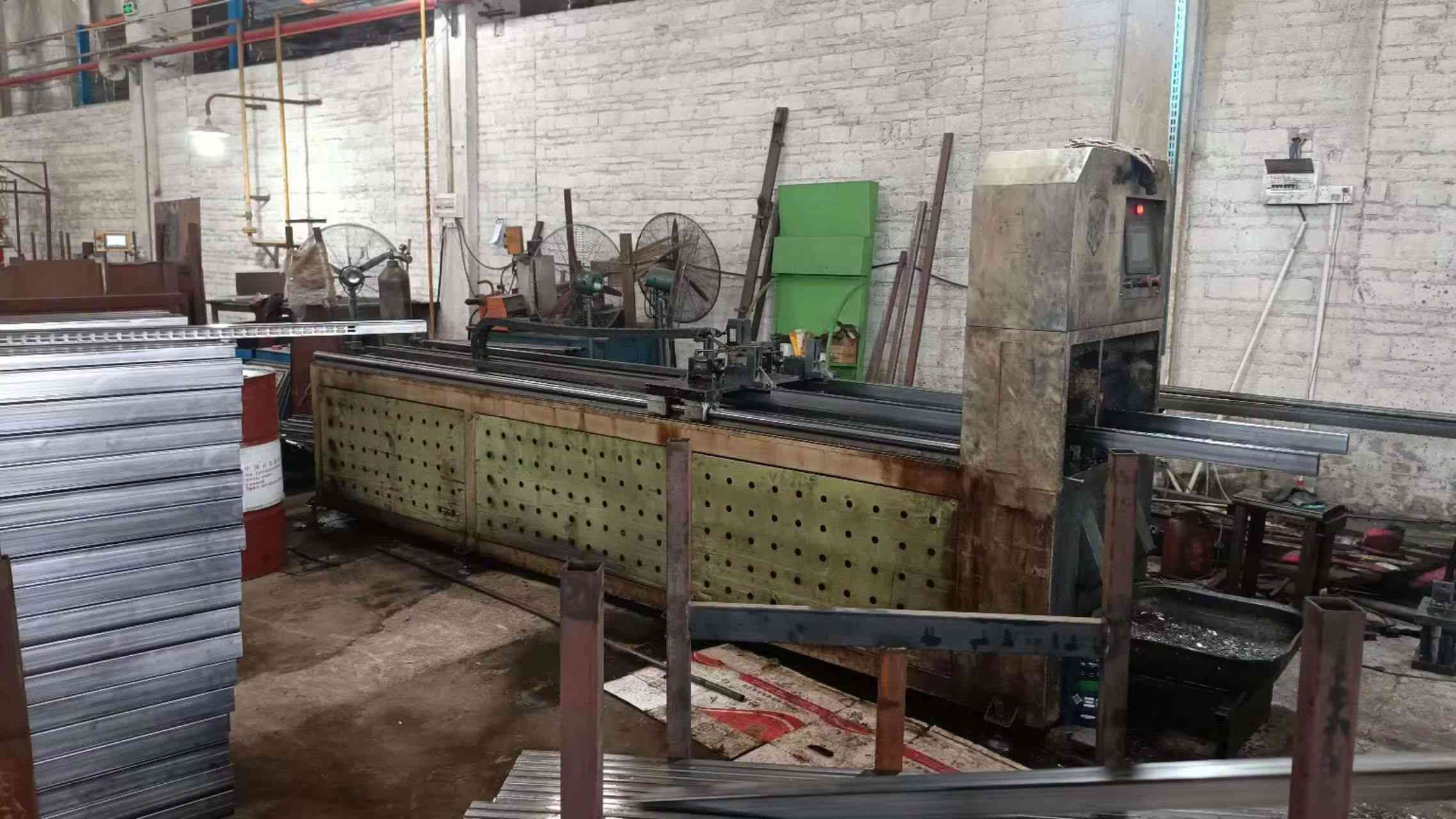
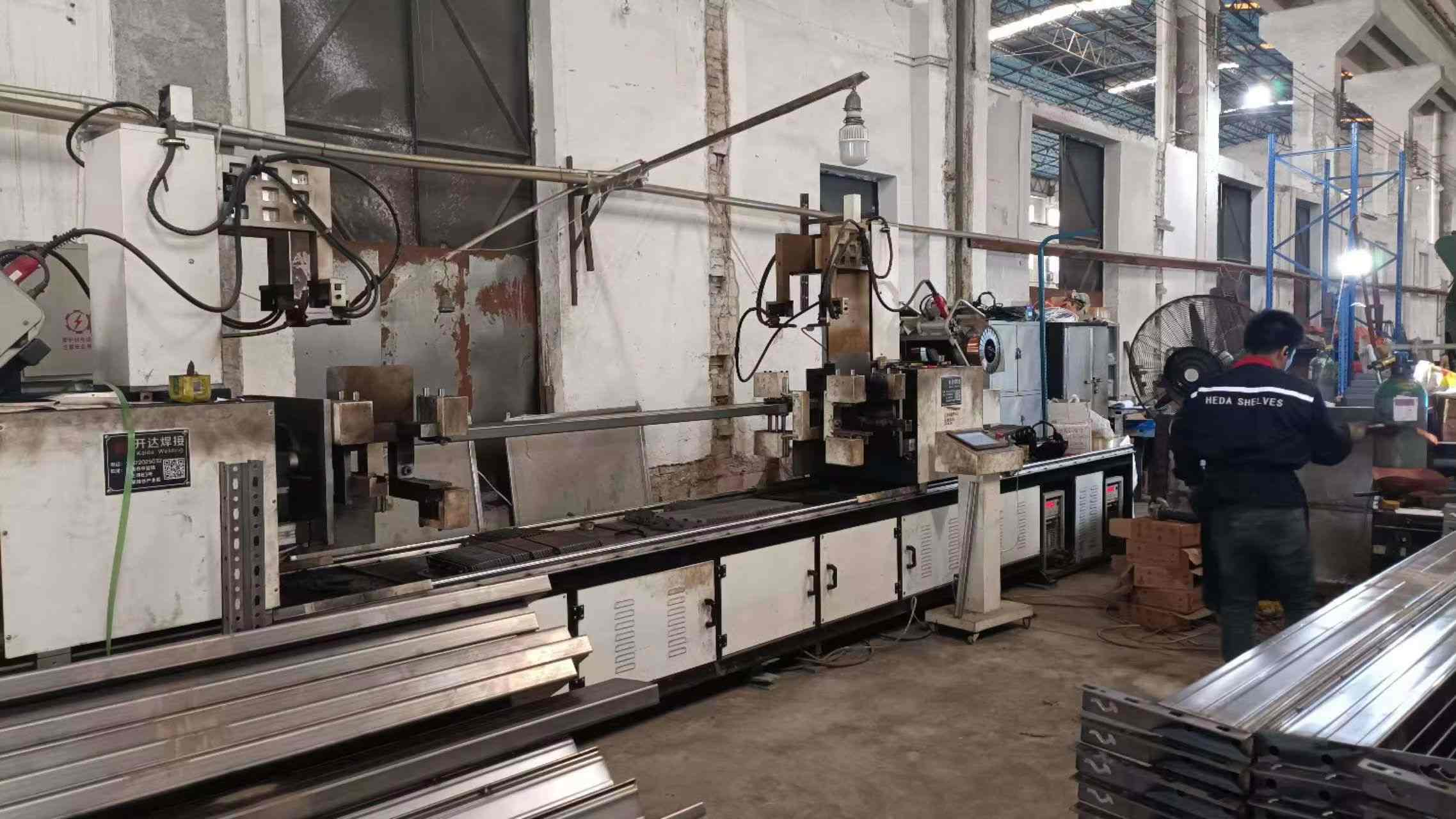
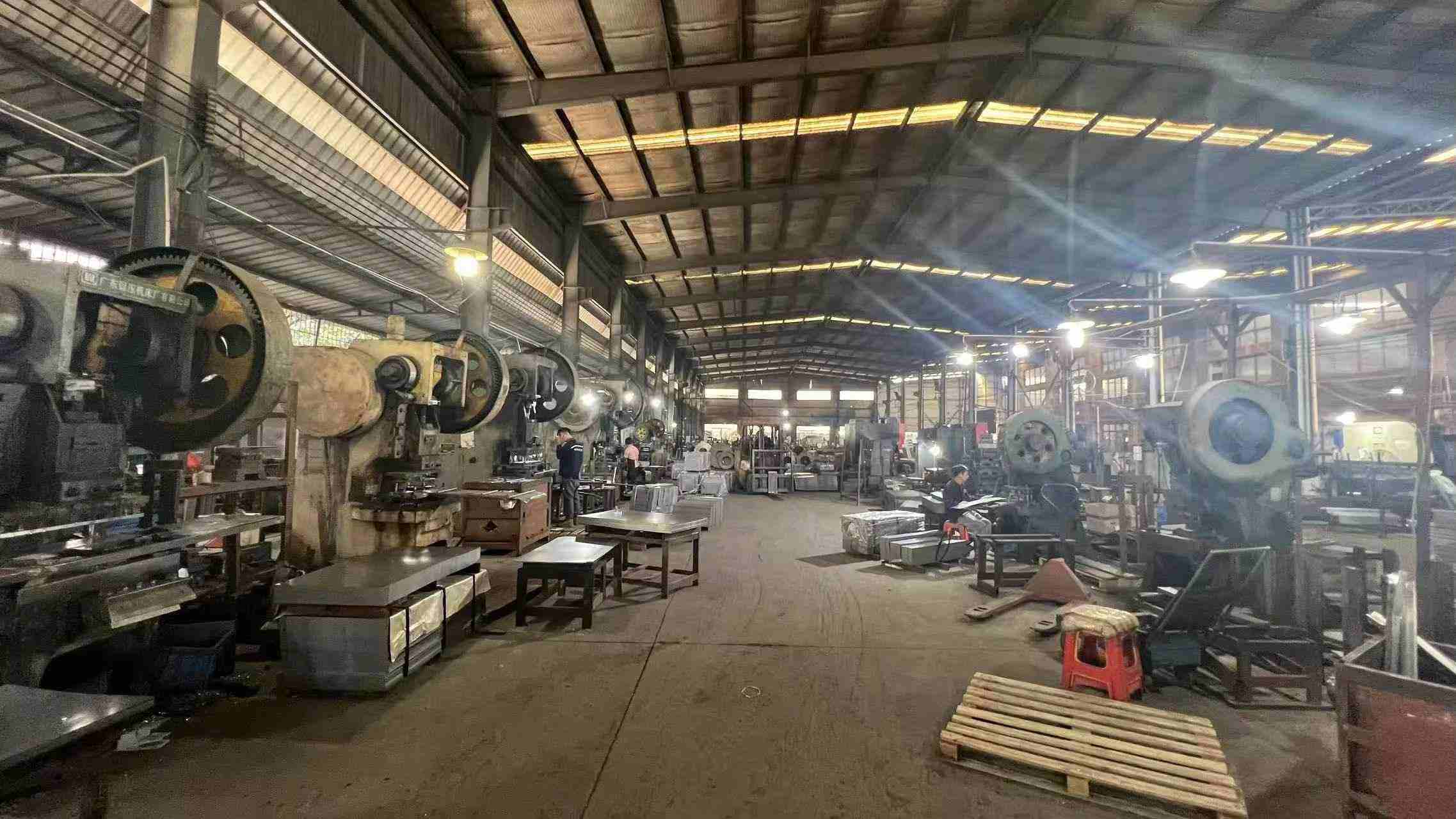
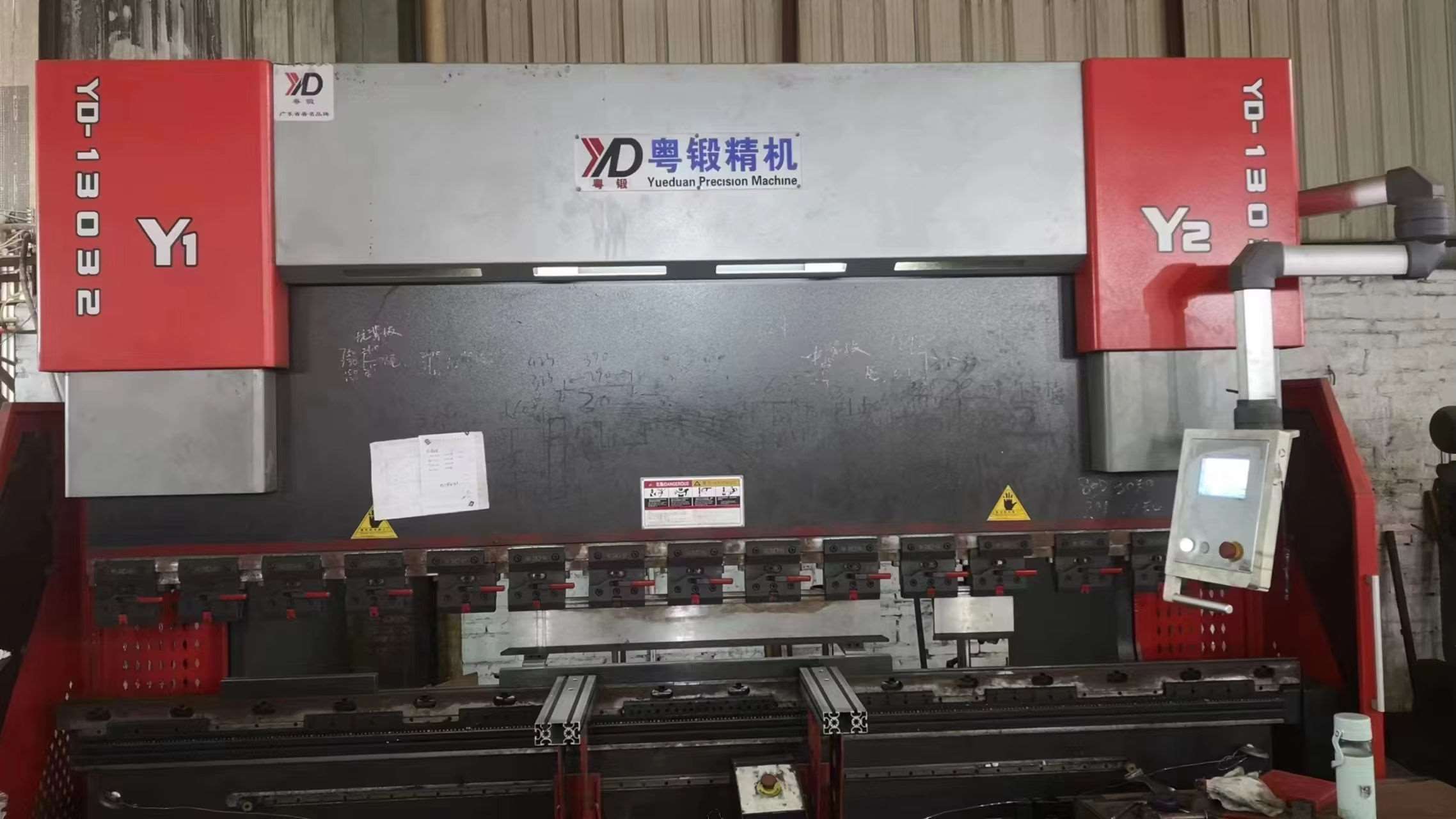
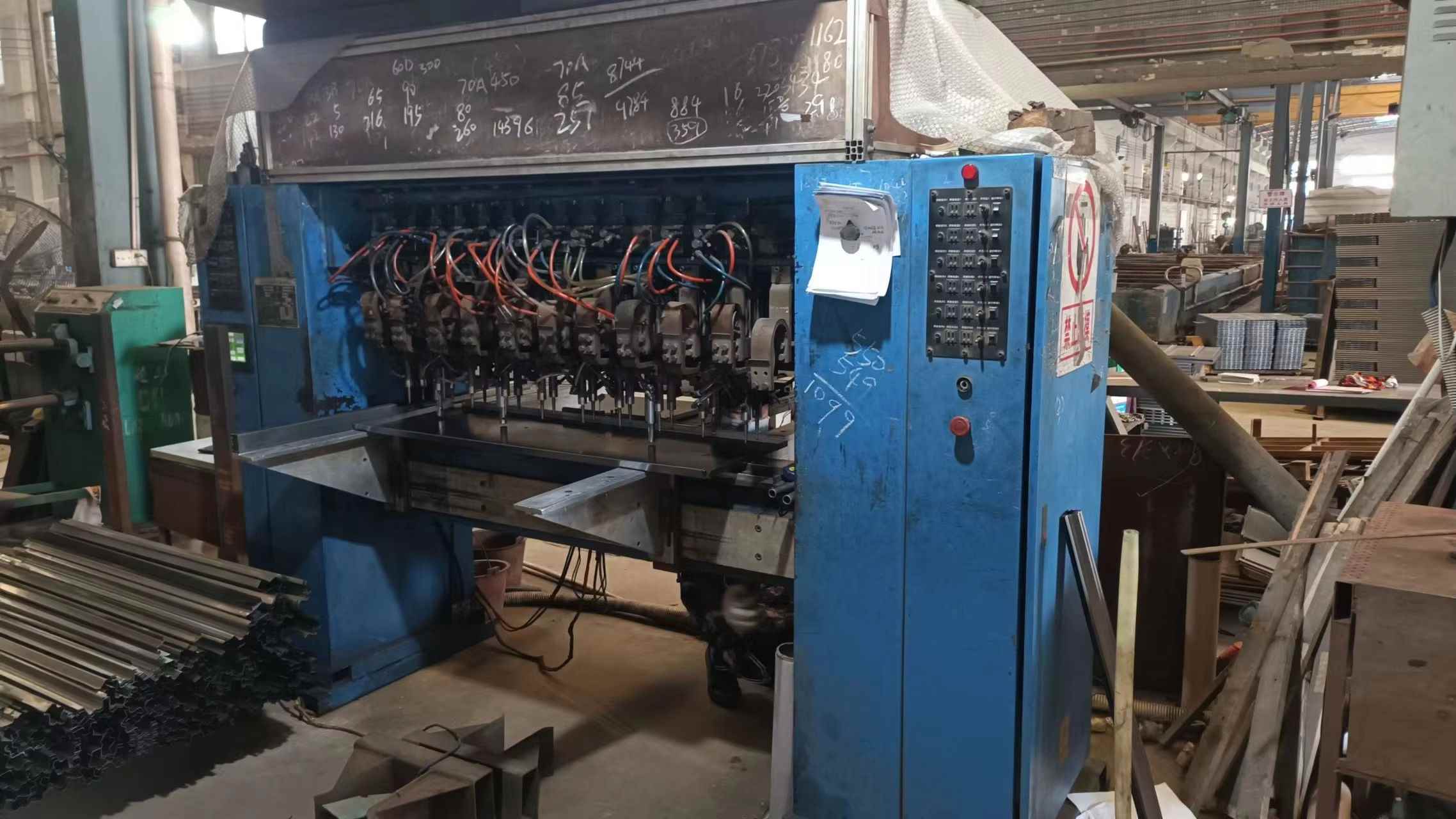
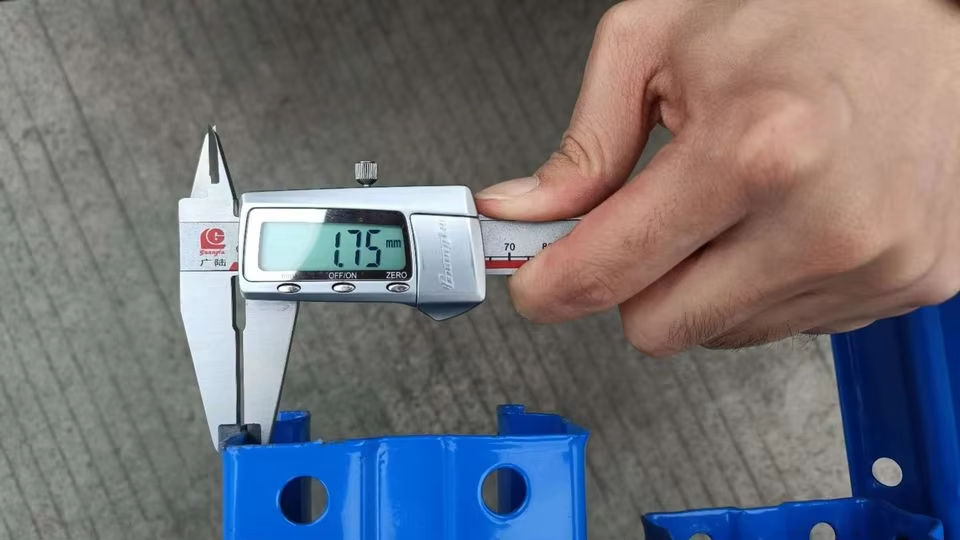
At Heda, quality control and engineering innovation drive our core operations. Our robust QC department comprises 45 skilled inspectors utilizing rigorous testing methods, including raw material tensile testing, automated weld flaw detection, layer load-bearing stress analysis, and salt spray surface corrosion testing. Supported by a professional R&D team of 28 senior structural engineers, we maintain strong full-customization capabilities (OEM/ODM)—offering tailored rack dimensions, load capacities, surface coatings, and layout designs. Driven by continuous innovation, we launched over 120 new dynamic storage products and component upgrades last year.
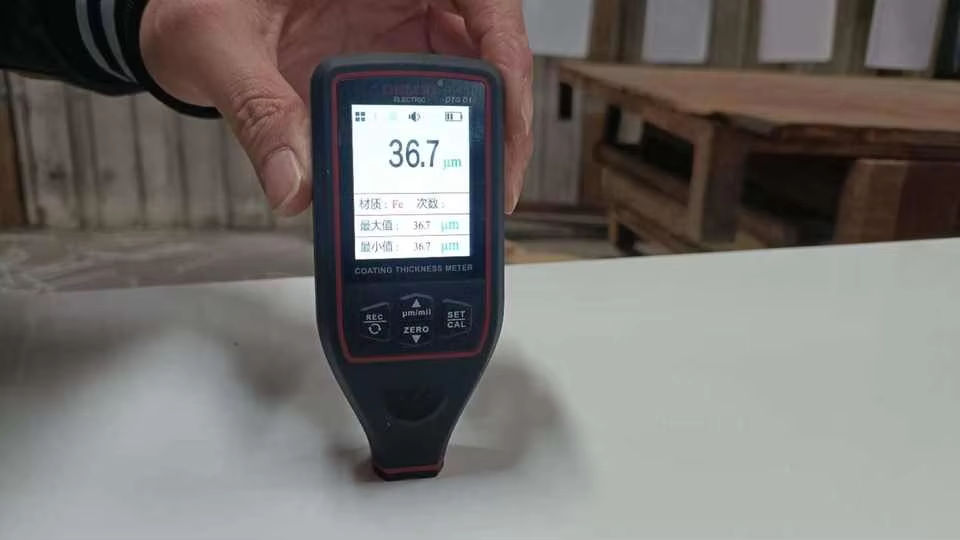
Technical, structural, and commercial details designed to streamline corporate decision-making.
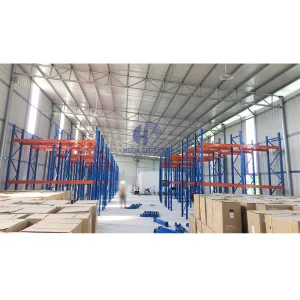
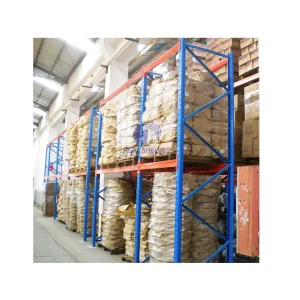
Engineered structural steel configurations designed to optimize space utilization across industrial settings.
 Hedaracking