Engineered to optimize structural integrity, space utilization density, and handling speed across critical global supply chain hubs.
An in-depth analysis of global material handling paradigms, structural safety metrics, and China's smart manufacturing infrastructure.
In an era defined by fluctuating global consumption habits, land scarcity, and localized inventory buffering, the industrial warehousing sector is undergoing a profound paradigm shift. Businesses are no longer viewing warehouses as simple holding pens; instead, they are dynamic nodes in the global supply chain that must optimize volumetric throughput per square meter. Fast-rising land costs in logistical nodes across North America, Western Europe, and Asia-Pacific have turned space optimization from a cost-saving metric into a business continuity imperative.
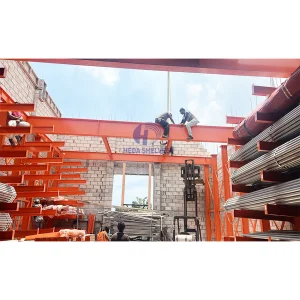
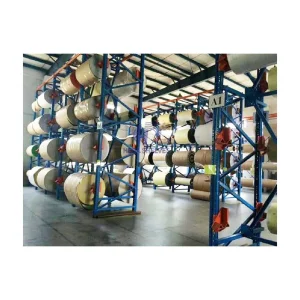
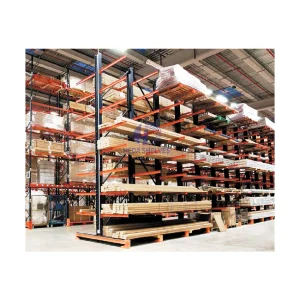
Consequently, heavy-duty racking systems have transformed from passive steel beams into high-capacity, precision-engineered structural systems. Today's commercial distribution hubs require high-bay systems capable of sustaining load capacities exceeding 3,000 kg per level, alongside automated interface clearances that can integrate seamlessly with high-speed automated storage and retrieval systems (AS/RS). Modern material handling plans require custom structural layouts that match the specific dimensional constraints of different product categories—ranging from long-span piping to high-density beverage pallets.
"Optimizing volumetric density while maintaining high safety margins is the defining engineering challenge of modern industrial warehousing."
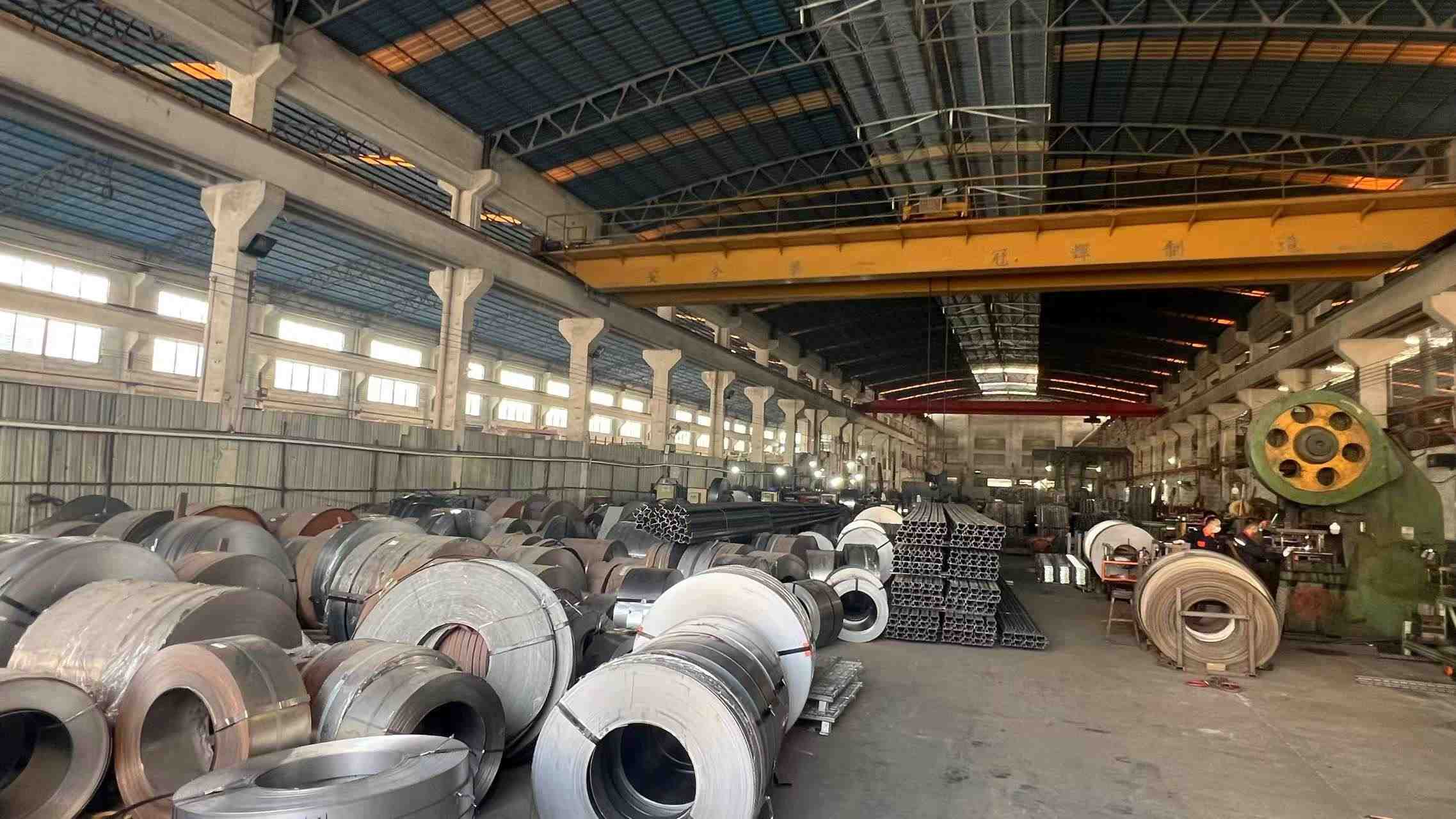
China's manufacturing sector has progressed from basic metal production to a sophisticated smart-manufacturing ecosystem. The integration of "Factory 4.0" automation technologies allows manufacturers to produce high-precision warehouse racks at scale. This shift ensures consistent quality, strict tolerances, and fast delivery timelines that are difficult for fragmented suppliers to match.
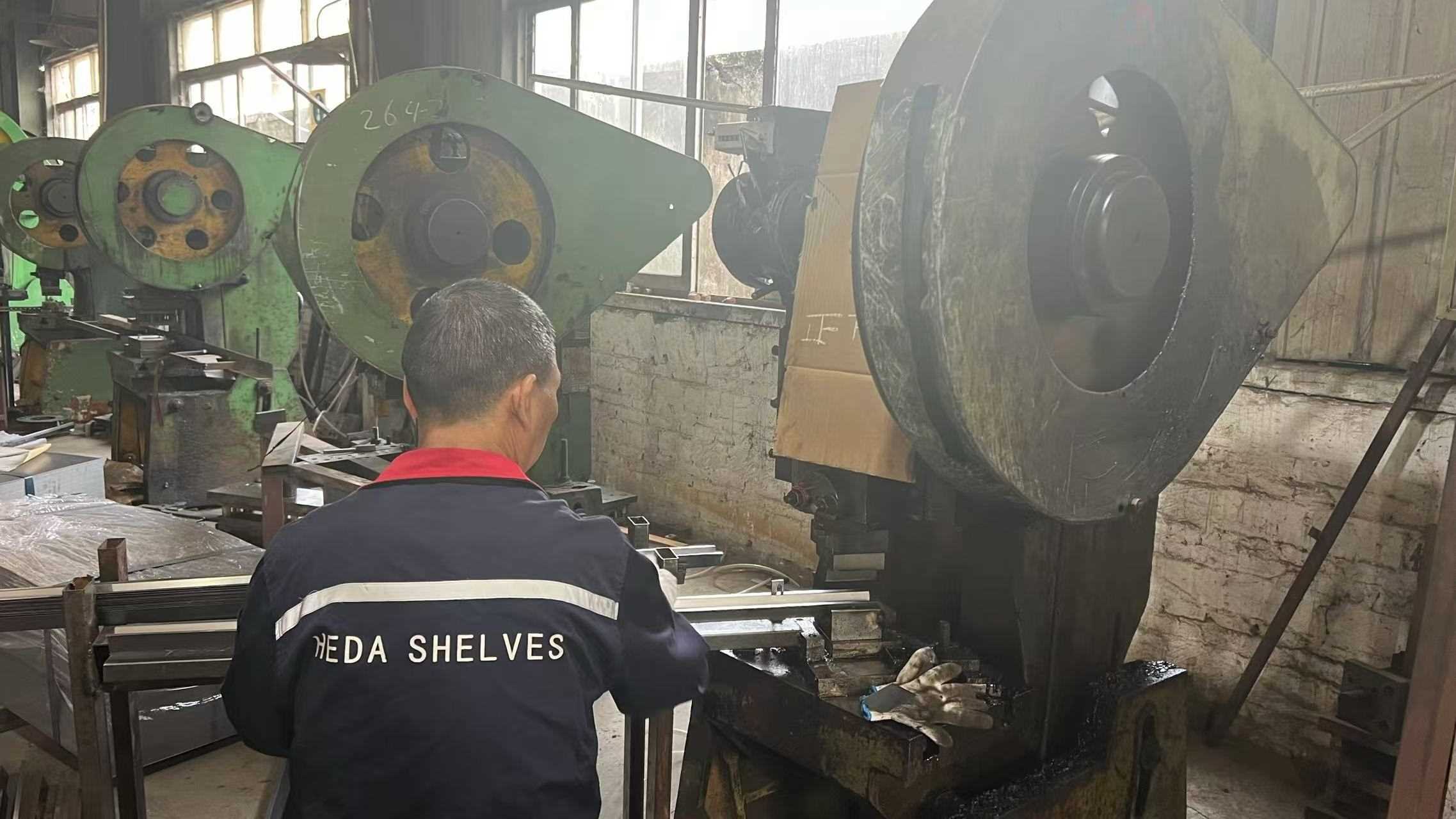
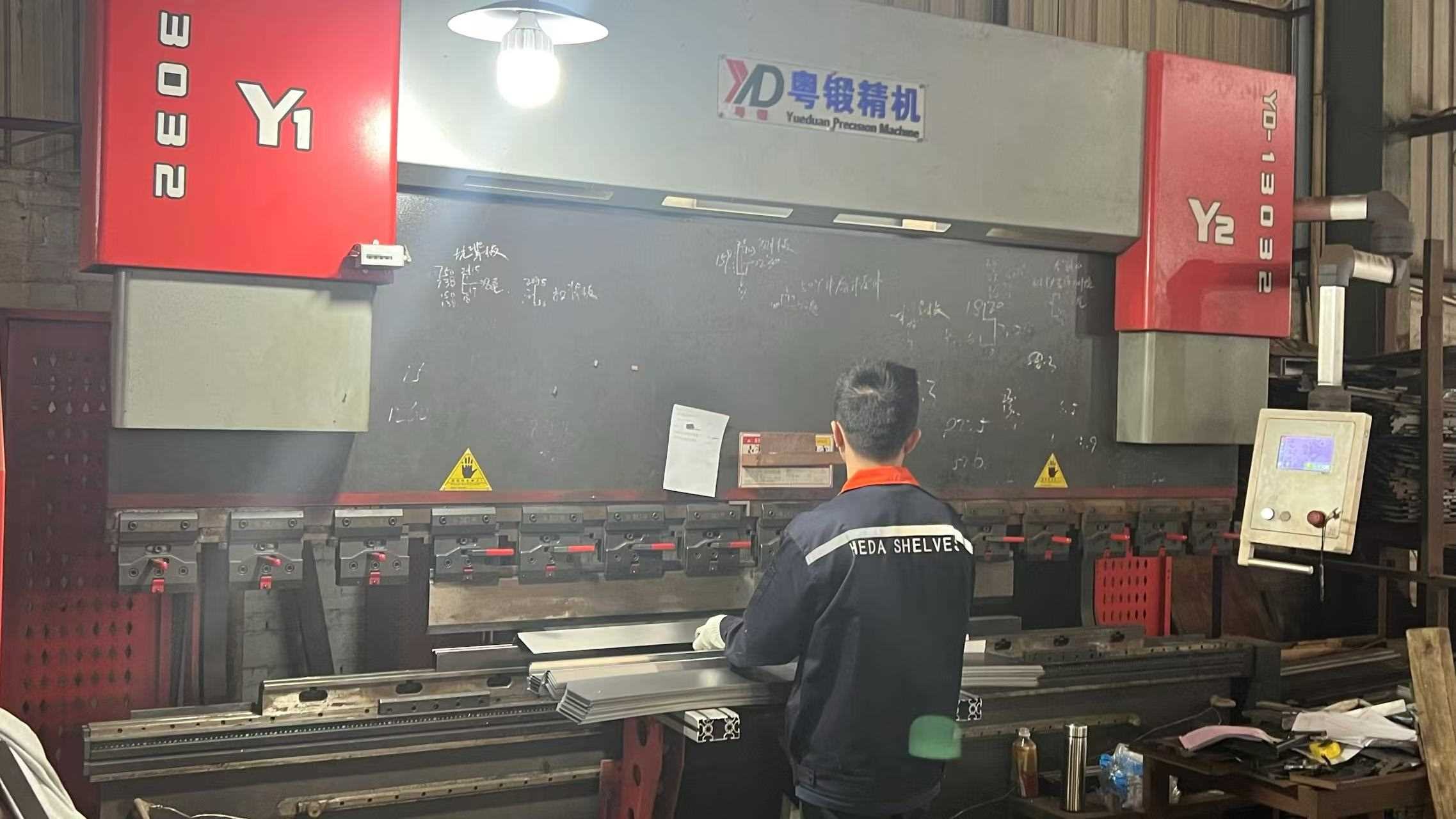
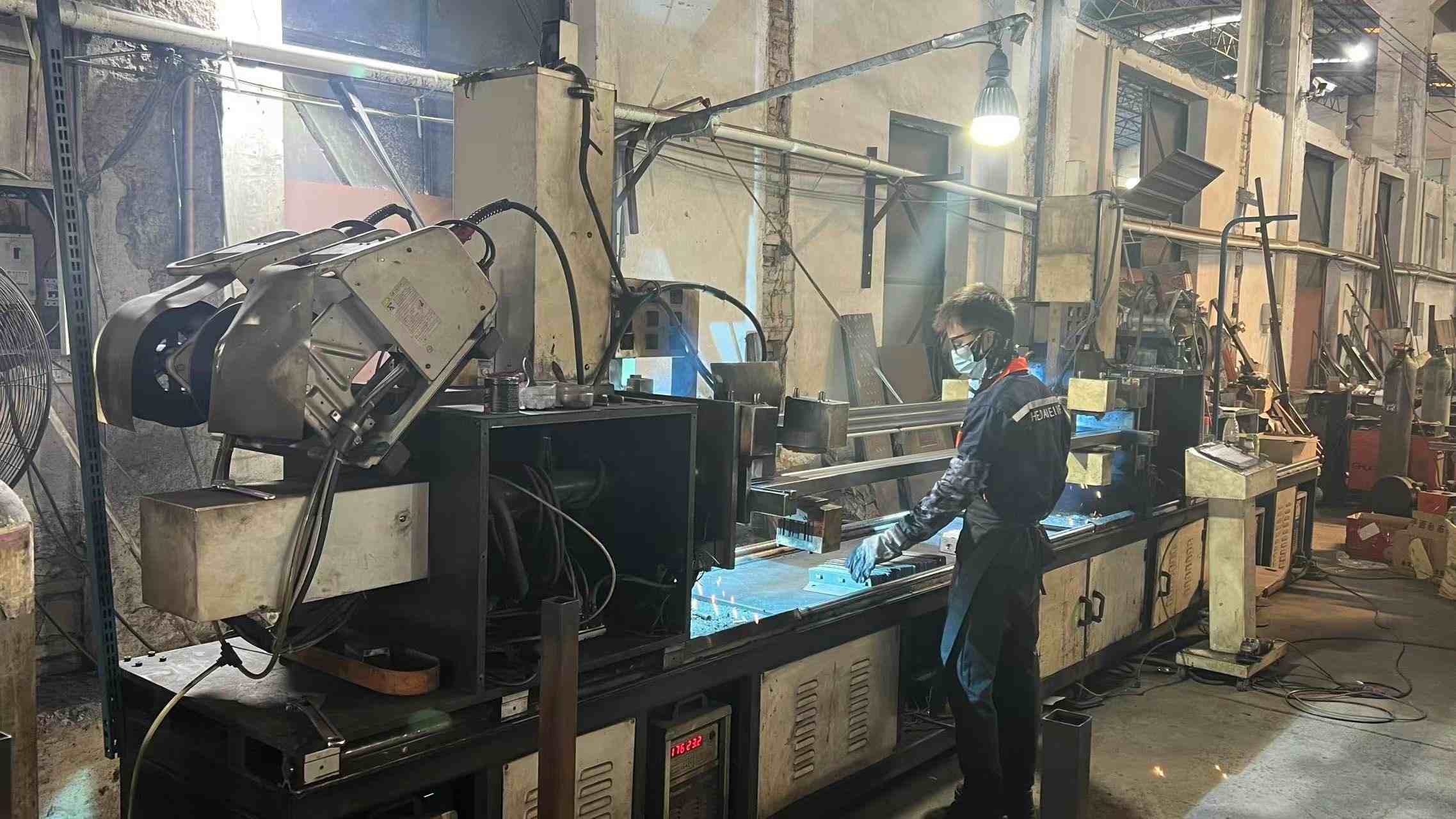
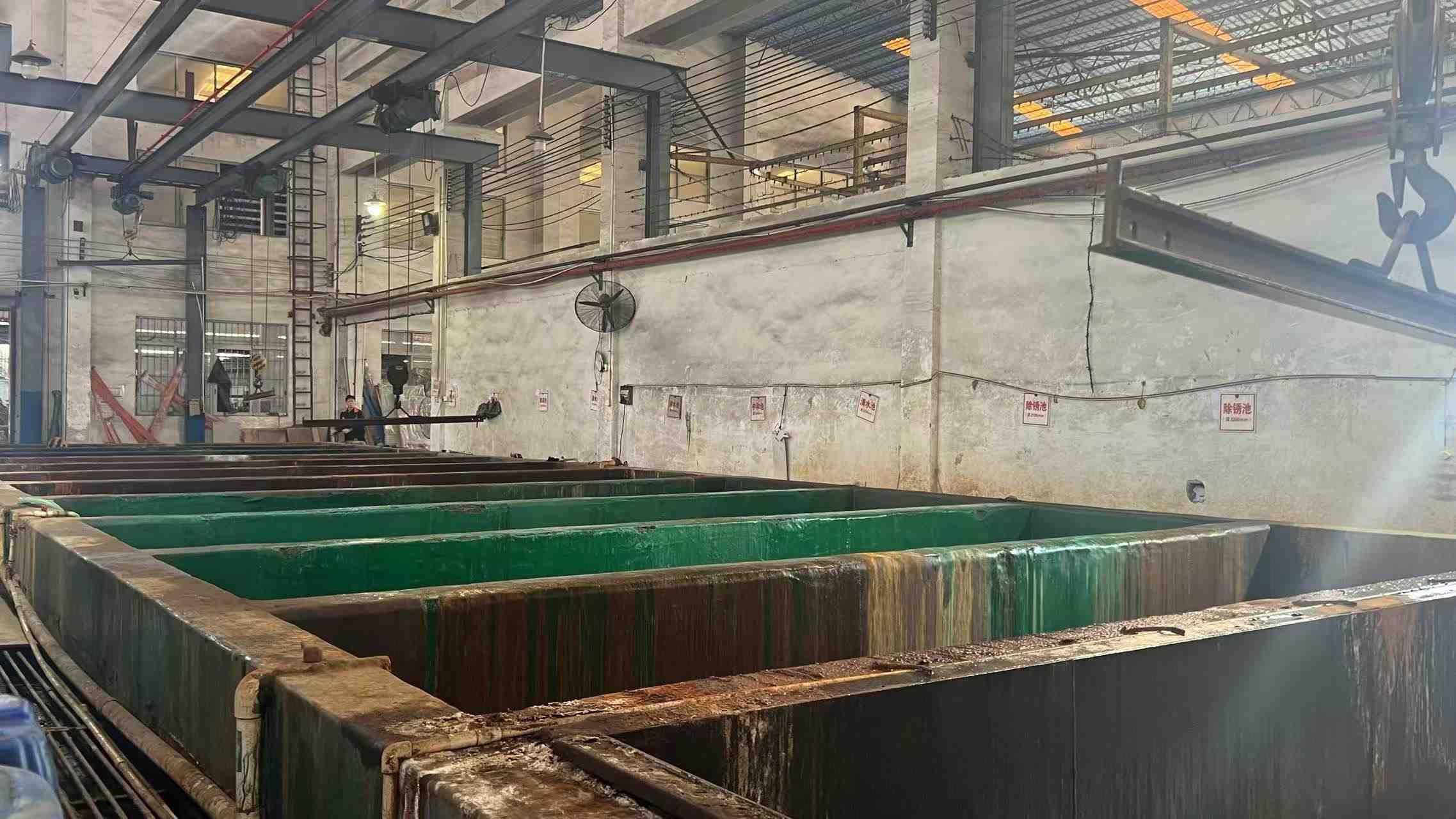
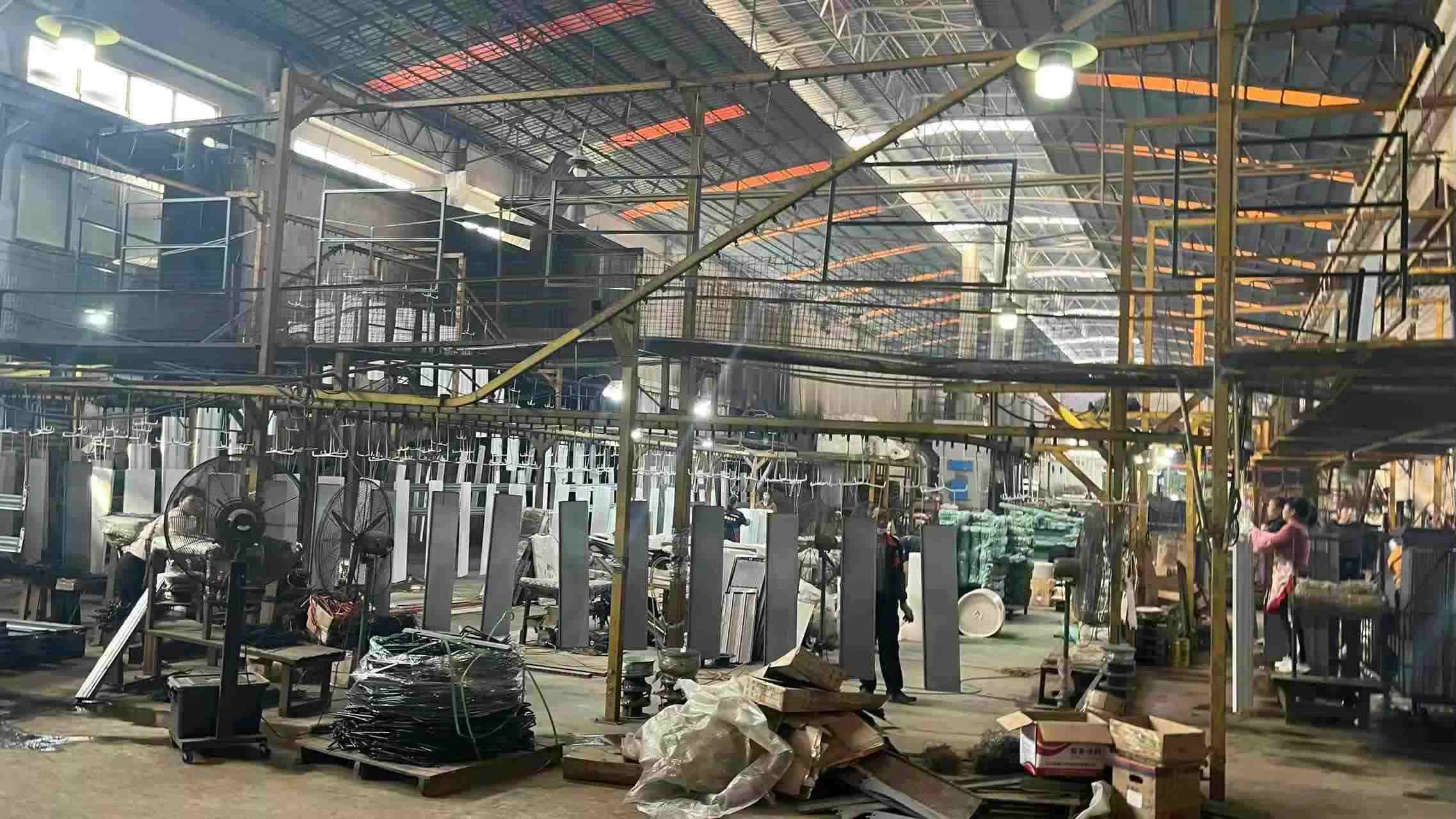
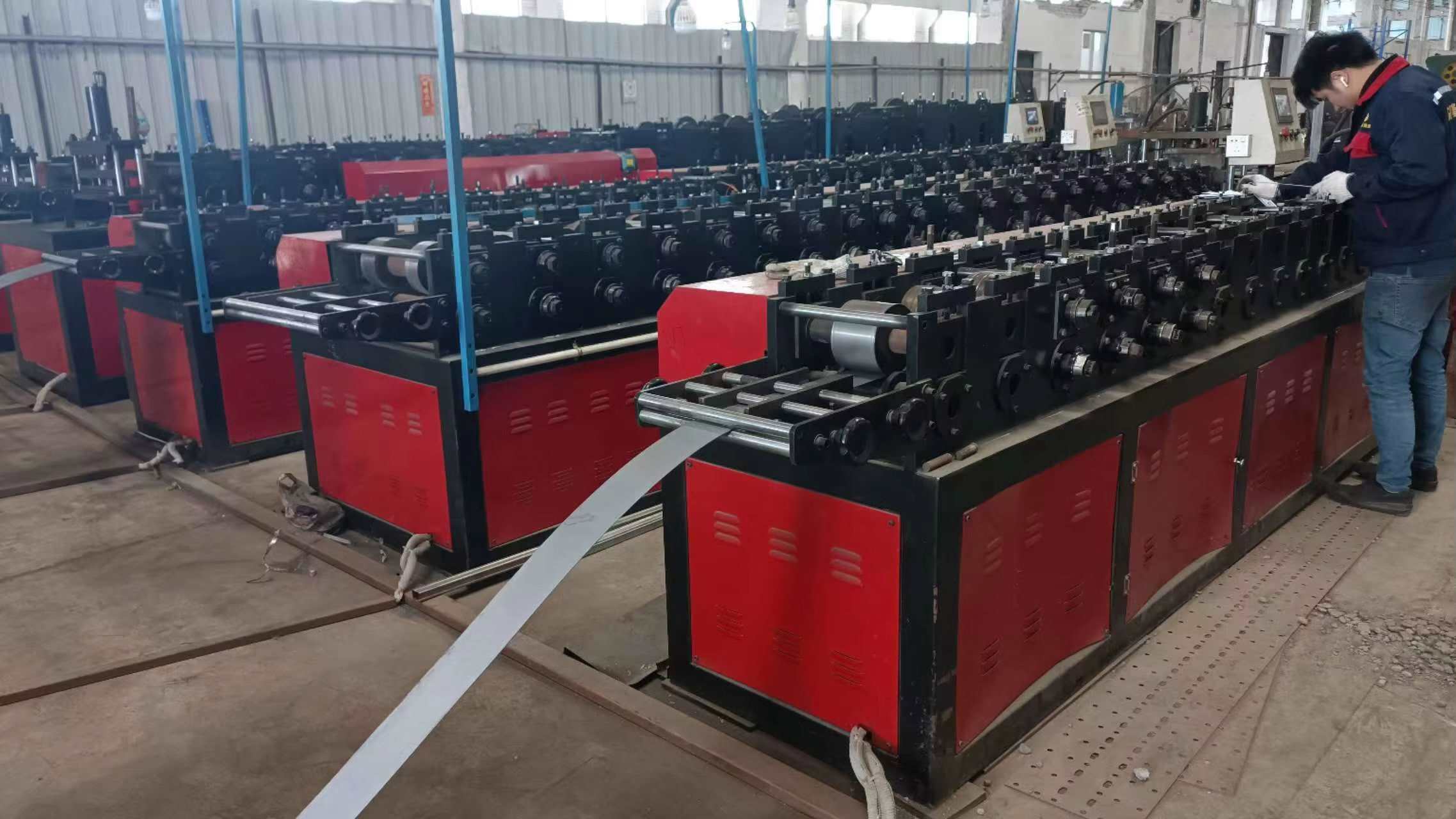
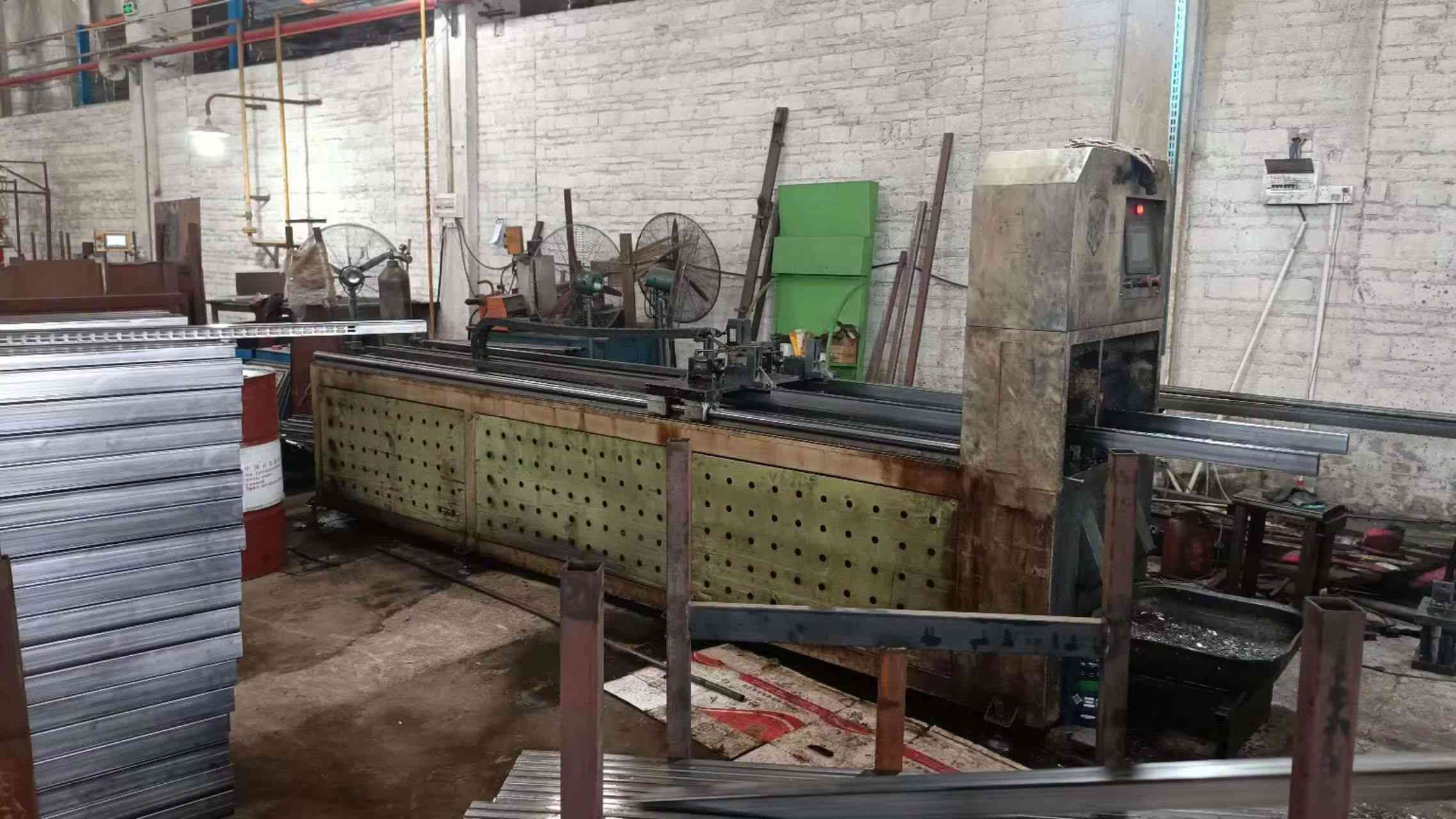
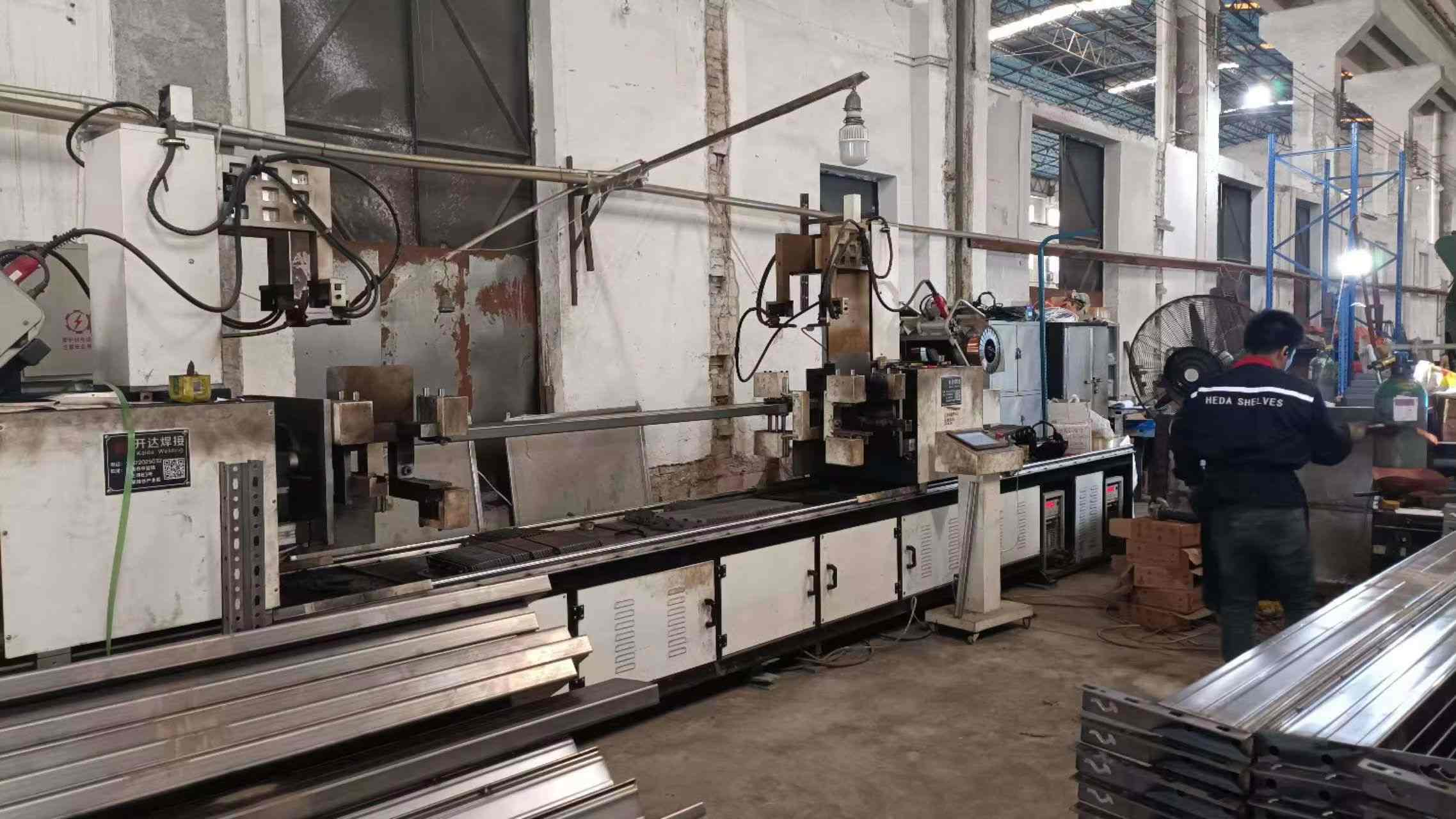
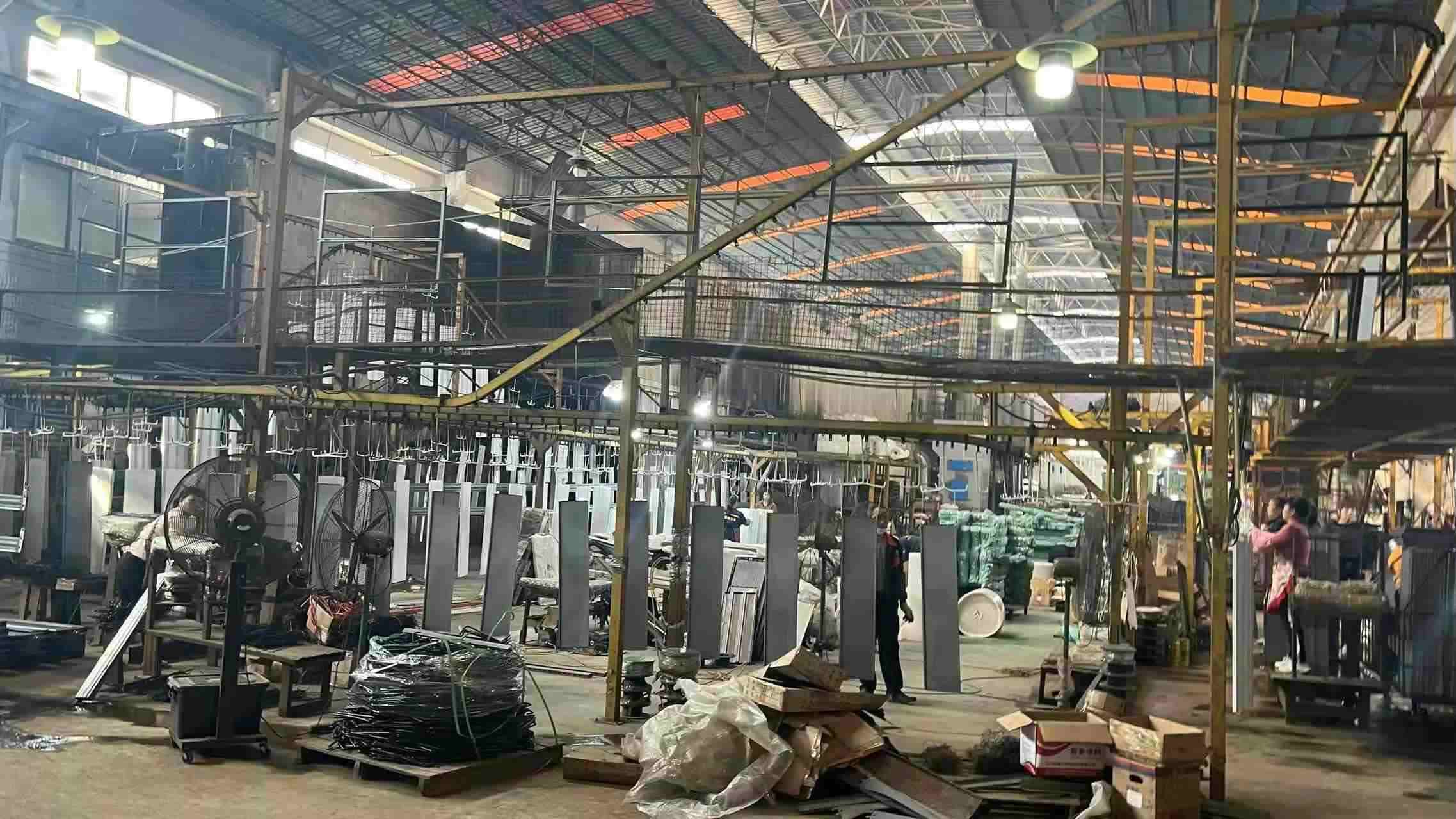
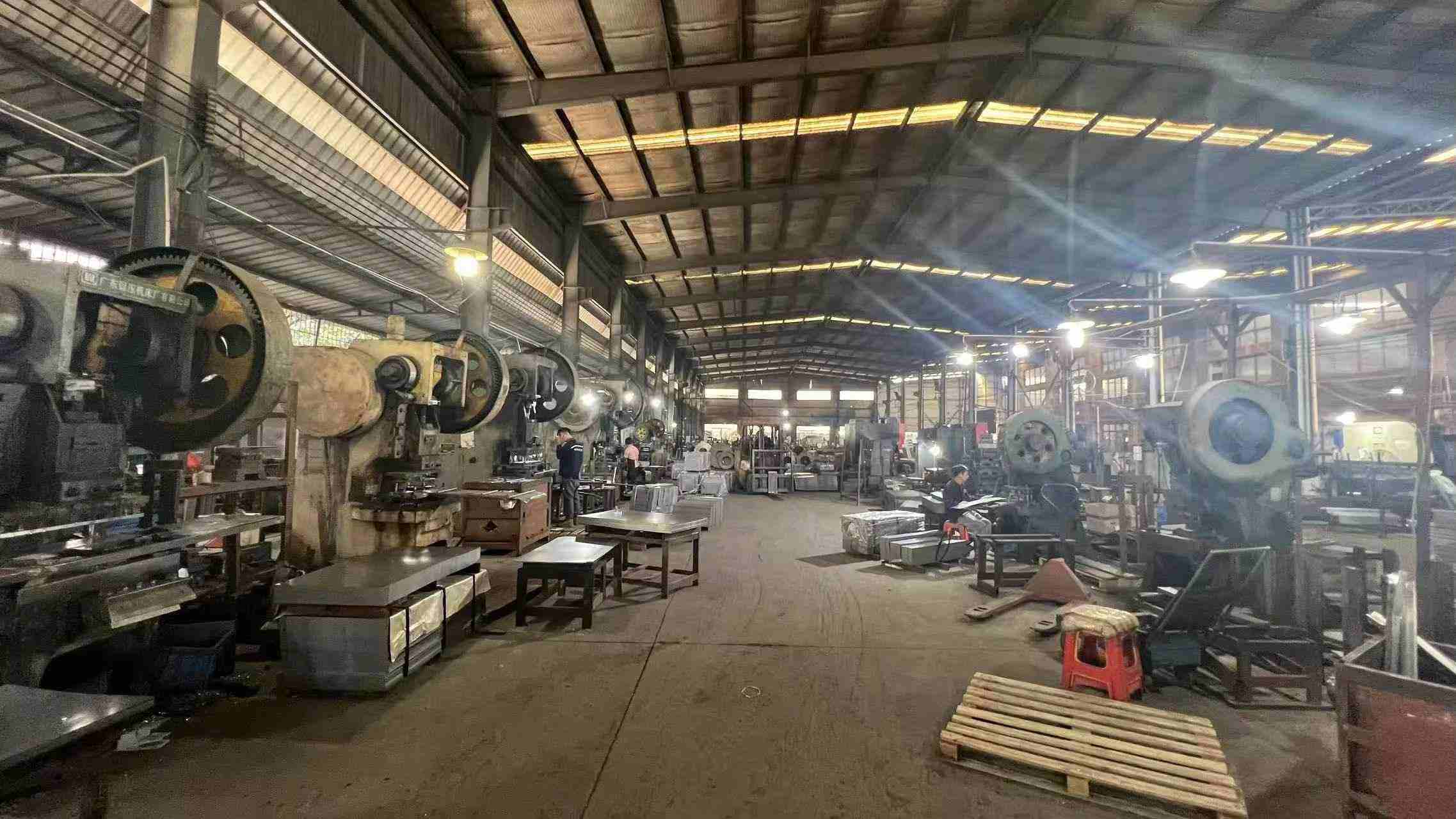
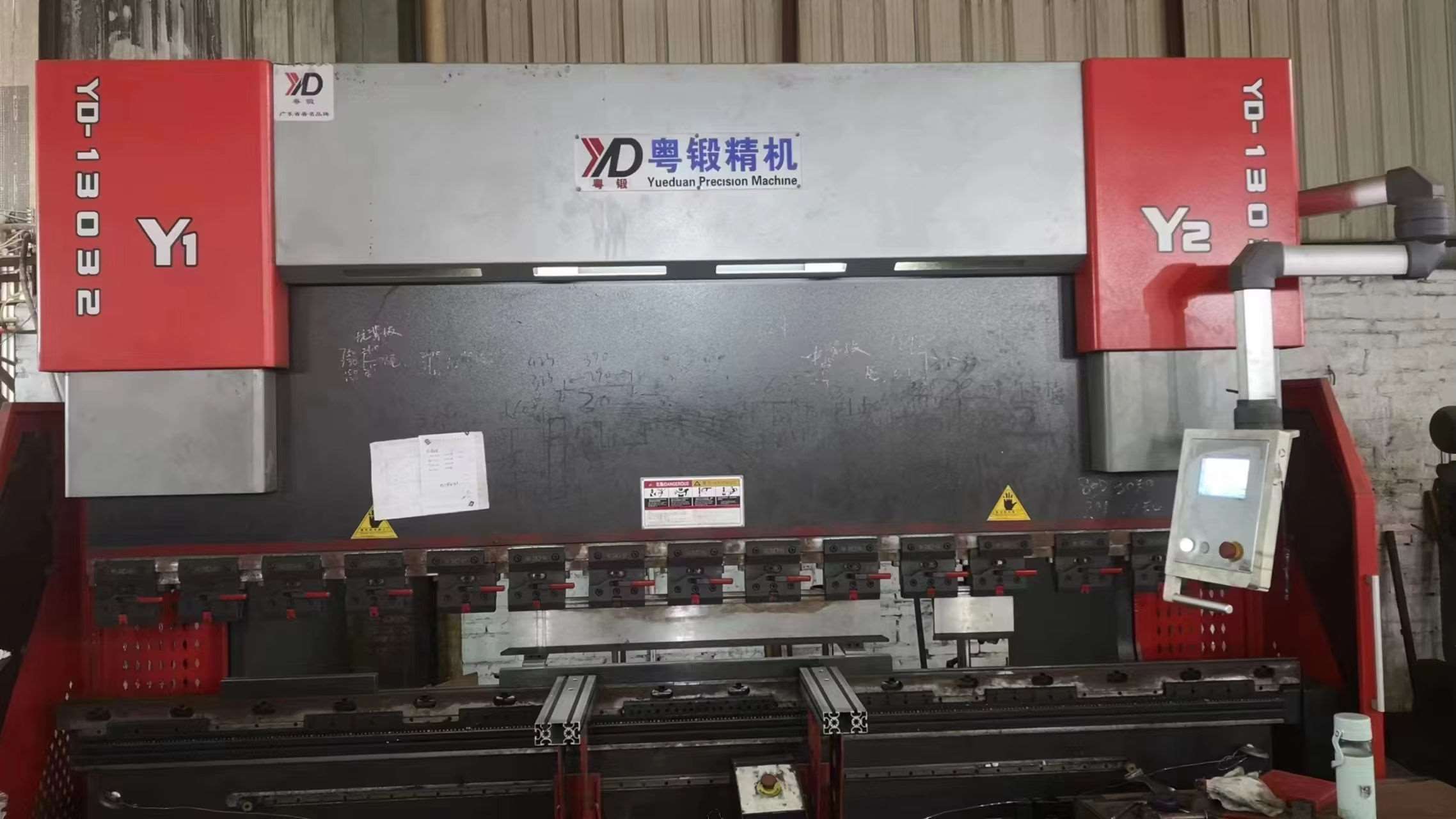
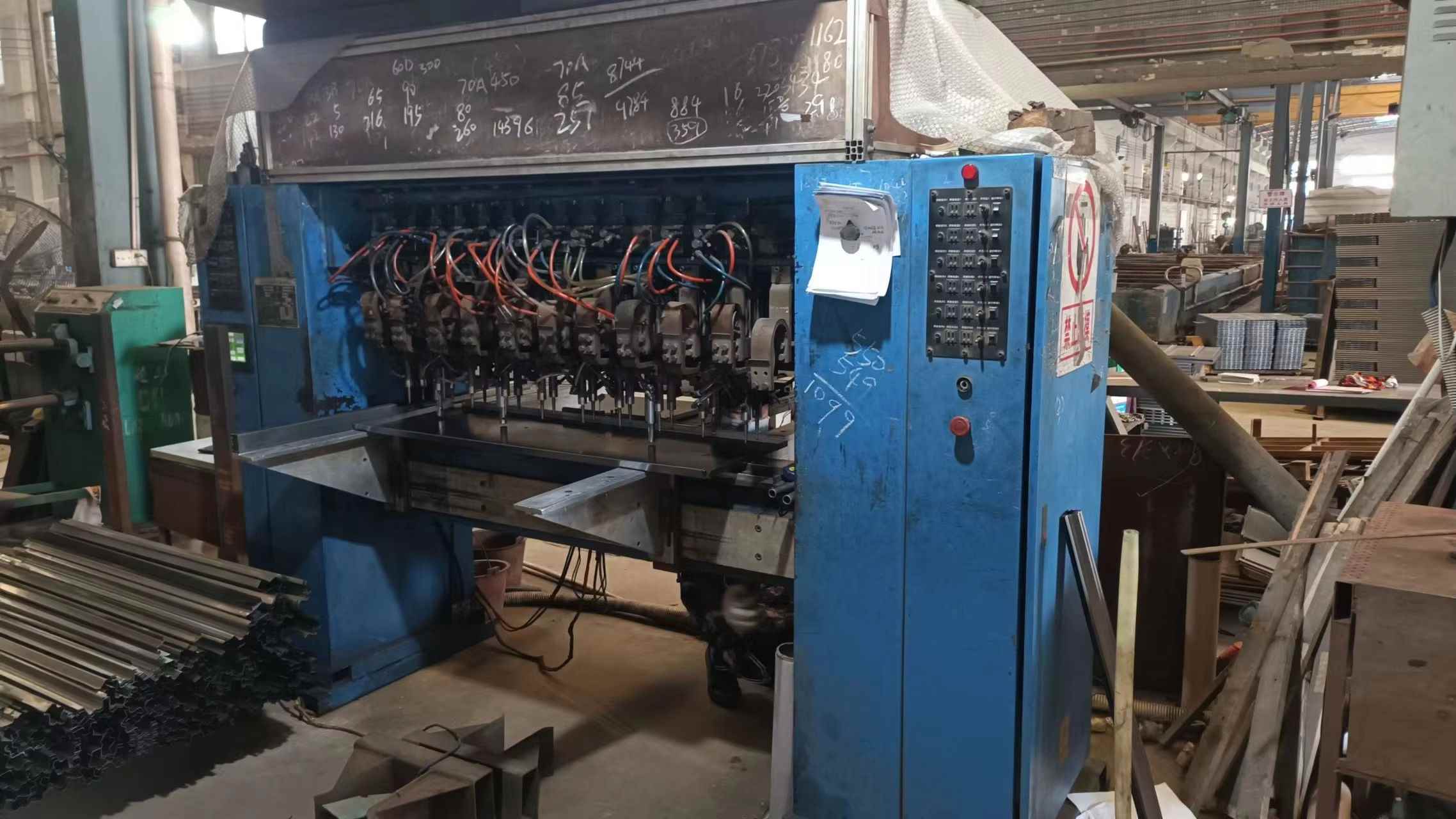
By leveraging automated roll-forming mills, robotic butt-welding machines, and continuous electrostatic powder-coating lines, top-tier Chinese manufacturers can eliminate human error at structural stress points. The production process begins with high-grade hot-rolled or cold-rolled steel coils, which are stamped and bent on automated punching lines to produce uprights and beams with perfect mechanical characteristics. This smart manufacturing workflow not only reduces raw material waste but also guarantees that each structural part complies with international quality standards, such as RMI and EN 15512.
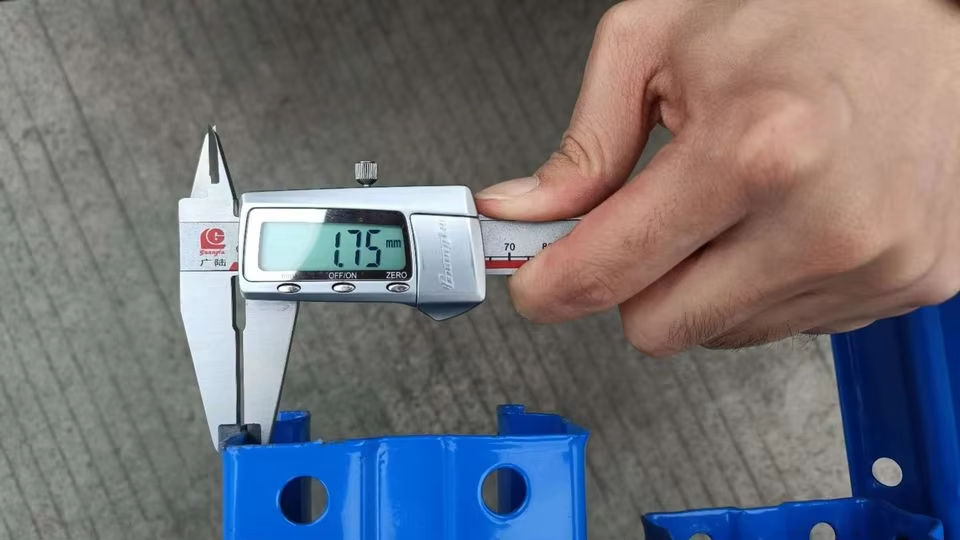
At Shenzhen Heda Warehouse Equipment Co., Ltd., quality control is not a simple checklist; it is an integrated engineering process. Our 45-person QC department conducts strict inspections at every stage of production:
Supported by a professional R&D team of 28 senior structural engineers, we deliver full-customization capabilities (OEM/ODM). Whether adjusting upright profiles for seismic performance or tailoring surface finishes for sub-zero cold chain storage, our designs are optimized for specific industrial applications.
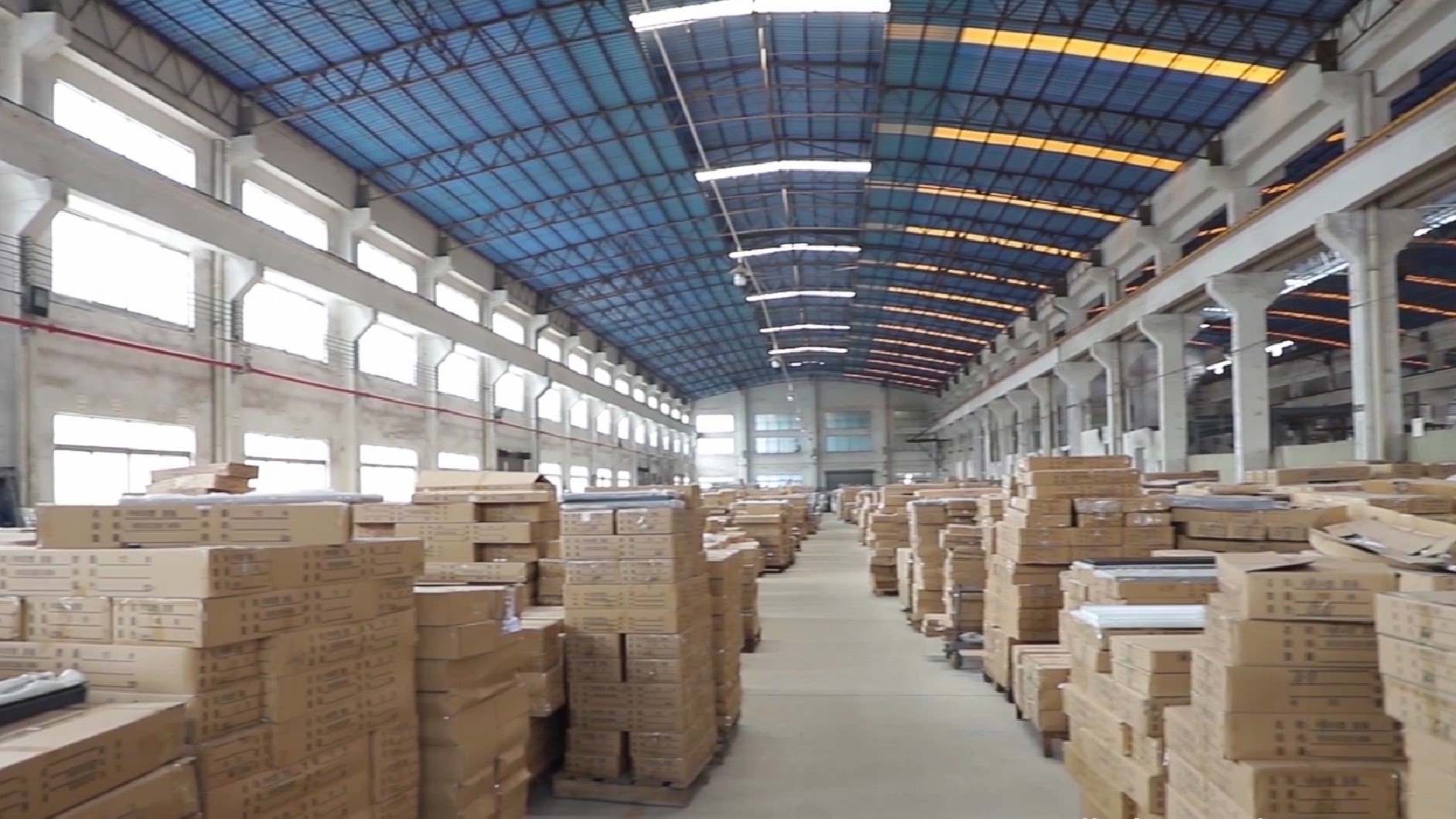
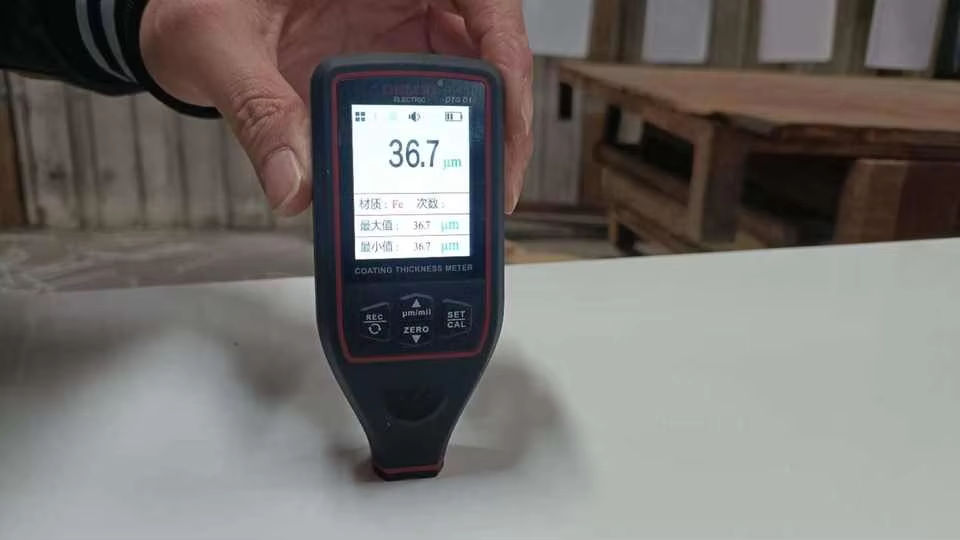
Explore our end-to-end manufacturing process, highlighting the advanced machinery and testing equipment that guarantee the structural reliability of Heda storage systems.
How Heda's customized rack systems address operational challenges across different industries and logistics scenarios.
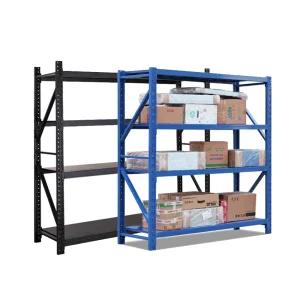
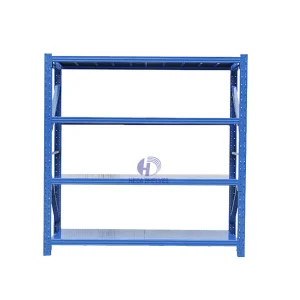
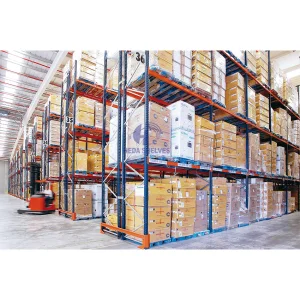
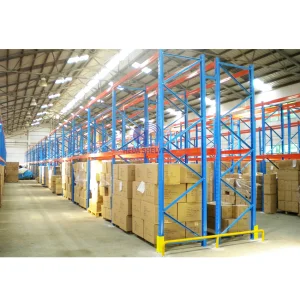
3PL distribution warehouses demand maximum flexibility due to unpredictable client profiles and product dimensions. Selective Pallet Racking systems combined with adjustable beam heights allow operators to shift storage configurations quickly. High-durability finishes resist abrasion from constant forklift movement, keeping maintenance costs low.
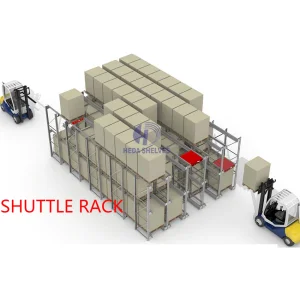
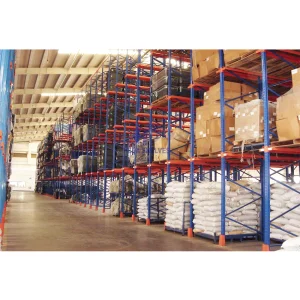
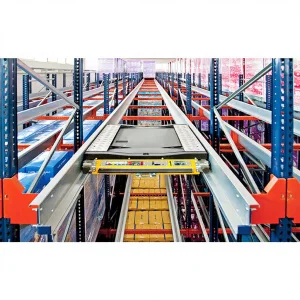
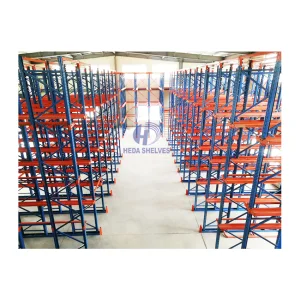
For temperature-controlled operations, maximizing storage density is critical to offset high cooling costs. Drive-In racking and Shuttle systems increase density by reducing forklift aisles. In these sub-zero environments, steel selection is vital. We utilize specialized low-temperature powder coatings and corrosion-resistant hot-dip galvanized steel to prevent structural brittleness and rust.
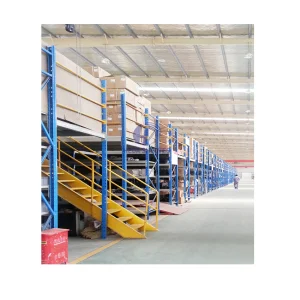
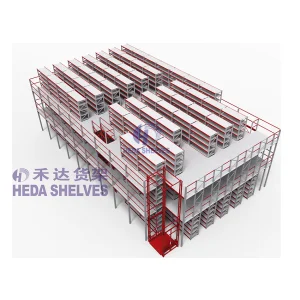
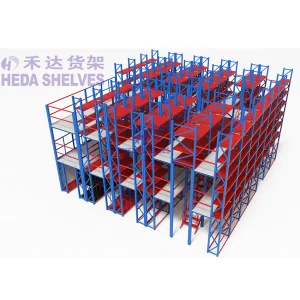
E-commerce fulfillment relies on fast picking and high vertical space utilization. Heda's multi-level mezzanine structures and automated shuttle configurations integrate with conveyor lines and pick-to-light systems. By building vertical platforms, operations can double or triple usable floor space without expanding the building footprint.
Detailed answers to key technical, engineering, and procurement questions for logistics managers and procurement officers.
We use high-tensile Q235B and Q345B steel grades, which comply with standard international classifications. All raw steel is sourced from major domestic mills and undergoes rigorous physical checking, including tensile strength testing, before entering production.
Our engineering team uses finite element analysis (FEA) software to simulate stress, strain, and deflection under various load scenarios. In addition to software simulations, we perform physical load tests using hydraulic presses in our testing facility to confirm load capacity ratings.
Yes. For clients located in active seismic zones, our structural engineers can customize upright sizes, baseplates, and bracing configurations. This tailored engineering helps the rack structure withstand localized seismic forces while meeting local building codes.
Our standard coating thickness ranges between 60 to 80 microns, depending on the application. We use dedicated magnetic coating thickness testers to verify coverage across all surfaces, ensuring consistent protection against corrosion and wear.
Yes. Through our OEM/ODM services, our engineers design custom upright shapes, beam profiles, and system accessories to handle non-standard pallet dimensions, drums, coils, or heavy machinery.
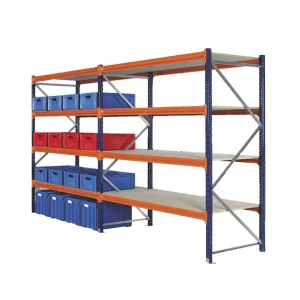
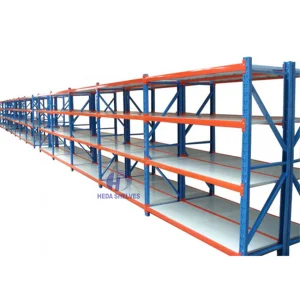
From manual longspan shelves to high-density automated shuttle systems, we deliver standard and custom designs built for high performance.
 Hedaracking