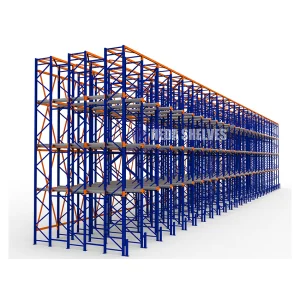
Engineered for maximum density, seismic resilience, and streamlined inventory flow control.
Deep operational insights into the structural dynamics, global supply chain dependencies, and efficiency advantages of dynamic flow systems.
In the high-velocity landscape of modern material handling, standard warehouse designs are undergoing a paradigm shift. The integration of First-In, First-Out (FIFO) storage setups represents a crucial advancement for industries navigating strict expiration timelines, rigorous lot tracking, and dynamic supply chain requirements. Traditional pallet structures, while economical, fall short when dealing with high product turnover, perishability limits, and fast fulfillment metrics. Fully functional FIFO systems utilize gravity, specialized roller beds, and velocity-braking components to convert standard static storage into active distribution routes, reducing travel times and optimizing available floor space.
A reliable FIFO system depends on precise slope geometry, which usually ranges from 3.2% to 4.0%. Correct inclination prevents pallet stalling while avoiding excessive speed. Centrifugal speed-limiting rollers are integrated within the lane layout to regulate pallet velocity, keeping it under 0.3 meters per second. Additionally, dedicated separator mechanisms isolate the lead pallet from structural line pressure, shielding operators and warehouse equipment during extraction.
This technical whitepaper details the structural designs, manufacturing processes, and strategic global purchasing frameworks that establish Shenzhen Heda Warehouse Equipment Co., Ltd. as a leading exporter of heavy-duty, high-performance industrial storage configurations.
Maintains strict lot integrity, ideal for food, pharmaceuticals, and temperature-sensitive storage where shelf-life limits dictate warehousing timelines.
Replaces multiple access aisles with distinct entry and exit points, recovering up to 60% of vertical and horizontal storage capacity compared to standard configurations.
Incorporates heavy-duty impact guards, robust entry guides, and automatic braking rollers, lowering collision risks and protecting warehouse operators.
Mitigating international supply chain disruption through structural testing, raw material tracking, and automated industrial manufacturing.
Global procurement teams face challenges such as shifting steel prices, variable quality standards, and shipping delays. Building resilience requires working with manufacturers that operate automated facilities and adhere to standardized raw material procurement processes. Modern warehouse operators must verify that suppliers conform to design standards like Europe's FEM 10.2.02 and the United States' RMI (ANSI MH16.1).
Shenzhen Heda Warehouse Equipment Co., Ltd. addresses these requirements by using certified, high-tensile structural steel (Q235B and Q355B) and keeping production data transparent. Through precision cold roll-forming and robotic welding, Heda ensures all upright frames and load-bearing beams meet strict tolerances. This mechanical accuracy prevents track misalignment and ensures smooth operation over long-term use.
An end-to-end visualization of our automated steel processing, welding lines, protective coatings, and inspection protocols.
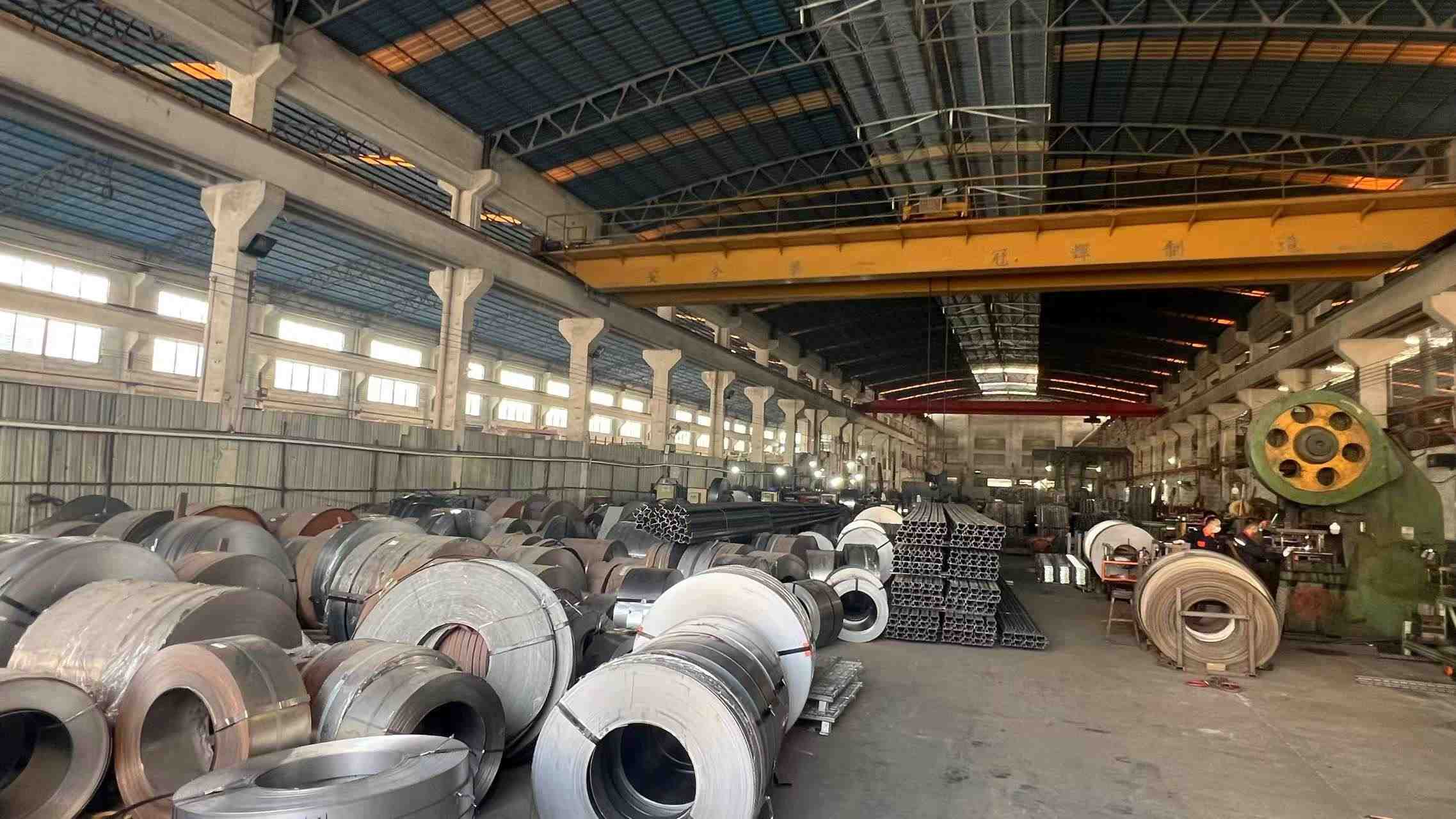
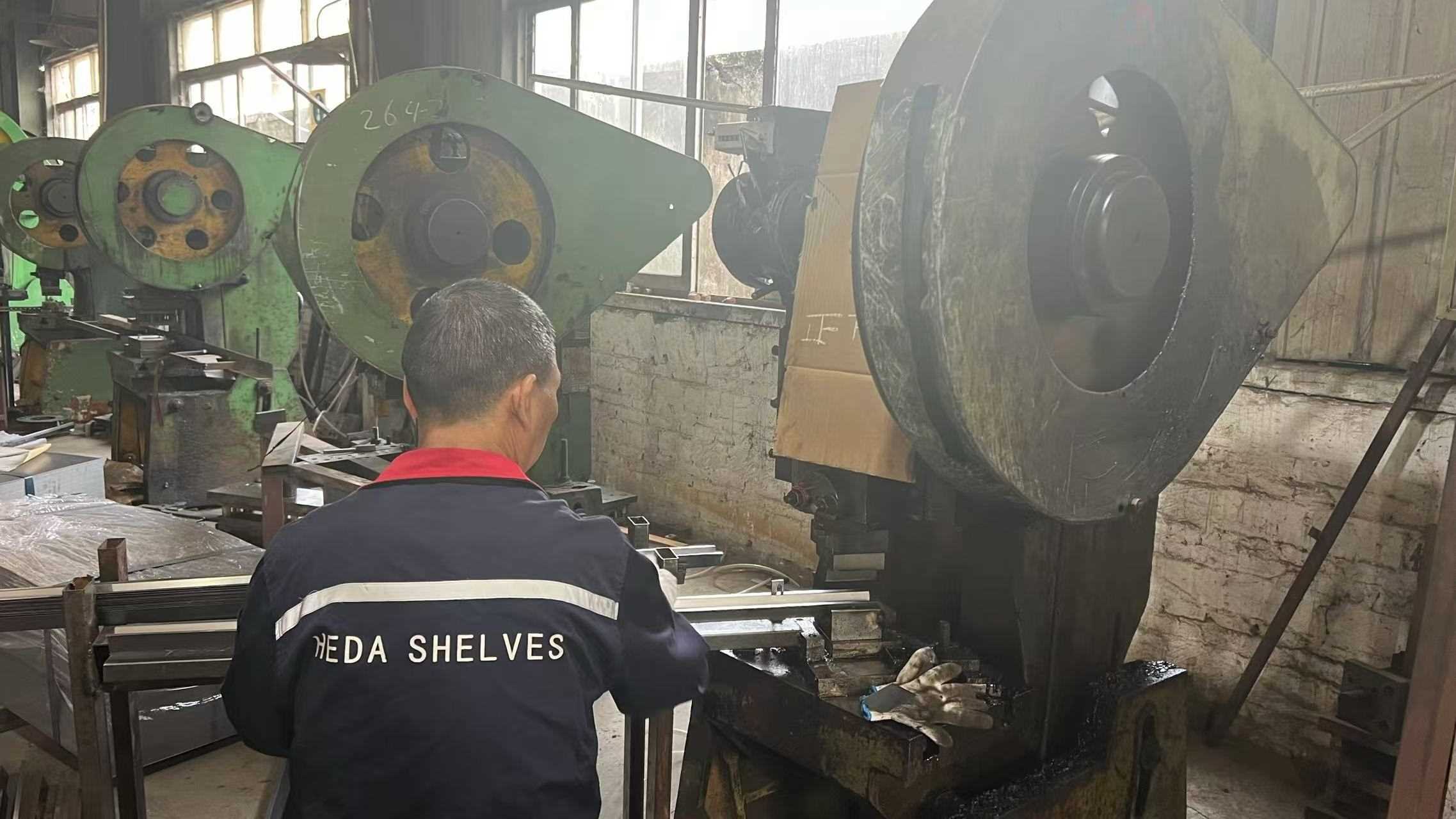
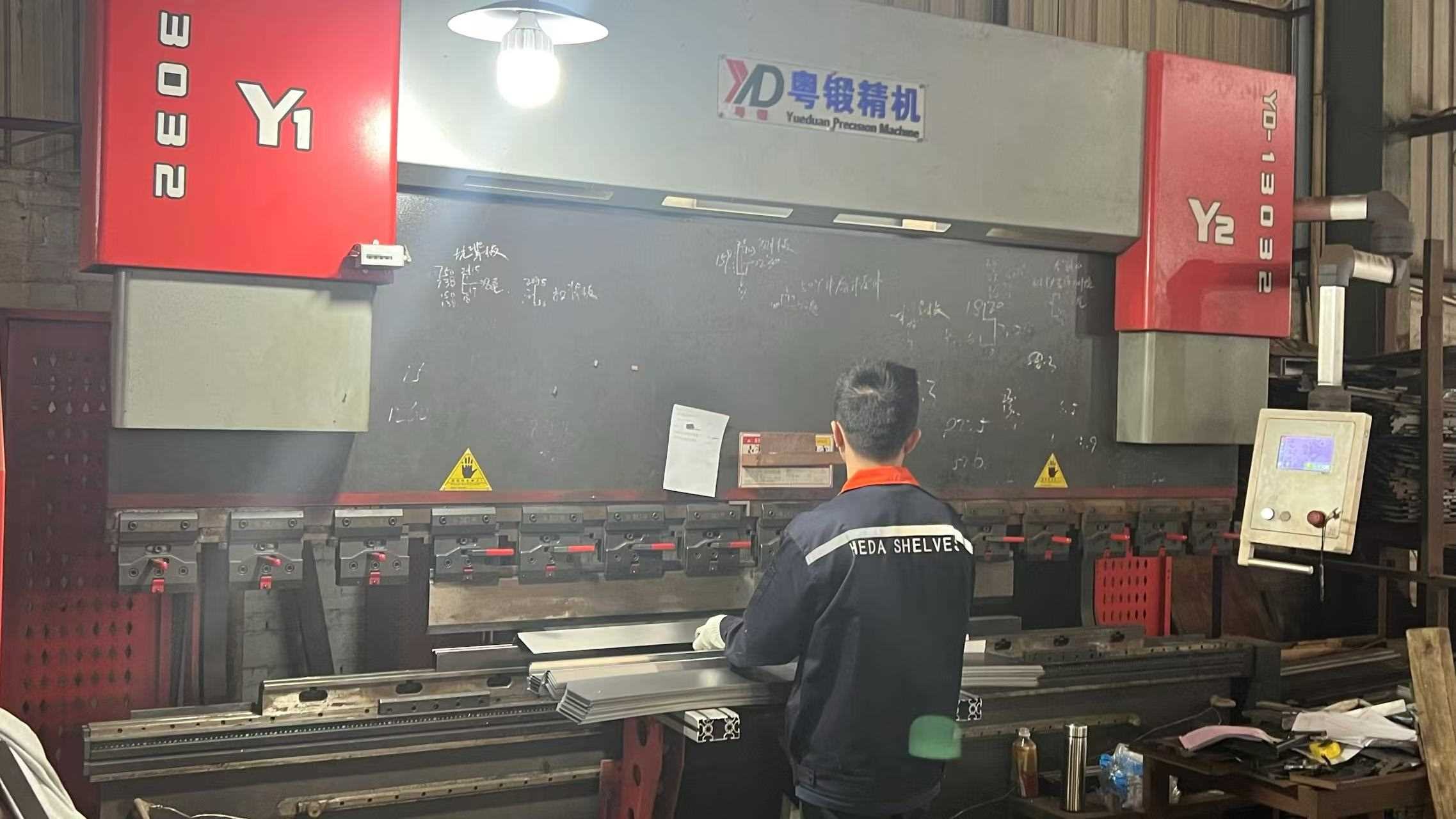
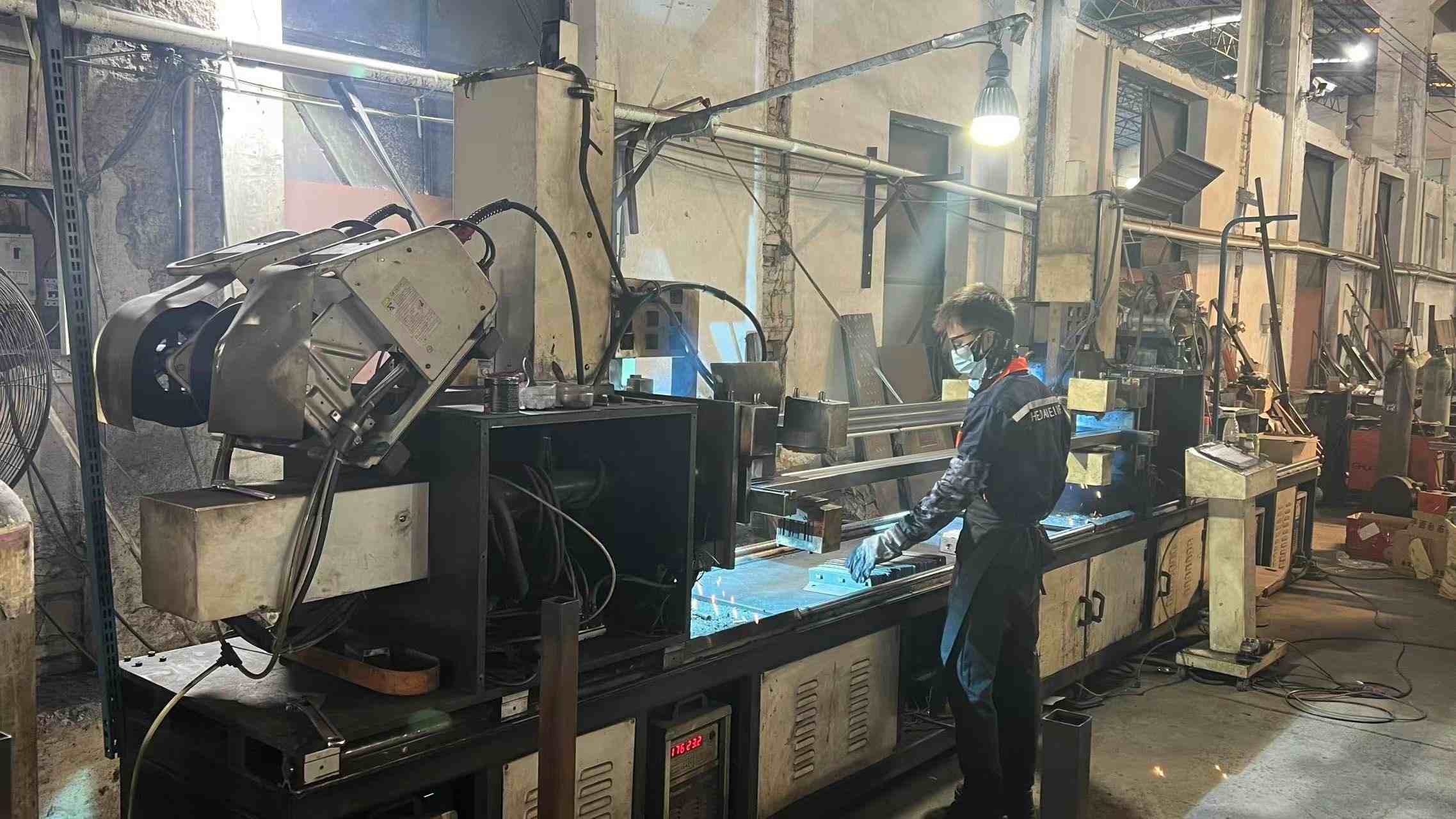
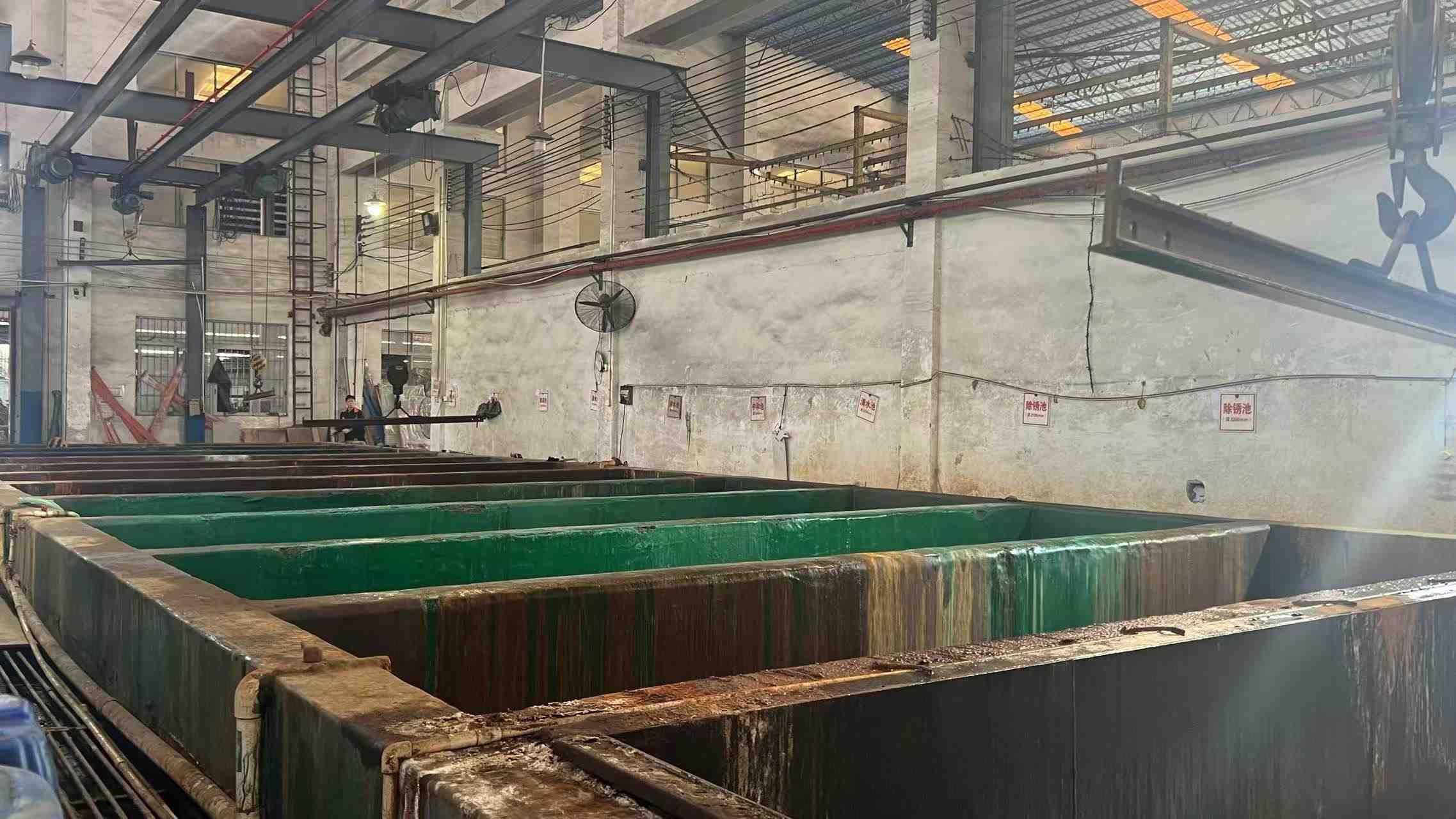
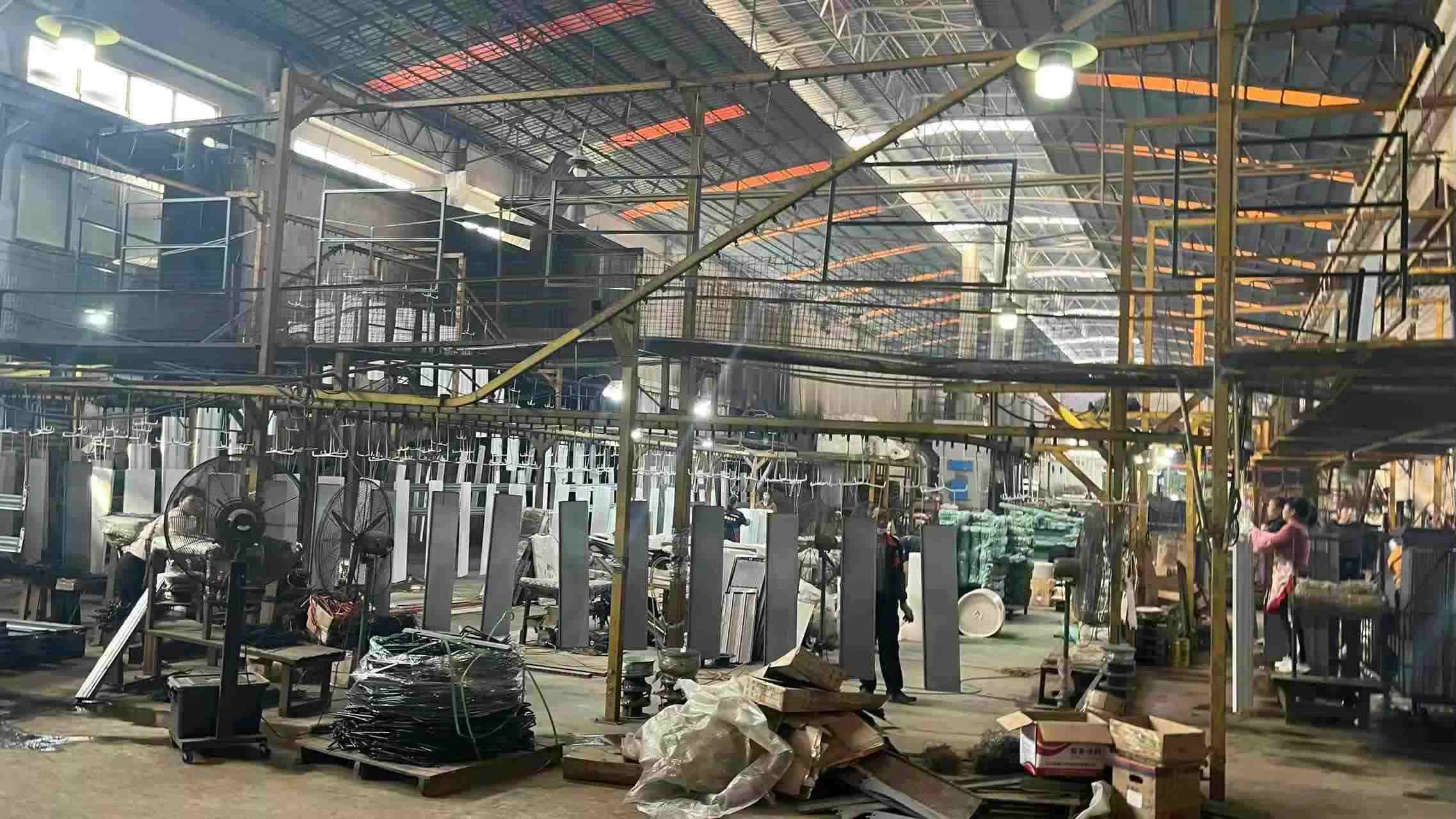
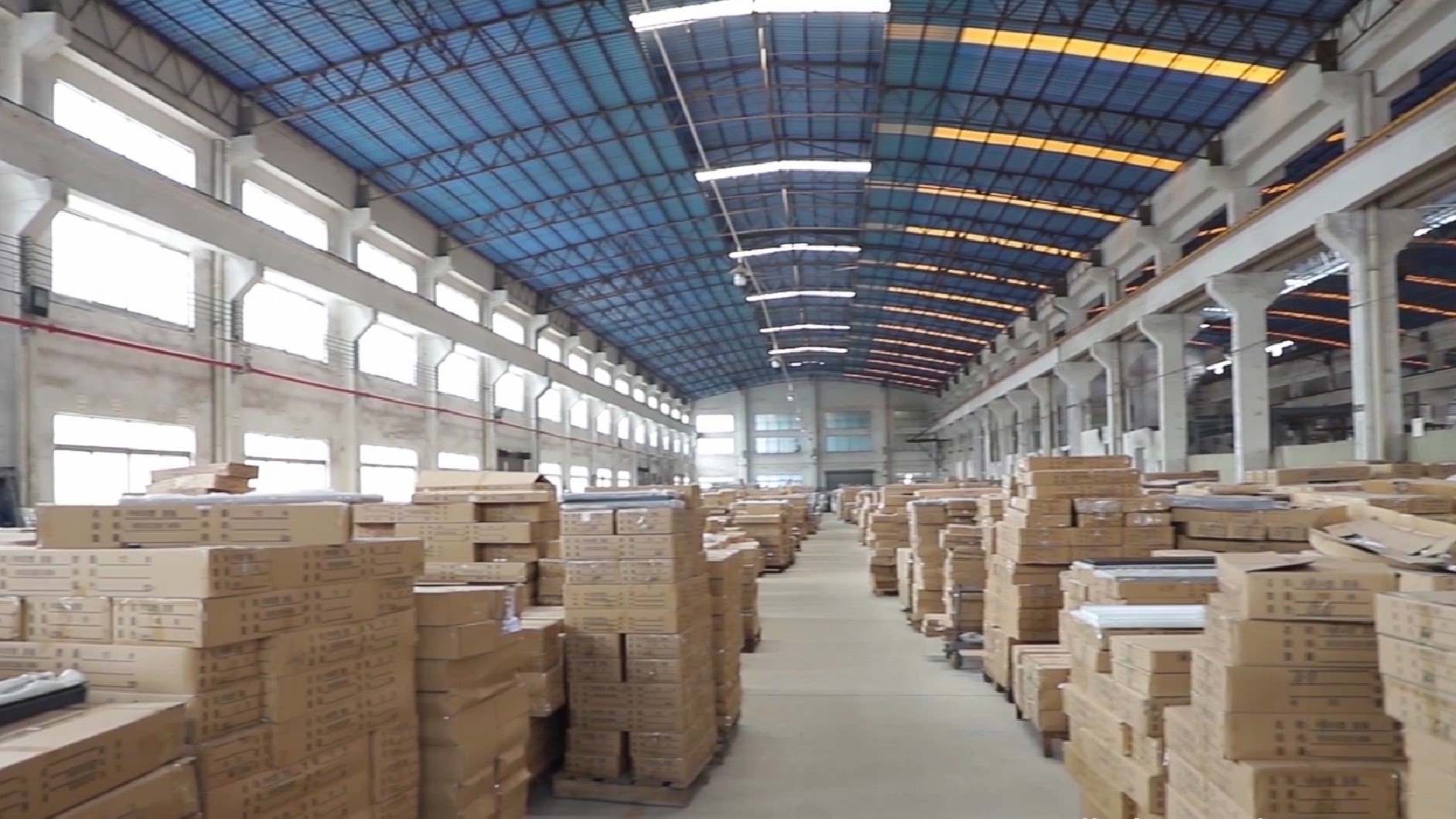
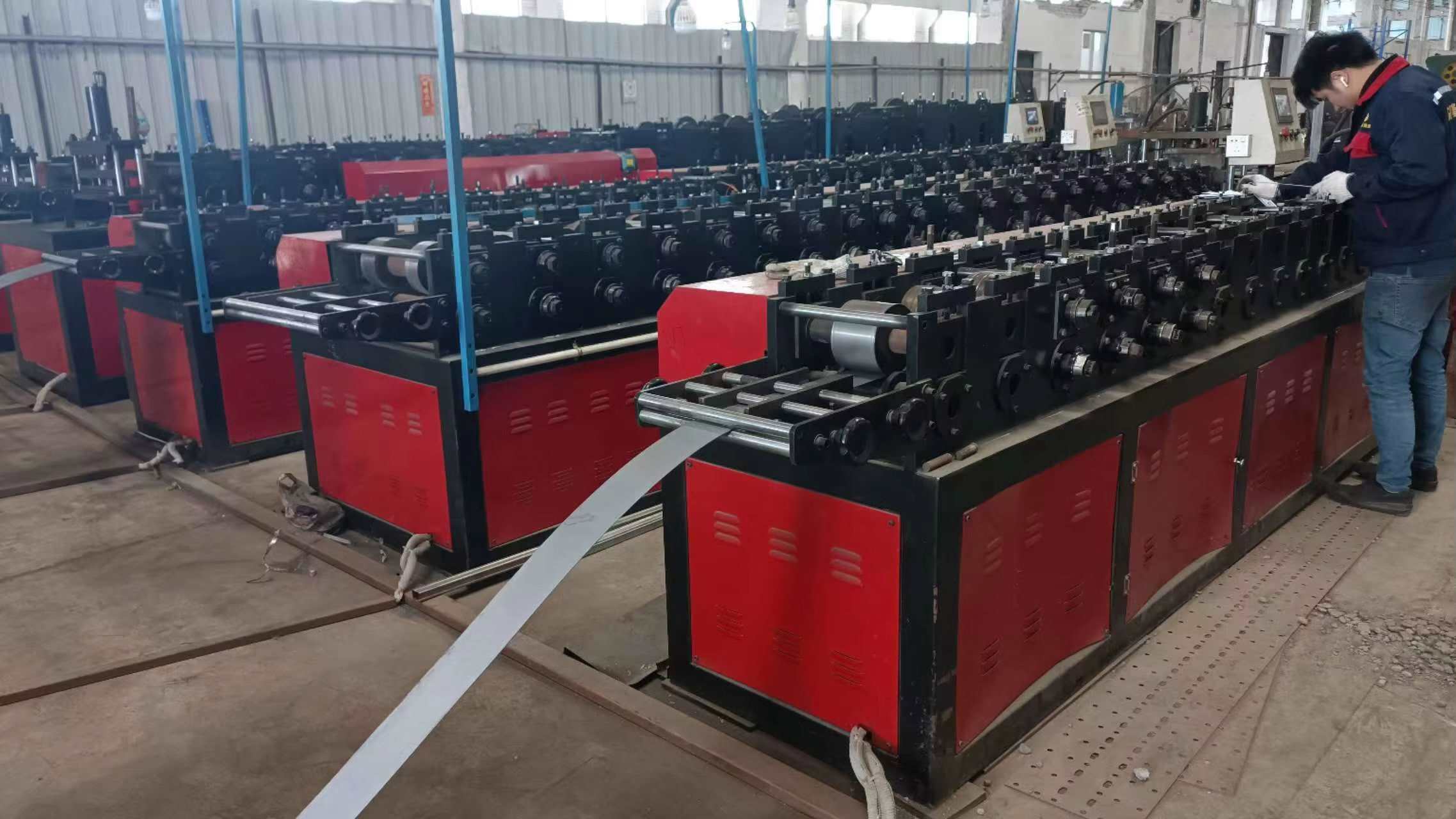
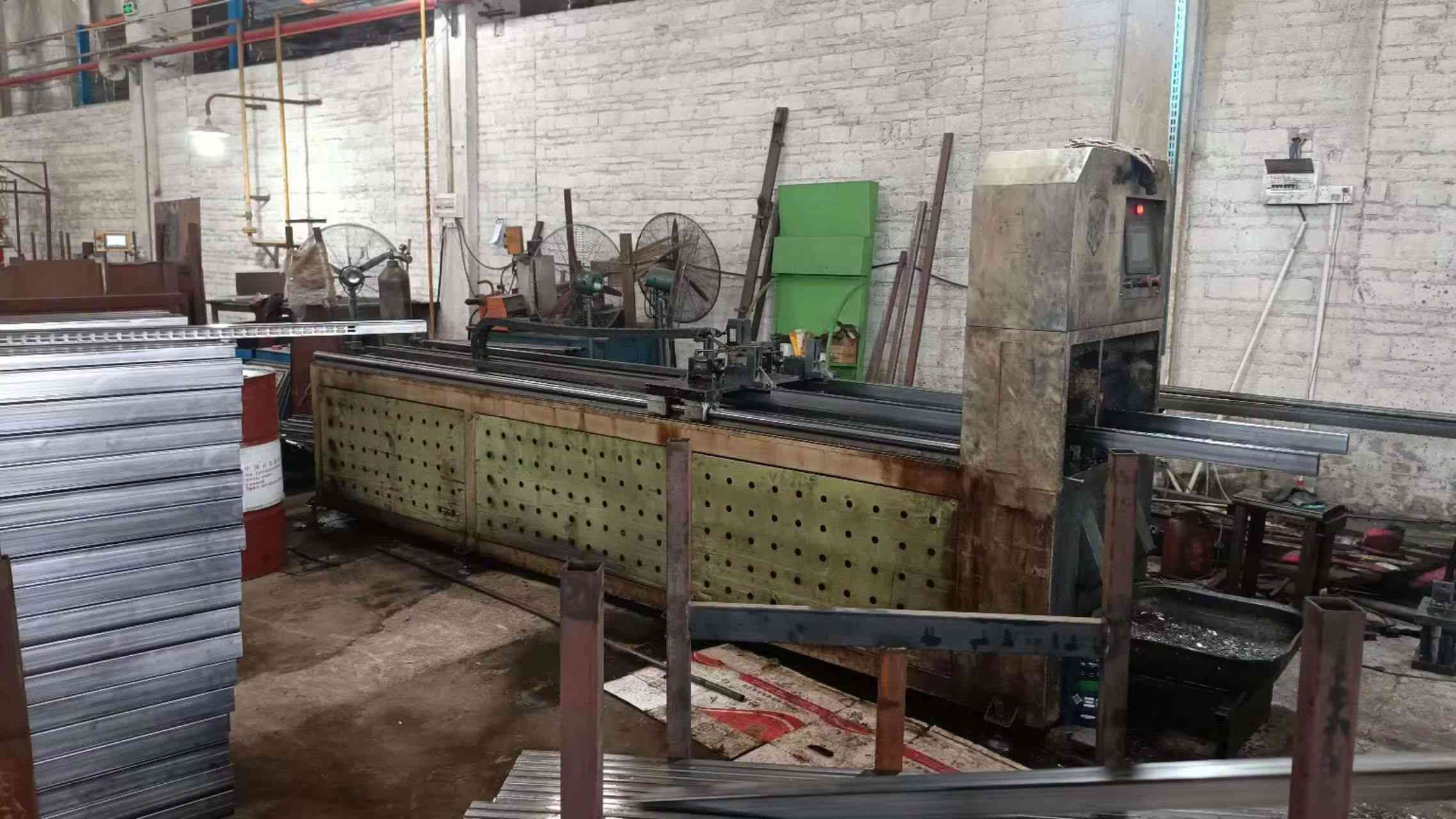
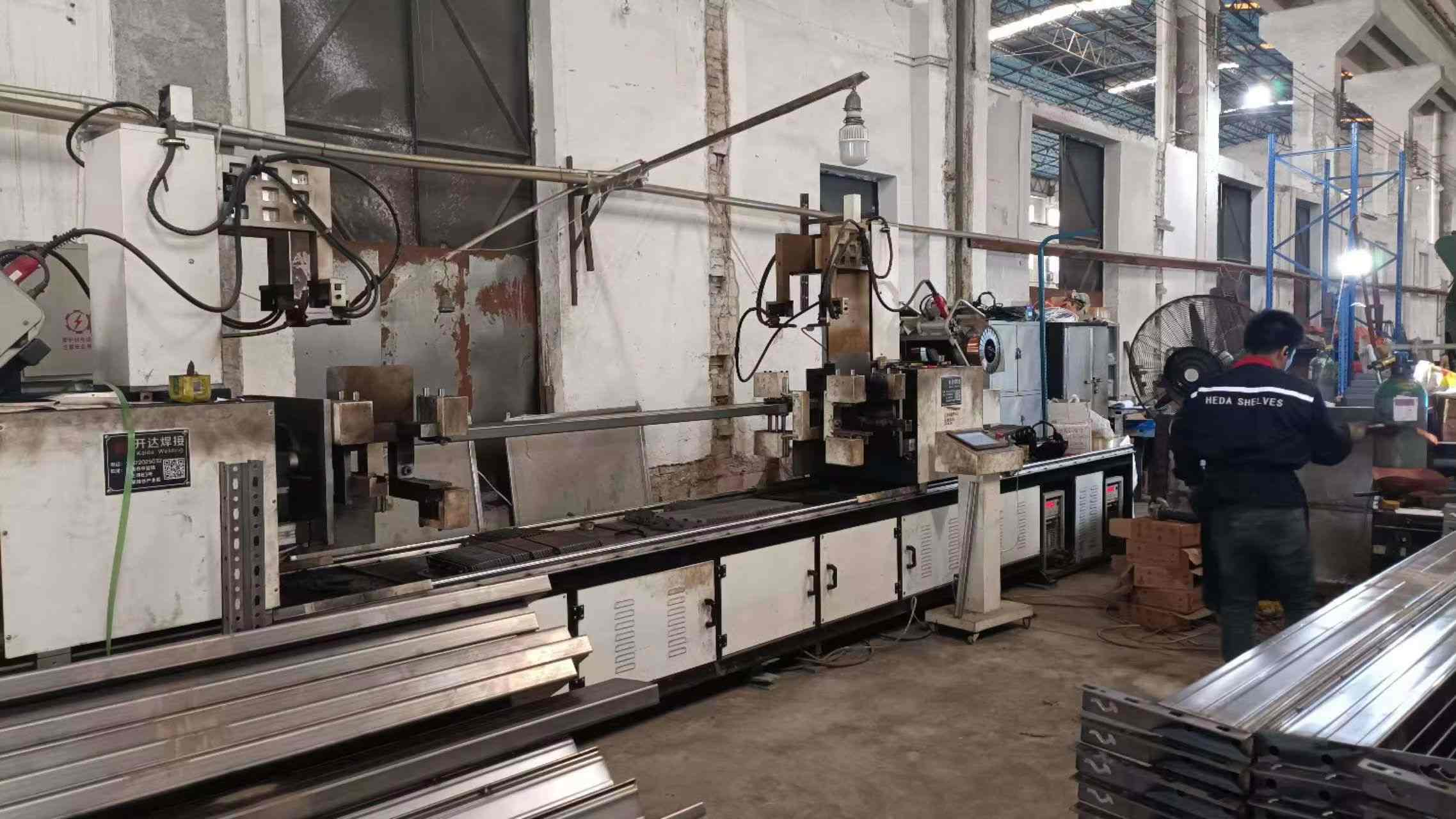
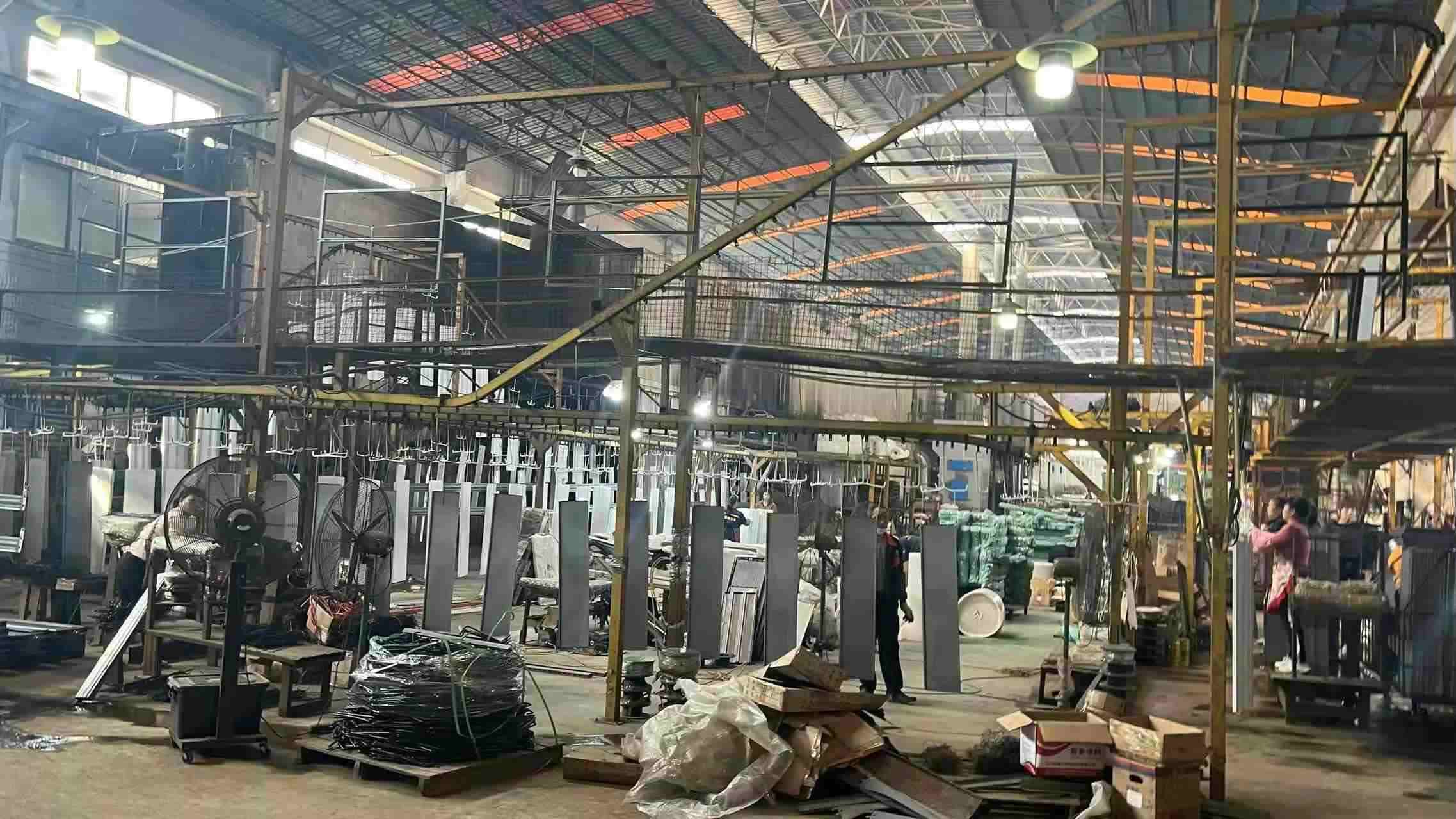
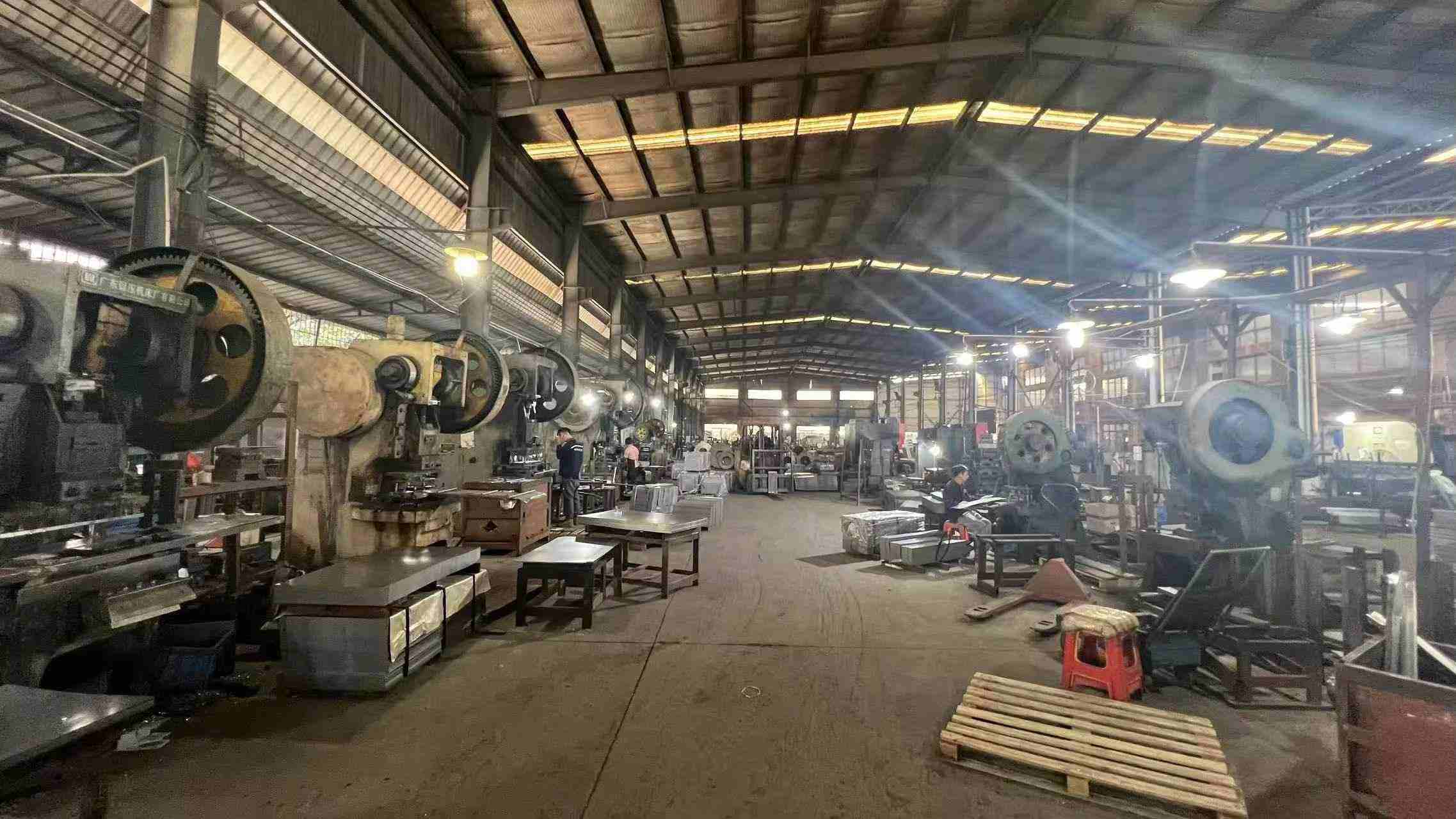
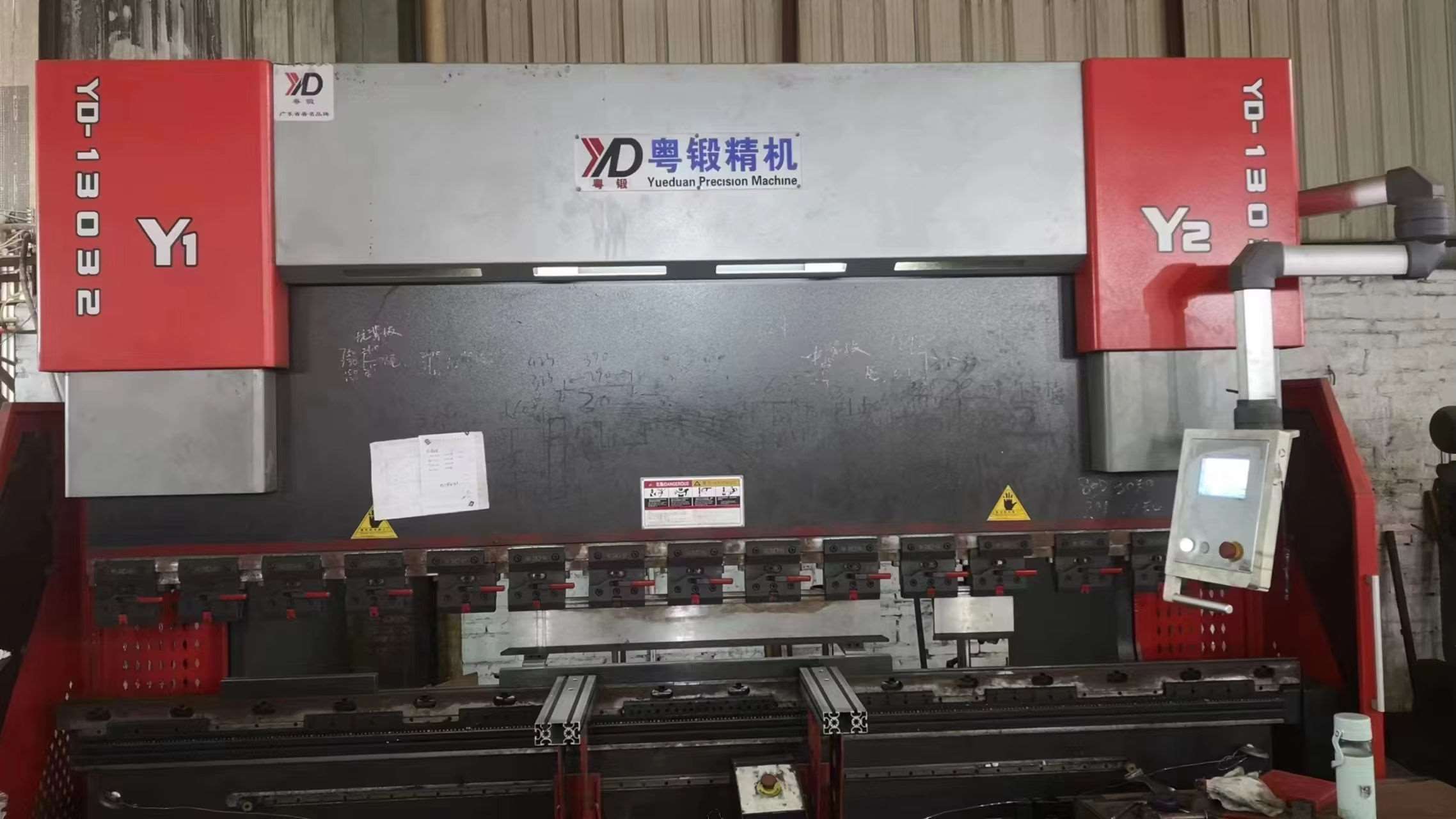
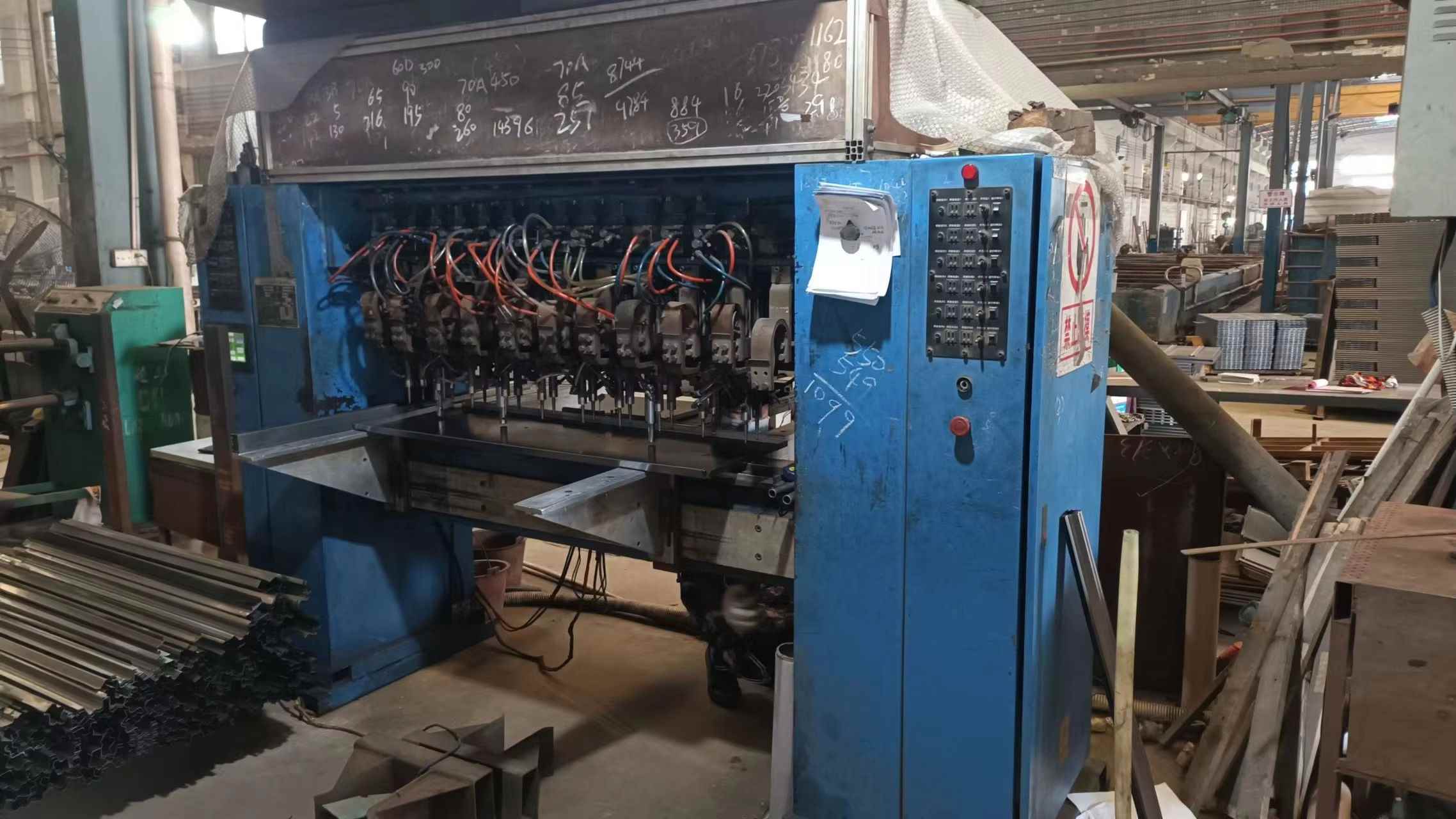
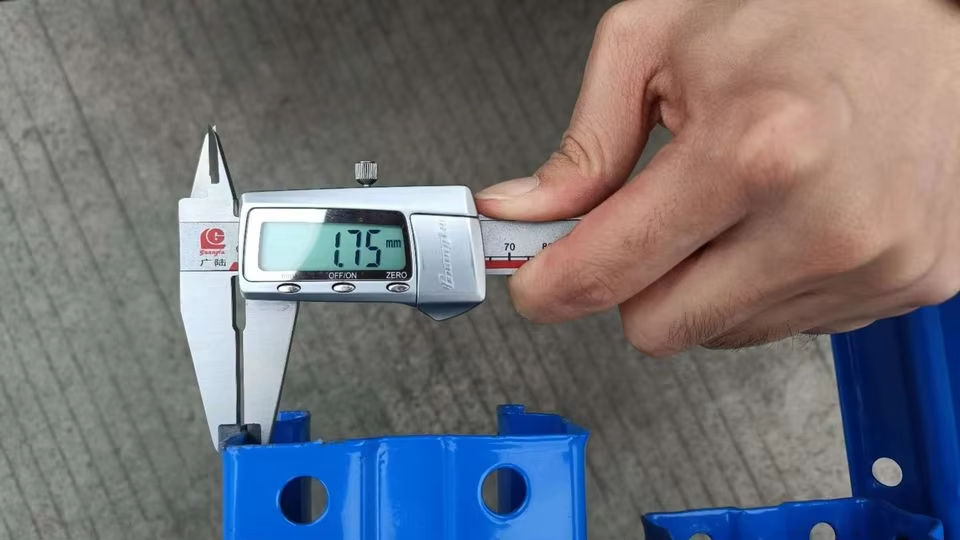
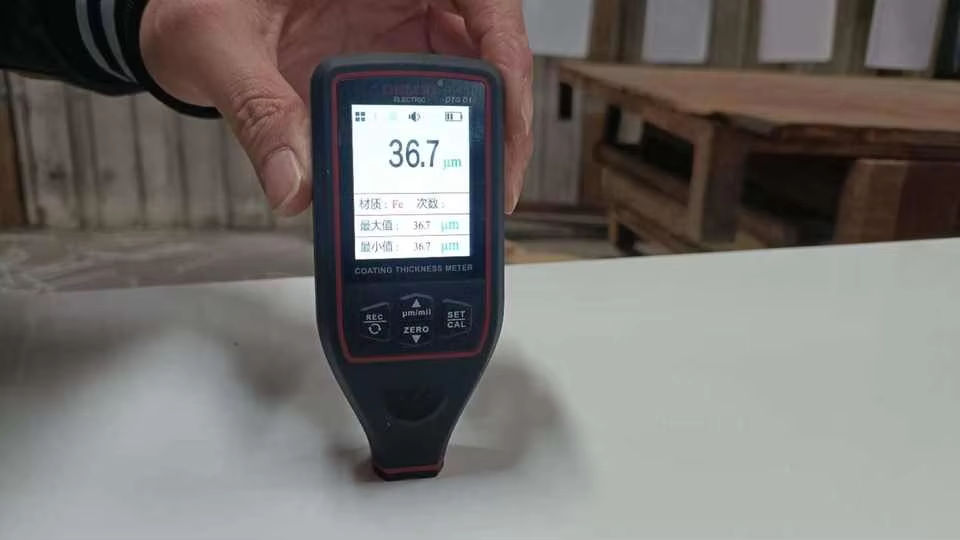
In cold chain environments, operating costs are directly tied to cooling volume. Dynamic FIFO flow systems minimize unnecessary space, reducing thermal loss. Because cold temperatures increase steel brittleness, Heda uses specialized low-alloy steels that retain structural impact performance at sub-zero temperatures down to -30°C. For these environments, dynamic roller assemblies utilize sealed low-temperature bearing lubricants to prevent velocity fluctuations and blockages.
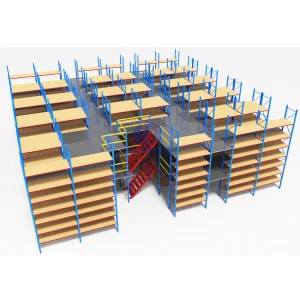
High SKU turns require fast, organized product flow. Multi-tier mezzanine systems combined with gravity flow lanes allow operations to separate loading and unloading paths, keeping forklift traffic organized and predictable. Integrated entry guides help forklift operators position loads quickly, protecting structural uprights from impact wear.
Manufacturing lines rely on steady, sequential component delivery. Dynamic flow racks deliver parts containers directly to assembly stations. This setup minimizes local storage footprints on the factory floor, reduces operator movement, and supports reliable component delivery to the production line.
Answers to common engineering and installation questions regarding heavy-duty pallet flow systems.
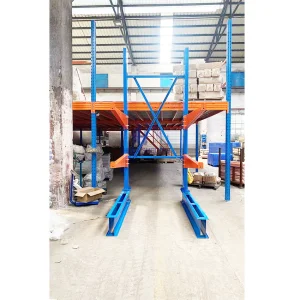
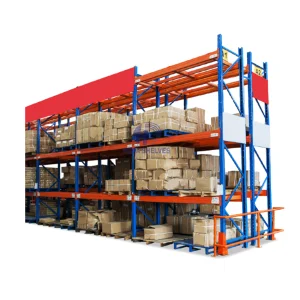
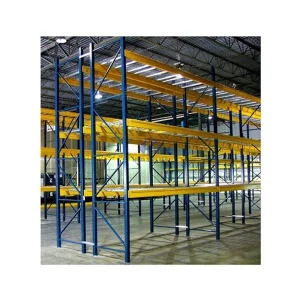
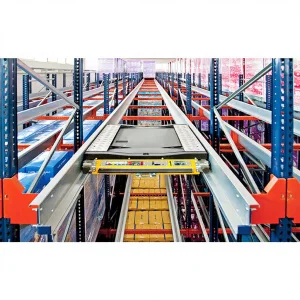
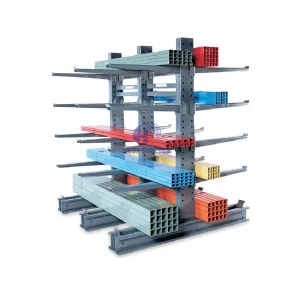
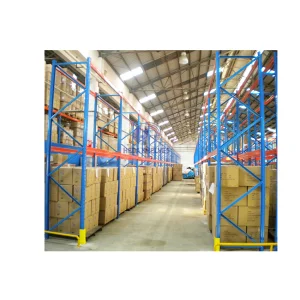
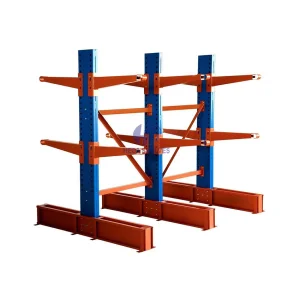
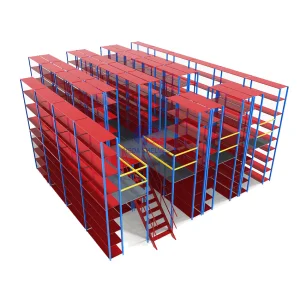
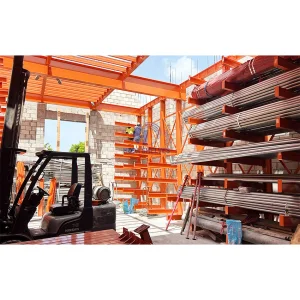
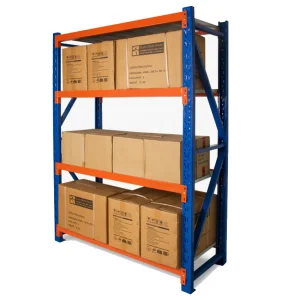
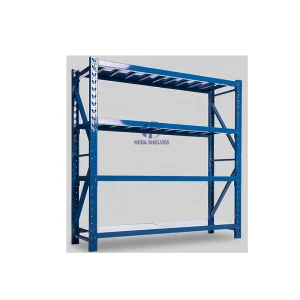
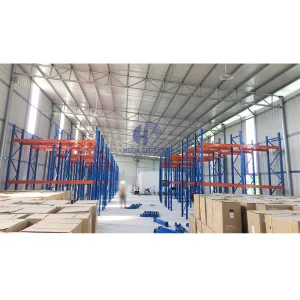
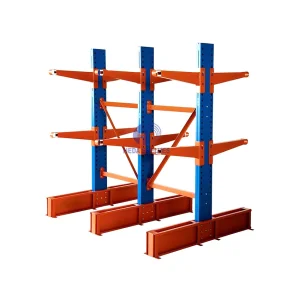
Heavy-duty structural storage configurations developed by our engineering team to meet demanding capacity targets.
 Hedaracking