Deploying structural steel optimization and high-precision bending technology to secure structural stability under complex loads.
How industrial real estate compression, supply chain re-shoring, and Automated Storage & Retrieval Systems (AS/RS) are redefining structural limits.
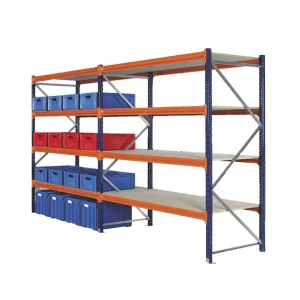
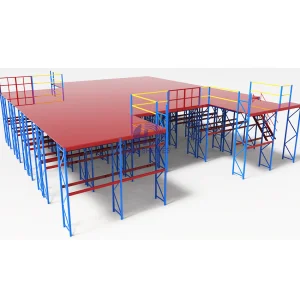
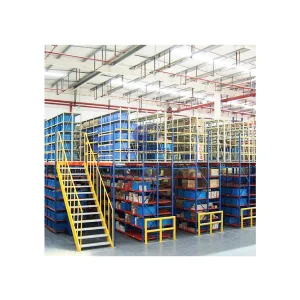
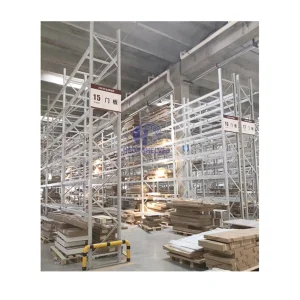
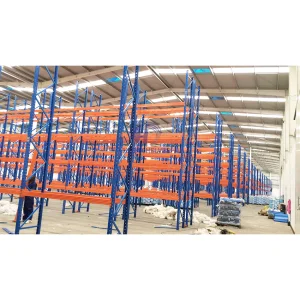
Global industrial real estate yields face pressure from soaring urban land costs. Modern warehouse operations are forced to transition from horizontal storage footprint designs to intensive vertical configurations. Racking configurations exceeding 12 meters require unprecedented structural stability, structural steel integrity, and tight dimensional tolerances to protect against lateral sway and catastrophic failure. In high-density installations, the structural margins of error approach zero.
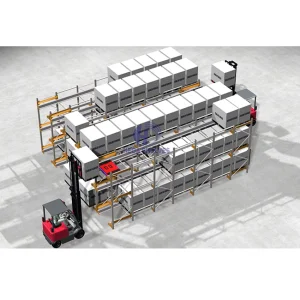
Manual warehousing is rapidly yielding to automated environments. Modern facilities utilize 4-Way Pallet Shuttles, Automated Guided Vehicles (AGVs), and Automated Storage and Retrieval Systems (AS/RS). The heavy load racking structure is no longer just static steel shelves; it is a critical guide rail system for robotic components. Structural tolerances for beam deflection must be held to rigid limits (typically L/300 to L/400) to prevent docking alignment failures, sensor trips, and equipment collisions.
Ensuring reliability across international borders, under demanding load states, and in seismically active geographic zones.
Navigating the global procurement landscape requires adherence to specific regional engineering codes. In North America, the Rack Manufacturers Institute (RMI) mandates strict testing methods for cold-formed steel racking components. In Europe, the FEM 10.2.02 code governs structural calculation guidelines, prioritizing ultimate limit state design. Meanwhile, AS4084-2012 / AS4084-2023 regulates Australian structural applications, imposing rigorous dynamic testing on baseplates and upright profiles. Heda integrates these regional compliance protocols into our standard R&D designs.
For installations situated in seismically active geographic zones, the design must compute and mitigate lateral seismic loads. Structural calculations utilizing Finite Element Analysis (FEA) model real-world stress reactions under ground acceleration events. Features such as heavy-duty oversized seismic baseplates, high-ductility steel grades (Q355B or ASTM A1011), and specialized structural bracing configurations prevent structural buckling and safeguard capital equipment investments and human lives.
Leveraging state-of-the-art production operations and a network of 800+ supply chain partners to guarantee speed, consistency, and structural performance.
Shenzhen Heda Warehouse Equipment Co., Ltd. (established in 2014) is a premier manufacturer specializing in heavy-duty warehouse racking and industrial storage solutions. Spanning a modern manufacturing facility of 35,000 m², our enterprise integrates R&D, design, production, and international marketing to serve diverse storage needs worldwide. With 12 years of industry experience and 8 years of dedicated export expertise, we deliver high-caliber storage systems that generate over $28 million in annual export revenue. Our resilience is supported by over 800 supply chain partners, ensuring access to top-grade steel and advanced processing technologies.
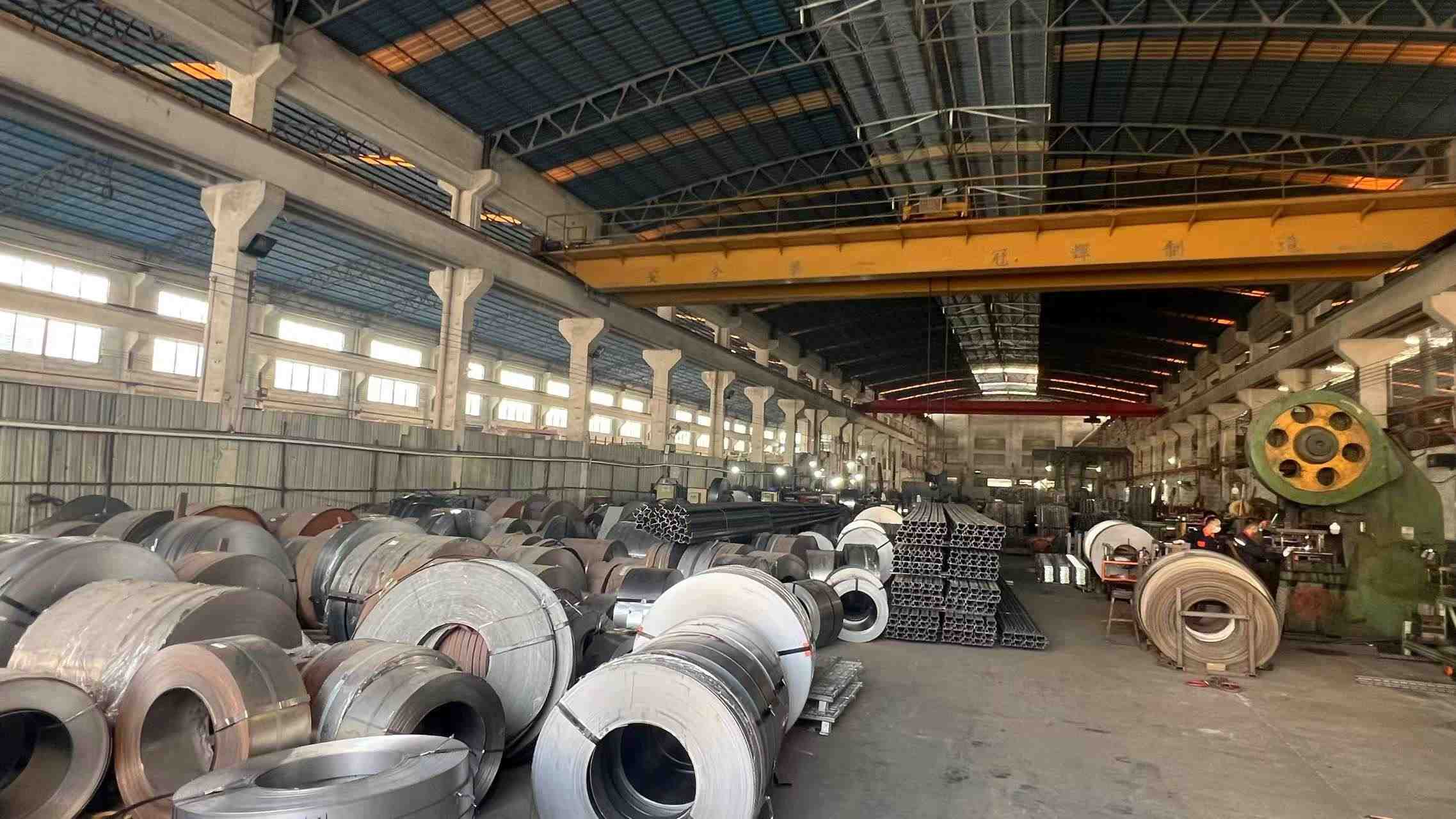
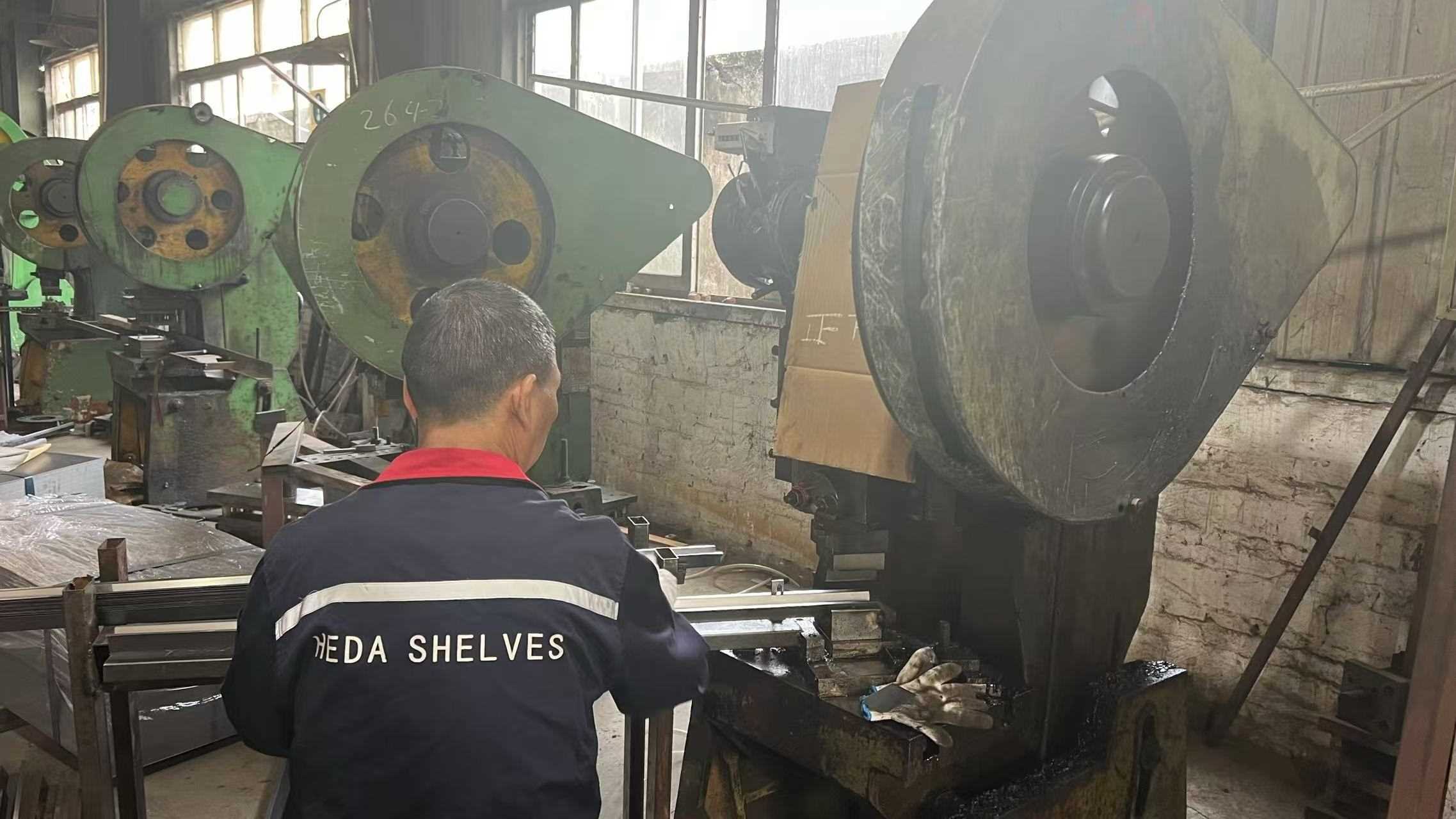
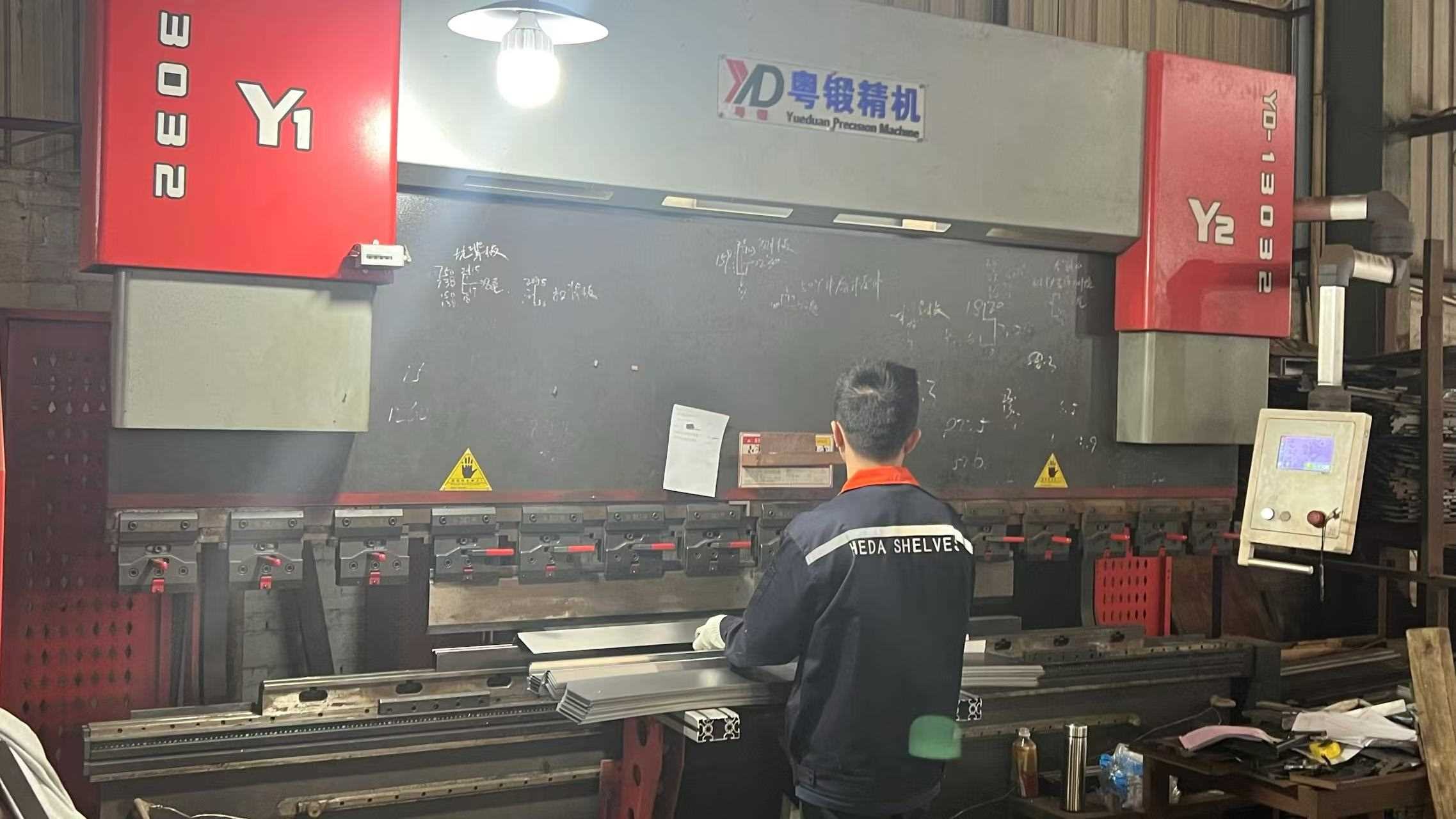
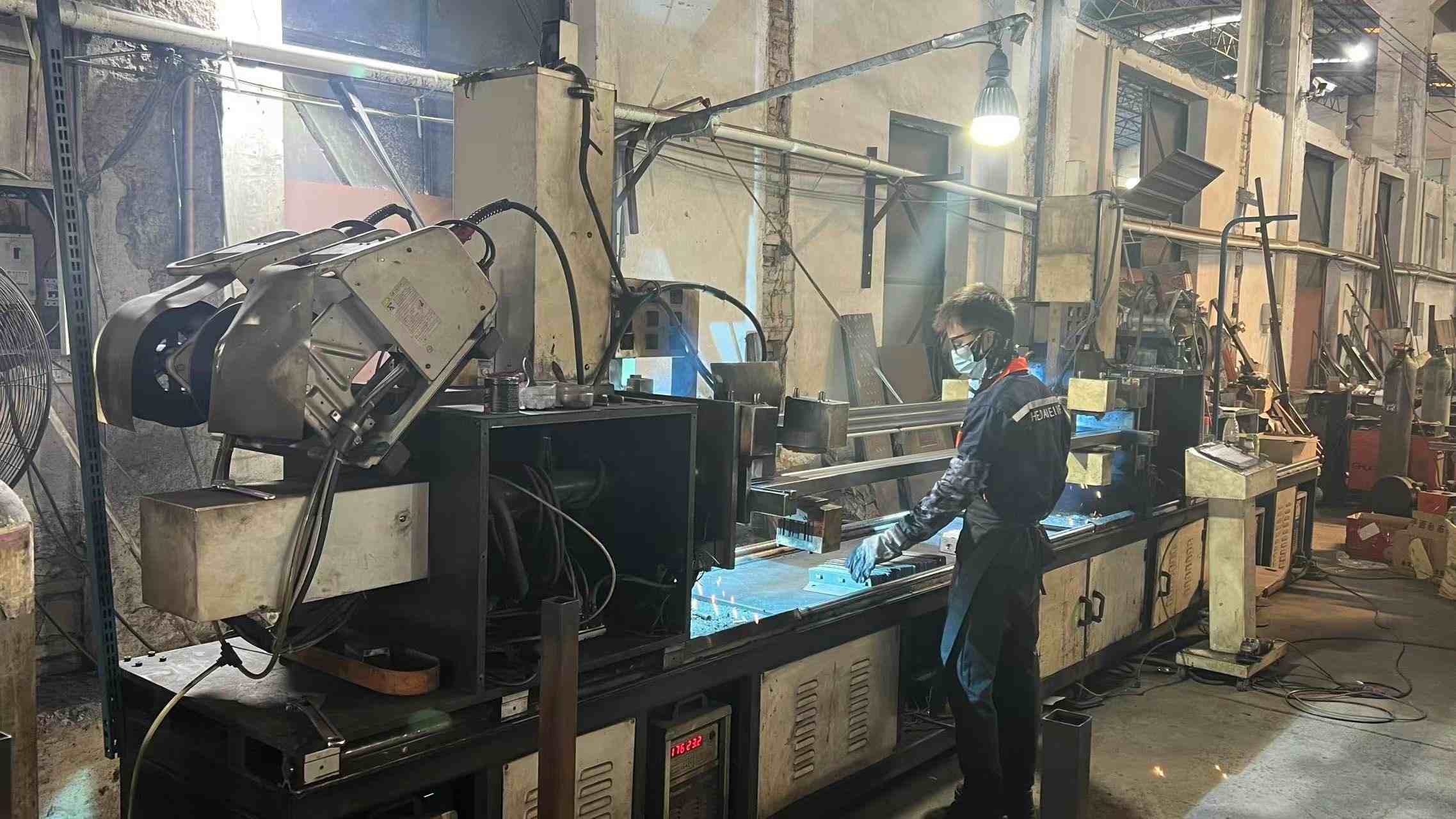
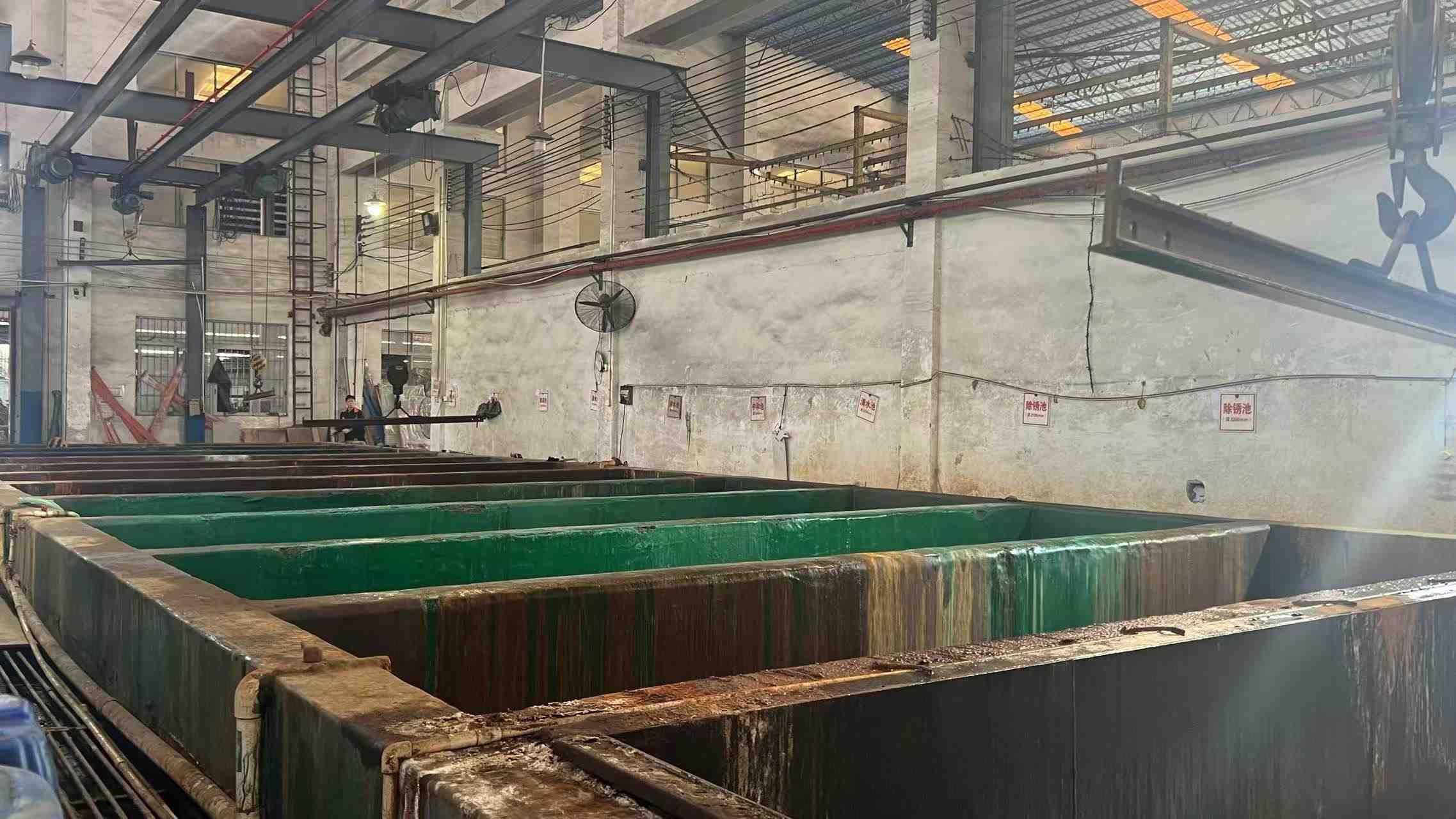
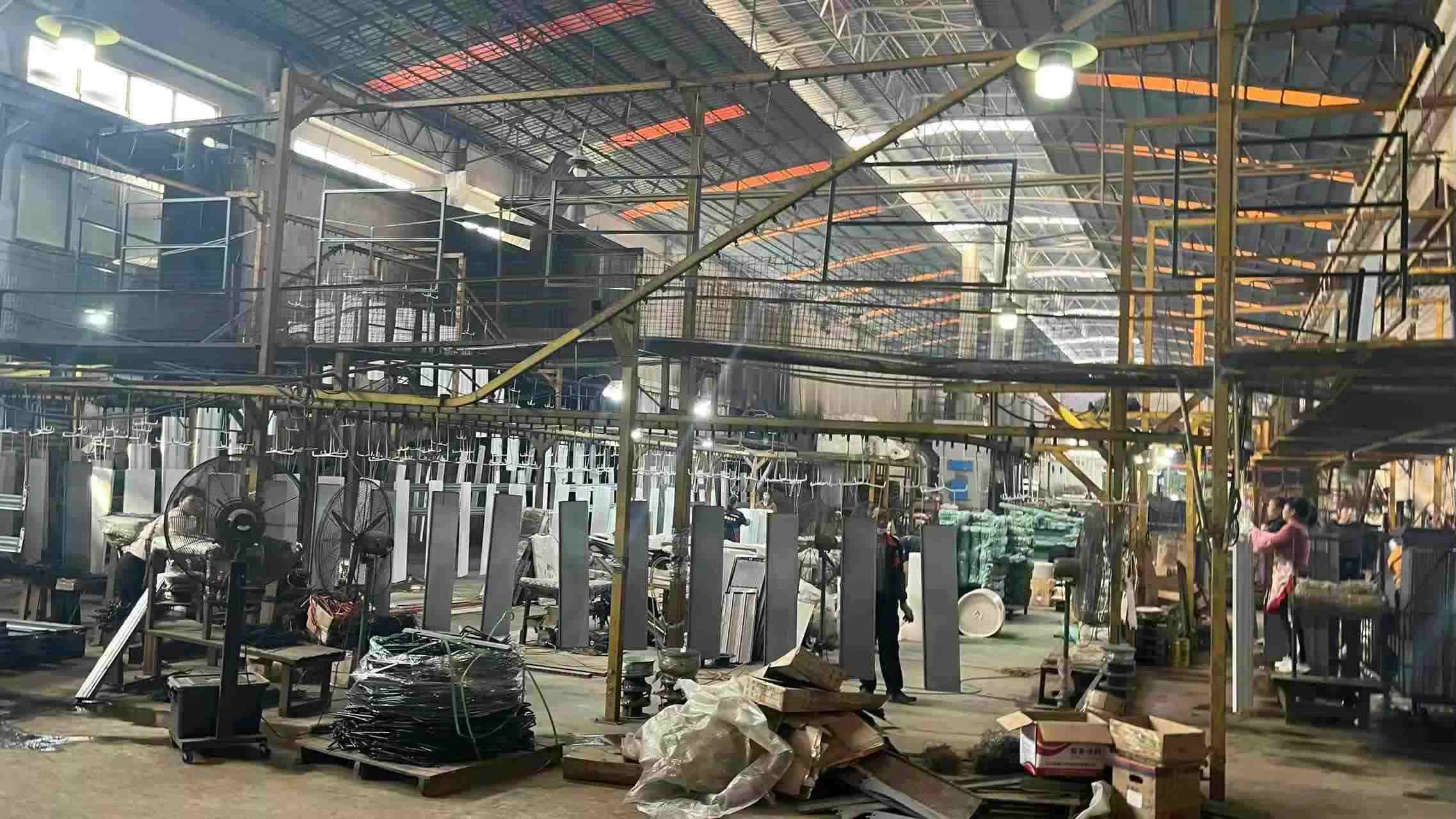
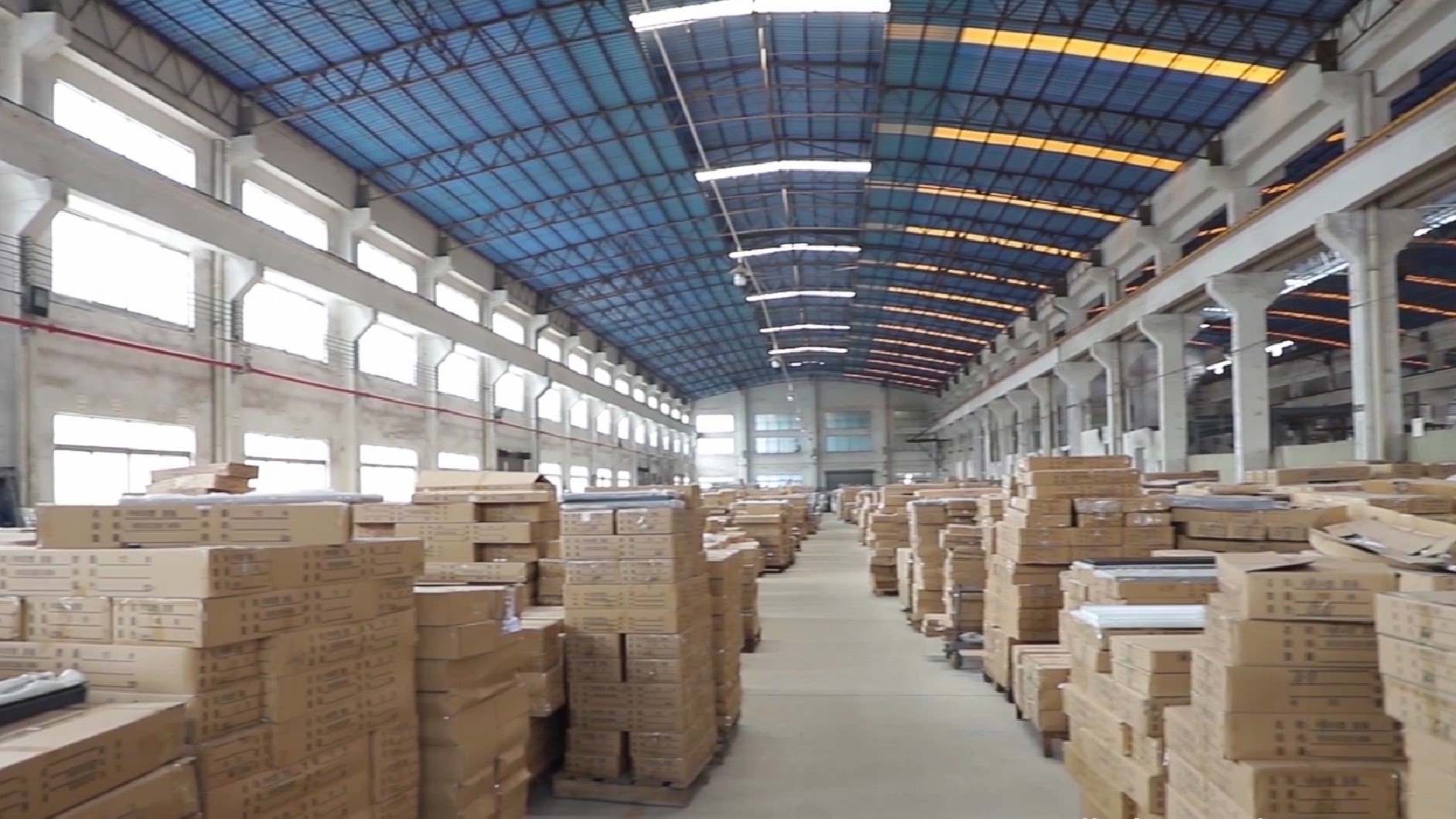
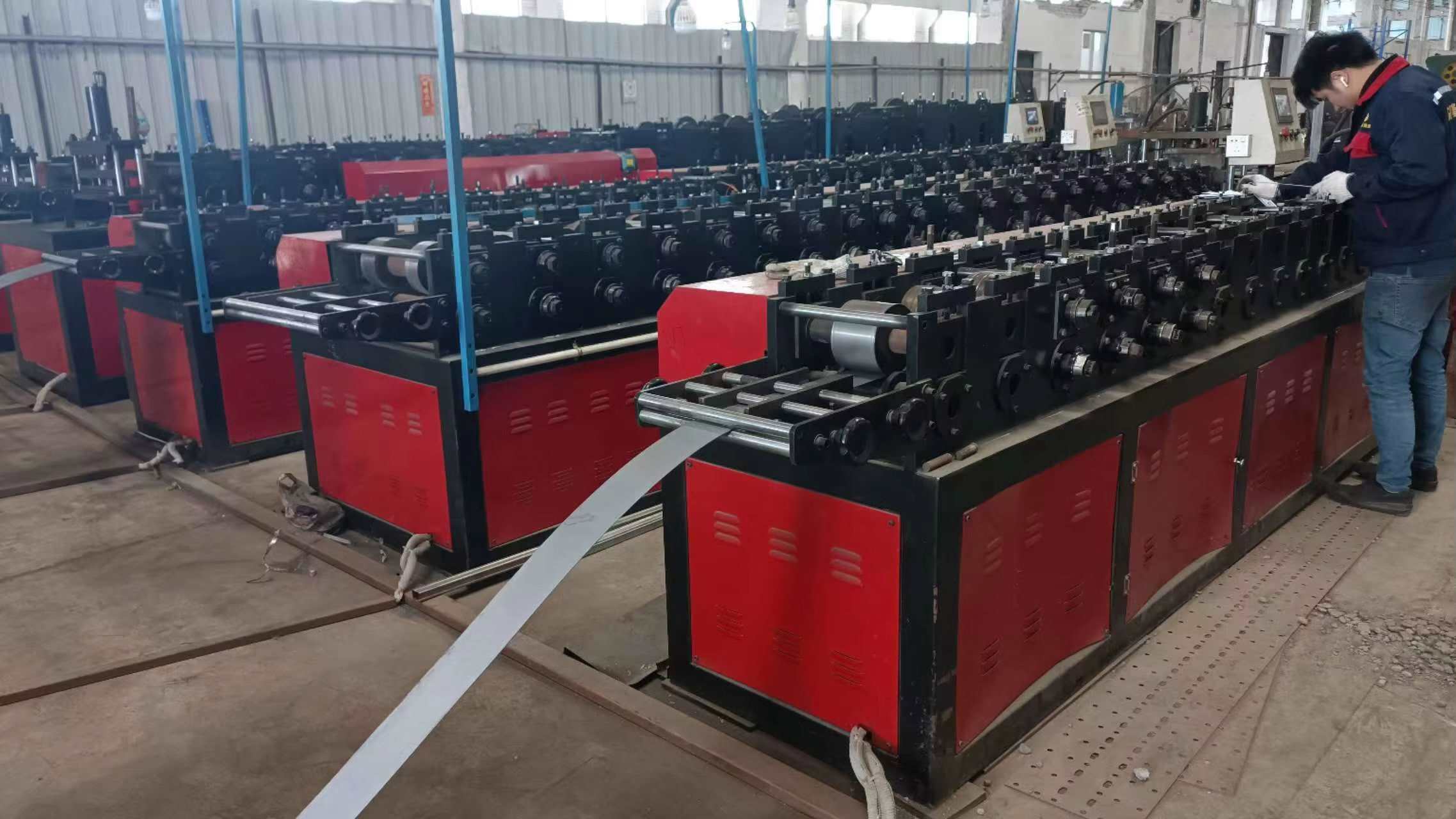
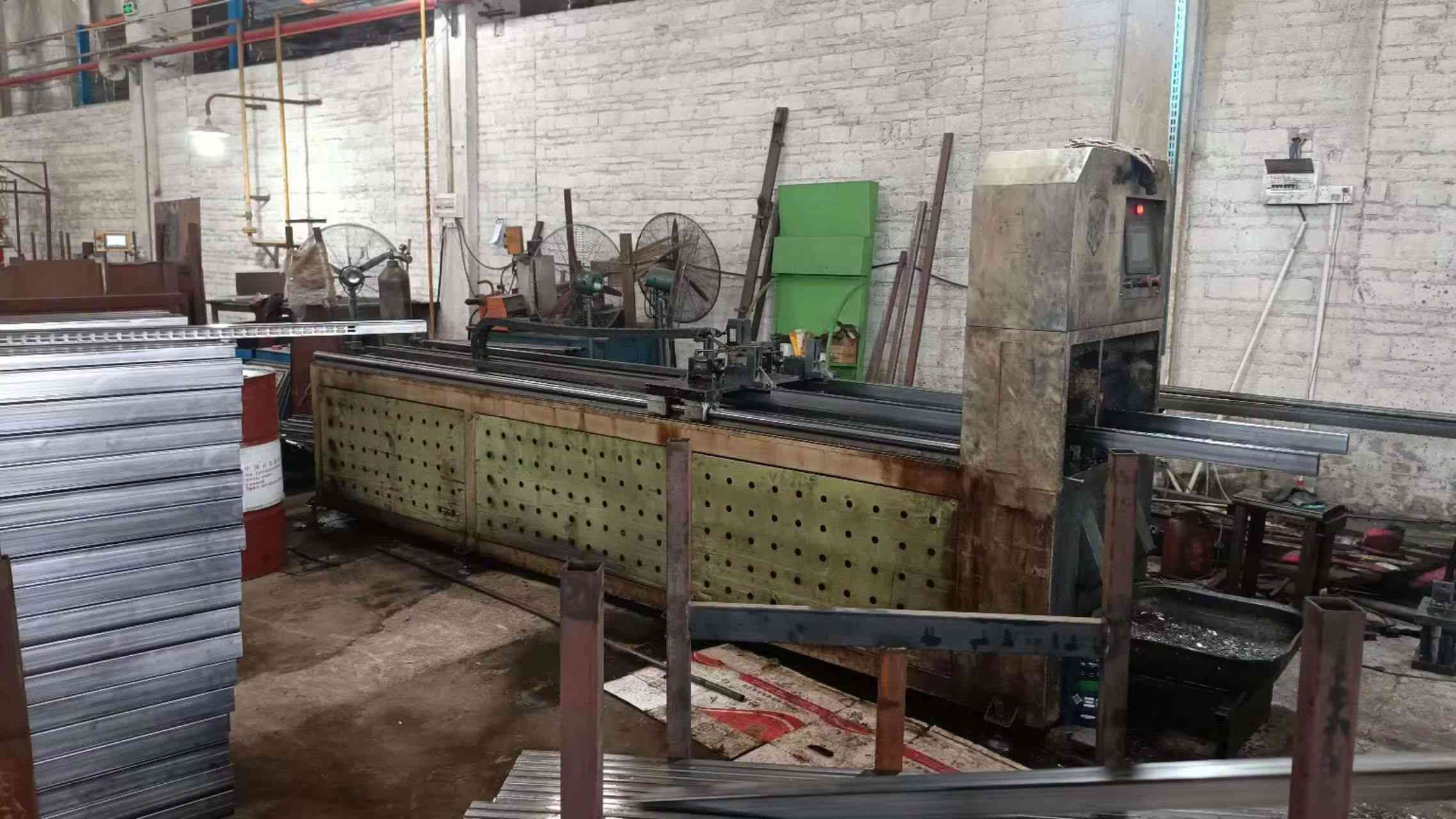
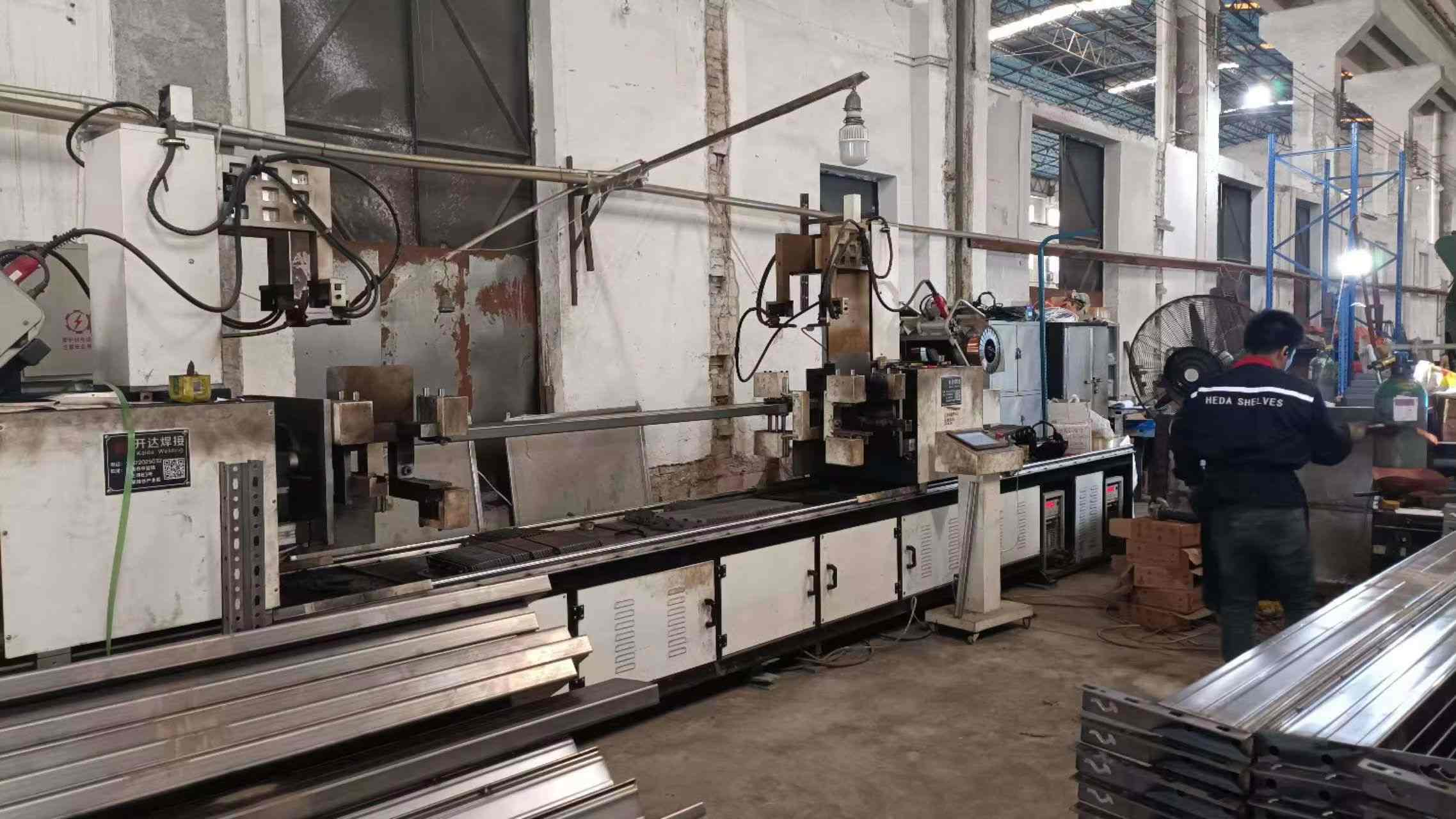
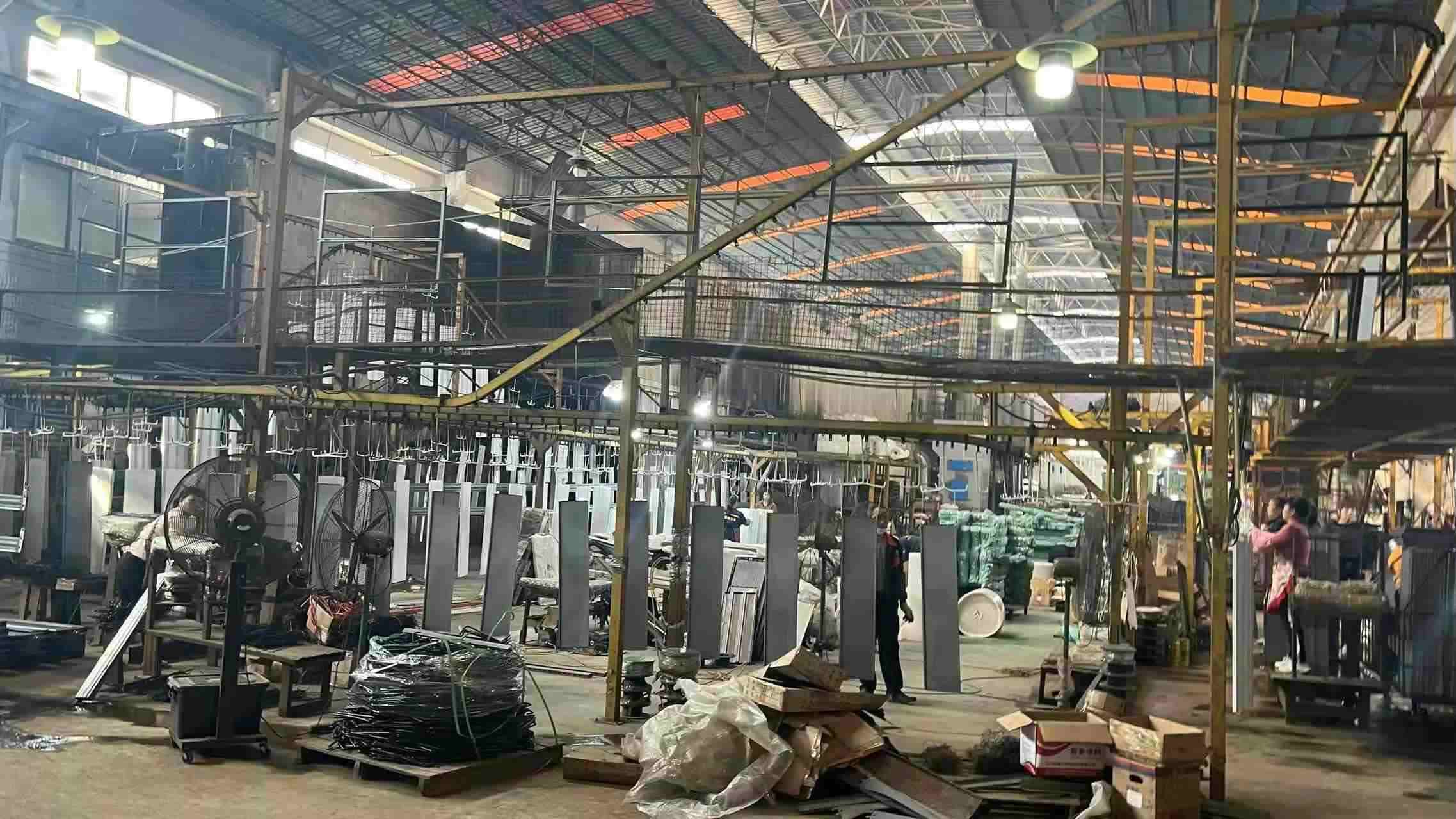
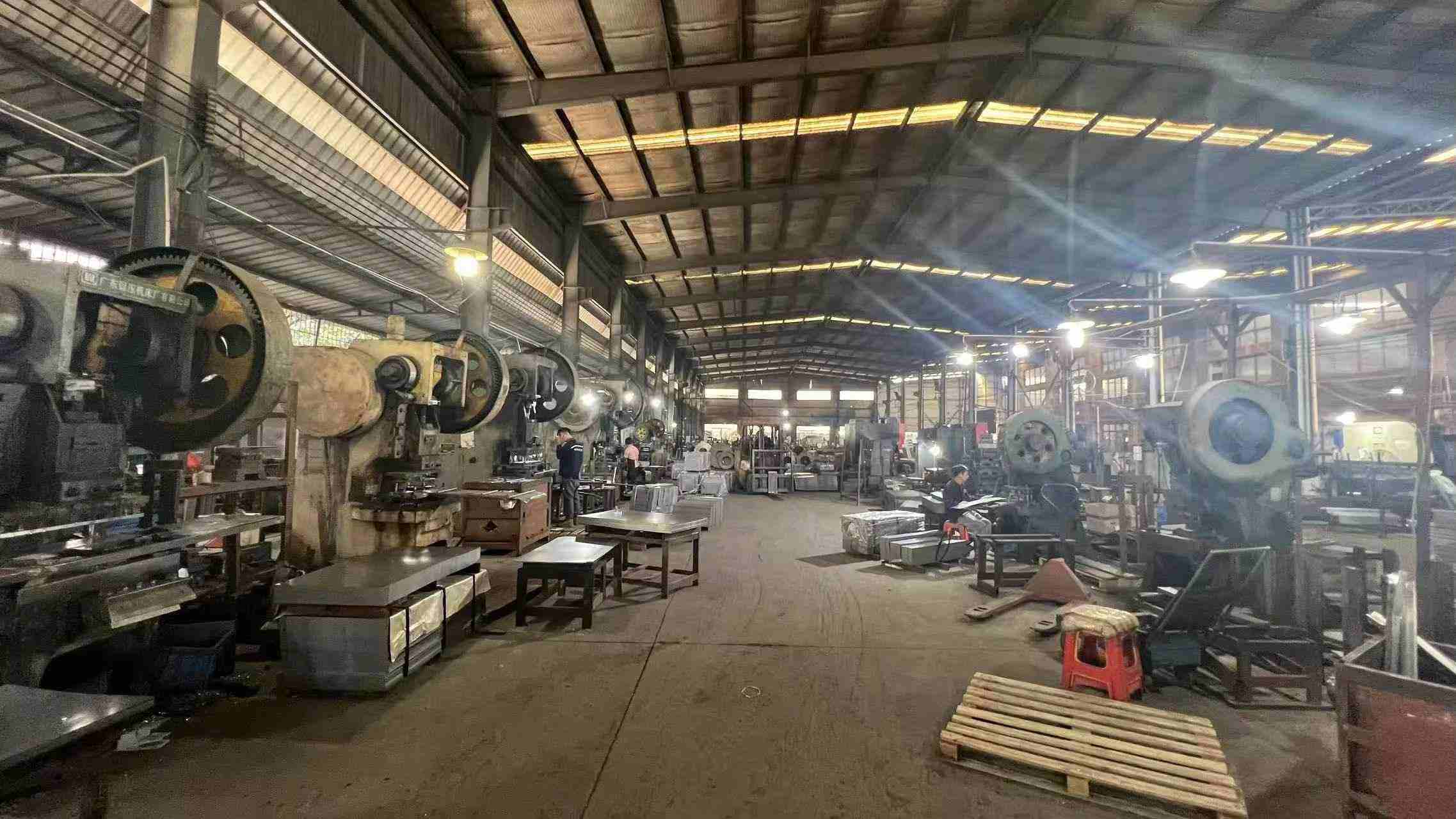
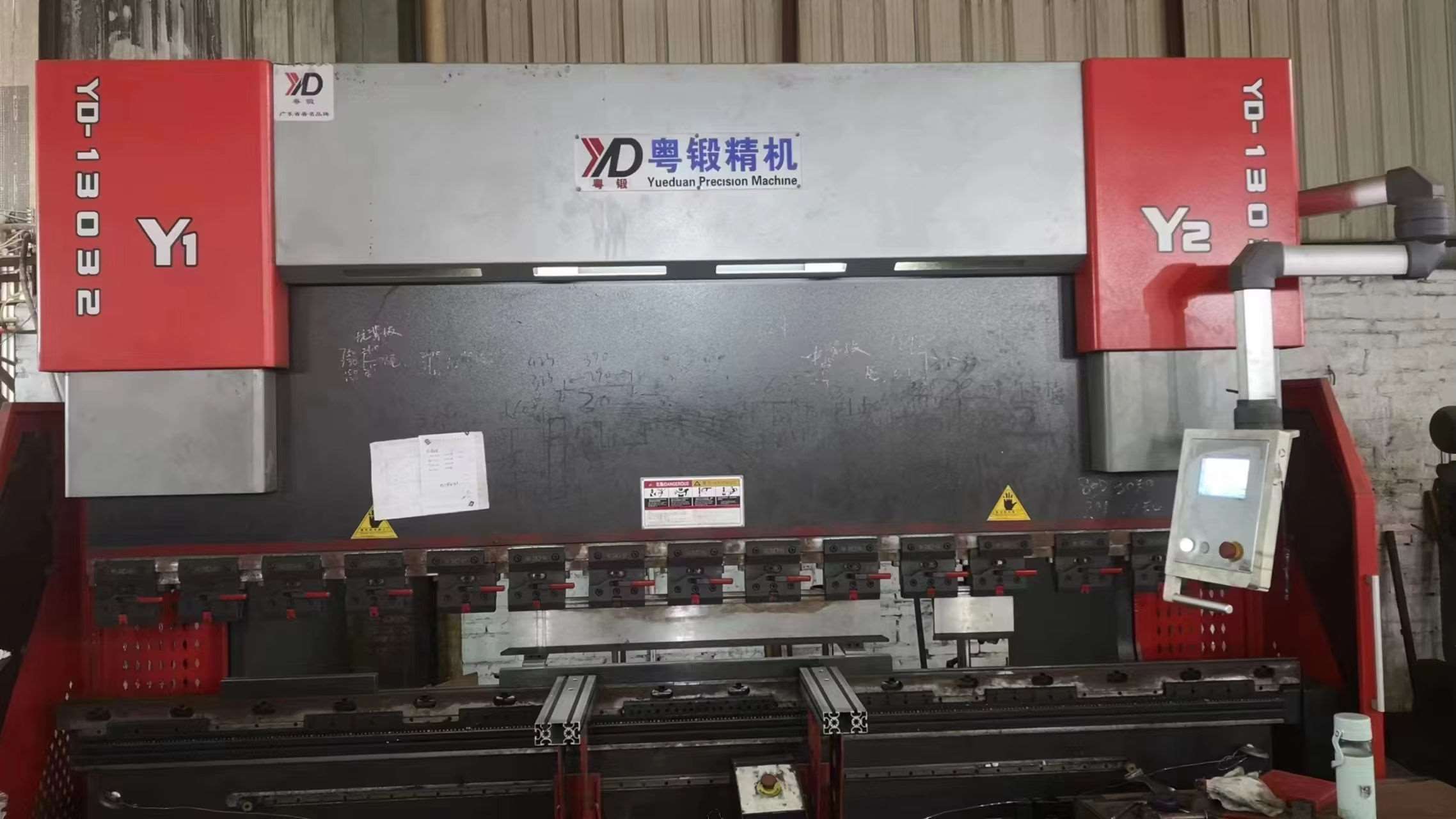
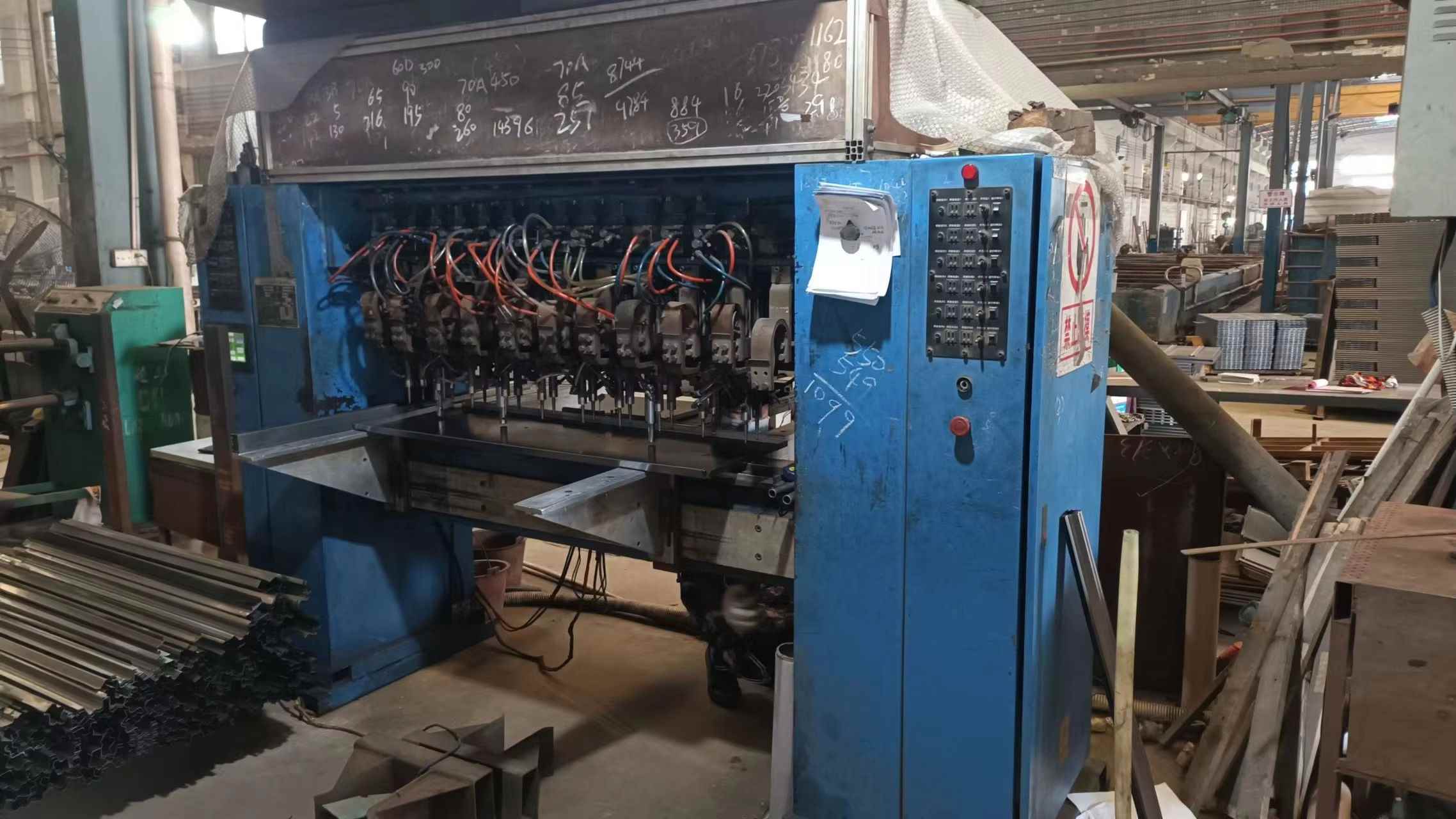
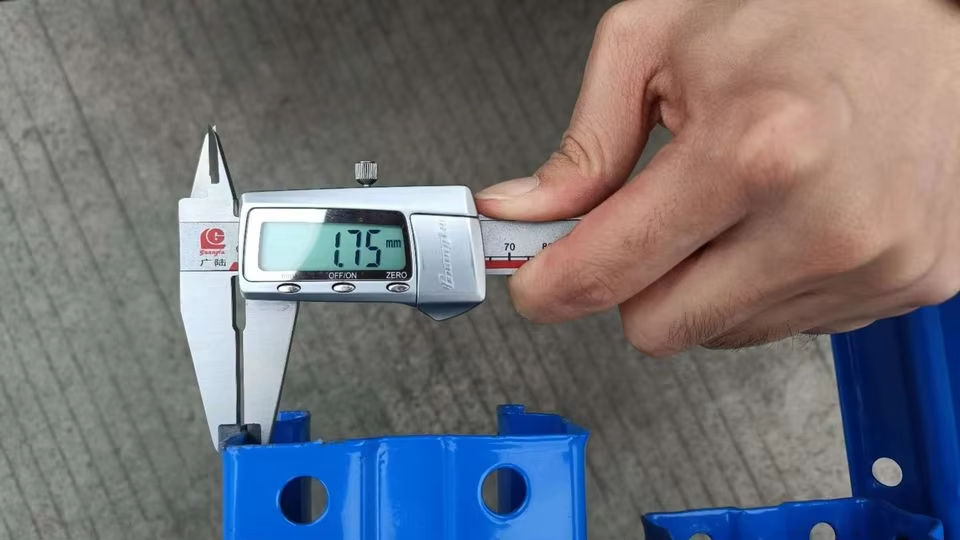
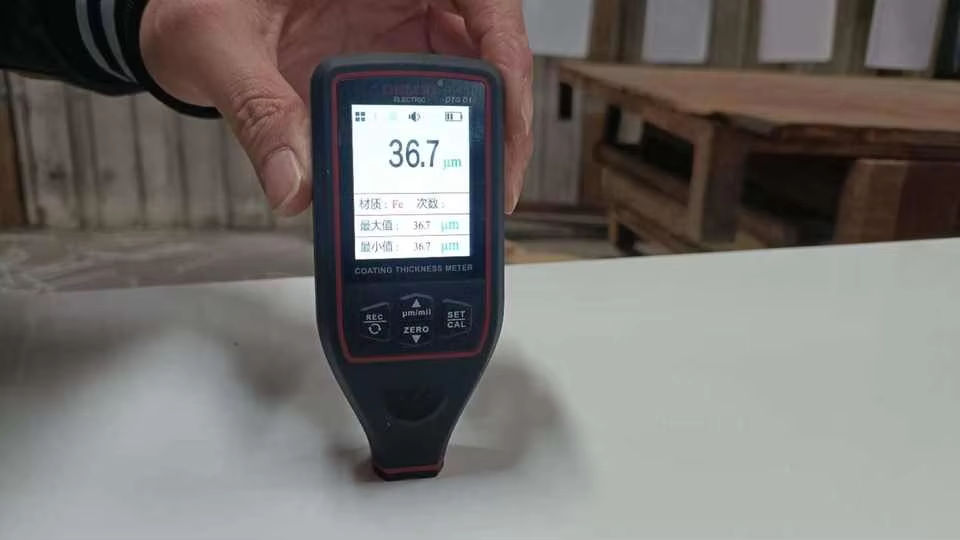
Ensuring absolute structural integrity through our 45-inspector Quality Control department utilizing calibrated non-destructive testing tools.
Our robust Quality Control department comprises 45 skilled inspectors utilizing rigorous testing methods, including raw material tensile strength verification, ultrasonic automated weld flaw detection, layer load-bearing stress analysis, and salt spray surface corrosion testing. By analyzing yield point values and material grain direction, Heda limits structural defects prior to shipment. Supported by our professional R&D team of 28 senior structural engineers, we support comprehensive custom engineering (OEM/ODM) to match specific localized warehousing loads.
Customizing material composition and load profile distributions to fit highly diverse industrial environments.
Environments operating at sub-zero temperatures (ranging down to -30°C) pose structural risks to carbon steel. Cryogenic temperatures induce steel brittleness, raising the probability of fracture under impact loads. Heda resolves this by utilizing premium structural steel batches, combined with special low-temperature powder coatings and hot-dip galvanized finishes. These configurations prevent structural rust and maintain load-bearing safety margins in refrigerated storage zones.
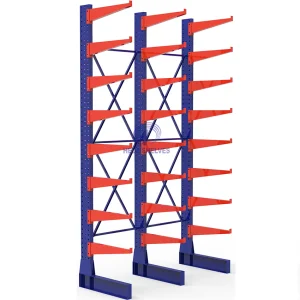
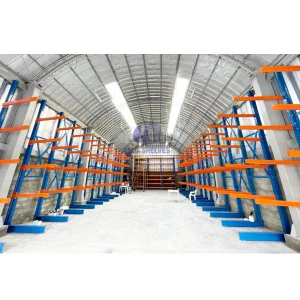
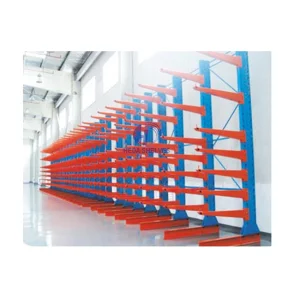
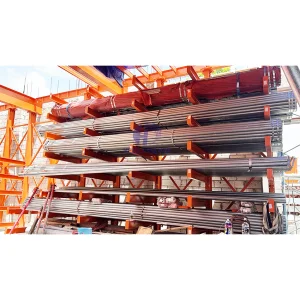
Large, non-standard items present load concentration challenges. Standard pallet racking systems cannot accommodate long structural spans without risk of failure. In these instances, custom heavy-duty cantilever racking systems become essential. Single-side and double-side cantilever profiles distribute high structural shear stresses safely. The arms are designed with specific inclines to prevent load shift, ensuring safety during loading operations.
Addressing critical structural design, installation safety, compliance, and material selections for modern industrial facilities.
Additional structural solutions designed for high stability, safety compliance, and maximum industrial volumetric capacity.
 Hedaracking