Explore our top-tier heavy-duty pallet racks, cantilever configurations, and drive-in systems engineered to meet international safety and loading metrics.
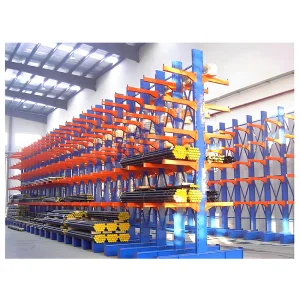
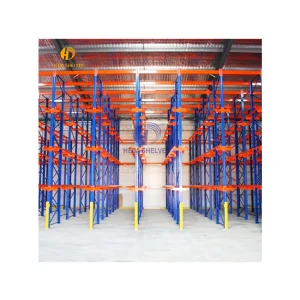
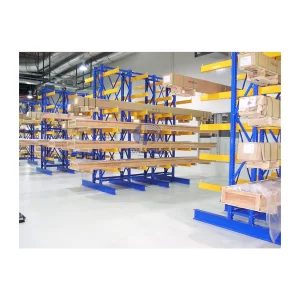
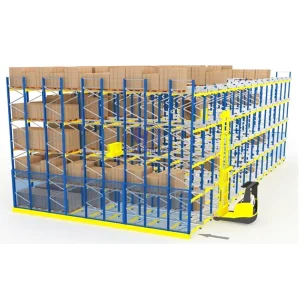
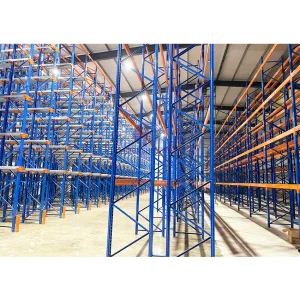
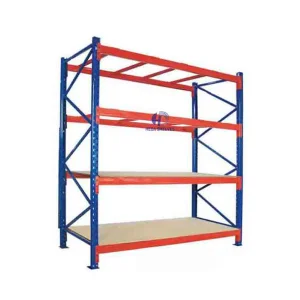
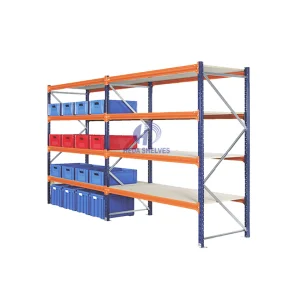
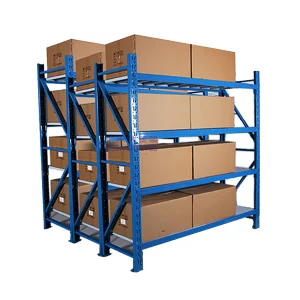
Decade-long manufacturing excellence. Designing high-density structural platforms to navigate complex spatial constraints and dynamic loads.
In the modern era of logistics, warehousing is no longer classified as a simple cost center; it is a critical driver of supply chain velocity. Globally, the explosion of e-commerce, the contraction of urban land availability, and the soaring costs of real estate have triggered an urgent demand for advanced stacking configurations. Modern logistics and warehousing environments require scalable, modular, and seismically compliant solutions that maximize volumetric space utilization.
From third-party logistics (3PL) hubs in Western Europe to massive distribution nodes in North America, standard floor-bound storage is obsolete. Industrial enterprises are adopting high-density solutions, including Selective Pallet Racking, Drive-In Racks, and Automated Shuttle Systems. These configurations are designed to optimize vertical footprints while ensuring rapid and safe stock rotation under varying conditions.
Strategic Asset Management: Stacking systems are structural platforms engineered to withstand dynamic forklift impacts, seismic vibrations, and constant load-bearing stress. Selecting a qualified, direct-factory partner is a foundational safety and economic decision.
Industrial demands vary significantly by region due to climate profiles, local codes, and material types:
Standard design parameters maintained at Heda plants:
| Parameters | Standard Specs |
|---|---|
| Steel Grades | Q235B, Q345B, Q355 (SS400 equivalent) |
| Standards | RMI (USA), EN 15512 (EU), AS4084 |
| Capacity | Up to 5,000 kg / level (Customizable) |
| Coatings | Electrostatic powder coating, Hot-dip galvanizing |
*All calculations undergo Finite Element Analysis (FEA) to confirm stability under seismic conditions.
Our engineering roadmap integrates high-yield metallurgical developments with digital-twin sensor networks to optimize operations.
Transitioning static rack systems into dynamic hubs with 4-Way Radio Shuttle integrations. Real-time warehouse control software (WCS) optimizes pathing for high-throughput FIFO/LIFO configurations.
Utilizing high-yield micro-alloyed steels to reduce dead-weight and improve structural resilience. We are developing thin-film organic zinc coatings for long-term corrosion resistance in extreme environments.
Integrating strain gauges and piezoelectric sensors into upright columns. This system alerts warehouse operations to structural stress and forklift impact damage, preventing system failures.
An inside look at our specialized manufacturing processes. Raw steel is processed through automated machinery, precision stamping, and quality checks to guarantee long-term reliability.
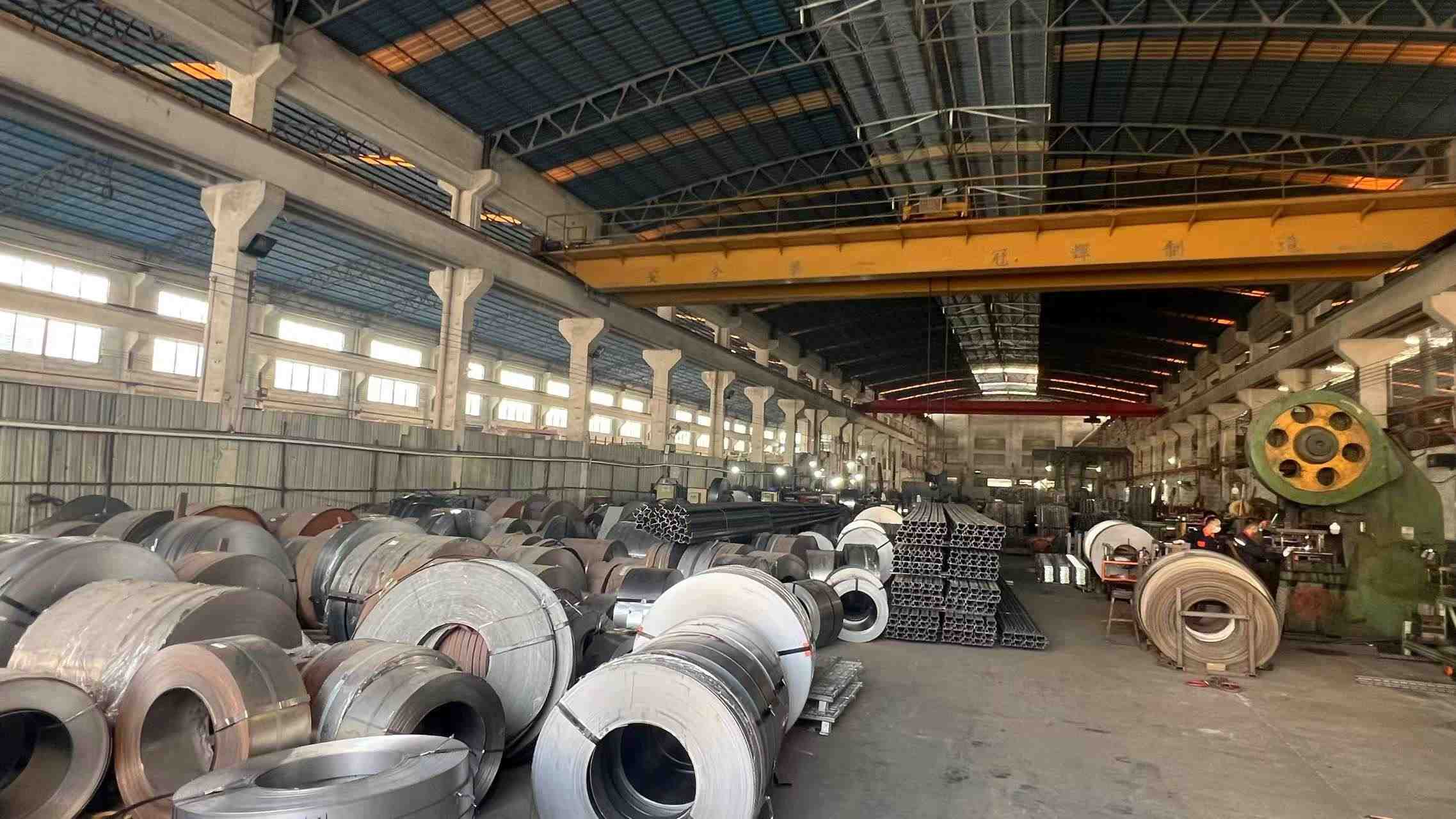
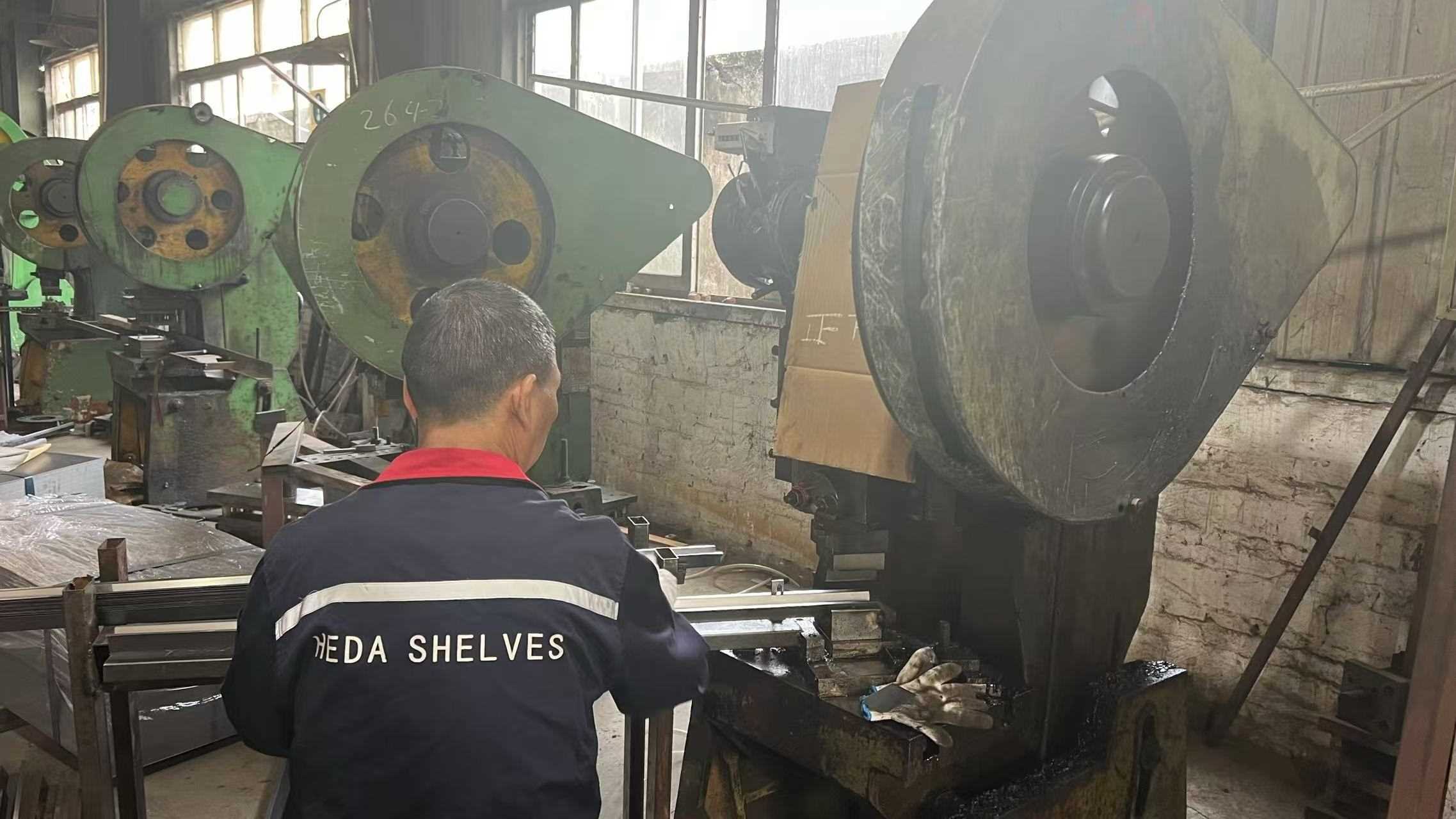
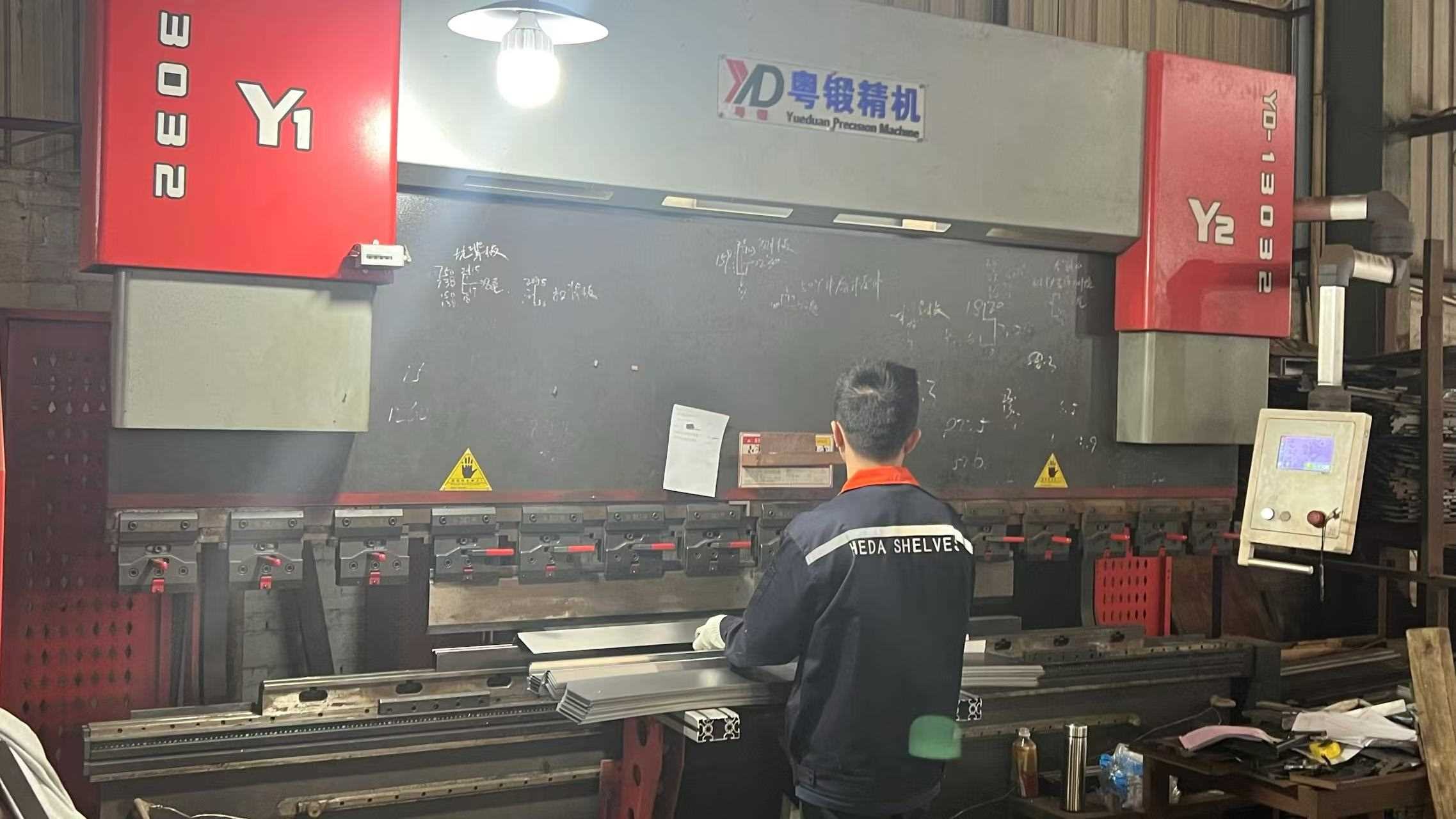
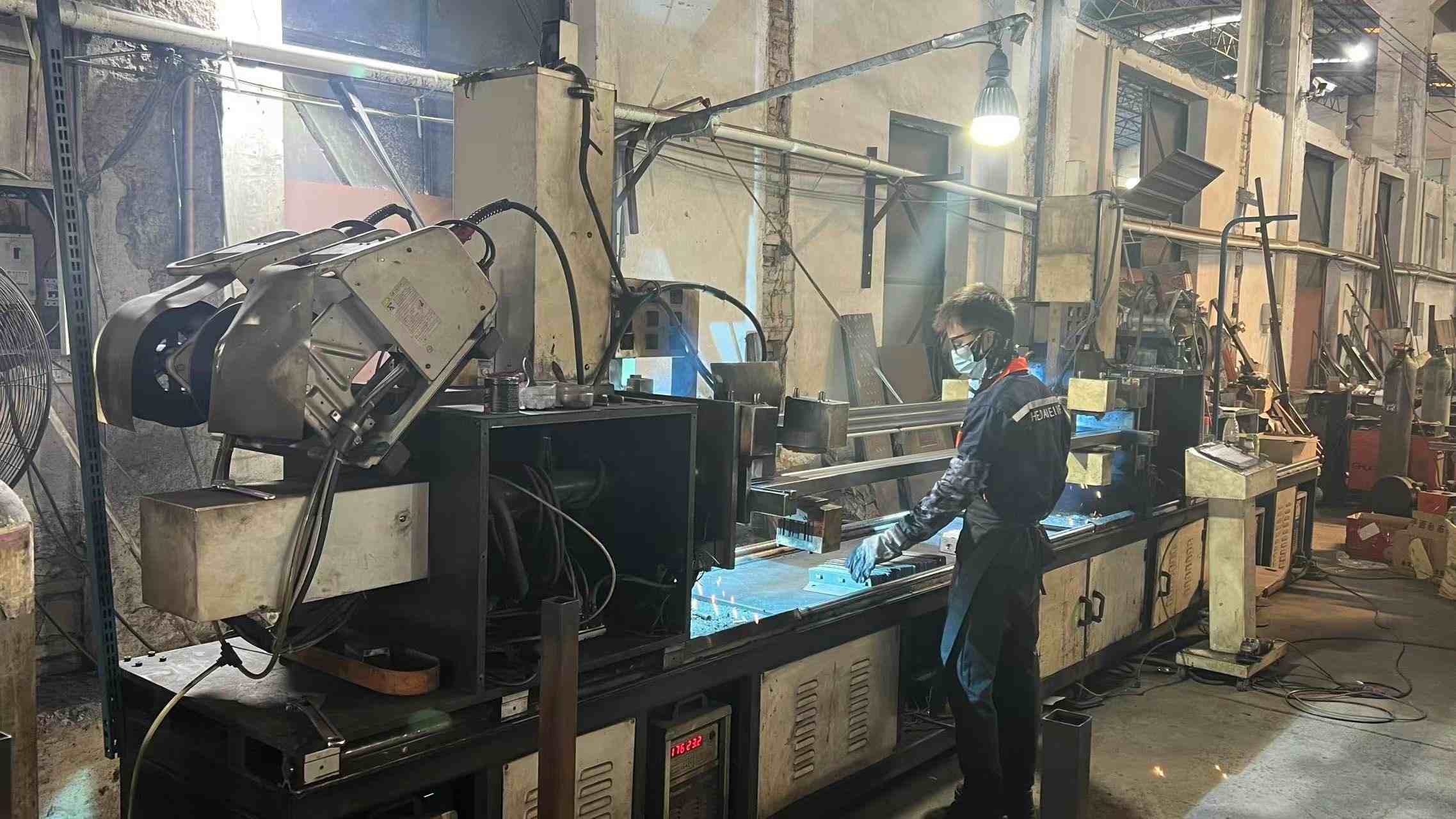
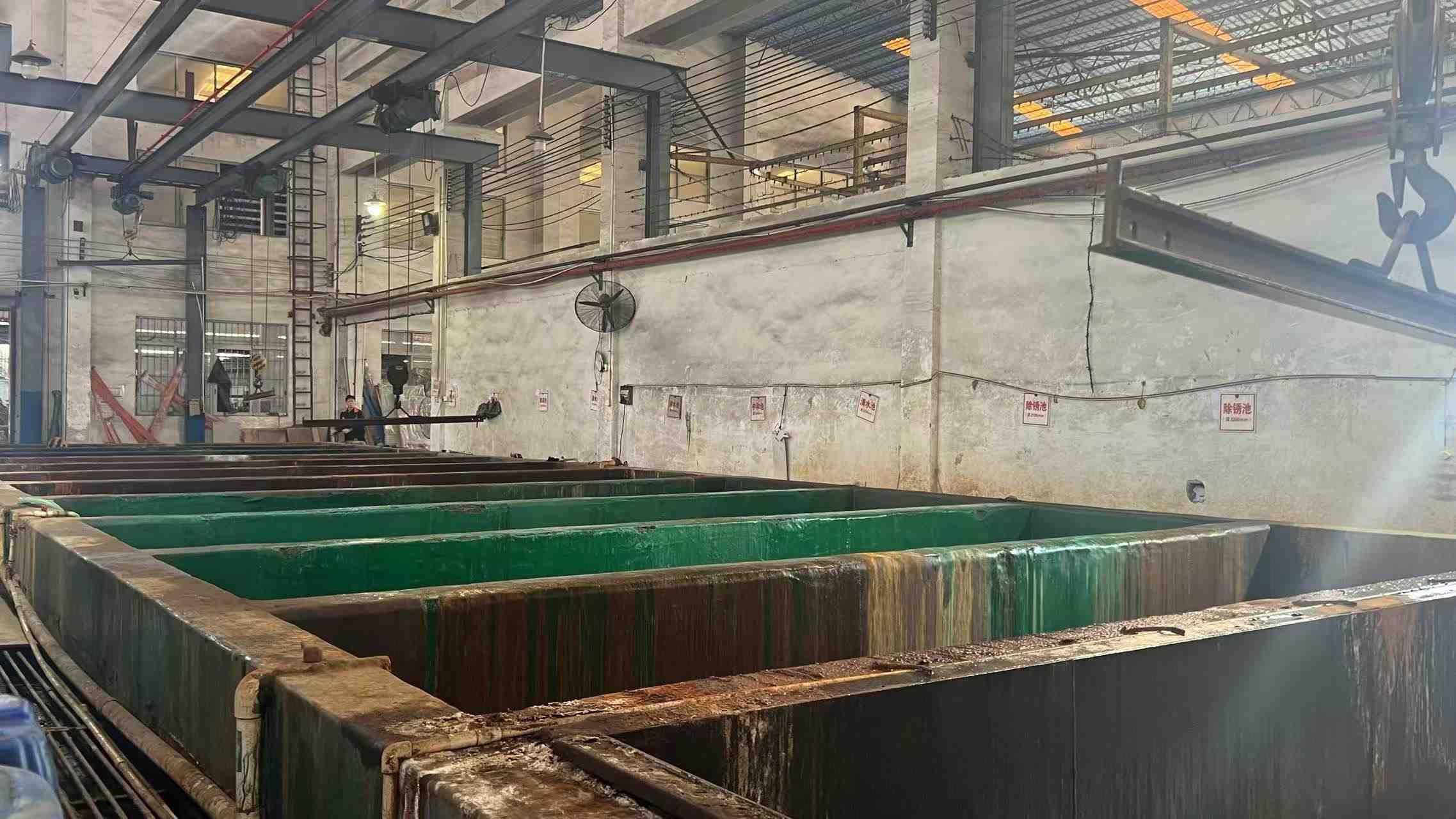
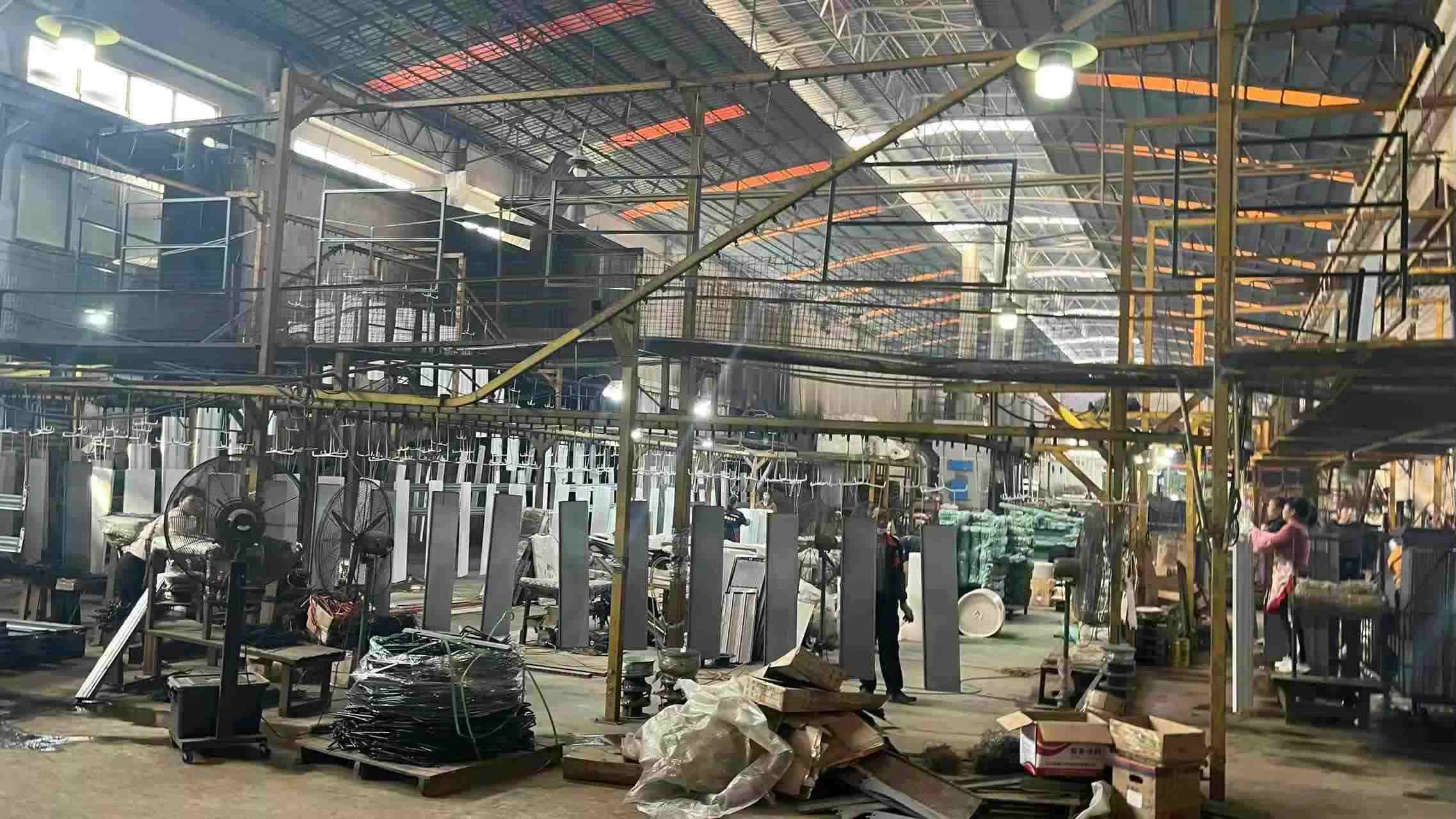
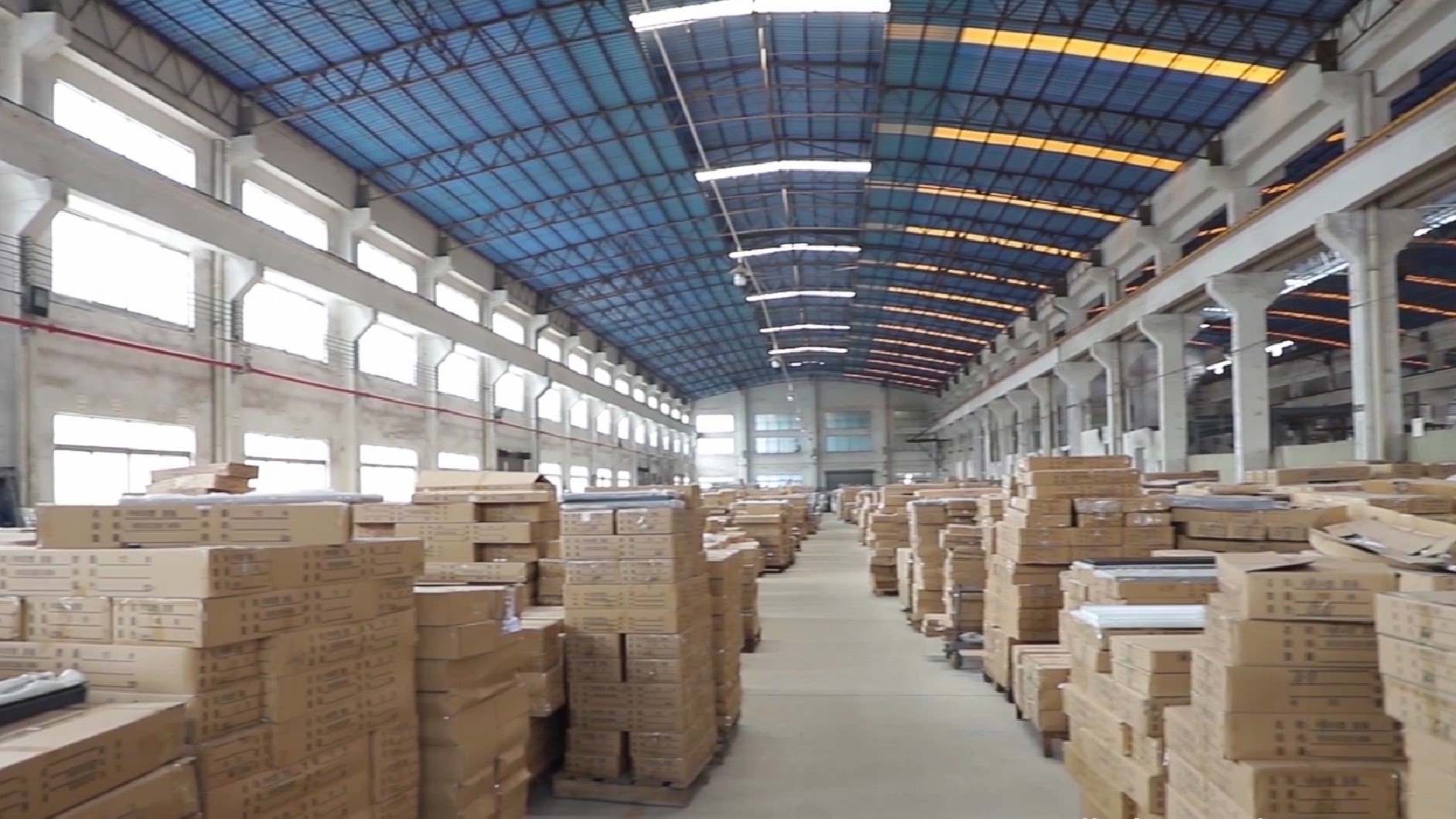
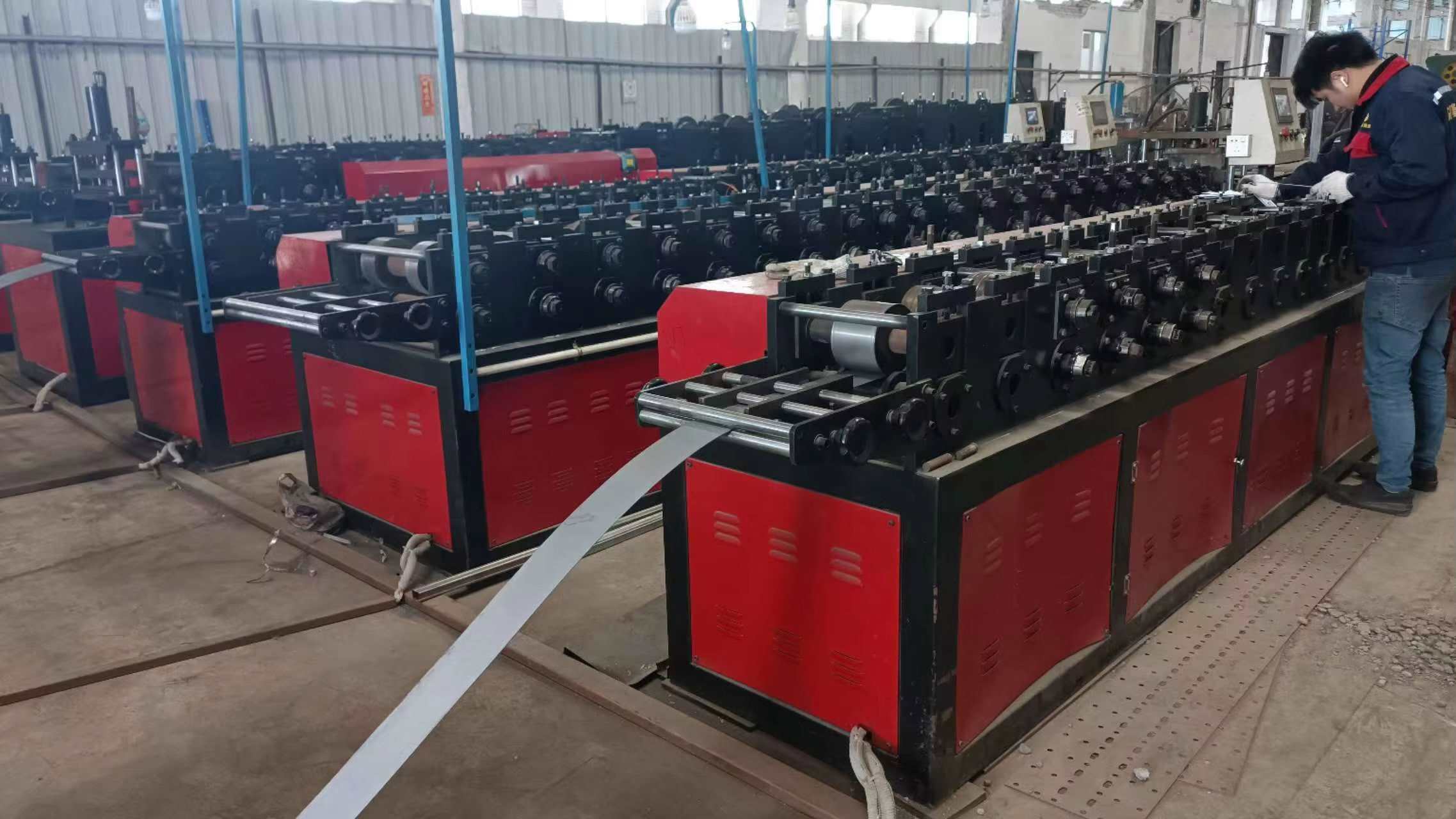
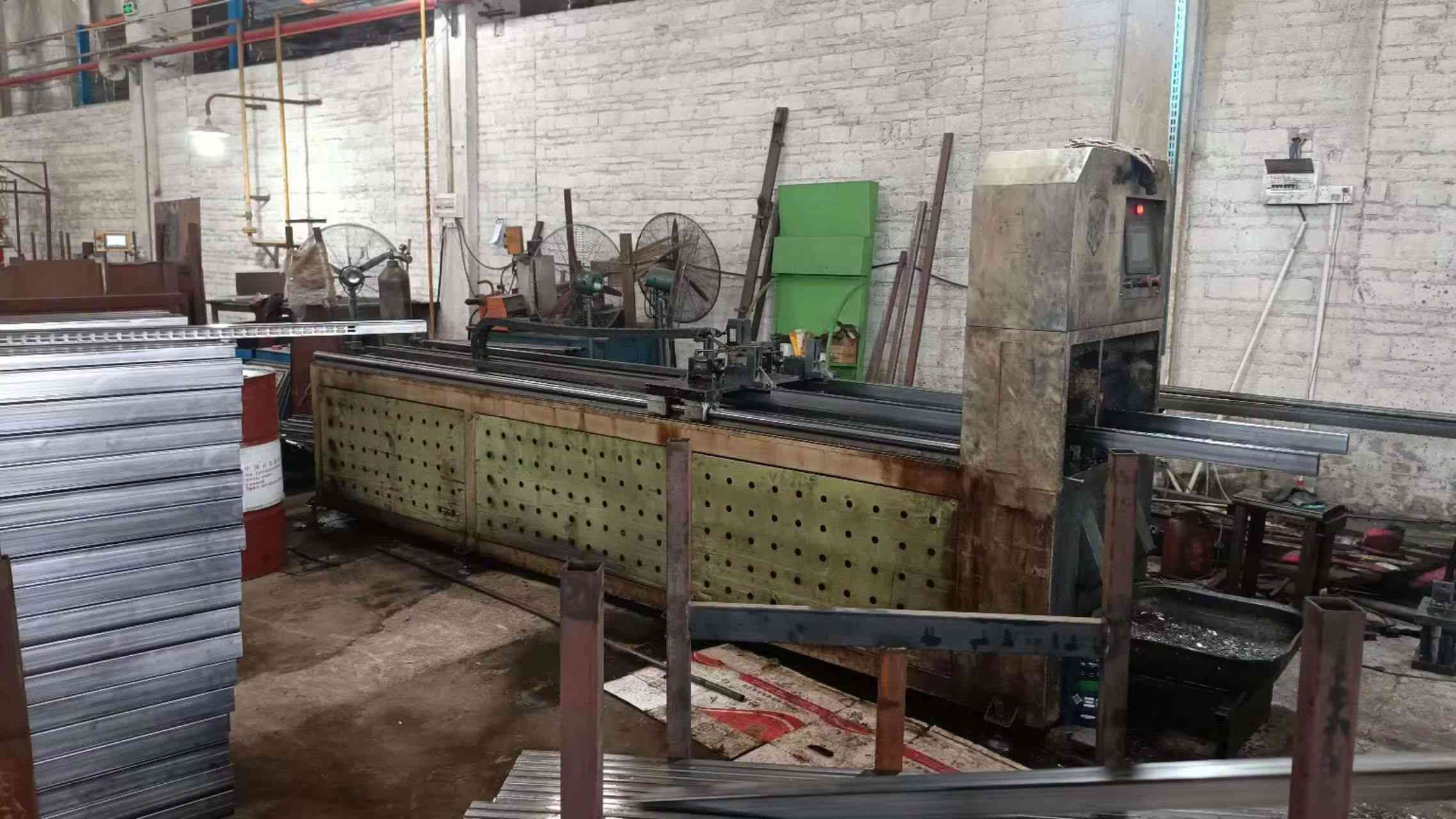
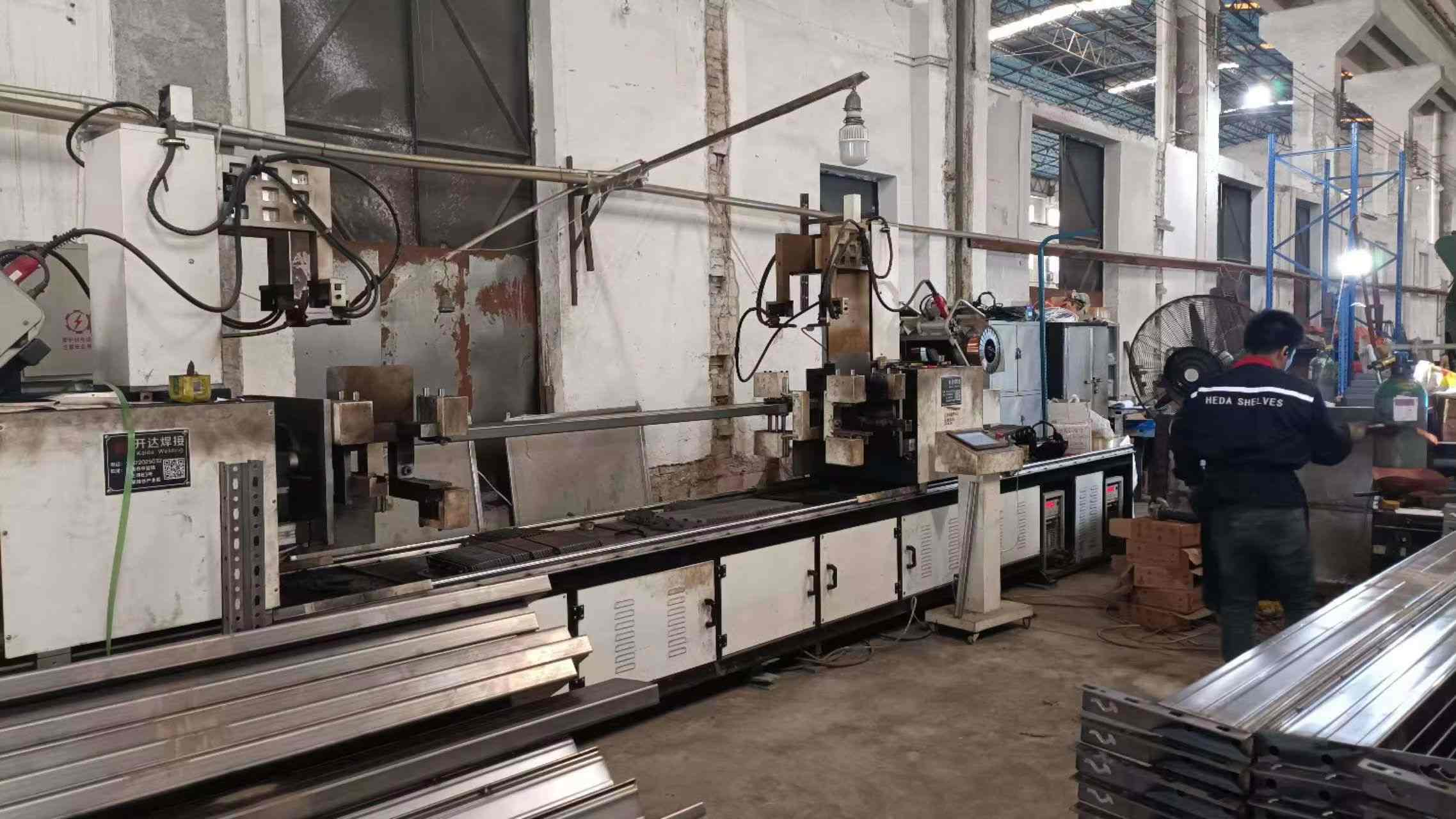
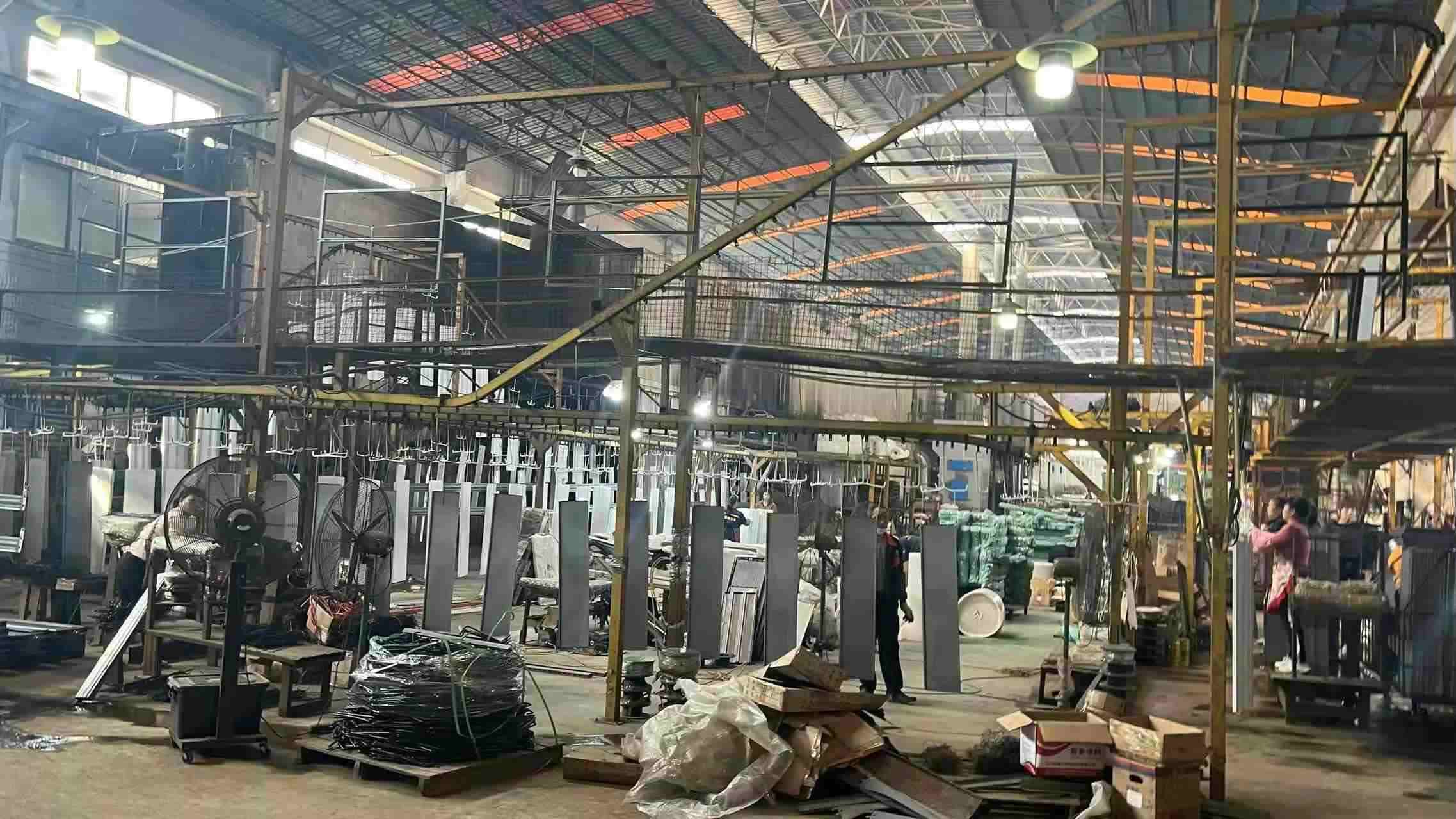
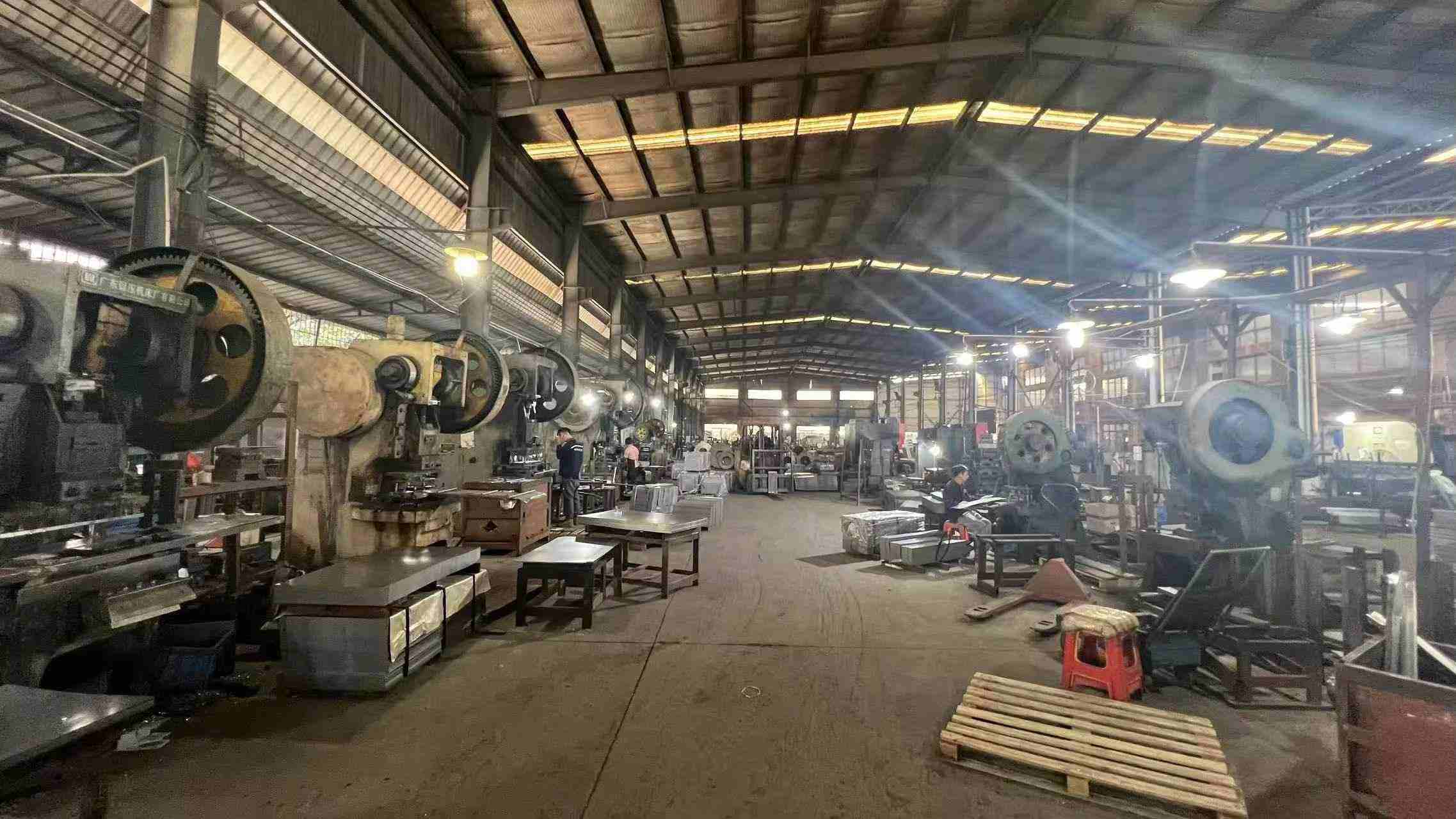
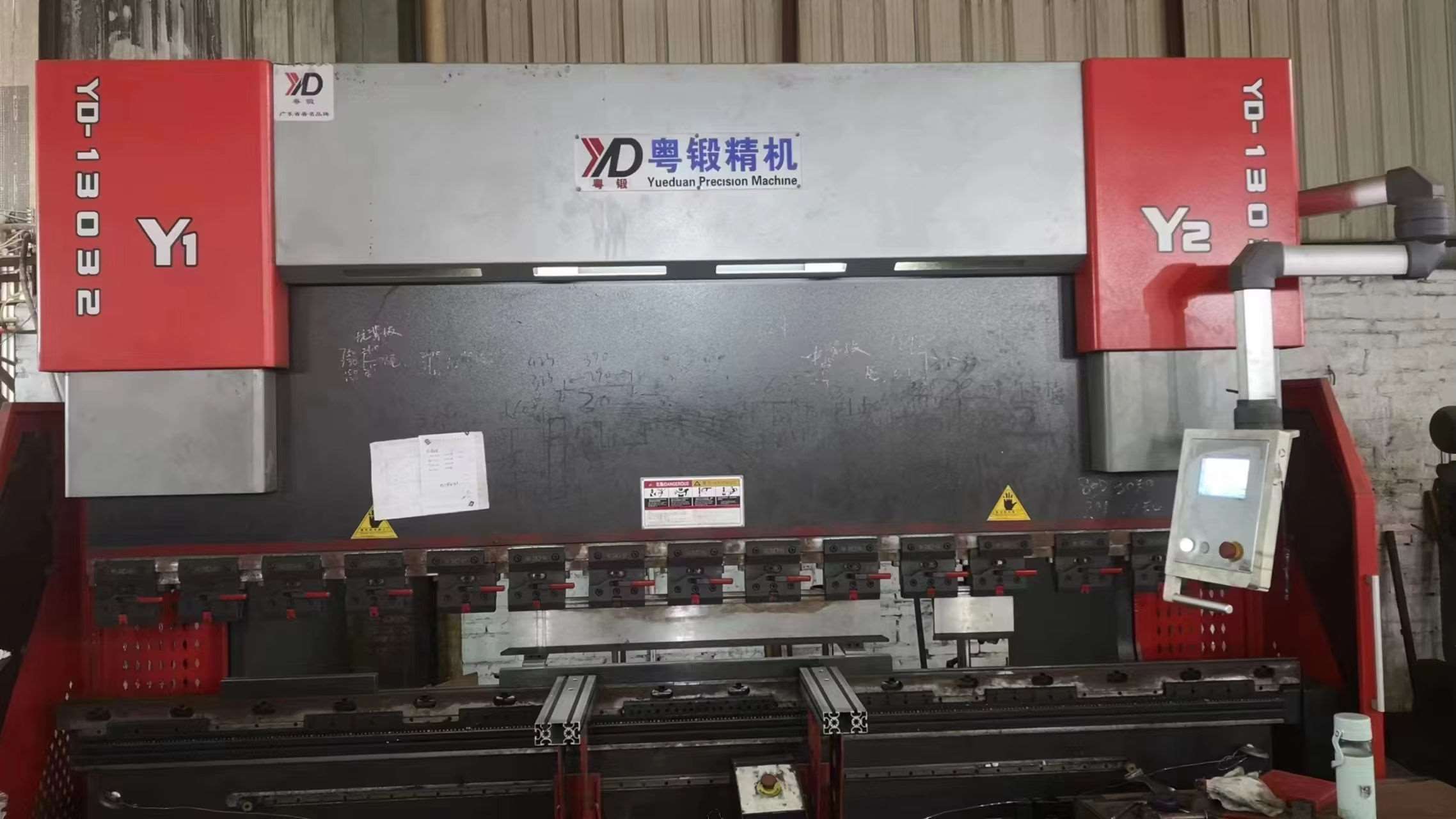
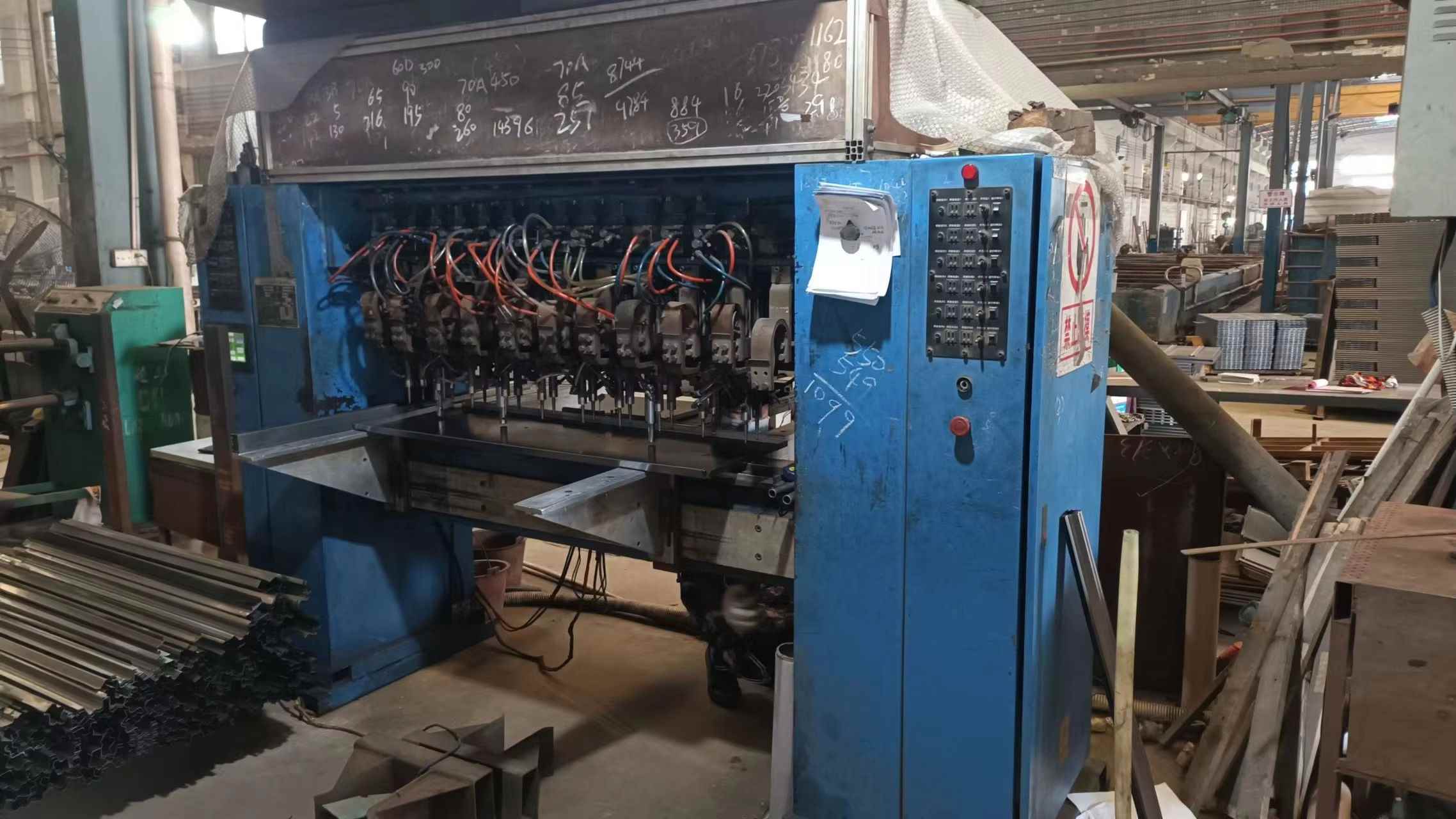
Shenzhen Heda Warehouse Equipment Co., Ltd. operates in a high-efficiency industrial cluster. Our strategic location guarantees seamless coordination with heavy steel mills, modern galvanizing operations, and international logistics hubs. With over 800 supply chain partners, we secure high-quality raw materials at competitive rates and maintain stable output during raw material fluctuations.
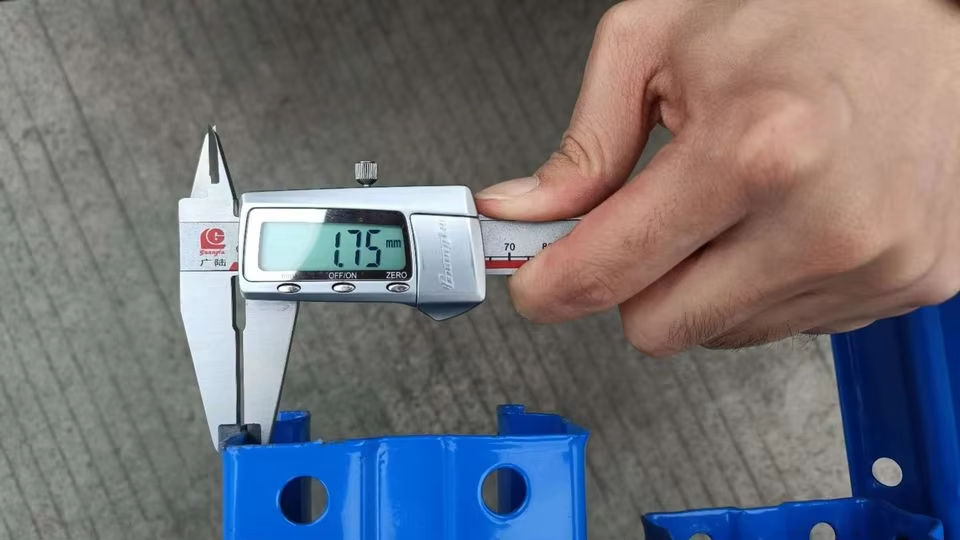
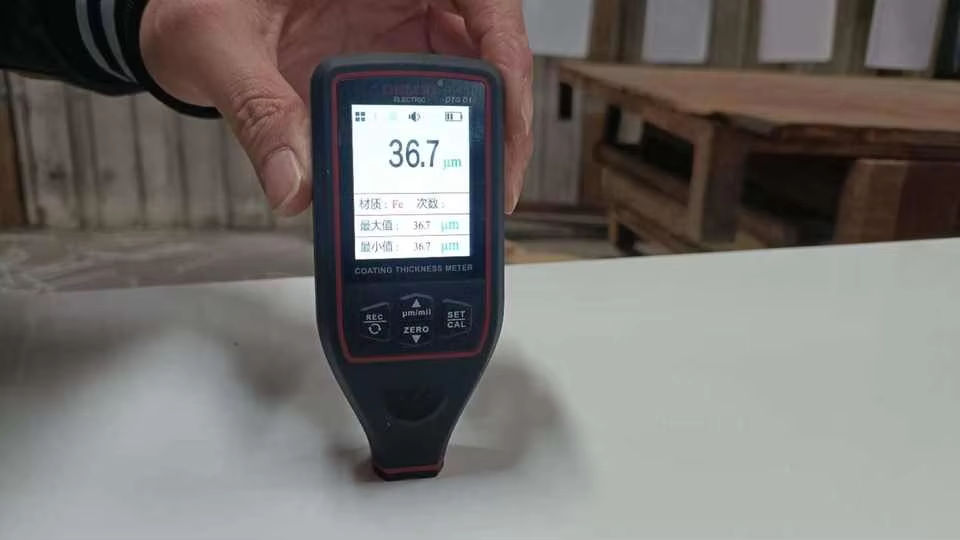
Our quality assurance framework covers the entire production cycle. Before production starts, we test the yield strength and chemistry of our raw materials. In the production line, we employ automatic welding lines and CNC punch presses to maintain tight tolerances across all components. Our QA team uses ultrasonic weld testers, digital caliper configurations, and coating thickness testers to verify that every pallet rack and cantilever arm meets design load ratings.
Operating in North America, Western Europe, Southeast Asia, and the Middle East requires strict compliance with local safety standards. Our engineering team designs rack structures in accordance with RMI guidelines (ANSI MHI16.1) in the United States, EN 15512 codes in the European Union, and AS4084 standards in Australia.
By utilizing advanced Finite Element Analysis (FEA), we model structural responses under physical stress, floor settlements, and seismic events. This ensures that every racking project is optimized for safety and cost-efficiency.
Our global support services cover the entire project lifecycle, from layout design and structural calculations to installation support. We provide localized engineering drawings and calculation reports to streamline local permit approvals and building safety certifications.
Our quality control program includes:
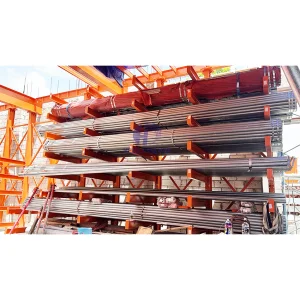
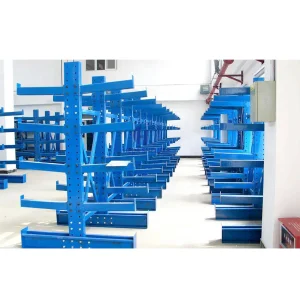
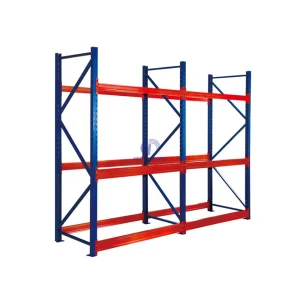
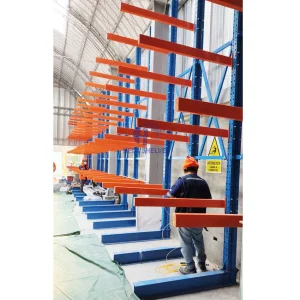
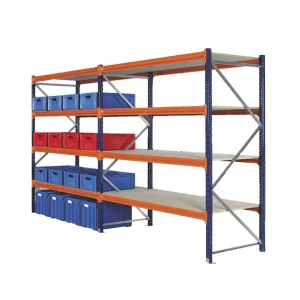
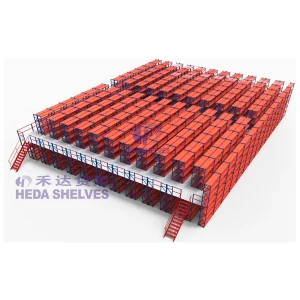
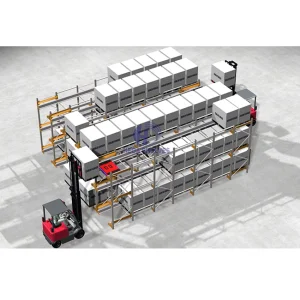
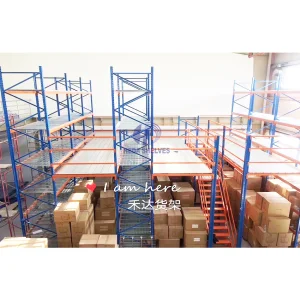
A versatile selection of mezzanine designs, automated shuttle systems, adjustable shelving, and heavy-duty steel platforms for industrial environments.
Answers to common engineering, safety, and logistical questions for procurement managers and warehouse operations engineers.
The Safe Working Load (SWL) is calculated using structural steel design standards (e.g., RMI in the US, EN 15512 in Europe). It factors in the yield strength of the steel, the span length of the beams, the profile dimensions of the upright frames, and the expected dynamic load. A safety factor (typically 1.5 to 1.8) is applied to prevent deformation under maximum design load conditions.
FIFO (First-In, First-Out) ensures that the oldest inventory is retrieved first, making it ideal for perishable goods or products with shelf lives. It is commonly used in gravity flow and selective racks. LIFO (Last-In, First-Out) retrieves the newest inventory first, maximizing storage density in configurations like drive-in racks and push-back systems.
Racks in active seismic zones require larger baseplates, thicker anchor bolts, and heavier upright profiles. We run finite element simulations using regional peak ground acceleration (PGA) values to ensure structural integrity and prevent collapse during seismic events.
For cold storage, we recommend high-durability electrostatic powder coatings with specialized primer coats, or hot-dip galvanizing. These treatments provide excellent moisture protection and prevent rust in high-condensation environments.
We primarily use high-strength carbon steel structural grades, including Q235B and Q345B/Q355 (equivalent to SS400 or ASTM A36/A572). These grades provide the ductibility and yield strength needed for industrial load-bearing components.
Yes, our cantilever arms are adjustable along the upright column in pitch increments of 75mm or 76.2mm. The standard deflection limit is L/180, meaning the arm tip deflection will not exceed 1/180th of the arm length under full design load.
We provide heavy-duty steel column protectors, guide rails, and barrier systems anchored to the warehouse floor. These protection kits absorb forklift impacts and protect the main racking structure from damage.
Mezzanine systems add floor space and generally require local building permits. We supply full structural design drawings, calculations, and material specifications to support your submittals to local authorities.
 Hedaracking