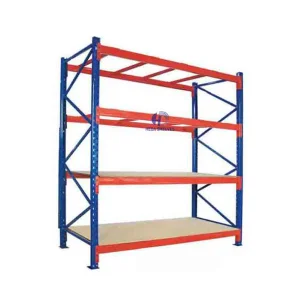
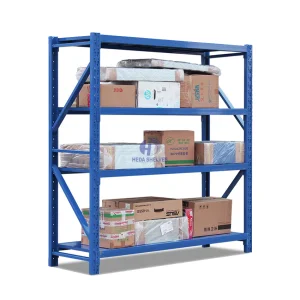
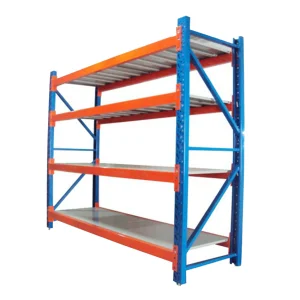
Premium selection engineered to optimize warehouse throughput across Lagos, Abuja, Kano, and Port Harcourt commercial zones.
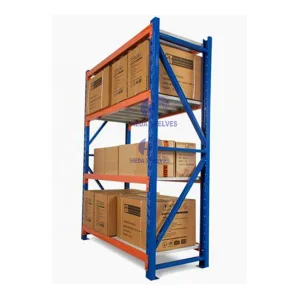
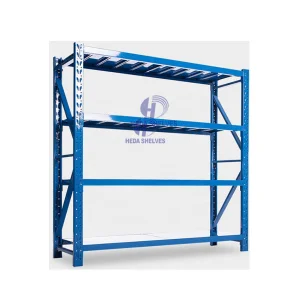
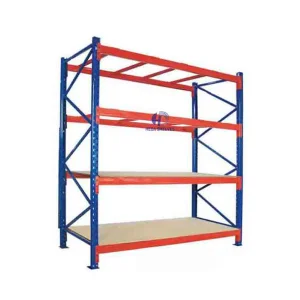
As Africa's most populous nation, Nigeria sits at a critical junction of macroeconomic transformation. The rapid expansion of eCommerce (pioneered by regional leaders like Jumia and Konga), the growth of the Fast-Moving Consumer Goods (FMCG) sector, and the federal pivot towards local manufacturing have generated an unprecedented demand for modern warehouse infrastructure. Supply chain hubs clustered around the Lagos-Ogun corridor (such as Agbara, Ikeja, and the Lekki Free Zone), Port Harcourt, Abuja, and Kano face structural space optimization challenges.
High real estate costs in urban hubs demand that warehouses shift from flat footprint storage to vertical utilization. Light-duty and medium-duty racking systems form the structural foundation of this transformation. Designed to support loads between 100kg and 500kg per level, these racking systems provide the ideal layout for hand-stacked inventory, picking operations, and high-frequency distribution setups. However, Nigeria's unique coastal humidity profiles require racks with superior surface treatment, particularly in marine-exposed cities like Lagos and Port Harcourt. Choosing high-grade, epoxy-powder-coated or galvanized profiles is essential to prevent premature steel oxidation.
Internationally, logistics operations are moving toward standardized modular configurations. Warehouse operators are shifting away from heavy, welded structures toward boltless, adjustable, and reconfigurable storage layouts. This flexibility allows facilities to quickly adapt to changing product dimensions and volume fluctuations. Furthermore, international environmental standards (such as EN 15512 and FEM regulations) now dictate racking design parameters. This ensures that load-bearing capacity, deflection limits, and safety factors align with global workplace safety standards.
For global enterprises establishing warehousing presences in West Africa, the standard protocol involves importing systems that balance cost-efficiency with engineering reliability. Racking solutions must comply with global cargo safety regulations while optimizing shipping container volume. Flat-pack design configurations ensure that transit costs from fabrication plants to destination ports like Apapa or Tin Can Island are minimized.
Adaptable structural systems custom-engineered for heavy tools, components, and bulk retail configurations.
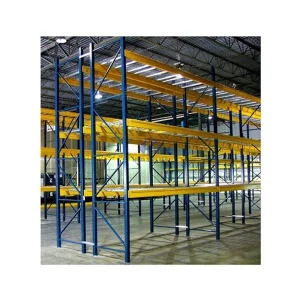
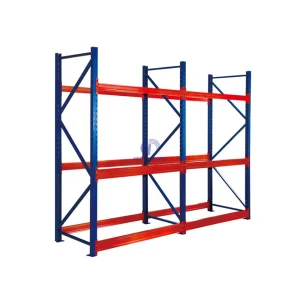
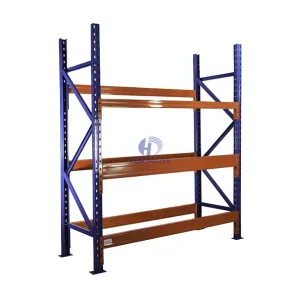
Combining structural safety certifications with high-throughput Chinese factory production capacity.
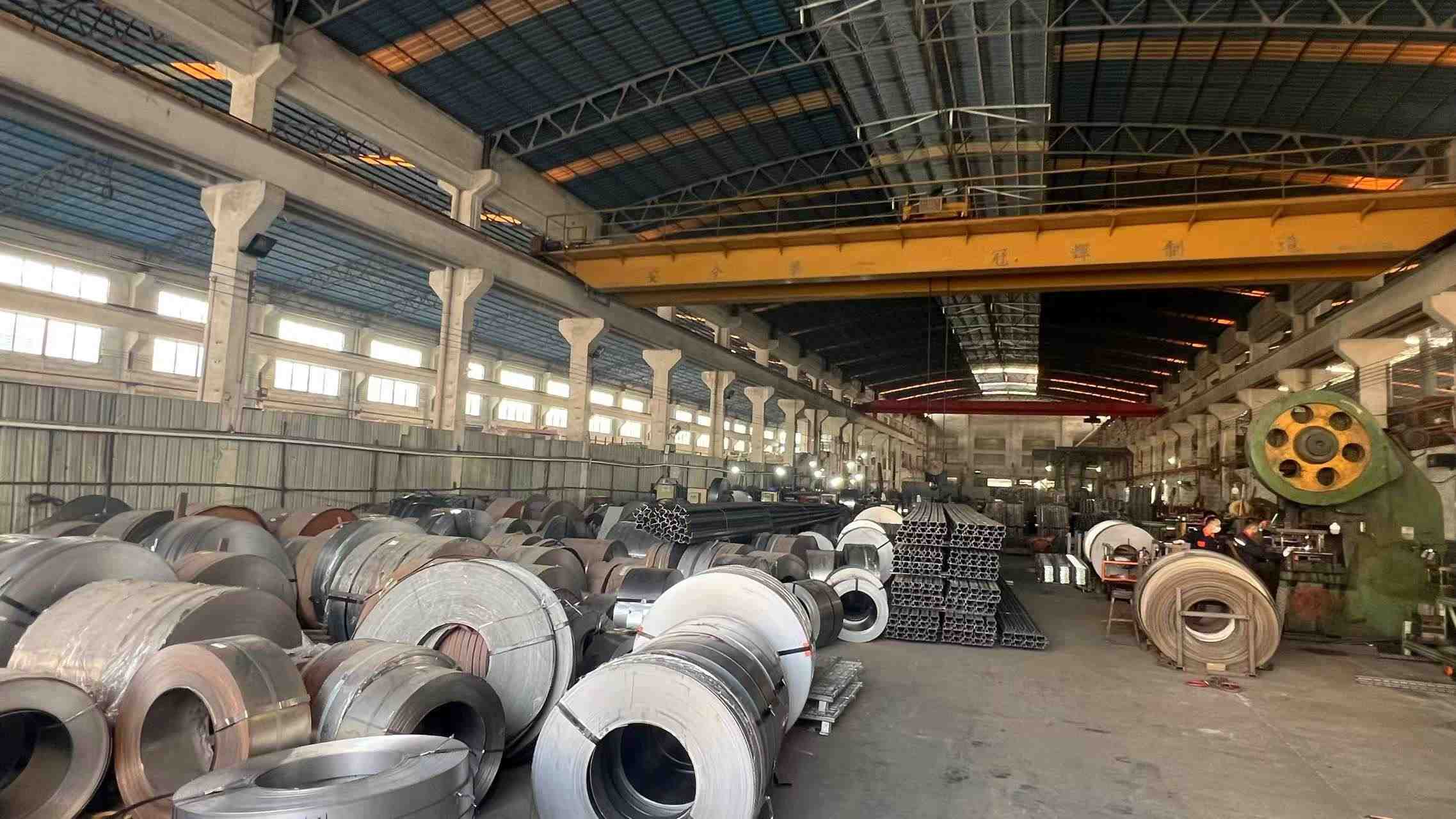
Established in 2014, Shenzhen Heda Warehouse Equipment Co., Ltd. is a premier manufacturer specializing in heavy-duty warehouse racking and industrial storage solutions. Spanning a modern manufacturing facility of 35,000 m², our enterprise integrates R&D, design, production, and international marketing to serve diverse storage needs worldwide. With 12 years of industry experience and 8 years of dedicated export expertise, we deliver high-caliber storage systems that generate over $28 million in annual export revenue.
At Heda, quality control and engineering innovation drive our core operations. Our robust QC department comprises 45 skilled inspectors utilizing rigorous testing methods, including raw material tensile testing, automated weld flaw detection, layer load-bearing stress analysis, and salt spray surface corrosion testing. Supported by a professional R&D team of 28 senior structural engineers, we maintain strong full-customization capabilities (OEM/ODM)—offering tailored rack dimensions, load capacities, surface coatings, and layout designs. Driven by continuous innovation, we launched over 120 new dynamic storage products and component upgrades last year.
Operating with a strong direct-factory and international trade background, we have built a resilient ecosystem supported by over 800 supply chain partners. Our products are exported to major global markets, including North America, Western Europe, Southeast Asia, and the Middle East. We proudly serve a diverse clientele ranging from third-party logistics (3PL) providers and large distribution centers to industrial manufacturers and wholesale equipment distributors.
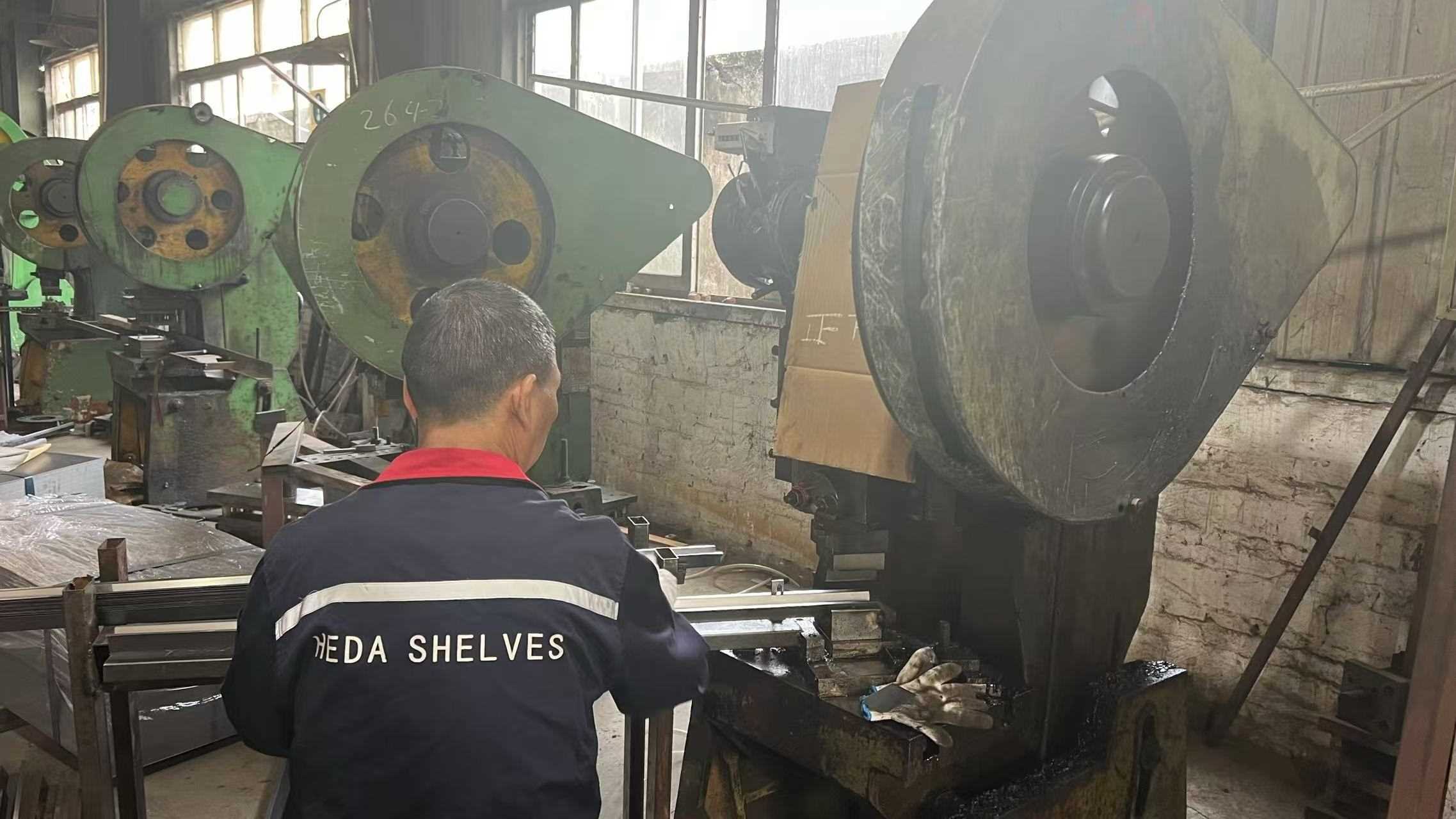
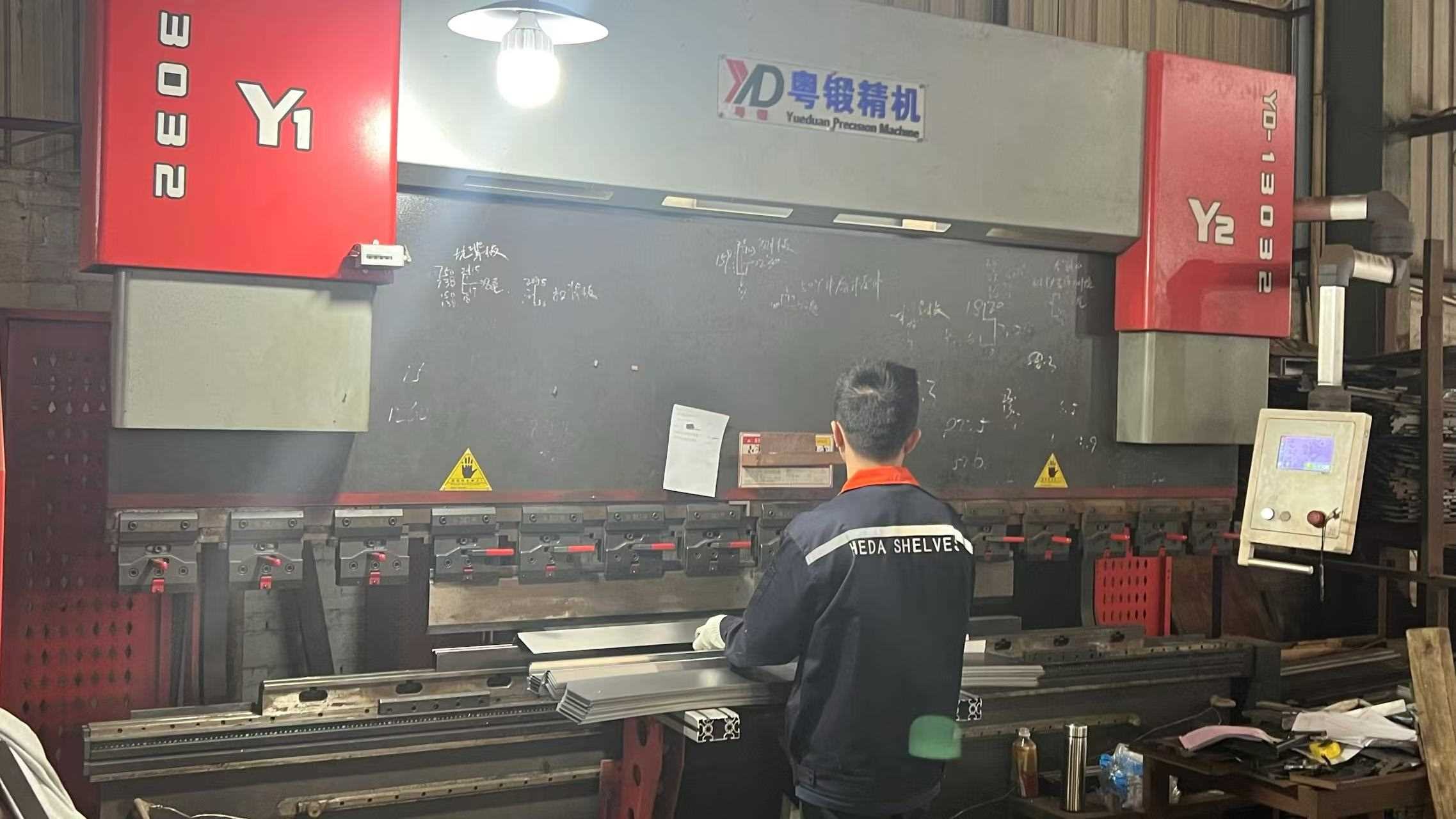
See the advanced manufacturing operations behind every upright, beam, and shelf Heda exports globally.
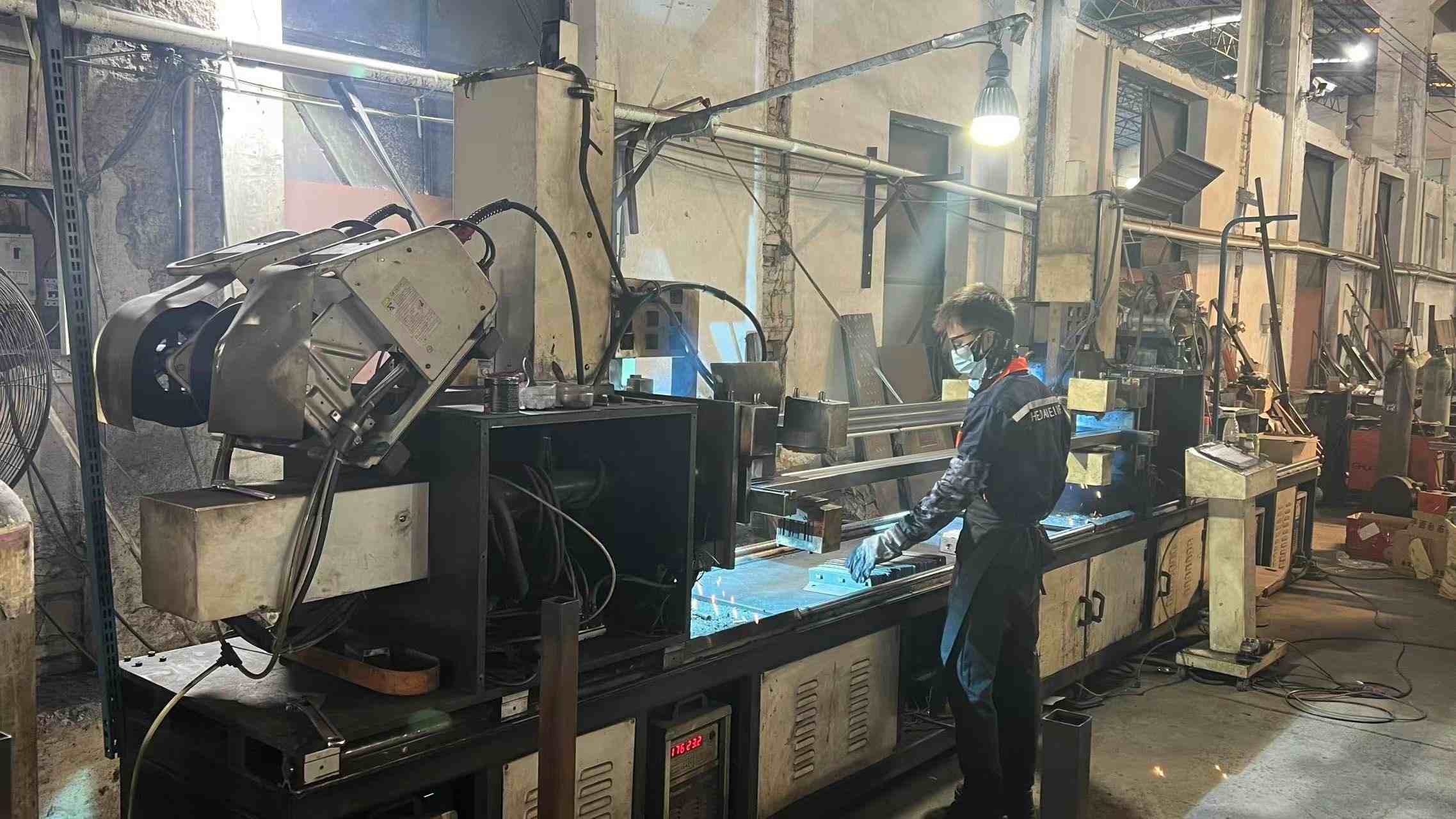
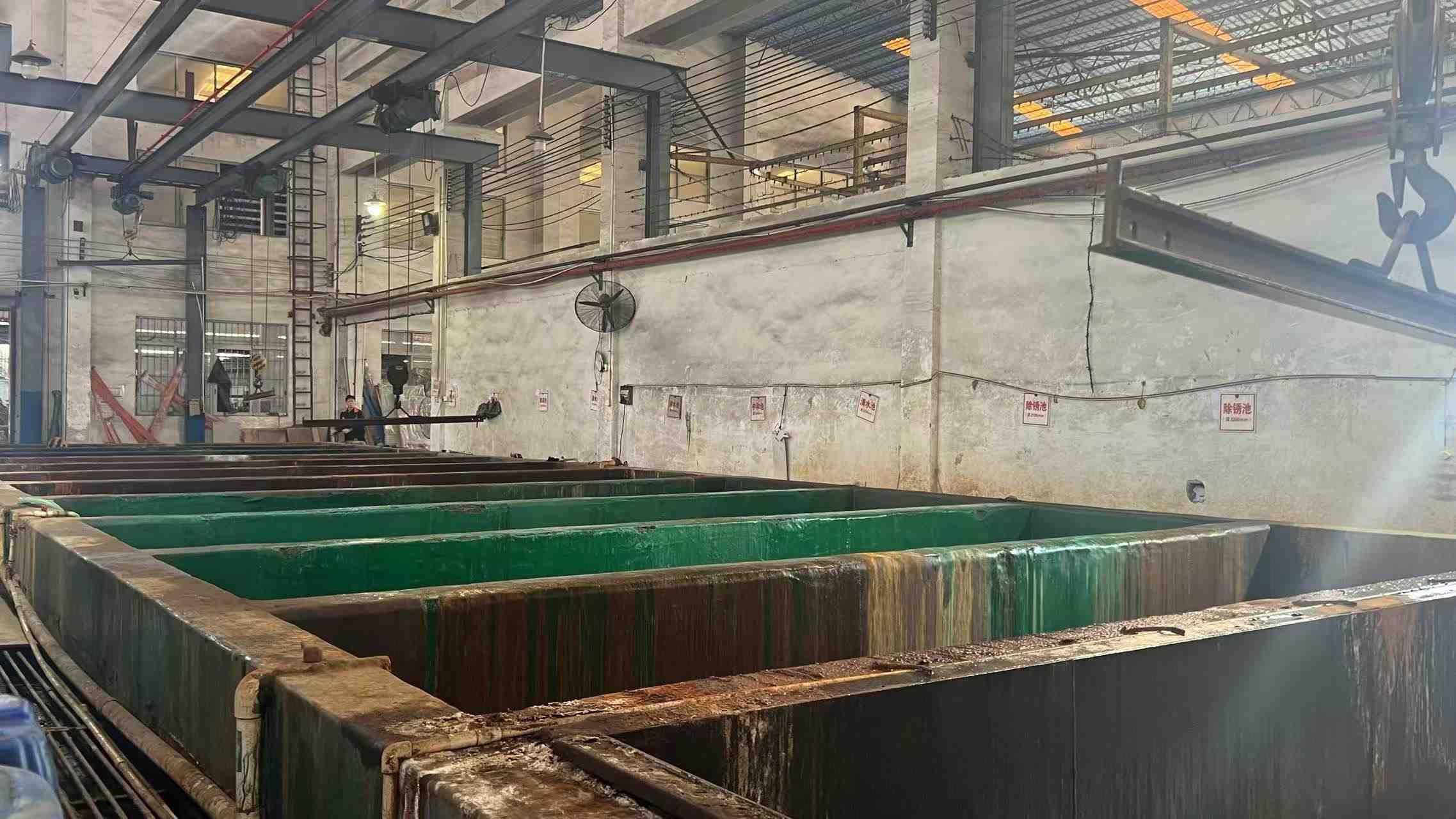
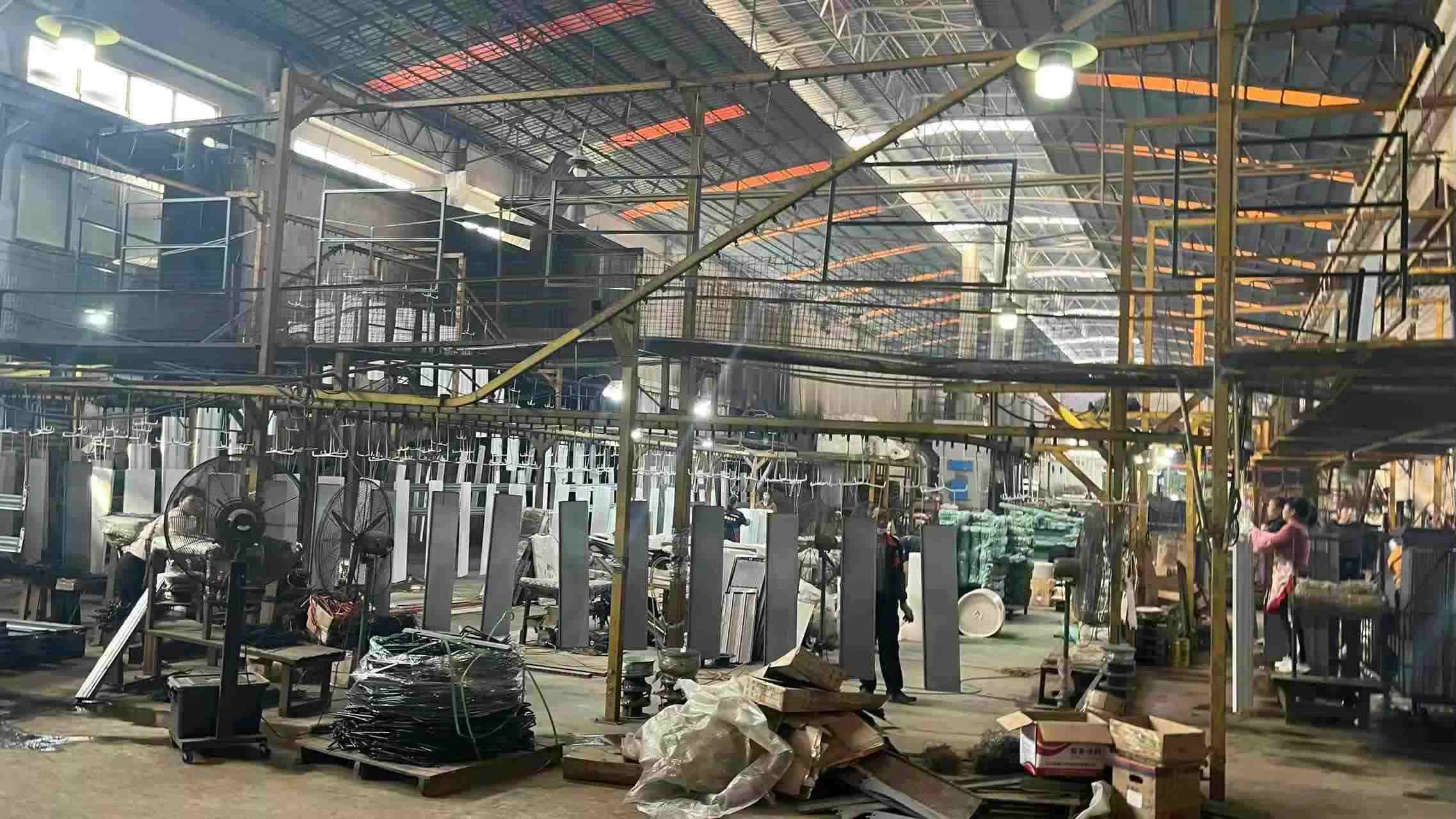
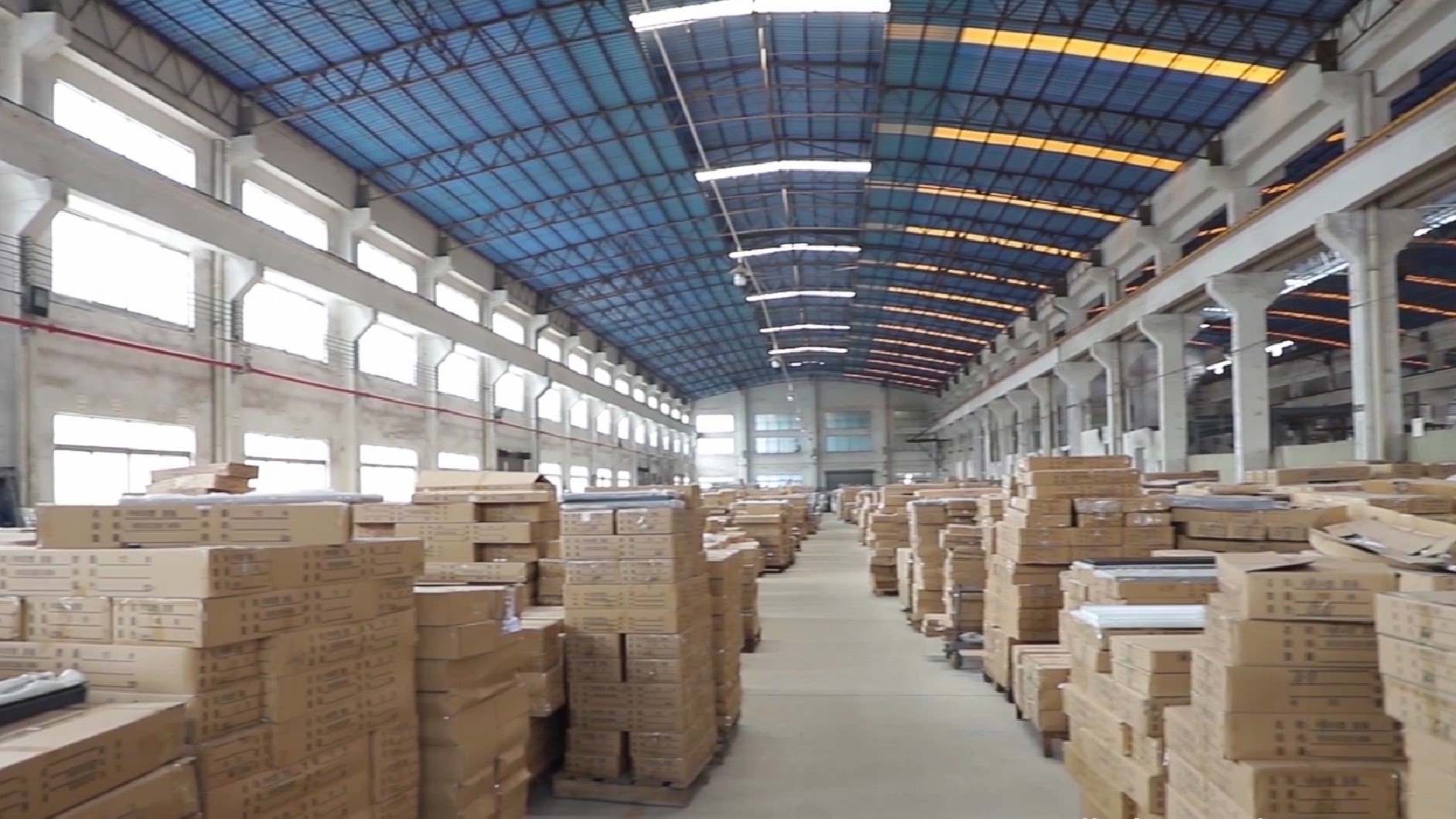
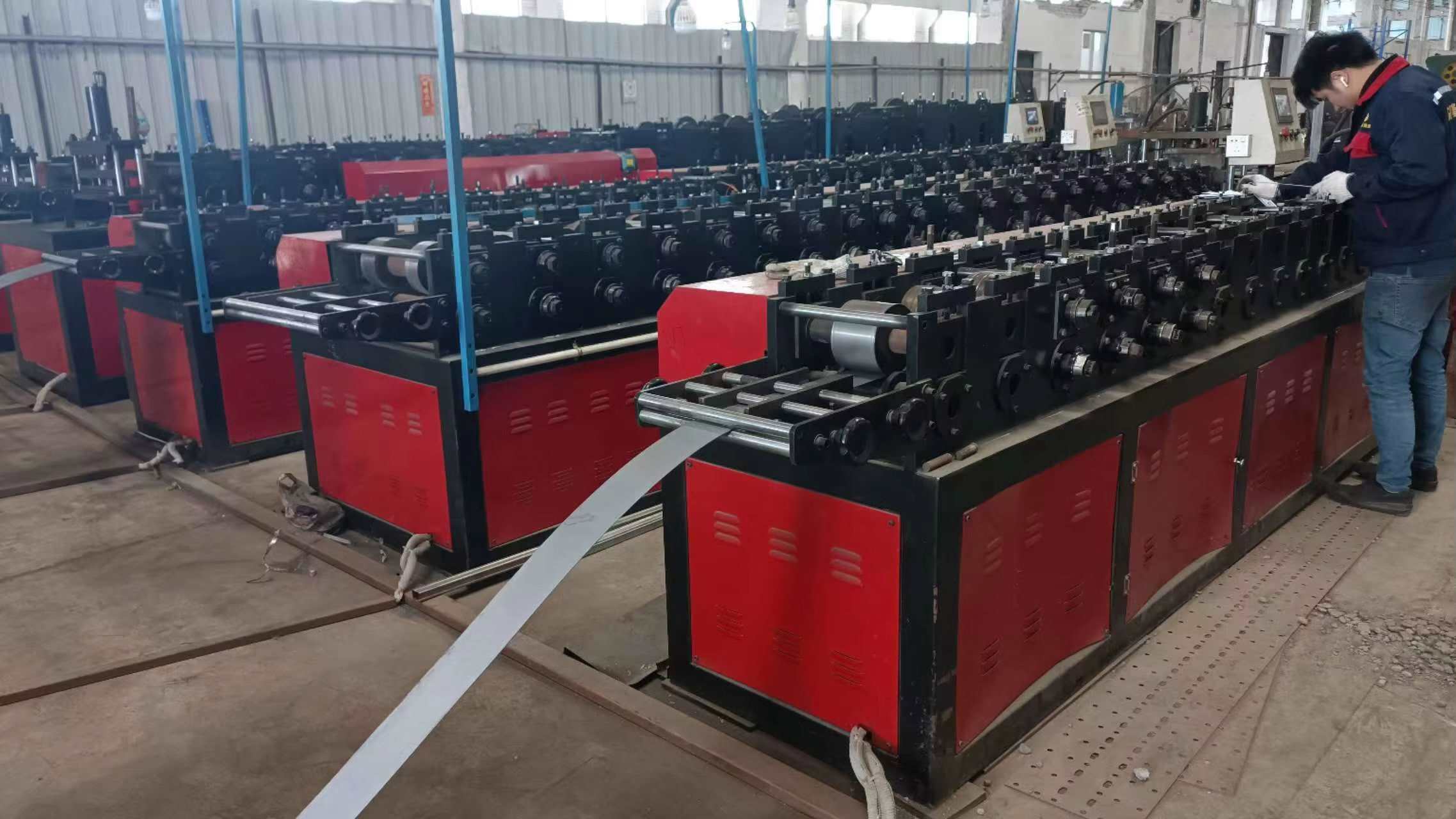
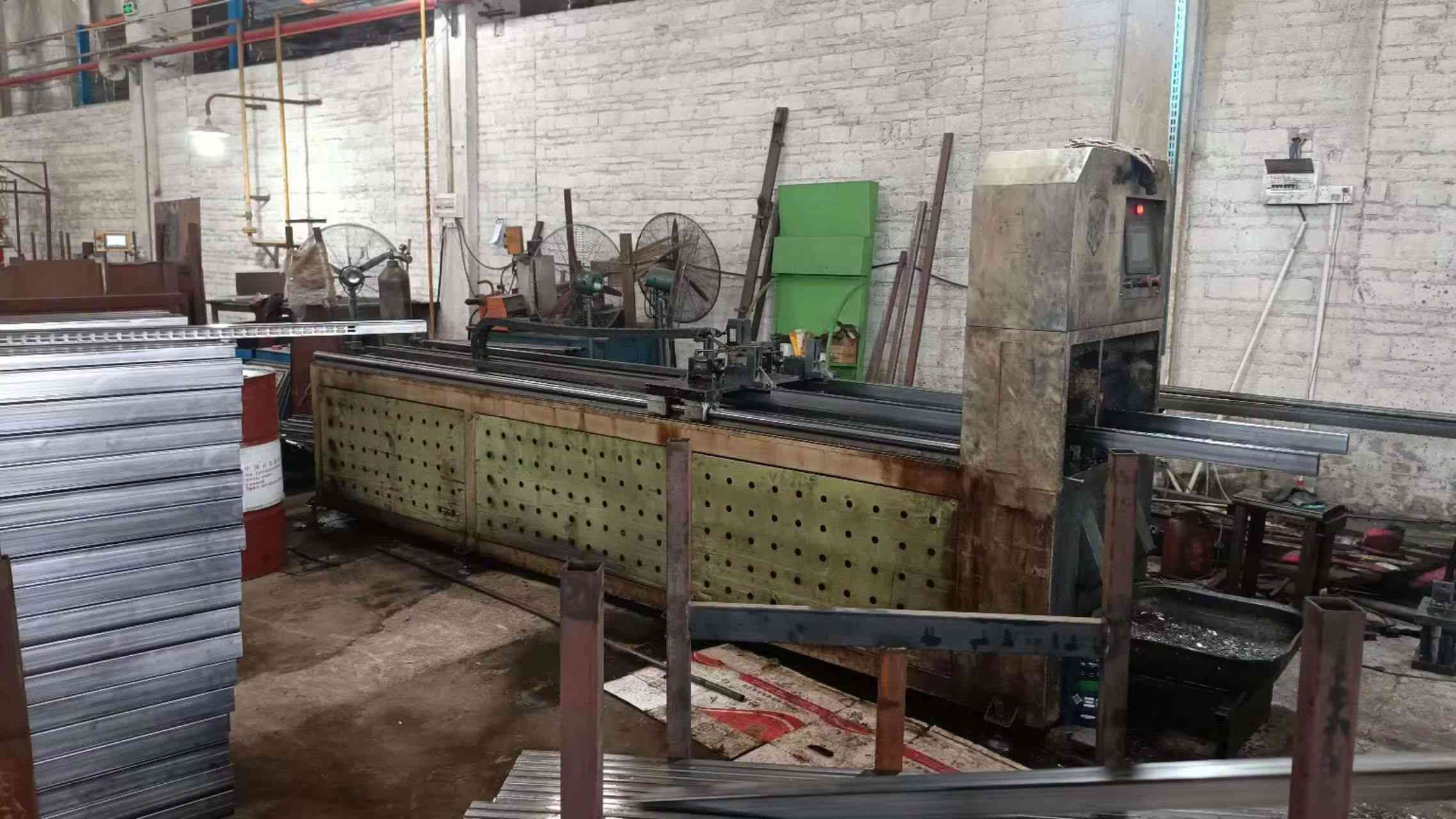
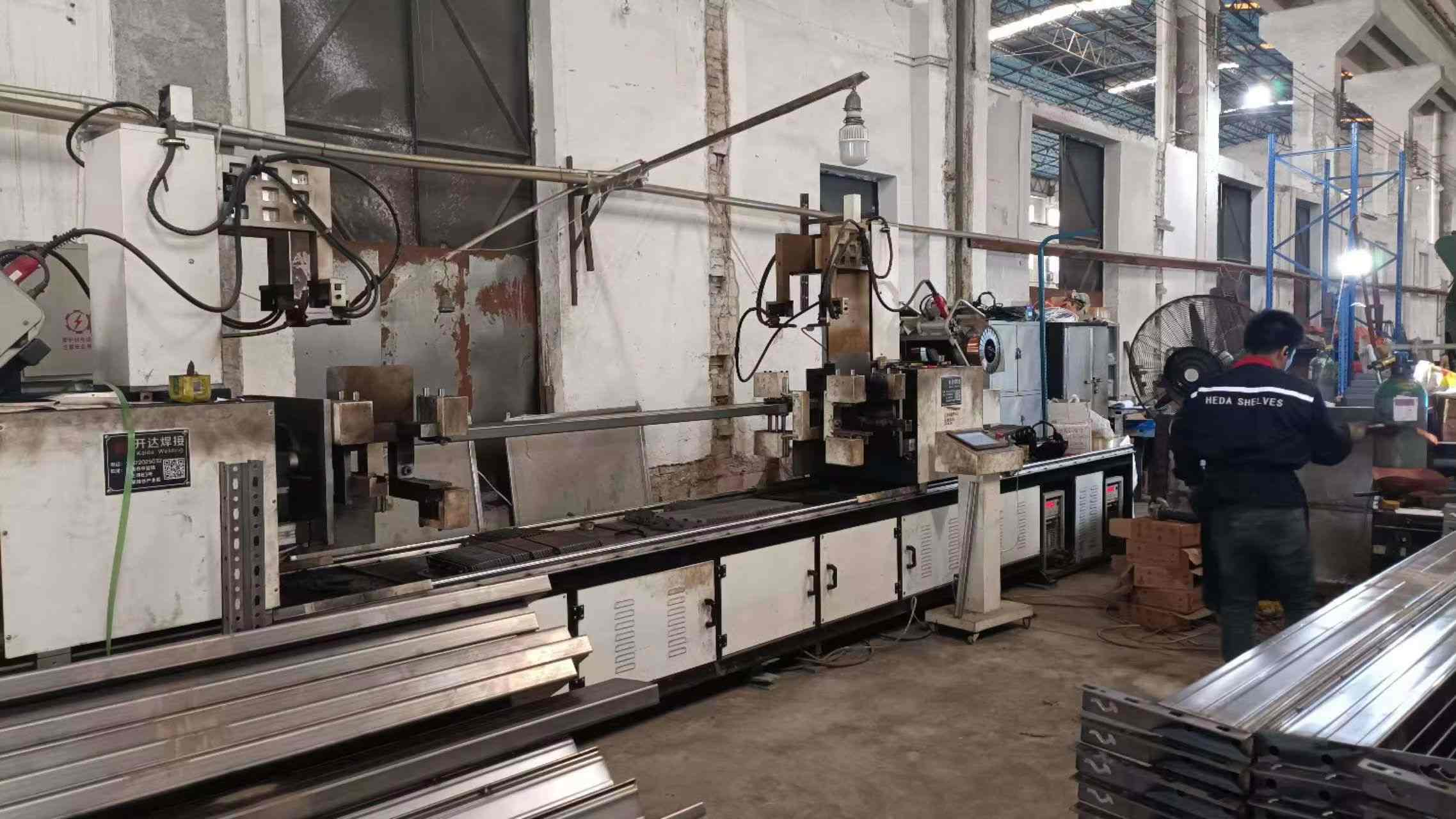
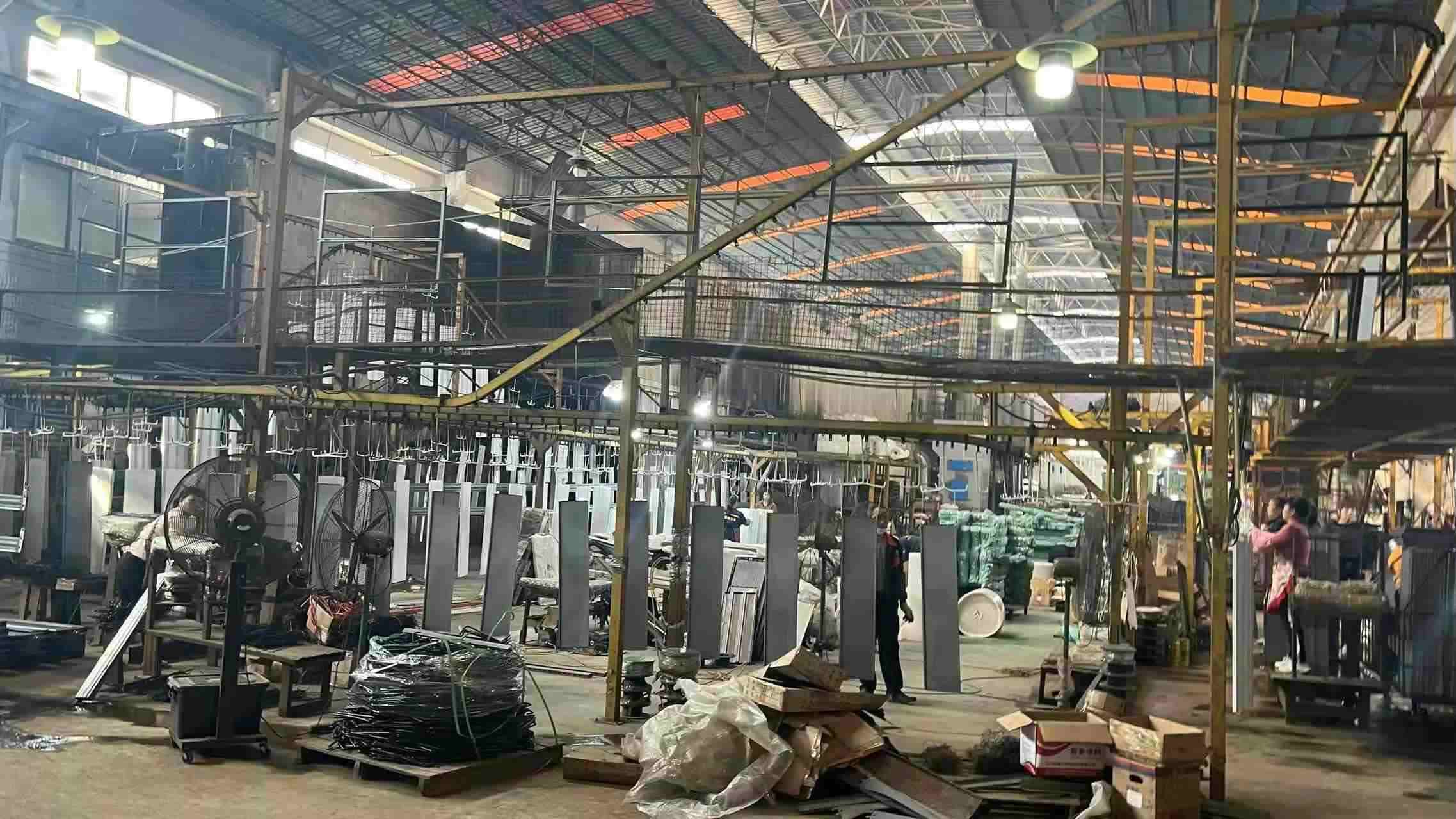
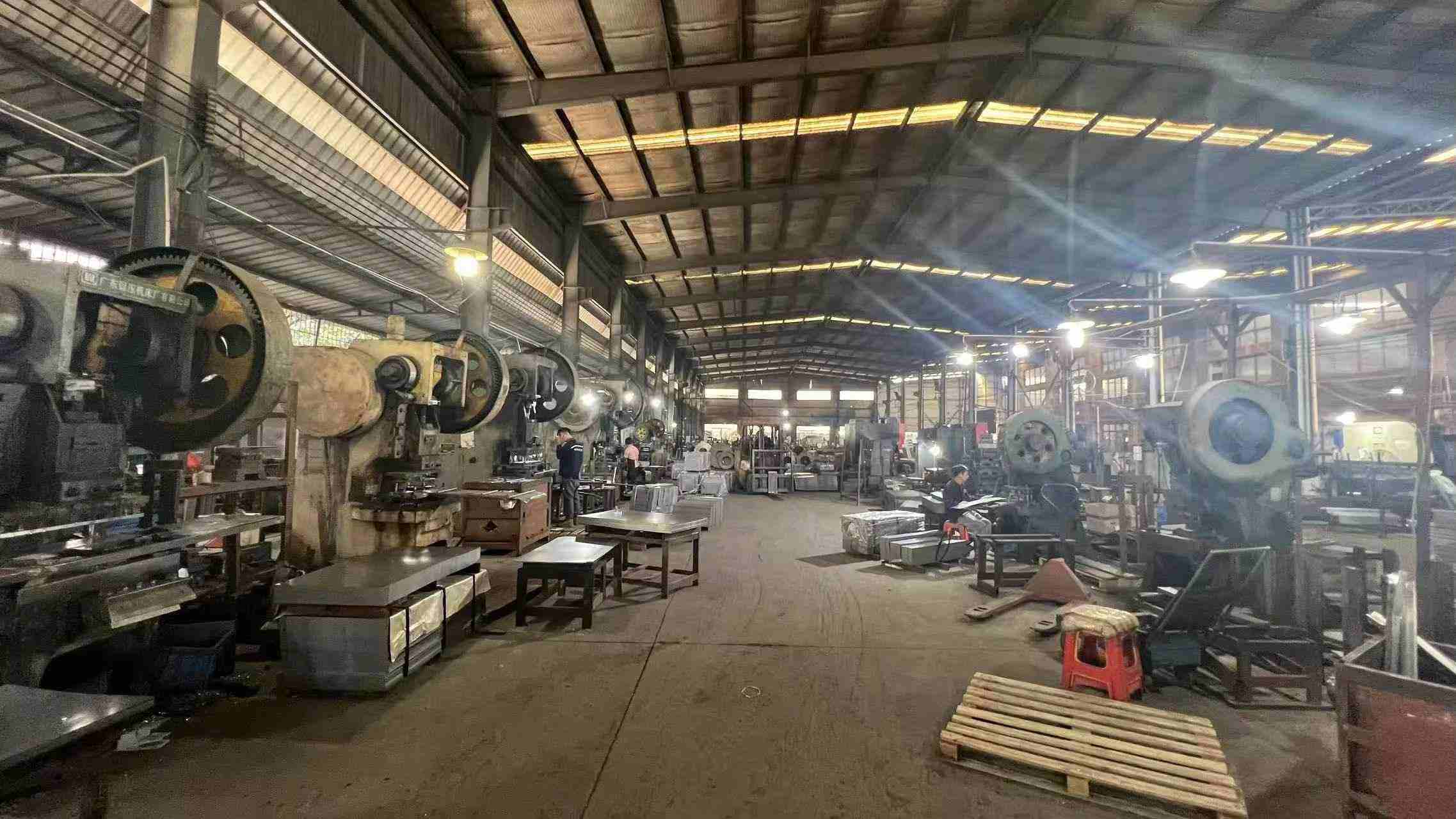
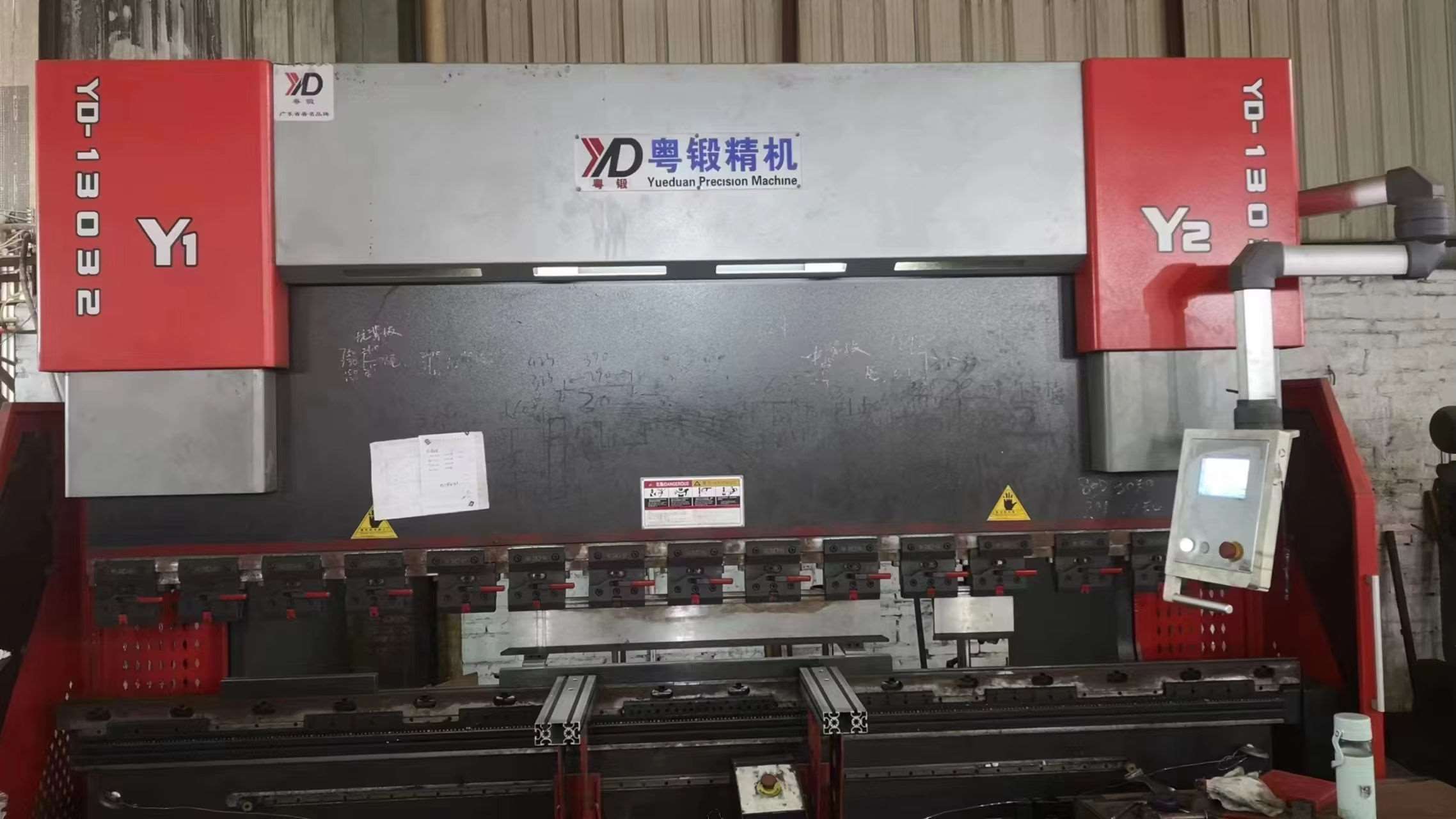
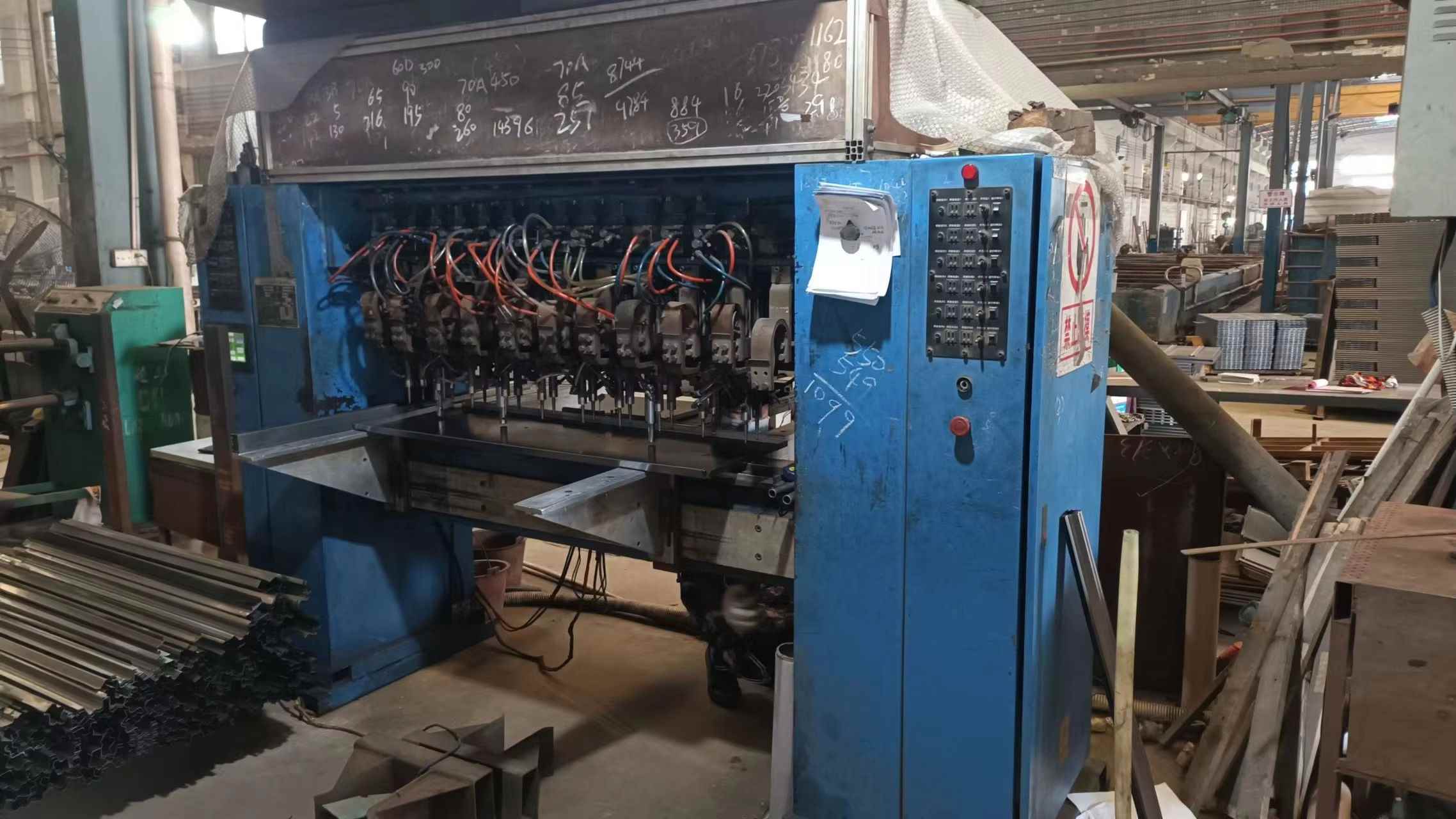
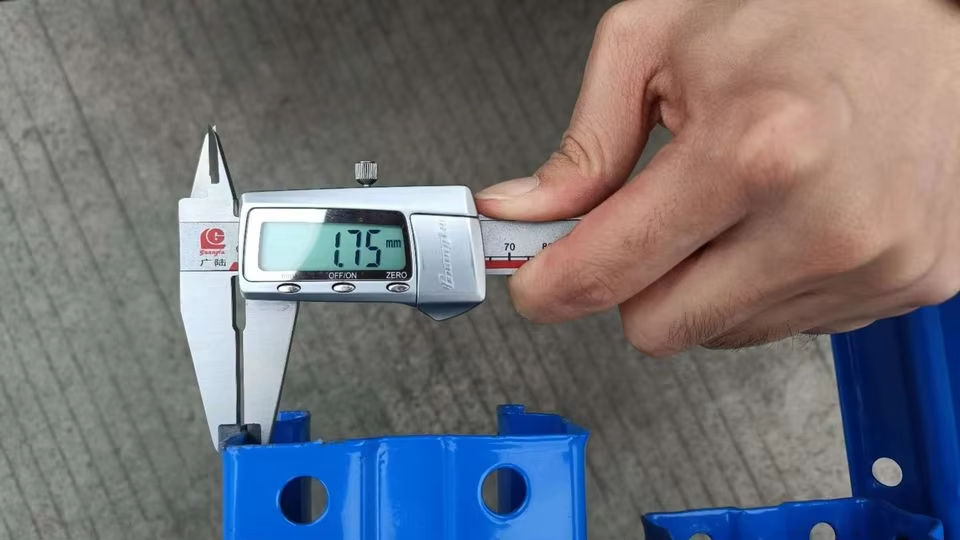
Used for accurate steel gauge thickness, slot configuration, and tolerances measurements.
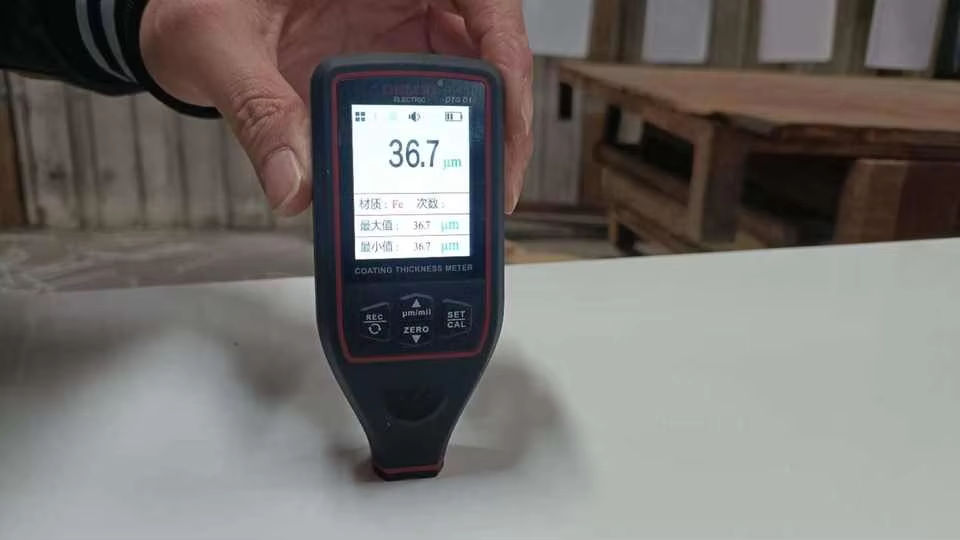
Ensures electro-powder paint thickness meets strict anti-corrosion specifications (ISO 2360).
Selecting racking profiles for tropical regions like coastal Nigeria requires close attention to structural chemistry and surface finishing. Steel elements exposed to high ambient moisture can undergo rapid degradation if the surface coating is breached. Heda's standard process includes a comprehensive chemical pre-treatment—Acid-washing and Parkerising—which removes organic impurities, mil scales, and surface oxides while forming a protective phosphate barrier.
Following this, an automated electrostatic powder-coating line applies cross-linked polymers. These coatings undergo structural thickness validation using magnetic induction gauges. This multi-layered process prevents moisture intrusion. It prevents the under-film corrosion that often causes standard carbon steel racks to peel and fail structurally in high-humidity zones.
Warehouses rarely feature standard rectangular footprints. Structural pillars, fire-suppression lines, and low-clearance HVAC vents require custom storage solutions. Direct cooperation with our structural engineers allows customers to develop custom layouts. This includes adjusting upright depth configurations, modifying beam profiles, and optimizing vertical height options to maximize vertical warehouse space.
Enables high-density picking lanes for packaged commodities, supporting inventory management models like FIFO/LIFO.
Clean, powder-coated shelves prevent contaminants, meeting strict storage standards for pharmaceutical distribution.
Flexible medium-duty decks handle dense mechanical and automotive spare parts, optimizing storage density.
Engineered structural systems built to international load-bearing standards for high-density logistics.
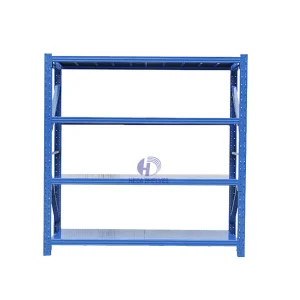
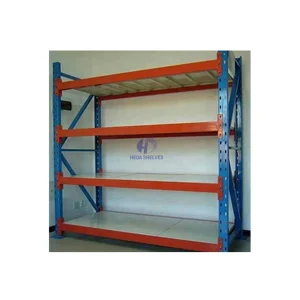
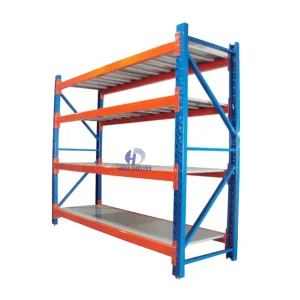
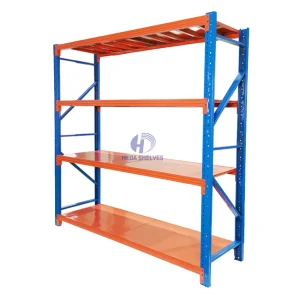
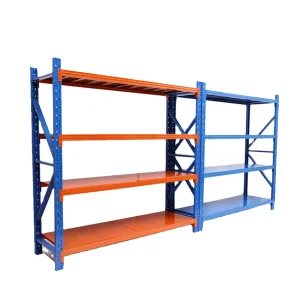
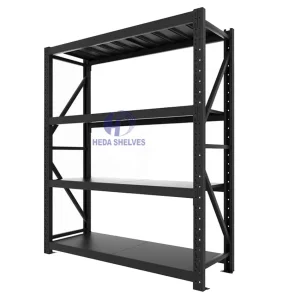
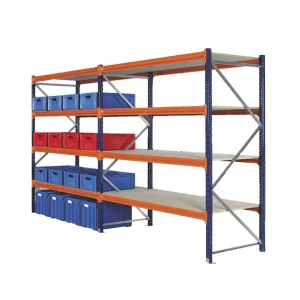
Key information regarding structural load distribution, delivery logistics to West African ports, and customization.
Light-duty racking systems typically support loads up to 150 kg per layer. They are ideal for manual operations, such as retail picking, document storage, and small components. Medium-duty racking systems accommodate loads ranging from 200 kg to 800 kg per layer. These systems use thicker cold-rolled profiles, making them suitable for heavier industrial parts, raw materials, and high-density hand-stacked warehouse zones.
Our steel profiles undergo a 9-stage chemical treatment cycle. This includes acid descaling, rust removal, and phosphate passivation (Parkerising) to prepare the surface. Finally, we apply a high-durability epoxy-polyester powder coating cured at 200°C. This meets rigorous salt spray test metrics, protecting the steel from humidity-driven corrosion in coastal West African climates.
Yes. Our engineers design racking bays with standardized heights and configurations that accommodate barcoding, RFID placement, and automated picking flows. By aligning the racking layout with your WMS protocols, you can maximize inventory tracking accuracy and speed up picker throughput.
We provide complete FOB, CIF, or DDU container configurations. Racking structures are packed in flat knock-down (KD) configurations to maximize container space and reduce freight costs. We also assist with necessary documentation, including SONCAP compliance certification and Bill of Lading processing, to ensure smooth customs clearance at Apapa and Tin Can Island ports.
Yes. Our boltless structural uprights feature precise adjustment slots pitch configurations (typically 50mm or 75mm spacing). This allows operators to easily adjust the height of individual shelf beams without specialized tools, providing the flexibility needed to accommodate varying product batch sizes.
Yes. Our structural design team uses advanced CAD and finite element analysis (FEA) software to model load distributions. We provide load-bearing capacity schematics and safety certificates based on layout parameters, ensuring that the final configuration conforms to global standards like FEM 10.2.02.
 Hedaracking