Engineered to handle variable load designs, custom warehouse layouts, and rigorous international safety metrics.
The modern logistics landscape demands optimal space density combined with dynamic product throughput.
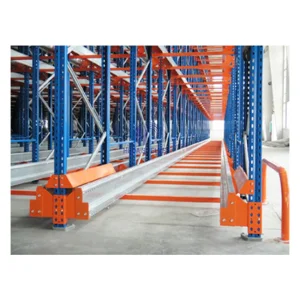
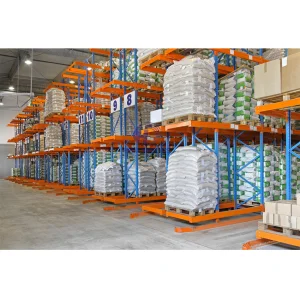
Gravity racks, also referred to as pallet flow racks, are highly engineered dynamic storage systems that utilize slightly inclined roller lanes (typically at a 3% to 4% grade) to move pallets automatically from the loading/charging face to the picking/discharge face. This mechanical action runs on pure kinetic energy governed by gravity. By isolating replenishment traffic to one aisle and retrieval traffic to another, warehouses cut forklift travel times by up to 40% and eliminate cross-traffic hazards.
Unlike standard static shelving, gravity racking demands rigorous engineering. Crucial components like centrifugal brake rollers, exit separators, entry guides, and heavy-duty frame configurations must be carefully calculated based on load parameters. If designed poorly, load runaways or dynamic hang-ups can occur, leading to inventory loss or safety hazards. This is why CE certification under European standards (such as EN 15512 and FEM 10.2.02) has become the global baseline for structural and dynamic safety.
The global demand for high-density dynamic storage is growing rapidly due to rising warehouse real estate costs and the rise of automated distribution. In North America and Western Europe, where logistics labor is expensive and land prices are high, optimizing cubic storage space is crucial. Distribution centers are replacing low-density racks with dynamic gravity flow lanes to increase storage capacity without expanding their building footprint.
Meanwhile, in developing markets like Southeast Asia and the Middle East, rapid cold chain development and food-security investments are driving the need for gravity flow systems. Cold rooms benefit greatly from these systems because high-density configurations reduce the total cooled volume, leading to energy savings of up to 35% compared to selective racking configurations.
A premier global manufacturer specializing in heavy-duty engineering, structural innovation, and international supply chain delivery.
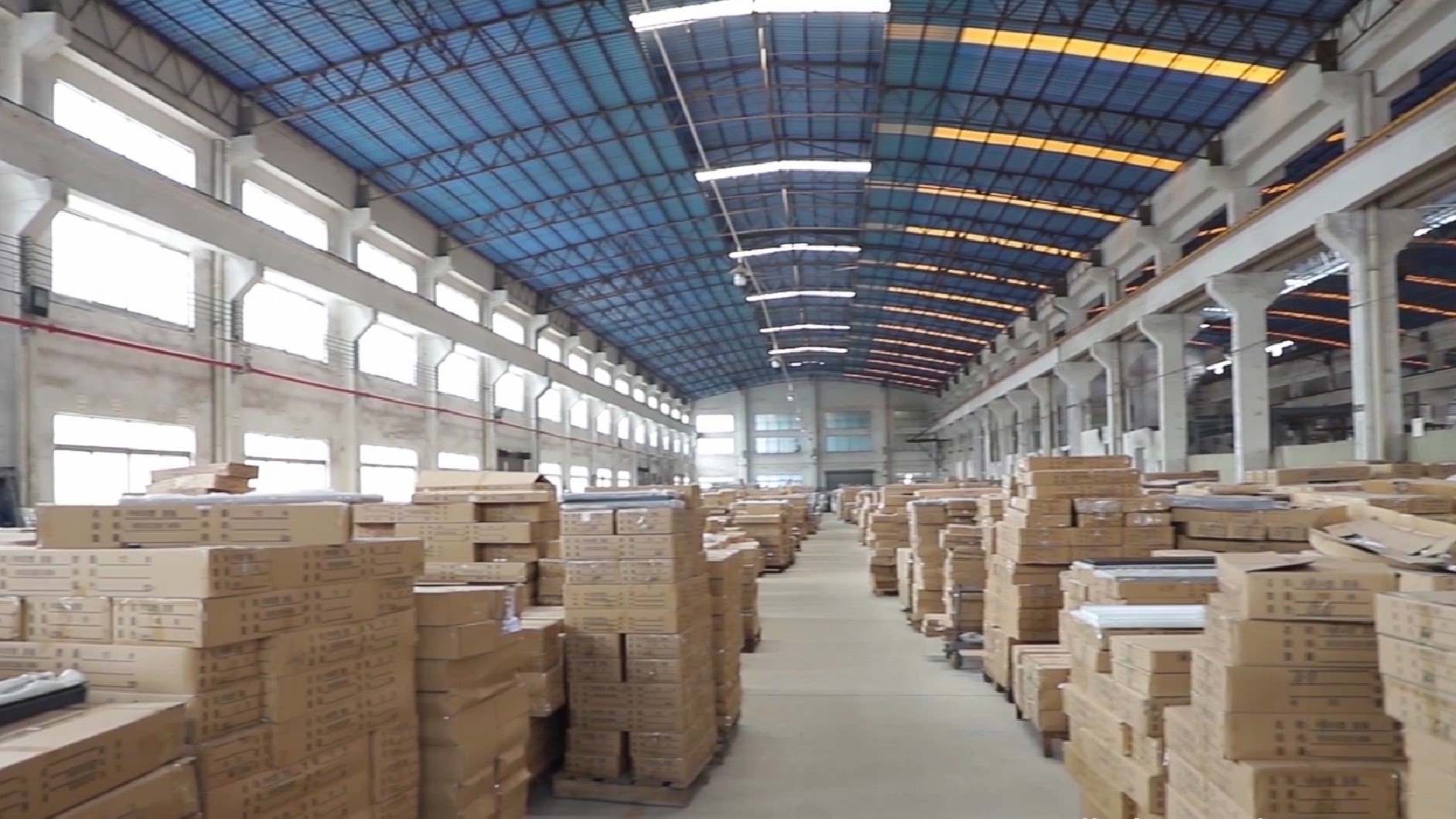
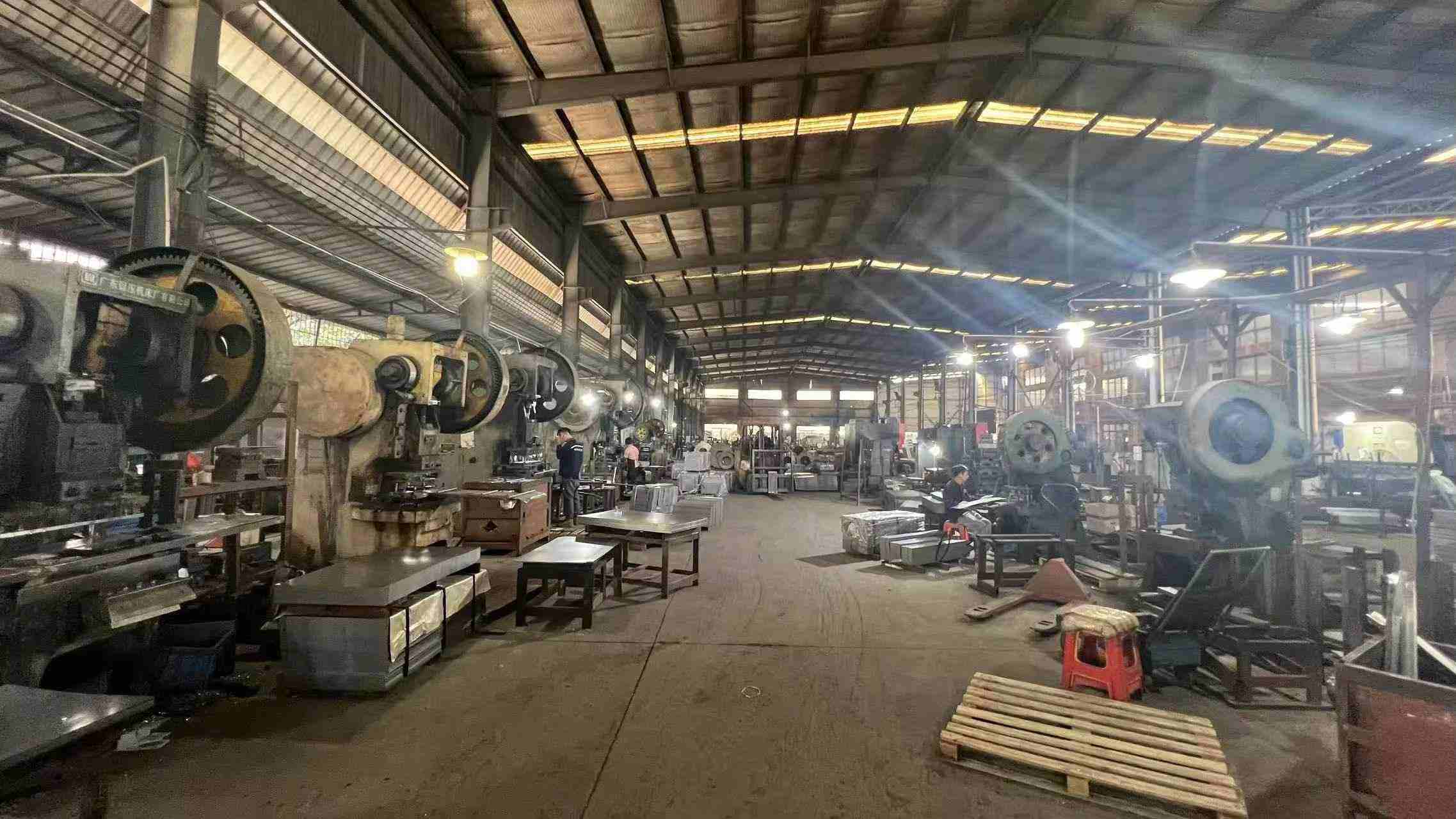
Established in 2014, Shenzhen Heda Warehouse Equipment Co., Ltd. is a premier manufacturer specializing in heavy-duty warehouse racking and industrial storage solutions. Spanning a modern manufacturing facility of 35,000 m², our enterprise integrates R&D, design, production, and international marketing to serve diverse storage needs worldwide. With 12 years of industry experience and 8 years of dedicated export expertise, we deliver high-caliber storage systems that generate over $28 million in annual export revenue.
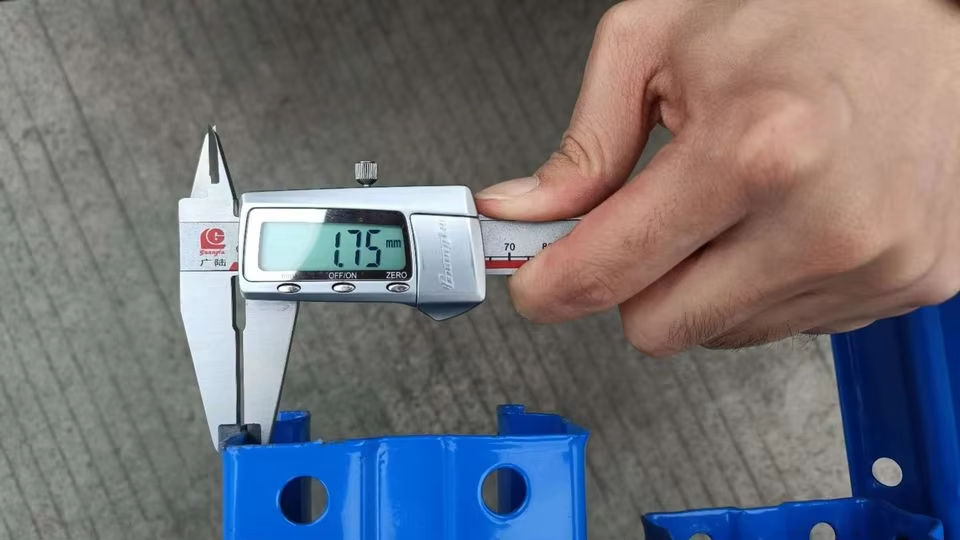
At Heda, quality control and engineering innovation drive our core operations. Our robust QC department comprises 45 skilled inspectors utilizing rigorous testing methods, including raw material tensile testing, automated weld flaw detection, layer load-bearing stress analysis, and salt spray surface corrosion testing. Supported by a professional R&D team of 28 senior structural engineers, we maintain strong full-customization capabilities (OEM/ODM)—offering tailored rack dimensions, load capacities, surface coatings, and layout designs. Driven by continuous innovation, we launched over 120 new dynamic storage products and component upgrades last year.
Our direct-factory operations allow us to manage a resilient ecosystem supported by over 800 supply chain partners. Our products are exported to major global markets, including North America, Western Europe, Southeast Asia, and the Middle East. We proudly serve a diverse clientele ranging from third-party logistics (3PL) providers and large distribution centers to industrial manufacturers and wholesale equipment distributors.
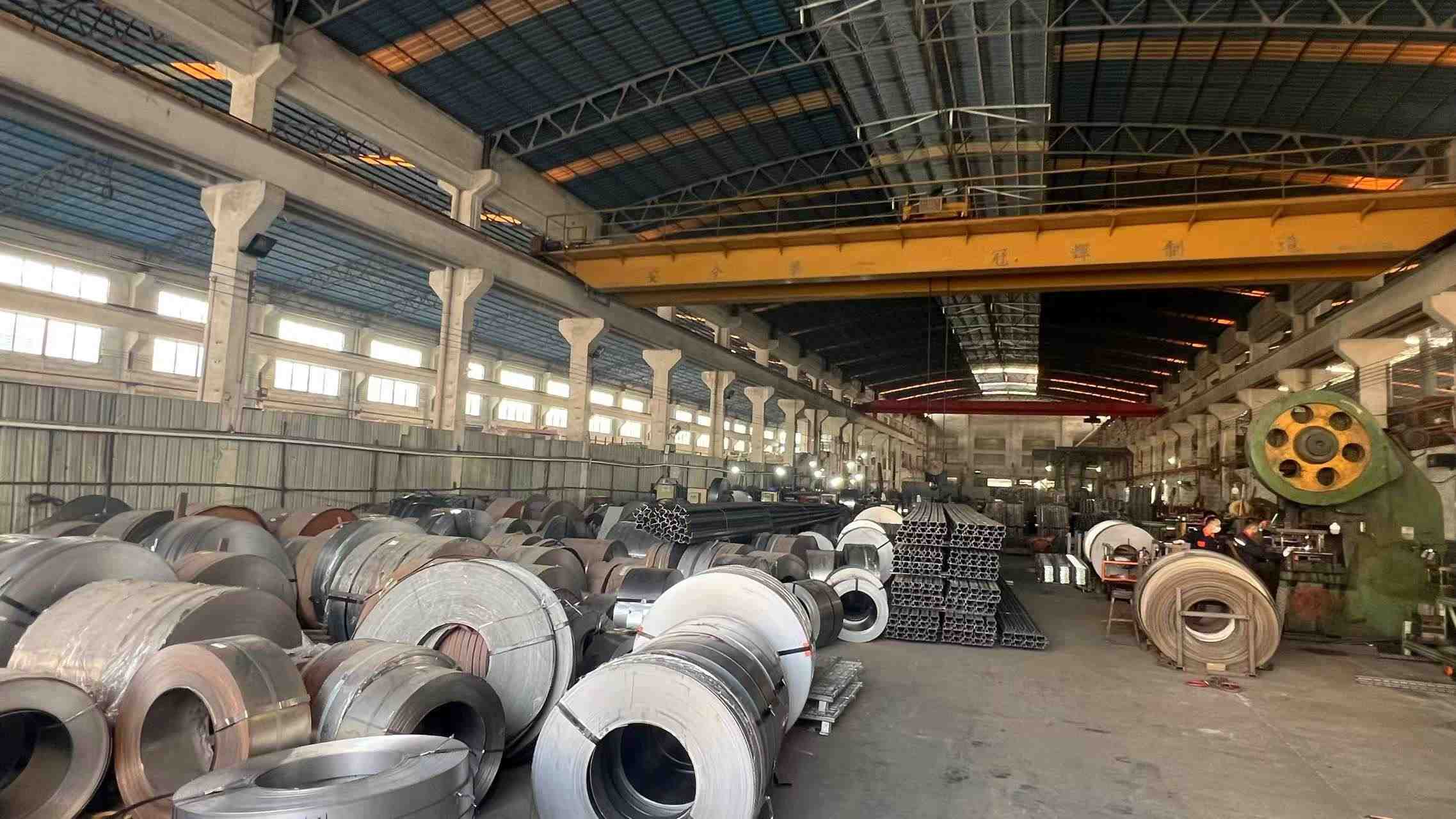
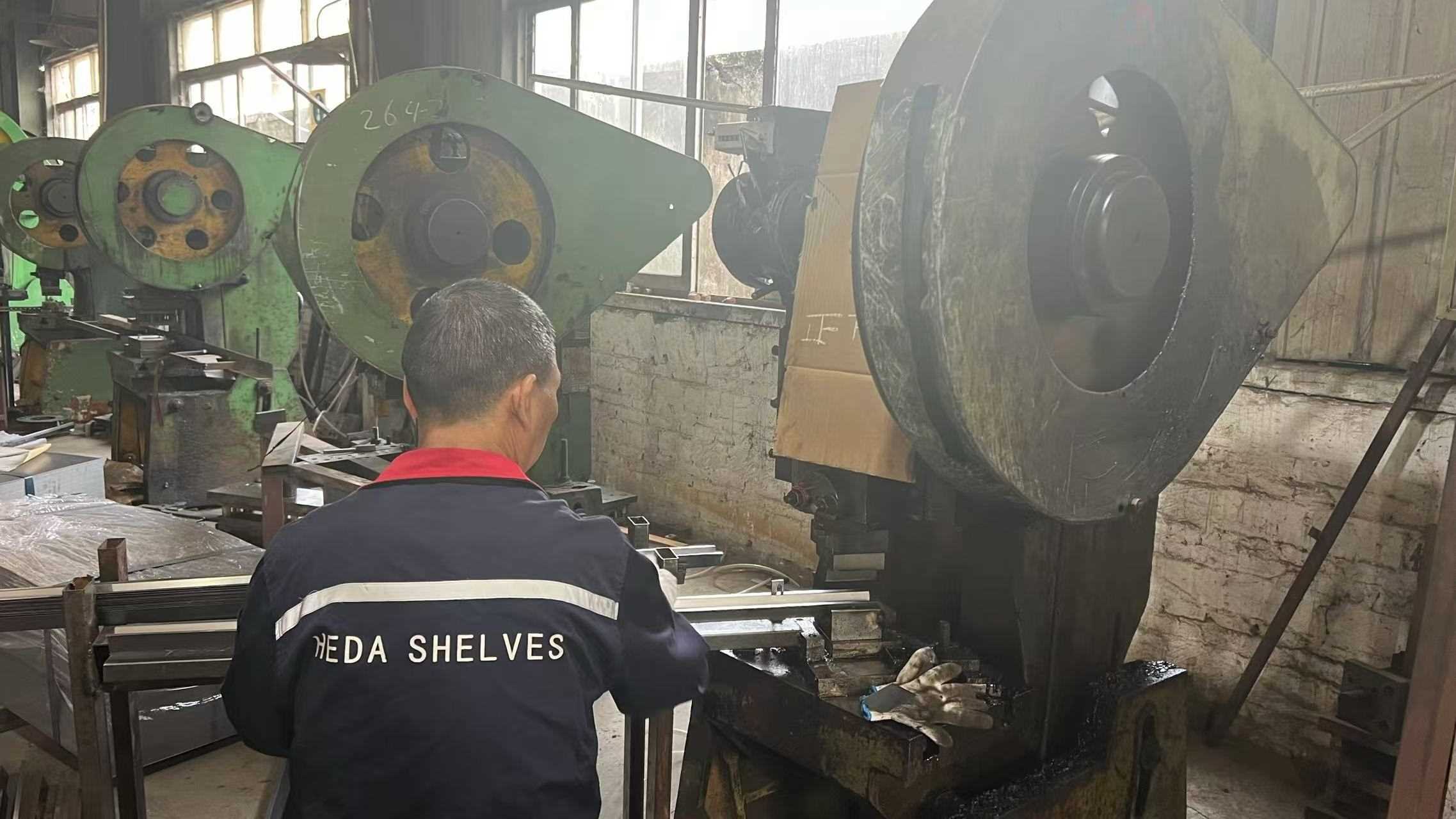
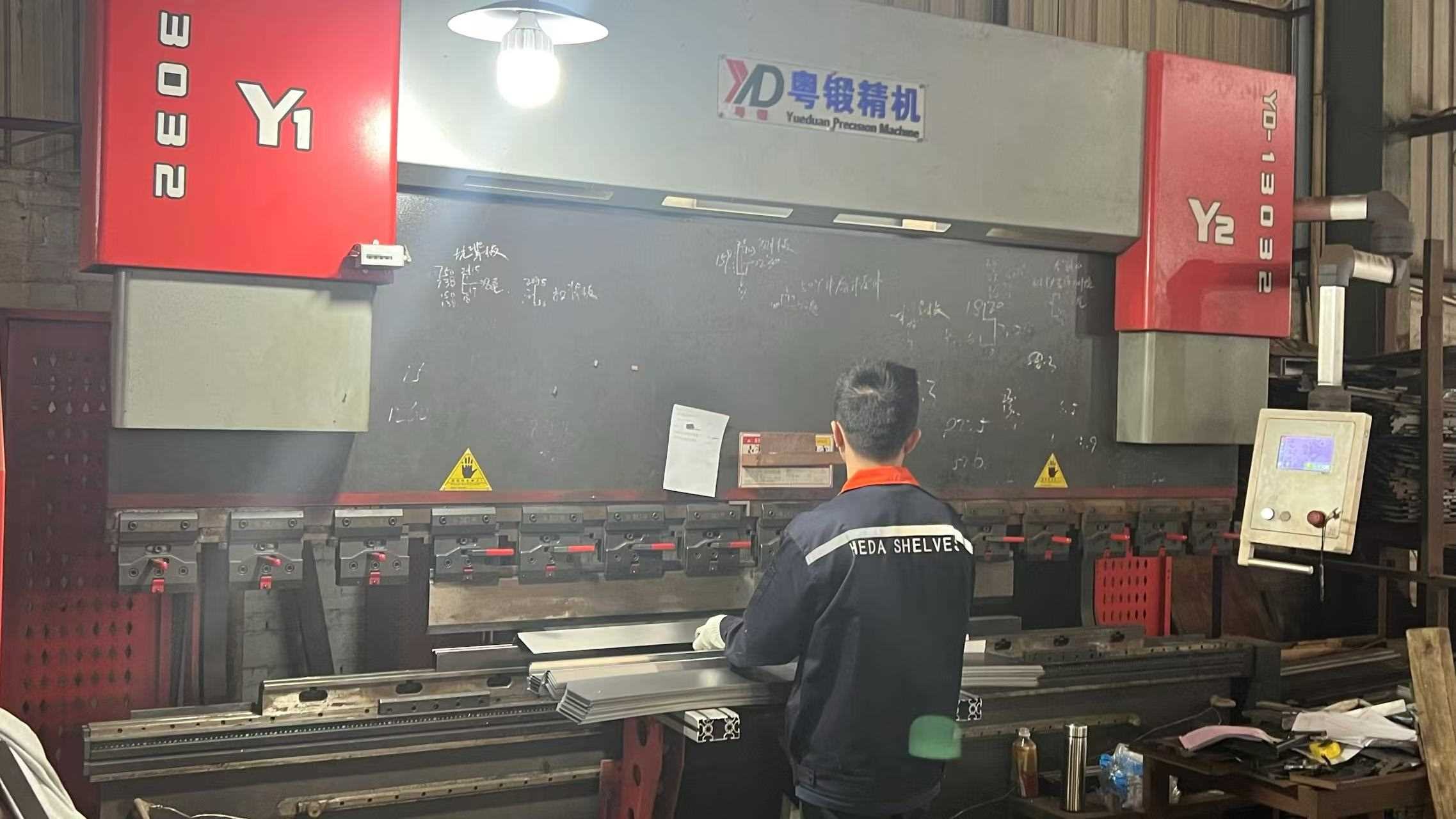
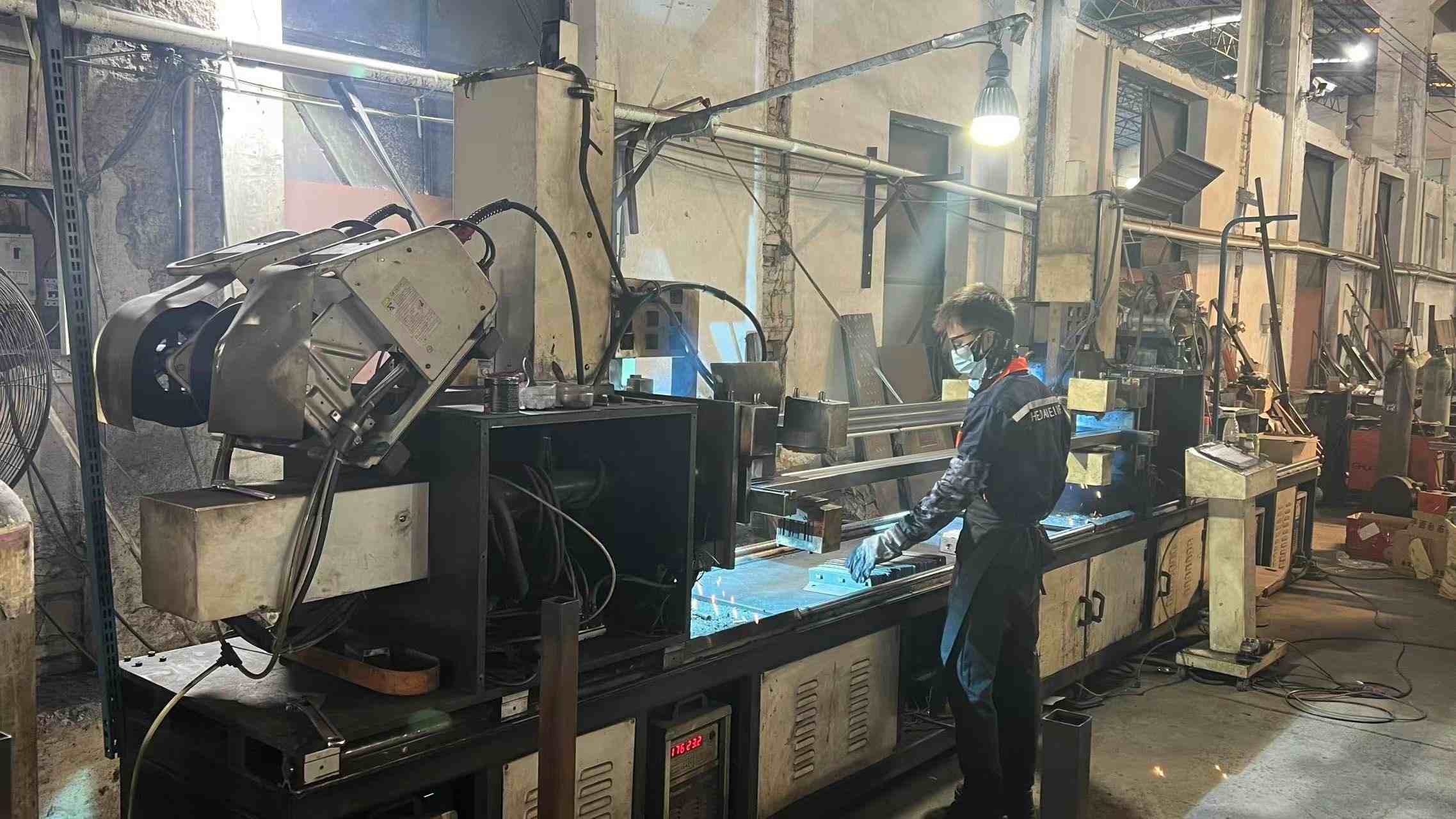
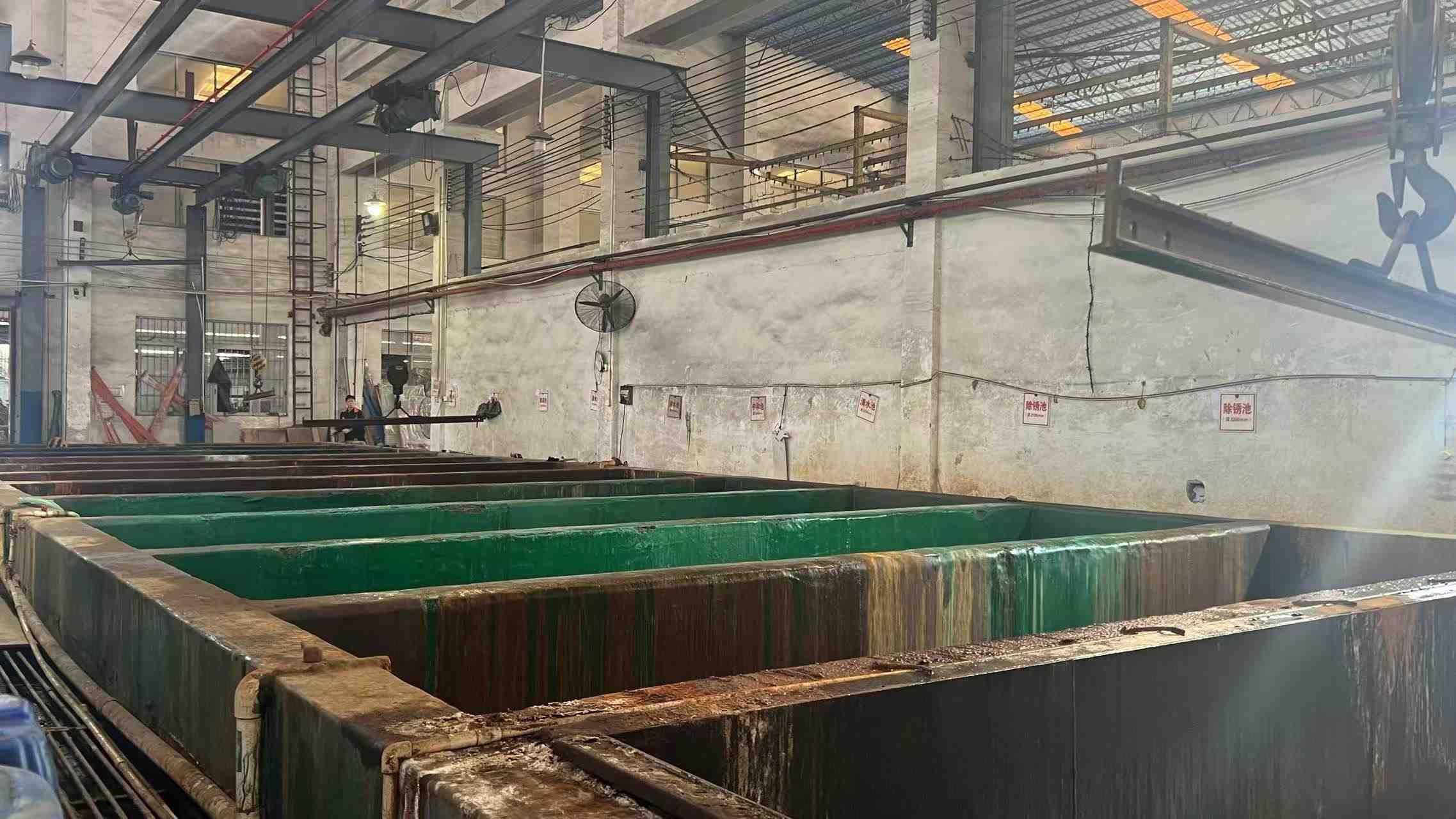
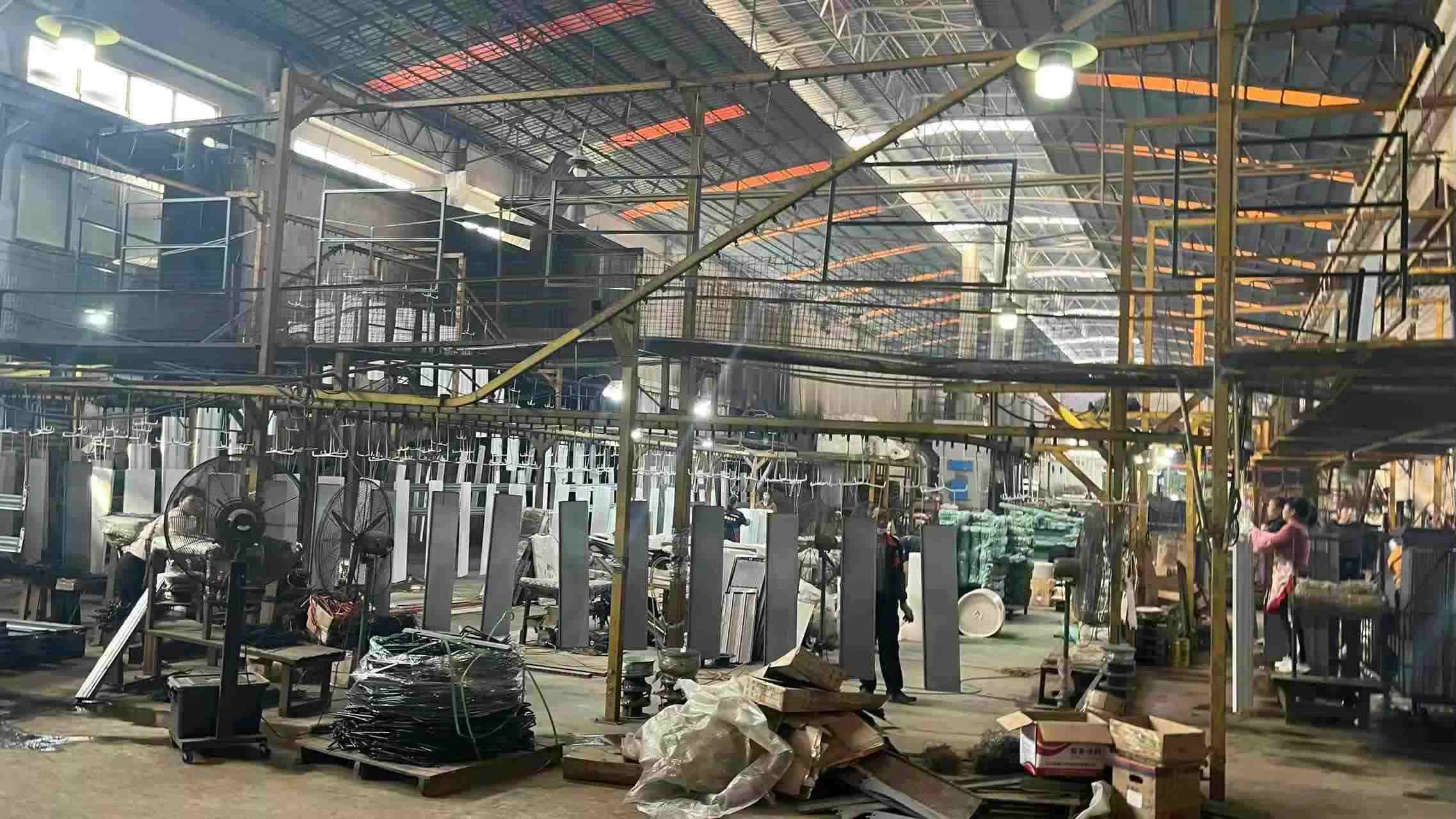
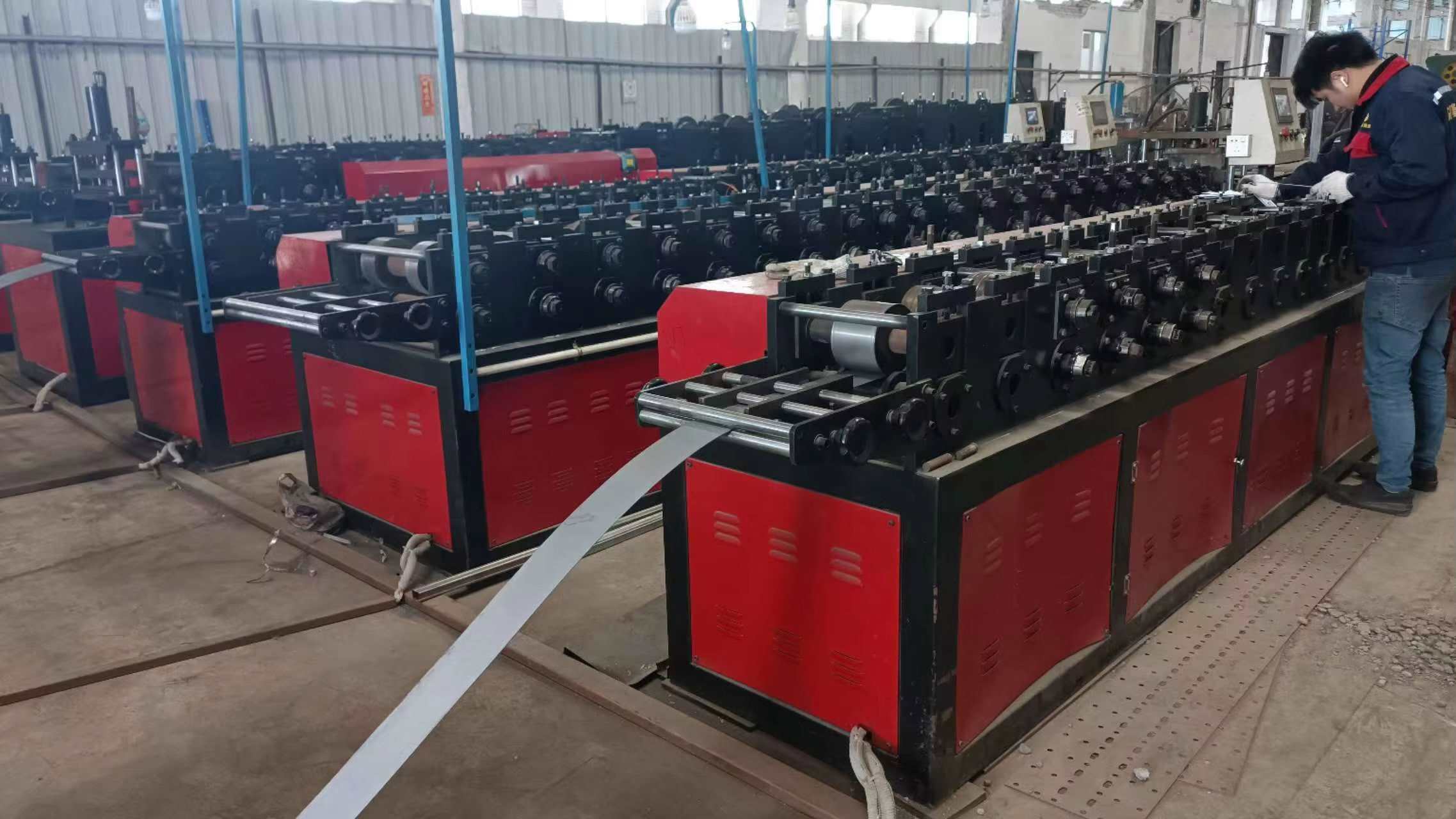
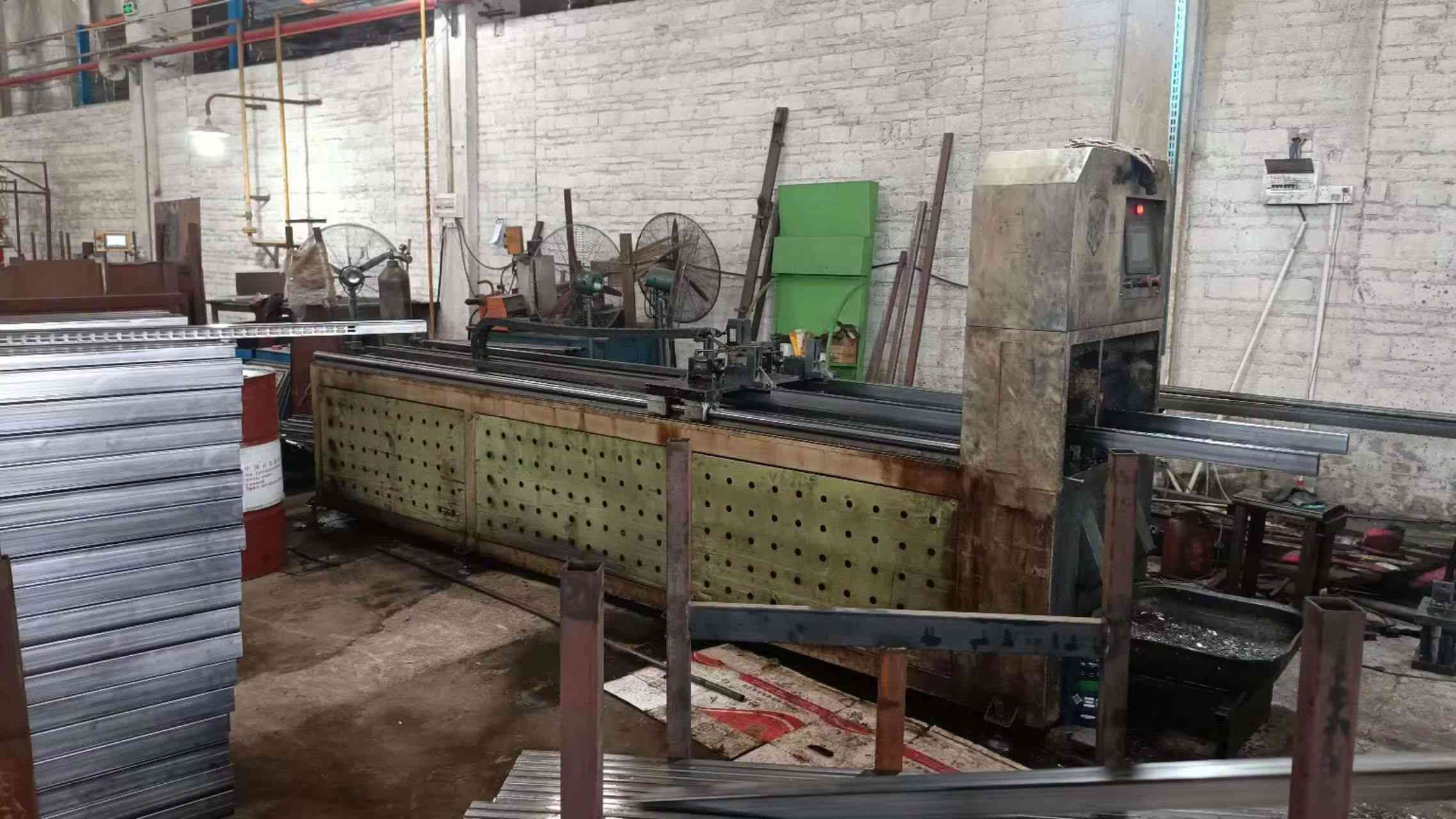
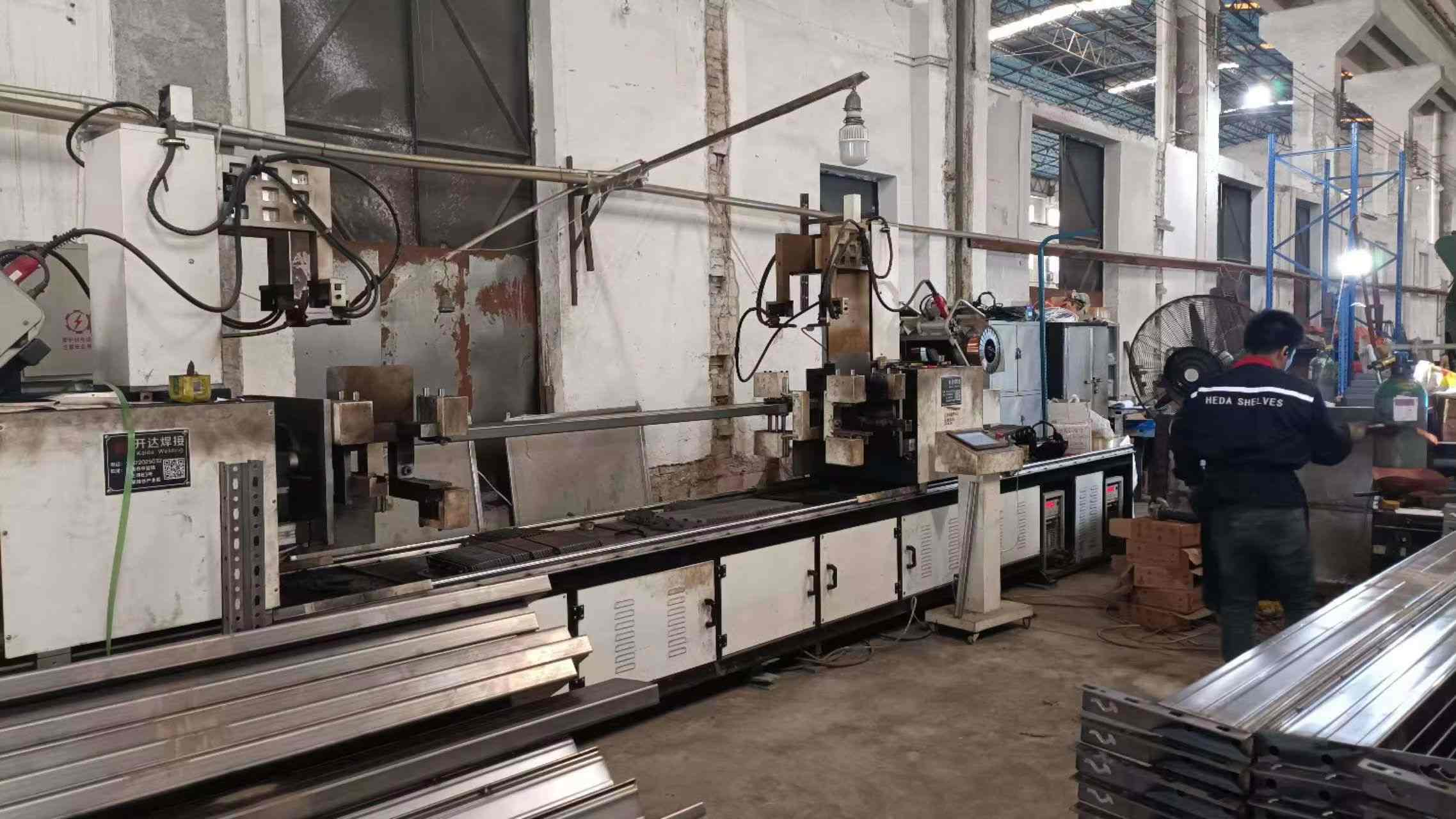
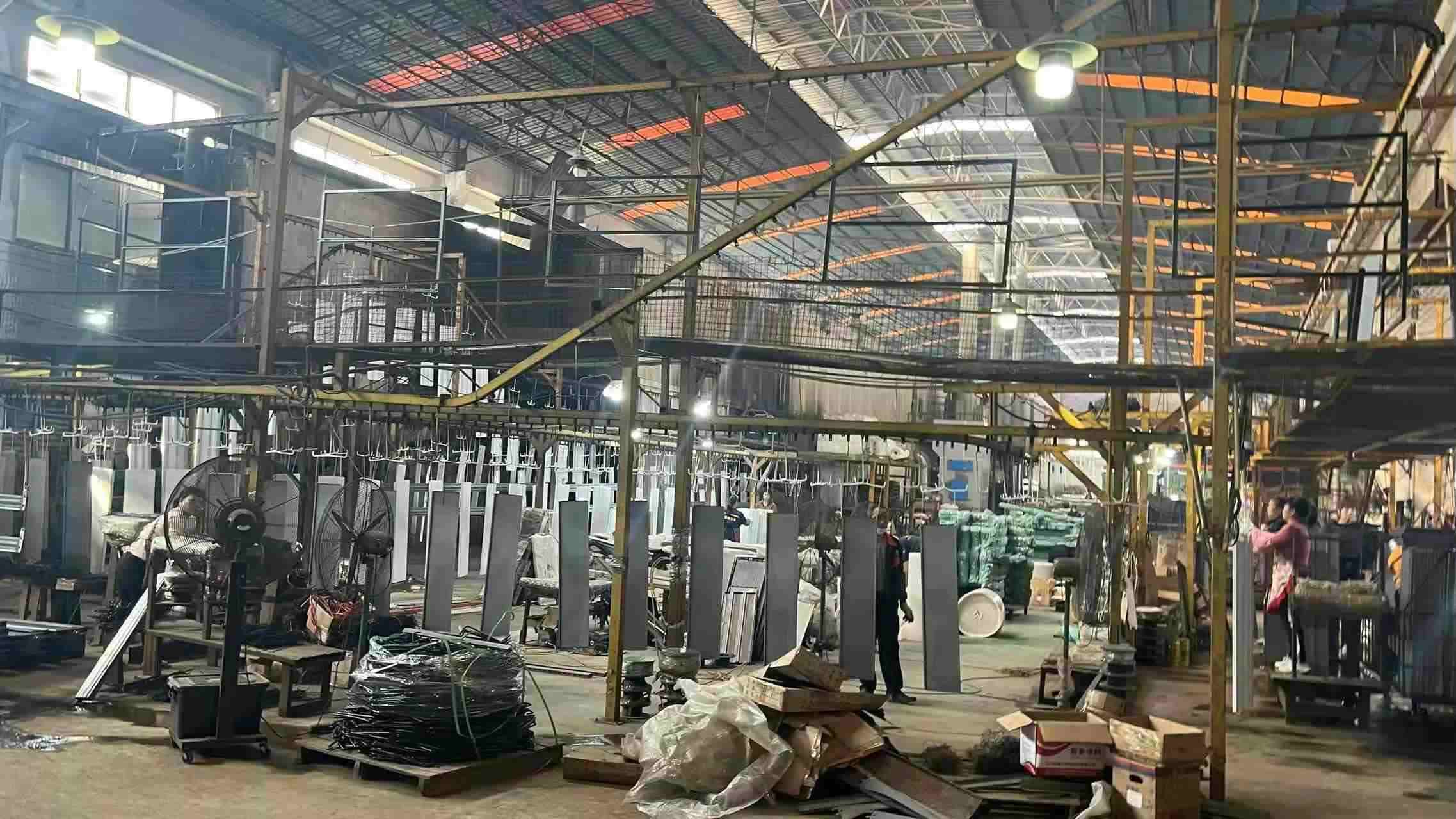
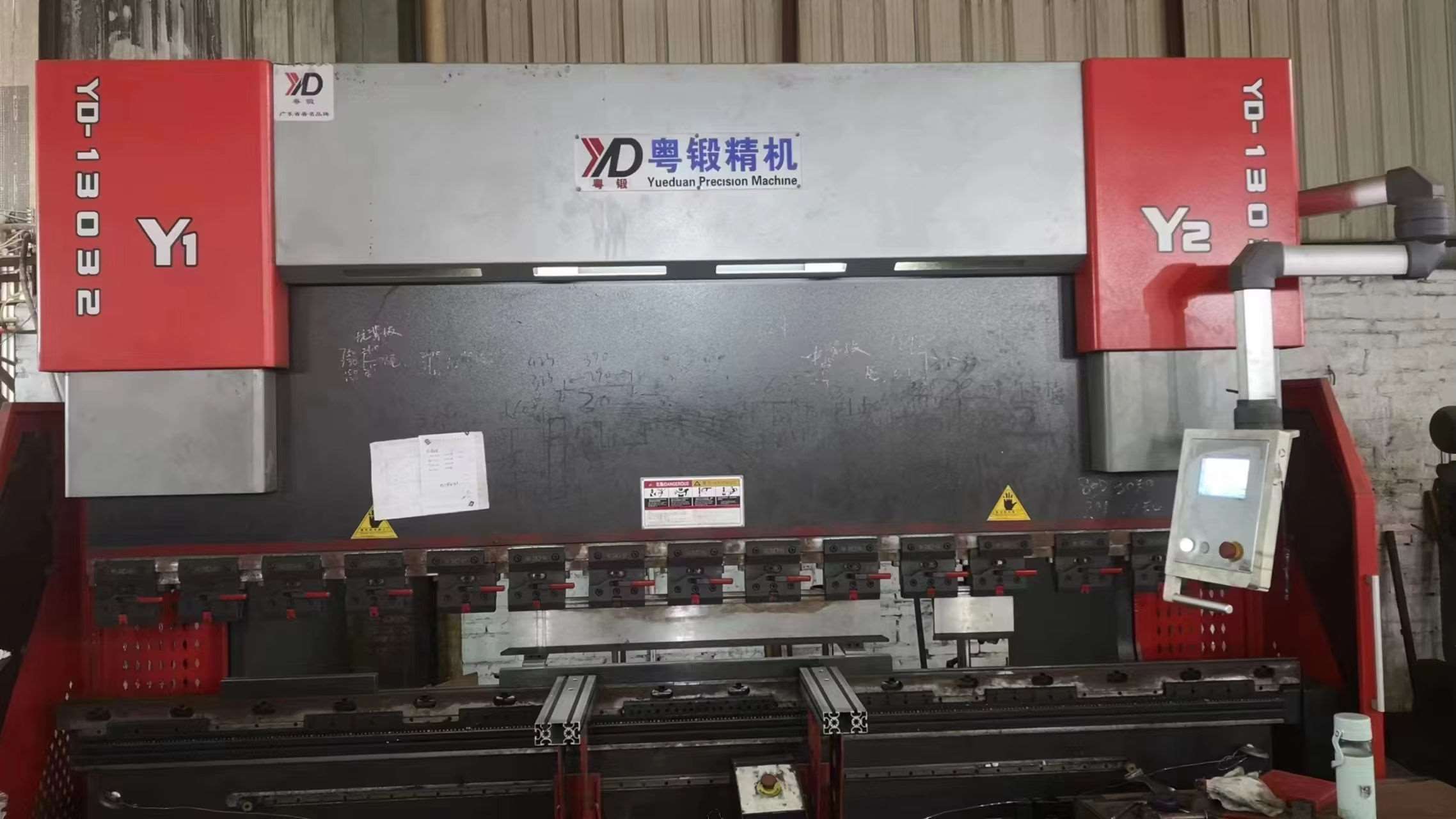
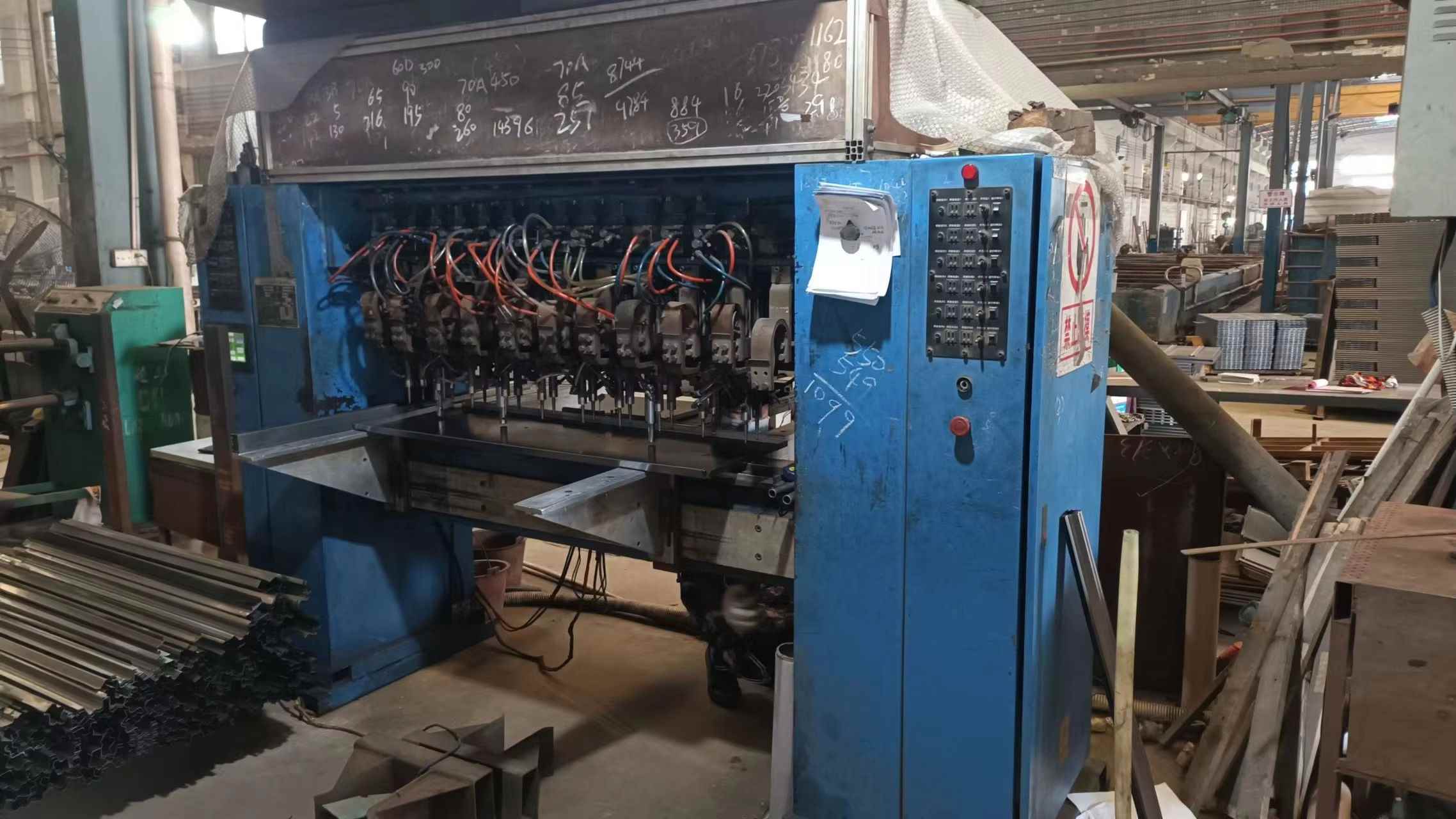
Take a look inside our 35,000 m² factory. Our automated processes ensure structural integrity, consistent weld quality, and durable powder coatings.
Why certified racking steel matters to your business safety, liability, and bottom line.
In structural storage engineering, static and dynamic stress analysis is critical. Racking systems are subject to significant vertical loads, dynamic impacts from forklifts, and lateral forces during loading. Gravity flow racks also experience continuous dynamic impact forces as heavy pallets roll down the incline. At Heda, our design process complies with the European EN 15512 standard, which governs the structural design of adjustable pallet racking. Our systems are engineered to withstand these dynamic forces, preventing structural fatigue over time.
Our CE certification guarantees that our materials, welding, and structural load calculations meet strict safety requirements. Each component—from upright frames to beam connections—is designed with a safety factor of 1.5 to 2.0. This ensures the racking remains stable under seismic stress or accidental overload. When purchasing CE-certified racking, you are investing in structural safety, regulatory compliance, and a lower total cost of ownership.
Not all warehouse steel is created equal. Heda sources high-strength carbon steel, primarily Q235B and Q355B, from China's leading mills. Q355B steel offers a high yield strength of 355 MPa, allowing us to design uprights and beams with thinner profiles that still deliver excellent load-carrying capacity. This high strength-to-weight ratio reduces shipping weight while maintaining structural safety.
Our QC team tests every batch of incoming steel using tensile testing machines to verify its yield point, tensile strength, and elongation percentage. This raw material quality control is crucial for gravity flow systems, where minor deflections in the roller track can cause pallets to stall or drift.
How different industries leverage gravity flow racks to solve specific warehousing challenges.
Running a cold storage facility is highly energy-intensive. Standard selective racking requires numerous forklift aisles, resulting in a large volume of empty space that must be cooled. Gravity flow racking consolidates storage, allowing lanes to run 4 to 20 pallets deep. By reducing the number of aisles, you can double your storage density within the same footprint. This minimizes energy consumption per pallet position, helping to lower utility costs.
For inventory with strict expiration dates, a reliable First-In, First-Out (FIFO) system is essential. Gravity flow racks naturally enforce this rotation. Products loaded from the rear replenishment aisle automatically roll down to the front picking face. Forklift operators can only pick the oldest pallet in the lane, eliminating inventory losses due to expired stock.
Fast-moving consumer goods (FMCG) require rapid sorting and order consolidation. Gravity racks serve as high-density buffers, holding fast-moving items right next to shipping docks. This setup allows staging lanes to keep pick faces constantly stocked, reducing picker travel times and increasing daily throughput.
How China's industrial scale, infrastructure, and engineering expertise benefit global procurement managers.
China's steel manufacturing and industrial infrastructure allow us to produce high-quality racking systems efficiently. At our 35,000 m² Shenzhen facility, we utilize automated cold roll-forming lines, CNC laser cutters, and robotic welding stations. This automation ensures high dimensional accuracy, which is essential for dynamic racking where precise alignment is required.
Our high volume and integrated supply chain enable us to purchase raw materials at competitive rates. We pass these savings on to our clients, offering high-quality, CE-certified systems at competitive price points.
The durability of a racking system depends heavily on its surface coating. Our multi-stage pretreatment line includes acid-washing and Parkerising. This process removes rust, scale, and organic oils while creating a protective phosphate layer on the steel surface. This layer improves corrosion resistance and ensures strong paint adhesion.
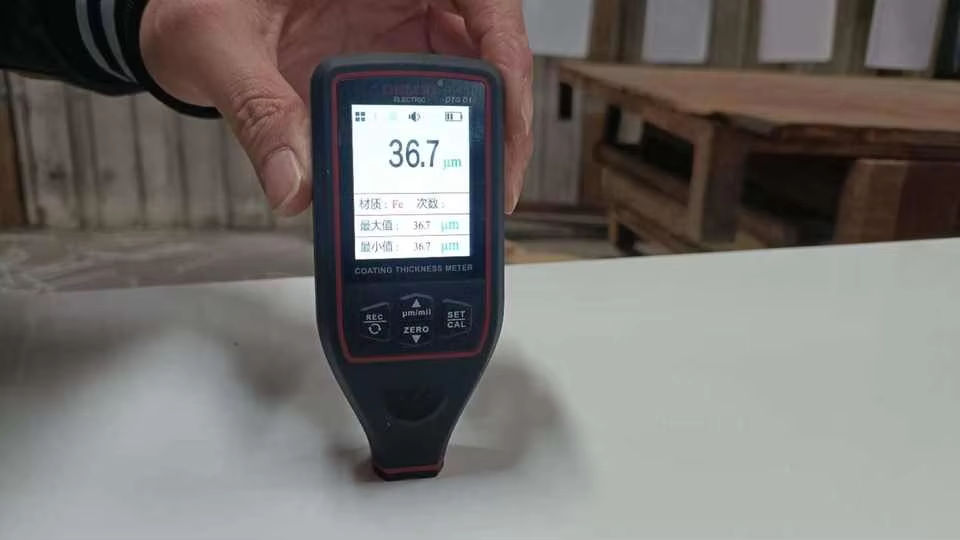
Following pretreatment, components undergo automated electrostatic powder coating. This creates a uniform finish with a thickness of 60 to 80 microns. The resulting scratch-resistant surface protects the racking in busy, high-impact warehouse environments.
Ensure project success by evaluating these critical technical parameters before placing an order.
Answers to common questions about gravity flow systems, engineering specifications, and sourcing logistics.
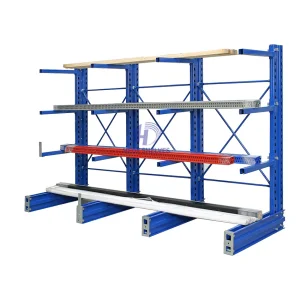
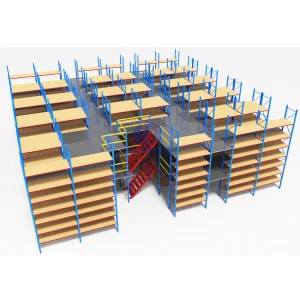
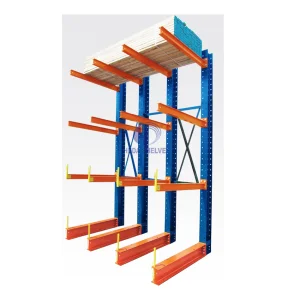
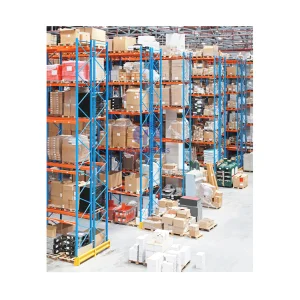
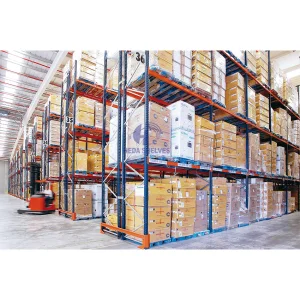
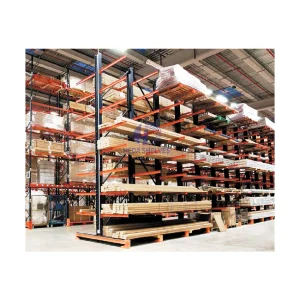
In addition to gravity racks, we manufacture a wide range of industrial racking systems to support your facility's storage needs.
 Hedaracking