Engineered to maximize volumetric utilization and optimize operational workflows in heavy-duty distribution centers.
Unlocking Cubic Density, Structural Integrity, and Supply Chain Efficiencies in High-Throughput Warehousing.
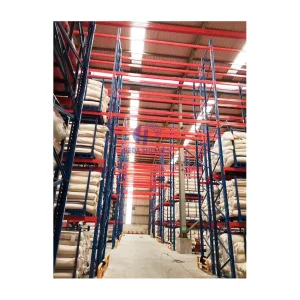
In the contemporary landscape of global logistics, volumetric efficiency is no longer an option—it is a critical economic imperative. The escalation of industrial land values, particularly in major supply chain hubs across North America, Western Europe, and Asia-Pacific, has forced operators to look beyond traditional selective racking systems. Drive-in storage systems represent one of the most cost-effective and structurally robust solutions for high-density storage challenges.
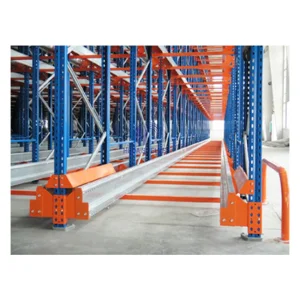
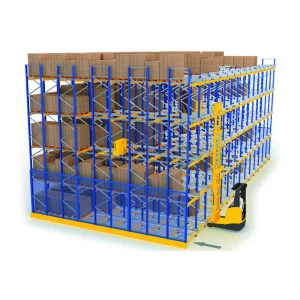
By eliminating access aisles required by conventional forklifts, drive-in systems increase pallet storage capacity by up to 75% compared to standard selective racks. The system utilizes a Last-In, First-Out (LIFO) inventory configuration, making it ideally suited for high-volume, low-SKU operations. Key industries benefiting from this design include cold storage, food and beverage distribution, pharmaceutical warehousing, and raw material manufacturing, where entire blocks of inventory consist of identical product runs.
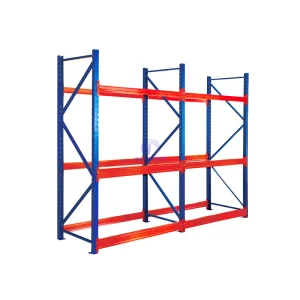
Unlike selective racking, which relies on intermediate horizontal beam pairs, drive-in storage racks use continuous corbel rails. This configuration places unique demands on structural engineering:
Buckling Resistance & Upright Framing: Because there are no front-to-back crossbeams across the forklift path, the upright frames must resist torsional forces and lateral displacement. Heda Warehouse Equipment addresses this by utilizing cold-rolled steel profiles with customized thickness options up to 2.5mm or 3.0mm, and employing high-yield steel grades (Q235B or Q355B conforming to international standards).
Load Rail Rigidity: The load rails must support dynamic loads without excessive deflection. Heda's rails feature structural profiling with heavy-gauge galvanization, ensuring that pallets slide smoothly while maintaining horizontal stability. Column-to-corbel connections are engineered using multi-claw connectors with locking pins to prevent dislodgement during forklift entry and exit.
Deploying drive-in storage globally requires compliance with distinct regional standards:
Heda’s international engineering team provides fully localized CAD designs, simulating seismic forces and structural stress levels based on the specific coordinates of your facility to ensure permit approval and operational safety.
Established in 2014, Shenzhen Heda Warehouse Equipment Co., Ltd. is a premier manufacturer specializing in heavy-duty warehouse racking and industrial storage solutions. Spanning a modern manufacturing facility of 35,000 m², our enterprise integrates R&D, design, production, and international marketing to serve diverse storage needs worldwide. With 12 years of industry experience and 8 years of dedicated export expertise, we deliver high-caliber storage systems that generate over $28 million in annual export revenue.
At Heda, quality control and engineering innovation drive our core operations. Our robust QC department comprises 45 skilled inspectors utilizing rigorous testing methods, including raw material tensile testing, automated weld flaw detection, layer load-bearing stress analysis, and salt spray surface corrosion testing. Supported by a professional R&D team of 28 senior structural engineers, we maintain strong full-customization capabilities (OEM/ODM)—offering tailored rack dimensions, load capacities, surface coatings, and layout designs. Driven by continuous innovation, we launched over 120 new dynamic storage products and component upgrades last year.
Operating with a strong direct-factory and international trade background, we have built a resilient ecosystem supported by over 800 supply chain partners. Our products are exported to major global markets, including North America, Western Europe, Southeast Asia, and the Middle East. We proudly serve a diverse clientele ranging from third-party logistics (3PL) providers and large distribution centers to industrial manufacturers and wholesale equipment distributors.
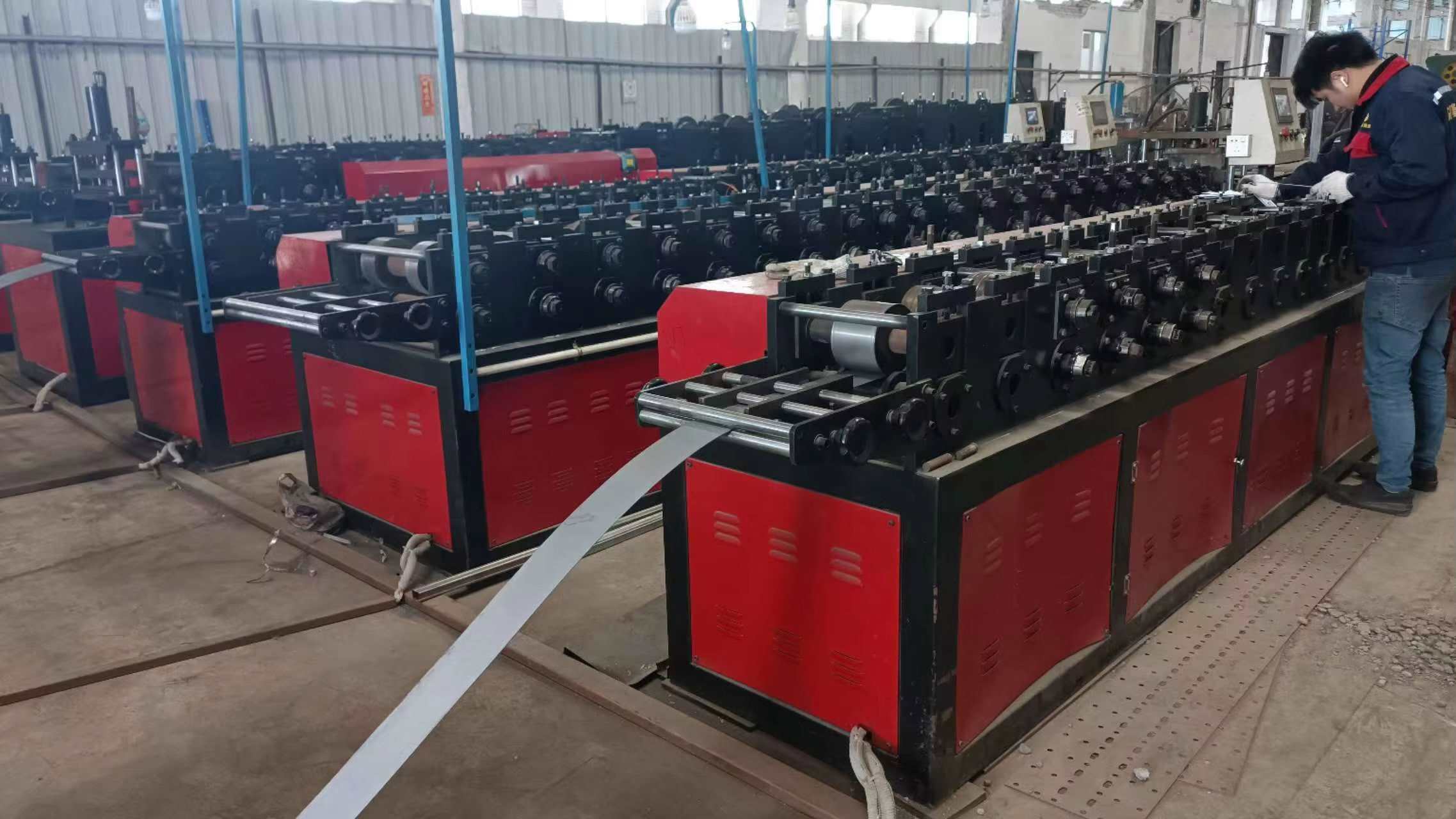
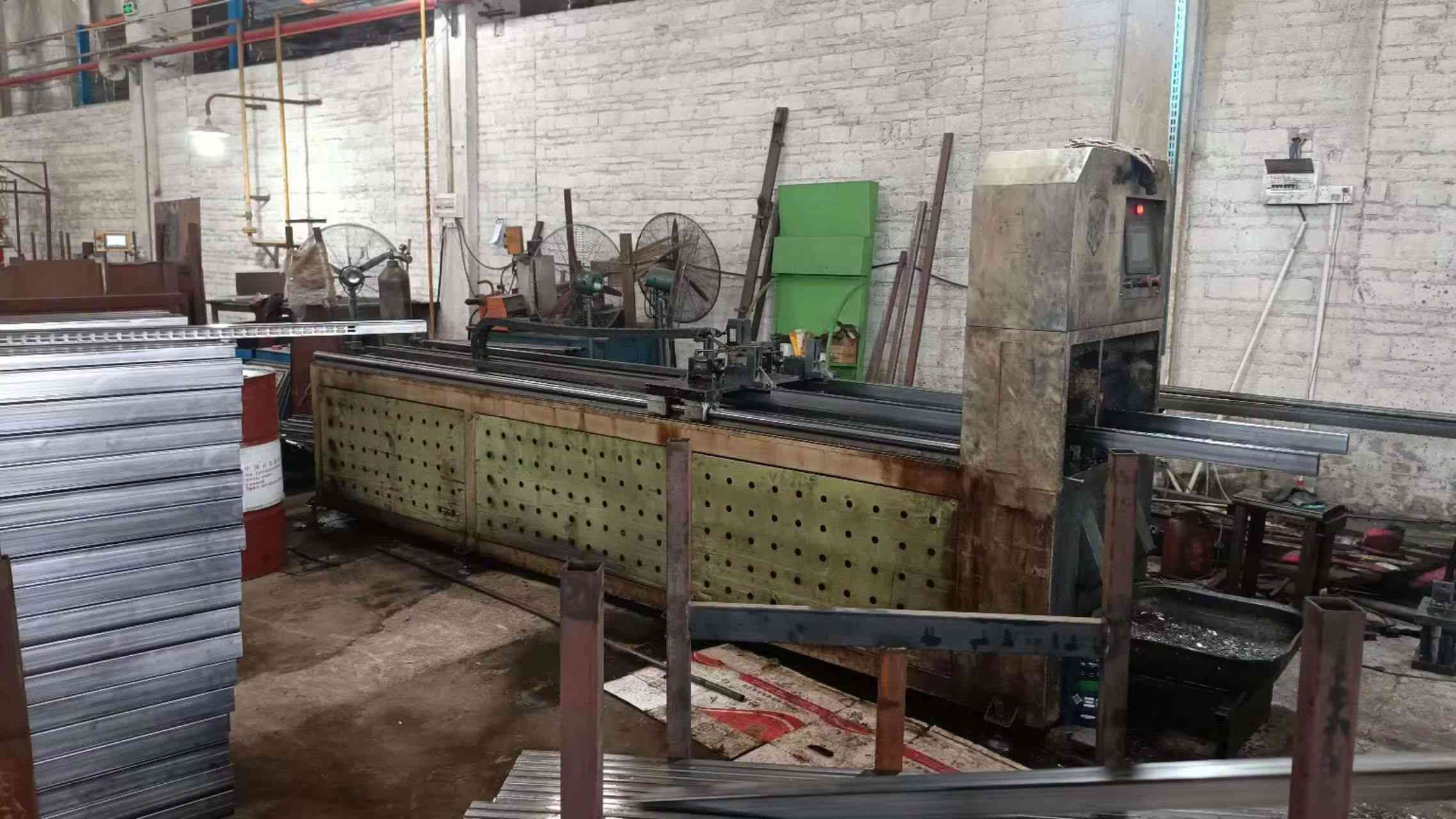
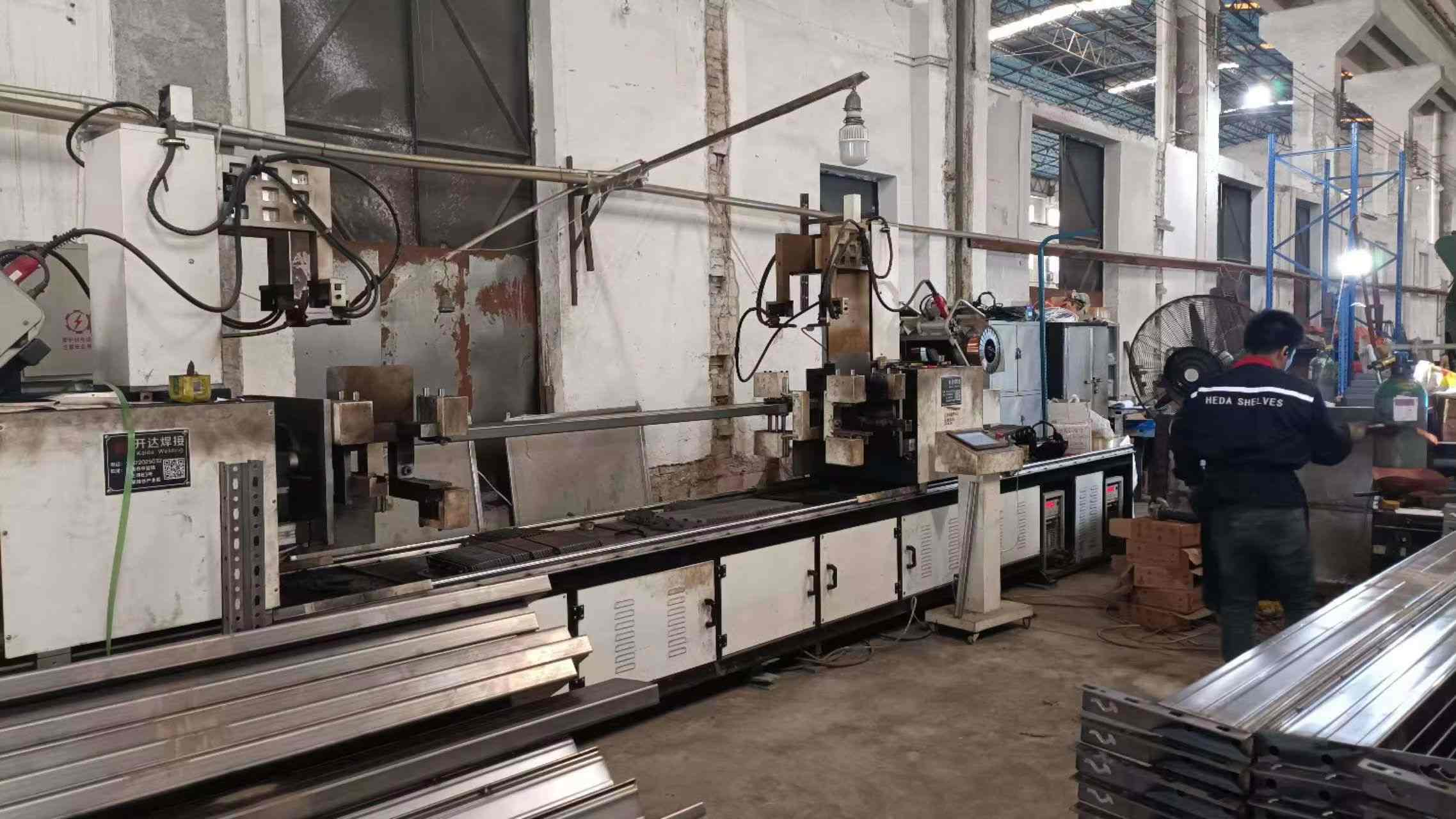
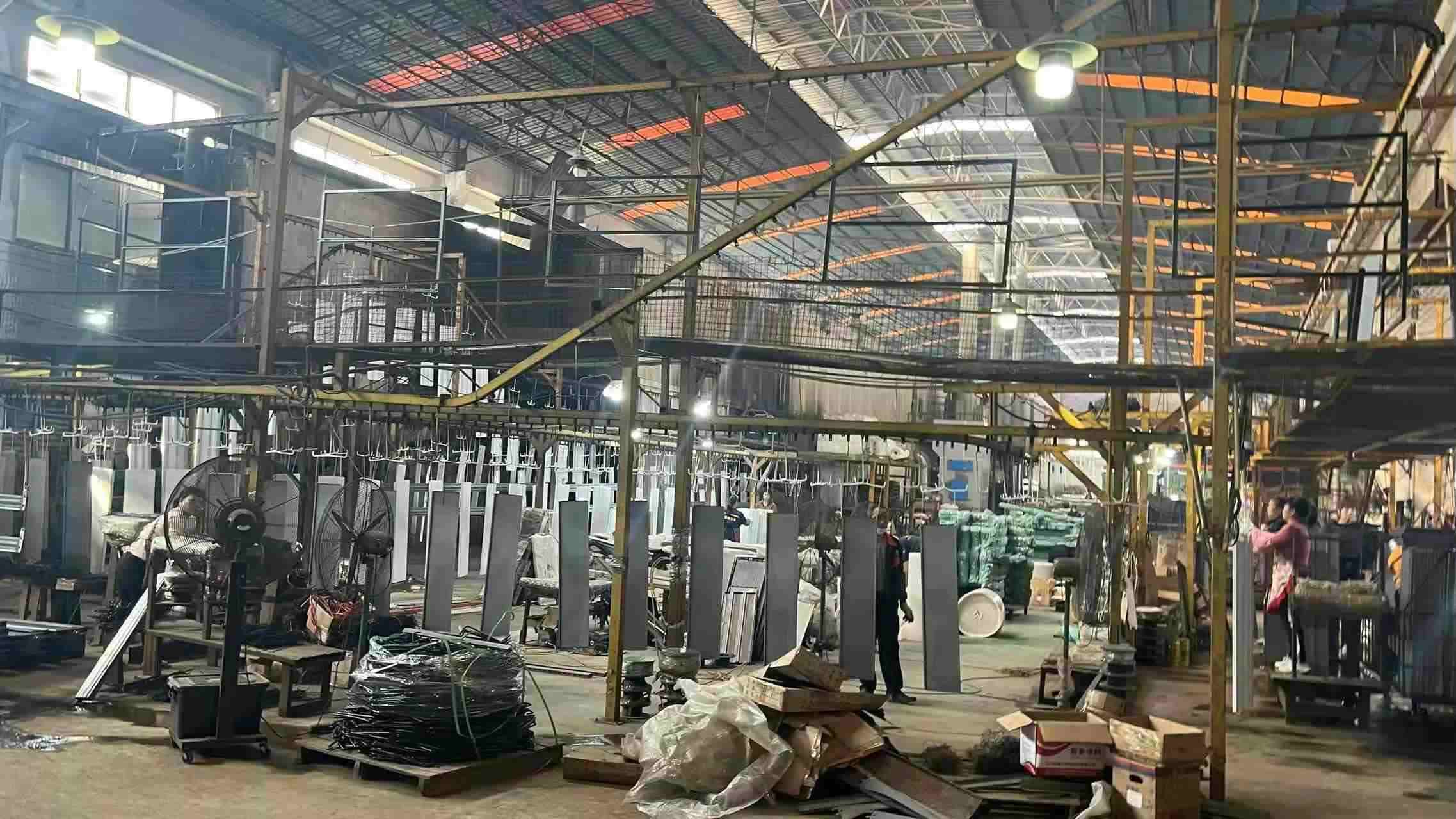
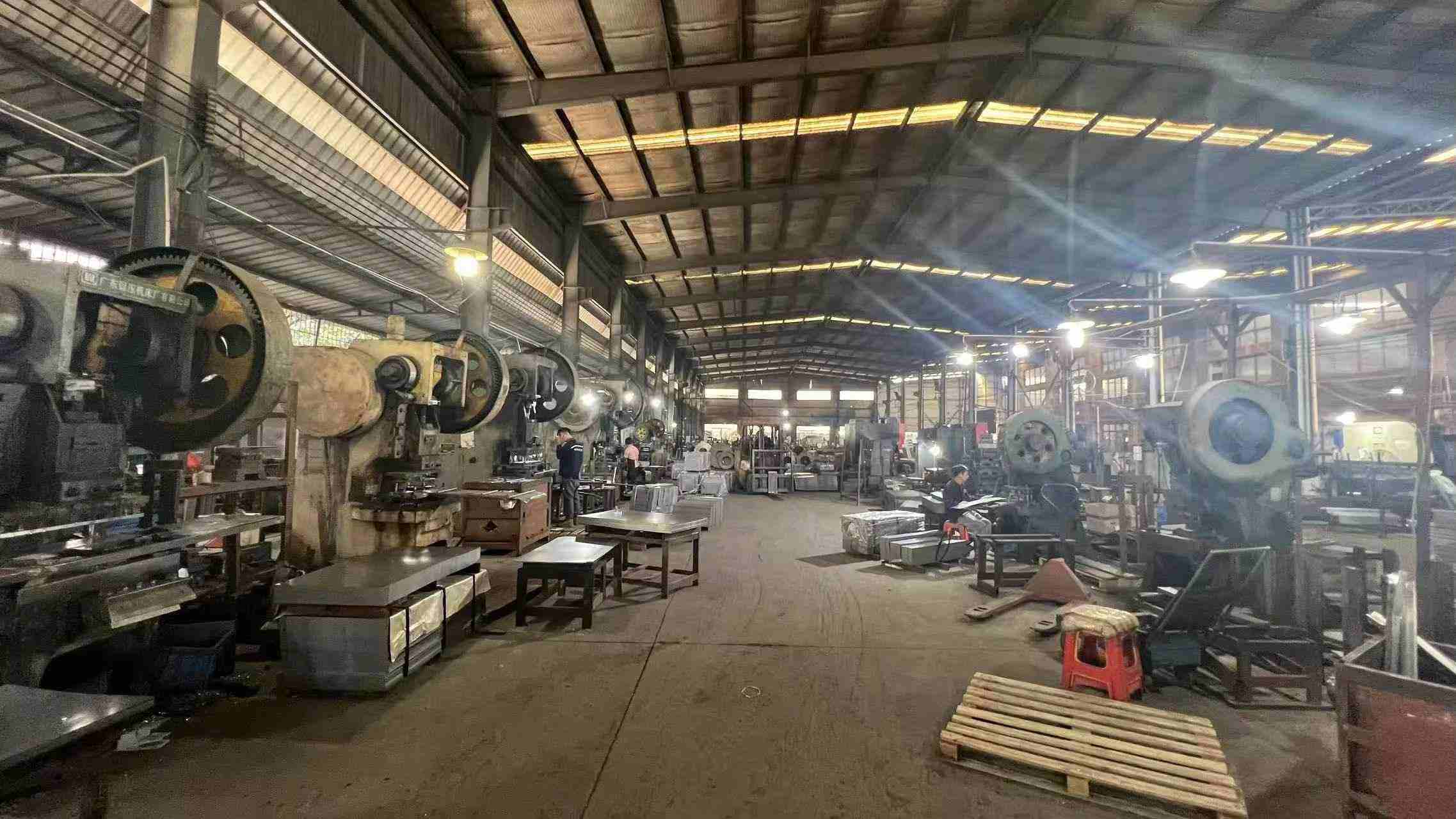
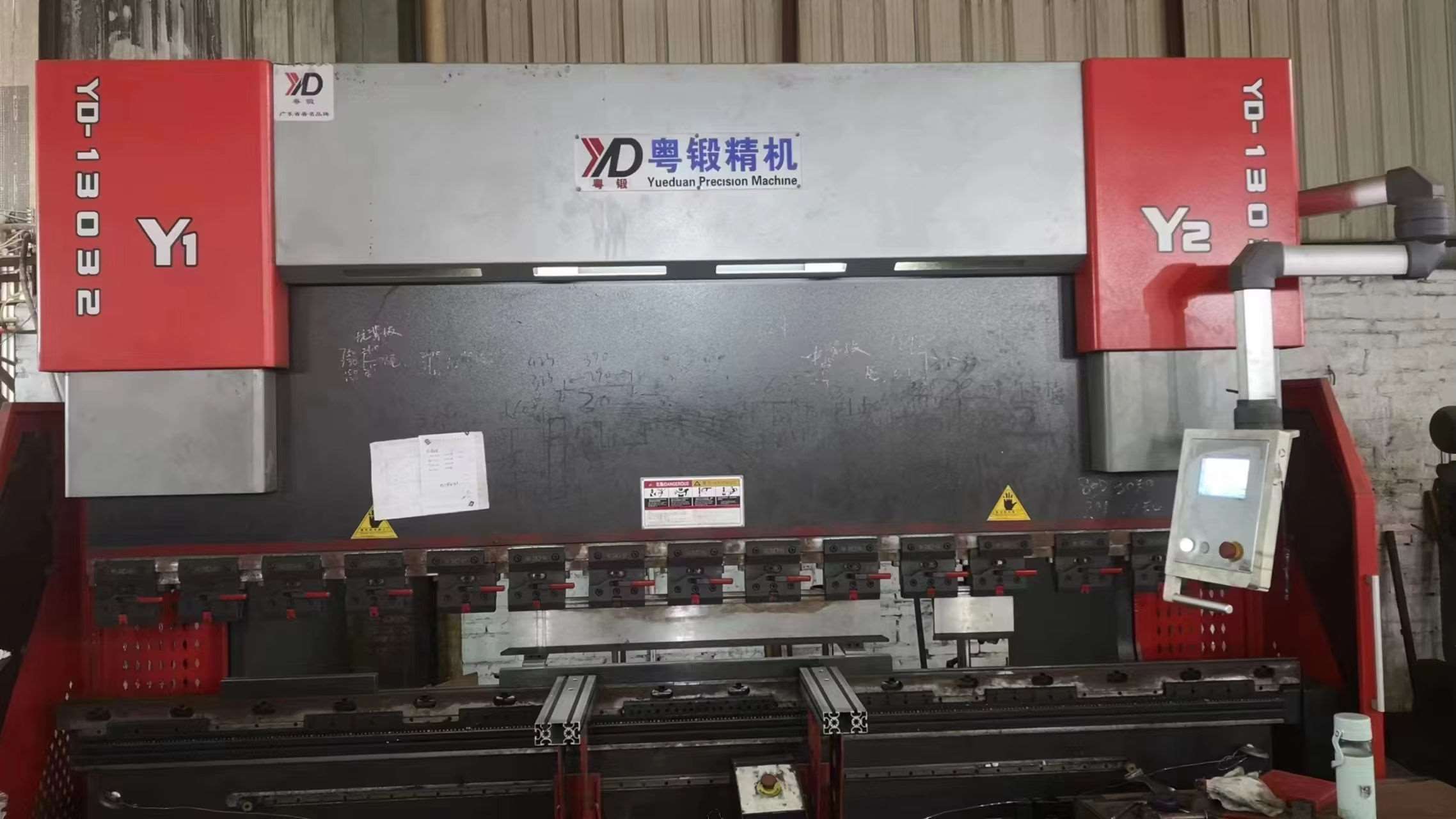
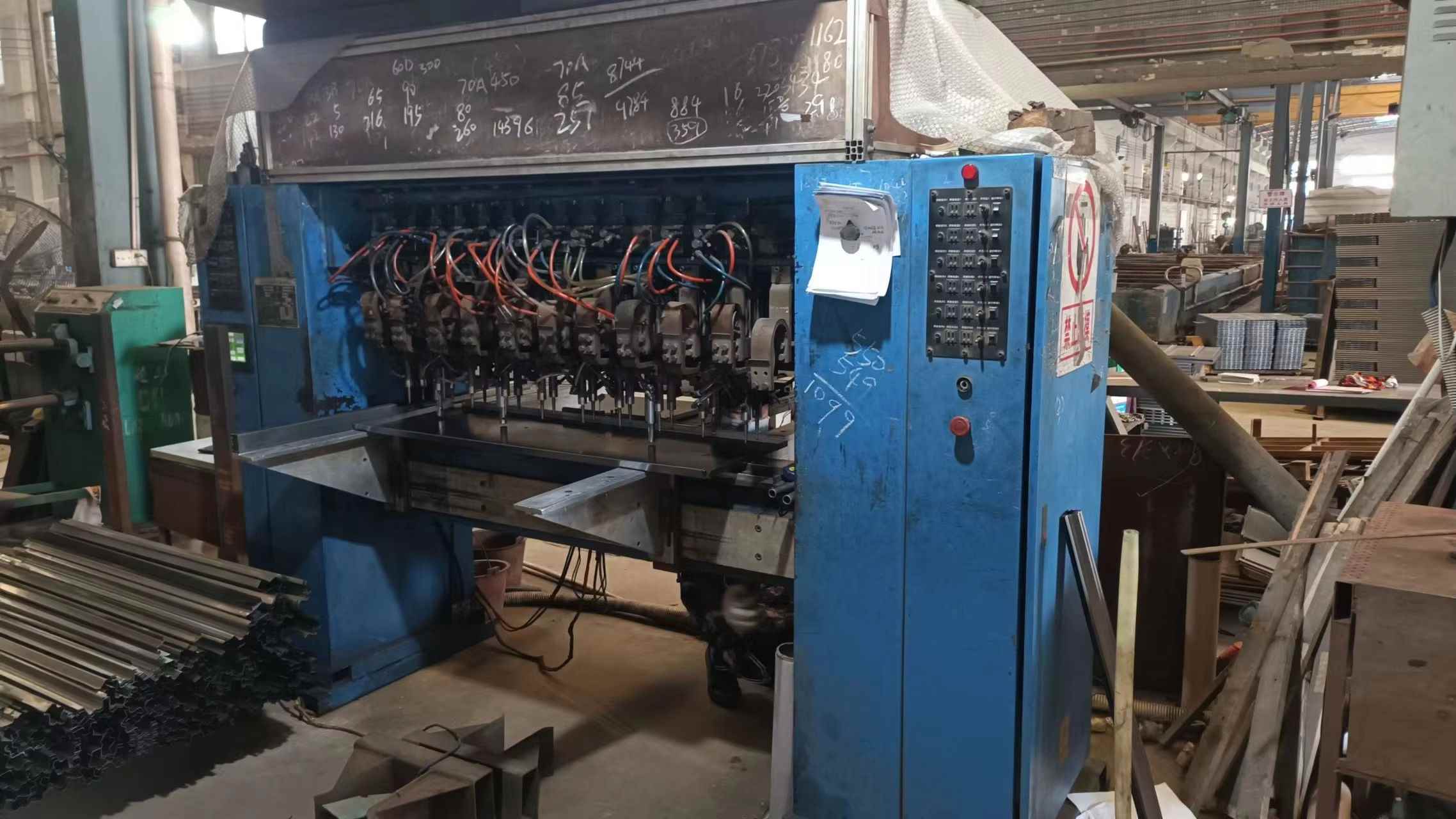
Our ISO-certified manufacturing flow ensures raw structural steel is transformed into high-precision, heavy-duty racking components.
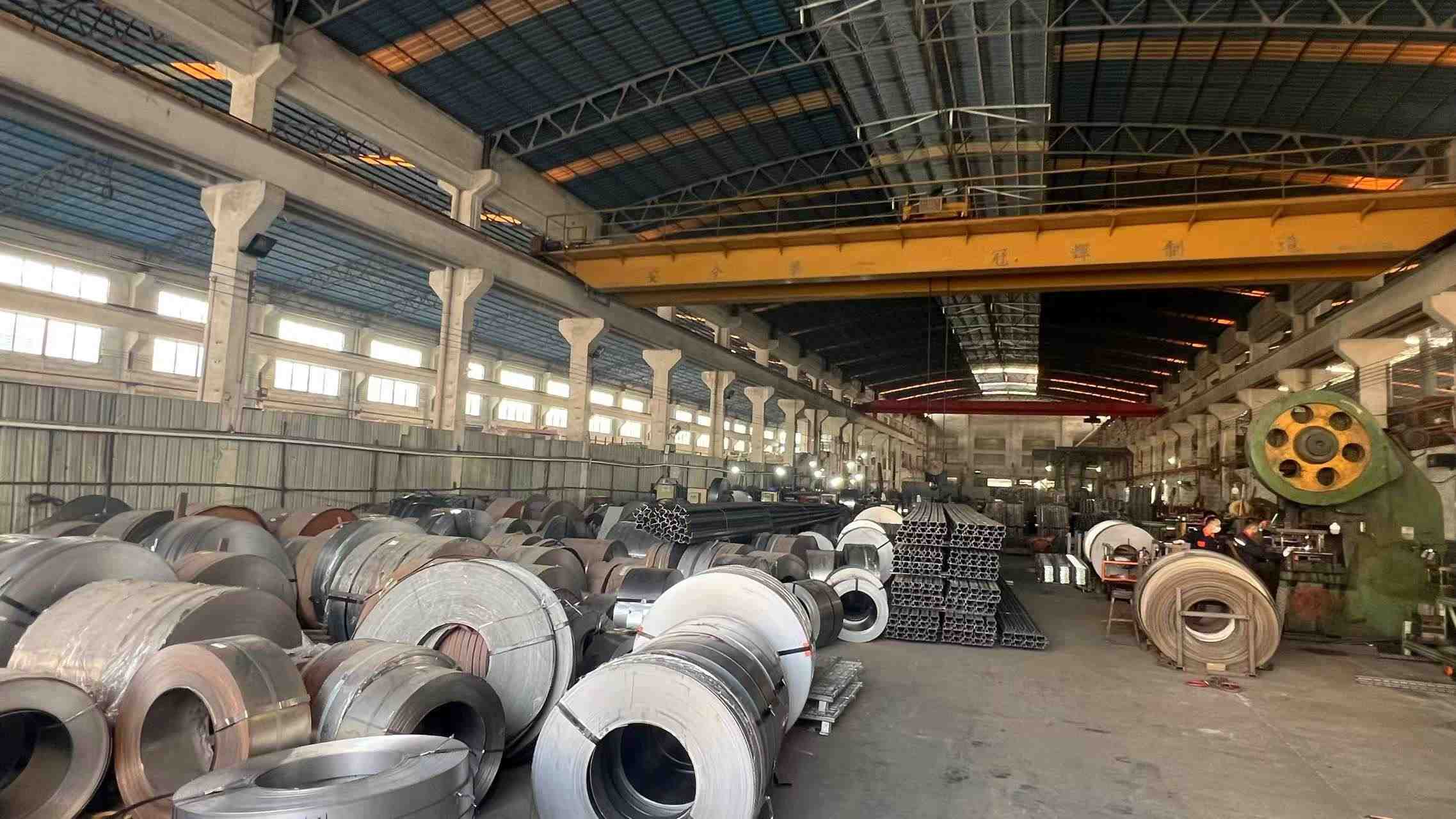
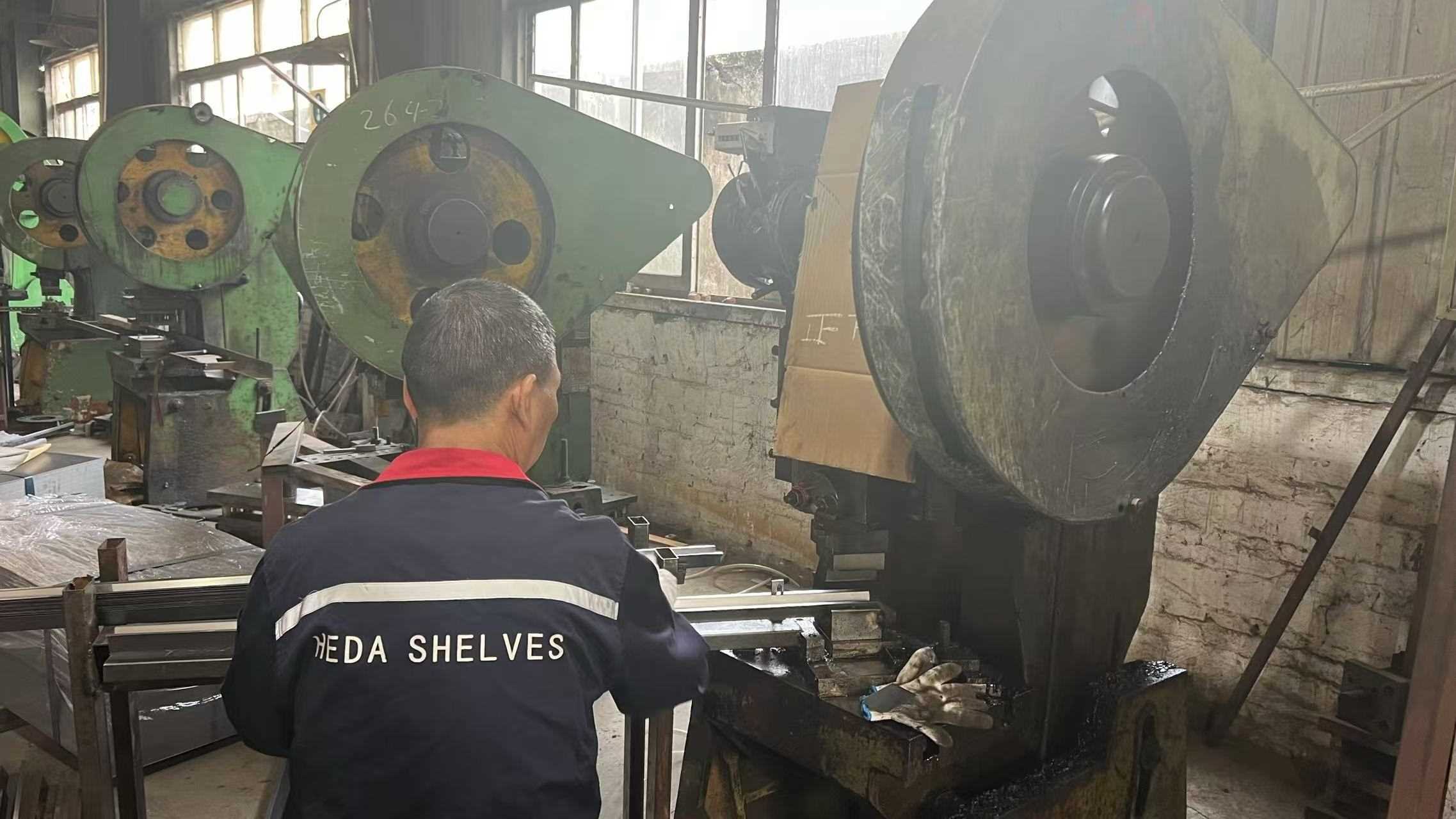
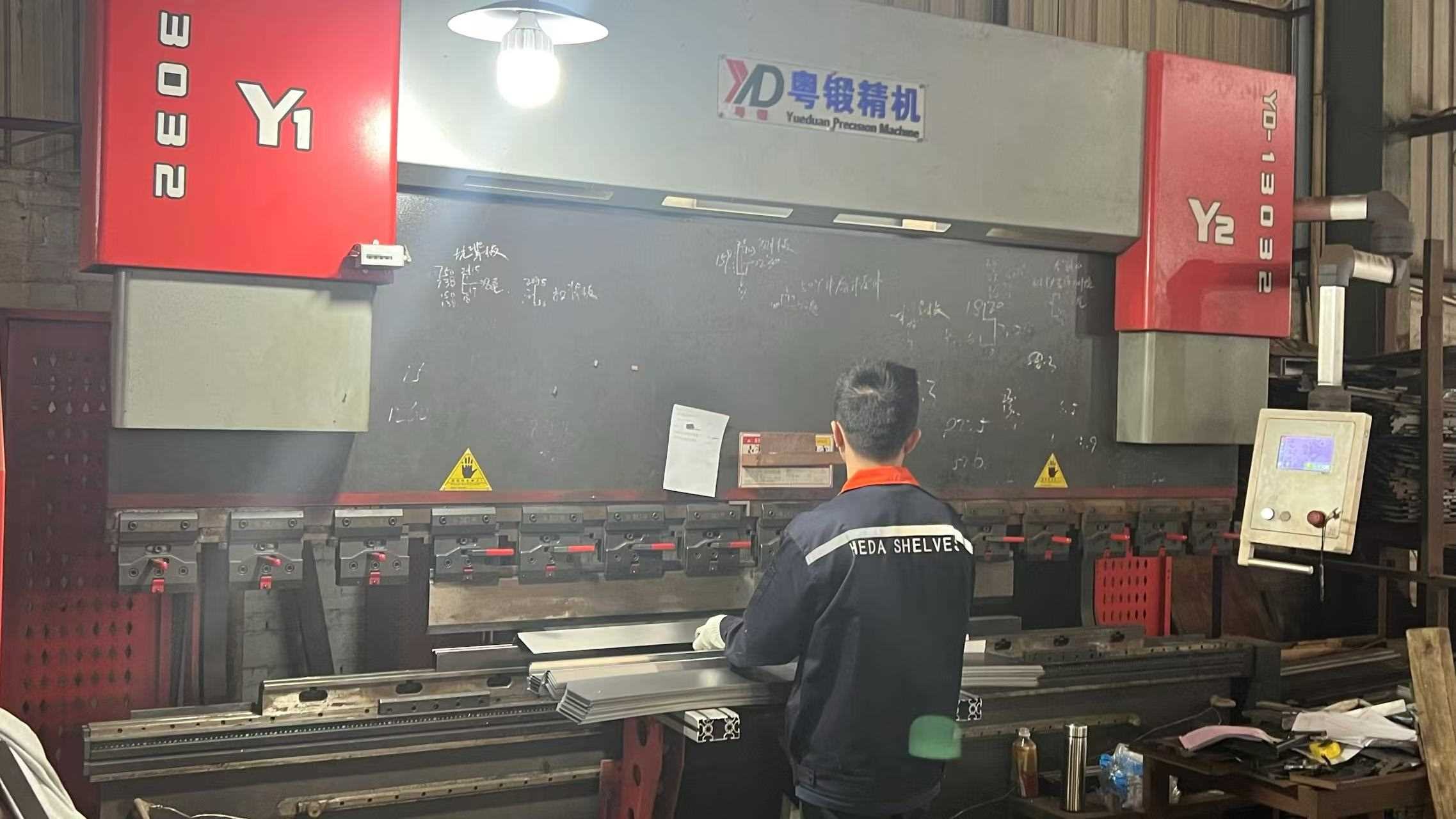
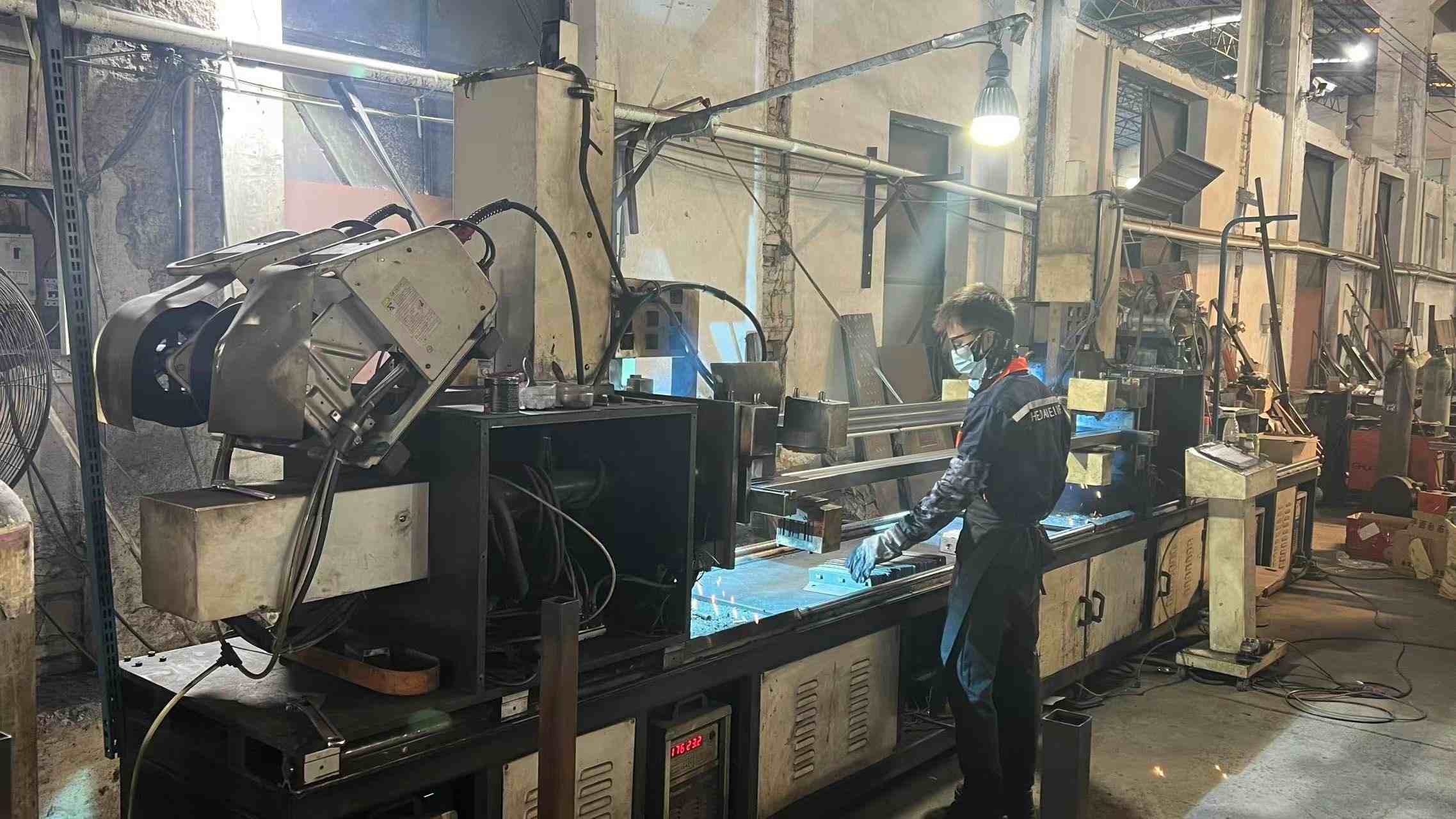
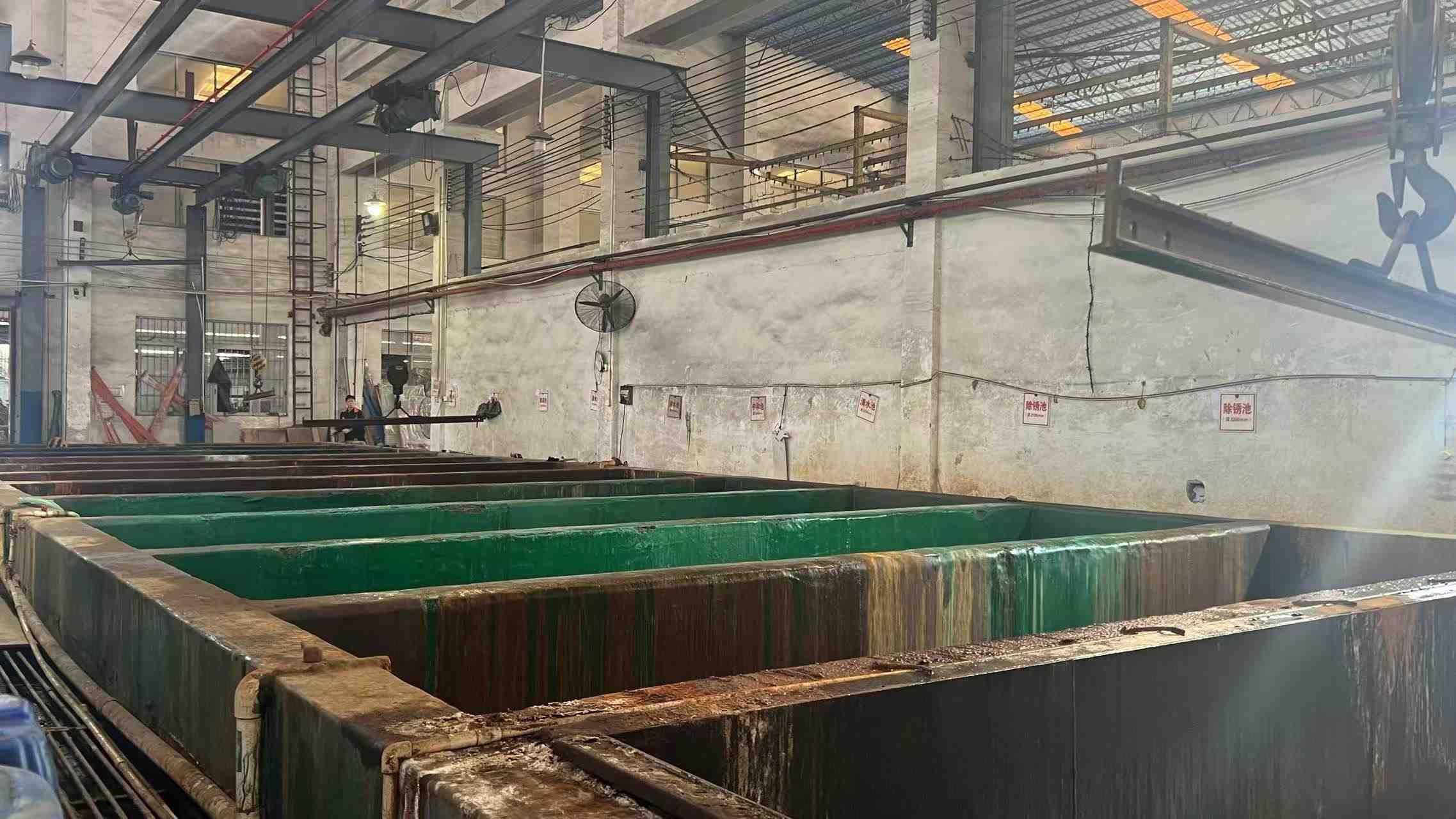
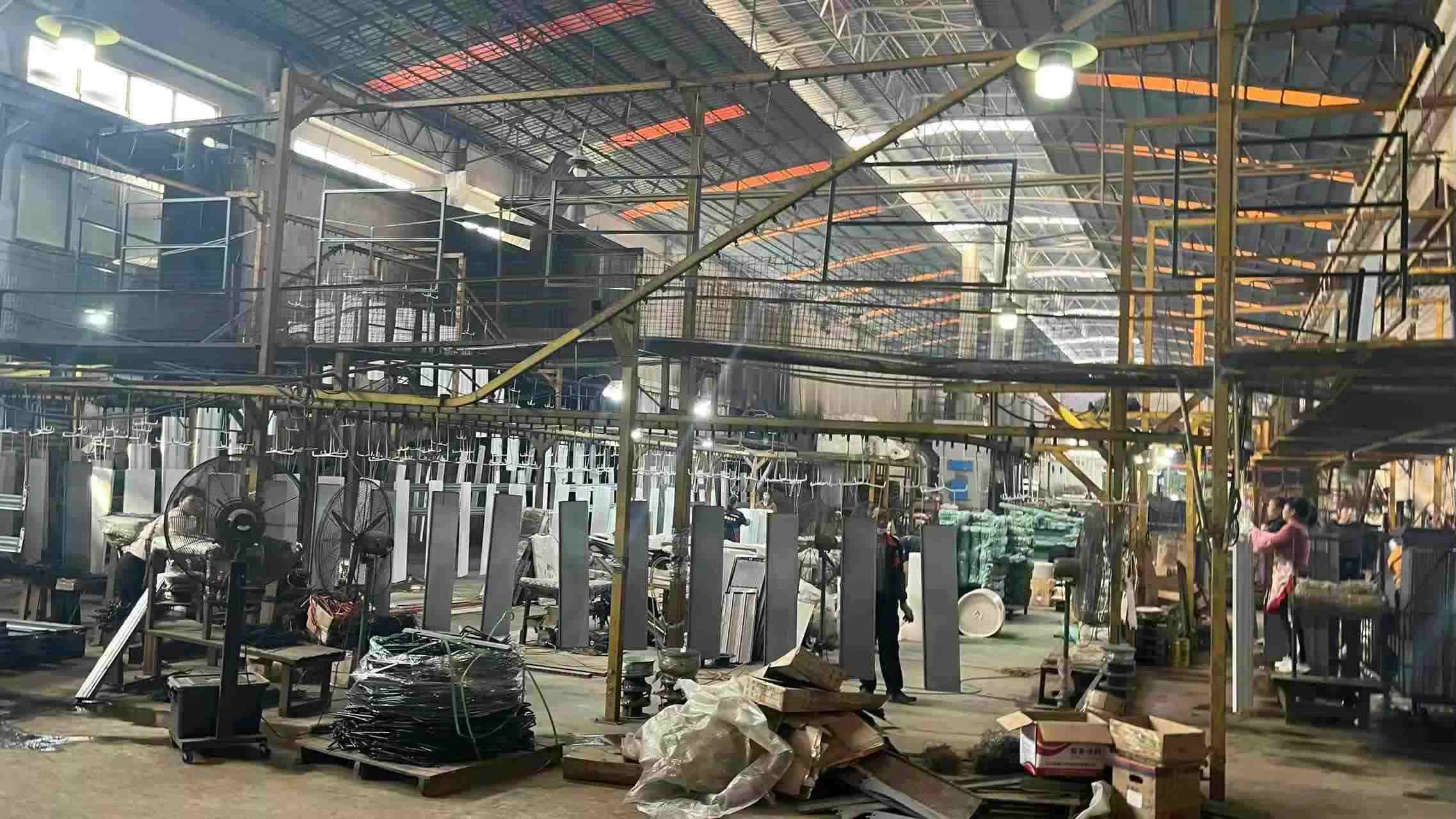
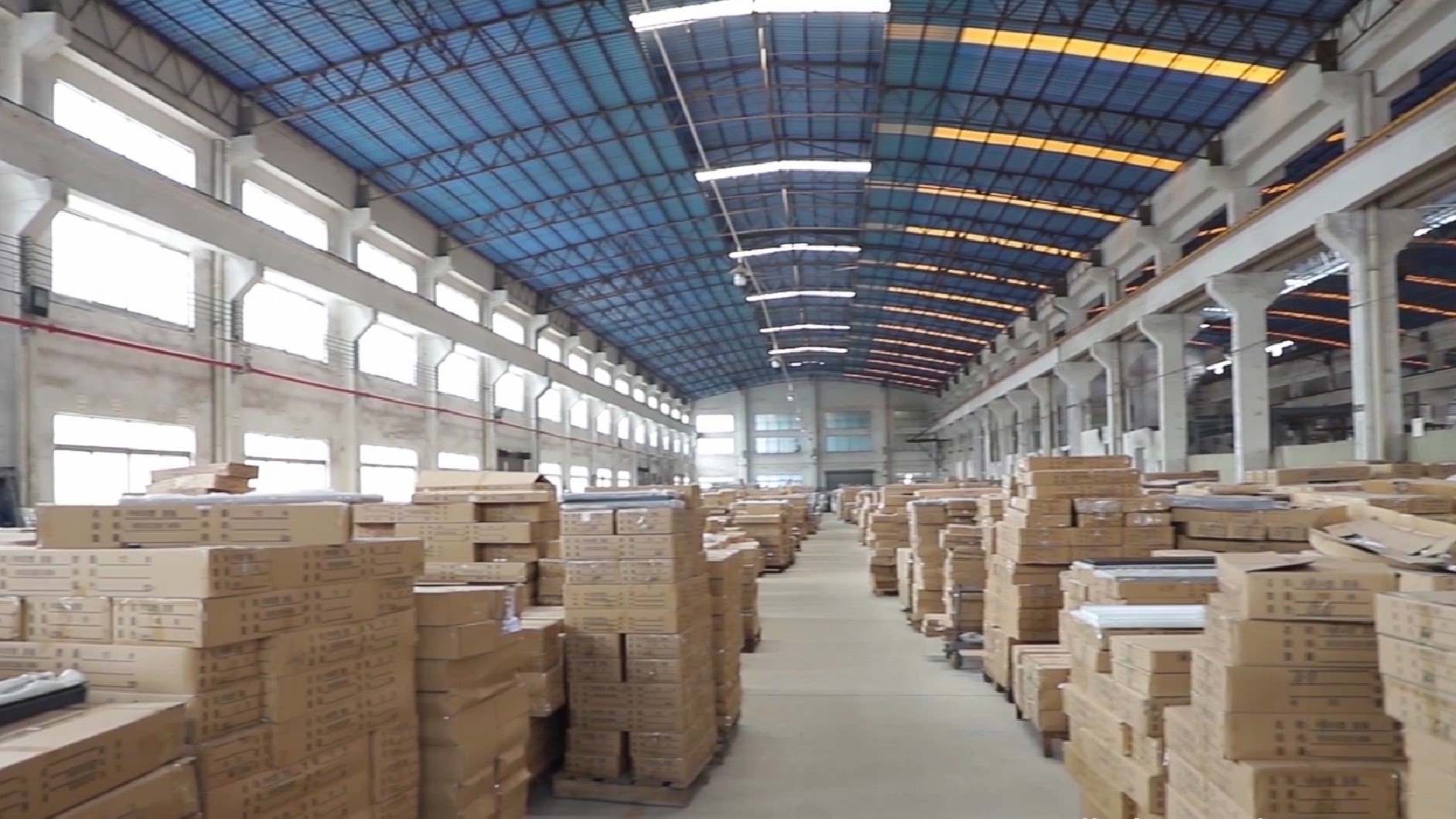
A comprehensive inventory of our advanced rolling mills, high-precision stamping equipment, and laboratory-grade calibration tools.
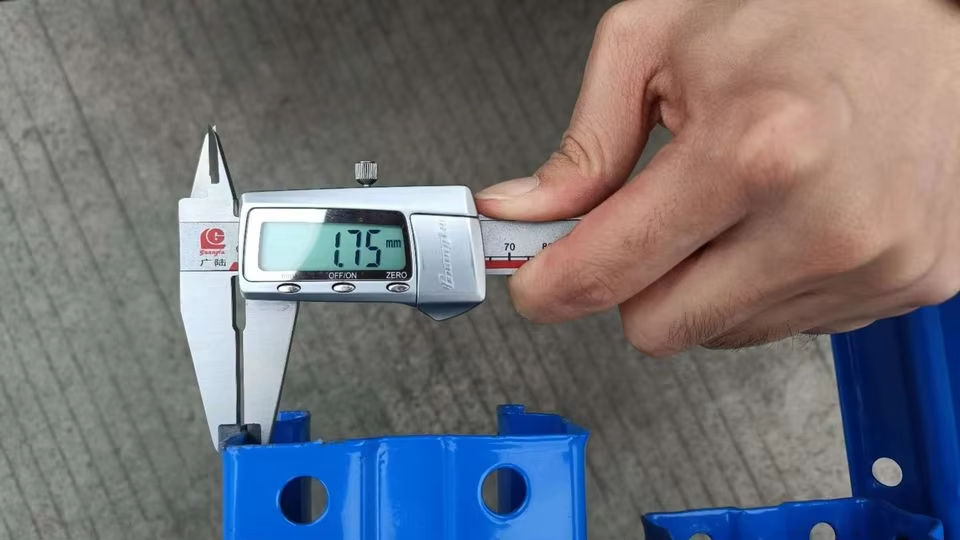
Monitors profile dimensions and steel sheet gauge tolerance to ±0.05mm, preventing structural deviations in heavy-duty upright frames.
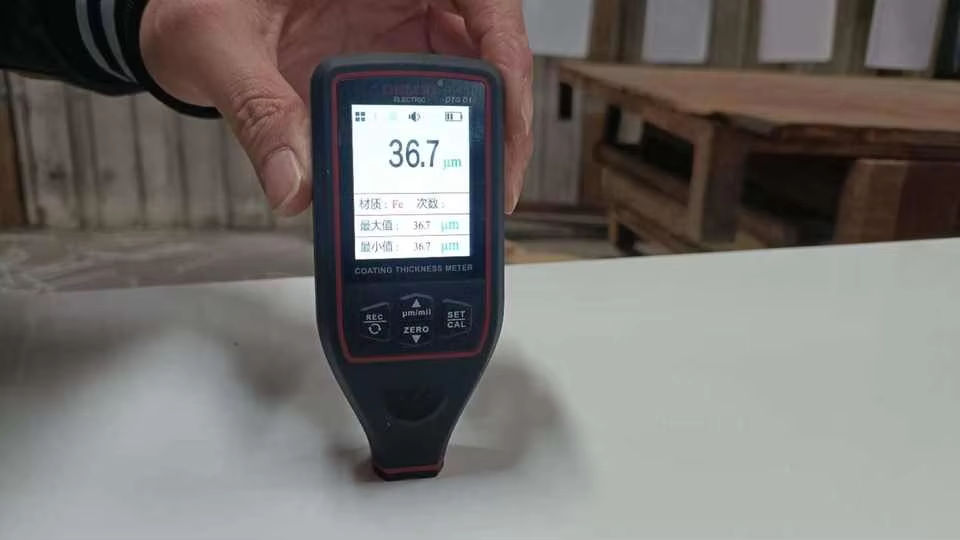
Measures electrostatic powder coat thickness to ensure uniform coverage, preventing oxidation and salt spray corrosion in harsh warehouse environments.
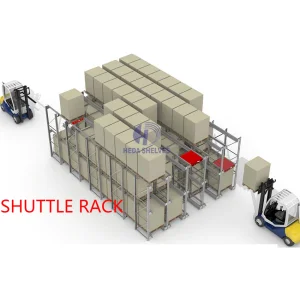
As logistics move toward automation, the line between drive-in racking and dynamic warehouse automation is blurring. The next decade will define a hybrid model where conventional high-density structures integrate with intelligent shuttle systems:
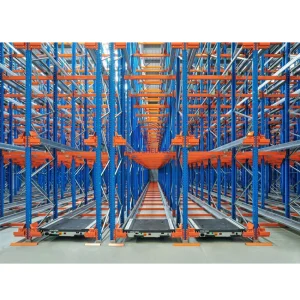
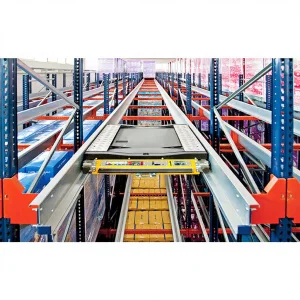
Transition from LIFO to FIFO with Radio Shuttles: Conventional drive-in systems are inherently LIFO. By pairing the same basic structural framework with semi-automated radio shuttles, operators can execute First-In, First-Out (FIFO) layouts without restructuring the physical footprint. The structural rails serve as tracks for automated shuttles, speeding up the pick-and-place cycle.
Smart Structural Health Monitoring (SHM): Real-time loading monitoring represents a massive leap forward for safety. Emerging designs include vibration and strain sensors installed directly on critical vertical uprights. If a forklift collides with an upright, or if a bay is overloaded beyond its rated capacity, structural stress alerts are instantly sent to the safety supervisor.
Ultra-Precise Tolerances for Cold Storage AS/RS: In automated cold storage facilities, precision tolerances must be maintained within millimeters over heights exceeding 25 meters. Our engineering R&D actively focuses on cryogenic steel alloys that maintain elasticity and resist fracture down to -40°C, ensuring compliance with strict global standards.
Increases storage space efficiency by up to 75% compared to selective racking by eliminating forklift aisles.
Engineered using high-yield Q235B/Q355B steel, featuring heavy-duty upright frames and dynamic load bracing systems.
Complies with global regulations, including RMI, FEM 10.2.07, and AS4084, for safe operations in seismic zones.
Selecting a storage system manufacturer from China requires more than assessing the factory price. It demands auditing their engineering verification processes, international logistics capabilities, and local compliance standards.
Comprehensive Testing Protocols: Our QC facility works with independent testing laboratories like SGS and TÜV Rheinland to verify mechanical properties under load. Tensile testing verifies raw material yield strength, and automated ultrasonic testing checks welding penetration in the column connectors.
Corrosion Protection: For humid environments or sub-zero cold storage operations, we offer advanced epoxy powder-coating or hot-dip galvanization processes. All materials undergo a 7-stage chemical pretreatment, including hot alkaline degreasing, acid pickling (acid-washing), and zinc phosphating (Parkerising), to guarantee surface adhesion and chemical resistance.
On-Site Installation Support: To ensure the structural integrity of your system, Heda provides comprehensive documentation, dynamic 3D installation blueprints, and on-site engineering supervision upon request, bridging the gap between local labor crews and engineering designs.
Detailed technical answers for procurement directors, warehouse managers, and structural engineers.
From automated shuttle integration to heavy-duty industrial platforms, explore our high-density solutions.
 Hedaracking