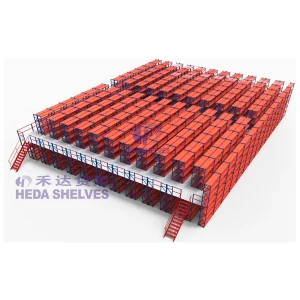
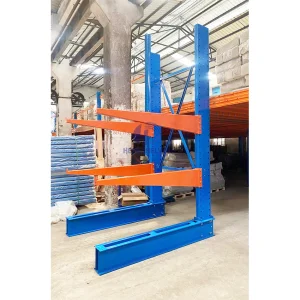
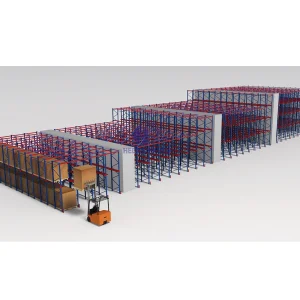
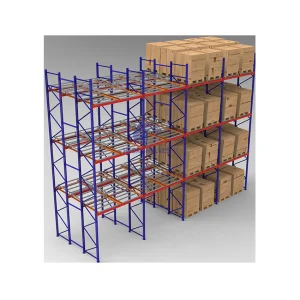
Engineered high-density storage platforms configured to maximize floor utilization and ensure seamless product retrieval.
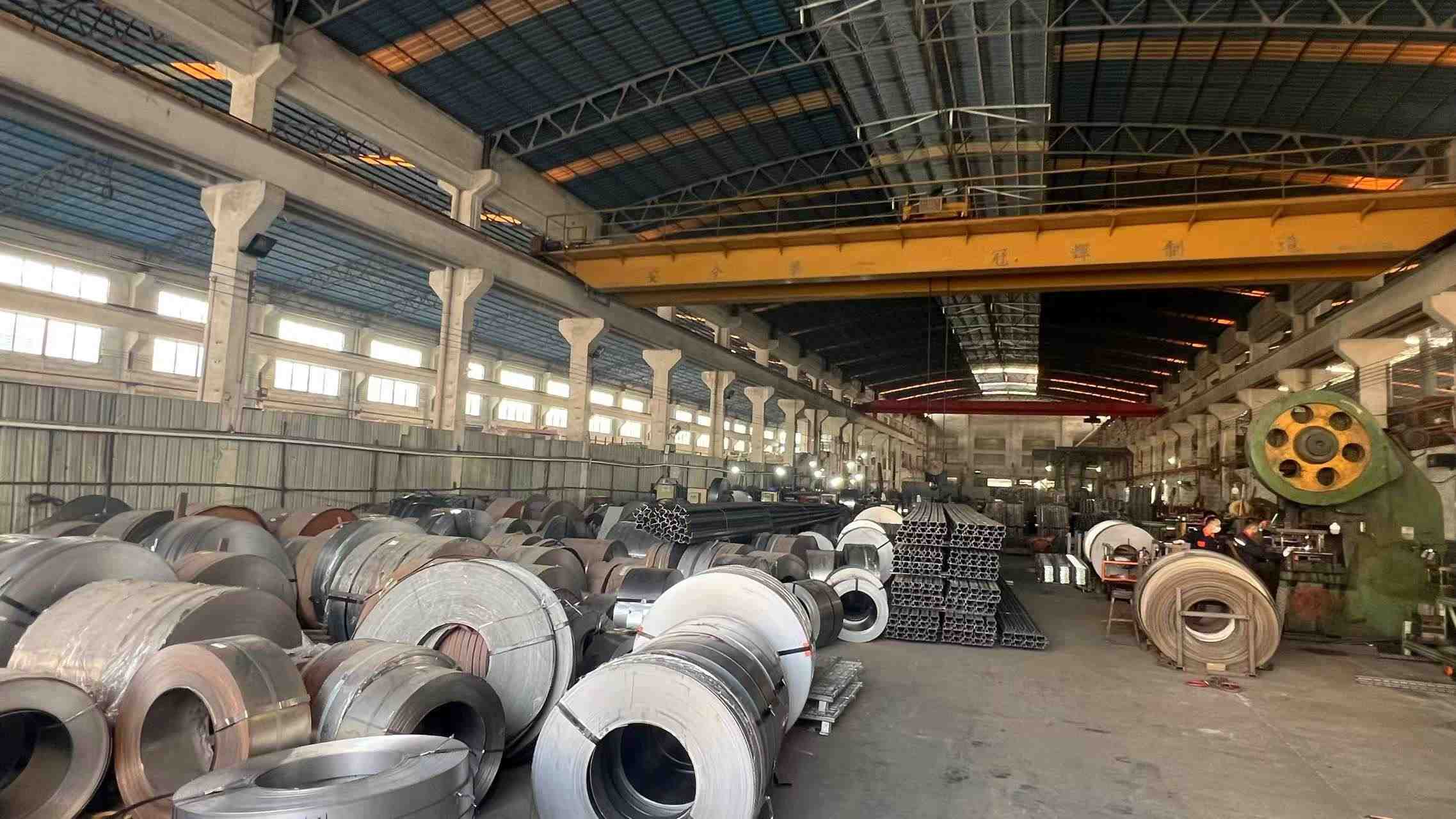
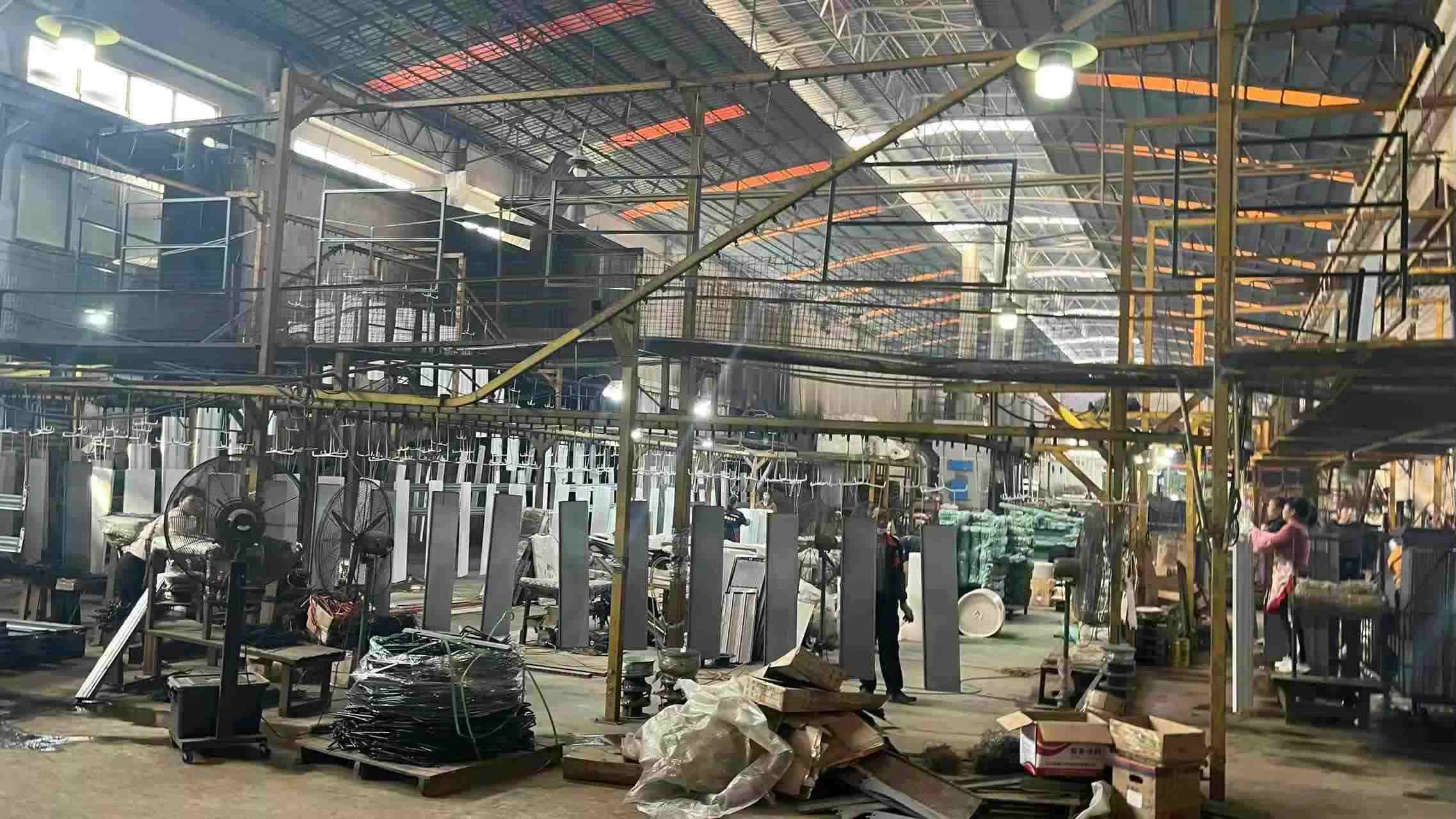
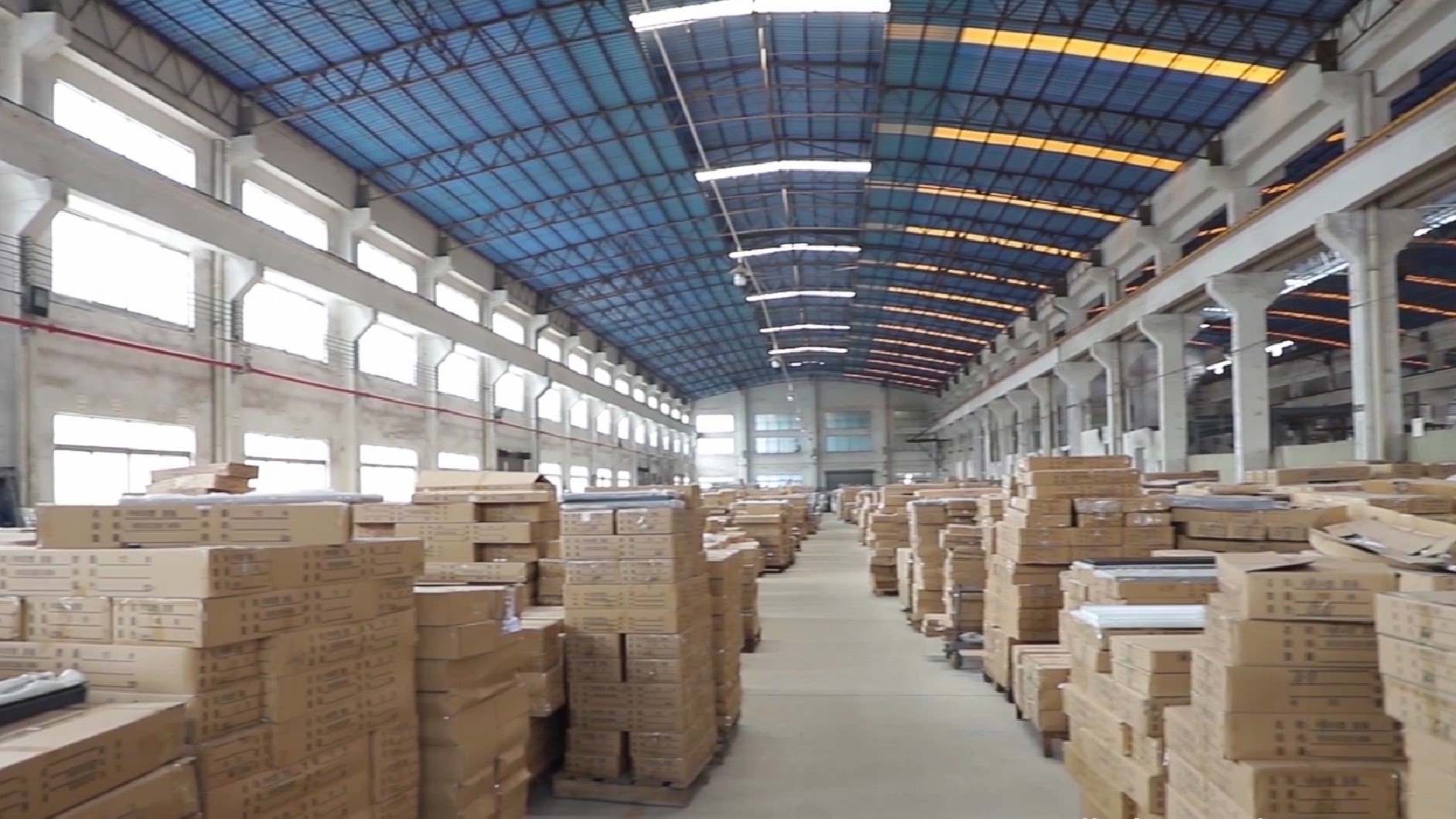
Established in 2014, Shenzhen Heda Warehouse Equipment Co., Ltd. is a premier manufacturer specializing in heavy-duty warehouse racking and industrial storage solutions. Spanning a modern manufacturing facility of 35,000 m², our enterprise integrates R&D, design, production, and international marketing to serve diverse storage needs worldwide. With 12 years of industry experience and 8 years of dedicated export expertise, we deliver high-caliber storage systems that generate over $28 million in annual export revenue.
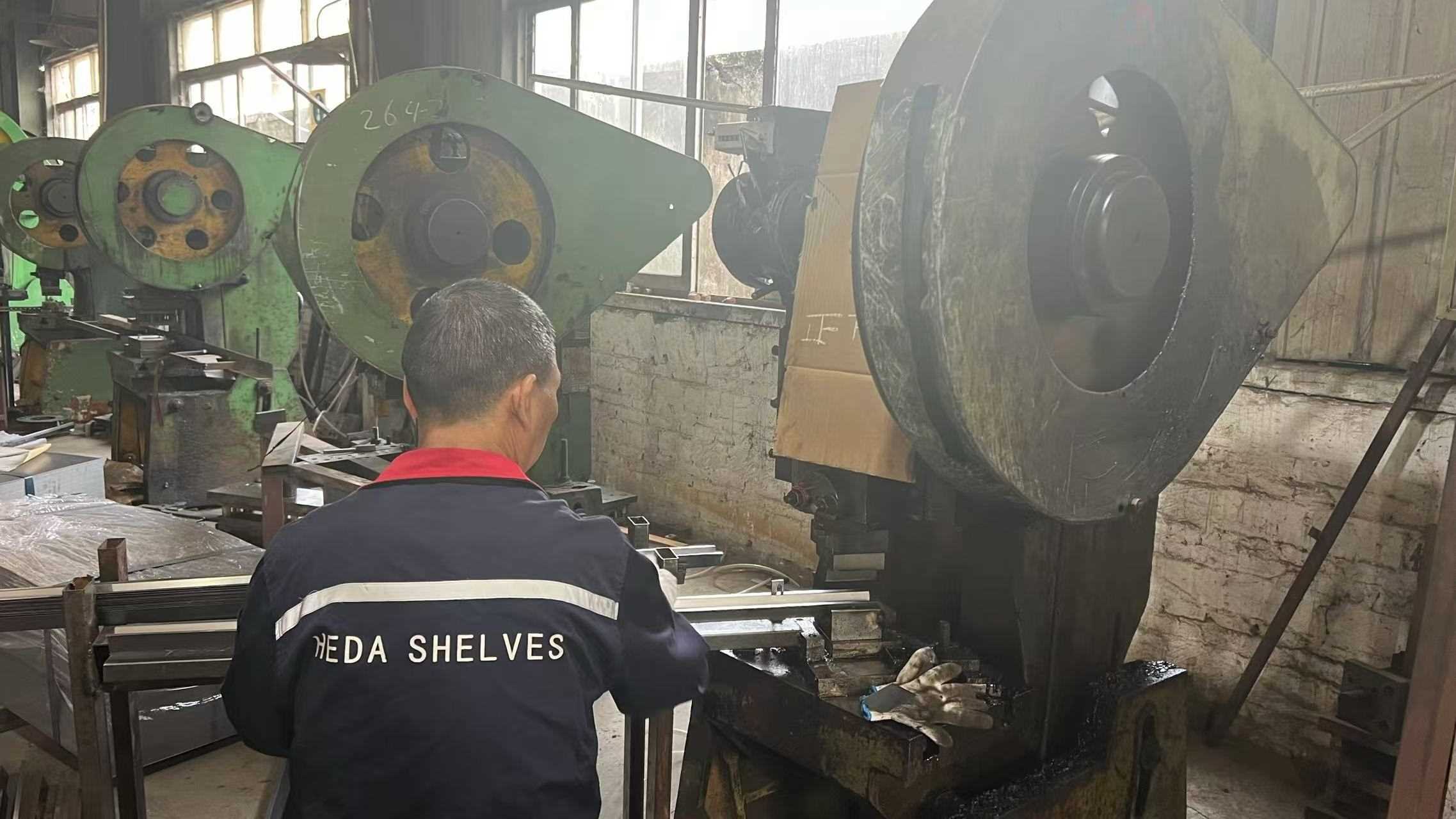
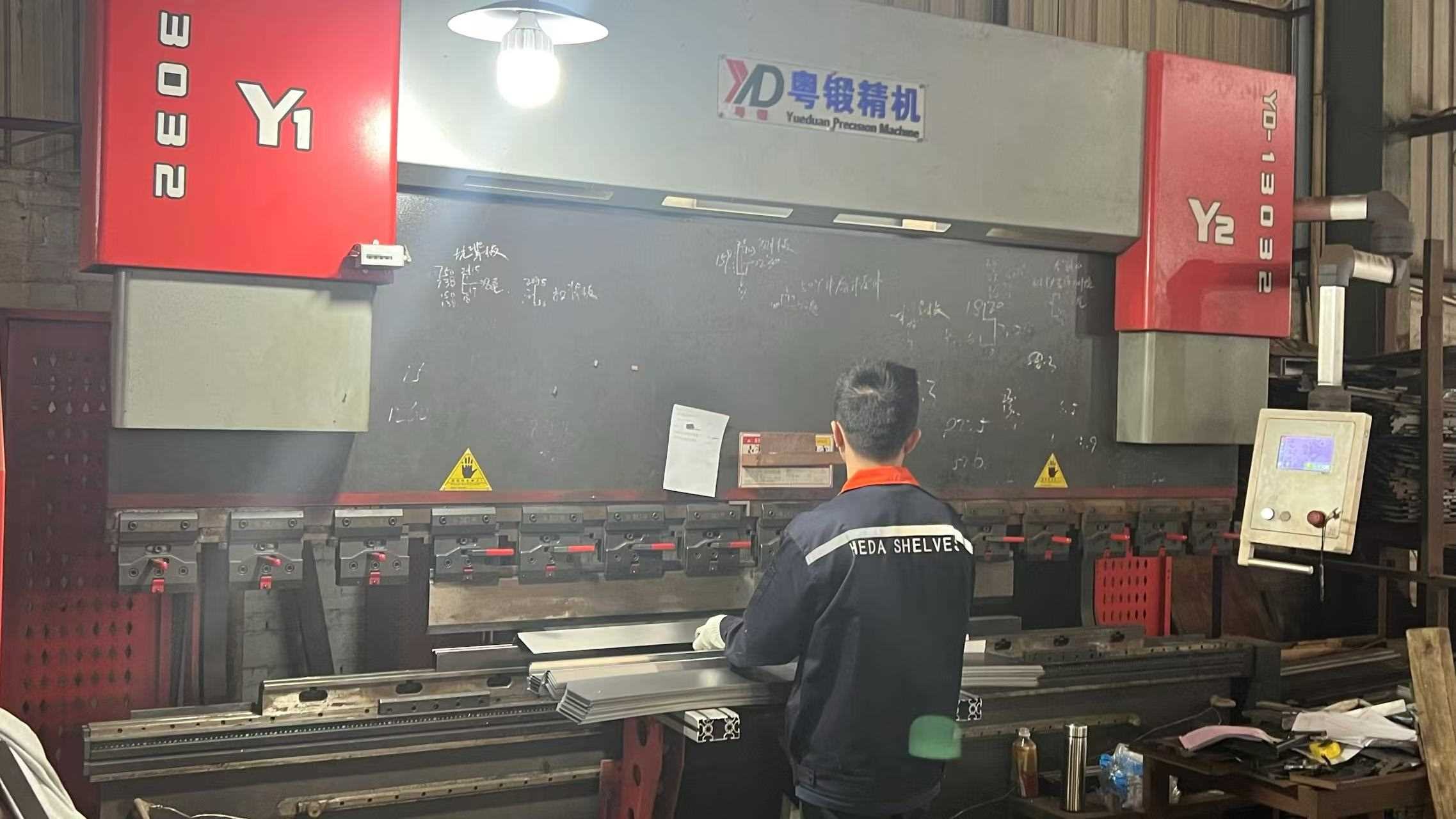
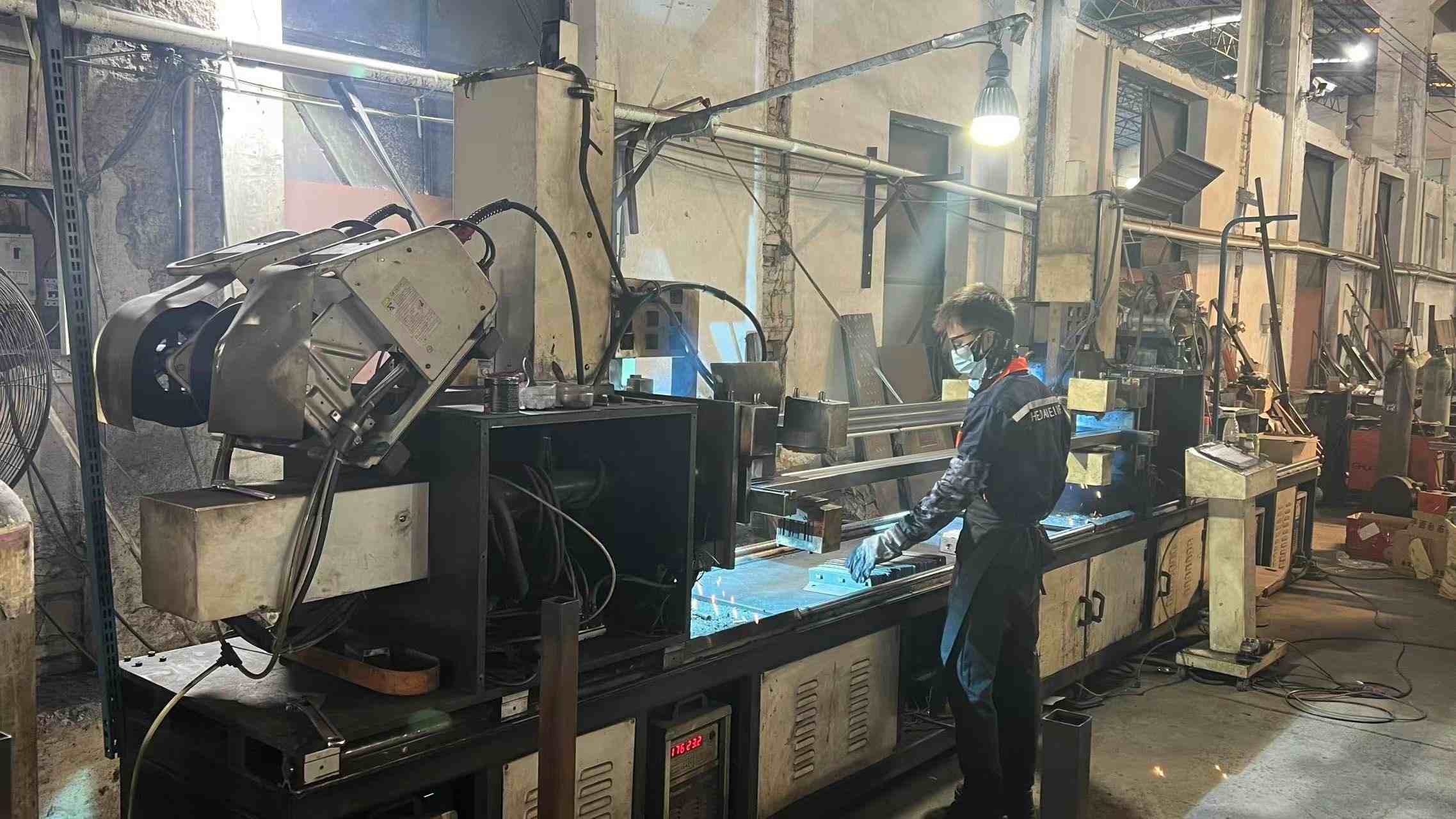
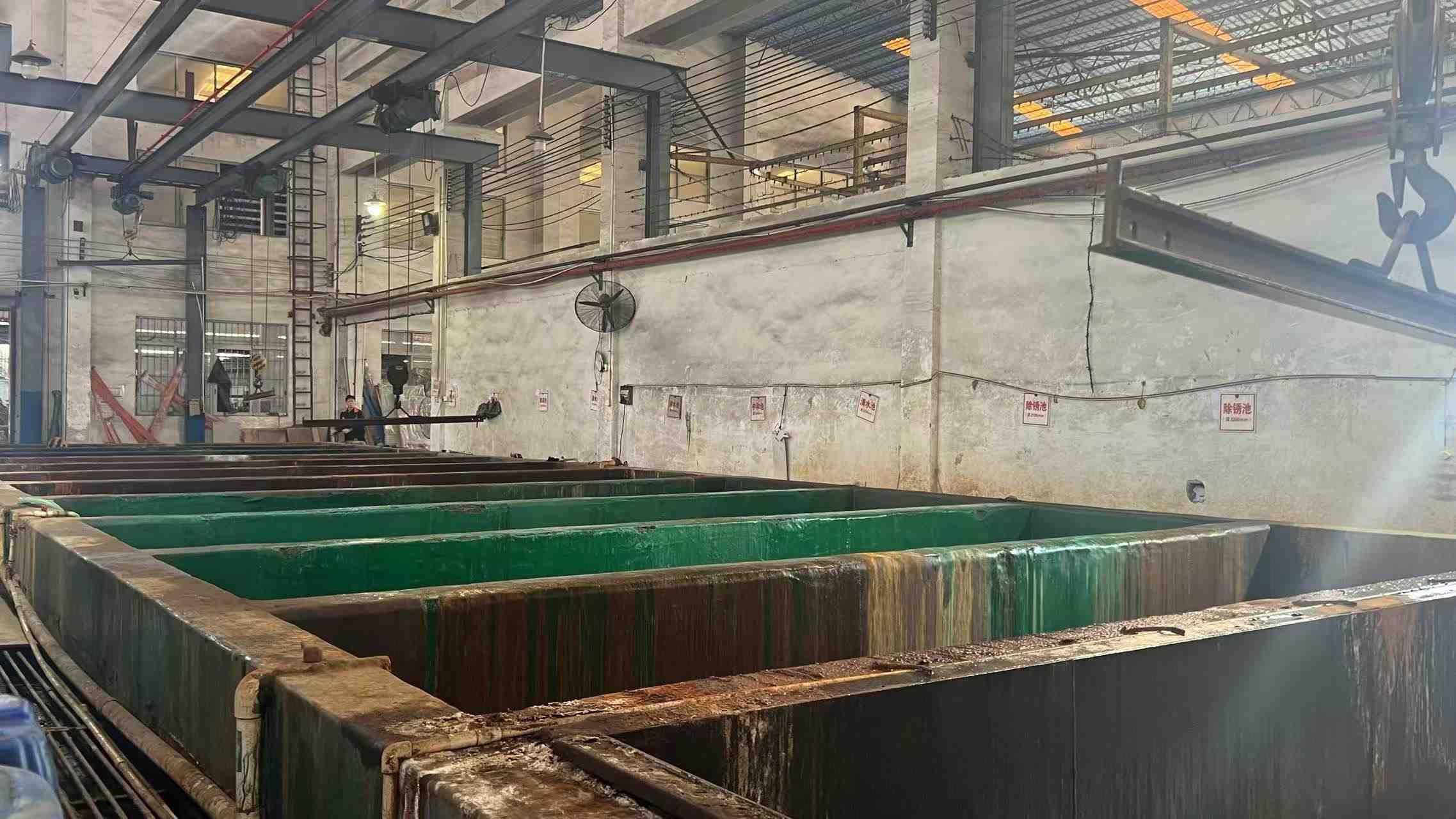
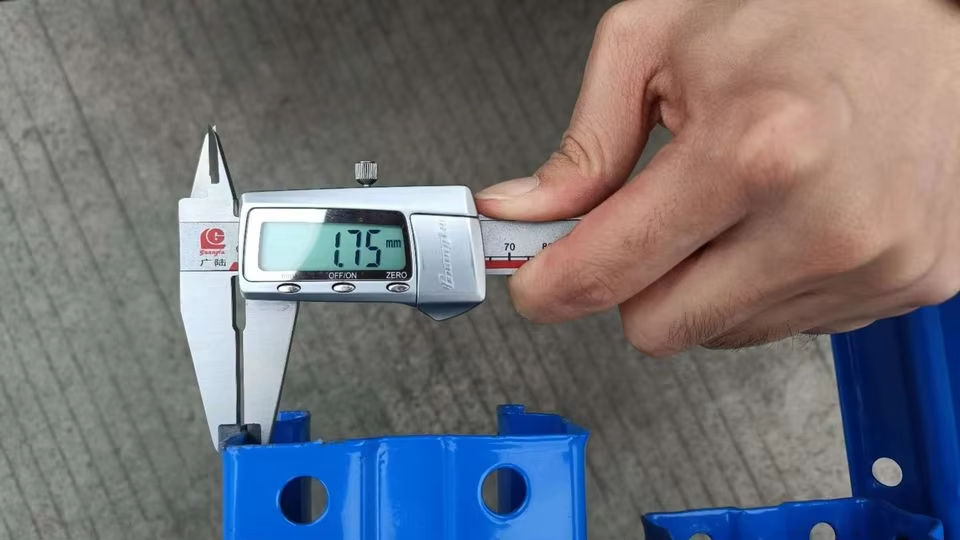
At Heda, quality control and engineering innovation drive our core operations. Our robust QC department comprises 45 skilled inspectors utilizing rigorous testing methods, including raw material tensile testing, automated weld flaw detection, layer load-bearing stress analysis, and salt spray surface corrosion testing.
Supported by a professional R&D team of 28 senior structural engineers, we maintain strong full-customization capabilities (OEM/ODM)—offering tailored rack dimensions, load capacities, surface coatings, and layout designs. Driven by continuous innovation, we launched over 120 new dynamic storage products and component upgrades last year.
Operating with a strong direct-factory and international trade background, we have built a resilient ecosystem supported by over 800 supply chain partners. Our products are exported to major global markets, including North America, Western Europe, Southeast Asia, and the Middle East, serving third-party logistics (3PL) providers, cold chains, and large-scale industrial manufacturing hubs.
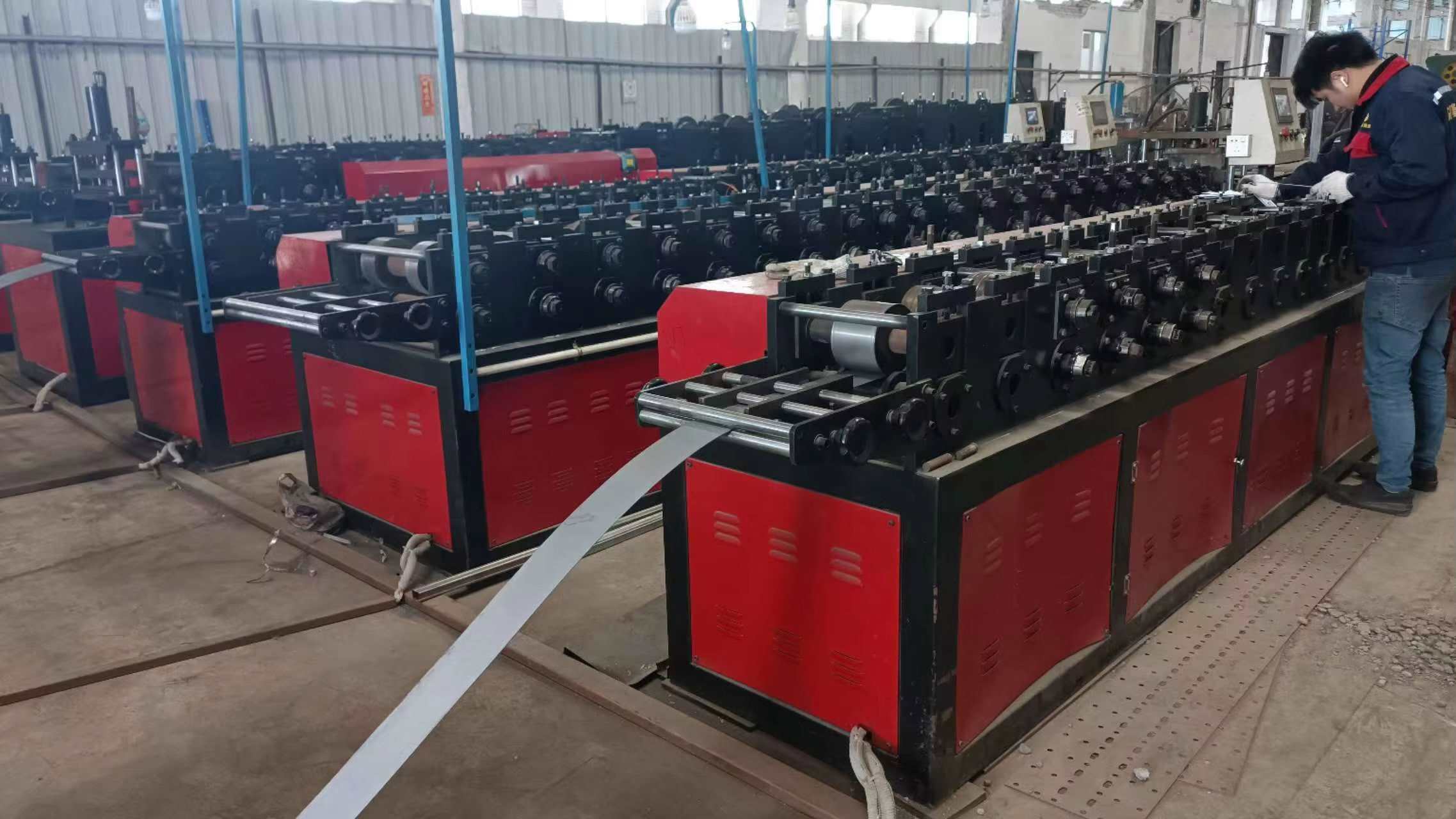
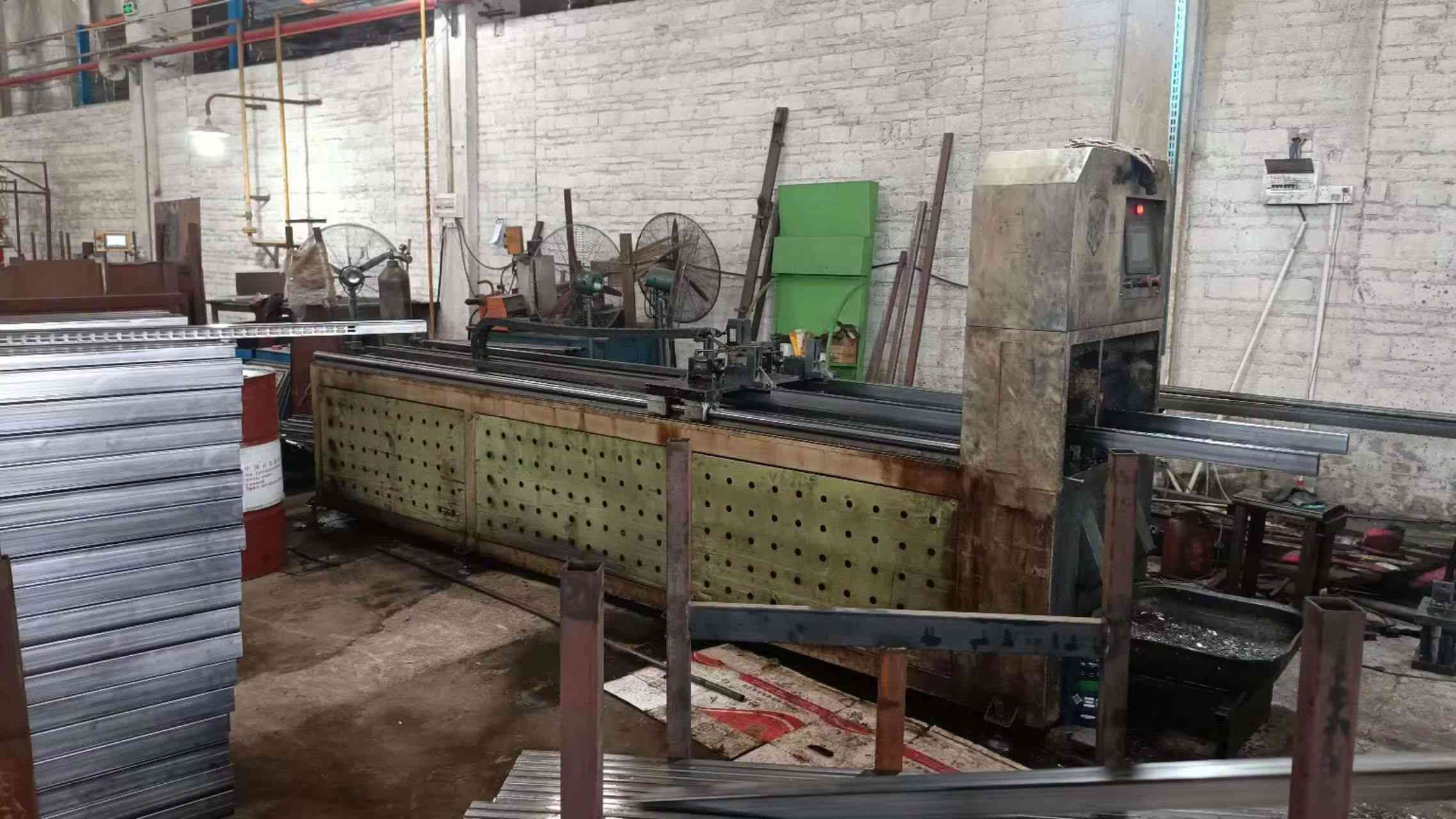
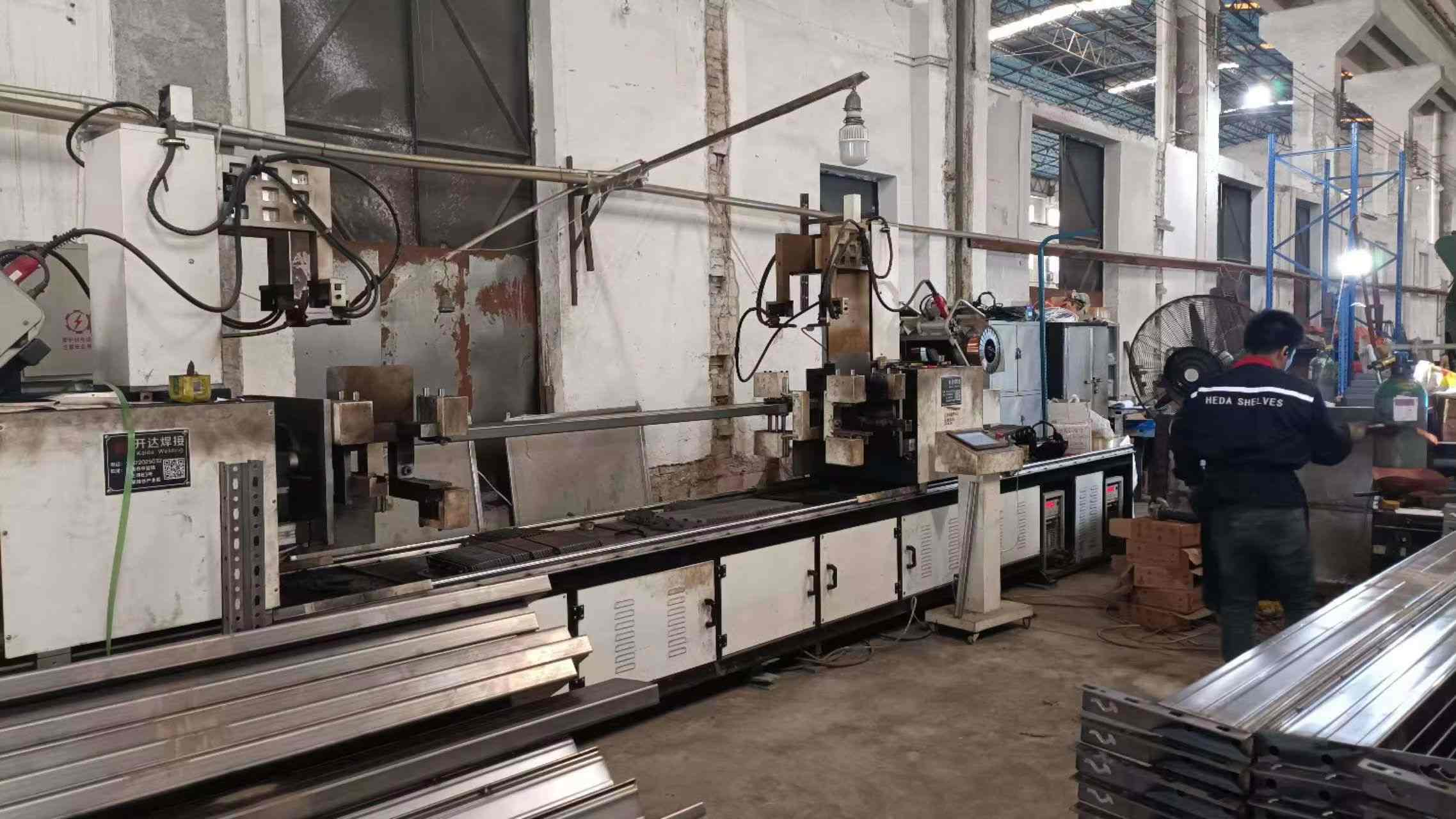
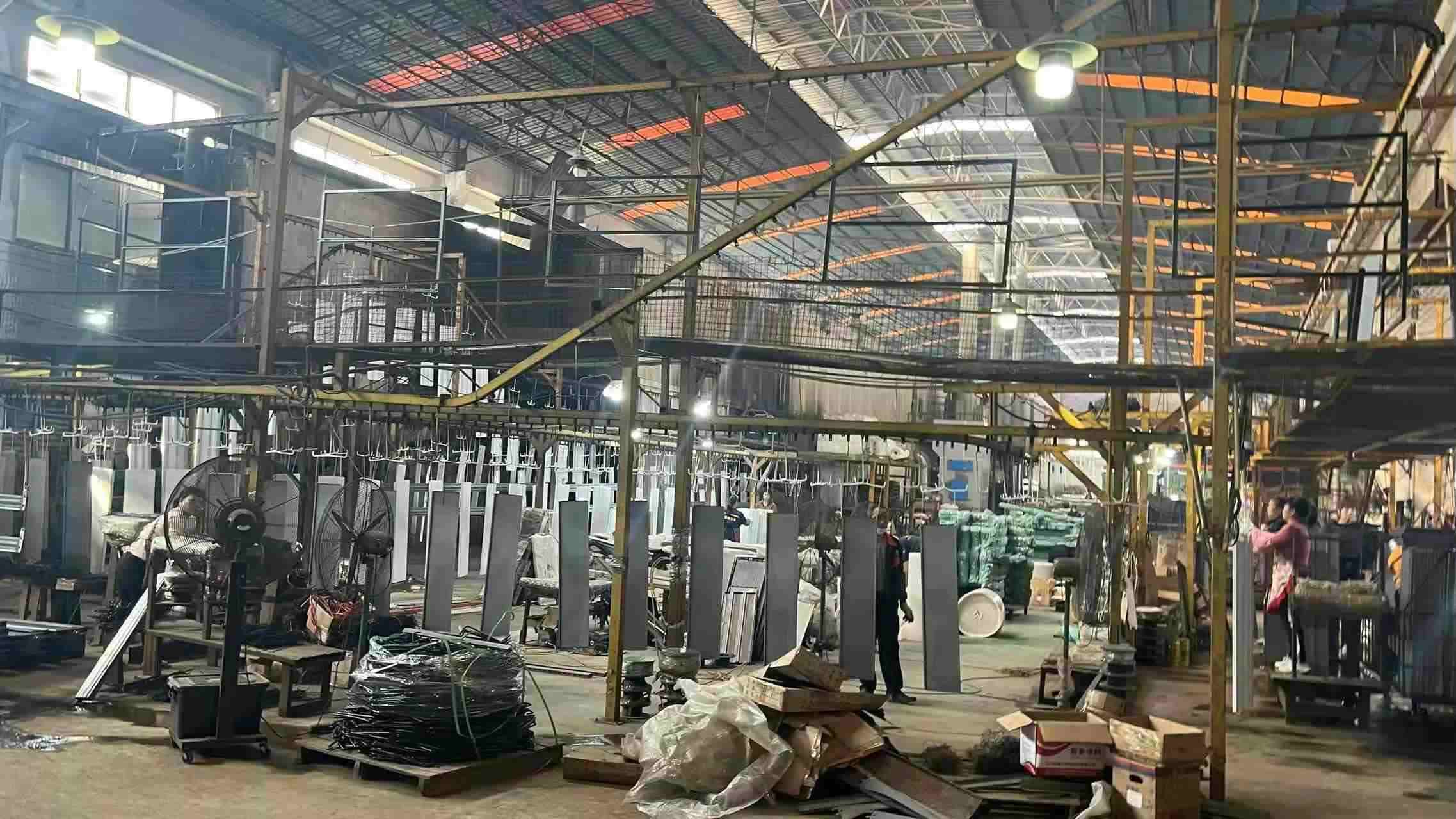
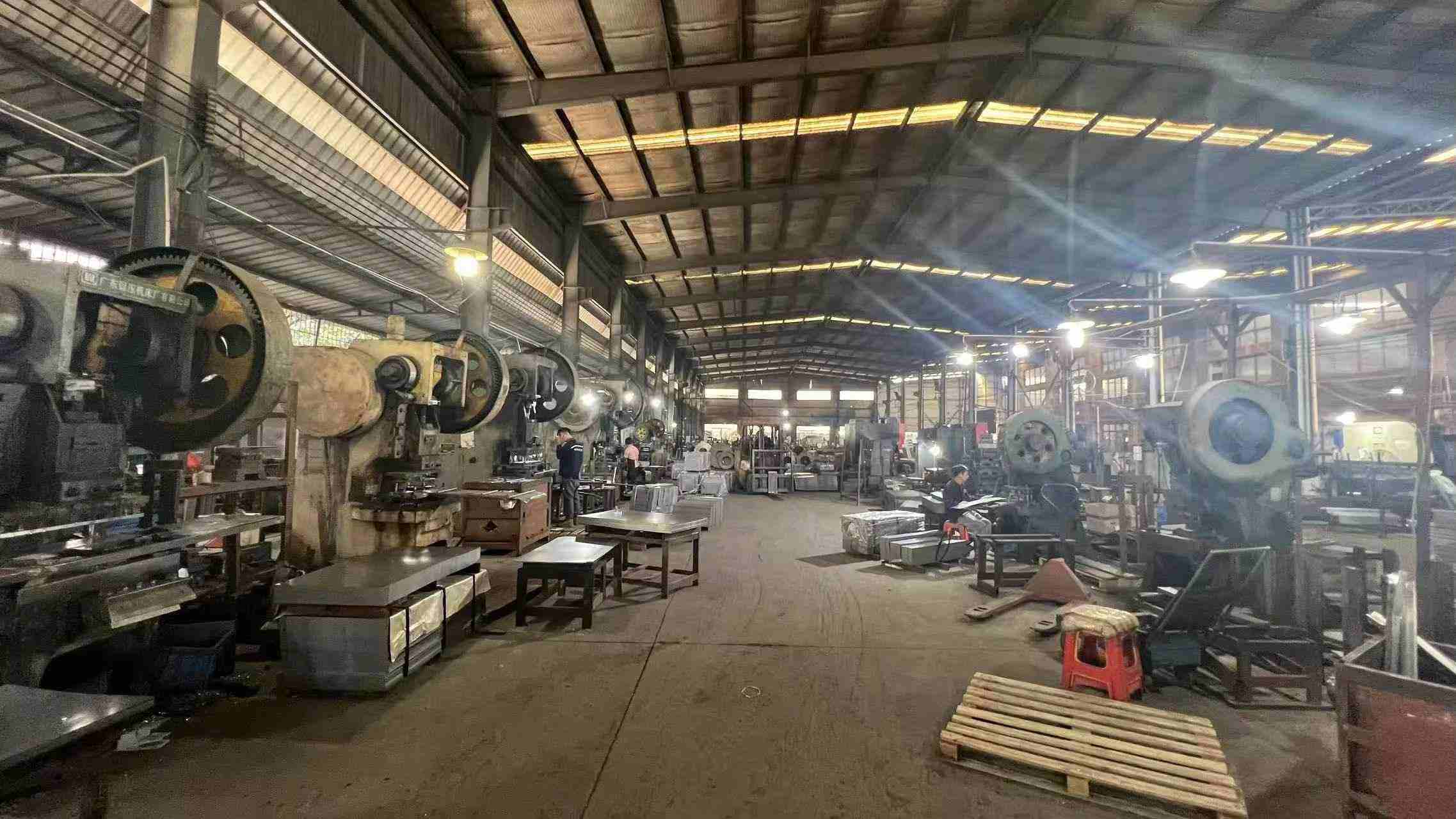
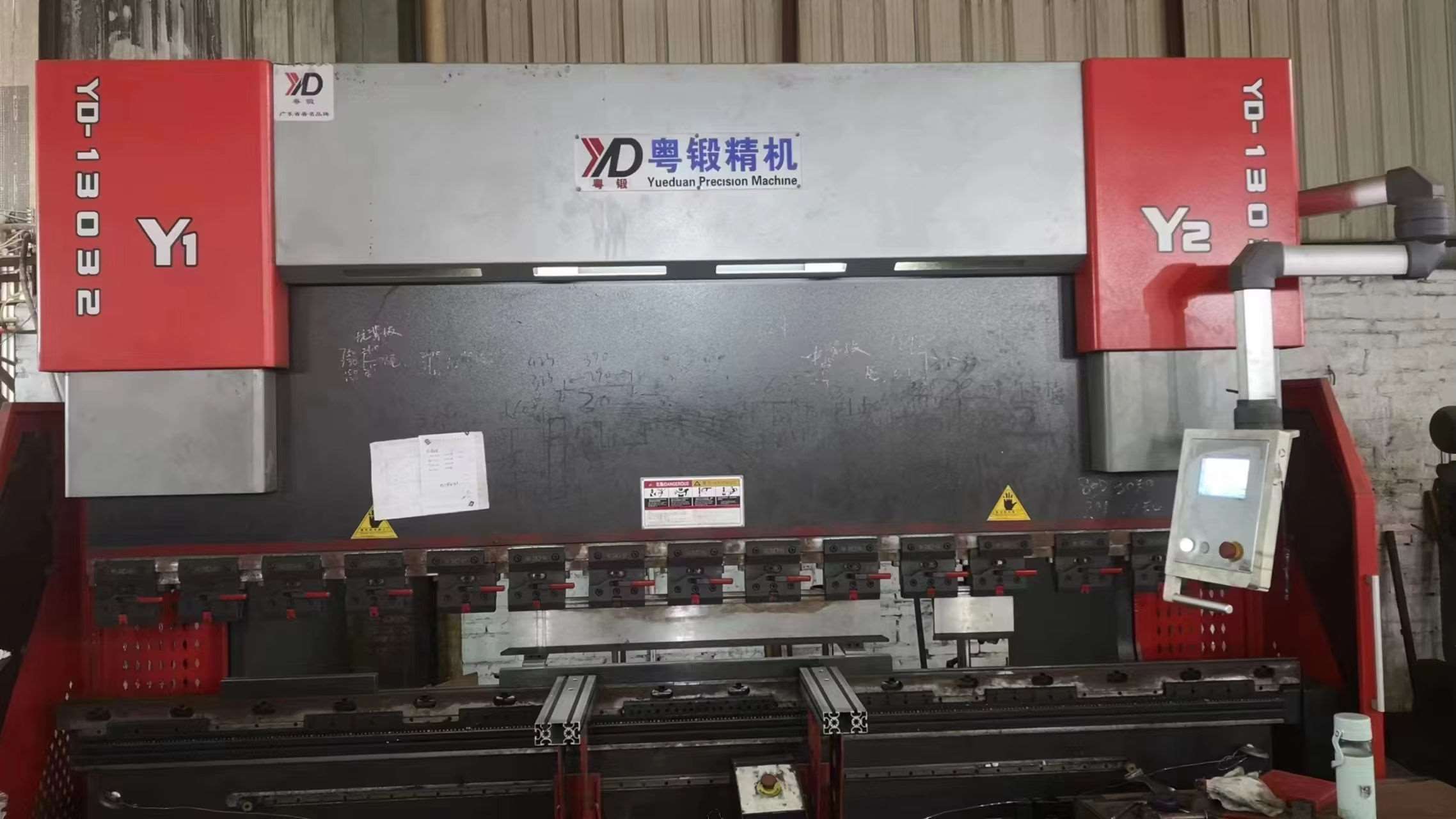
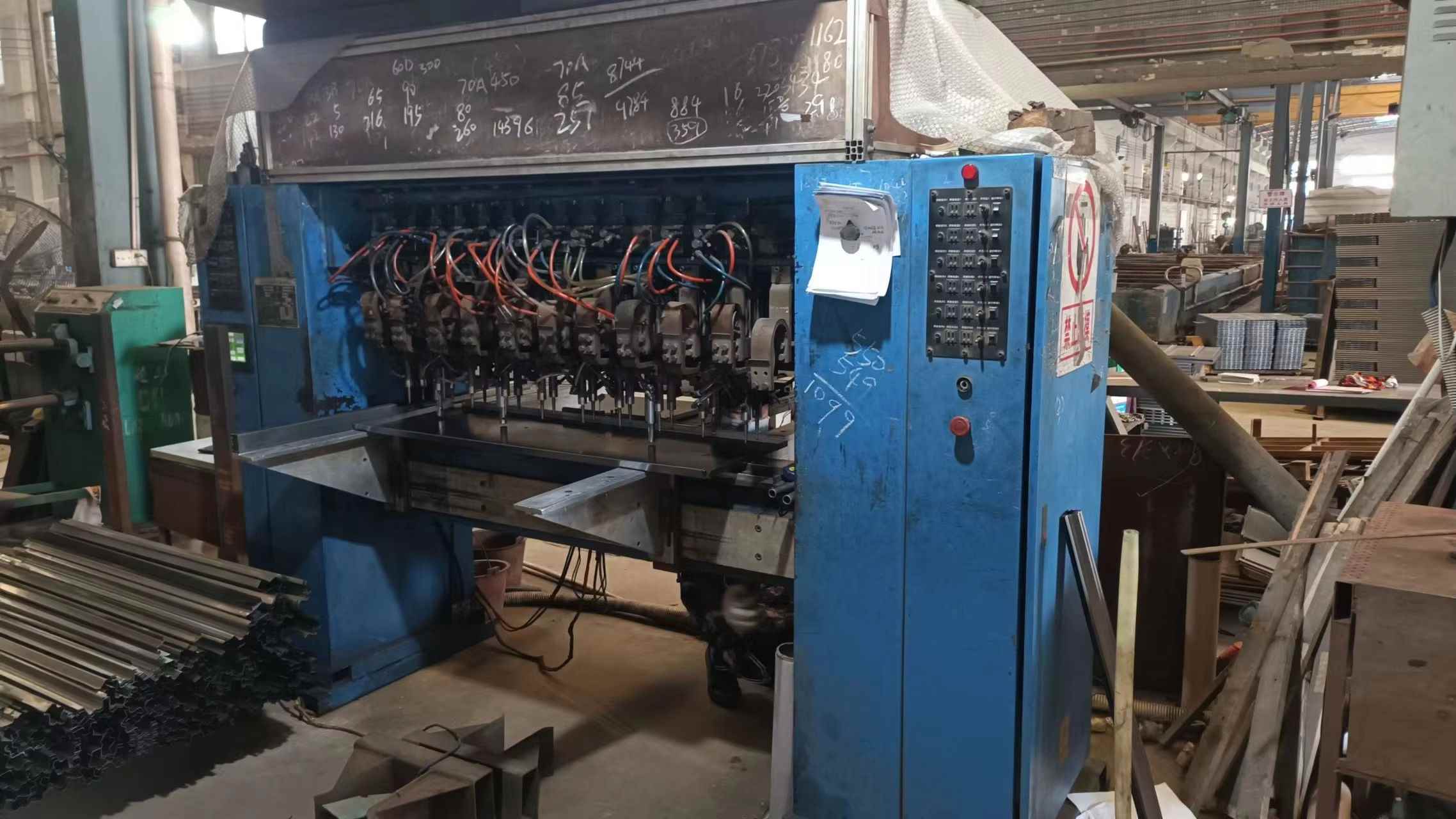
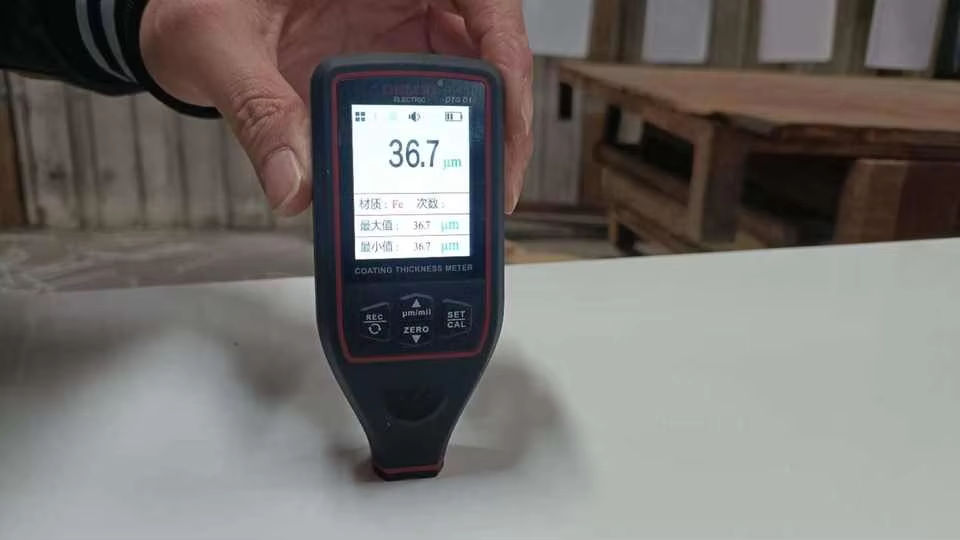
From raw materials verification to dynamic testing, look inside our state-of-the-art production pipeline.
High-Density Semi-Automated Warehousing: Comparative Efficiency, Engineering and Procurement Parameters.
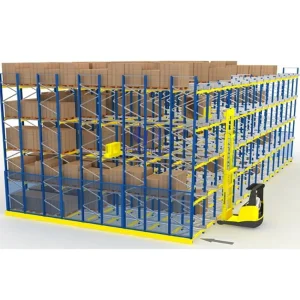
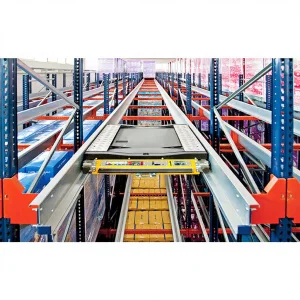
As modern warehouse footprints face unprecedented real estate costs, logistics operators must optimize volumetric efficiency without compromising throughput velocity. The Radio Shuttle Storage System represents a highly efficient evolution from traditional drive-in racking. Driven by autonomous shuttle carts operating on deep structural rails, the system eliminates the requirement for forklifts to enter storage bays. This drastically reduces transit times, minimizes risk of collision damage to the structural uprights, and optimizes the floor plan to a LIFO (Last-In, First-Out) or FIFO (First-In, First-Out) configuration.
Compared to selective racking systems, radio shuttle racking increases warehouse capacity by up to 80%. When contrasted with gravity flow or push-back systems, it accommodates significantly deeper lanes (often up to 40-60 meters depth), maintaining structural stability and lowering maintenance overheads. HEDA's automated systems feature smart radio control, laser alignment, and adaptive weight sensing to interface seamlessly with complex automated storage and retrieval systems (ASRS).
The manufacturing ecosystem in China, particularly within major industrial zones such as Shenzhen and Jiangsu, offers unmatched structural supply chain advantages. These include:
Modern system design requires evaluating the technical scope between 2-Way (forward/reverse movement within a single bay direction) and 4-Way (omni-directional lane-changing) shuttles. The table below lists the technical parameters considered by warehouse engineering teams during procurement:
| Performance Criteria | 2-Way Radio Shuttle | 4-Way Intelligent Shuttle |
|---|---|---|
| Operational Axis | X-Axis only (Straight lane path) | X-Y Axes (Omni-directional navigation) |
| Throughput Capacity | Moderate-High (Forklift dependent bay shift) | Ultra-High (Autonomous lift coordination) |
| Integration Level | Manual Forklift + Shuttle Unit Control | Full WCS / WMS Software Integration |
| Cold Storage Compatibility | Excellent (Designed down to -25°C) | Excellent (Requires specialized low-temp batteries) |
When sourcing racking systems globally, engineers must verify that structural designs withstand dynamic local factors. Key points of assessment include:
Underpinned by three main core technical principles, maximizing throughput, system durability and workplace safety.
Constructed utilizing high-strength cold-rolled steel profiles with precision punch matrices to prevent structural warping under maximum loads.
Seamless WMS integration allows rapid dispatching of robotic shuttle vehicles, shortening load-unload cycle times.
Equipped with obstacle radar arrays, anti-slip rails, emergency brakes, and physical guide paths to ensure operator safety.
Technical clarifications on structural engineering, cold-chain operations, and layout design configurations.
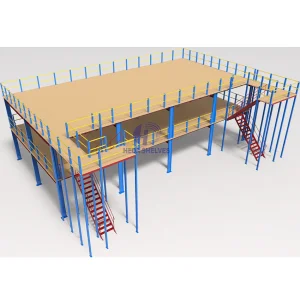
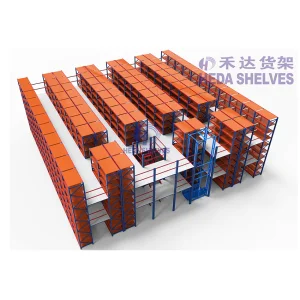
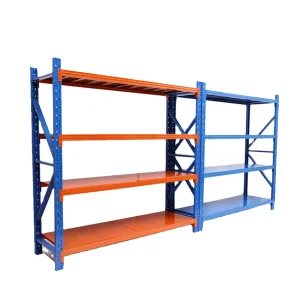
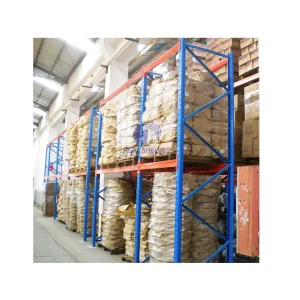
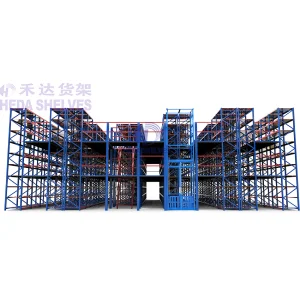
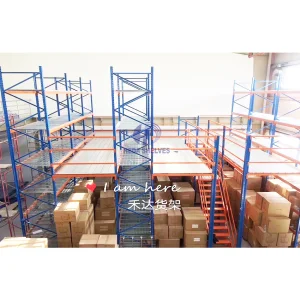
Expanding storage verticality through robust steel structures, multi-tier platforms and specialized heavy-duty systems.
 Hedaracking