China Wholesale Stackable Containers Factories & Factory

Next-Gen Industrial Storage Architecture, High-Capacity Structural Racking, and Global Procurement Engineering Solutions.

Shenzhen Heda Warehouse Equipment Co., Ltd.

Leading the Global Transition to High-Density, Structurally Sound Stackable Containment and Racking Infrastructures.

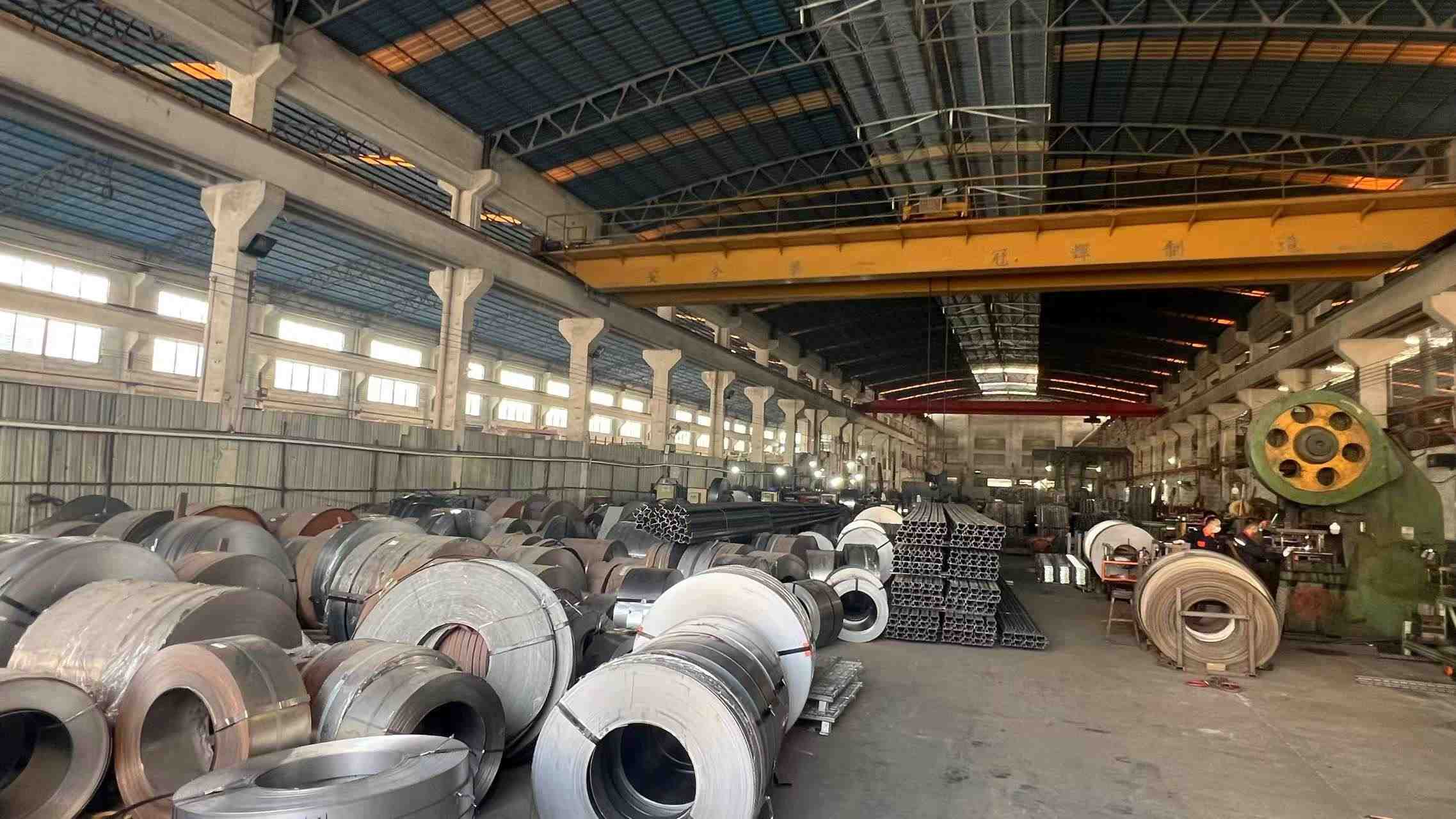
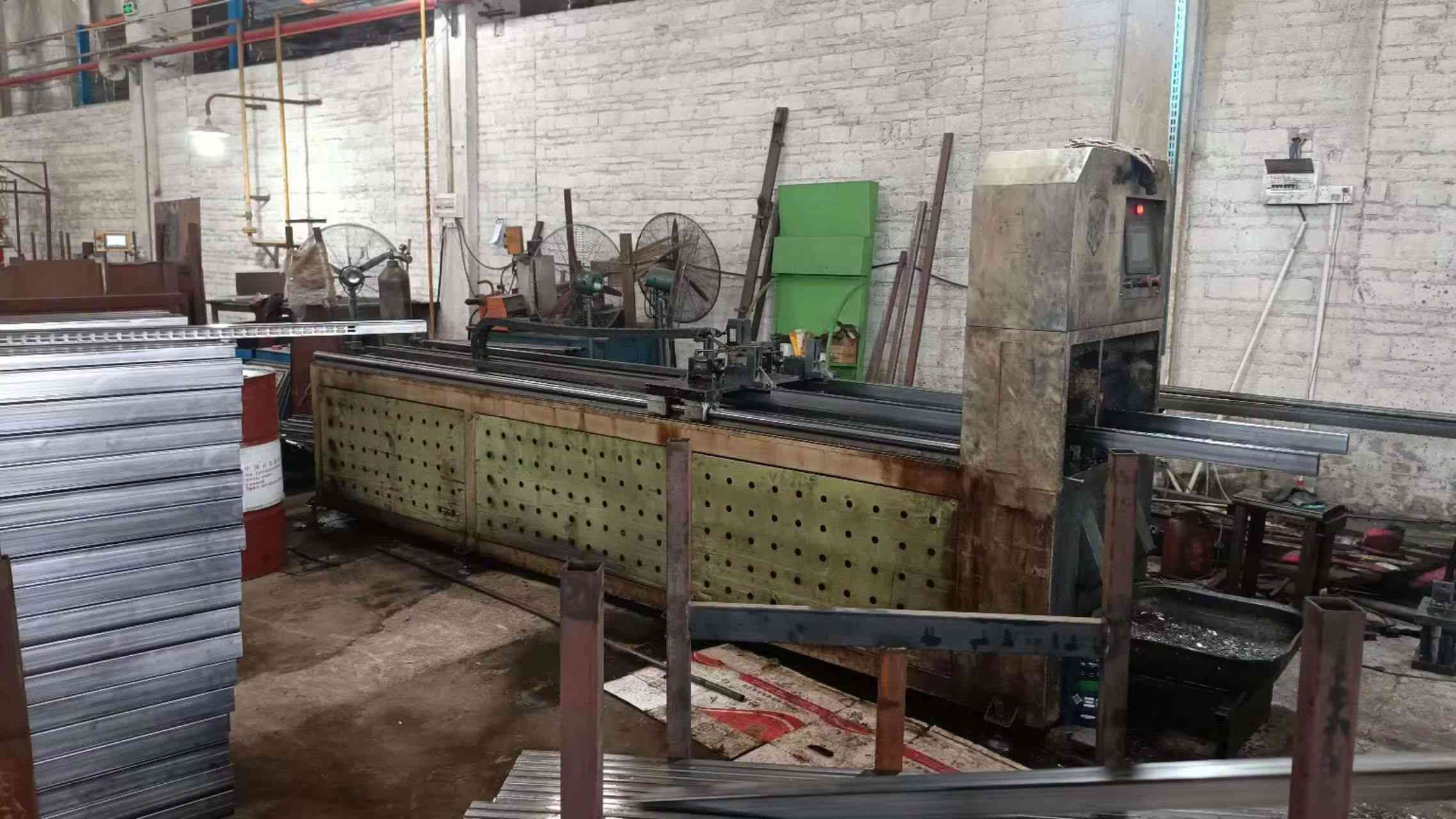
Established in 2014, Shenzhen Heda Warehouse Equipment Co., Ltd. is a premier manufacturer specializing in heavy-duty warehouse racking, industrial stackable systems, and smart structural space optimization. Spanning a state-of-the-art manufacturing footprint of 35,000 m², our enterprise seamlessly integrates dynamic research and development (R&D), structural engineering, advanced manufacturing processes, and international commerce channels to address the complex requirements of modern warehouse operations globally.

With 12 years of core industry manufacturing experience and 8 years of dedicated export logistics expertise, we develop custom high-caliber storage platforms and material handling architectures that generate over $28 million in annual export revenue. Our operational framework is certified to international environmental, quality, and structural safety standards, providing global enterprises with absolute peace of mind.

  • Advanced Material Science: Certified cold-rolled structural steel compositions for maximum tensile load stability.
  • Optimized Safety Factors: All load calculations adhere to stringent FEM, ANSI, and AS4084 regulations.
  • Global Supply Reliability: Strategic logistics channels covering North America, Western Europe, Southeast Asia, and the Middle East.
35k+
Sq. Meters Facility
$28M+
Annual Export Value
45+
QC Inspectors
28+
R&D Engineers

Advanced Quality Control Department

Equipped with robotic tensile testing, non-destructive automated weld flaw detection, structural load-bearing stress analytics, and salt spray surface corrosion chambers to validate material integrity under extreme environments.

Vertical Integration: End-to-End Production Process

Explore the sophisticated stages of material transformations, robotic welding, precision finishing, and rigorous quality check procedures.

Raw Materials Control
Raw Materials
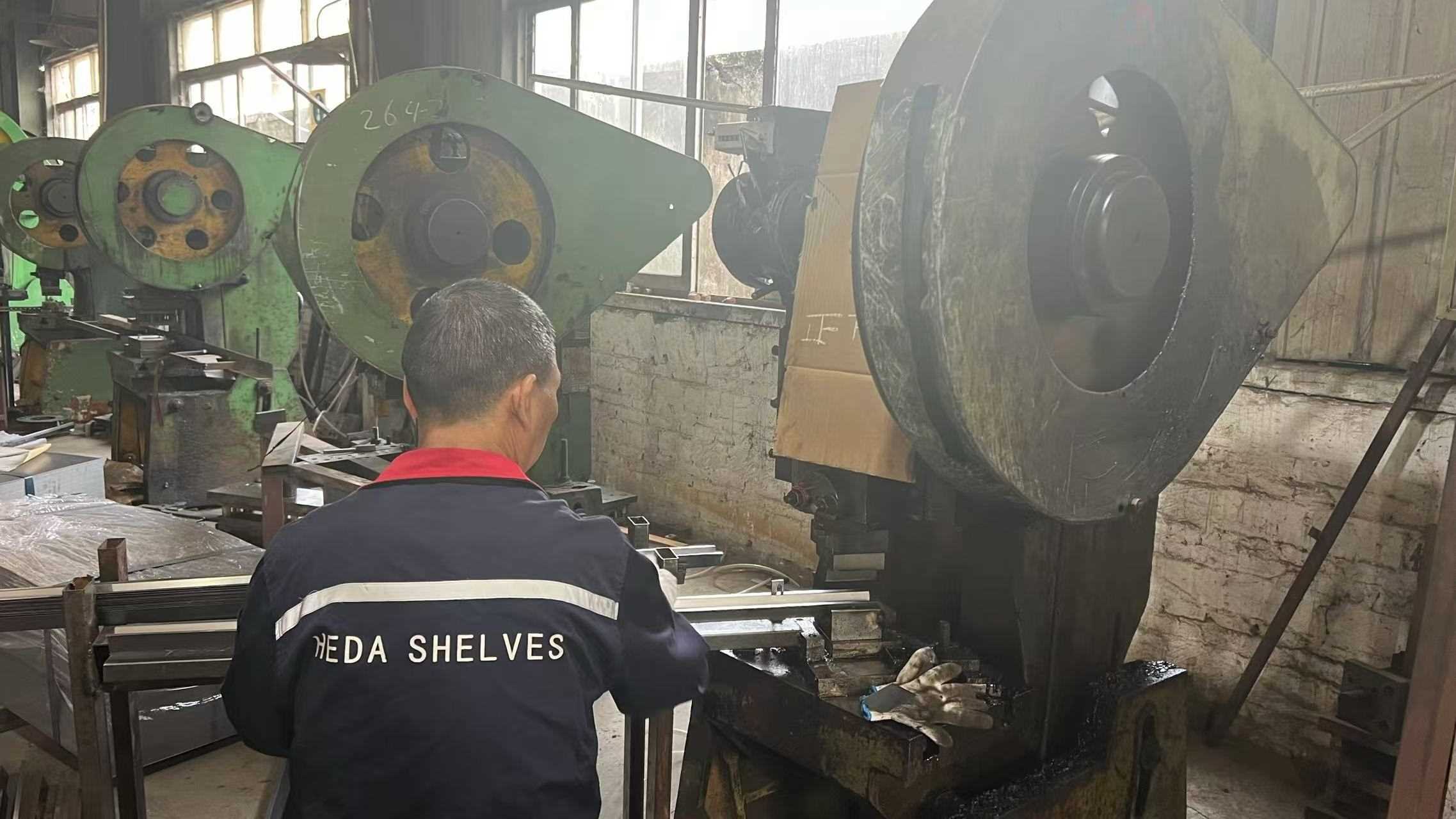
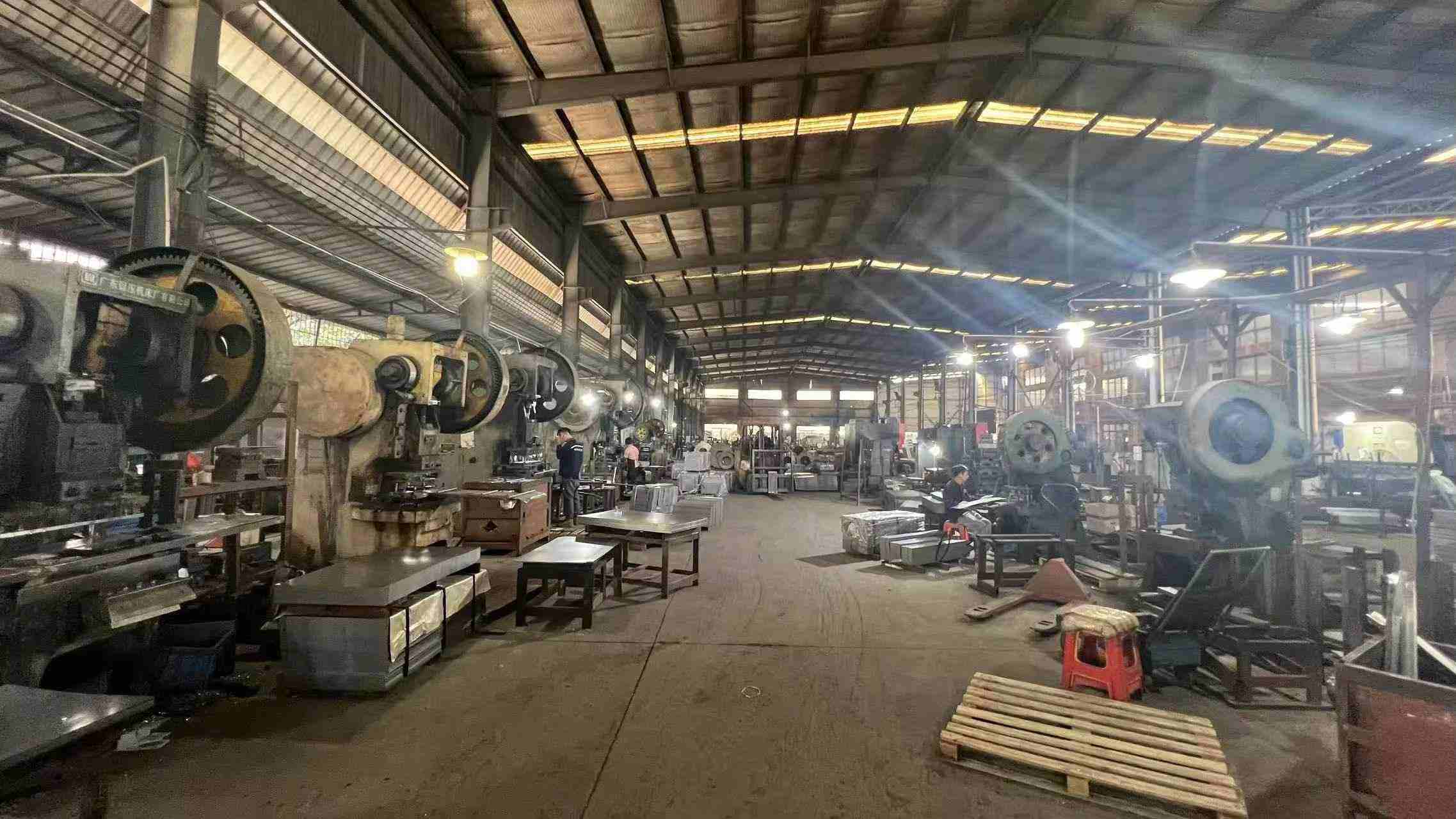
Stamping Phase
Stamping
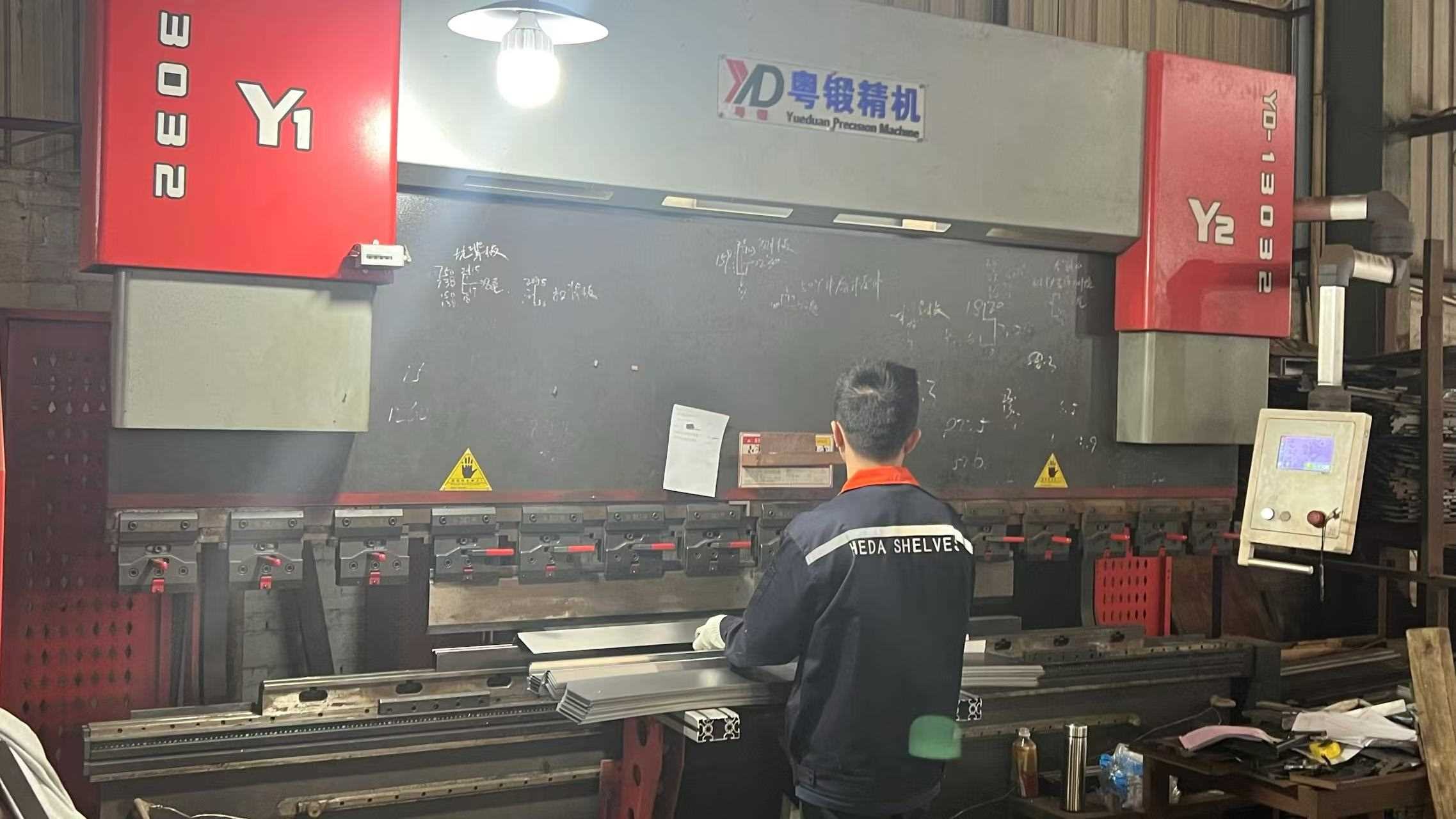
Bending Precision
Bending
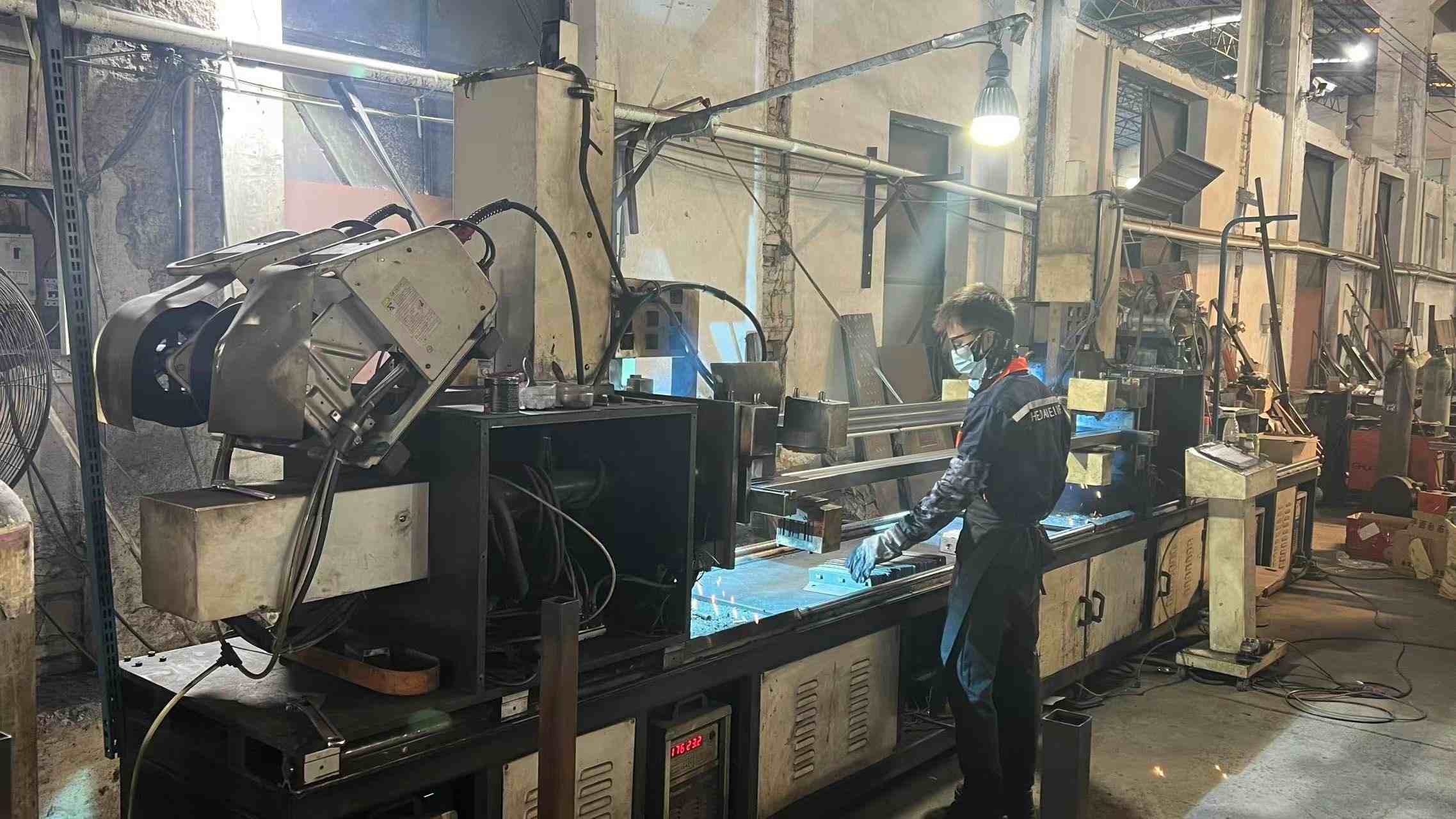
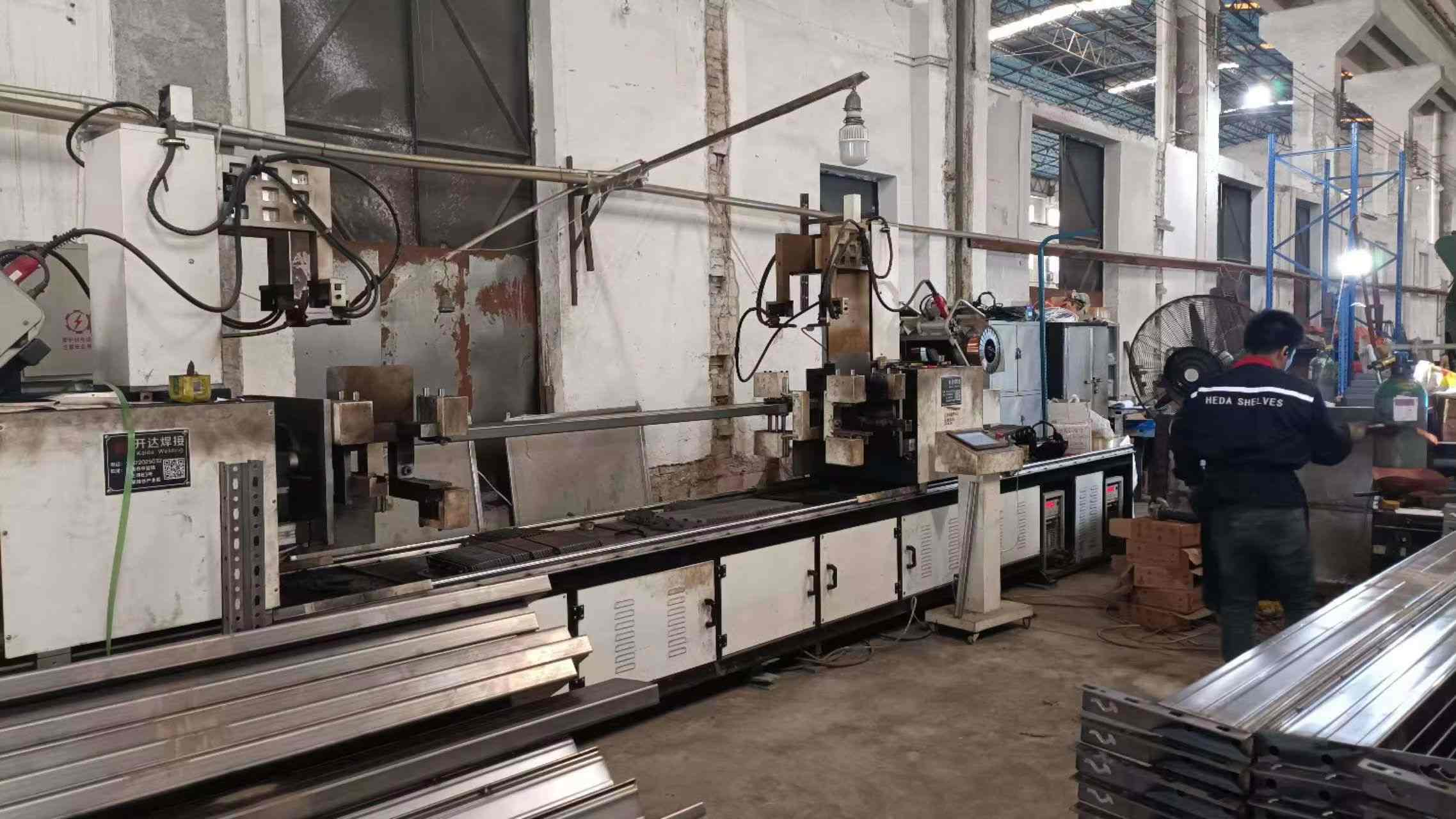
Robotic Welding
Welding
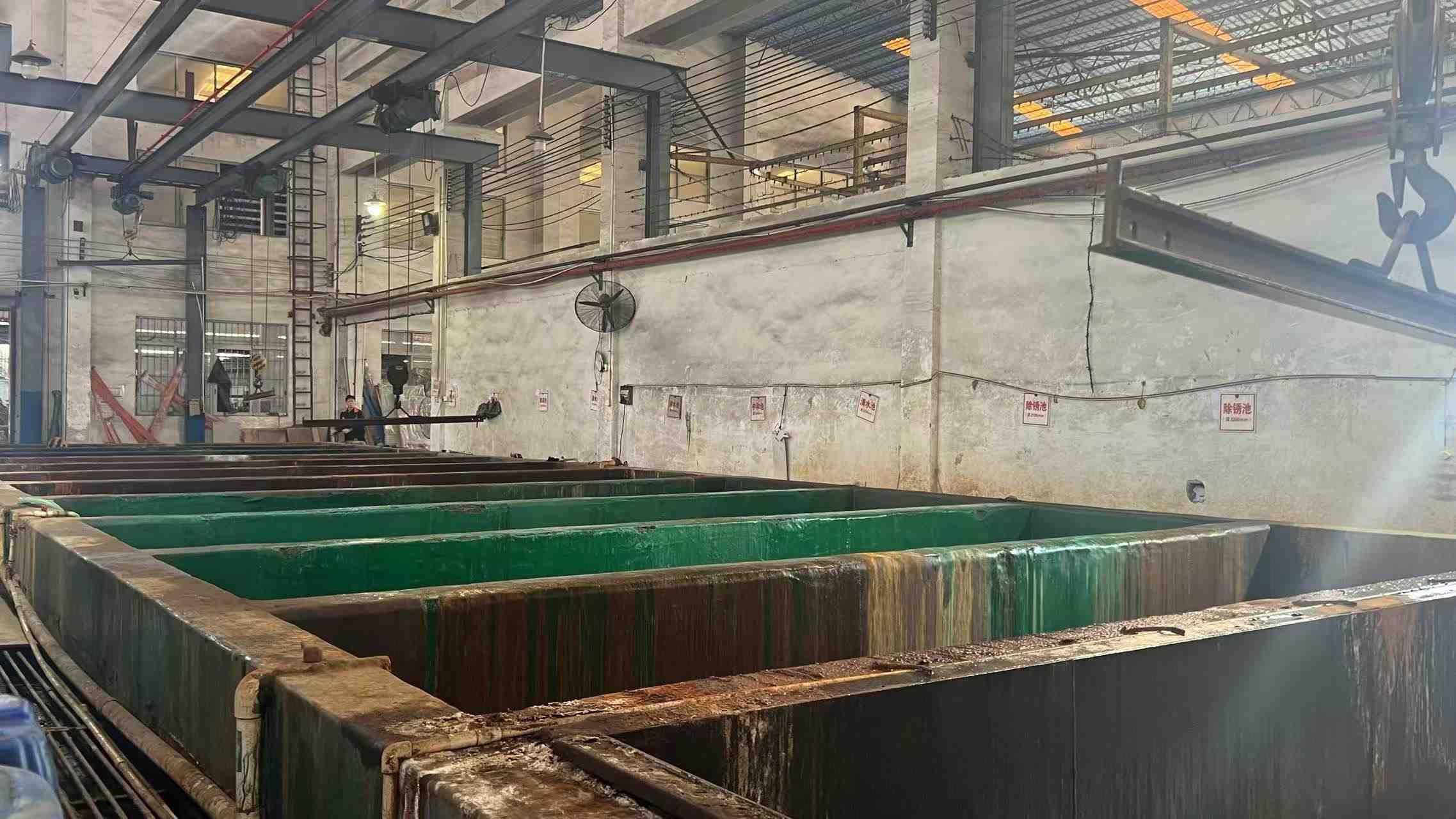
Acid-washing and Parkerising
Acid-washing & Parkerising
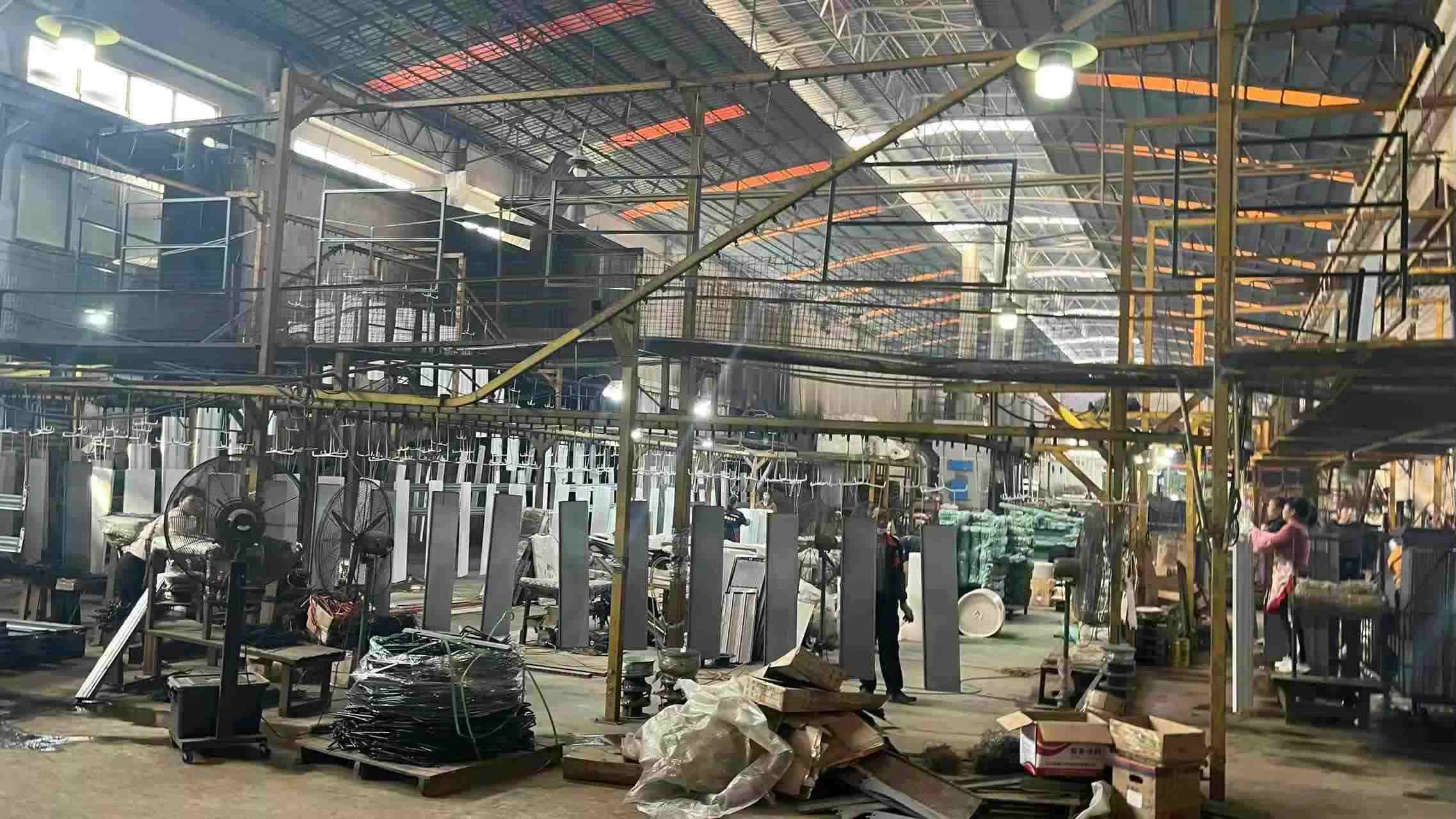
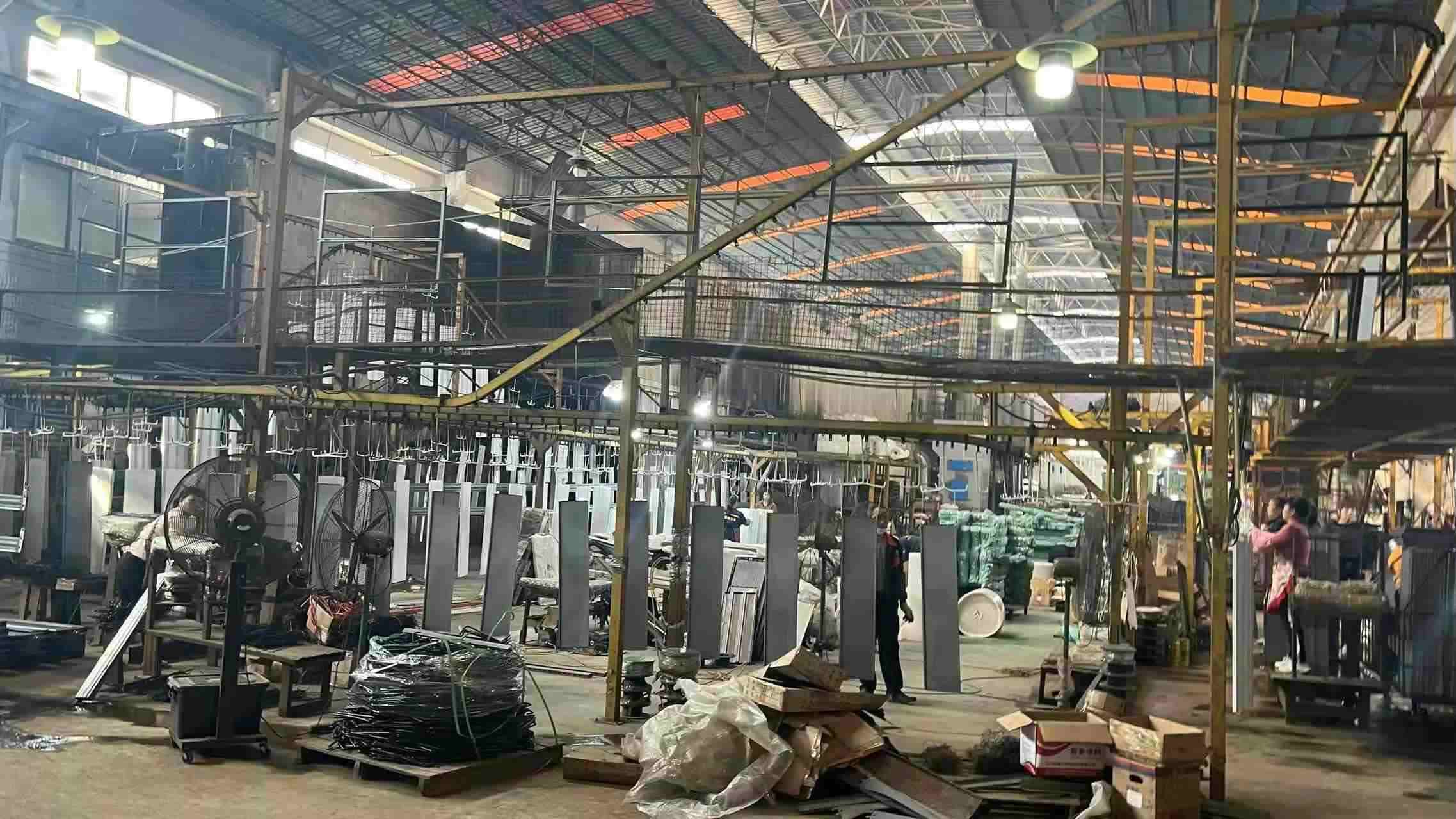
Epoxy Coating
Coating
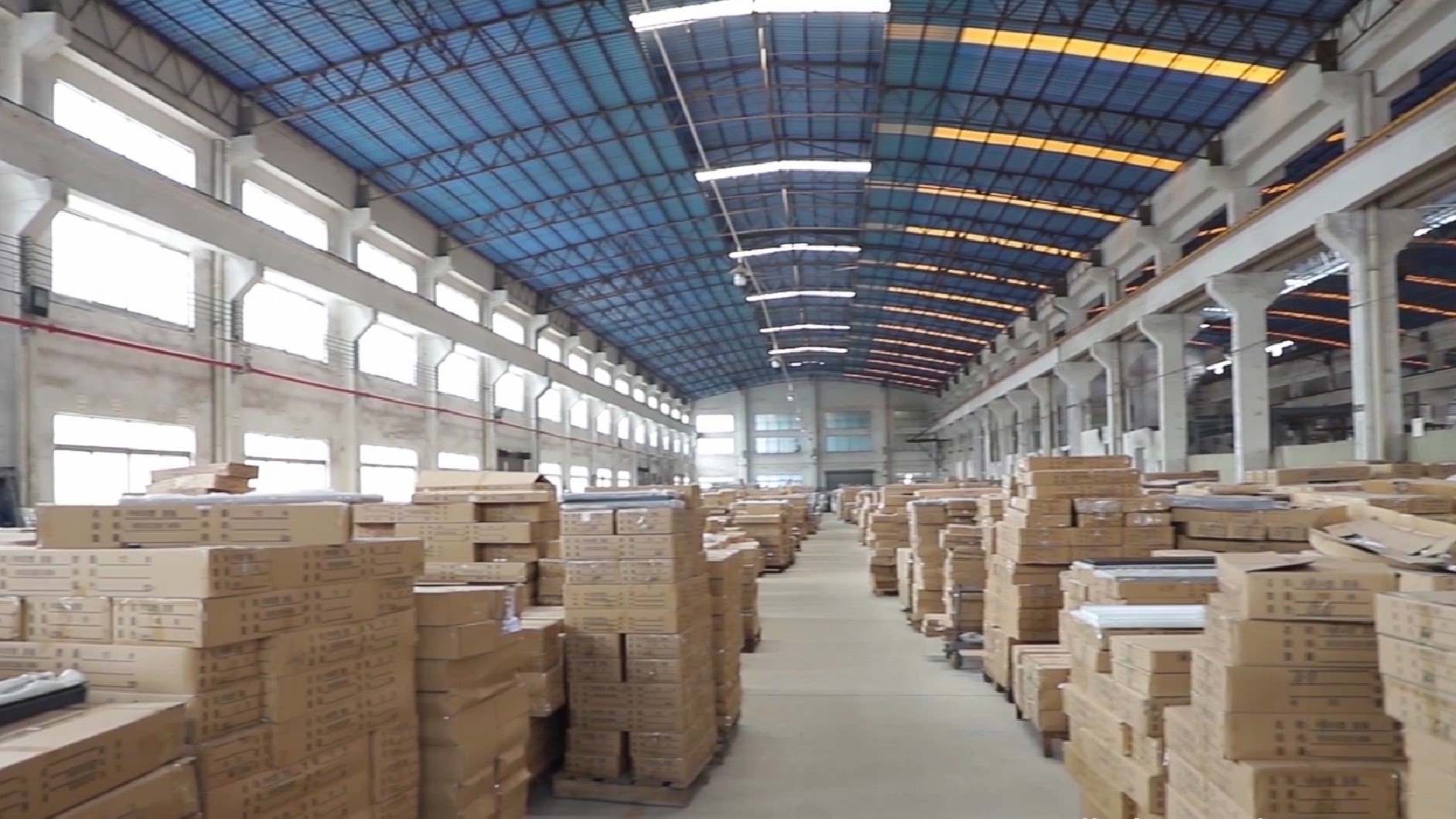
Warehouse Storage
Warehouse
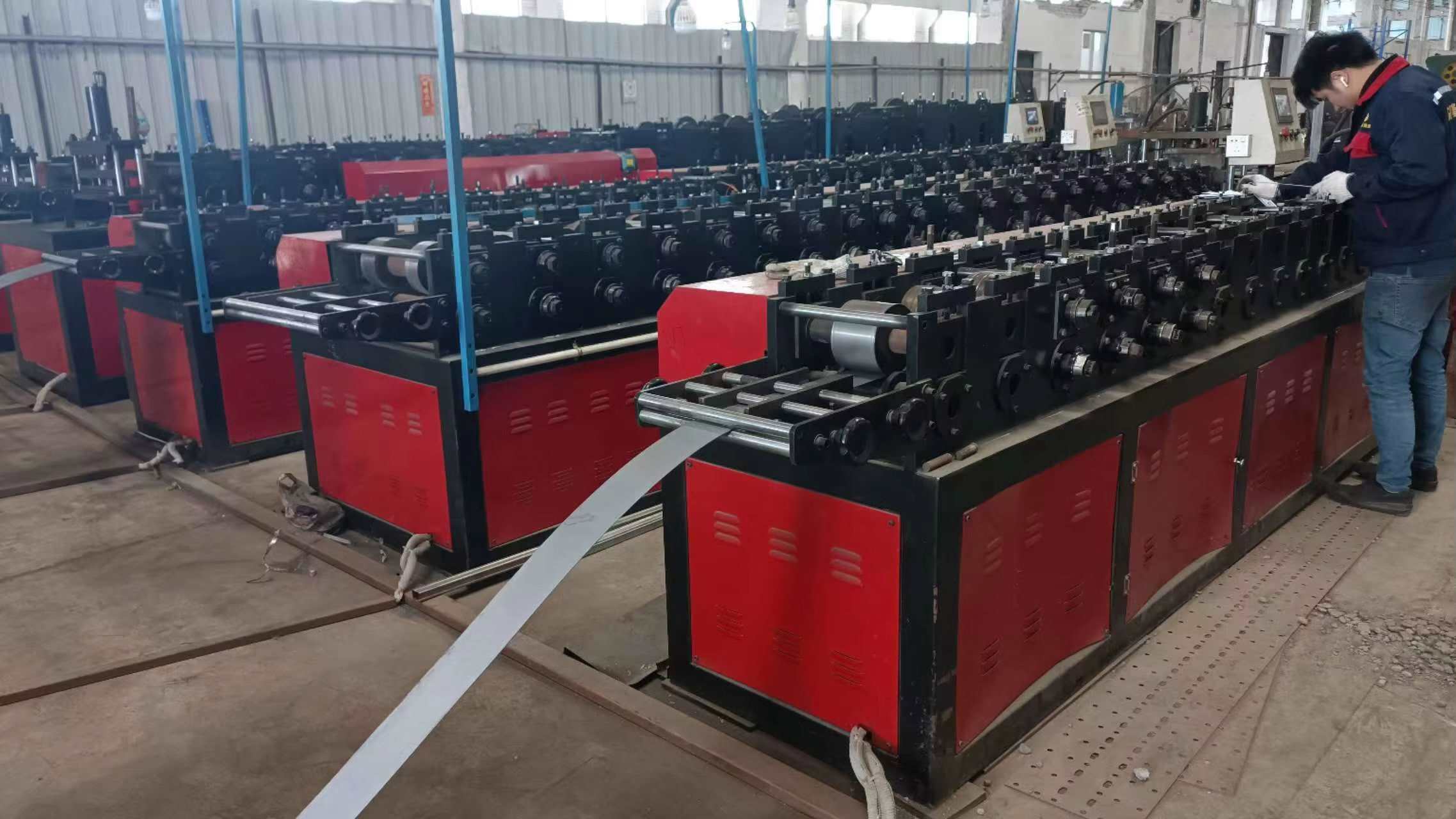
Rolling Mill
Rolling Mill
Fully Automatic Punching Machine
Auto Punching
Automatic Welding Machine
Auto Welding
Plastic Powder Coating Line
Powder Coating Line
Punching Machine
Punching Machine
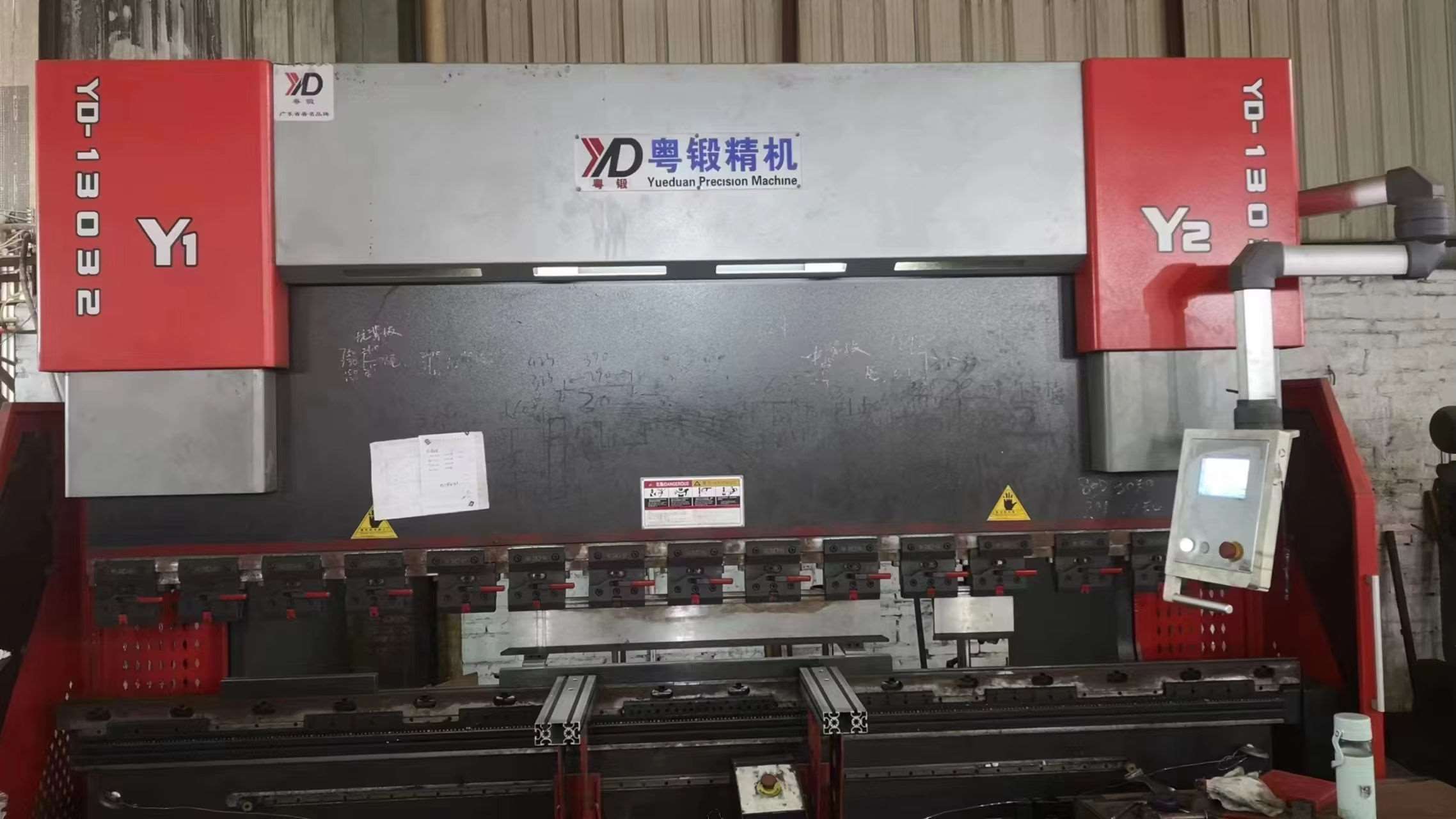
Bending Machine
Bending Machine
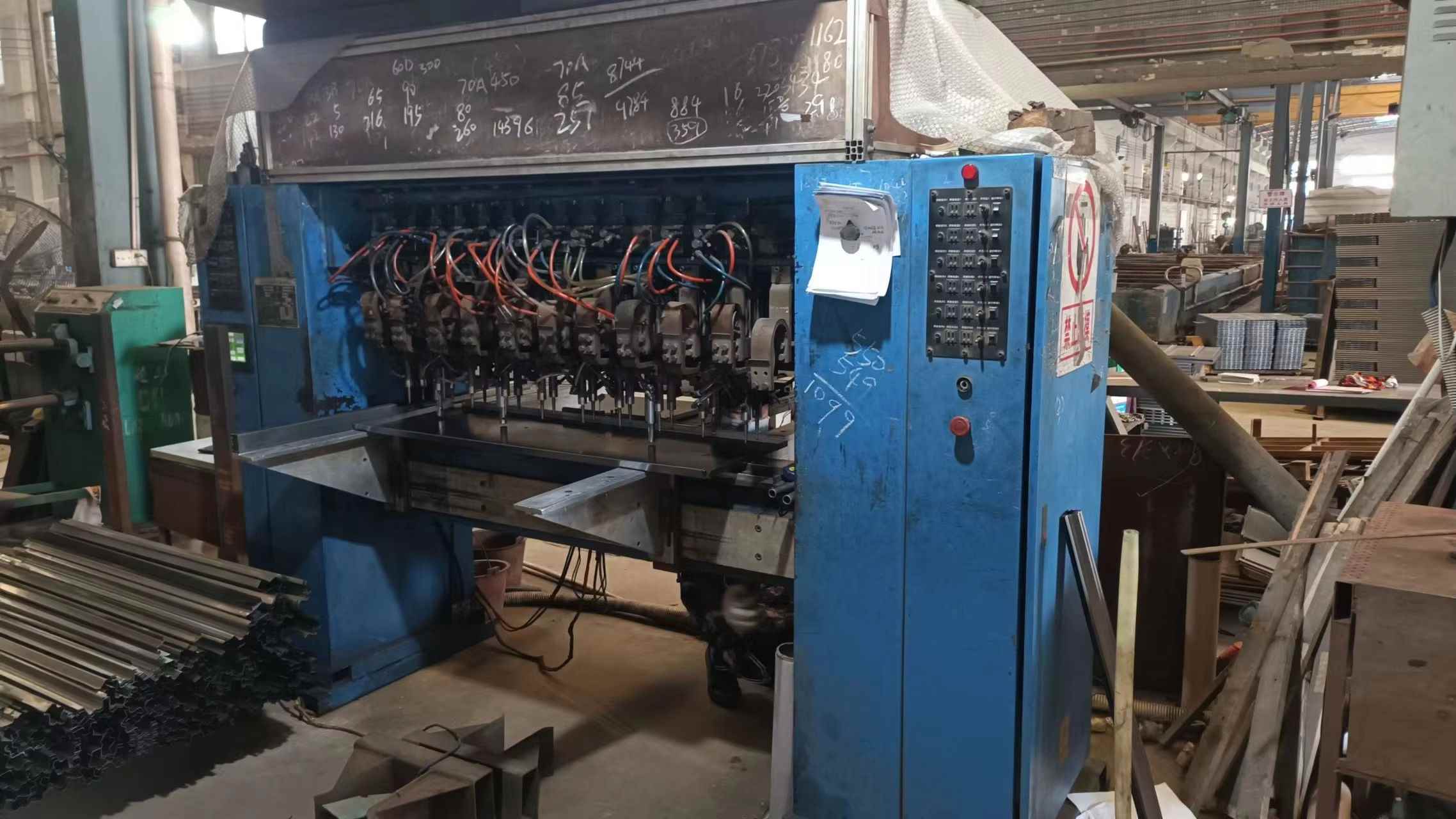
Butt Welding Machine
Butt Welding
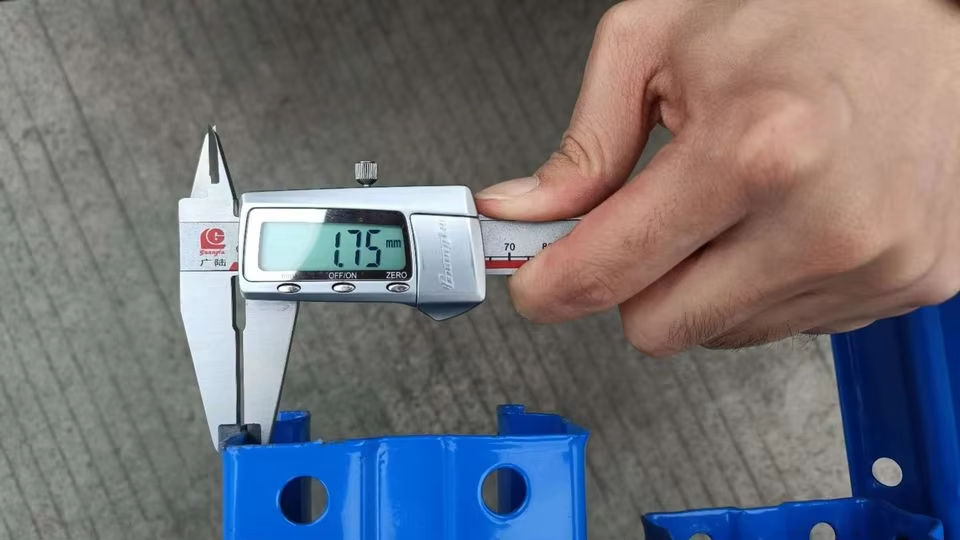
Caliper Inspection
Caliper Micrometer
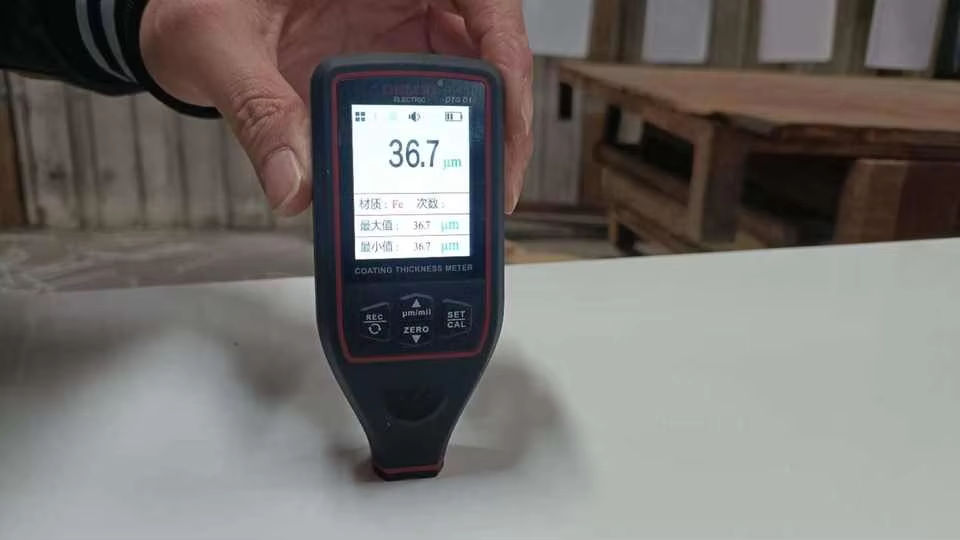
Coating thickness tester
Coating Thickness Tester

Industrial Whitepaper: Stackable Storage & Heavy-Duty Structural Design

An Analytical Overview of Macroeconomic Purchasing Demands, Design Optimization, and Technical Safety Criteria.

1. Global Procurement Dynamics & The Shift in Industrial Container Optimization

In the wake of supply chain disruptions and volatile freight conditions, industrial distribution complexes, 3PL providers, and automotive assembly hubs are restructuring their warehouse ecosystems. Static footprint limitations are necessitating the integration of heavy-duty stackable containment units and advanced modular racking. Industrial procurement is transitioning away from single-use packaging toward multi-tier stackable structures and dynamic pallet racks that enhance spatial efficiency by up to 180%.

Modern procurement officers evaluate warehouse equipment based on structural resilience, standardized load coefficients, and modular adaptability. Global corporations require supplier factories to demonstrate strict compliance with structural engineering principles. Key purchasing vectors focus on reducing cubic footprint waste, lowering transit emissions, and implementing zero-failure storage designs that resist accidental structural collapses.

2. Structural Engineering Metrics: The Science of High-Capacity Stacking

Evaluating stackable structures requires looking beyond simple aesthetic measurements. Load performance relies on material science, including steel tensile strength, yield thresholds, and geometric fold profiles. Heda's standard profile designs feature high-grade cold-rolled structural steel, optimized through finite element analysis (FEA) to determine stress vectors under load.

  • Structural Elasticity vs. Yield Strength: Utilizing structural carbon steels (such as Q235B or equivalent international standards) ensures structural racks support nominal capacities of 1,000kg to 3,000kg per shelf level without permanent structural deformation.
  • Anti-Corrosive Surface Treatment: Acid-washing, parkerising (phosphating), and thermo-hardened electrostatic powder coatings protect the steel core against high humidity and temperature variations.
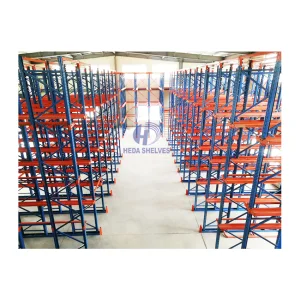
  • Dynamic Structural Engineering: Mezzanine platforms, cantilever systems, and drive-in configurations utilize structural safety factors up to 1.5 to withstand forklift impacts and seismic vibrations.

3. Integrating Pallet Racking, Cantilevers, & Automated Shuttle Systems

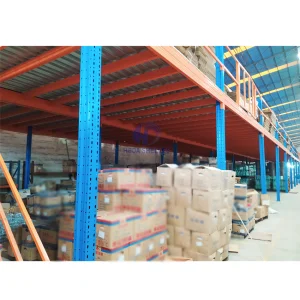
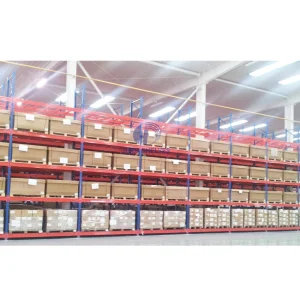
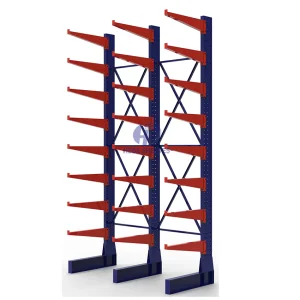
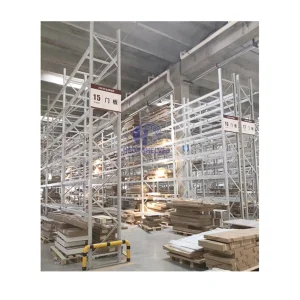
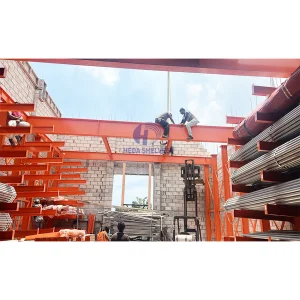
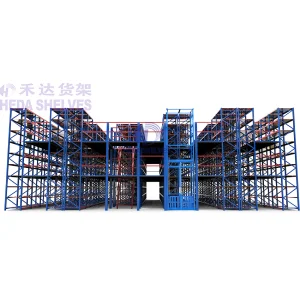
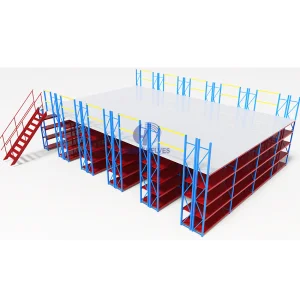
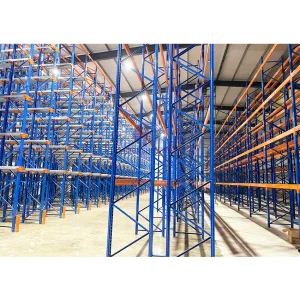
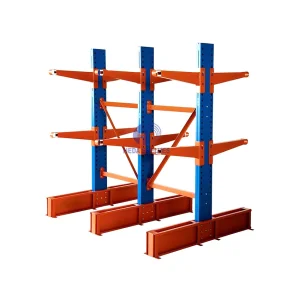
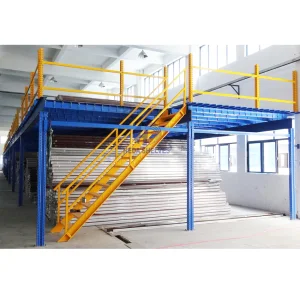
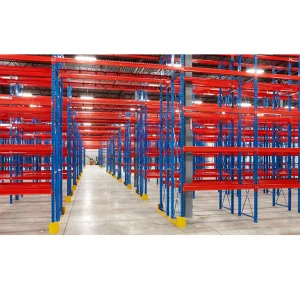
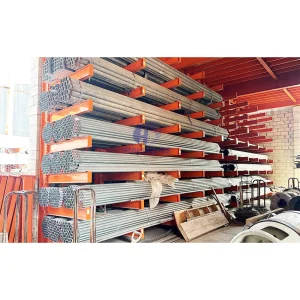
Modern distribution complexes rely on composite material layouts. Large warehouses integrate diverse storage styles: heavy-duty pallet racking systems serve as the core infrastructure, multi-level structural mezzanines utilize vertical overhead space, and high-density cantilever units hold elongated industrial shapes like lumber, steel channels, and piping.

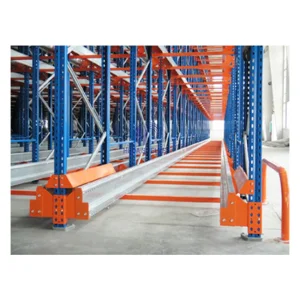
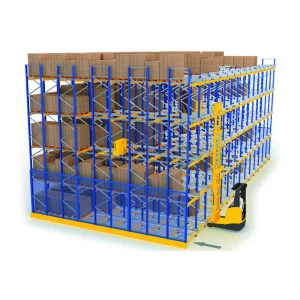
The integration of semi-automated radio shuttle racks and 4-way shuttle systems (ASRS) marks a key technology transition. These automation components reduce human transit times and minimize manual picking errors. Choosing an experienced factory partner helps ensure seamless physical integration between your structural components, floor load capacities, and automated guided vehicles (AGVs).

4. Regulatory Compliance & Quality Management Systems (QMS)

Regulatory compliance is a critical priority for enterprise purchasing departments. Our quality department monitors fabrication metrics from raw coil receipt through final coating applications. Adherence to standards like ANSI MH16.1, FEM 10.2.02, and AS4084 ensures structural compliance across global jurisdictions.

Our quality control protocol requires raw steel materials to undergo tensile strain validation before release. Continuous robotic weld lines undergo structural inspections, and finished components are batch-tested on structural testing frames to confirm load ratings. Salt spray exposure chambers evaluate coating performance in simulated extreme environments.

5. Technology Roadmap: The Next Era of Industrial Stacking Infrastructures

Looking ahead, the industrial storage sector is evolving toward smart, circular-economy-aligned systems. We are directing R&D efforts toward smart tracking technologies, high-tensile lightweight steel profiles, and low-VOC powder coatings.

  • IoT-Enabled Structural Racks: Embedding strain sensors within critical structural columns allows warehouse managers to monitor real-time load distribution and detect structural stress levels.
  • Optimized Load Profiles: Engineering complex steel folds that reduce dead weight by 12% while maintaining structural load properties.
  • Circular Economy & Clean Manufacturing: Transitioning manufacturing operations toward low-carbon footprint processes, dry-application powder coatings, and fully recyclable steel materials.
Expert QA: Racking & Container Architecture

Key technical answers for logistics directors, procurement professionals, and warehouse managers.

What calculations determine safe load capacities for high-density stackable racking? +
Safe load capacities are calculated using Finite Element Analysis (FEA) alongside physical structural tests. Key factors include steel grade yield strength, profile geometry, upright slot pitch, beam section modulus, and the target safety factor (typically 1.5 under FEM 10.2.02 standards). Heda offers structural storage systems rated from 1,000kg to 3,000kg per level.
How does Heda manage quality control across its manufacturing processes? +
Quality control is managed by a team of 45 inspectors utilizing calibrated testing equipment. The inspection protocol includes raw material verification, robotic weld line testing, ultrasonic flaw detection, coating thickness verification, and structural load-deformation testing.
Can mezzanine systems and cantilever racks be customized for unique spaces? +
Yes, our engineering team provides full OEM/ODM services. We design custom mezzanine platforms and cantilever profiles tailored to specific building dimensions, floor load capacities, column grids, and material handling workflows. Last year alone, we delivered over 120 custom structural designs.
What surface treatment options are available for challenging environments? +
For high-humidity, cold storage, or heavy-use environments, we offer multi-stage surface treatments. This includes acid-washing and parkerising (phosphating), followed by a thermo-hardened electrostatic powder coating, or hot-dip galvanization for maximum corrosion resistance.
What are the key layout differences between LIFO and FIFO flow setups? +
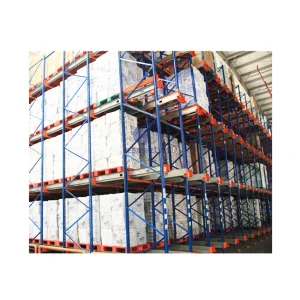
LIFO (Last-In, First-Out) configurations, such as Drive-In systems, utilize a single access face for loading and unloading, maximizing floor space. FIFO (First-In, First-Out) setups, like Pallet Flow or Shuttle Racking, separate loading and picking aisles to improve inventory rotation, tracking, and overall throughput.