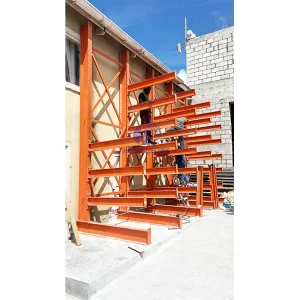
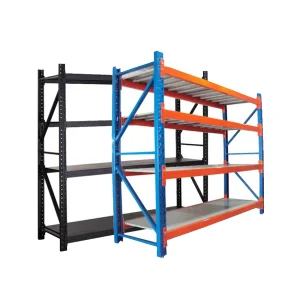
Engineered high-density storage platforms and industrial cantilever racks configured for optimal space utilization and strict load safety requirements.
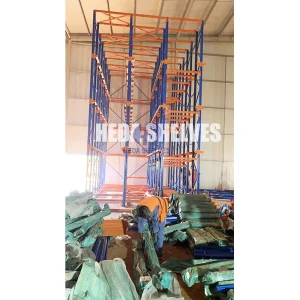
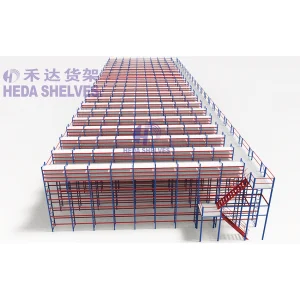
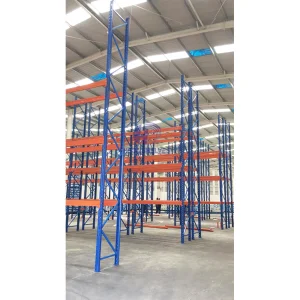
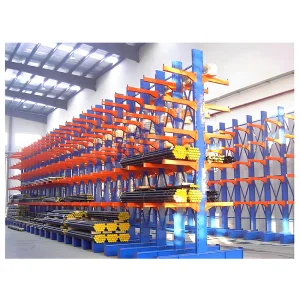
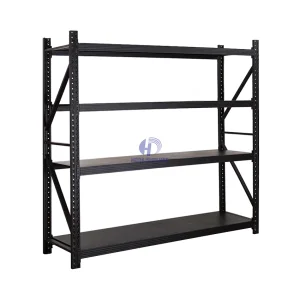
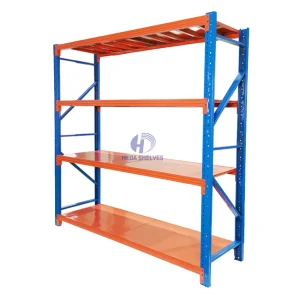
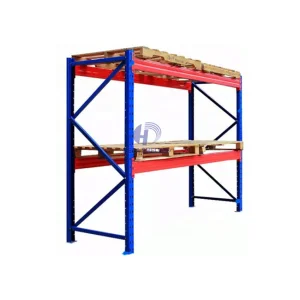
A deep dive into high-density storage solutions, design considerations, and global supply chain integration.
The modern industrial logistics ecosystem is undergoing a dramatic structural transformation. Driven by high land valuation, rapid expansion of global e-commerce, and the integration of automated material handling platforms, businesses are transitioning from conventional low-density selective storage to high-efficiency, adaptive systems. Within this matrix, retractable racks and multi-tier structural mezzanine systems represent the standard for space-saving efficiency.
Key trends driving this technological pivot include the development of modular rack structures that allow quick length extension and height modification, integration of heavy-duty cantilever structures for long and irregular loads, and structural compatibility with automated guided vehicles (AGVs) and autonomous mobile robots (AMRs). By minimizing static footpaths and expanding vertical storage potential, modern structural systems allow distribution centers to scale dynamic capacity without extending physical facility perimeters.
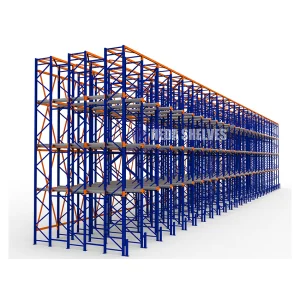
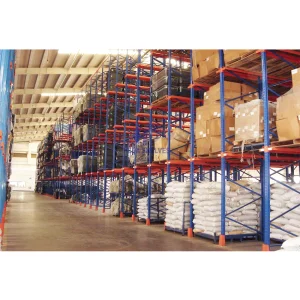
Configurable drive-in and cantilever racking systems double the volume utilization compared to conventional floor stacking schemes.
12 years of industry engineering experience and 8 years of export expertise supporting complex logistics and structural installations.
A professional team of 28 structural engineers delivering custom finite element analysis (FEA) and dynamic seismic stress simulation.
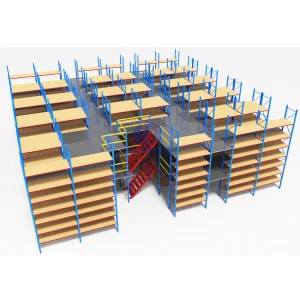
Successful industrial racking implementation begins with deep configuration matching. Whether deploying a selective pallet system, high-density drive-in system, or double-deck mezzanine floor platform, structural performance parameters dictate warehouse safety and process throughput.
Our structural engineering process relies on premium structural steel grades (such as Q235B and Q355). High-performance steel features the yield strength and elasticity required to support loads exceeding 3,000 kg (3 tons) per layer. The application of precise, automated bending and roll-forming processes ensures each upright frame and load beam matches structural specifications, preventing local buckling and minimizing geometric deflection under maximum load conditions.
International rack procurement presents challenges beyond standard hardware supply. Safety managers, engineering coordinators, and procurement directors must manage shipping damage risk, local building permit requirements, seismic ratings, and surface corrosion limits. Heda Warehouse Equipment mitigates these global procurement challenges through end-to-end design engineering services and material traceability:
Operating a modern 35,000 m² factory equipped with automated roll-forming and robotic welding machinery to ensure dimensional precision and structural performance.
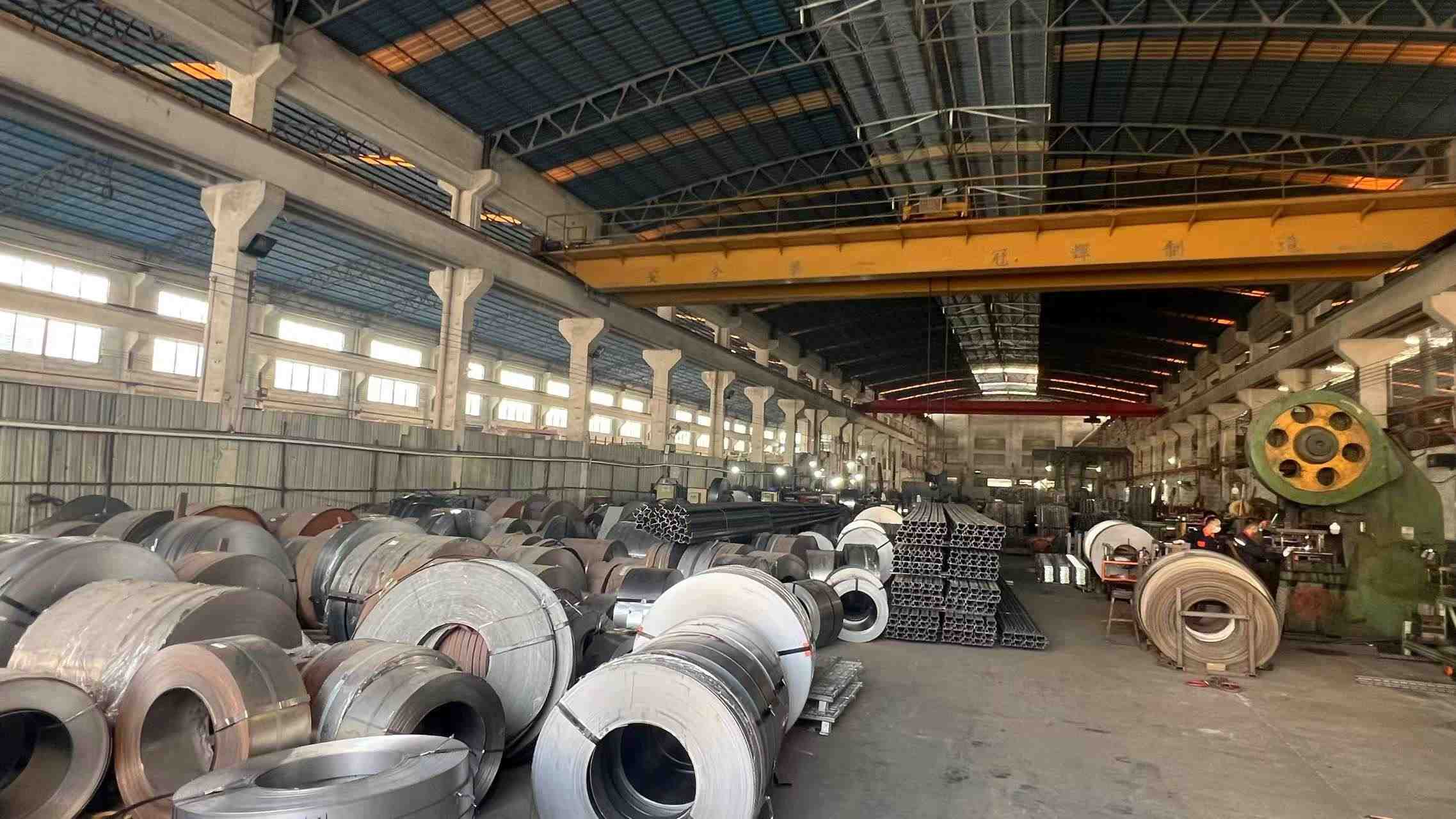
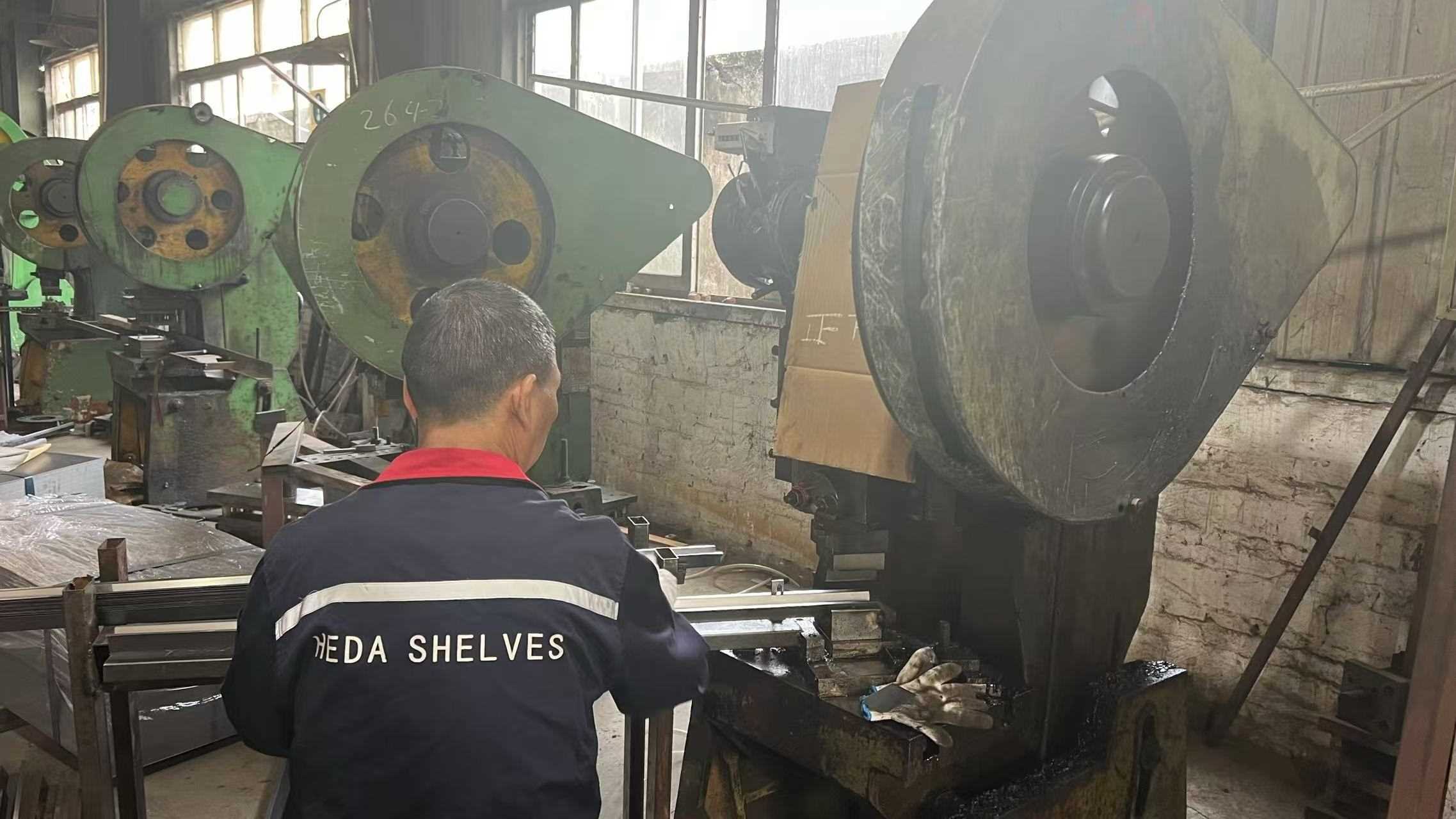
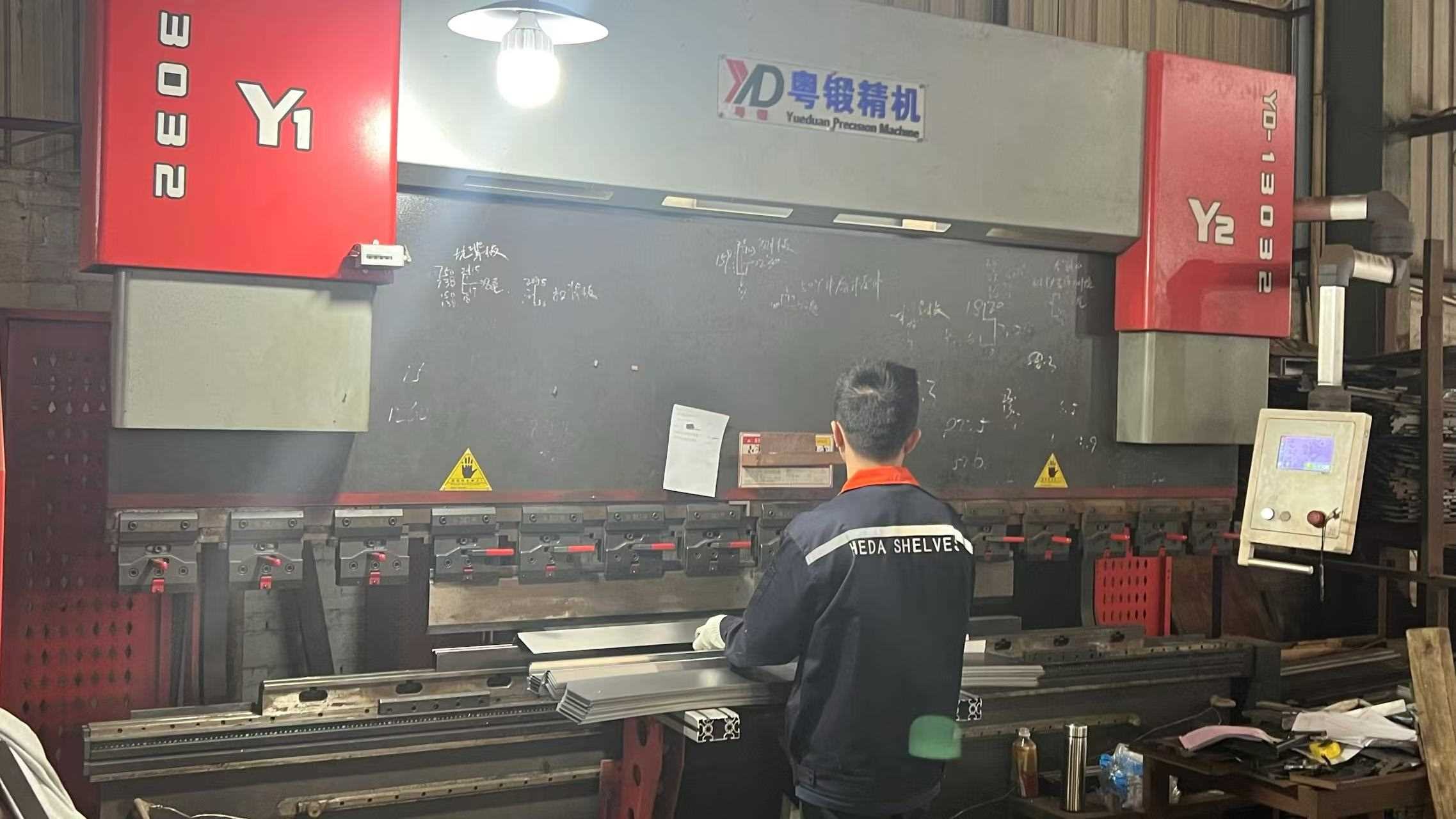
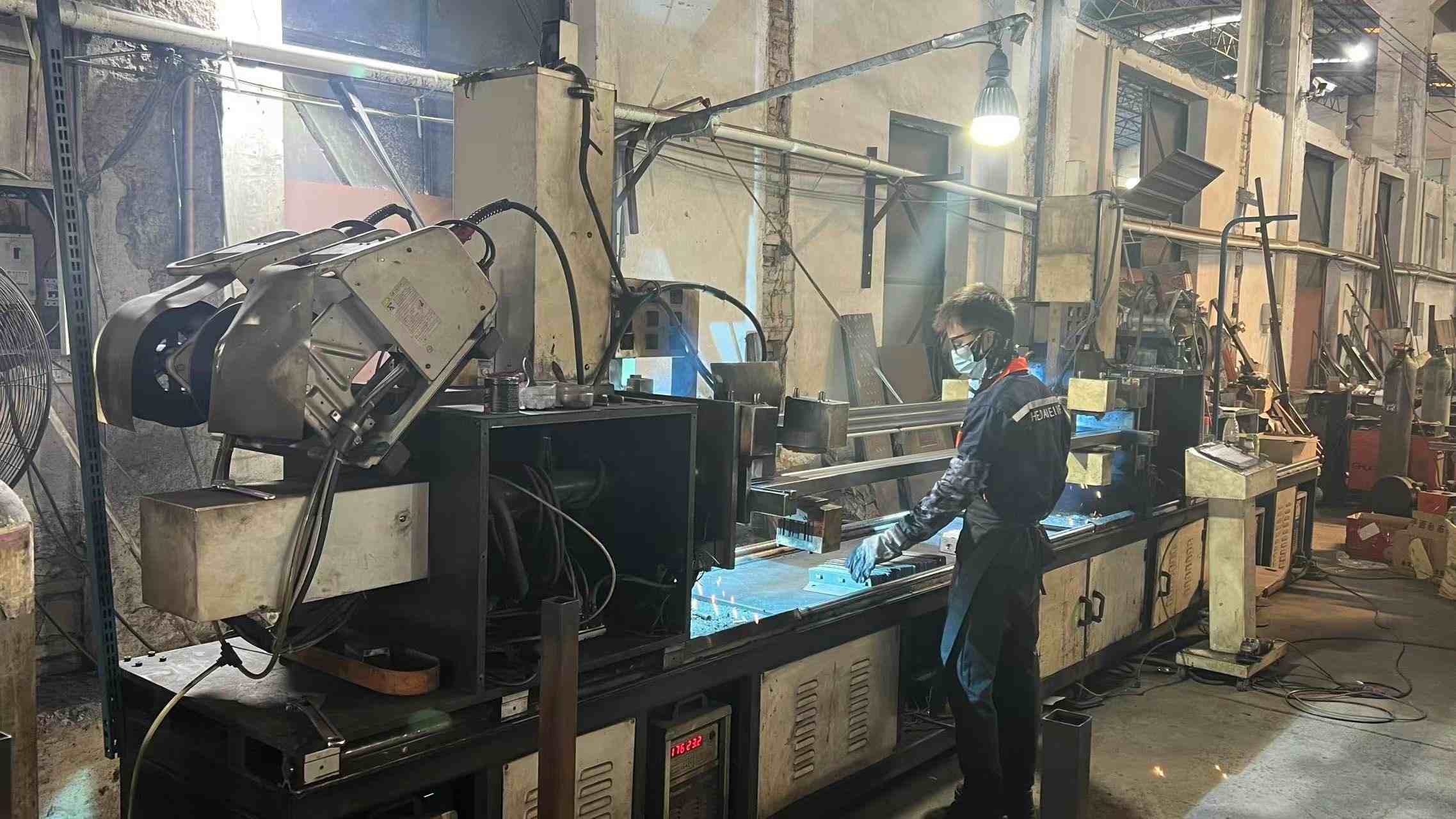
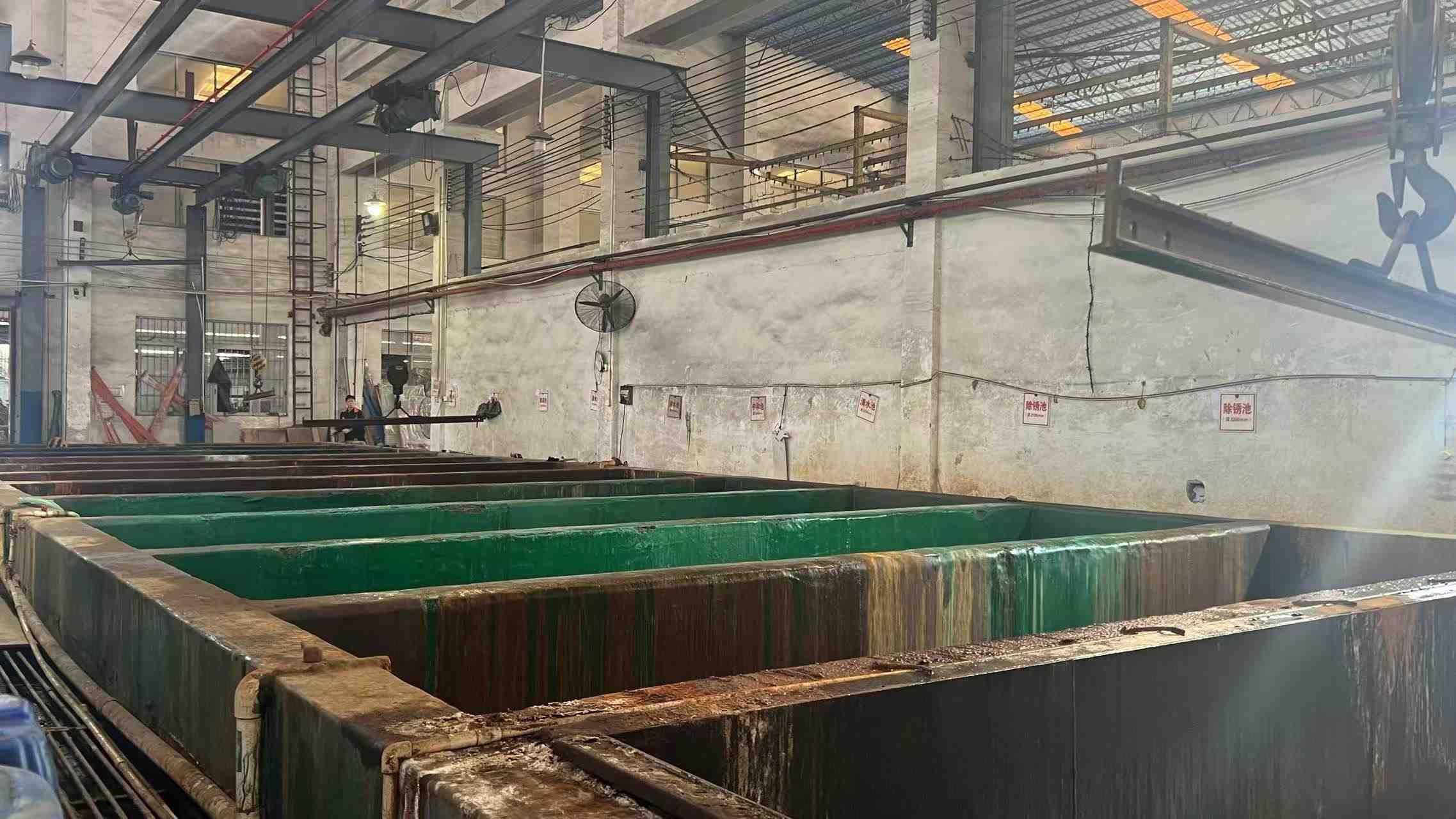
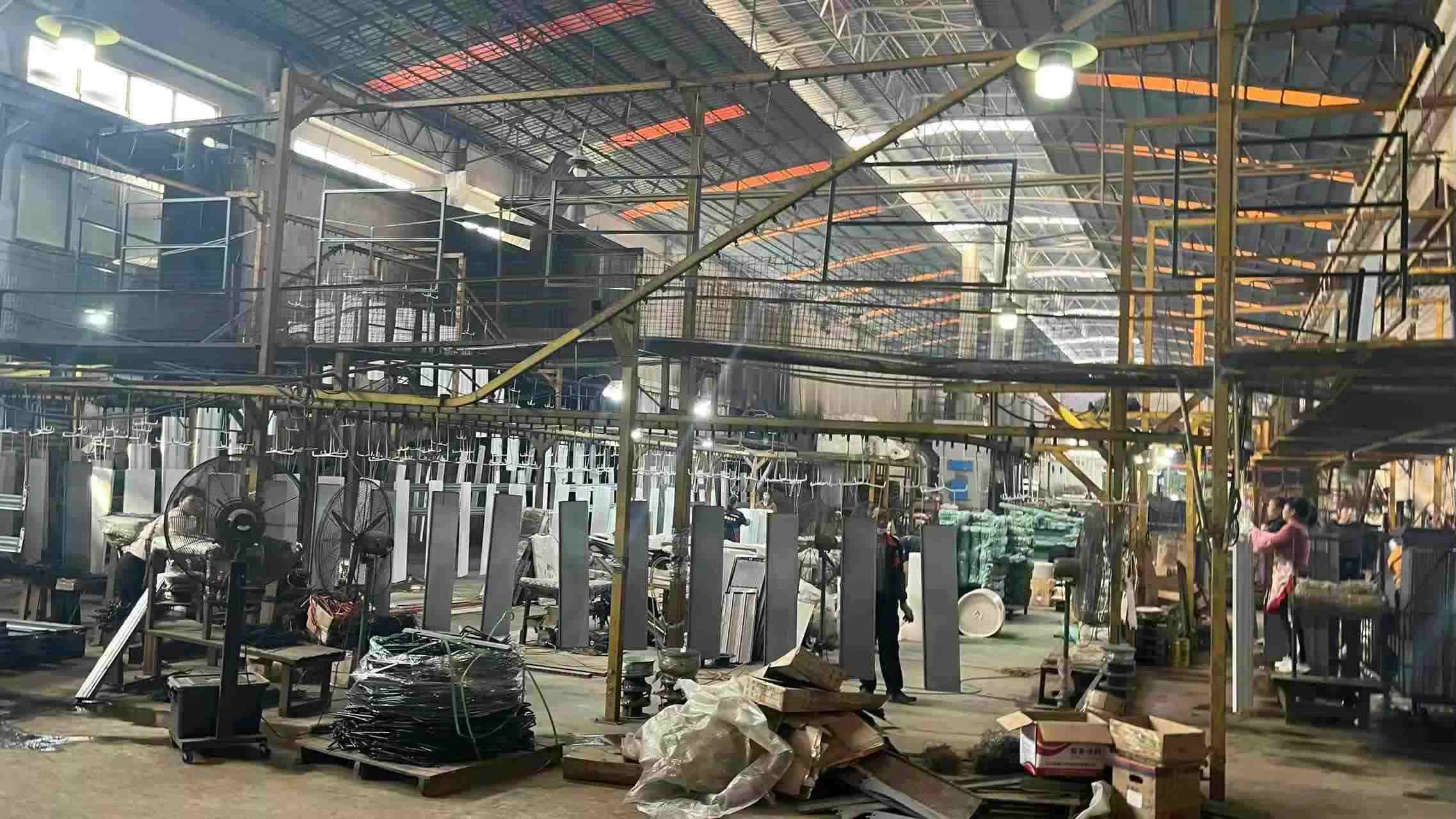
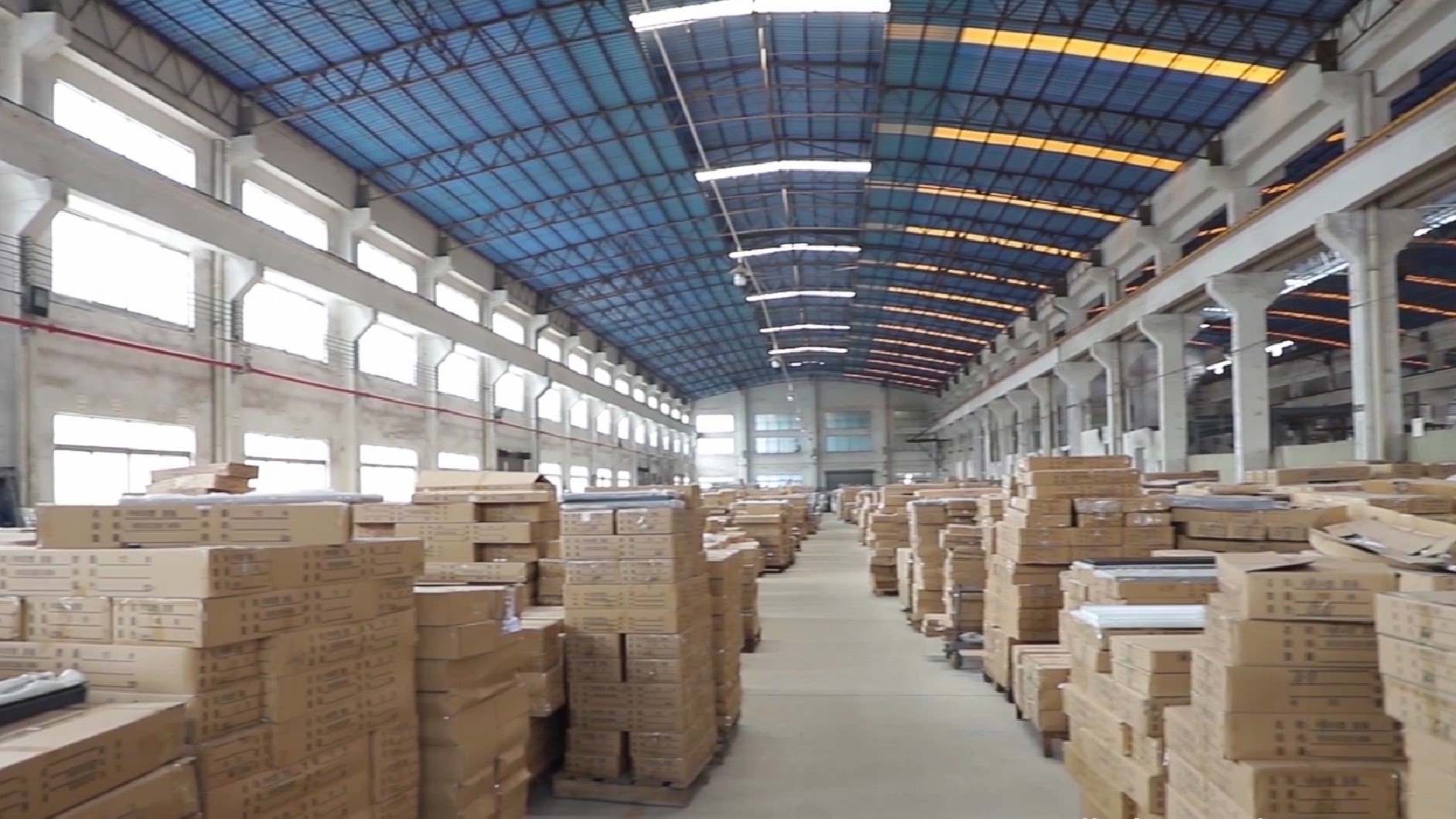
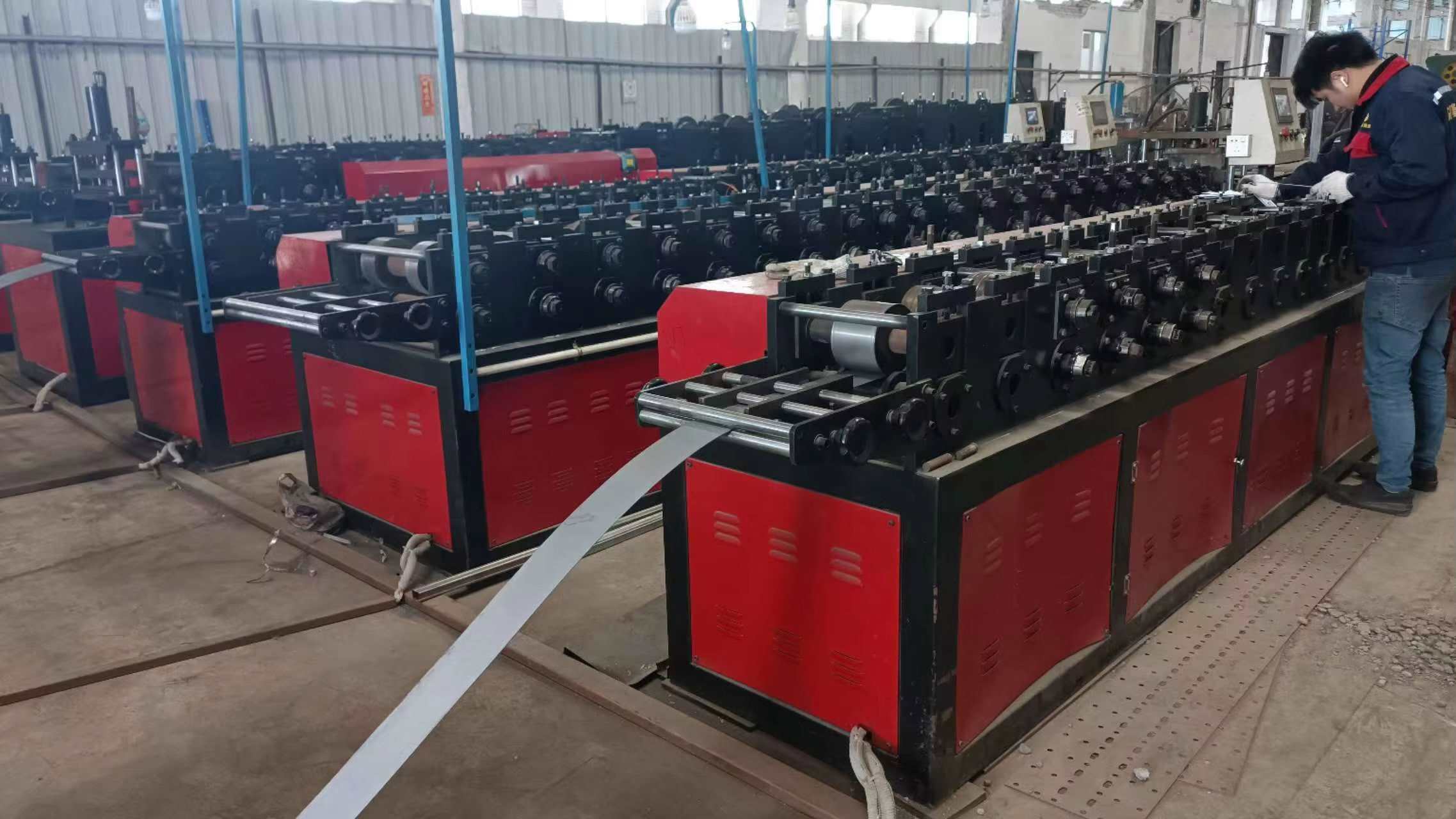
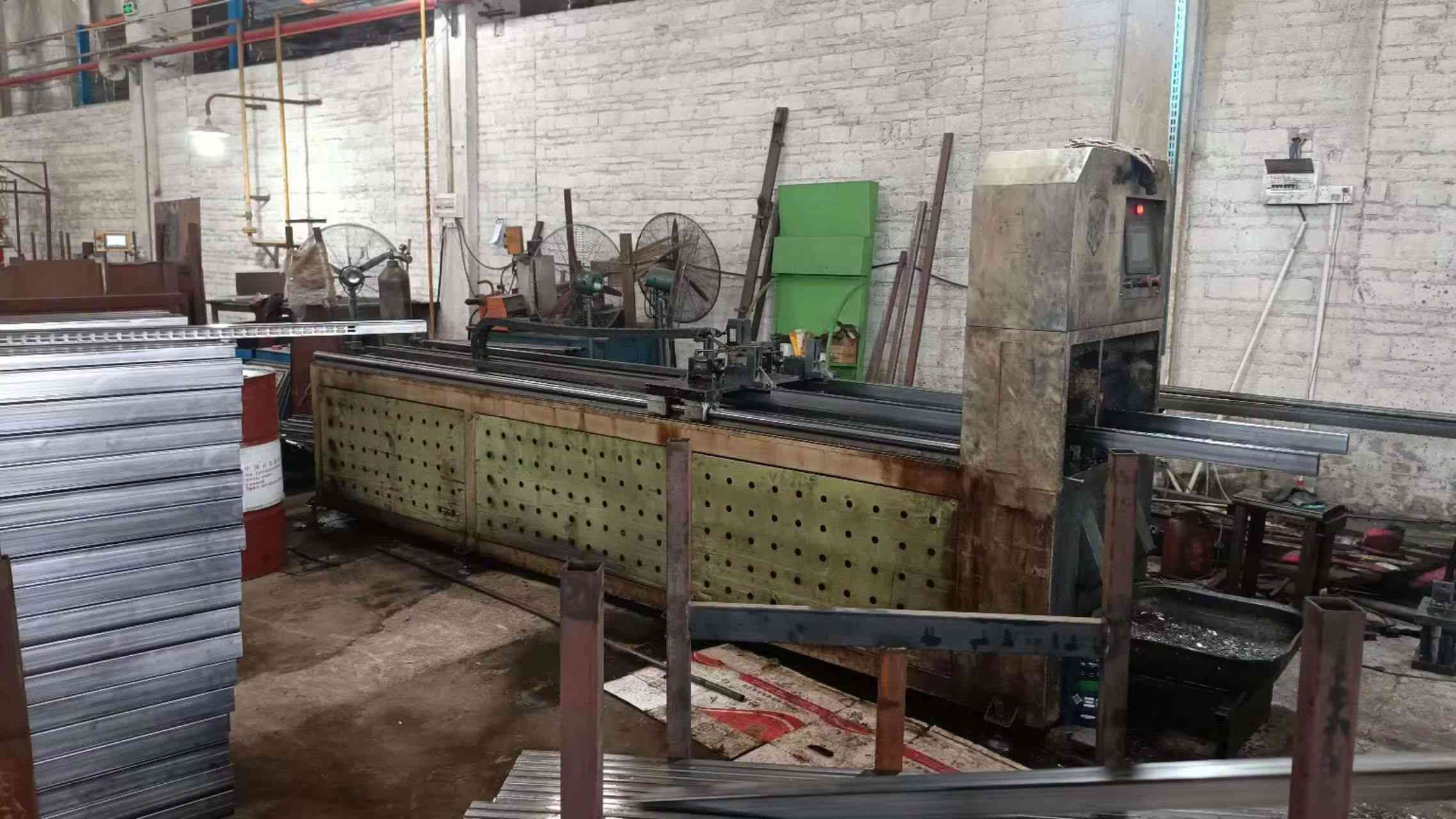
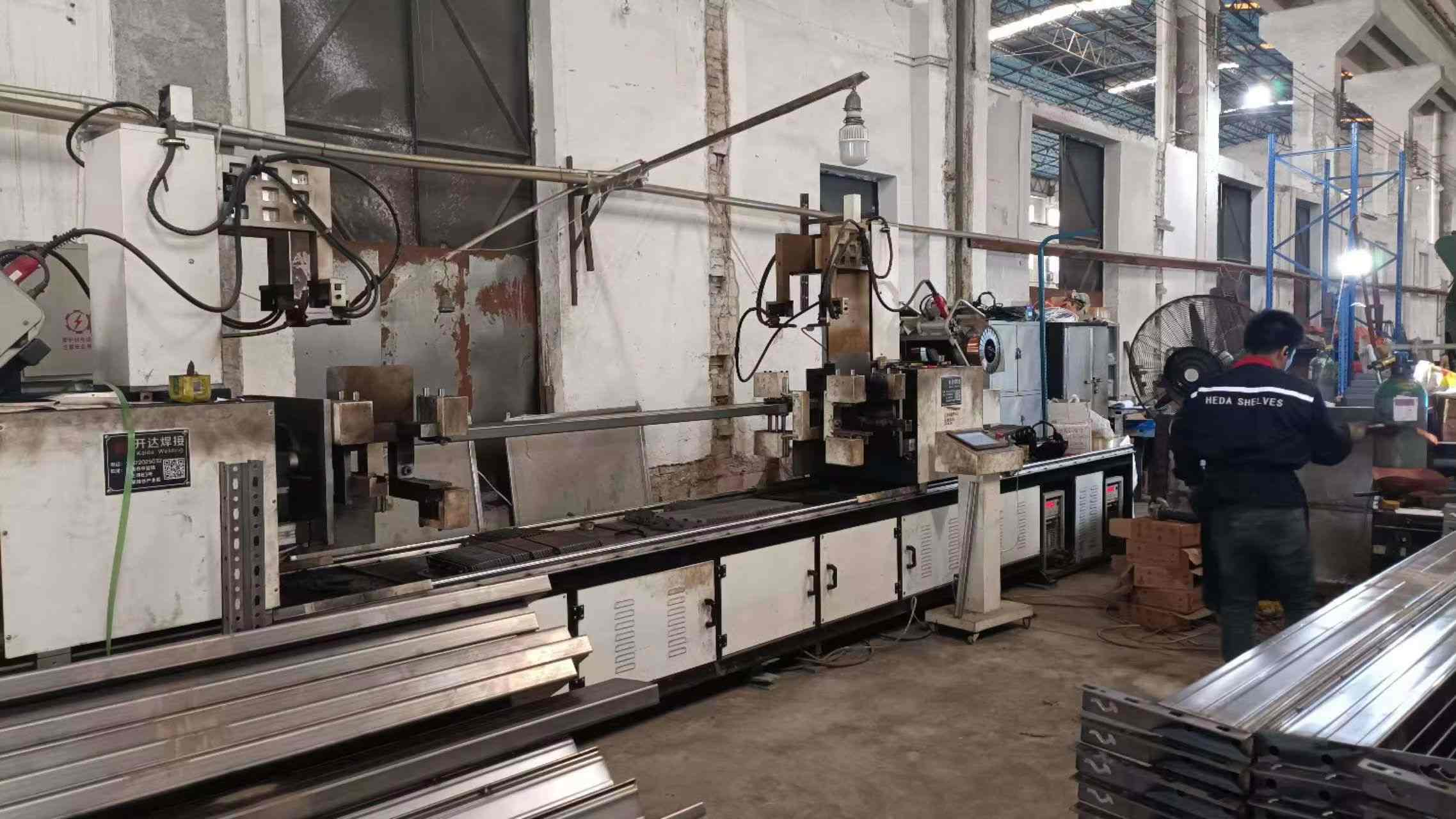
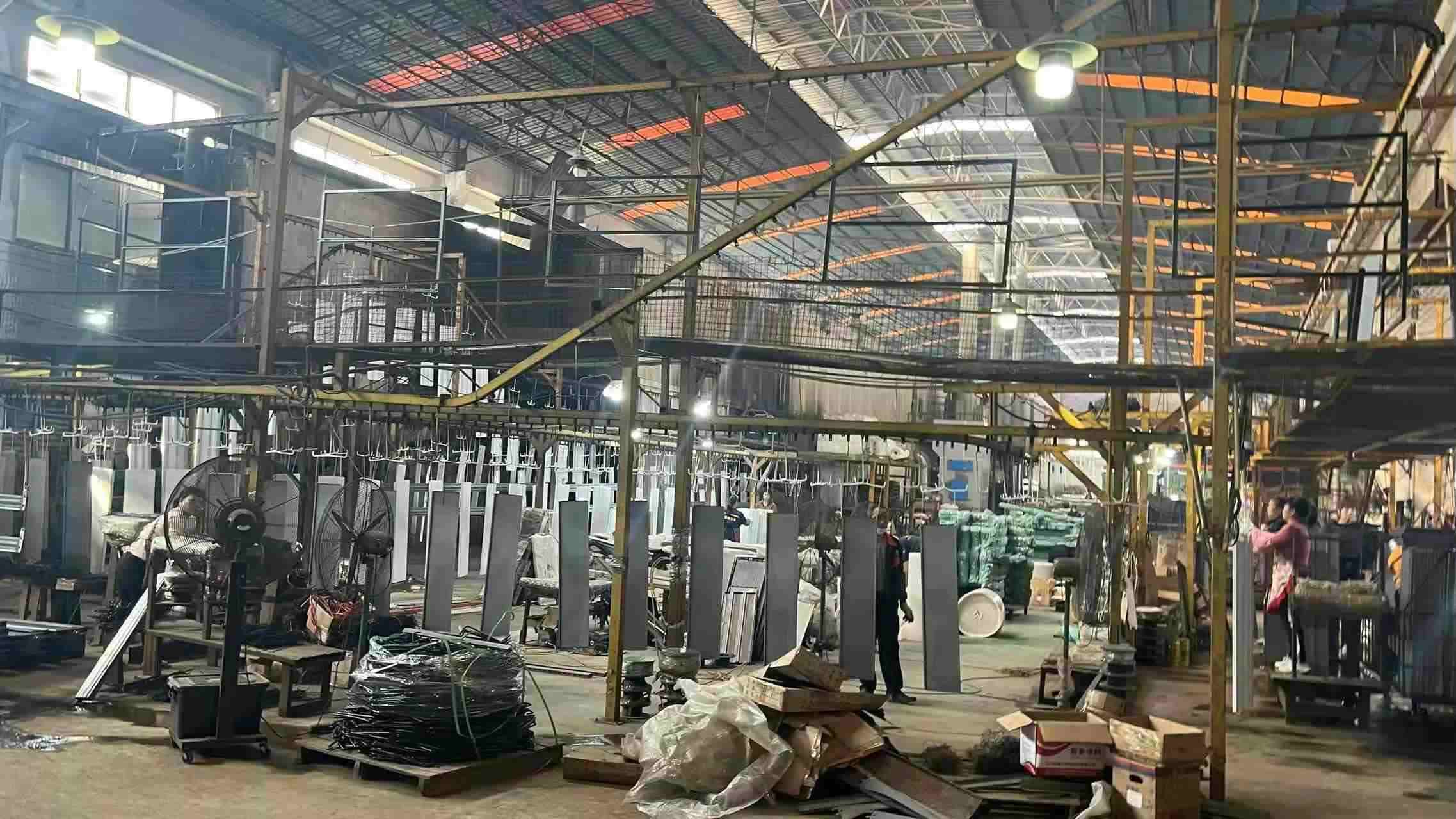
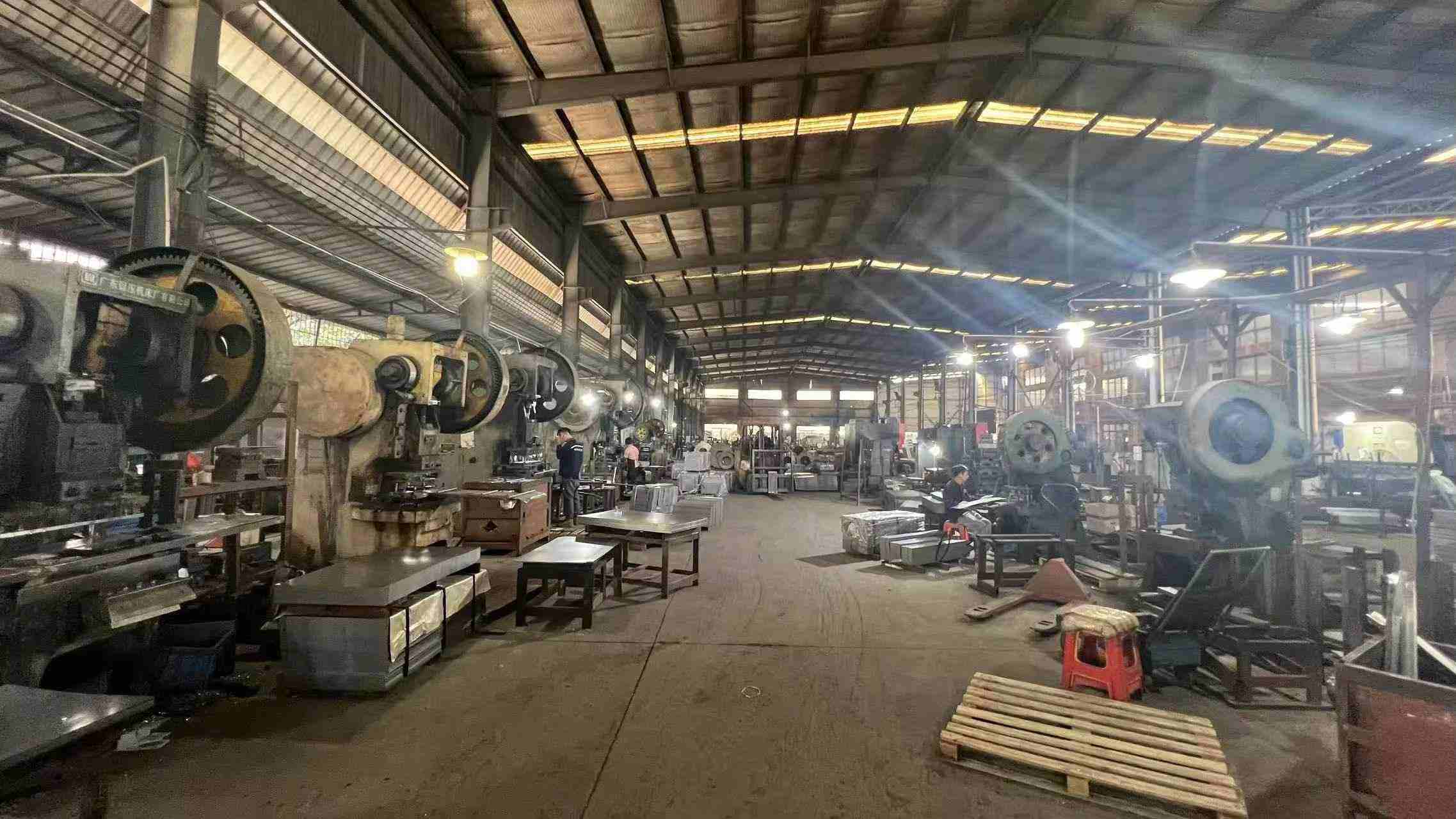
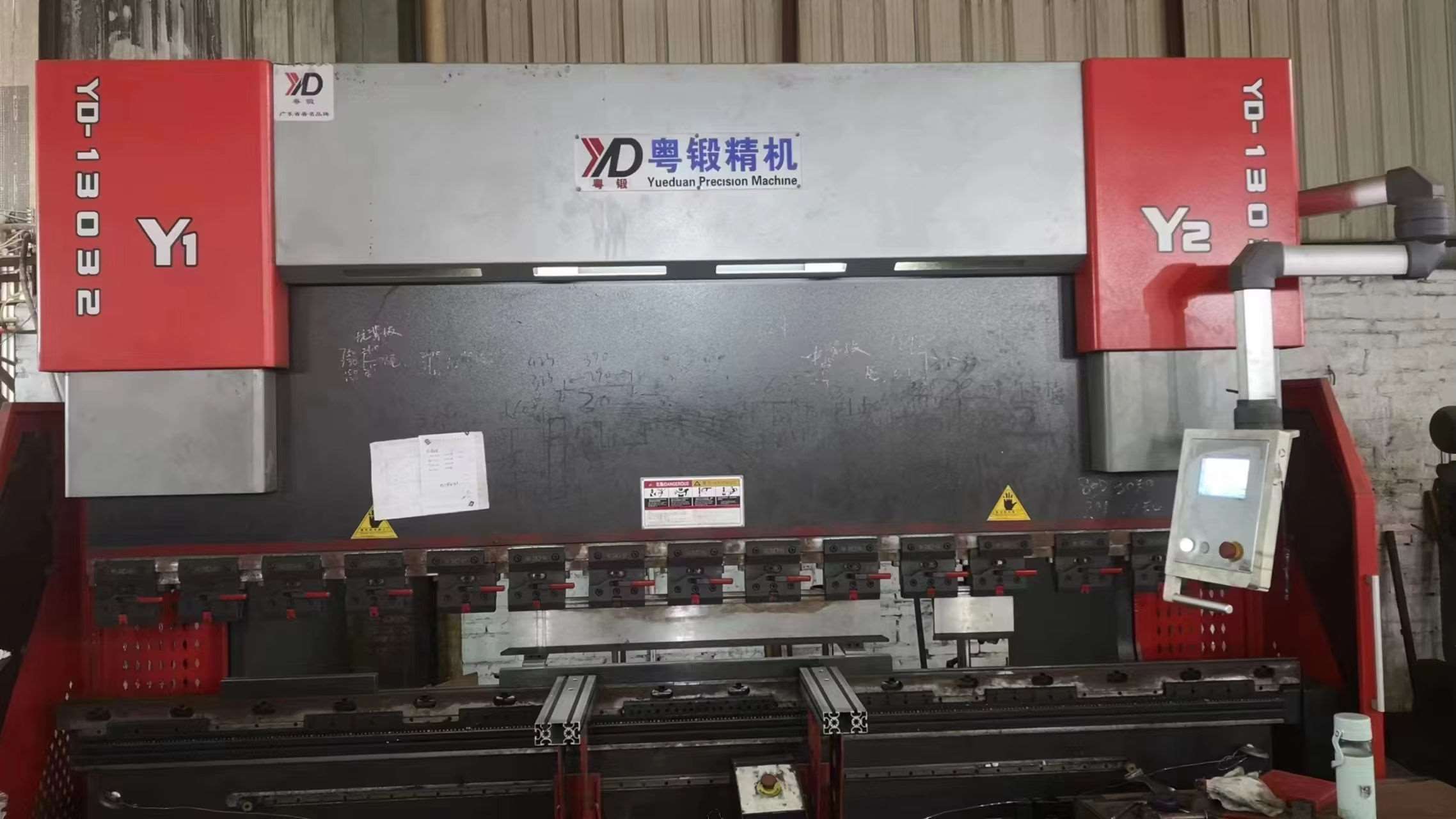
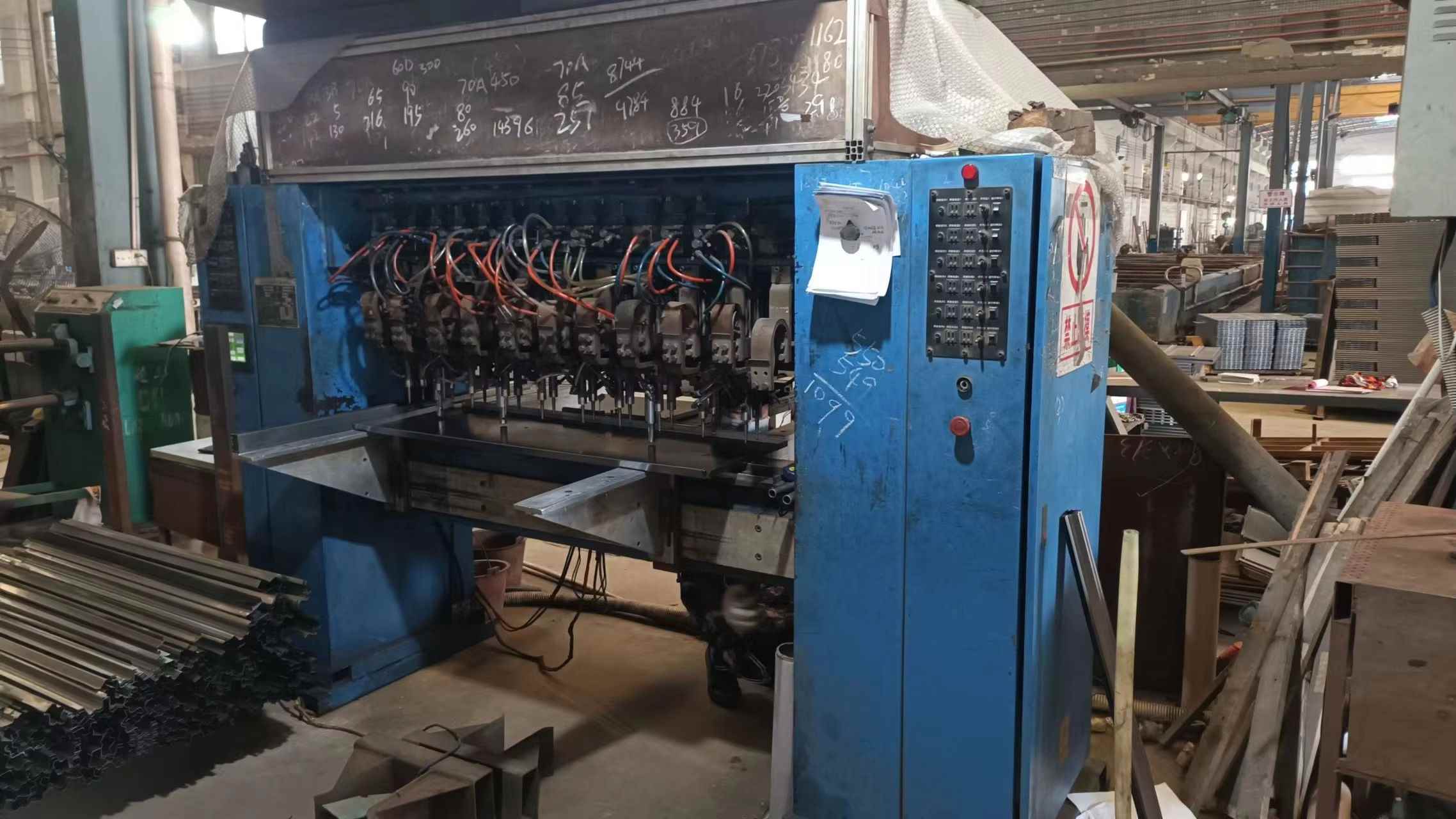
At Shenzhen Heda Warehouse Equipment Co., Ltd. (established in 2014), quality control drives our engineering and production operations. Our QA team includes 45 inspectors utilizing testing machinery to verify load capacities, dimensional accuracy, and finish durability. Every design undergoes finite element stress analysis, and production batches are tested for tensile strength to verify integrity.
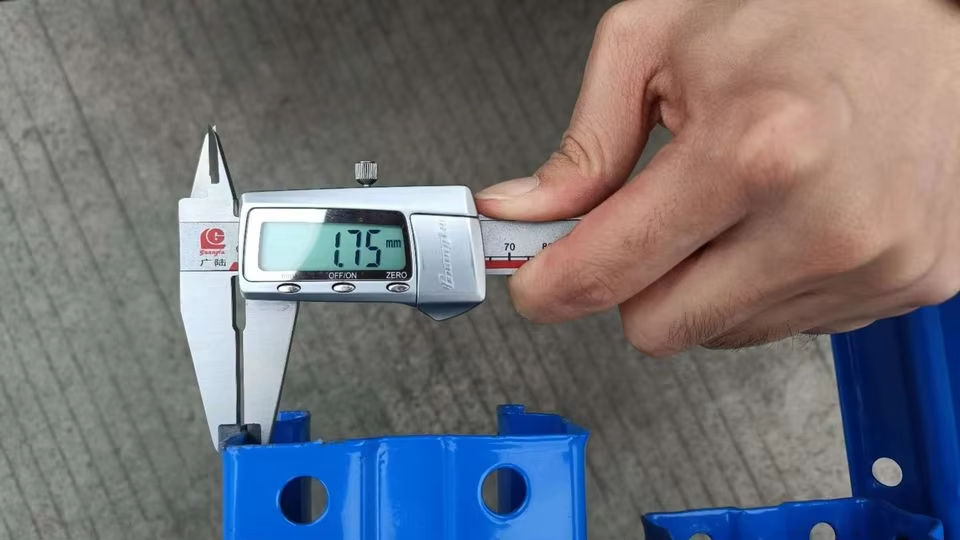
Our quality management system tracks the production process from raw material delivery to loading. We use digital calipers to verify thickness tolerances on cold-rolled steel coils, ensuring conformity with target structural metrics.
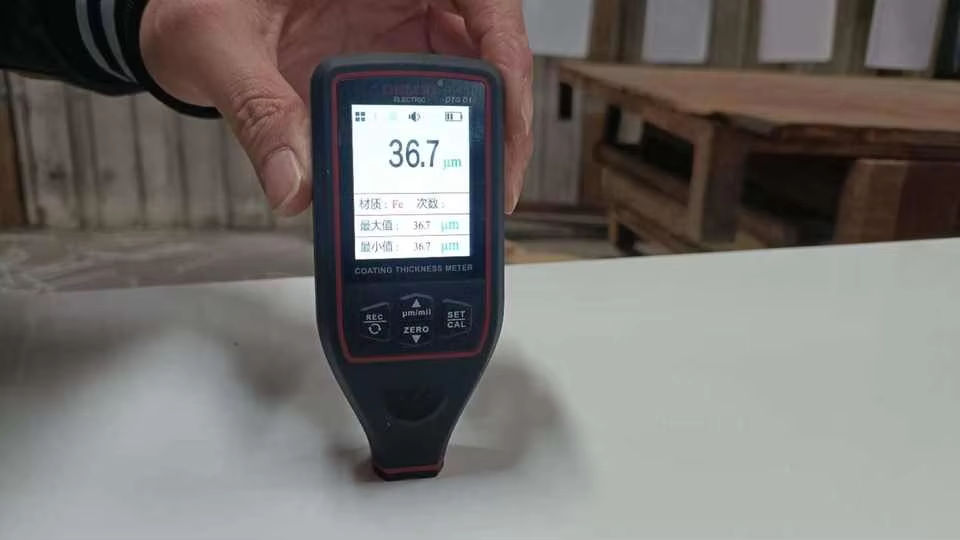
Following the automated powder-coating stage, dry film thickness (DFT) gauges test coat thickness and adhesion across multiple areas. Cross-hatch adhesion and salt spray testing verify rust and chemical resistance, ensuring the racks are suitable for challenging industrial environments.
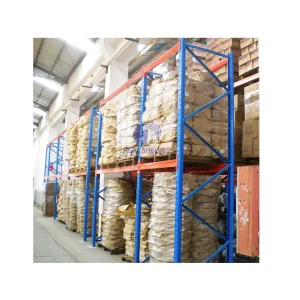
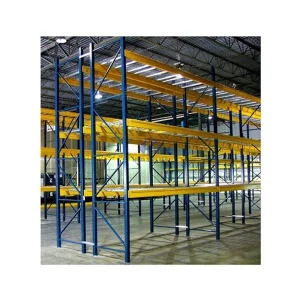
Custom storage systems require distinct engineering approaches depending on the vertical sector. In 3PL environments, selectivity and rapid stock rotation are prioritized. This requires heavy-duty pallet racking with clear aisle labeling and compatibility with standard counterbalanced forklifts.
Conversely, cold storage and pharmaceutical facilities must maximize volume because of high cooling energy costs. For these setups, high-density drive-in pallet systems or dynamic push-back racking are preferred, as they minimize open warehouse volume and optimize thermal retention. In the automotive and industrial manufacturing sectors, custom cantilever racks are configured to handle heavy, irregular items such as structural framing, steel tubing, and sheet metal, providing efficient horizontal storage and crane accessibility.
The future of industrial storage focuses on integrating physical racking with smart technologies. Heda’s design roadmap includes smart features to track structural health and space use:
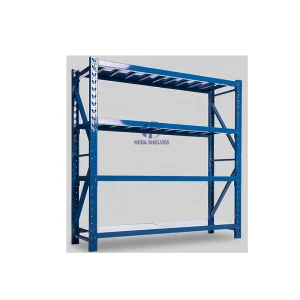
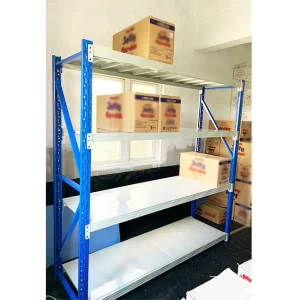
Custom industrial stackable racks, adjustable pallet racks, and steel mezzanines designed for heavy-duty industrial environments.
Answers to common structural engineering, procurement, and shipping queries for international racking orders.
 Hedaracking