High-capacity structural configurations optimized for multi-level, selective, and high-density industrial warehouse architectures.
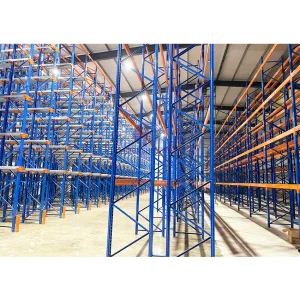
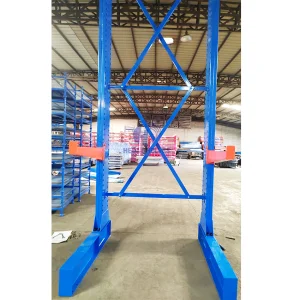
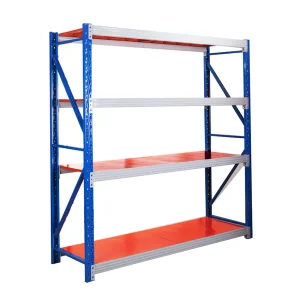
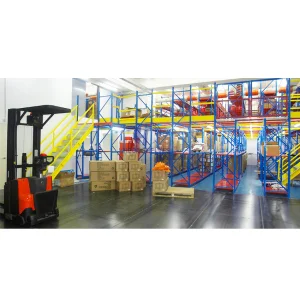
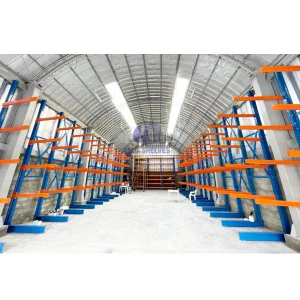
In the contemporary logistics ecosystem, freestanding industrial racks represent the core structural framework of physical supply chains. As global e-commerce volumes surge and land values in key logistical corridors reach historic highs, spatial optimization is no longer a matter of operational preference; it is a critical commercial necessity. Modern warehouses are migrating away from simple storage structures to high-integrity structural systems capable of carrying massive, dynamic, and static loads while offering flexibility for reconfiguration.
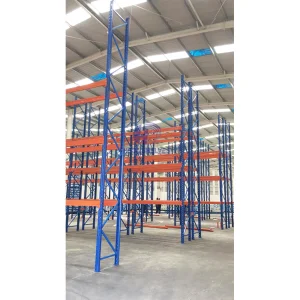
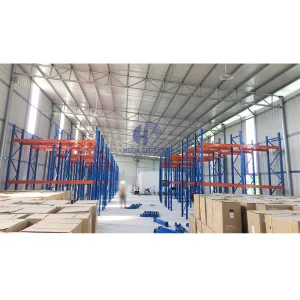
A freestanding rack, characterized by its self-supporting design, operates independently of the host building’s structural envelope. This design reduces seismic and load-bearing pressures on warehouse walls and ceilings, ensuring structural isolation. Throughout North America, Western Europe, and rapidly expanding manufacturing hubs in Southeast Asia, industrial developers prioritize freestanding systems such as multi-tiered mezzanines, high-density selective pallet racking, cantilever systems, and drive-in configurations. These systems allow enterprises to leverage vertical height, scaling operations up to 15 meters or higher while conforming to stringent occupational safety regulations.
Furthermore, the global transition to automation, specifically Automated Storage and Retrieval Systems (AS/RS), demands manufacturing tolerances that standard racking solutions cannot provide. Millimeter-level precision is required for the integration of robotic cranes and automated shuttles. As a result, procurement managers must partner with tier-1 factories capable of combining advanced structural engineering with high-capacity steel fabrication.
Maximizes cubic space utilization by up to 85% relative to floor layouts, enabling multi-level operations and dense footprint storage.
Decoupled structures isolate warehouse dynamic loads from the host facility's architecture, mitigating structural risks during seismic events.
Millimeter-level deviation thresholds compatible with advanced robotic automated storage systems (AS/RS) and automated guided vehicles (AGVs).
The global dominance of Chinese racking manufacturers is not solely a product of cost competitiveness; it is built on a highly integrated supply chain ecosystem, specialized steel production, and advanced automation. China’s primary steel production zones provide factories with direct access to high-grade structural alloys, specifically Q235B and Q345B carbon steels. These alloys are known for their yield strength, mechanical properties, and weldability. This direct material access eliminates international logistics delays, insulation against spot price volatility, and raw material shortages that can disrupt project schedules.
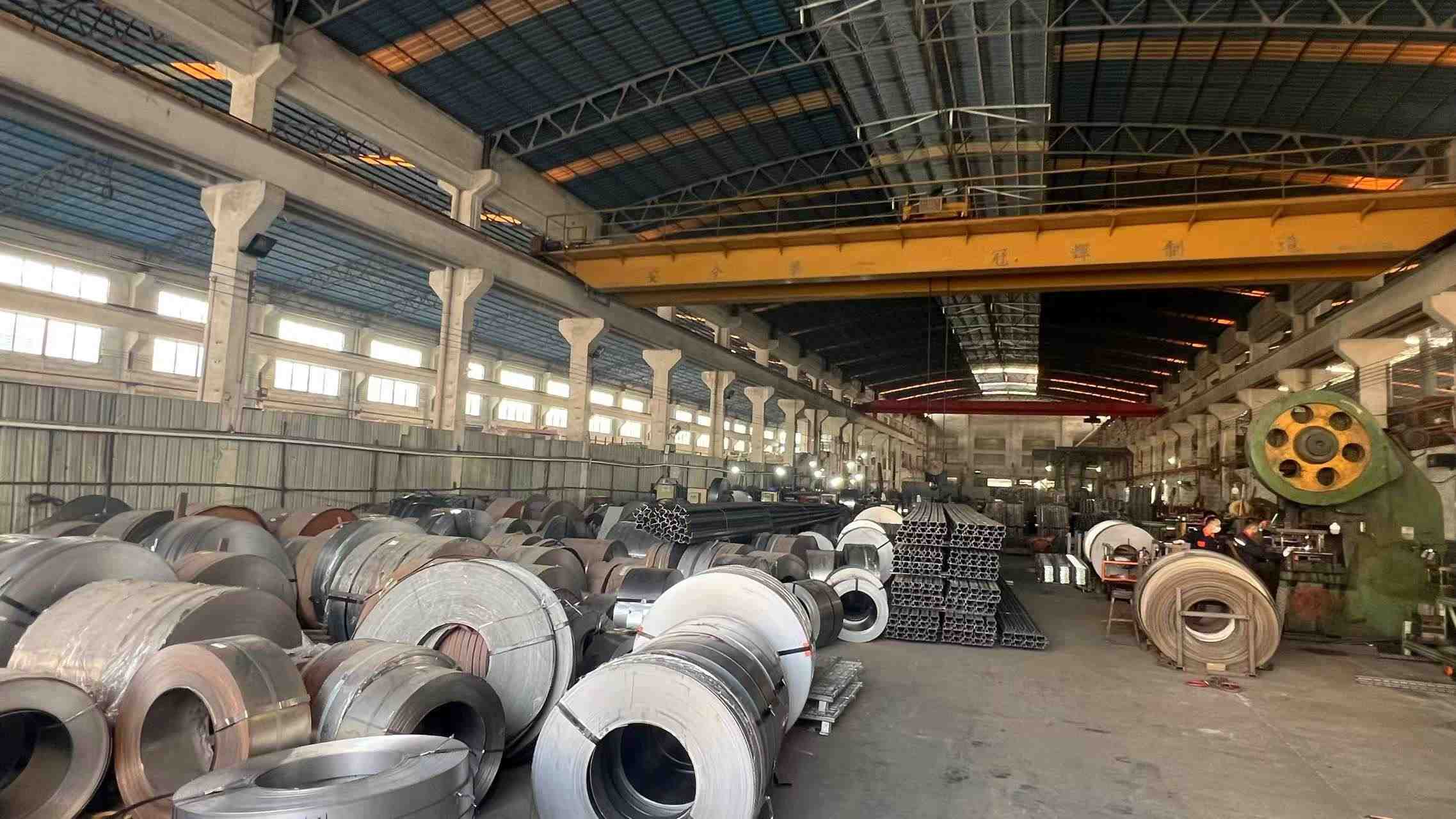
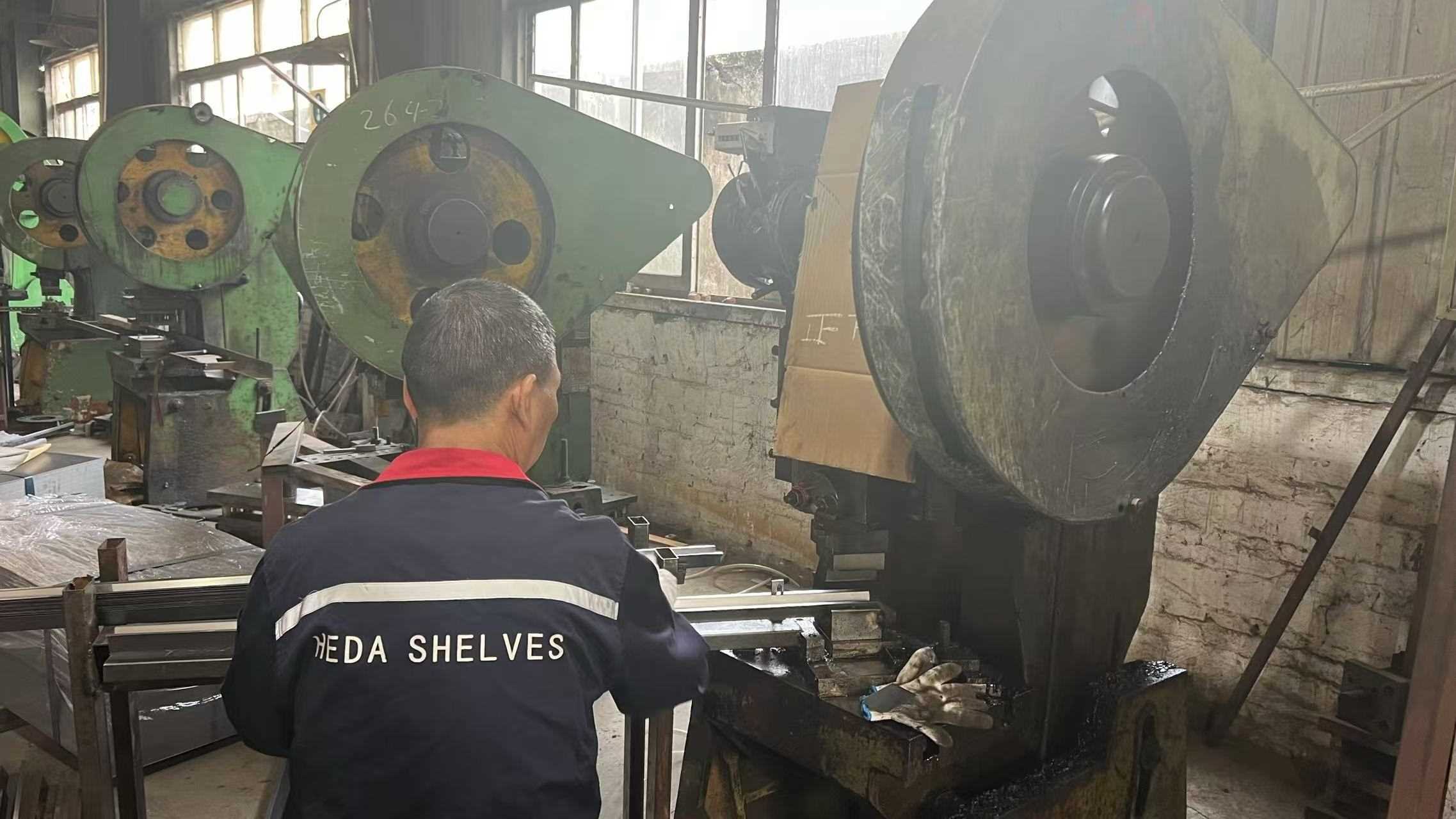
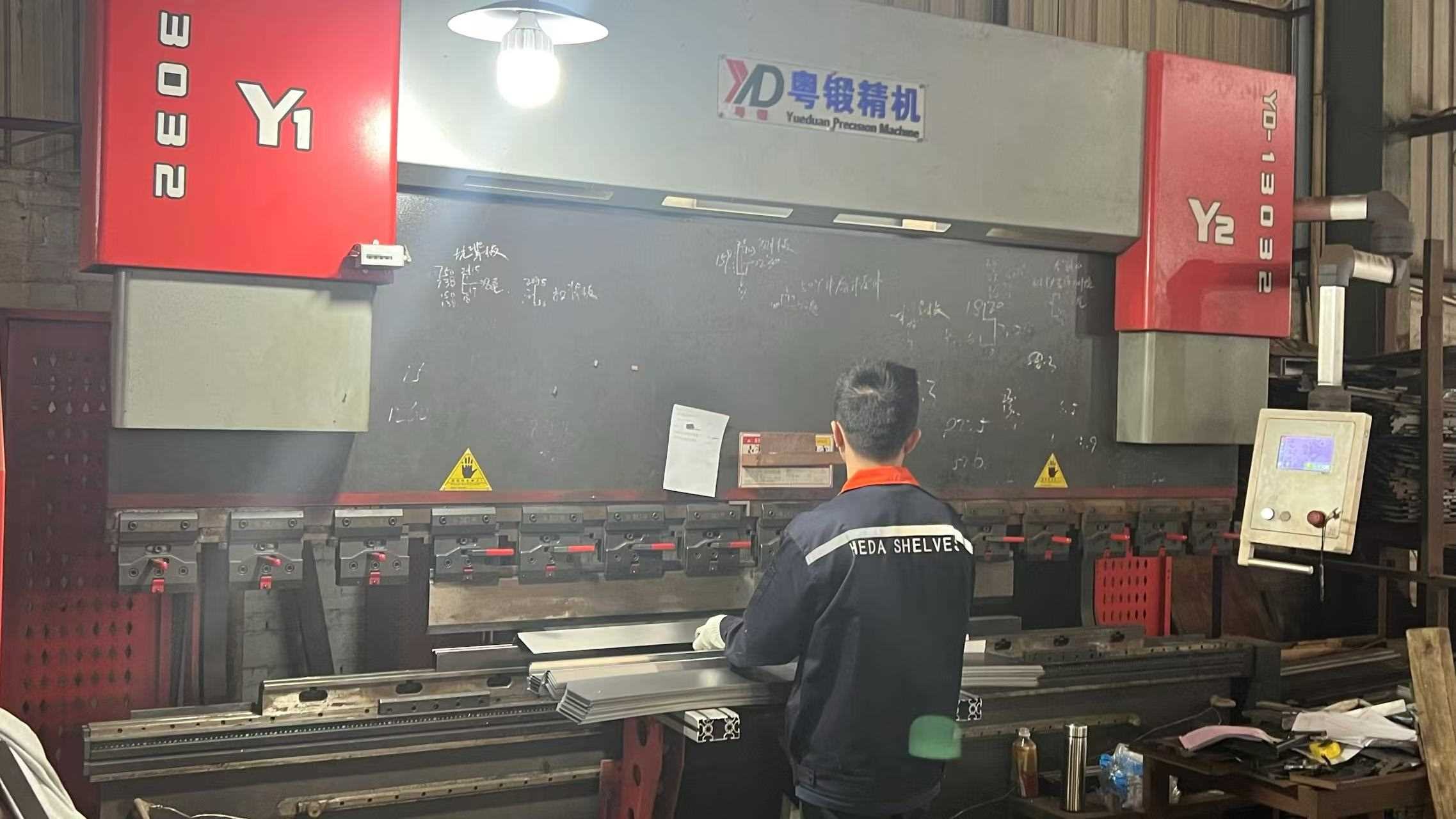
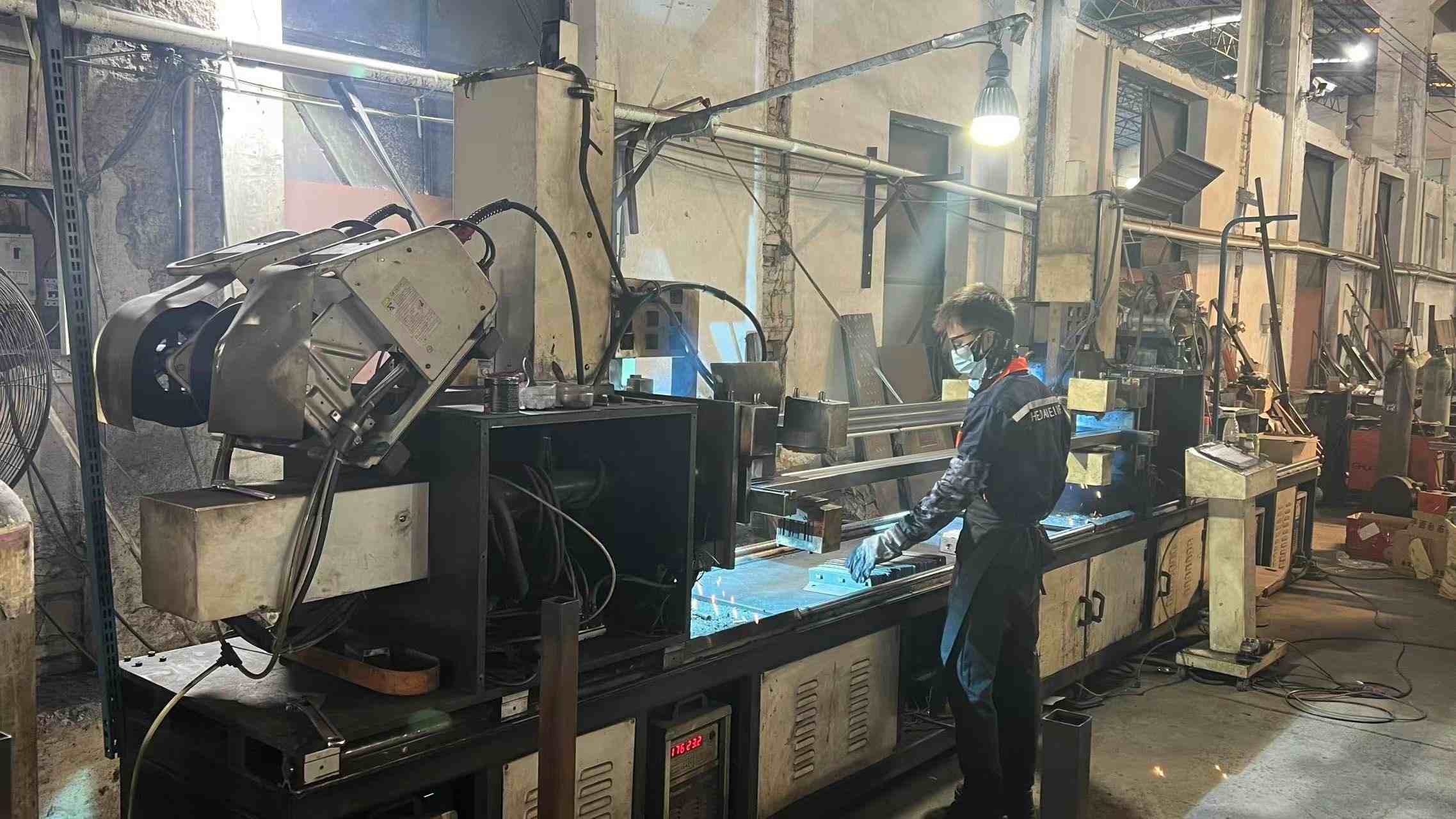
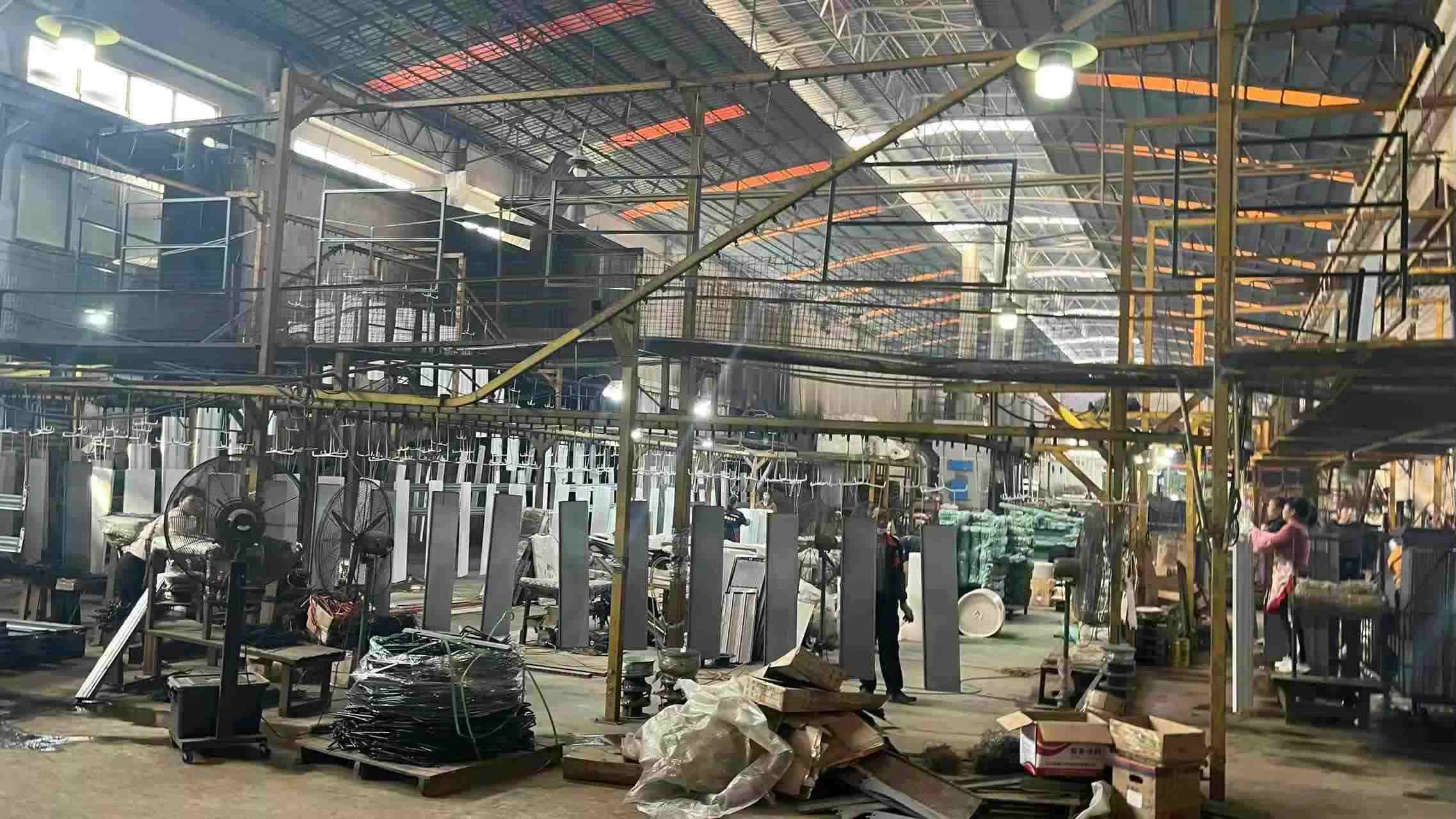
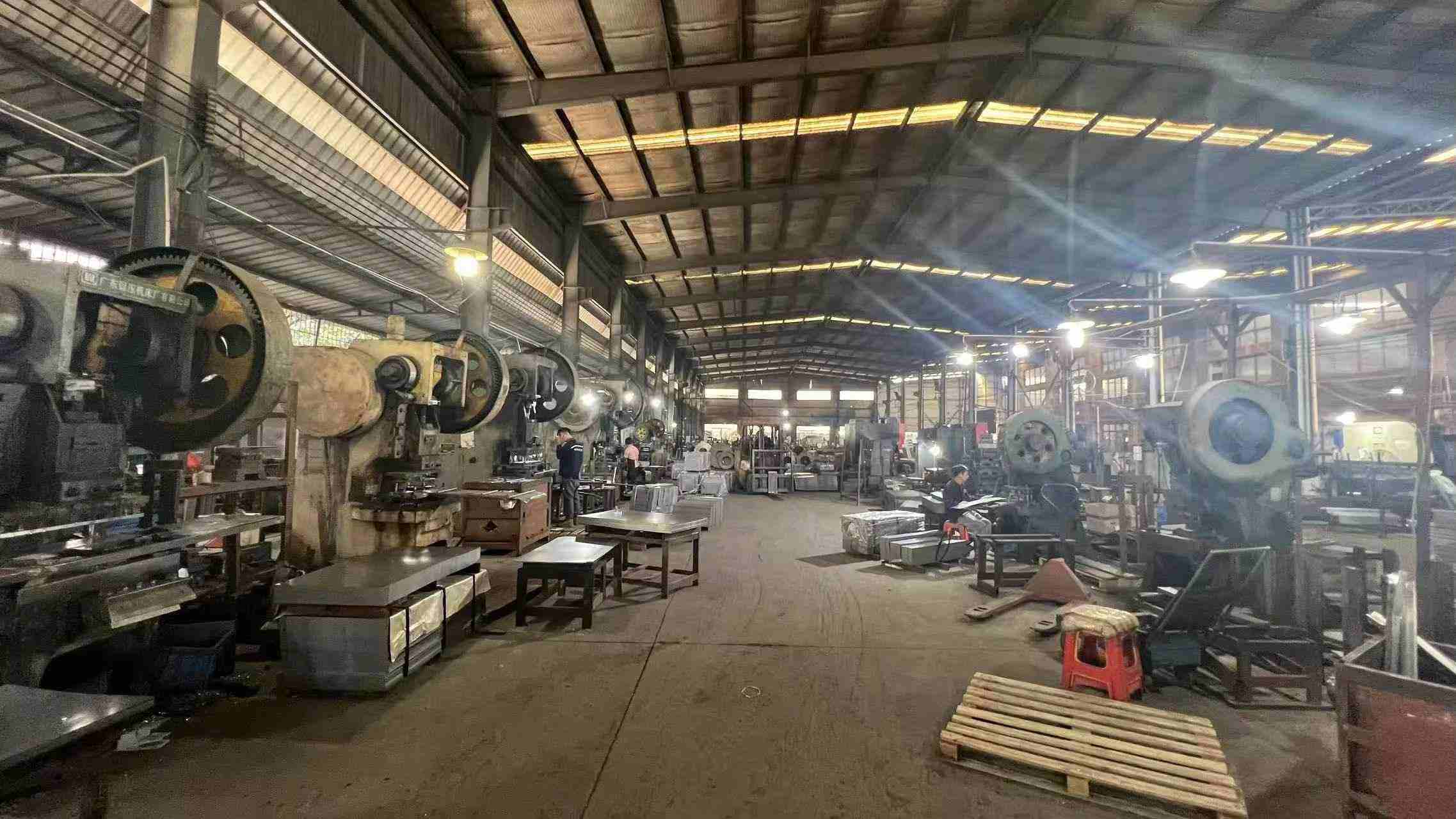
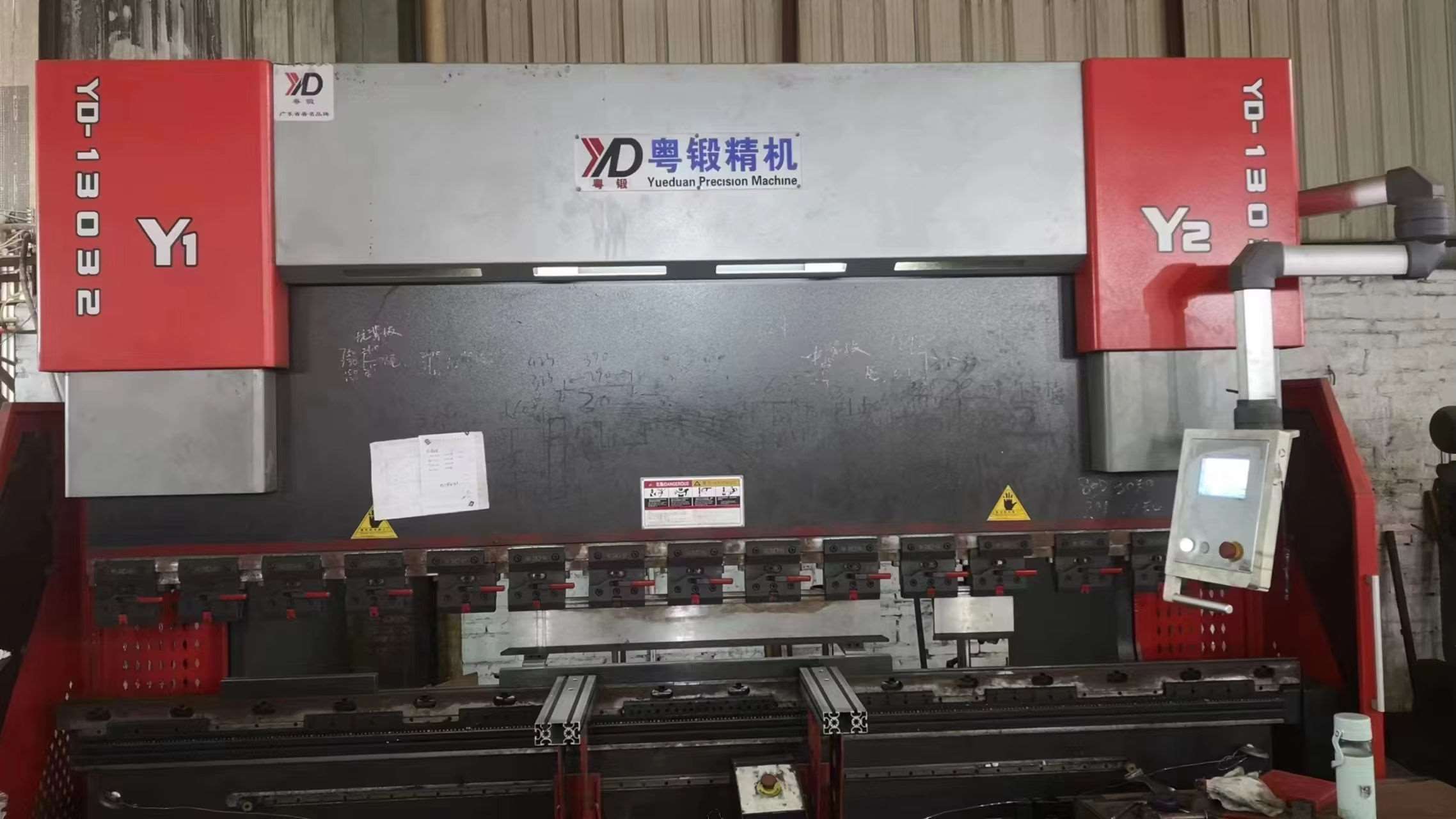
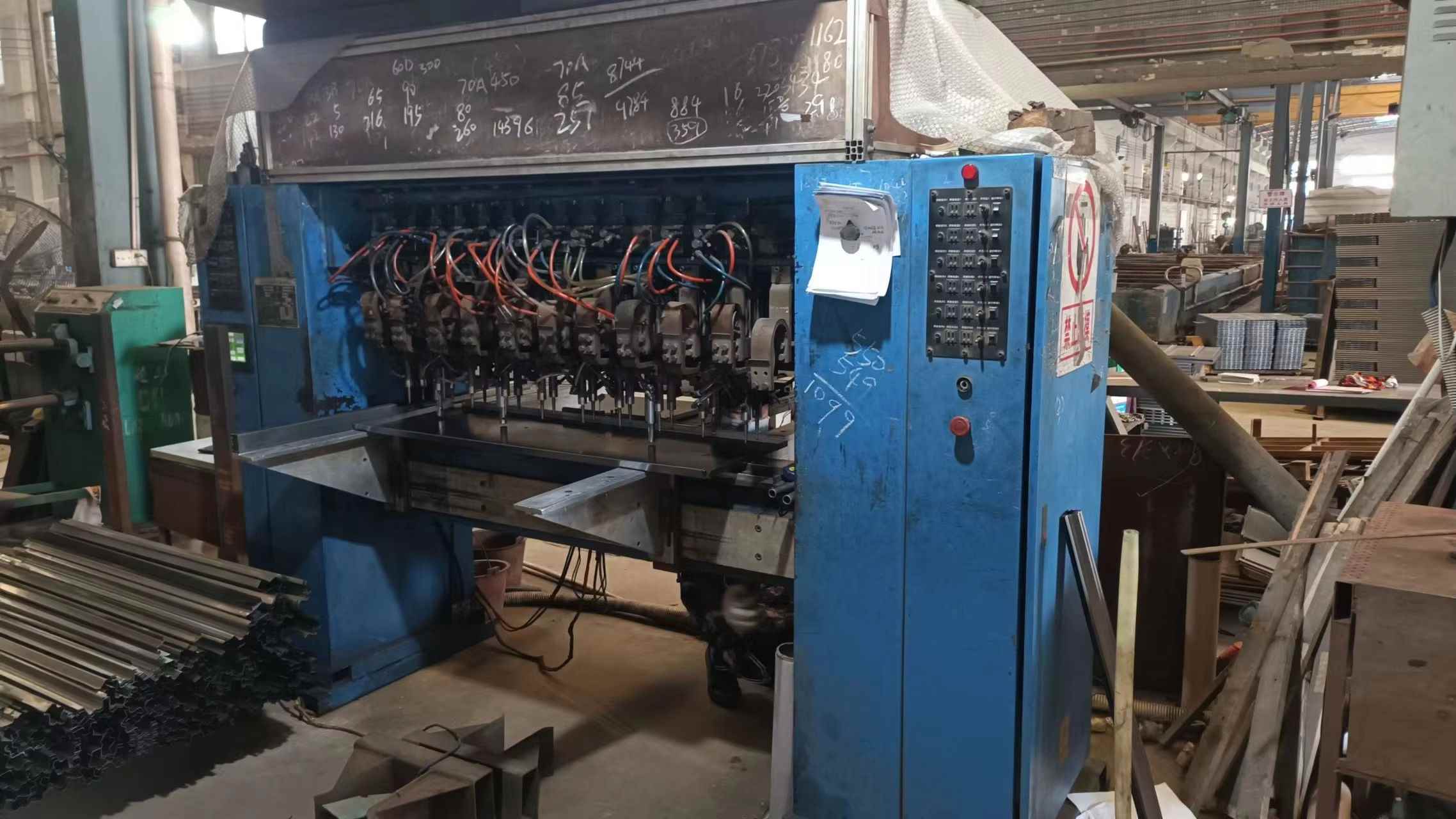
In addition, advanced Chinese manufacturers have invested heavily in high-performance fabrication lines. This includes multi-stage CNC rolling mills, robotic high-frequency welding stations, and fully enclosed electrostatic powder-coating lines. These automation steps ensure consistent profile dimension control, reliable weld penetration, and uniform surface coatings. These criteria are essential for the structural integrity of heavy-duty selective pallet racks and cantilever systems designed to handle weights up to 3,000 kg per level.
This automated approach translates into shorter lead times, allowing factories to complete complex, customized large-scale projects within 3 to 4 weeks. Working with local supply networks allows Chinese manufacturers to offer customized, direct-factory solutions (OEM/ODM) at scale, meeting Western standards (such as EN 15512, RMI, and AS4084) at lower total costs of ownership.
| Procurement Parameters | China Advanced Manufacturers (e.g., Heda) | Western Regional Fabricators | General Contract Assemblers |
|---|---|---|---|
| Raw Material Supply Chain | Direct integrated mills, Q235B & Q345B grades | Third-party distributors, subject to tariff fluctuations | Fragmented local steel sourcing |
| Lead Times (Large Scale 3PL) | 21 to 30 Days (Direct Factory Production) | 60 to 90 Days (Due to material backlog) | Varies (Dependent on subcontractors) |
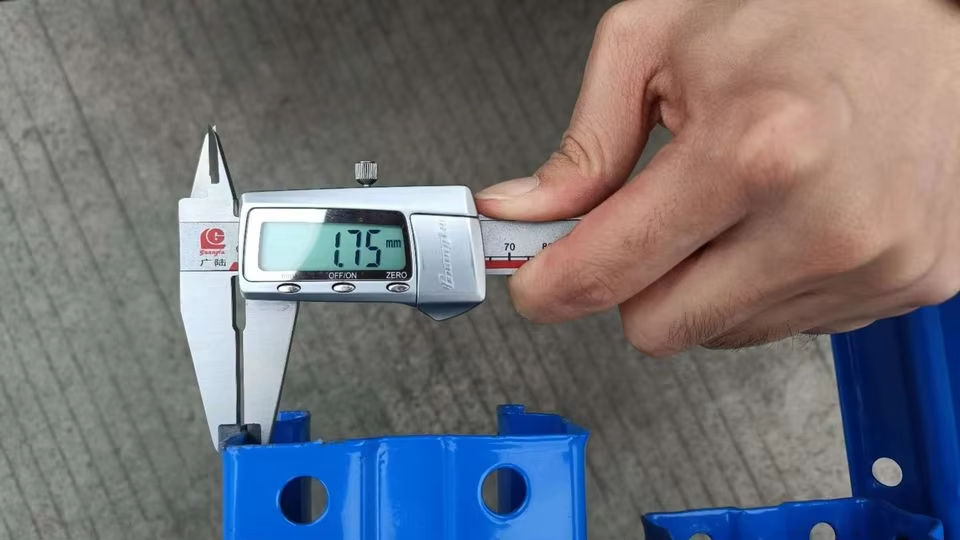
| Manufacturing Tolerances | CNC Automated Rolling, precision deviations < 0.5mm | CNC Automated, highly precise | Manual bending/welding deviations > 1.5mm |
| OEM/ODM Customization Scope | Comprehensive, direct engineering and fast prototyping | High customization cost and engineering fees | Limited to standard stock modules |
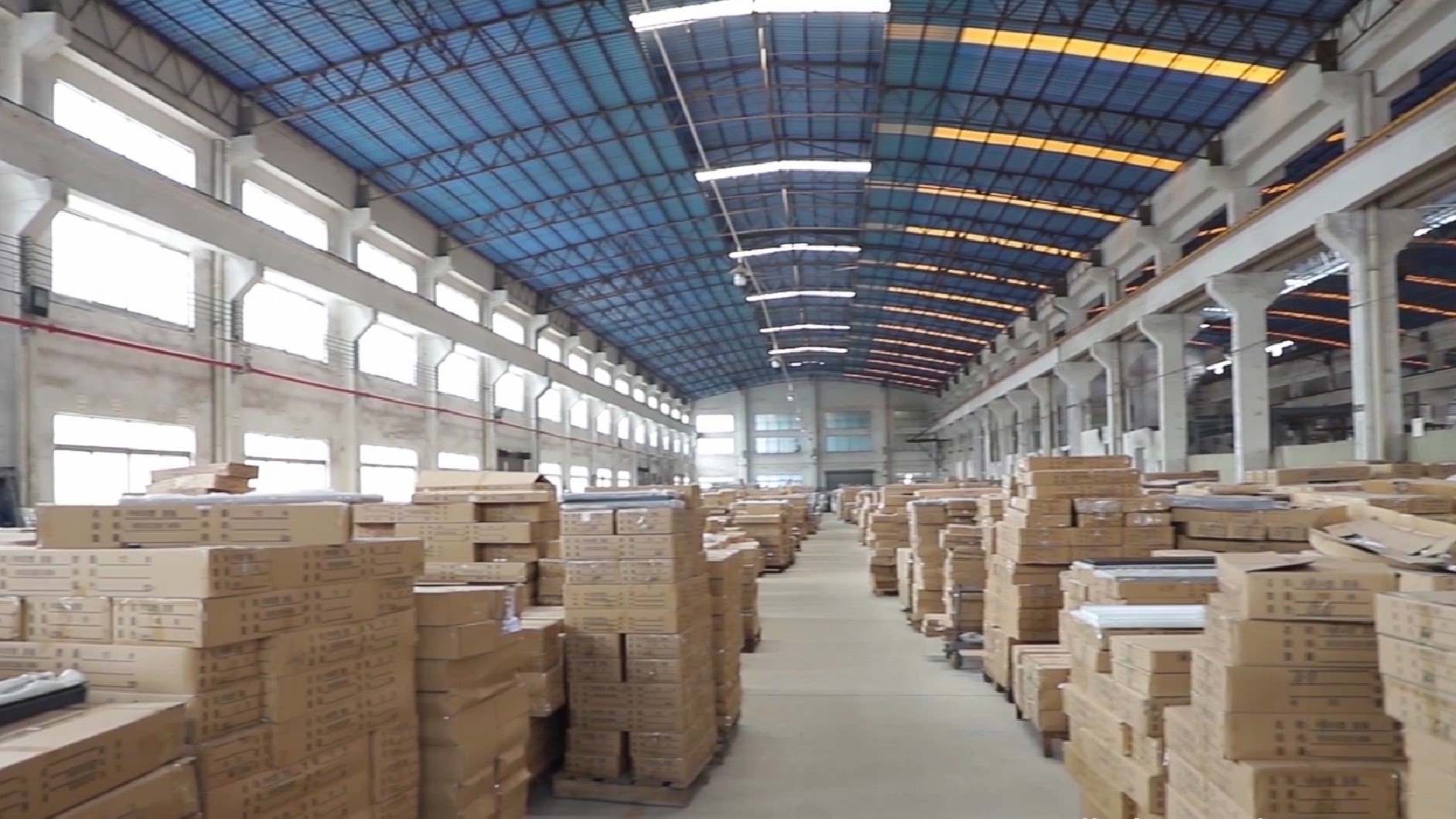
Established in 2014, Shenzhen Heda Warehouse Equipment Co., Ltd. is a premier manufacturer specializing in heavy-duty warehouse racking and industrial storage solutions. Spanning a modern manufacturing facility of 35,000 m², our enterprise integrates R&D, design, production, and international marketing to serve diverse storage needs worldwide. With 12 years of industry experience and 8 years of dedicated export expertise, we deliver high-caliber storage systems that generate over $28 million in annual export revenue.
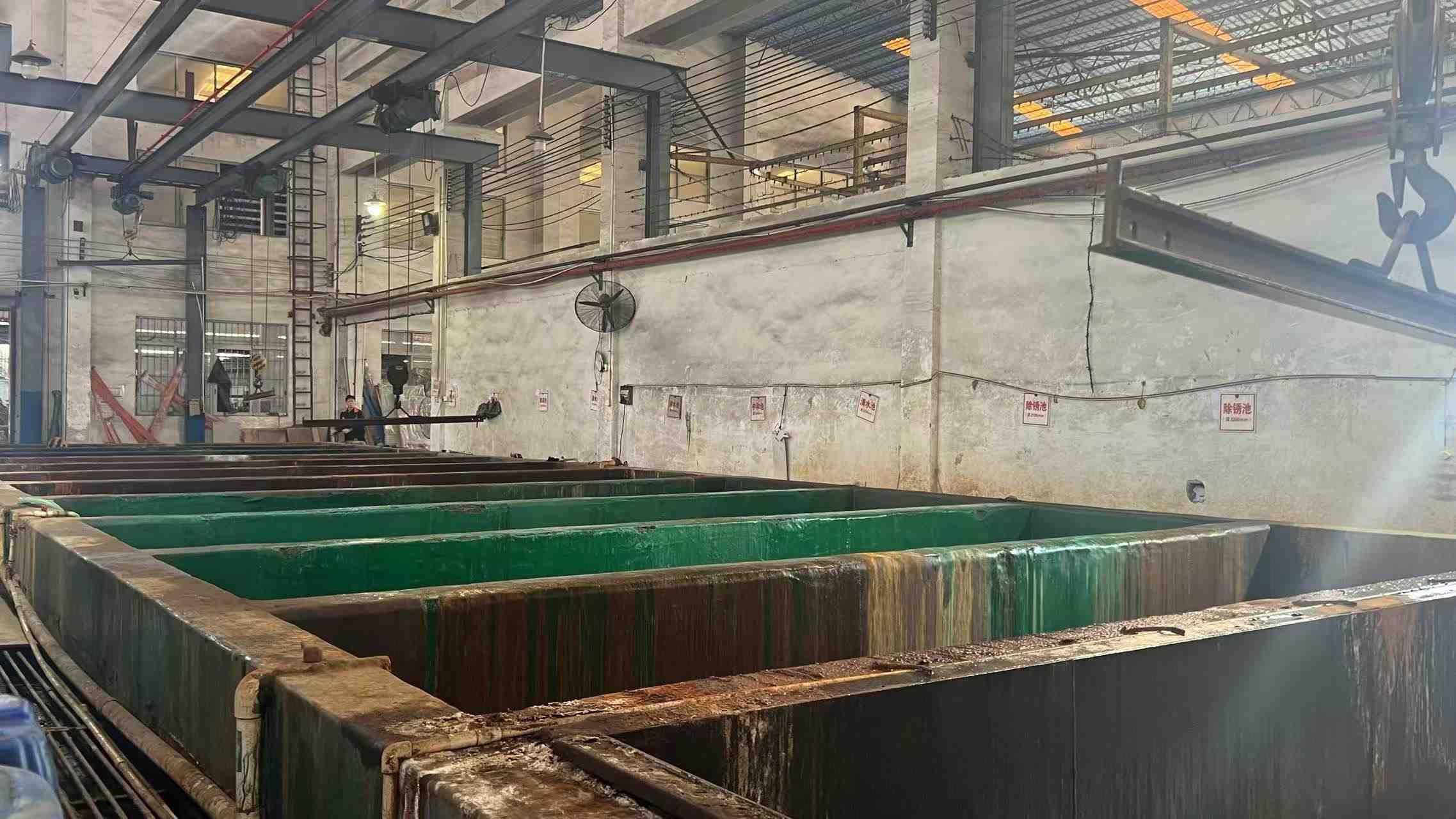
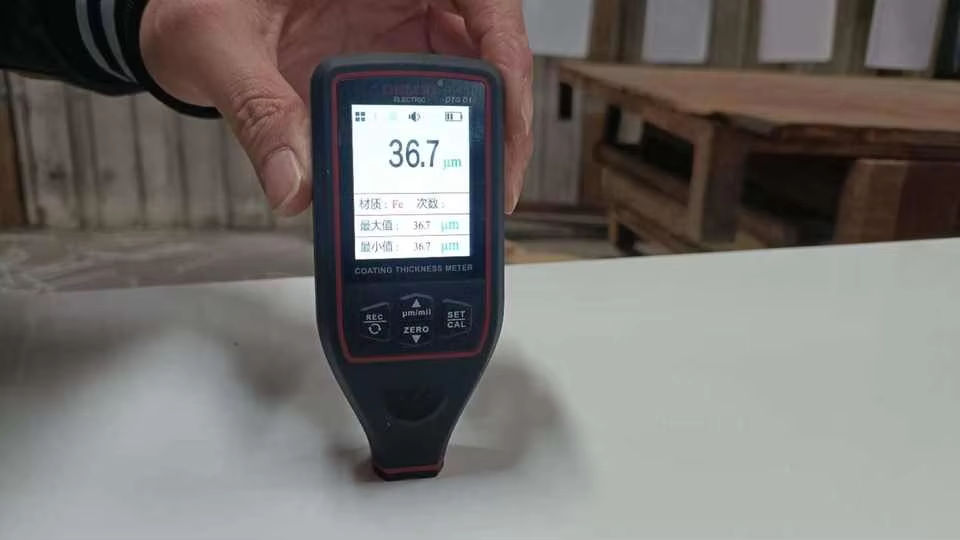
At Heda, quality control and engineering innovation drive our core operations. Our robust QC department comprises 45 skilled inspectors utilizing rigorous testing methods, including raw material tensile testing, automated weld flaw detection, layer load-bearing stress analysis, and salt spray surface corrosion testing. Supported by a professional R&D team of 28 senior structural engineers, we maintain strong full-customization capabilities (OEM/ODM)—offering tailored rack dimensions, load capacities, surface coatings, and layout designs. Driven by continuous innovation, we launched over 120 new dynamic storage products and component upgrades last year.
Operating with a strong direct-factory and international trade background, we have built a resilient ecosystem supported by over 800 supply chain partners. Our products are exported to major global markets, including North America, Western Europe, Southeast Asia, and the Middle East. We proudly serve a diverse clientele ranging from third-party logistics (3PL) providers and large distribution centers to industrial manufacturers and wholesale equipment distributors.
Under the supervision of our 45-person QC department, every production phase—from raw materials to final dimensional inspection—follows strict international standards.
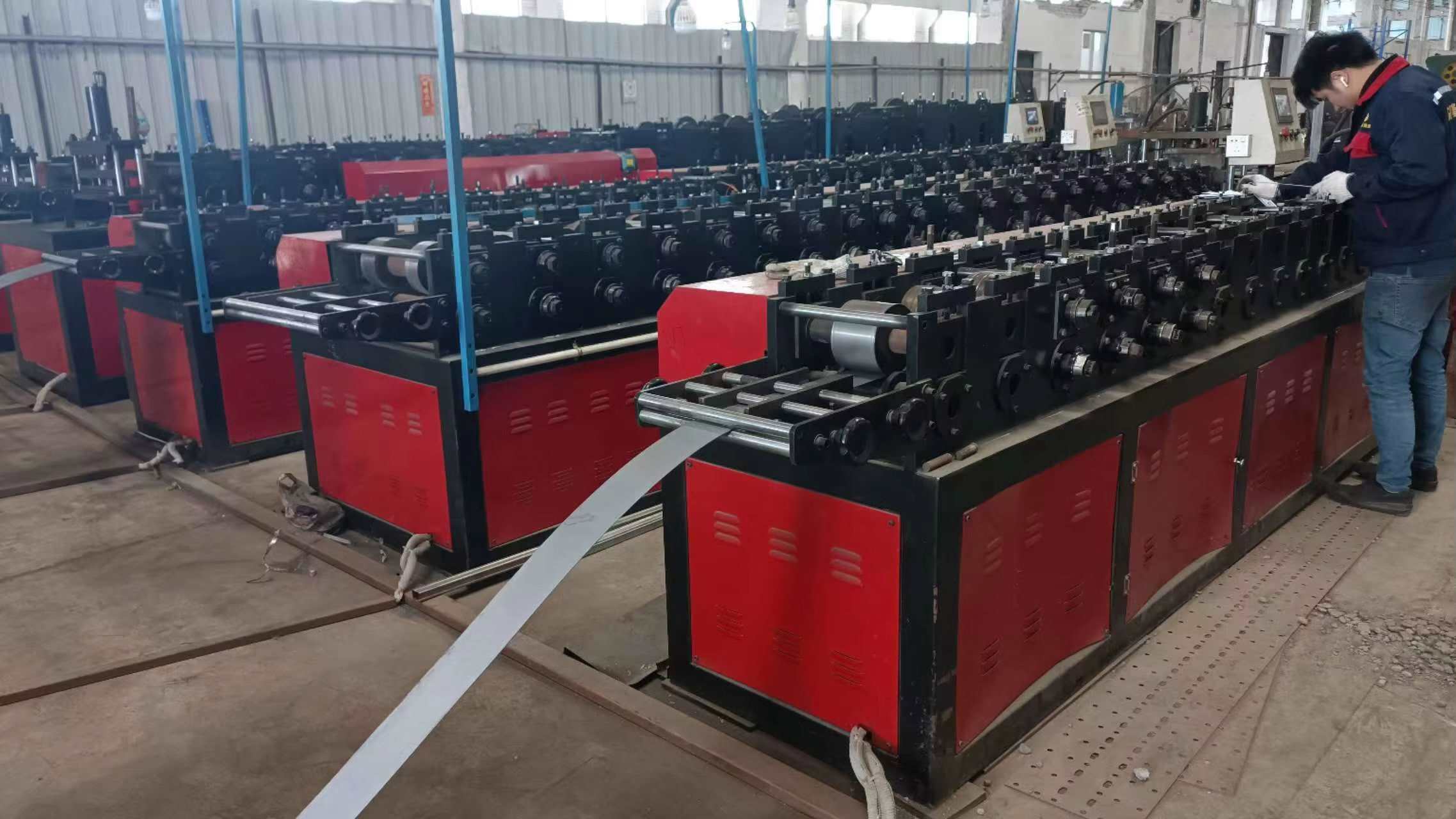
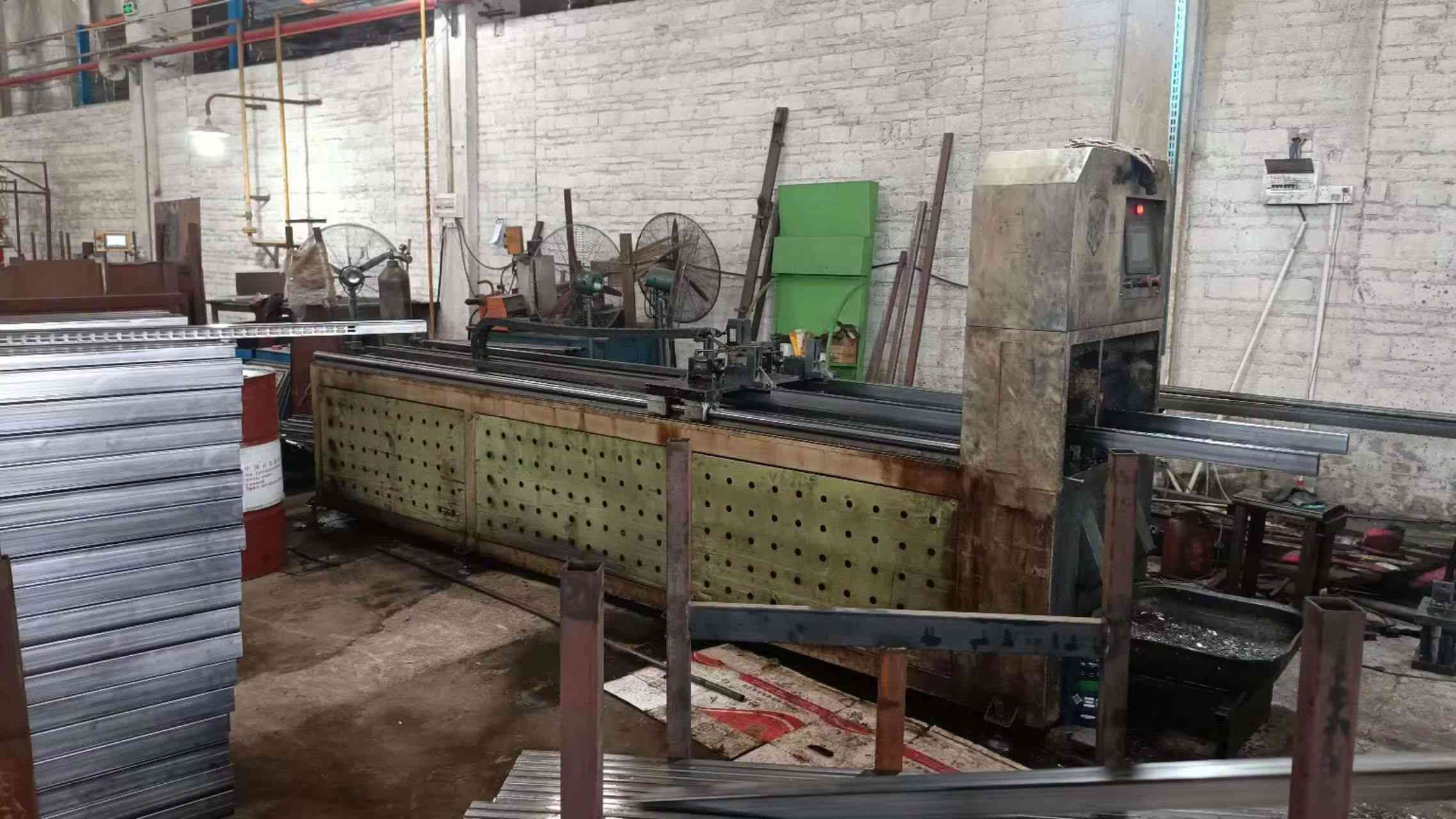
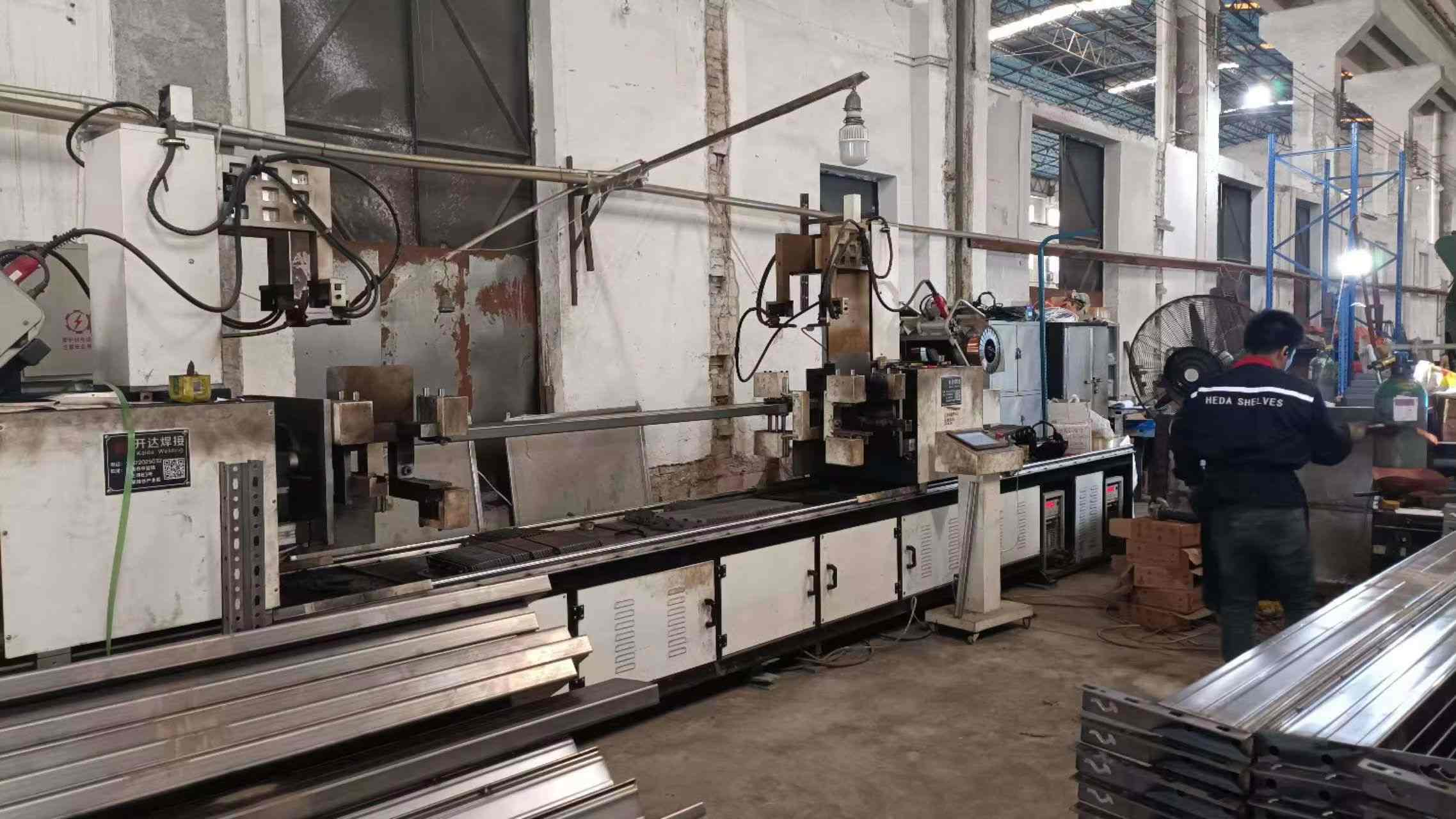
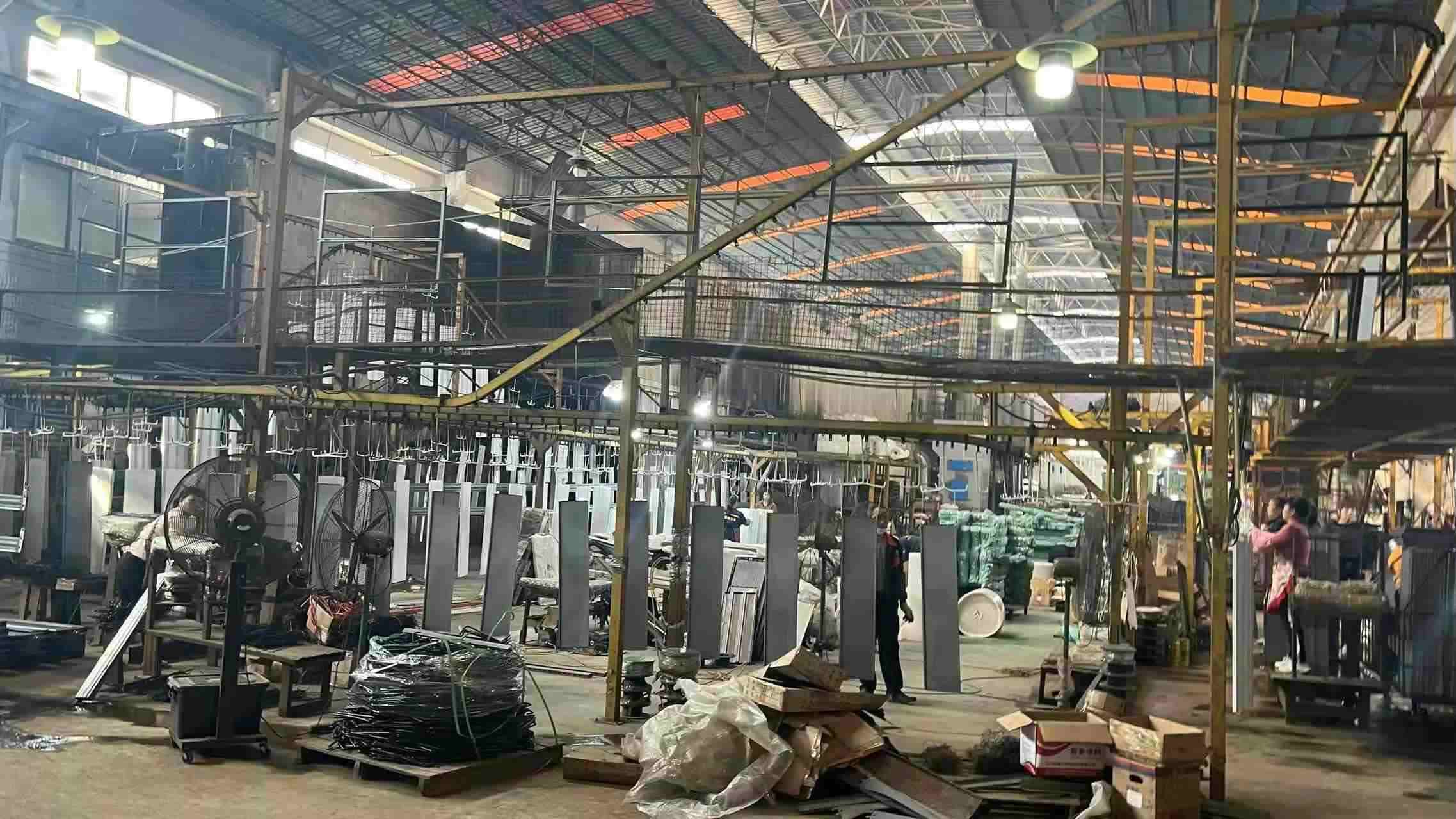
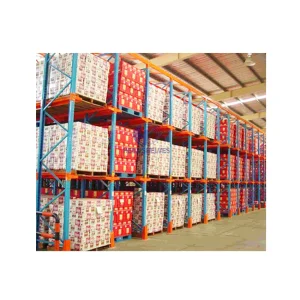
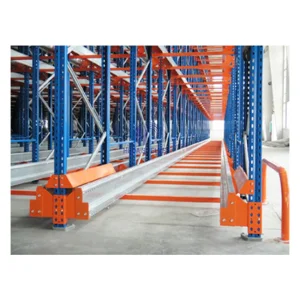
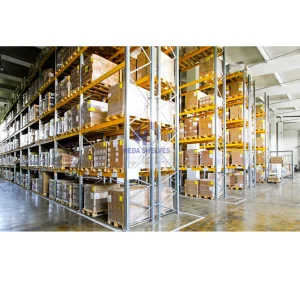
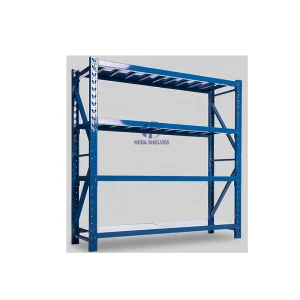
Industrial storage configurations must match the operational realities of different target sectors. Different facilities face unique load characteristics and spatial constraints. For example, Third-Party Logistics (3PL) operations handle highly dynamic SKU footprints. These require selective, adjustable pallet racks that allow swift reconfiguration without cutting structural members. High-density storage facilities benefit from Drive-In or Drive-Thru designs that maximize spatial yield by using LIFO/FIFO product management.
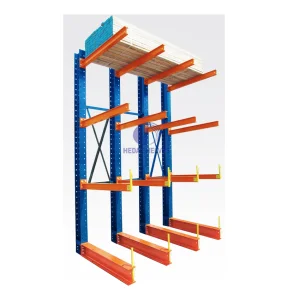
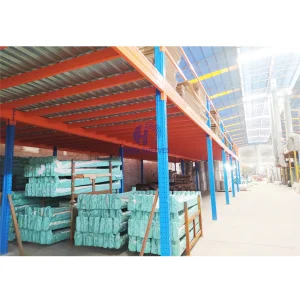
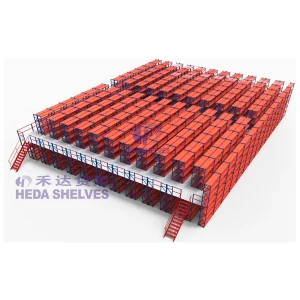
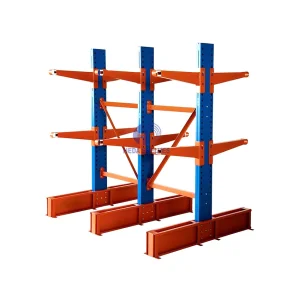
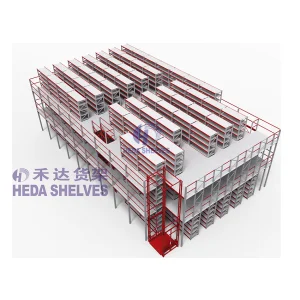
For industrial manufacturers handling heavy raw materials—such as structural steel piping, lumber bundles, and metal sheets—Cantilever Racks are the standard. The open frontage of cantilever arms allows forklifts to load and unload long items, reducing risk to operators. Mezzanine and Steel Structure Platforms double a facility’s footprint by using the vertical envelope to create secondary working floors, office hubs, or light assembly spaces above active operations.
Looking forward, structural design is evolving to focus on sustainability and integration with digital ecosystems. First, structural profiles are using higher yield strength steels. This reduces total frame mass while maintaining load capacity, which lowers manufacturing and shipping emissions. Second, surface treatments are shifting toward zero-VOC powder formulations that resist corrosion in cold-chain environments down to -30°C. Finally, structural analysis is integrating seismic dynamic testing, ensuring that freestanding racking structures conform to local hazard codes.
Millimeter tolerances required for modern storage systems, ensuring automated shuttle and crane operations run smoothly.
Multi-stage acid-washing, pickling, and high-durability coatings protect structures in high-humidity or cold-chain locations.
Engineered structural frames designed to withstand seismic shifts, helping installations meet building codes worldwide.
Procuring industrial racks at scale requires a clear evaluation checklist to minimize risks and ensure site safety. Industrial buyers should evaluate prospective factories using these criteria:
Technical answers to key structural engineering, load calculation, and global supply chain questions.
High-capacity structural configurations optimized for multi-level, selective, and high-density industrial warehouse architectures.
 Hedaracking