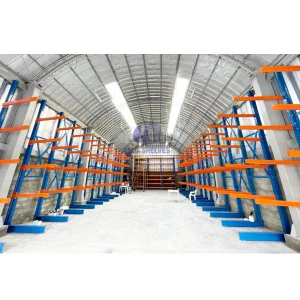
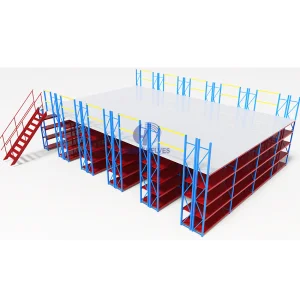
Engineered to maximize vertical footprint expansion with certified high load capacities and durable industrial steel designs.
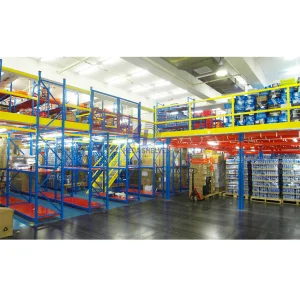
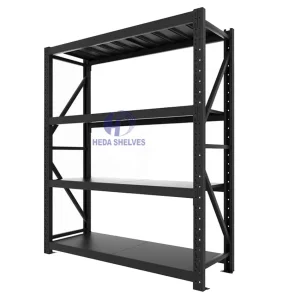
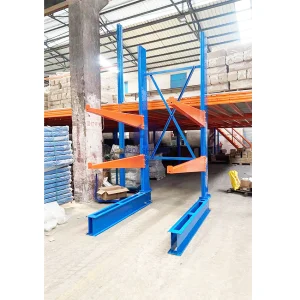
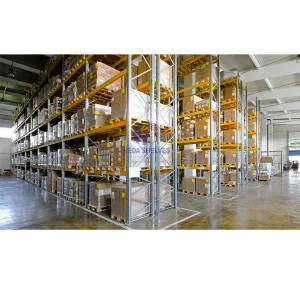
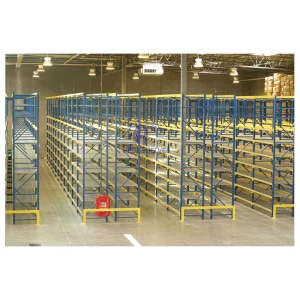
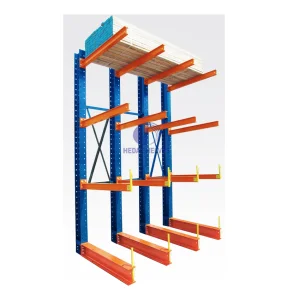
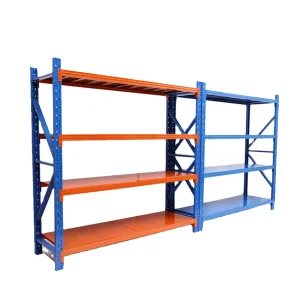
Analyzing modern logistics paradigms, the value of vertical space optimizations, and the necessity of high-integrity steel structural configurations.
In the contemporary global distribution model, warehouse real estate costs continue to rise exponentially. Industrial facilities, logistics providers, and heavy manufacturers are facing the urgent challenge of maximizing throughput without expanding their horizontal physical footprint. This dynamic has accelerated the demand for structural steel platforms and multi-tier mezzanine floor configurations. According to recent market analysis, modern third-party logistics (3PL) centers, cold-storage chains, and micro-fulfillment nodes are progressively replacing traditional storage systems with high-density vertical solutions to achieve spatial optimization up to 200%.
Steel platforms serve as the backbone of modern warehouse structures, allowing industrial operations to seamlessly integrate offices, sorting lines, catwalks, and heavy machinery above ongoing ground operations. By deploying premium Q235B or Q355B structural steel configurations, structural engineers can calculate high loading tolerances capable of withstanding dynamic seismic shifts, deep load cycles, and high-frequency AGV operations. Developing a reliable spatial architecture requires deep integration of structural engineering expertise with direct material manufacturing capabilities.
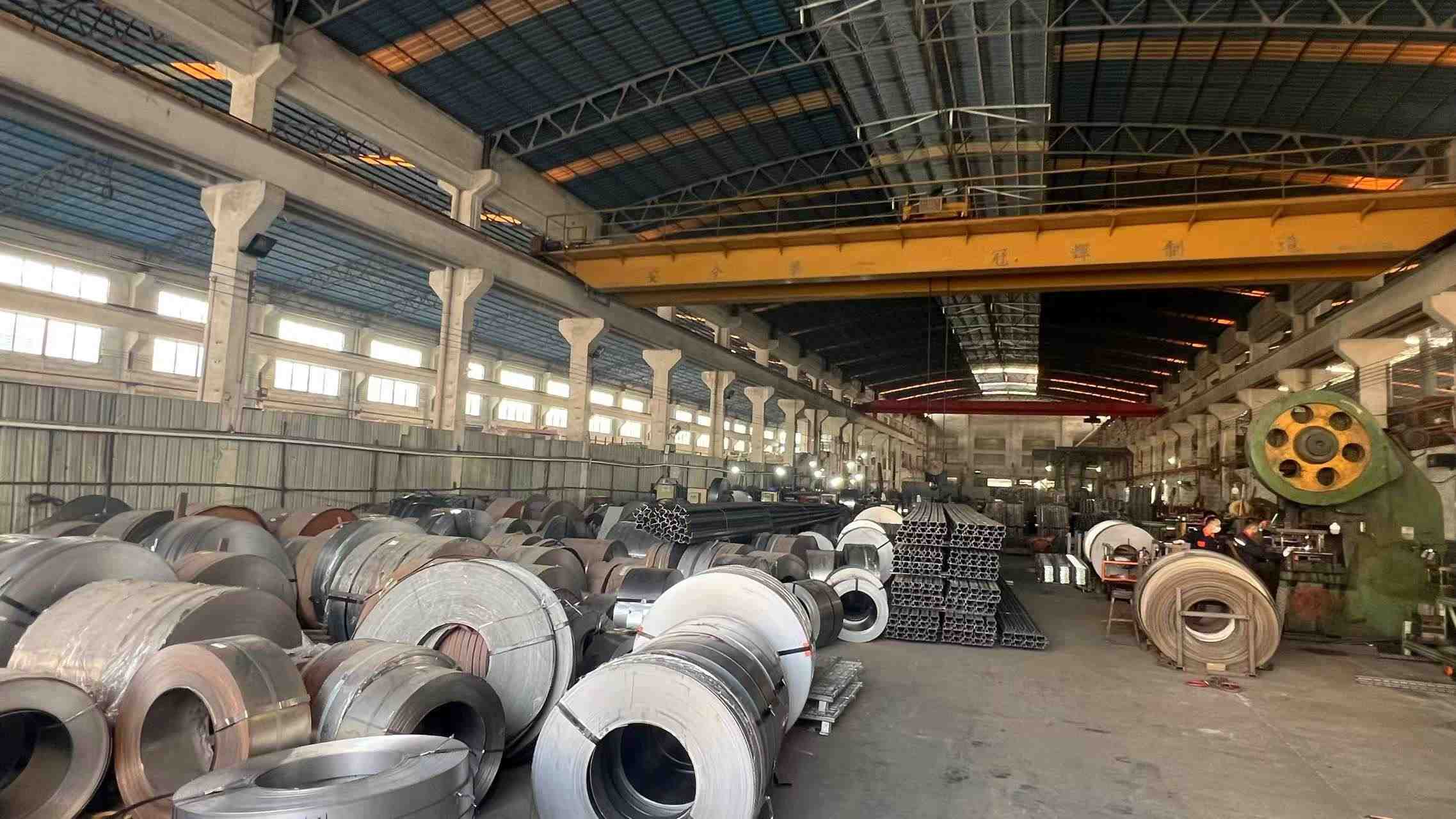
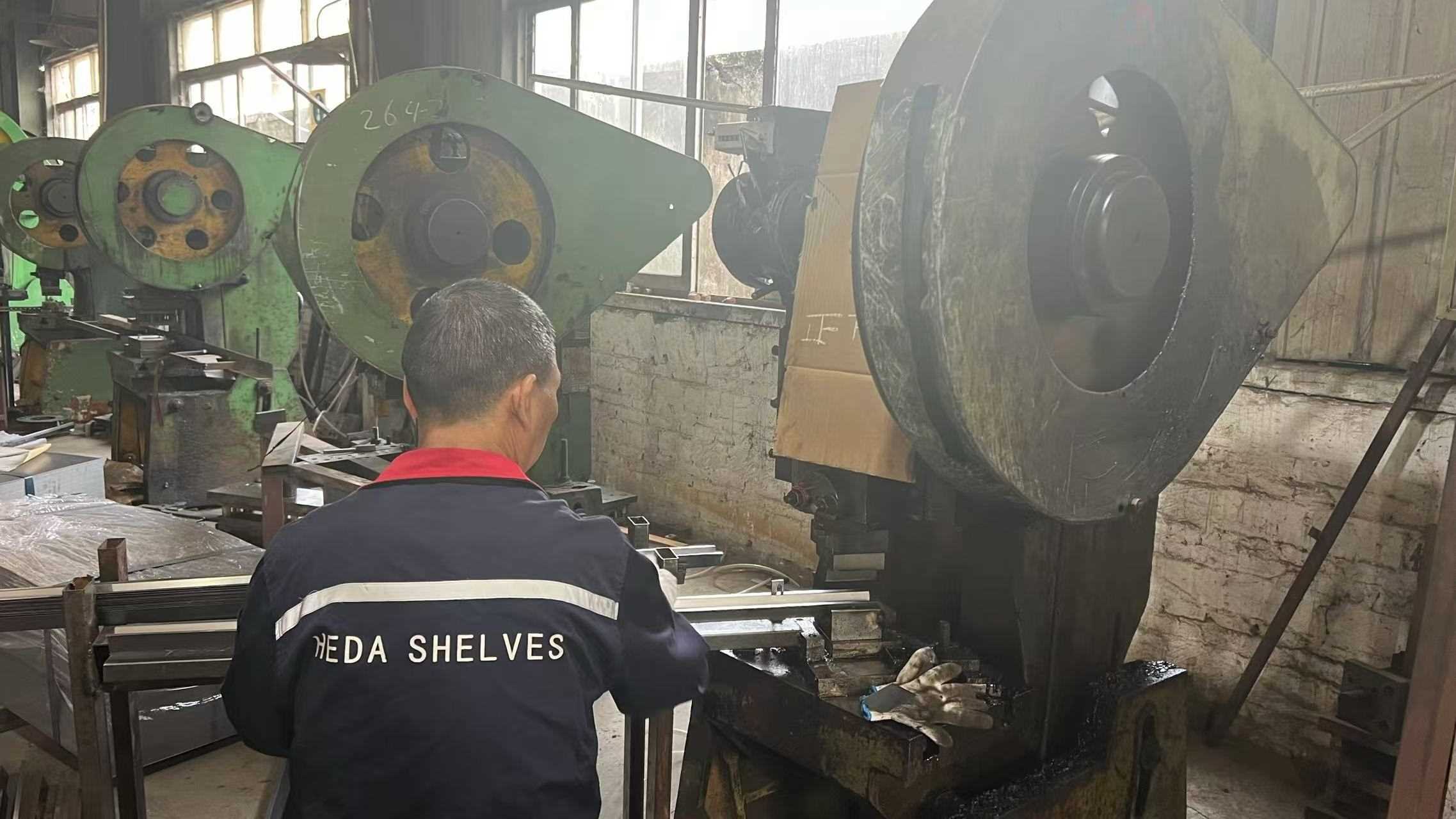
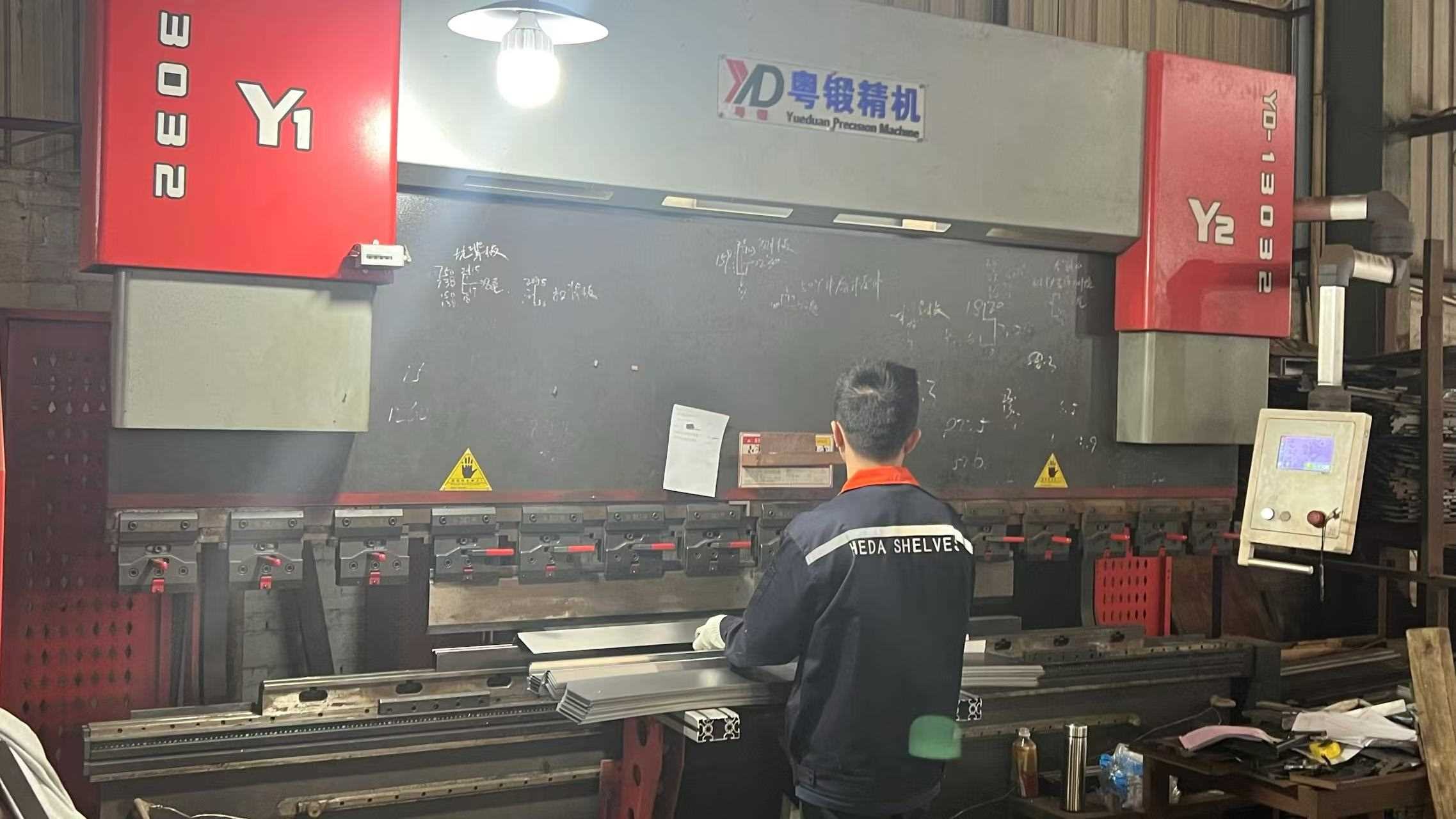
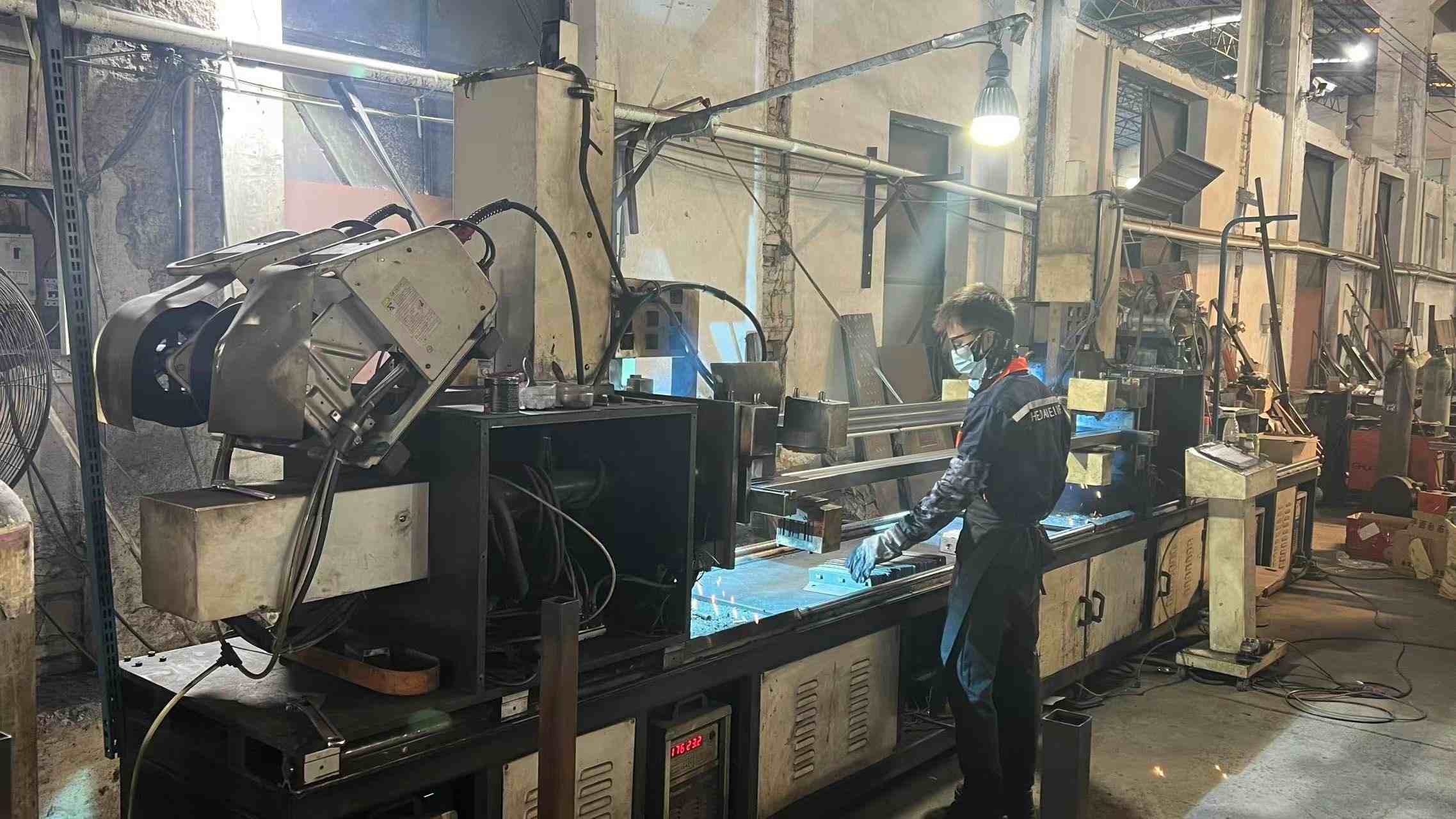
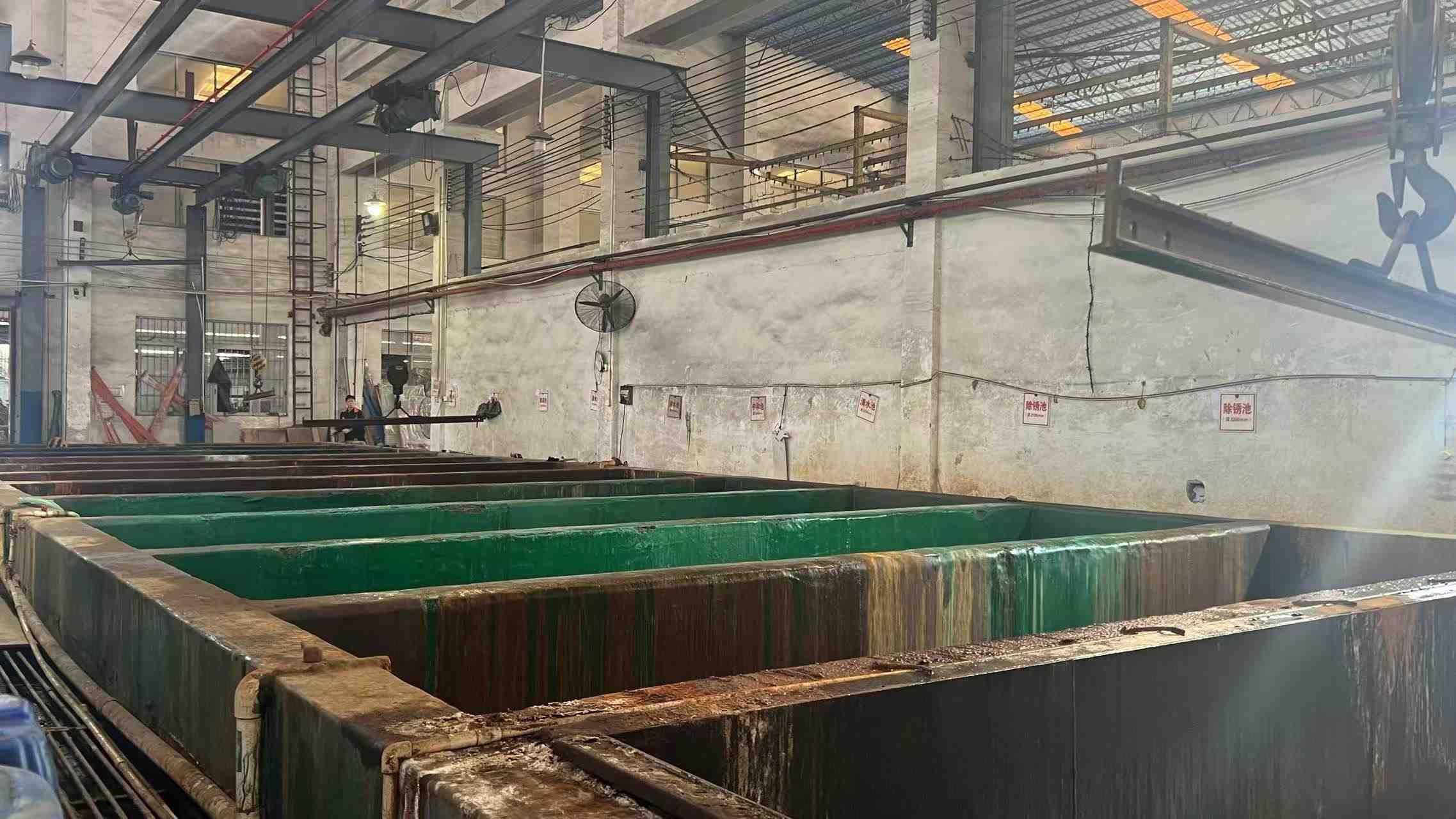
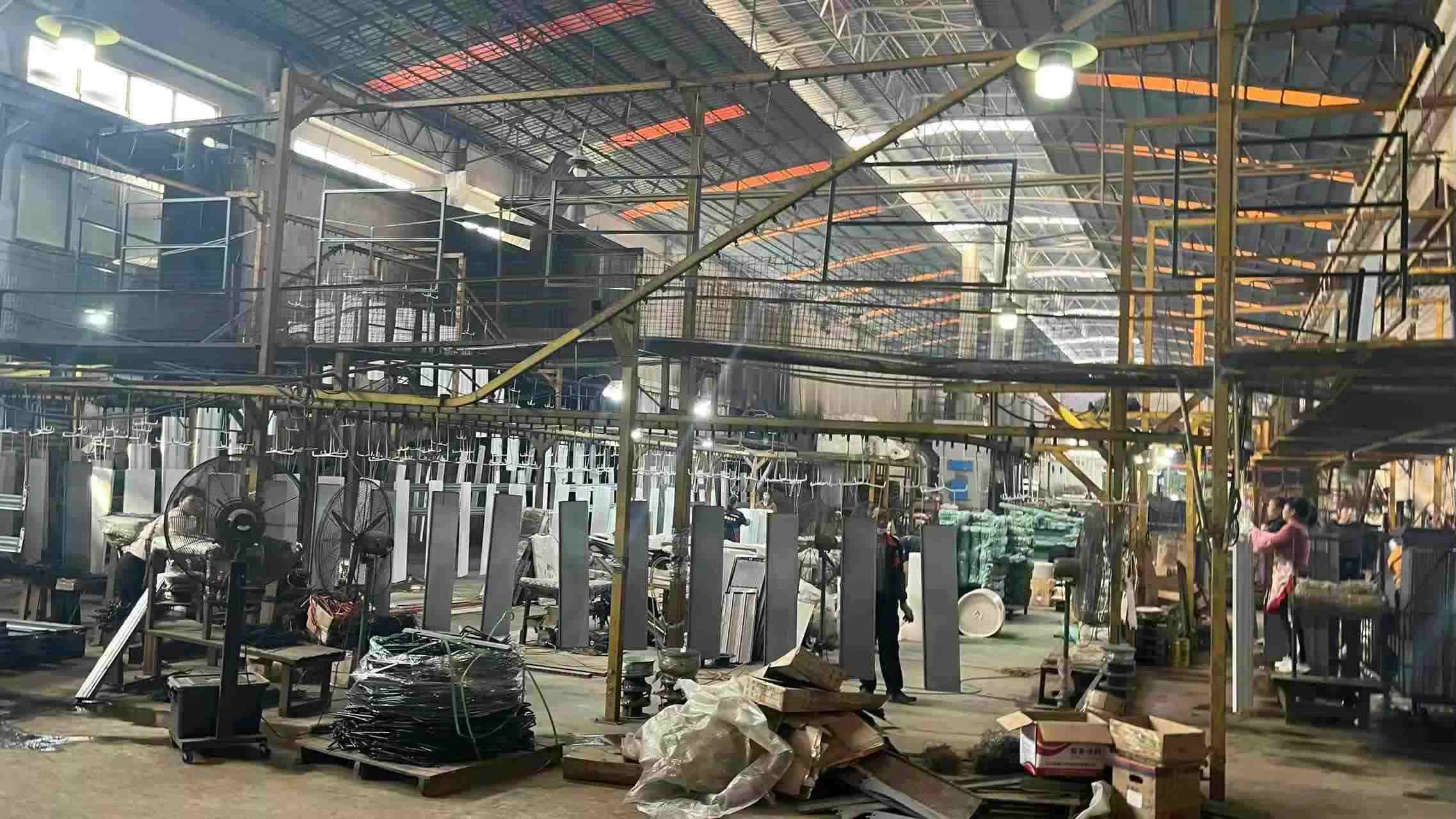
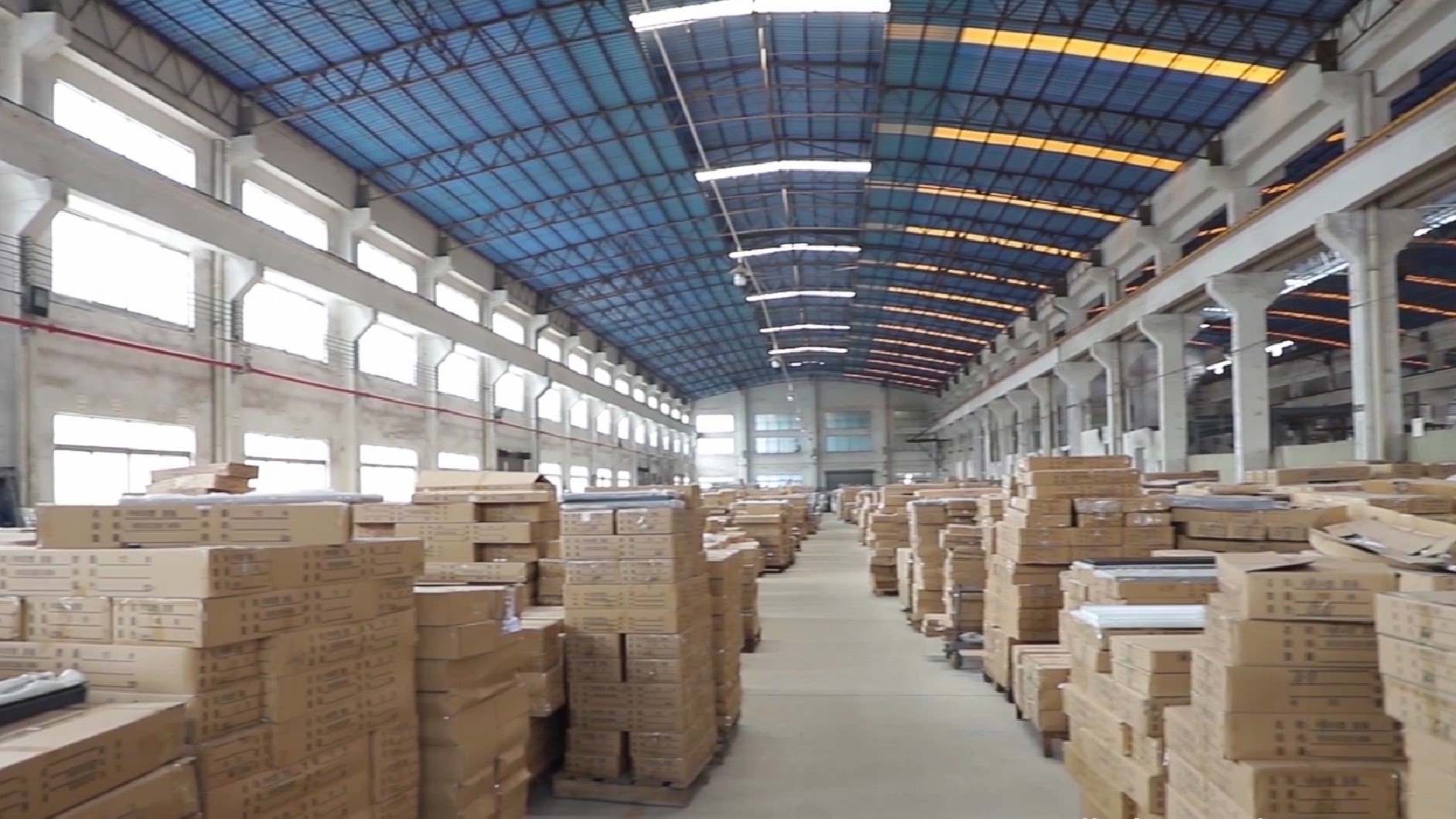
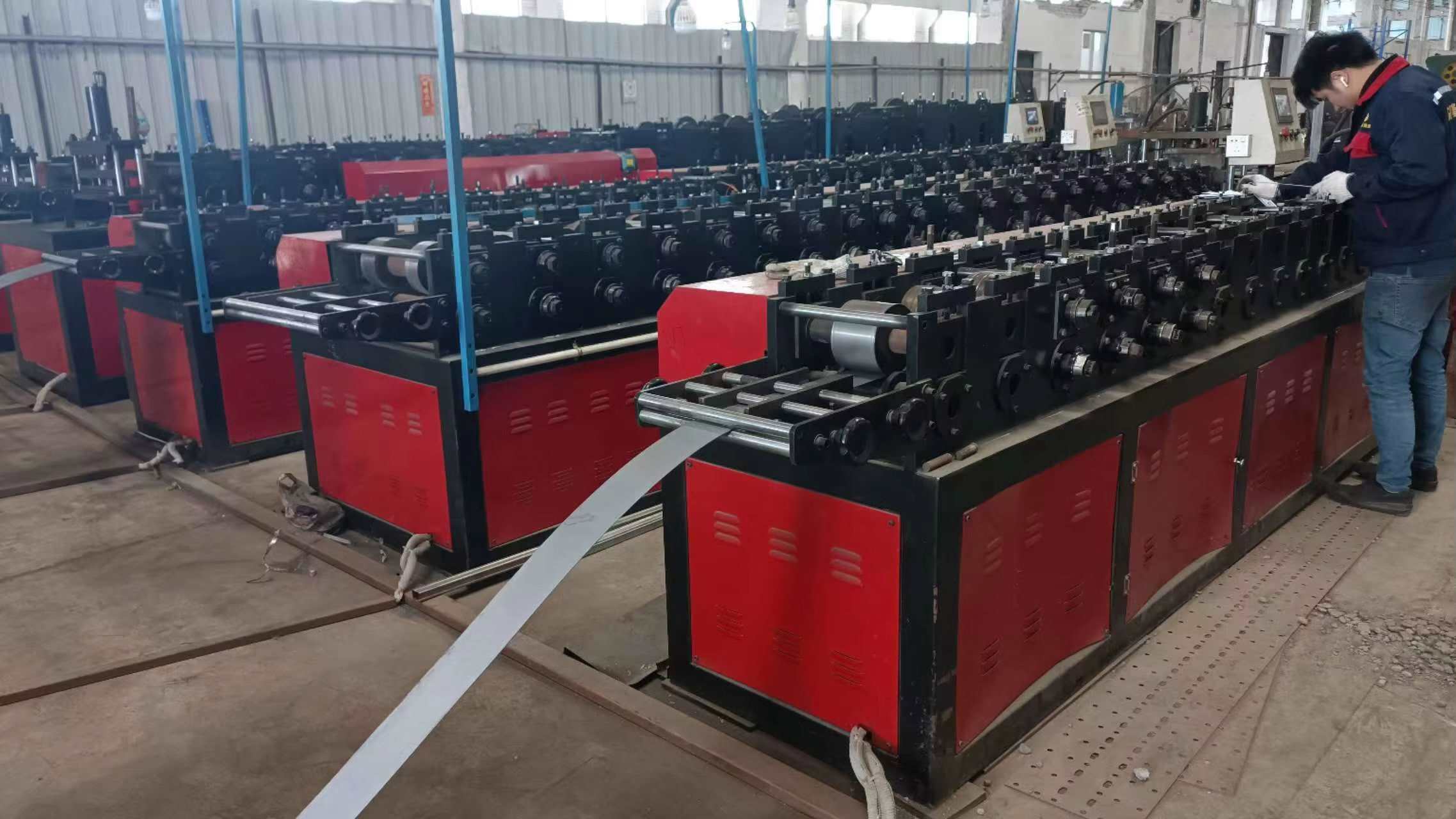
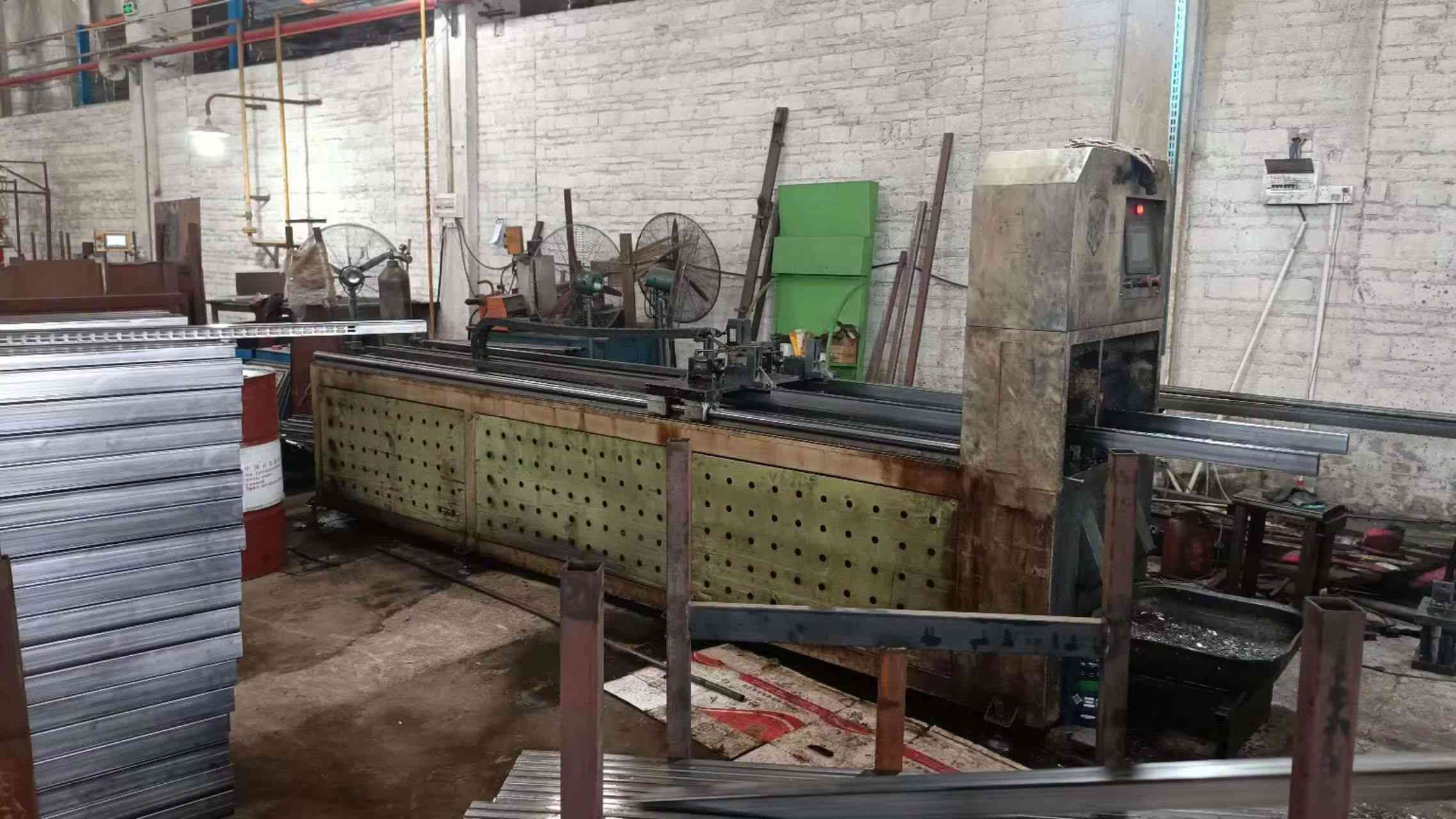
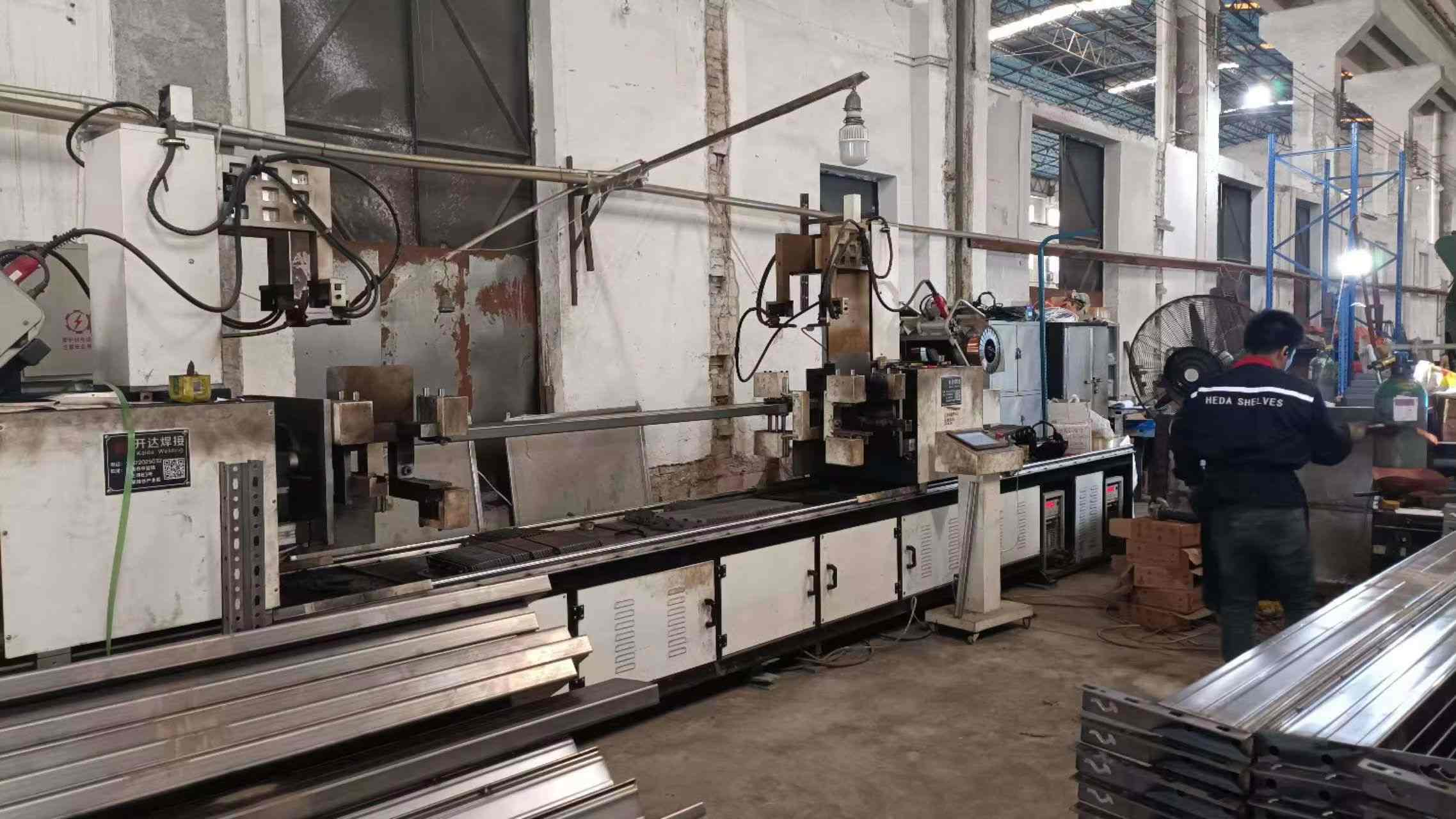
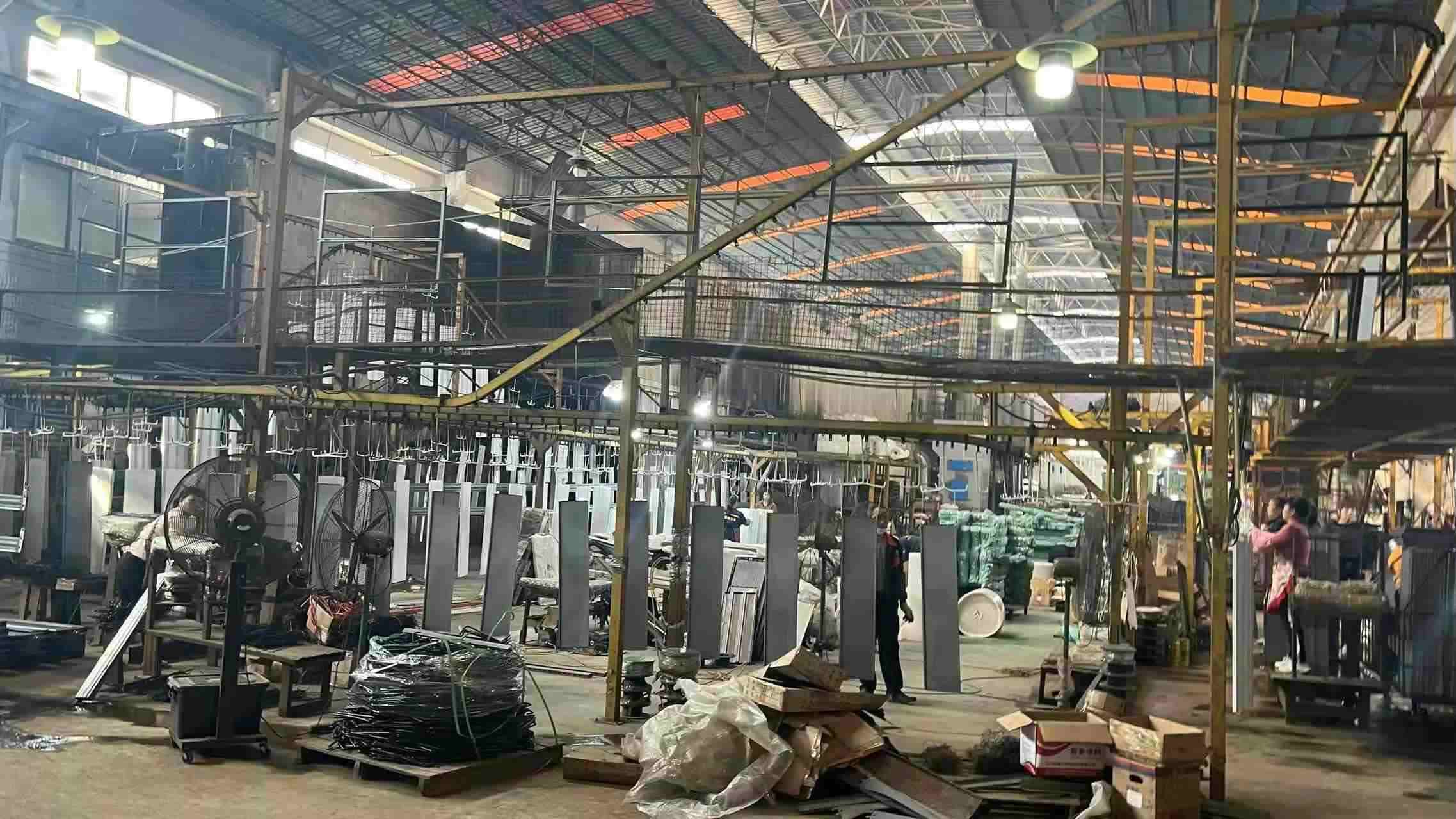
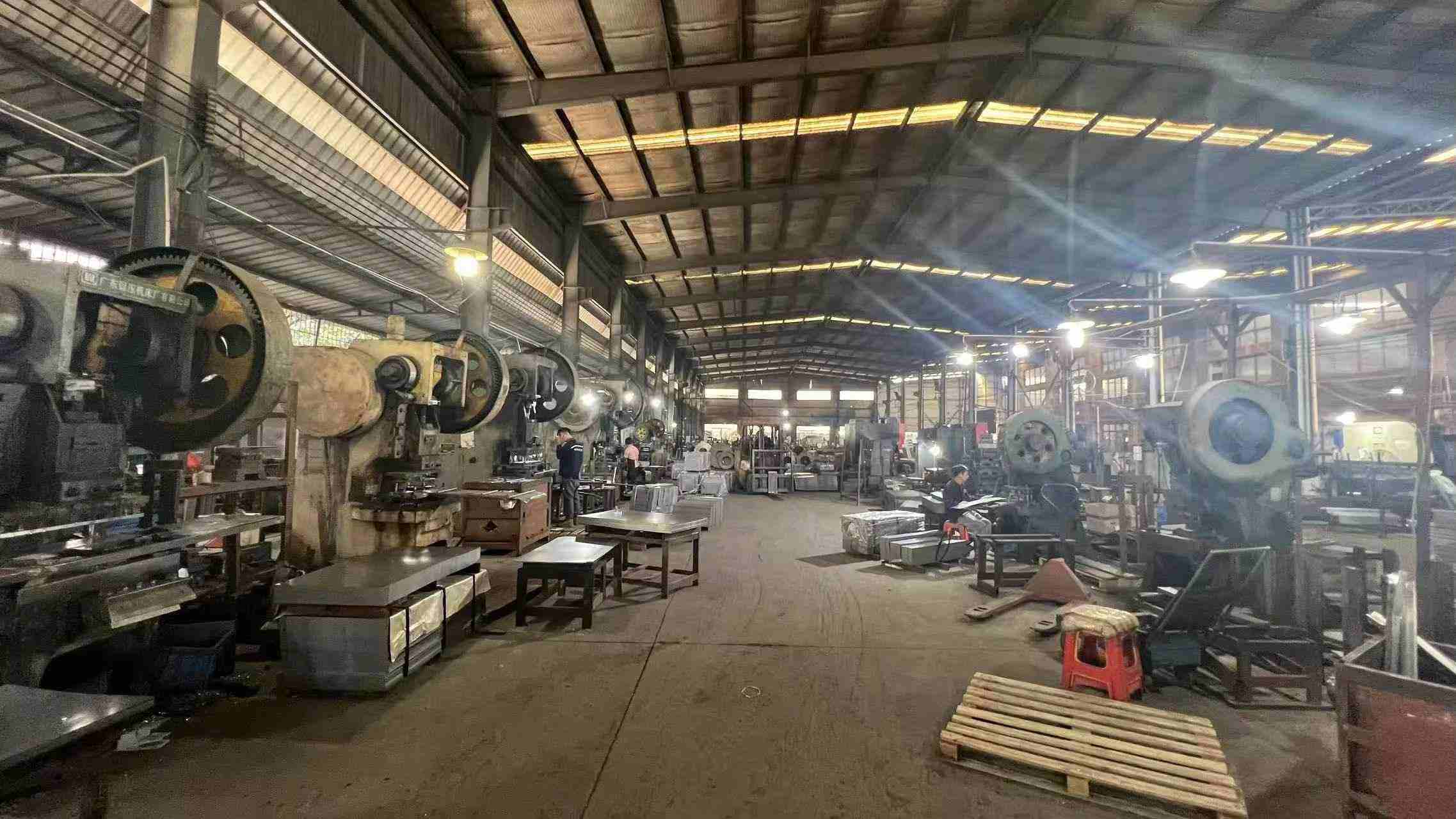
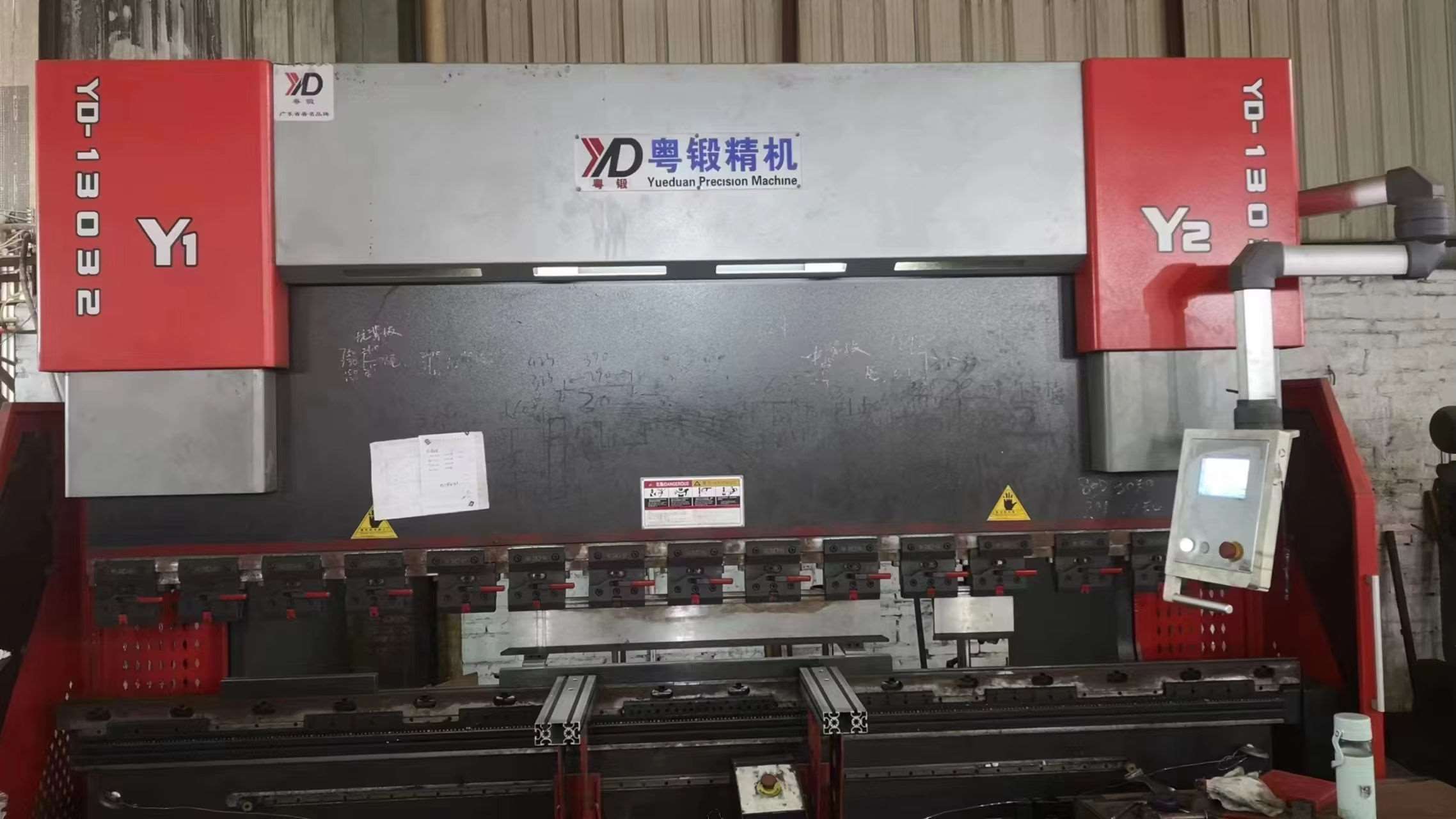
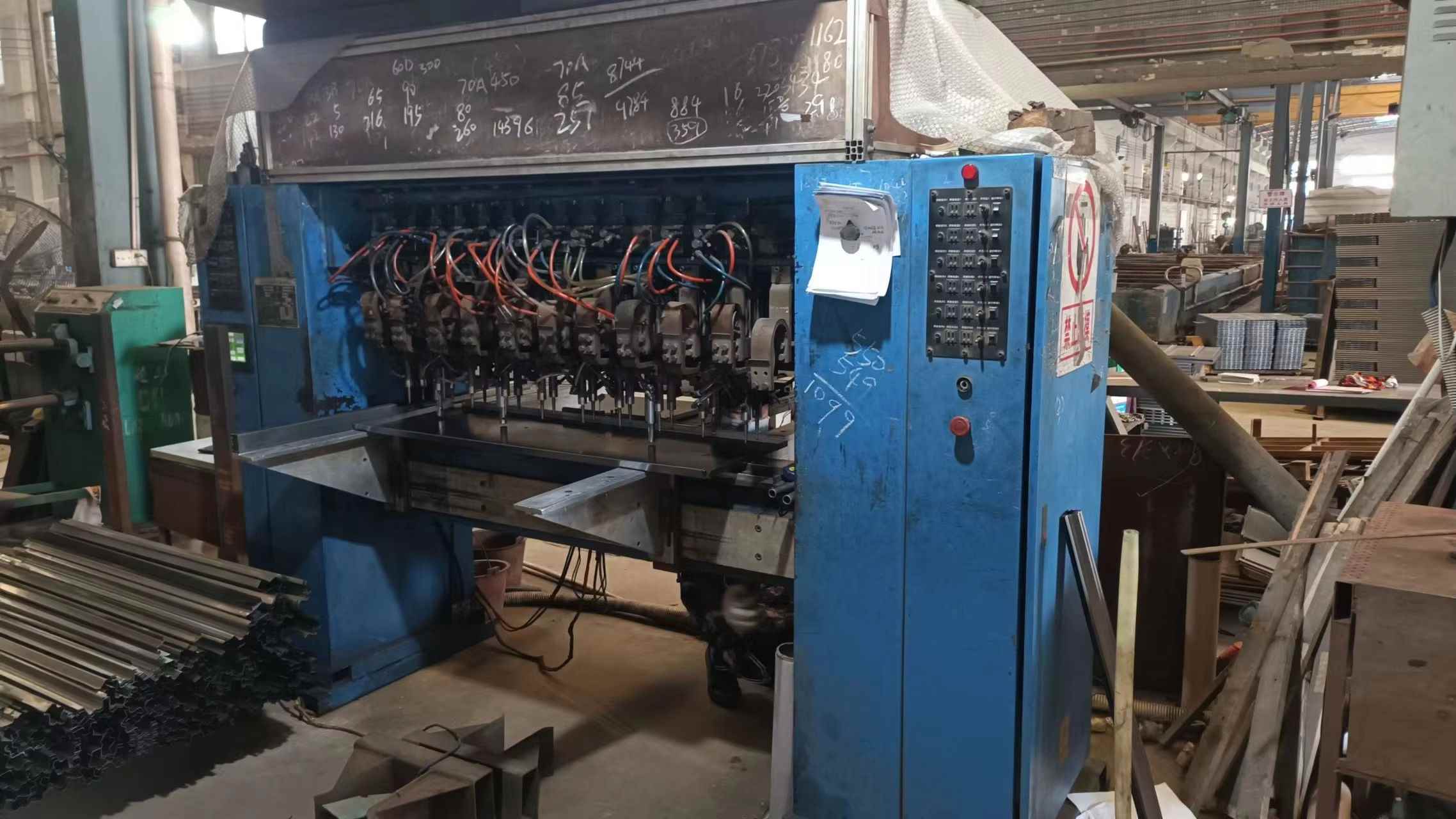
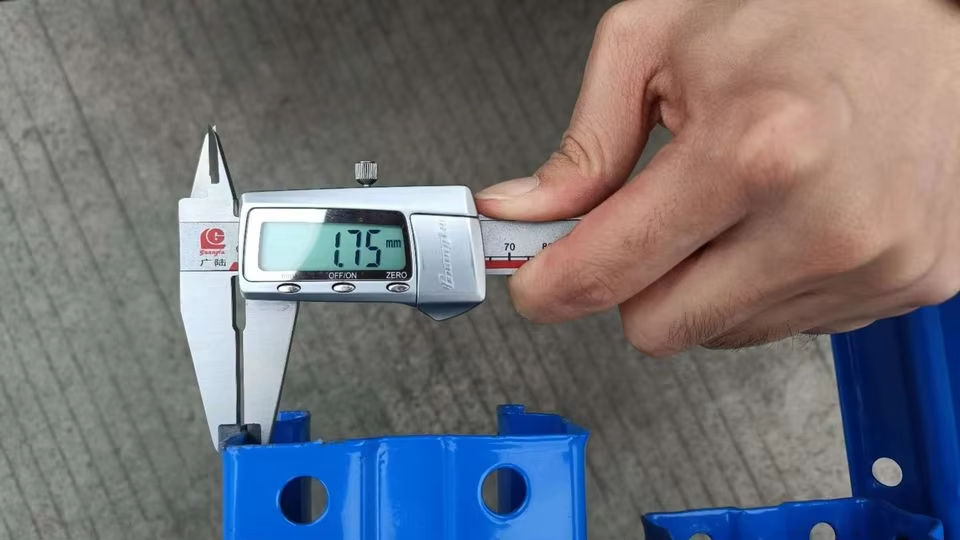
Witness the direct step-by-step technological processes and rigorous quality assurance protocols deployed within our 35,000 m² smart facility.
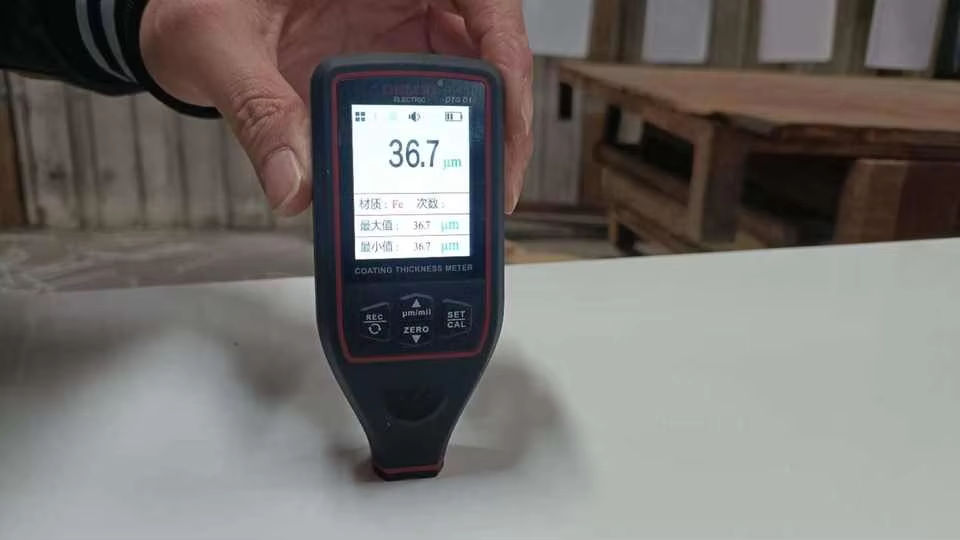
At our plant, quality control and engineering innovation represent the baseline of our operations. The production lifecycle integrates automated welding machines, fully automated punching and bending lines, and a precise powder coating process. Heda's dedicated Quality Control department comprises 45 skilled inspectors utilizing advanced metrics, including raw material tensile testing, automated weld flaw detection, layer load-bearing stress analysis, and salt spray surface corrosion testing. Supported by a professional R&D team of 28 senior structural engineers, we maintain strong full-customization capabilities (OEM/ODM)—offering tailored rack dimensions, load capacities, surface coatings, and layout designs. Continuous refinement led to the release of over 120 new dynamic storage products and component upgrades last year.
Capitalizing on ecosystem density, raw material access, and advanced logistics hubs.
China continues to serve as the dominant force in structural steel fabrication, driven by unparalleled supply chain density and downstream process integration. Operative networks, like our ecosystem supported by over 800 supply chain partners, provide immediate raw material buffering, rapid custom structural tooling, and fast component turnaround times. Locating our primary fabrication center in proximity to major coastal shipping hubs ensures direct export routing to North America, Western Europe, Southeast Asia, and the Middle East.
By leveraging close proximity to steel refinement centers, Heda optimizes raw material procurement velocity and mitigates price fluctuations. For international buyers, this equates to shorter lead times, rigorous adherence to project delivery milestones, and competitive cost-per-square-meter parameters that regional fabricators cannot easily match.
The transformation of static platforms into intelligent, multi-tier cyber-physical systems.
Future industrial mezzanines are engineered to support dynamic point loads from Automated Guided Vehicles (AGVs) and autonomous mobile robots (AMRs). Heavy-duty structural frameworks are designed with vibration-dampening joists and high-durability floor plates to support automation systems.
Deploying micro-alloyed, high-tensile steel enables a reduction in structural weight while maintaining loading capacities. This design methodology reduces load burdens on sub-floor slabs, minimizes material consumption, and lowers overall freight footprint.
Integrating Building Information Modeling (BIM) allows structural designers to pre-engineer seismic connections and model fire protection pathways. High-precision structural designs ensure compatibility with existing warehouse management systems (WMS).
Aligning structural designs with specific regional building codes and industrial mandates.
North America: Mezzanine configurations must strictly comply with IBC (International Building Code) directives and RMI (Rack Manufacturers Institute) guidelines. Engineering focuses on calculated seismic coefficients (SDS) and clean integration of ASTM-graded fasteners.
Western Europe: Systems conform to EN 1993 (Eurocode 3) structural steel standards. Layouts prioritize localized safety factors, hot-dip galvanization for outdoor configurations, and standardized CE certification markings.
Asia-Pacific & Middle East: Designs address extreme environmental conditions, utilizing high-performance exterior powder coatings to resist humidity, salinity, and temperature fluctuations, while conforming to AS4084 guidelines.
Heda's 28 senior R&D structural engineers generate detailed 3D CAD models, finite element analysis (FEA) reports, and localized calculation sheets to streamline structural approvals and installation permits.
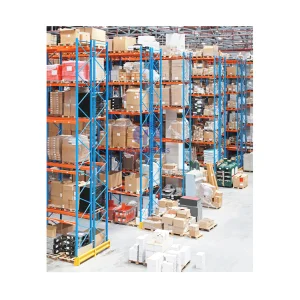
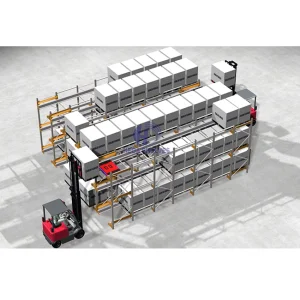
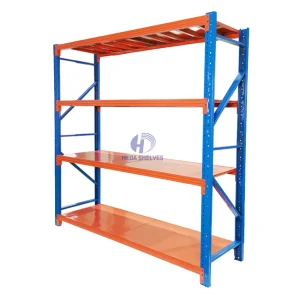
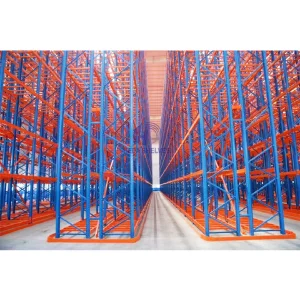
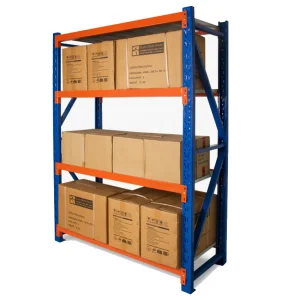
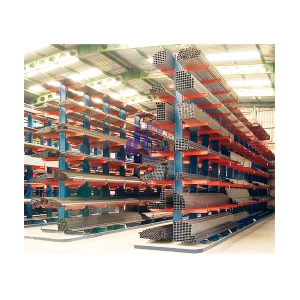
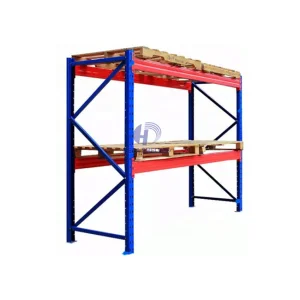
Discover our extended line of structural systems, automated racks, and heavy-duty storage configurations.
Comprehensive engineering and procurement answers curated by Heda's senior technical consultants.
A: Structural steel platforms (built using hot-rolled I-beams or structural channels) are selected for wider column spans and heavier point load profiles, generally exceeding 1000 kg/m². Roll-formed steel platforms are ideal for light to medium-duty operations (300-800 kg/m²), offering high configuration flexibility, cost efficiency, and modular adjustment pathways.
A: Our QC department utilizes finite element analysis (FEA) software to simulate stress concentrations under static and dynamic loading. This calculation is supplemented by physical load-testing of upright assemblies and floor plate mockups to ensure safety limits conform to ANSI, RMI, and EN specifications.
A: For environments prone to corrosion, we provide hot-dip galvanization (HDG), which provides a thick zinc coating layer. For standard dry warehouses, we apply an electrostatic powder coating finish, cured in our automated high-temperature baking lines to resist impact and abrasion.
A: We configure our platforms with perforated steel grating, open steel planks, or wire mesh decks to allow fire sprinkler penetration. Column configurations can also be modified to integrate conduits and piping runs for sprinkler systems, ensuring compliance with local fire safety codes.
A: Standard lead times range from 20 to 35 days from the final approval of design drawings. Our facility's 35,000 m² footprint and direct access to local steel supply lines enable efficient production scheduling, ensuring project delivery schedules are maintained.
A: Yes. Our R&D structural engineers calculate seismic forces based on localized spectral acceleration values (e.g., SDS for North America). We design reinforced base plates, heavy-duty anchors, and structural cross-bracing configurations to ensure platform stability during seismic events.
 Hedaracking