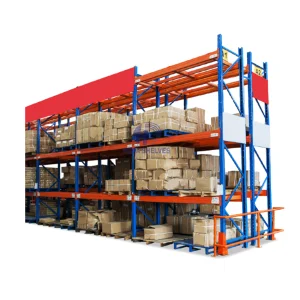
Established in 2014, Shenzhen Heda Warehouse Equipment Co., Ltd. is a premier manufacturer specializing in heavy-duty warehouse racking and industrial storage solutions. Spanning a modern manufacturing facility of 35,000 m², our enterprise integrates R&D, design, production, and international marketing to serve diverse storage needs worldwide. With 12 years of industry experience and 8 years of dedicated export expertise, we deliver high-caliber storage systems that generate over $28 million in annual export revenue.
"By merging rigorous mechanical analysis with direct-factory capacity, Heda delivers carton flow storage systems that optimize order pick cycles by up to 50% and reduce warehouse footprint demands dramatically."
At Heda, quality control and engineering innovation drive our core operations. Our robust QC department comprises 45 skilled inspectors utilizing rigorous testing methods, including raw material tensile testing, automated weld flaw detection, layer load-bearing stress analysis, and salt spray surface corrosion testing. Supported by a professional R&D team of 28 senior structural engineers, we maintain strong full-customization capabilities (OEM/ODM)—offering tailored rack dimensions, load capacities, surface coatings, and layout designs. Driven by continuous innovation, we launched over 120 new dynamic storage products and component upgrades last year.
Operating with a strong direct-factory and international trade background, we have built a resilient ecosystem supported by over 800 supply chain partners. Our products are exported to major global markets, including North America, Western Europe, Southeast Asia, and the Middle East. We proudly serve a diverse clientele ranging from third-party logistics (3PL) providers and large distribution centers to industrial manufacturers and wholesale equipment distributors.
Carton flow racking is a dynamic warehouse storage method designed to facilitate rapid inventory rotation via the First-In, First-Out (FIFO) methodology. The racks incorporate inclined lanes of roller tracks or wheel beds supported within standard racking bays. When a carton is loaded from the replenishment (loading) aisle, it moves by gravity down the lane toward the pick face. Once picked, the subsequent carton automatically glides into position, offering a continuous supply of items.
This automated flow configuration is critical for high-volume picking environments where SKU proliferation is significant. By isolating load and pick activities, warehouse floor operations avoid bottleneck interference. Labor efficiency rises because pickers do not spend time walking between aisles or deep into static shelving to locate boxes. The picking face remains packed, utilizing vertical cube space efficiently.
For modern logistics, carton flow systems act as buffers in pick-to-belt systems, split-case picking areas, and assembly lines. Integrating high-quality flow beds requires precise calculations regarding slope angles (typically 2 to 5 degrees depending on carton weight and material), wheel materials (PP, PE, or steel), and structural support beams to prevent line deflection under continuous impact.
| Parameters | Standard Racking Specifications |
|---|---|
| Flow Lane Inclination | 2° to 5° (Adjustable) |
| Roller / Wheel Options | Heavy-Duty PP, PE, Steel Roller Tracks |
| FIFO Compatibility | 100% Strict FIFO Inventory Control |
| Dynamic Load Limits | 50kg to 150kg per linear meter |
| System Widths | Custom dimensions up to 3600mm span |
Our 35,000 m² state-of-the-art facility utilizes advanced, automated machinery to guarantee tolerances within ±0.1mm. Explore our end-to-end production flow:
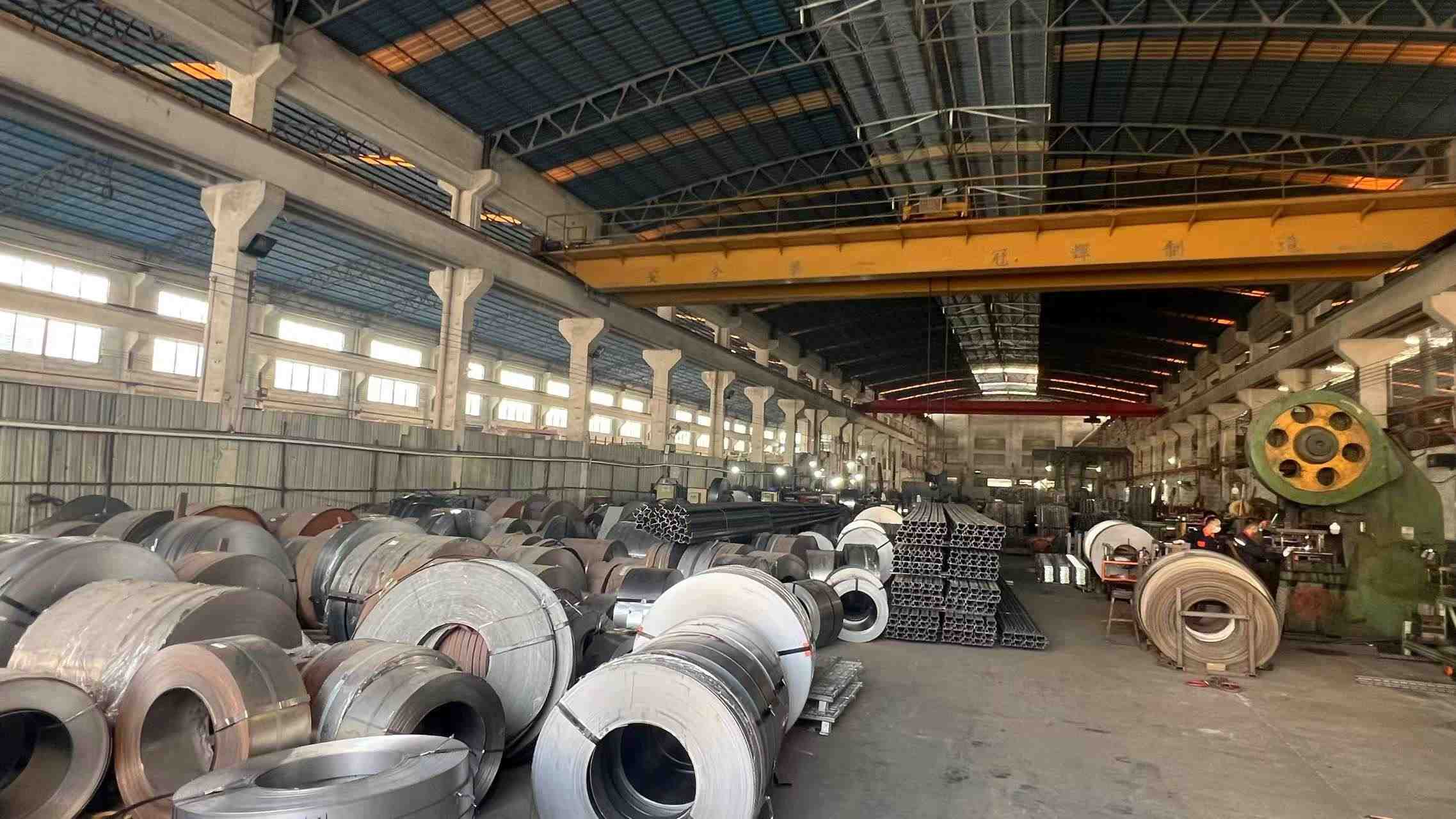
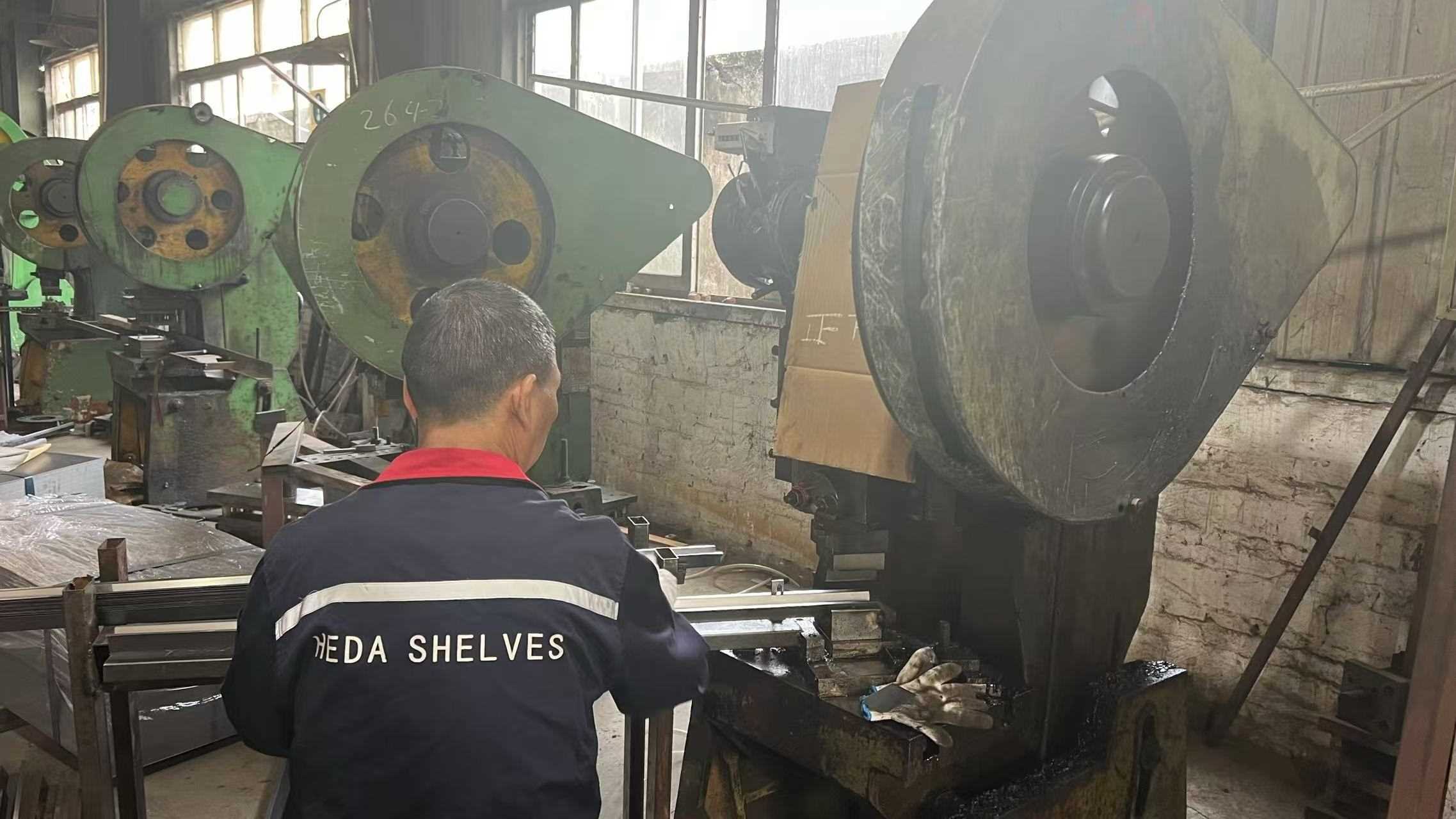
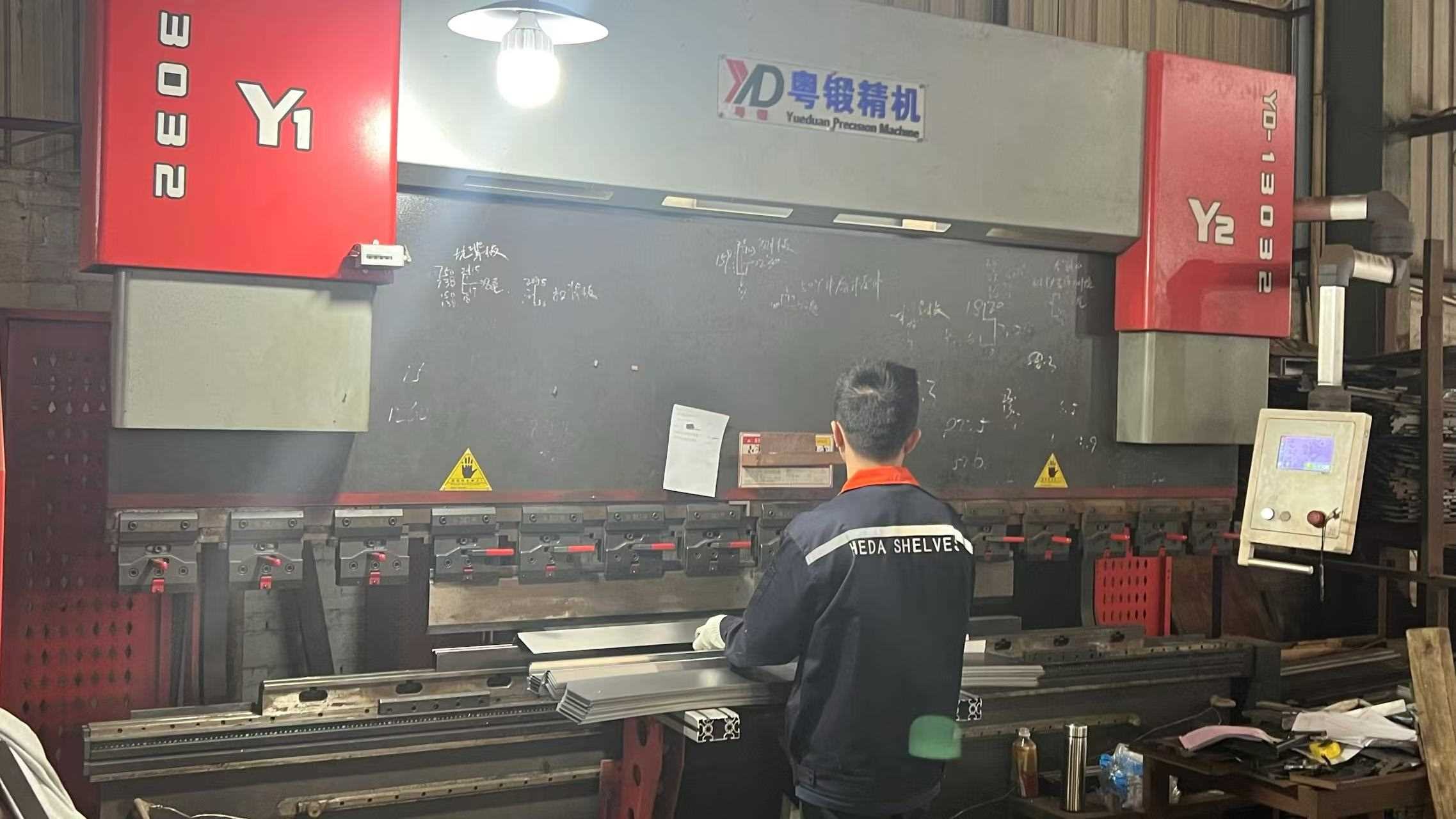
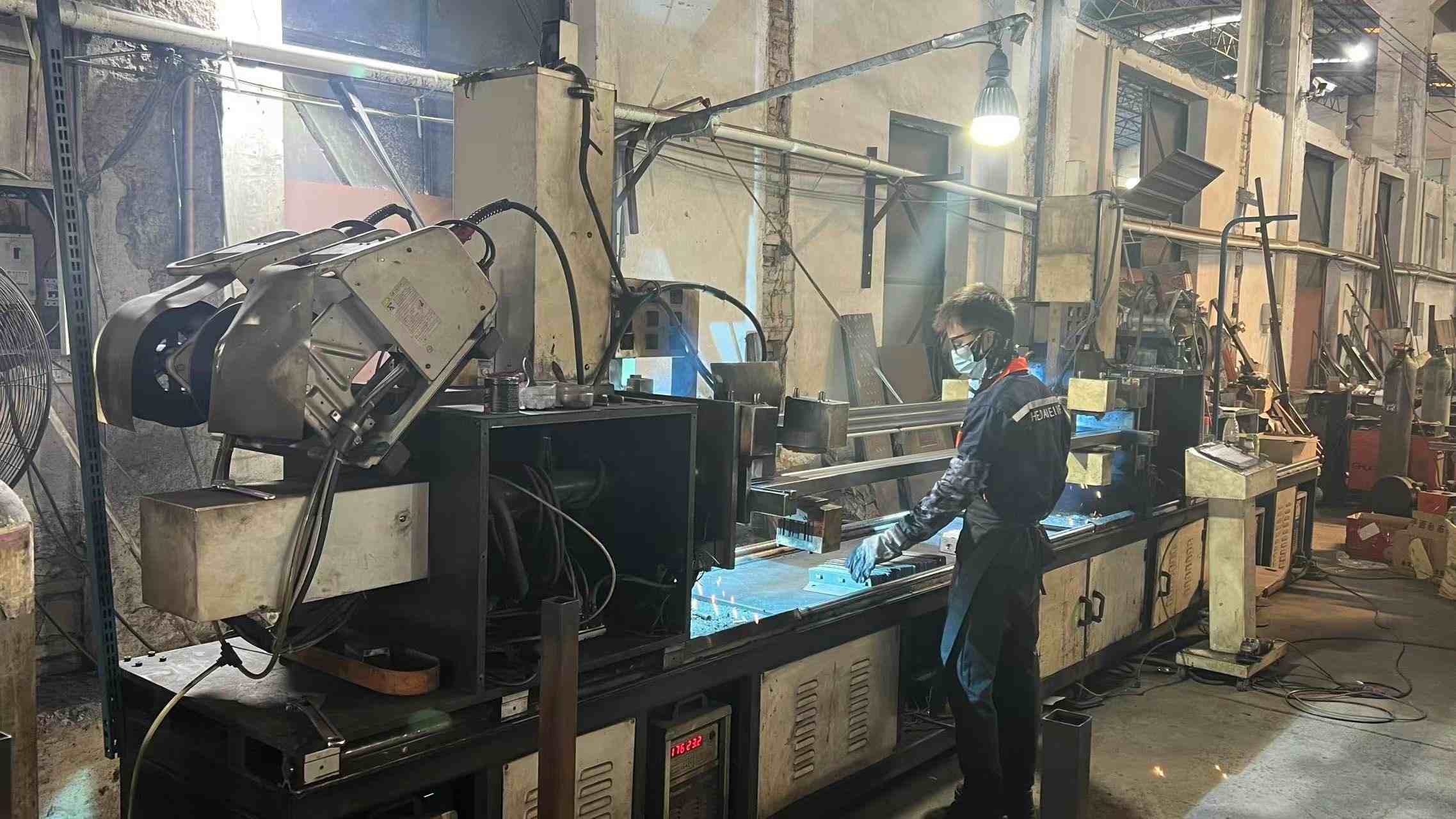
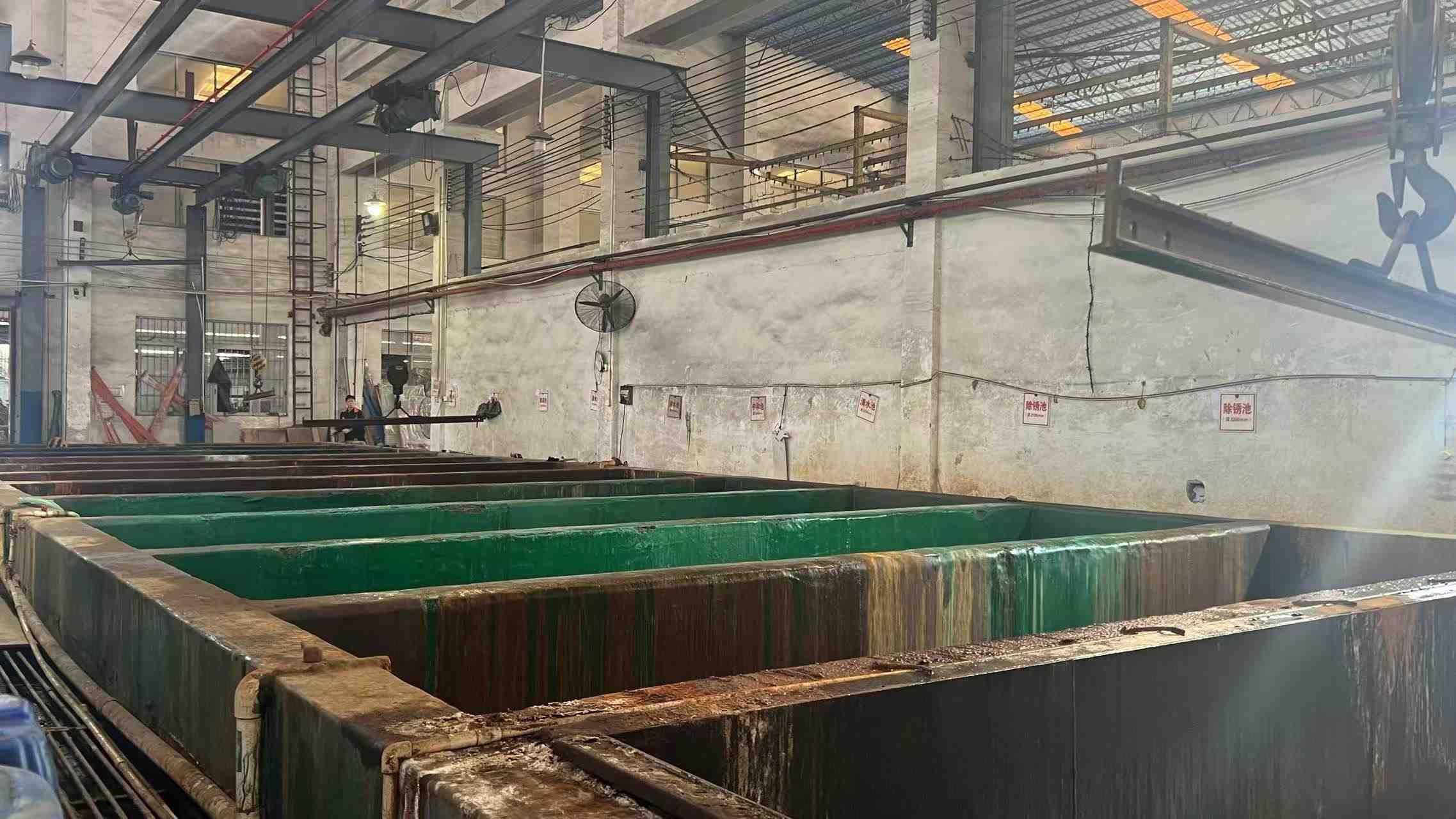
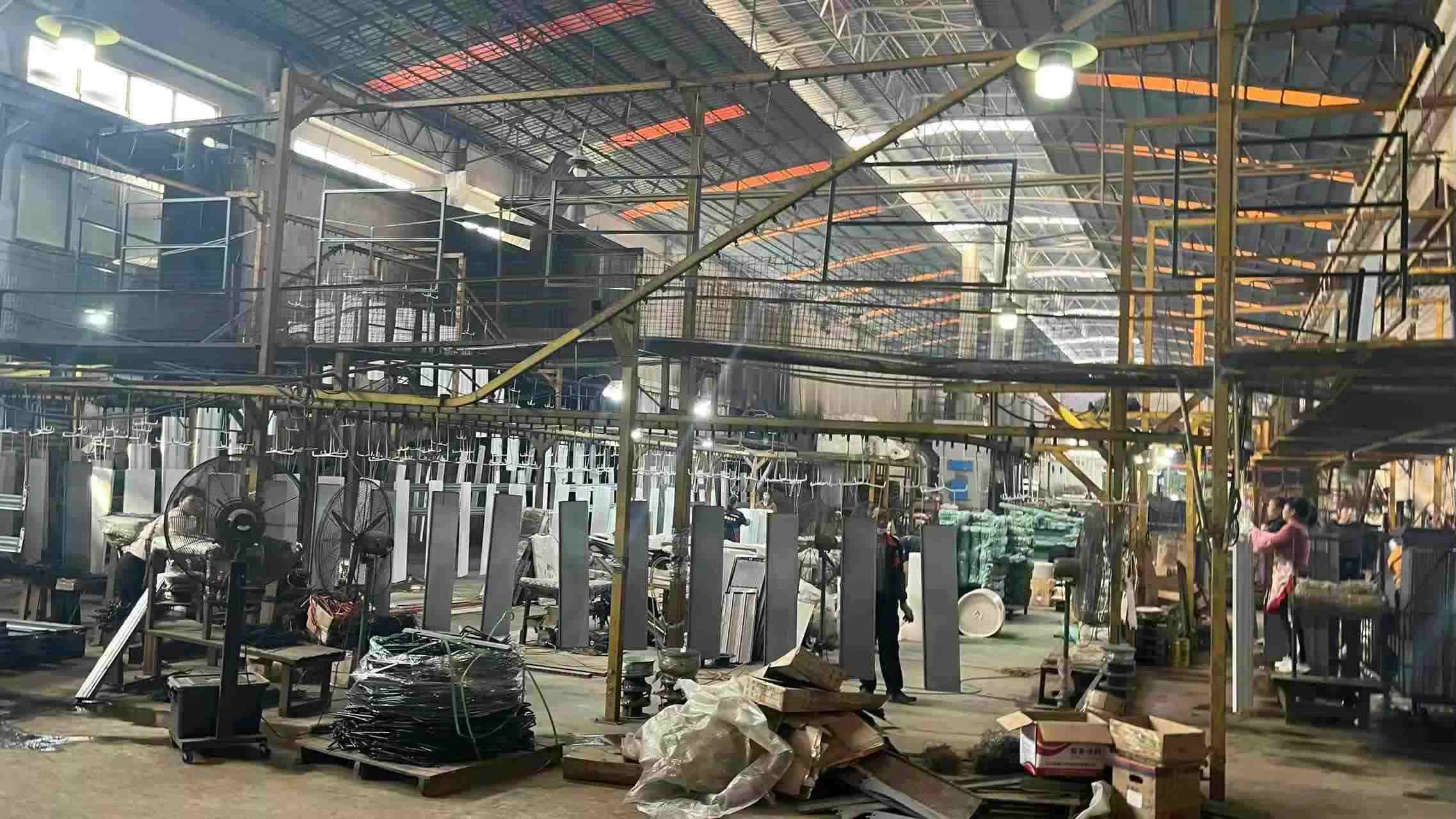
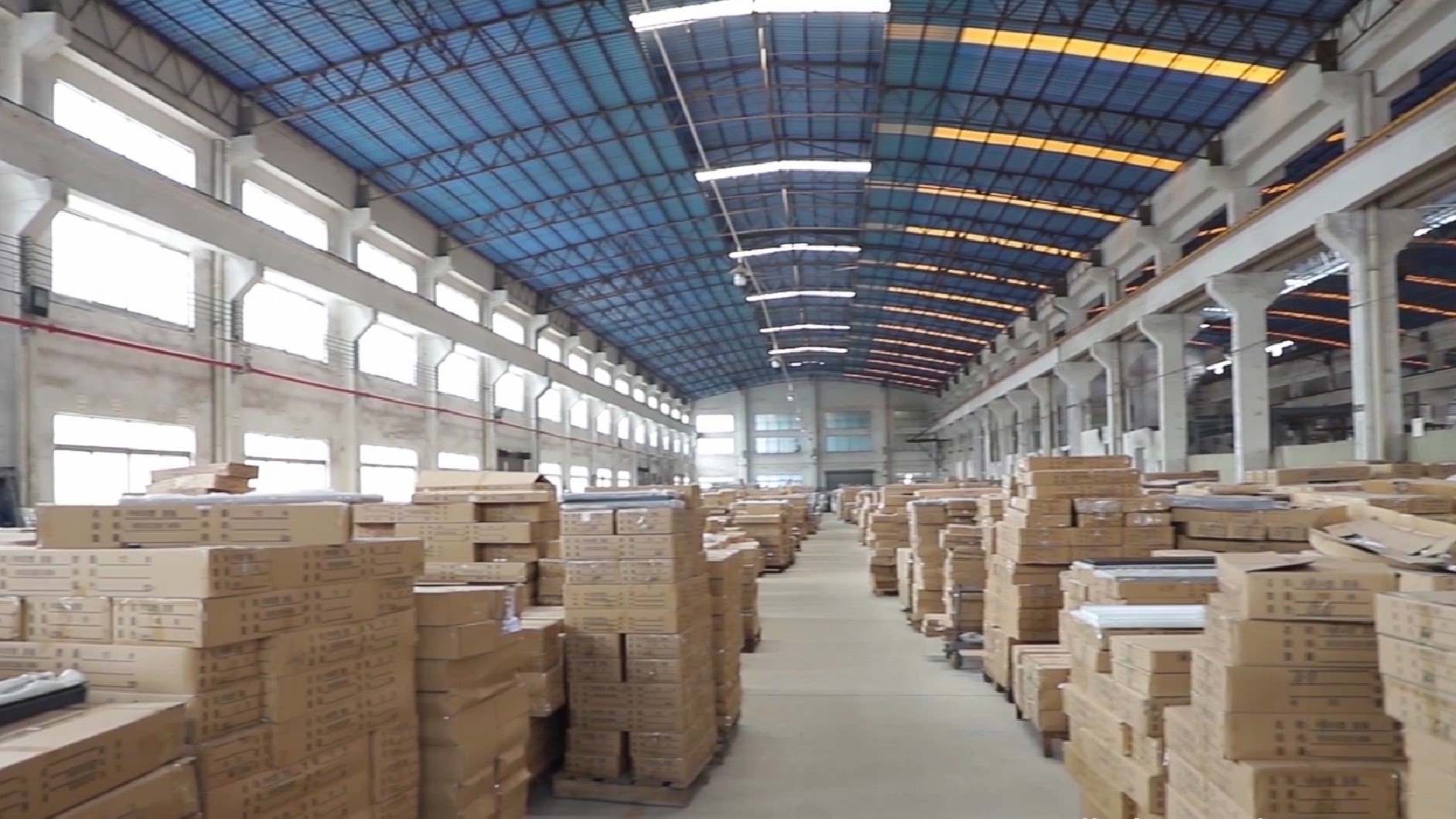
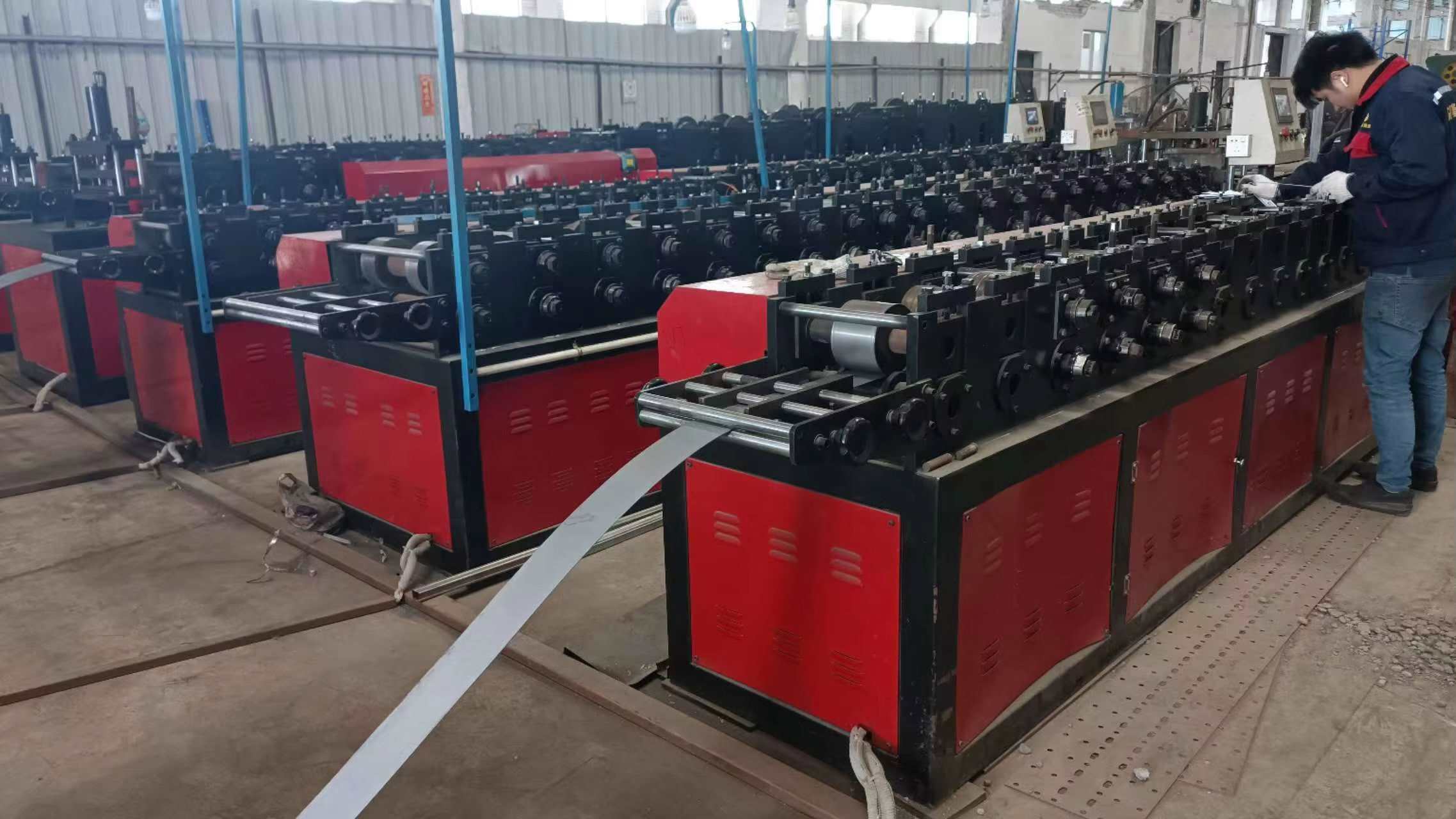
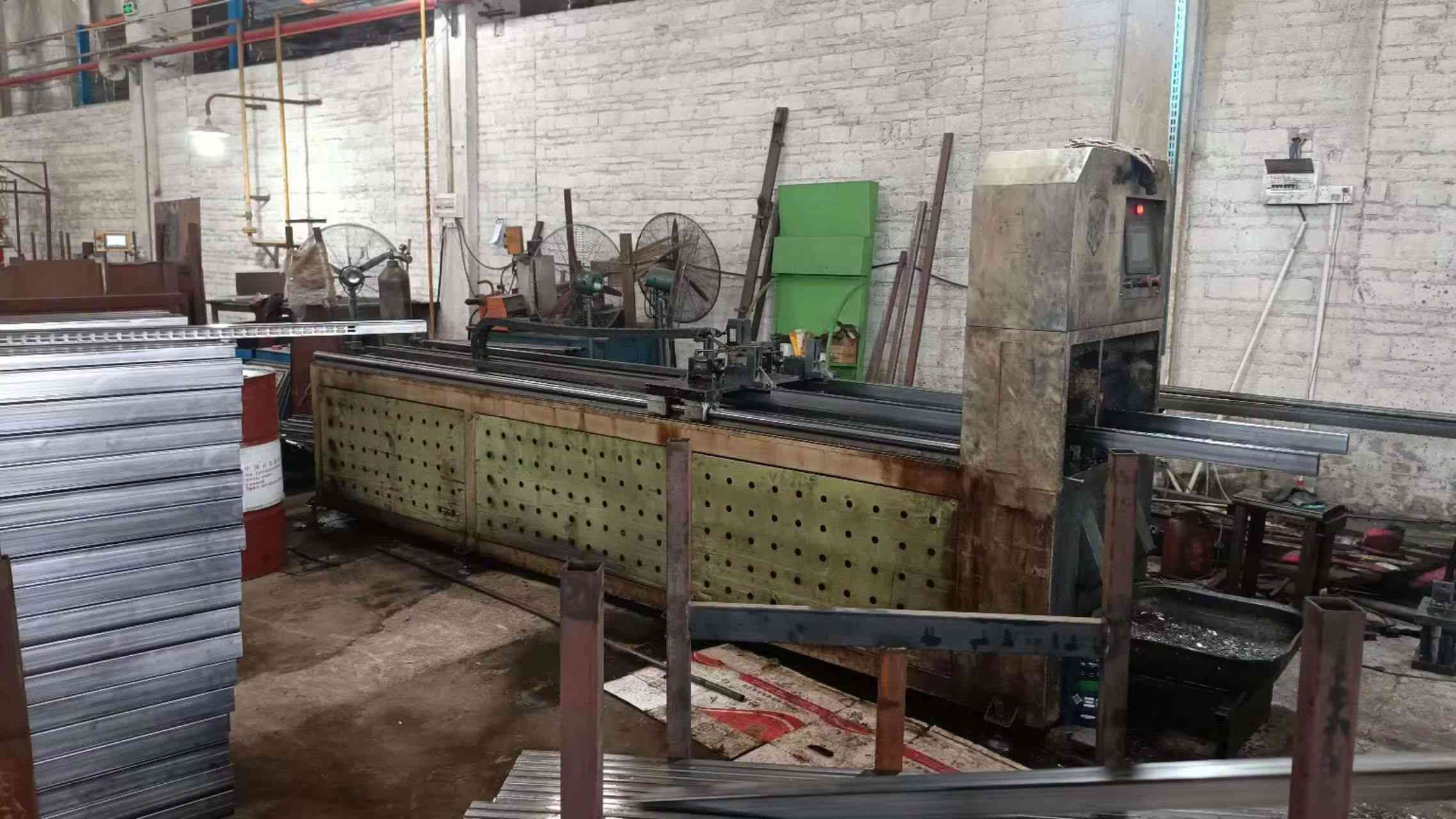
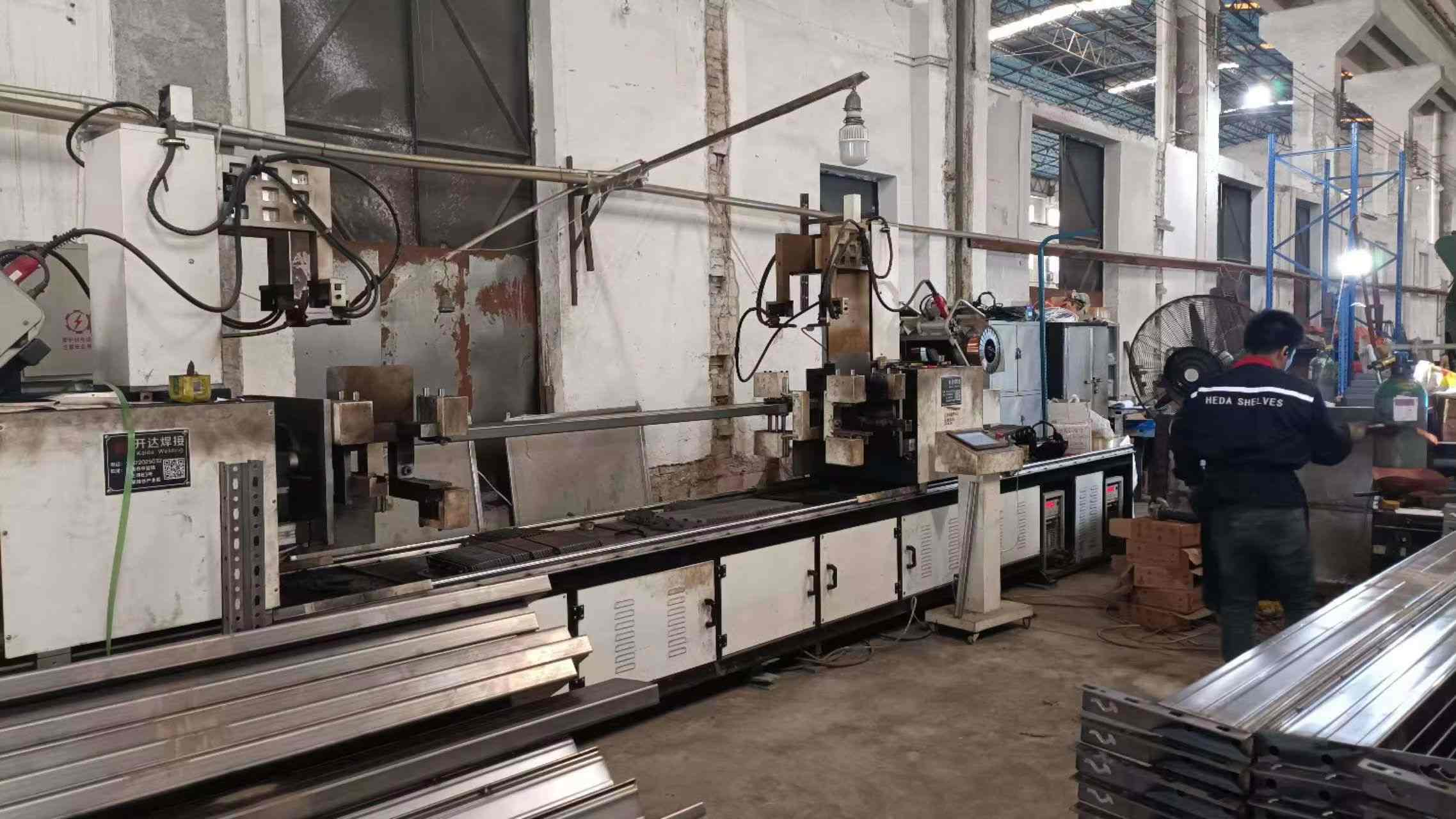
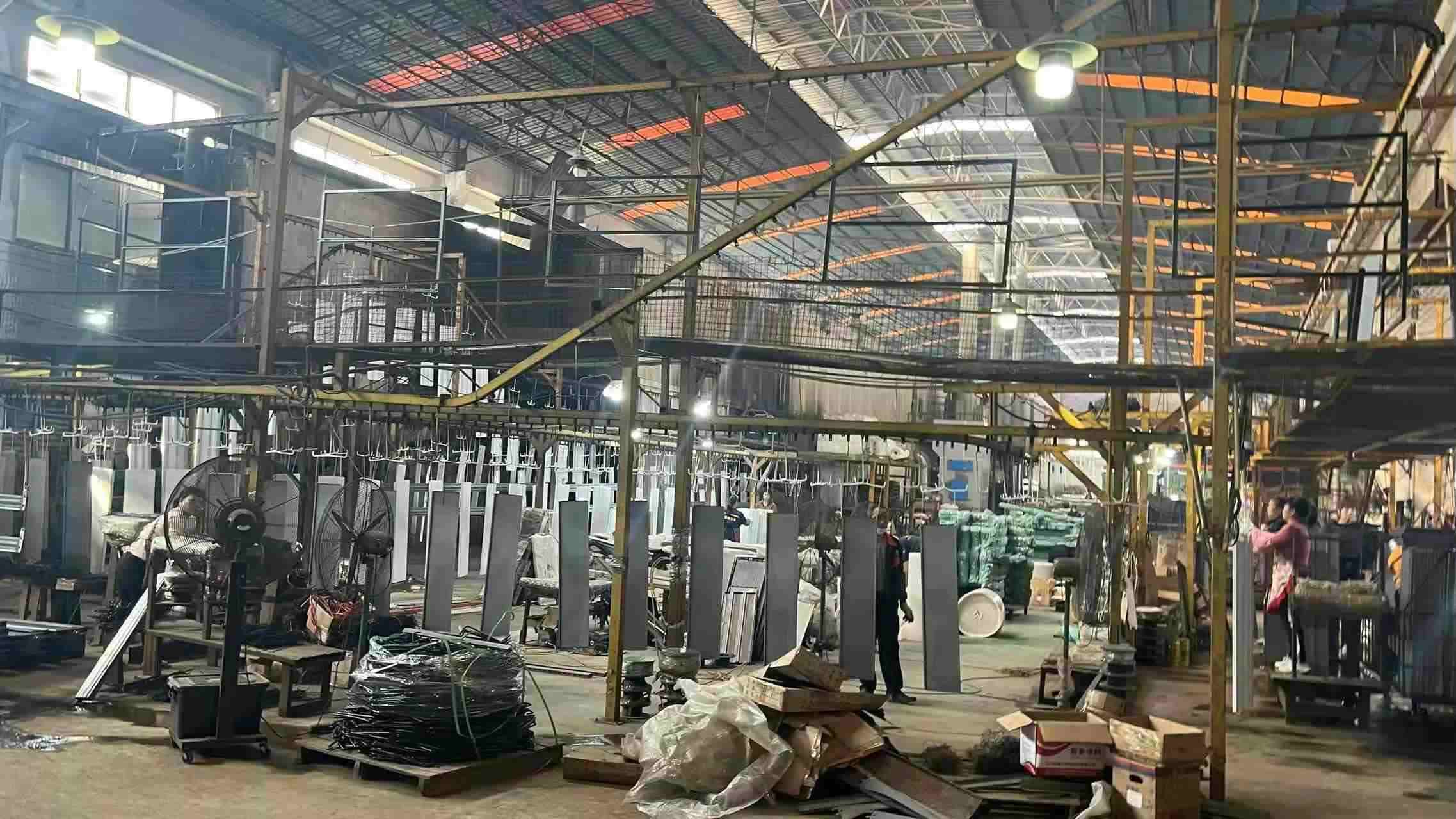
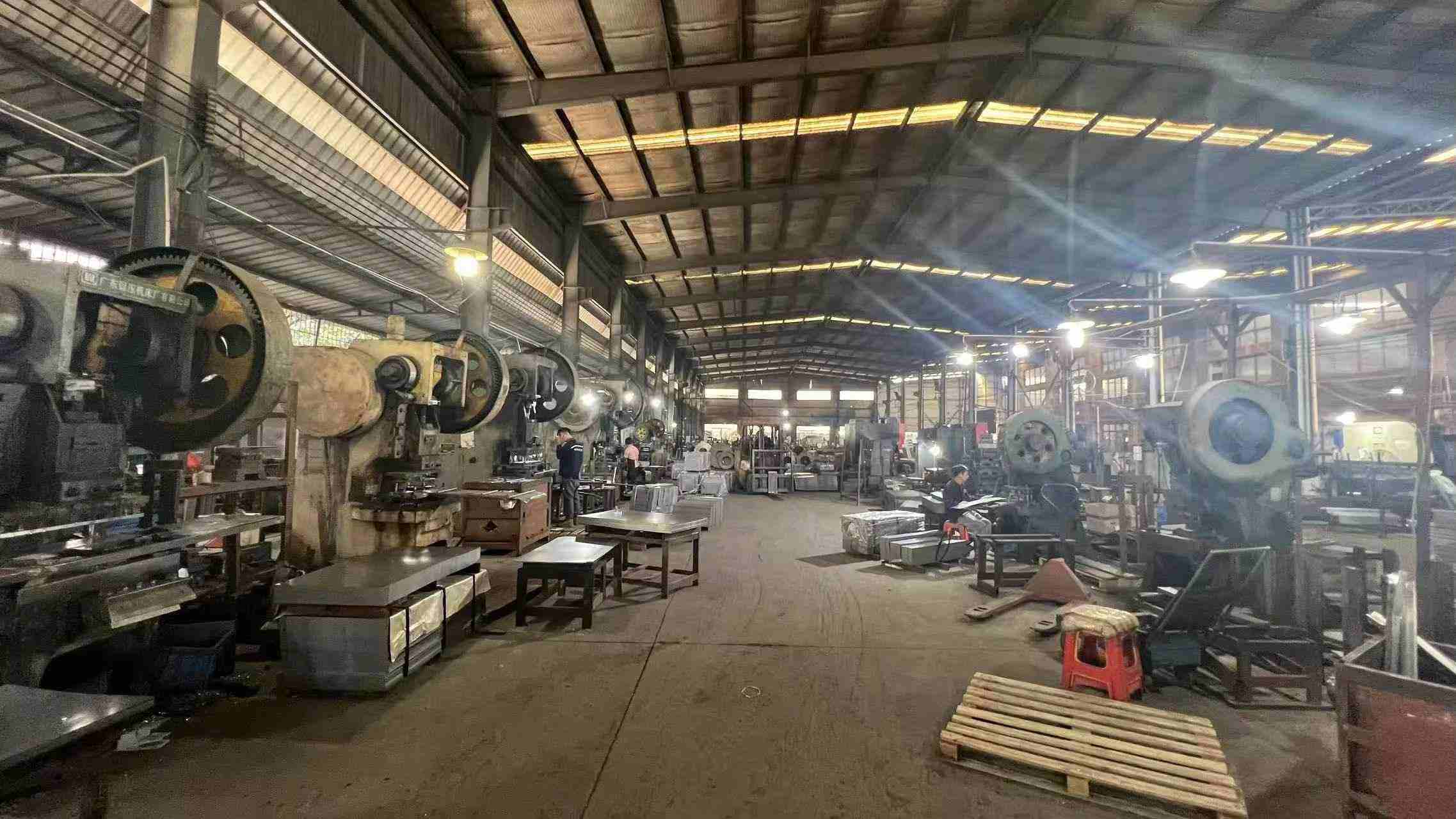
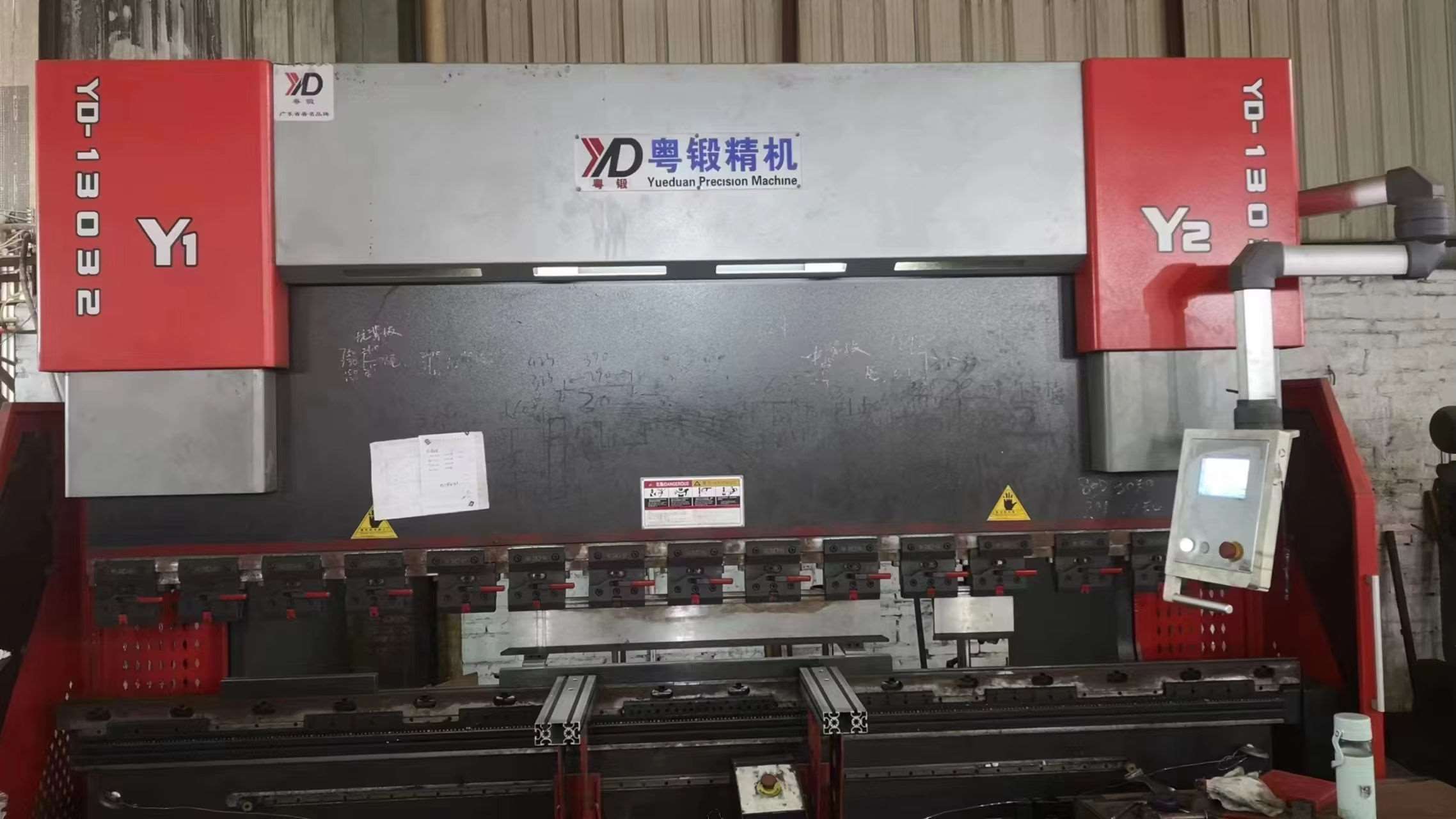
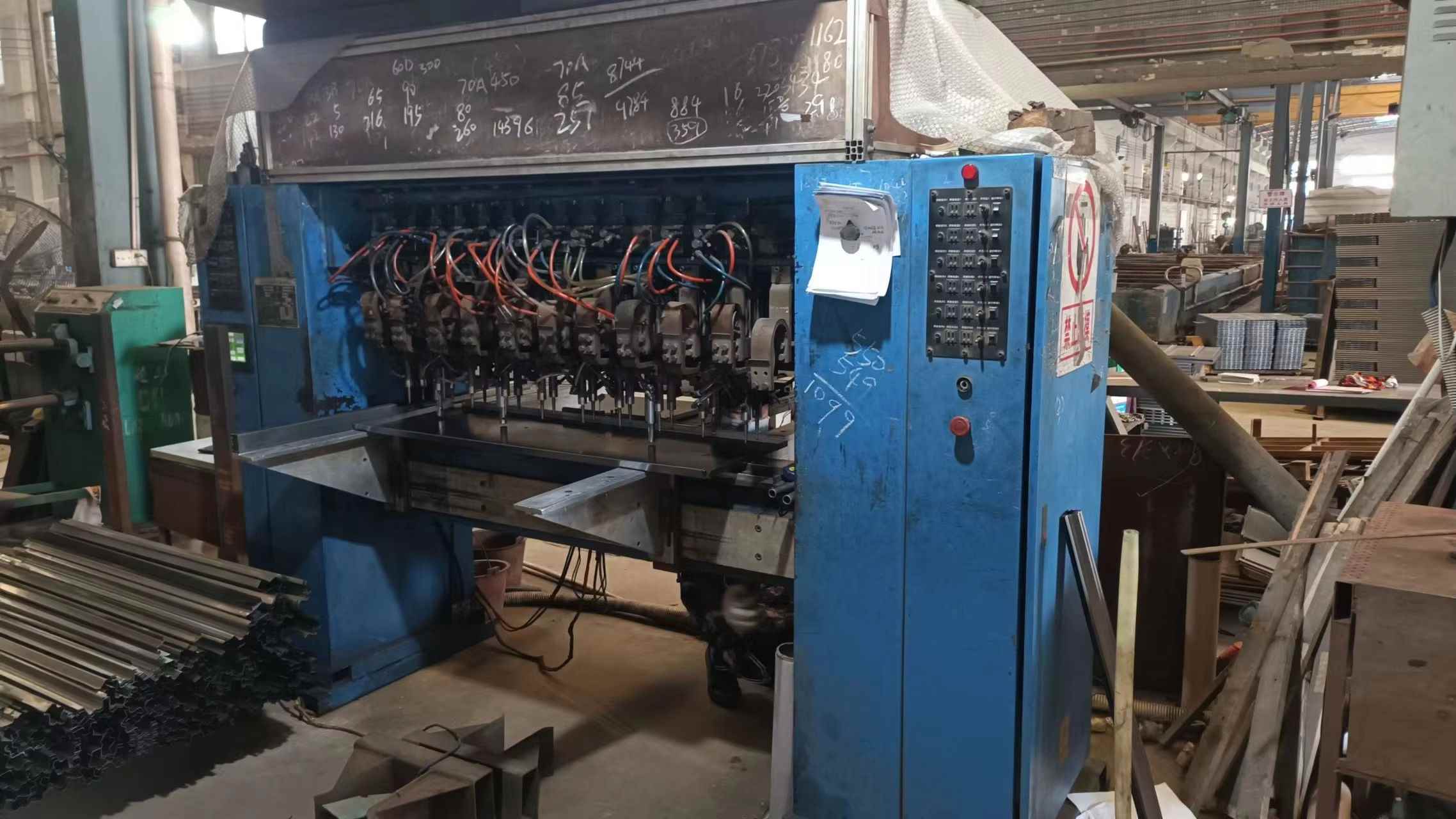
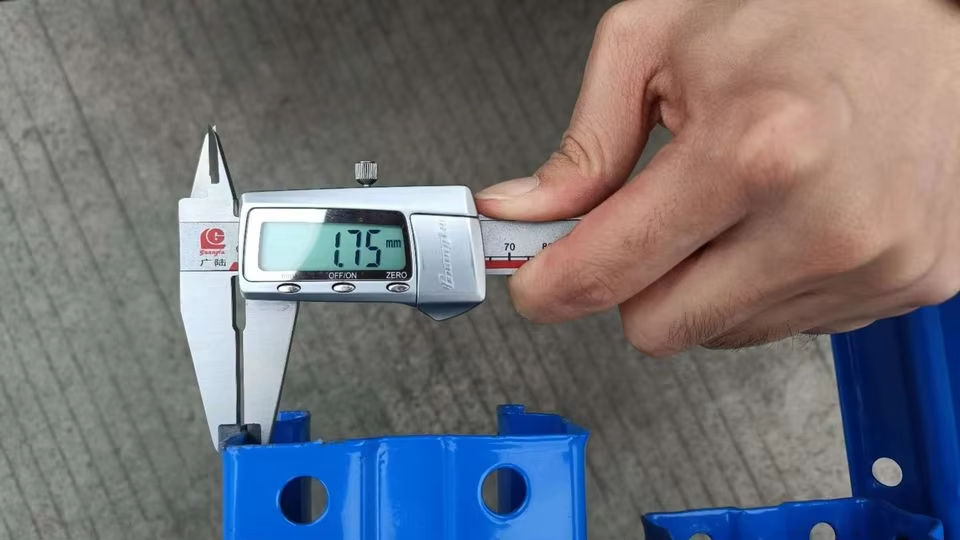
Access to domestic Chinese steel mills ensures procurement of top-grade structural steels (Q235B and Q345B). These grades provide high tensile strength and yield thresholds, preventing sagging or structural failure under heavy load dynamics.
Chinese factories incorporate CAD/CAM designs and automated testing for roller tracks. R&D centers test plastic formulations (using virgin plastics rather than recycled resins) to ensure rollers remain crack-free under extreme conditions.
Shenzhen and neighboring industrial centers leverage vertical integration. By co-locating raw metal processing, chemical finishing, precision plastics, and logistic hubs, we optimize manufacturing costs and expedite shipping times.
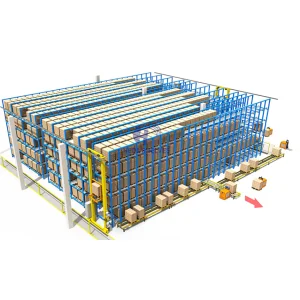
Modern global logistics demands speed, and warehousing technology is responding. A key trend is the integration of carton flow storage beds within automated storage and retrieval systems (AS/RS). By feeding pick faces with automated cranes or shuttle cars and staging the final picking cycle using gravity-driven carton flow lanes, facilities achieve high productivity.
Another shift centers on smart inventory tracking. Engineers are embedding IoT weight sensors into carton flow tracks to measure material weight on individual lanes. These sensors send real-time inventory signals to Warehouse Execution Systems (WES), triggering restocks before a lane goes empty. This eliminates manual cycle counts and keeps sorting zones stocked.
Additionally, material science advances have produced cold-resistant, high-durability polymer compounds for roller wheels. Standard rollers can crack in low-temperature cold-storage applications. Modern formula developments allow rollers to withstand temperatures down to -30°C without compromising structural integrity or rotation speed, opening new options for frozen food and pharmaceutical storage.
Environmental standards are driving changes in surface preparation and powder-coating technologies. Traditional metal pretreatments relied heavily on solvents that released volatile organic compounds (VOCs). Modern factories have transitioned to electrostatic powder coating coupled with non-toxic, acid-washing, and Parkerising cycles.
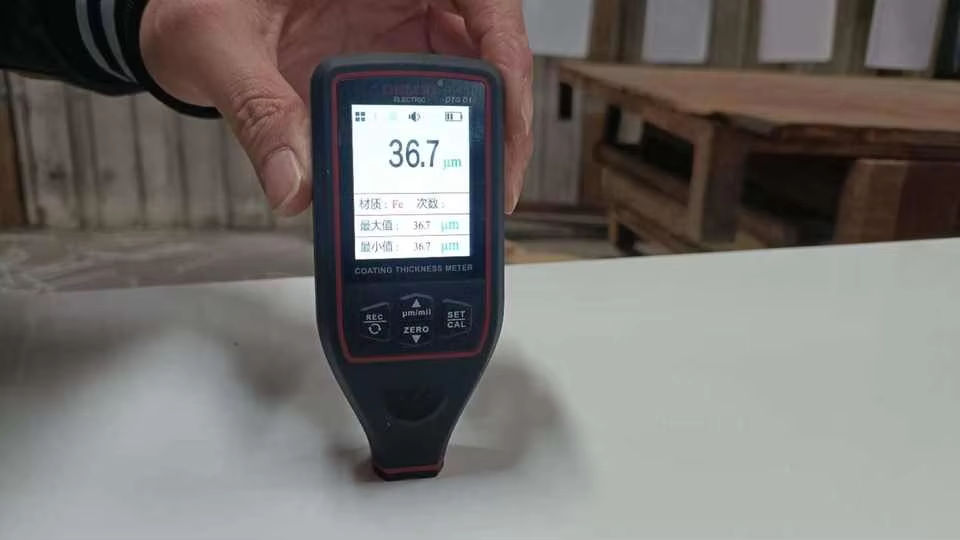
This process results in a thicker dry film (typically between 60 to 80 microns) that offers wear protection against sliding cardboard friction and impacts from heavy bins. The enhanced corrosion resistance (validated via standard salt spray testing) protects the structural frame from humidity and moisture, extending the lifespan of the warehouse rack system to 15 years or more.
Different operations face unique operational challenges. Our custom-designed carton flow storage configurations provide targeted solutions for diverse warehouse environments:
Designed for fast-moving items, these systems organize pick fronts to support high-velocity piece picking. Integrating with pick-to-light arrays reduces worker error rates and minimizes cycle pick times.
Heavy-duty roller beds feed components directly to workers at assembly line stations. Standard dynamic lines handle heavy plastic bins containing fasteners, brackets, and sub-assemblies.
Engineered to operate in refrigerated and deep-freeze environments. High-density storage preserves cold air currents around boxes while maximizing inventory turn speeds for perishable products.
For procurement directors managing multi-million dollar warehouse expansions, evaluating structural design parameters is critical to ensuring safety and performance. When procuring dynamic carton flow racking, calculations must focus on load capacity, vertical beam deflection tolerances, and the mechanical properties of the dynamic rollers.
The deflection of the racking beams must not exceed 1/240th of the clear span length under maximum load. Excessive deflection can cause lanes to tilt or bow, resulting in carton hang-ups or unsafe runaway speeds on the tracks. Additionally, structural integrity depends on the steel grade; choosing Q235B steel ensures a yield strength of 235 MPa, which provides a reliable baseline for uniform load distribution.
We provide full verification of these properties by conducting stress tests on welded connections and measuring powder coating thickness (ensuring a minimum of 60 microns) to prevent premature corrosion. Our engineering team prepares complete calculations for compliance with RMI and FEM design standards, giving you peace of mind that your racking will perform safely under high duty cycles.
The standard angle of inclination ranges between 2° and 5°. The precise slope angle is determined by carton weight, carton material (corrugated cardboard, plastic bin, wooden tray), and roller friction coefficients. Heavier loads generally require a shallower slope, whereas lighter, soft-bottomed cardboard boxes require a steeper angle to ensure consistent forward travel.
Carton flow racking keeps replenishment and picking activities separated into two separate aisles. Inventory is loaded at the rear (loading aisle) and moves forward toward the picking face. The first item loaded is the first item picked, ensuring strict FIFO execution, which is crucial for handling date-sensitive goods, pharmaceuticals, and fresh foods.
Heda employs 45 QC inspectors who conduct raw material tensile testing, automated weld flaw detection, layer load-bearing stress analysis, caliper measurements for dimensional tolerances, coating thickness testing, and salt spray testing for corrosion resistance. This testing program ensures all structural parts meet international safety and durability standard profiles.
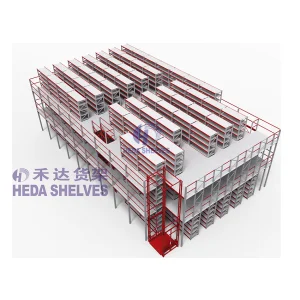
Yes, carton flow lanes are frequently integrated into the lower tiers of selective pallet racks or multi-level mezzanine systems. This configuration allows bulk pallet stock to be stored on upper levels, while lower levels function as dynamic pick faces, optimizing space utilization and picking efficiency.
 Hedaracking