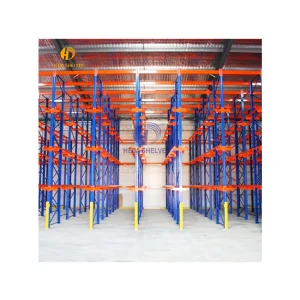
Engineered high-capacity systems customized for structural load demands up to 3 tons per layer.
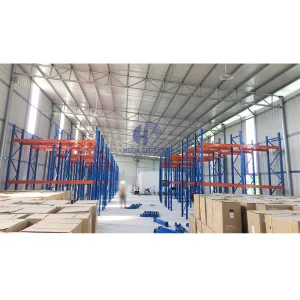
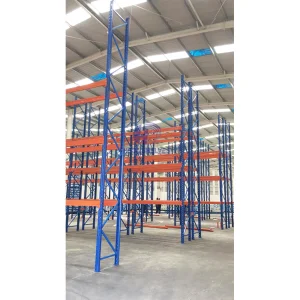
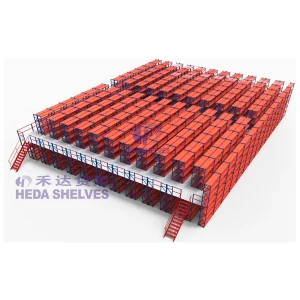
Across the modern international supply chain, maximizing volumetric space is no longer just a strategic goal; it is a fundamental driver of warehouse profitability. Platform Racks (also referred to as multi-tier platform systems, structural steel platforms, and elevated mezzanine racking) serve as the backbone of logistics infrastructure. These assemblies dynamically multiply usable floor area by exploiting vertical space, avoiding the massive capital expenditure of physical warehouse expansion or greenfield construction.
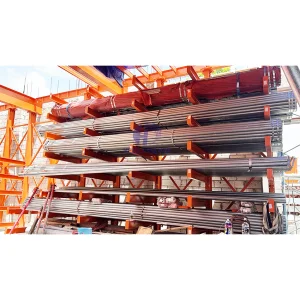
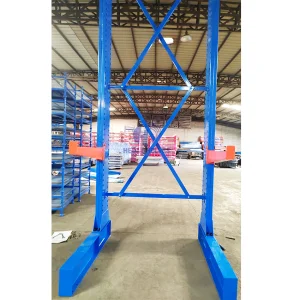
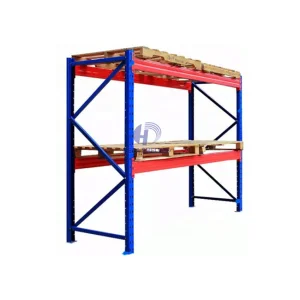
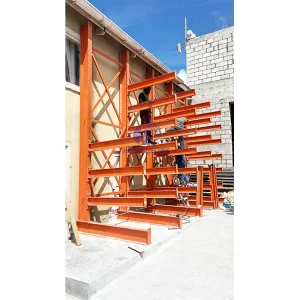
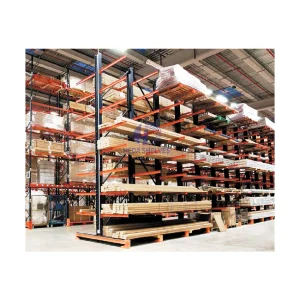
The global demand for heavy-duty industrial platforms is expanding. Third-party logistics (3PL) providers, global retail fulfillment hubs, cold-storage centers, and high-density industrial assembly plants face shrinking spatial margins. Heavy-duty pallet racks and cantilevers operate as the foundational framework upon which automated shuttle systems, conveyor paths, and overhead cranes are integrated.
"High-capacity racking structural integrity directly correlates with warehousing risk mitigation. A failure in design tolerances or weld quality doesn't just disrupt logistics—it endangers lives. This is why leading global enterprises mandate rigid compliance with RMI, FEM, and AS4084 guidelines."
Established in 2014, Shenzhen Heda Warehouse Equipment Co., Ltd. is a premier manufacturer specializing in heavy-duty warehouse racking and industrial storage solutions. Spanning a modern manufacturing facility of 35,000 m², our enterprise integrates R&D, design, production, and international marketing to serve diverse storage needs worldwide. With 12 years of industry experience and 8 years of dedicated export expertise, we deliver high-caliber storage systems that generate over $28 million in annual export revenue.
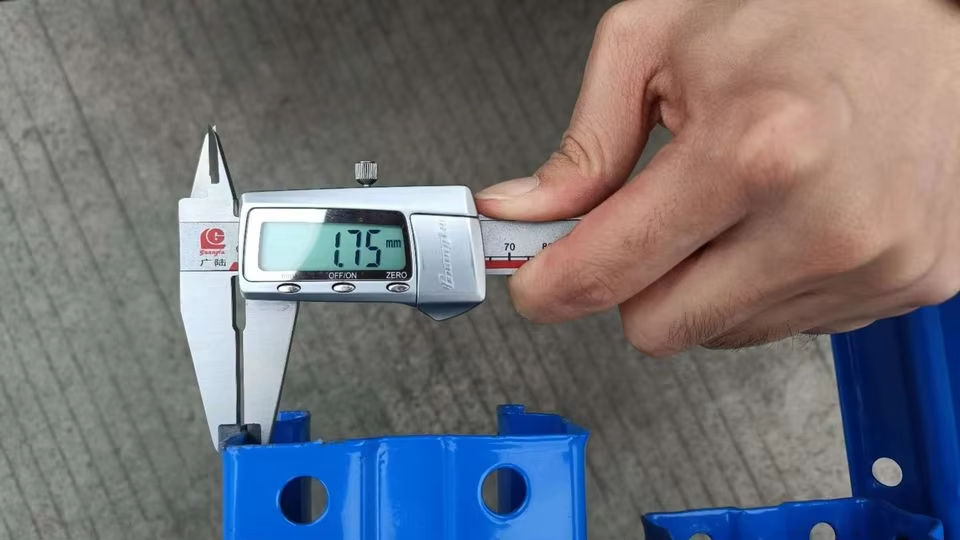
At Heda, quality control and engineering innovation drive our core operations. Our robust QC department comprises 45 skilled inspectors utilizing rigorous testing methods, including raw material tensile testing, automated weld flaw detection, layer load-bearing stress analysis, and salt spray surface corrosion testing. Supported by a professional R&D team of 28 senior structural engineers, we maintain strong full-customization capabilities (OEM/ODM)—offering tailored rack dimensions, load capacities, surface coatings, and layout designs. Driven by continuous innovation, we launched over 120 new dynamic storage products and component upgrades last year.
Operating with a strong direct-factory and international trade background, we have built a resilient ecosystem supported by over 800 supply chain partners. Our products are exported to major global markets, including North America, Western Europe, Southeast Asia, and the Middle East. We proudly serve a diverse clientele ranging from third-party logistics (3PL) providers and large distribution centers to industrial manufacturers and wholesale equipment distributors.
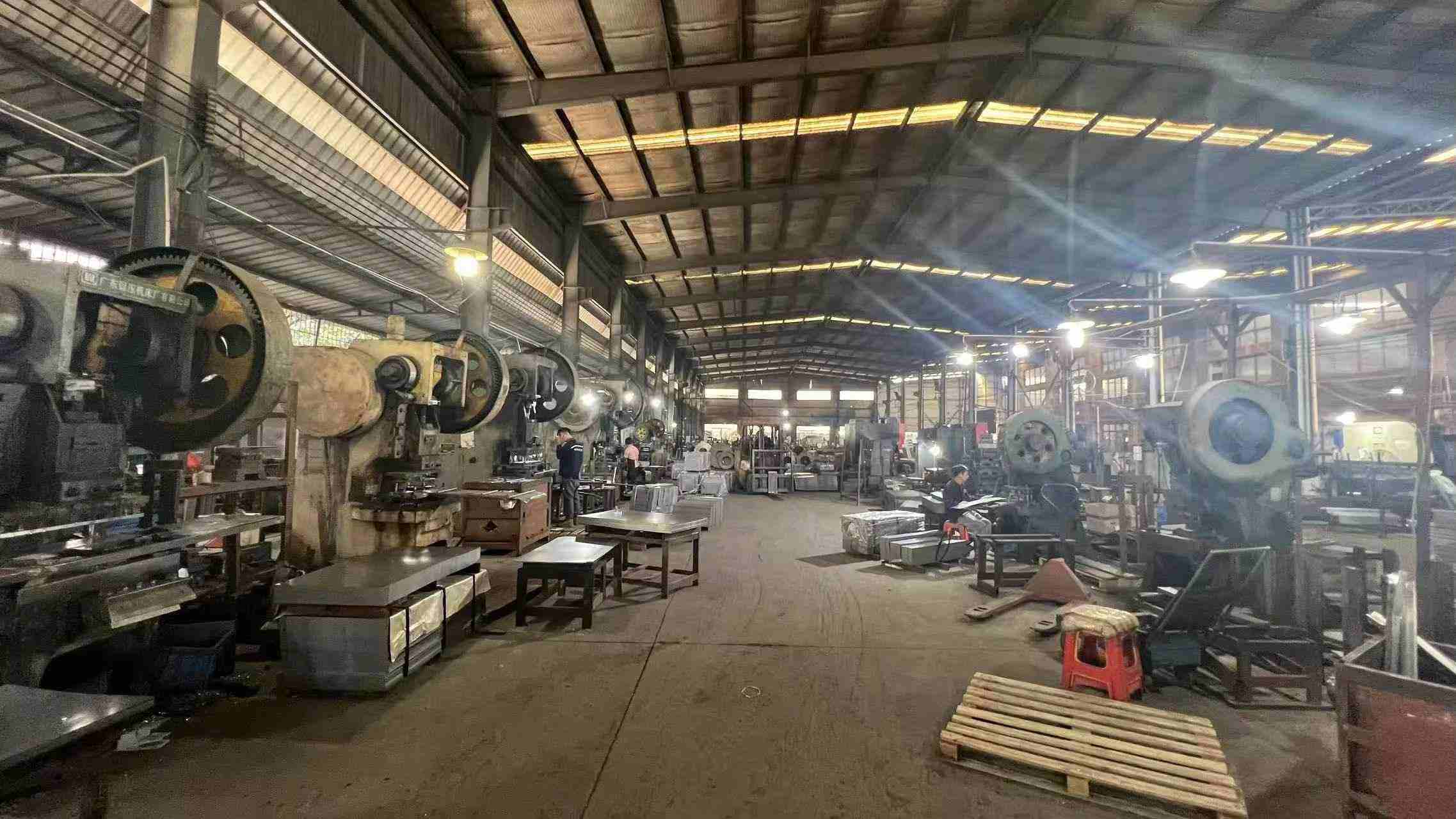
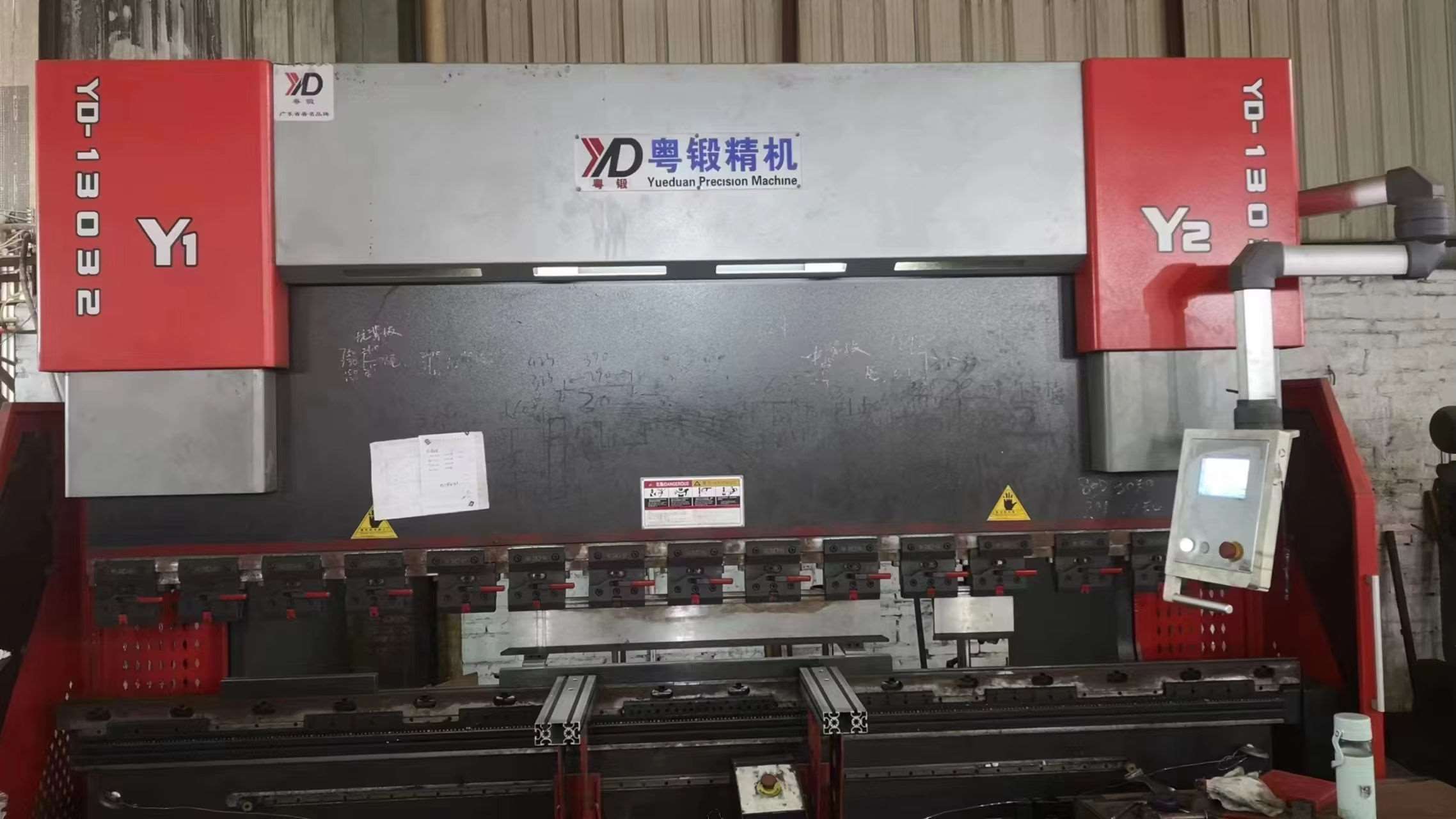
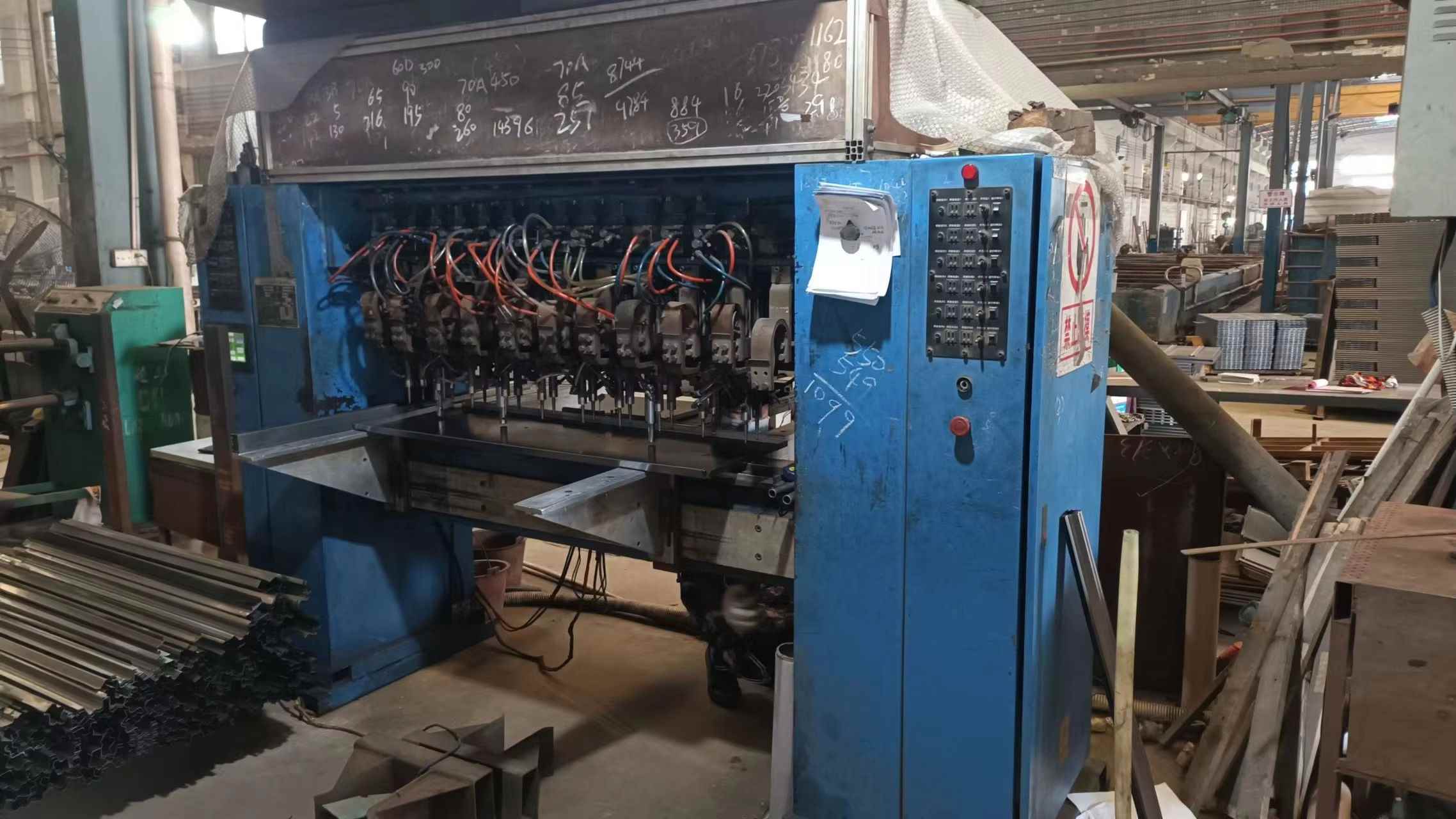
An end-to-end overview of our heavy engineering fabrication, cold rolling, surface finishing, and quality validation processes.
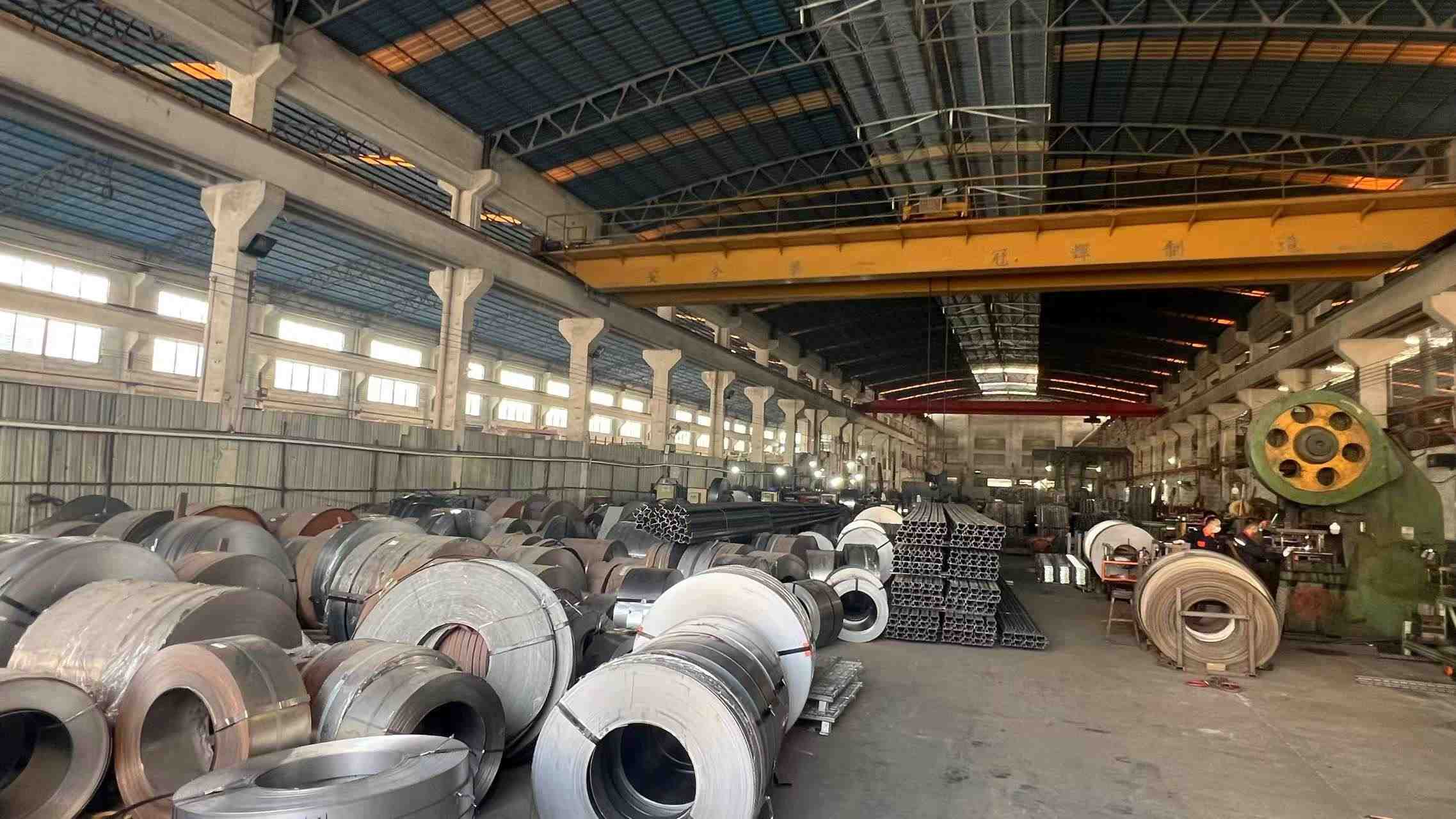
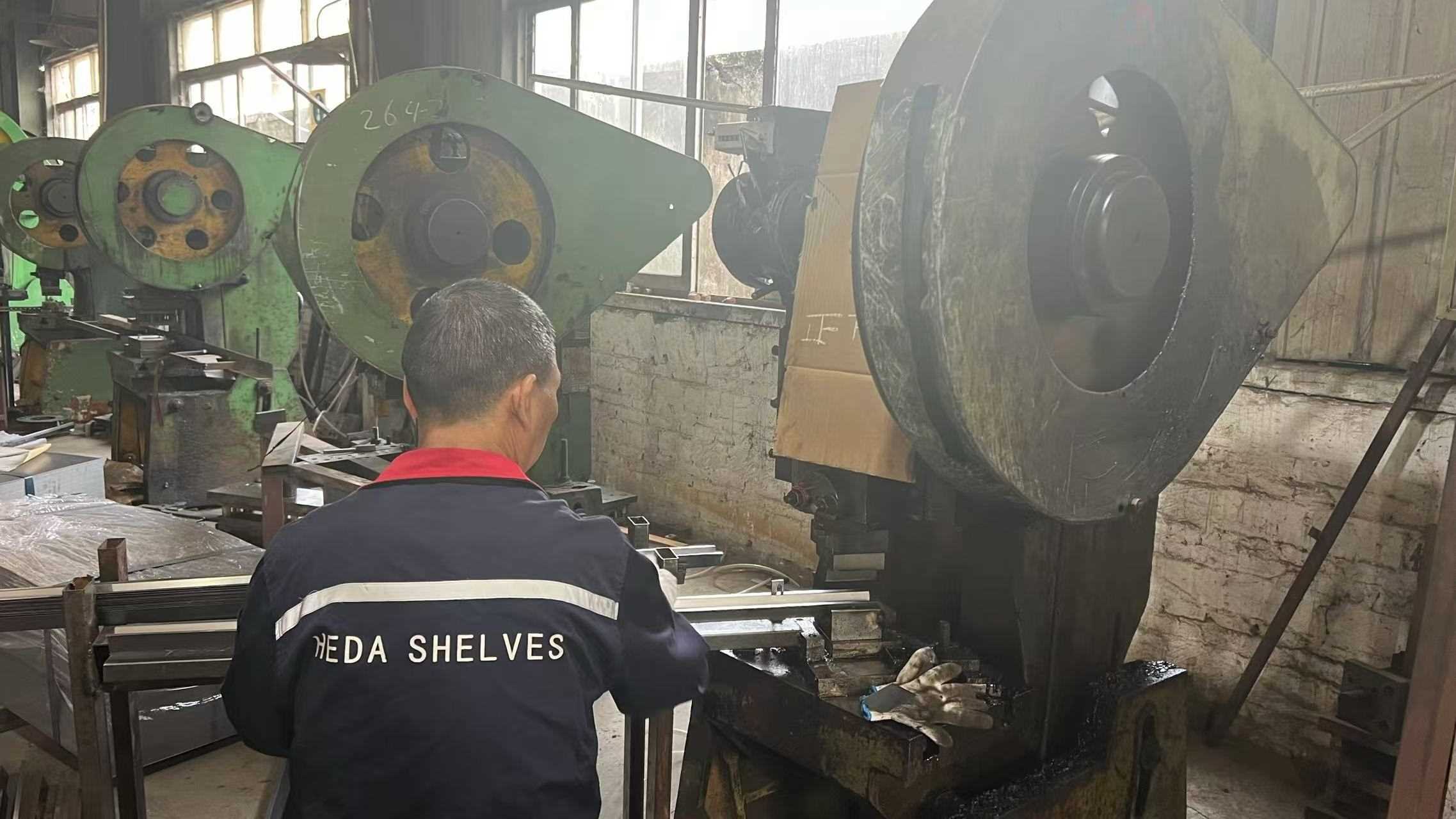
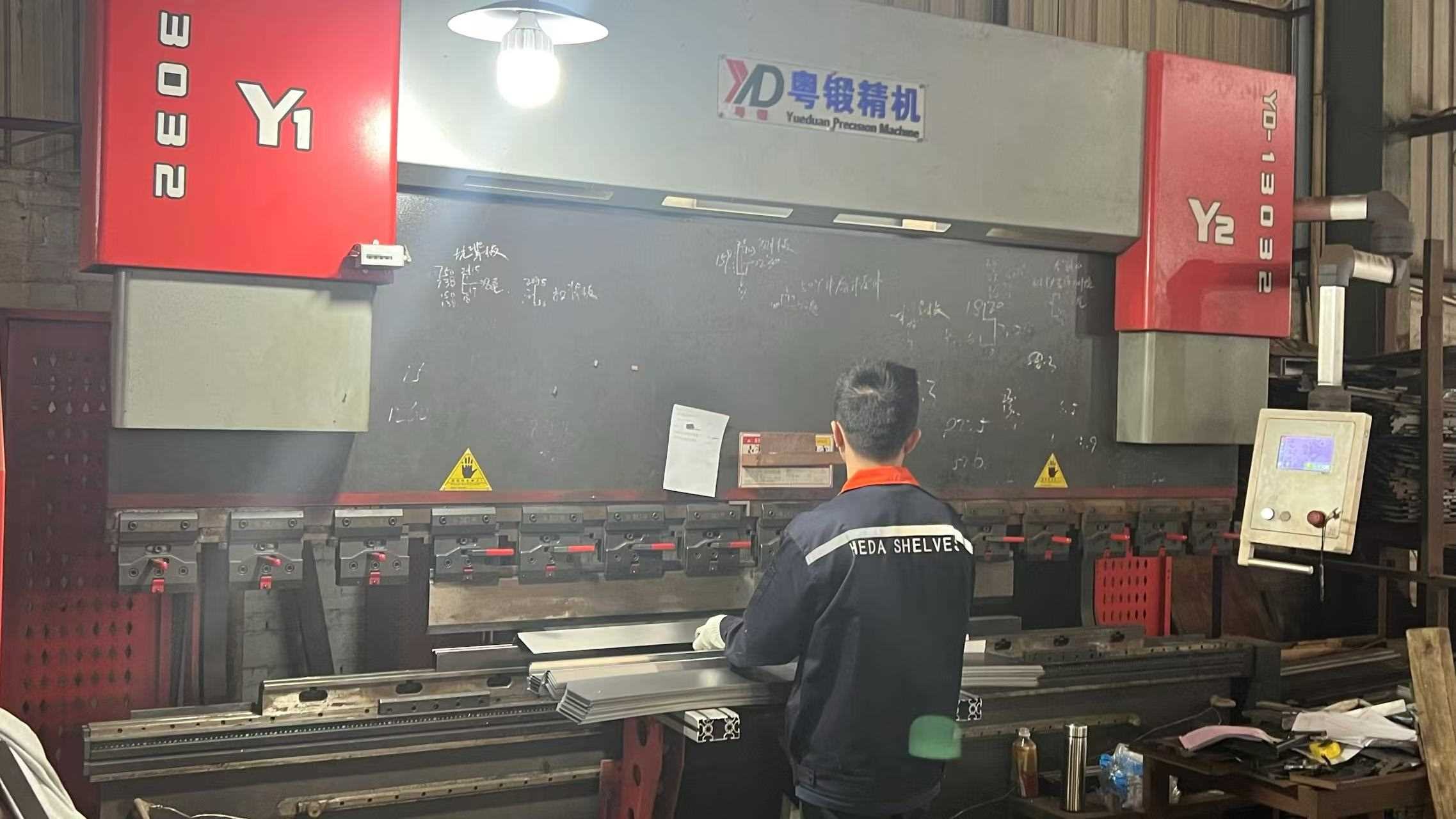
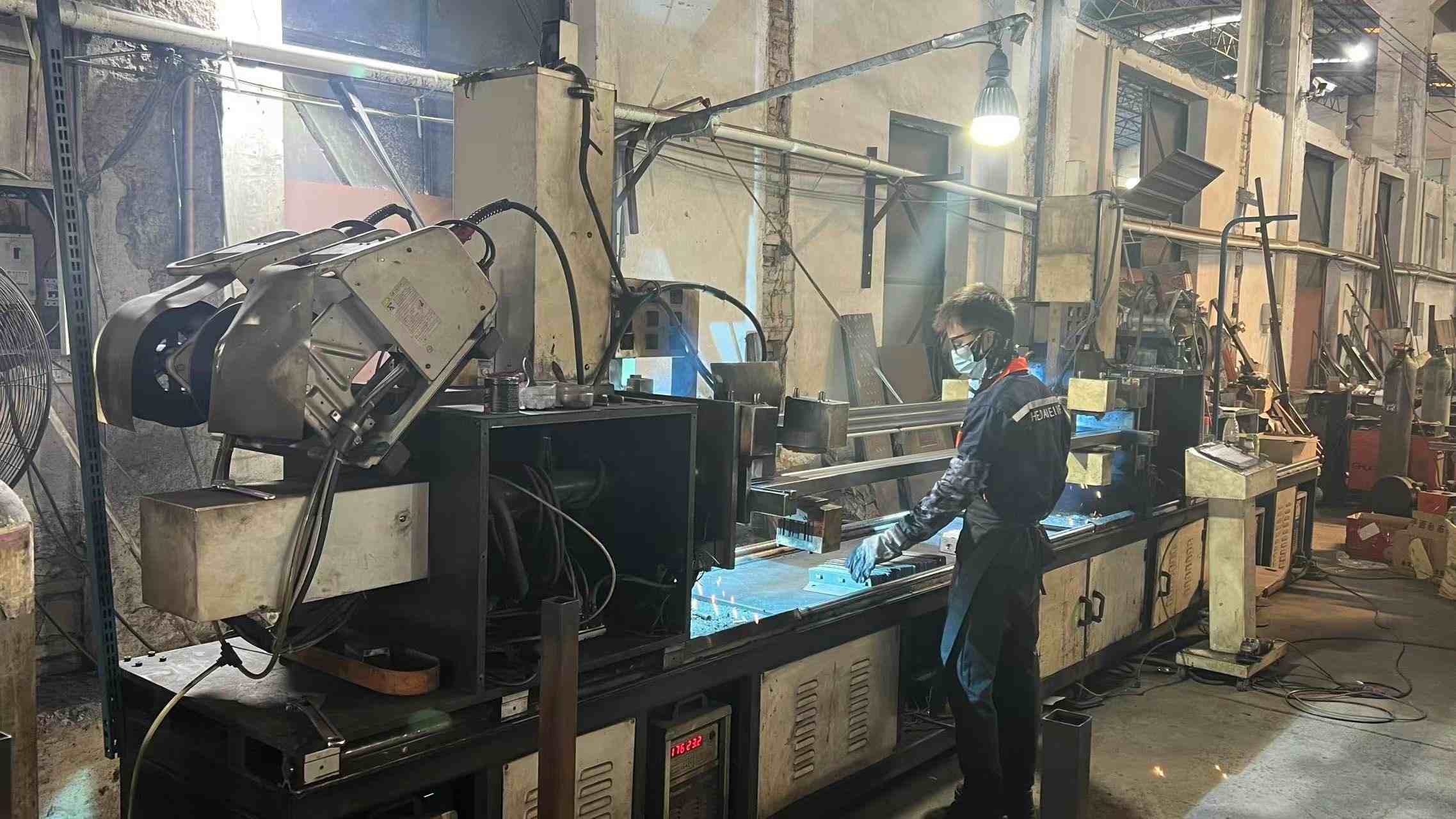
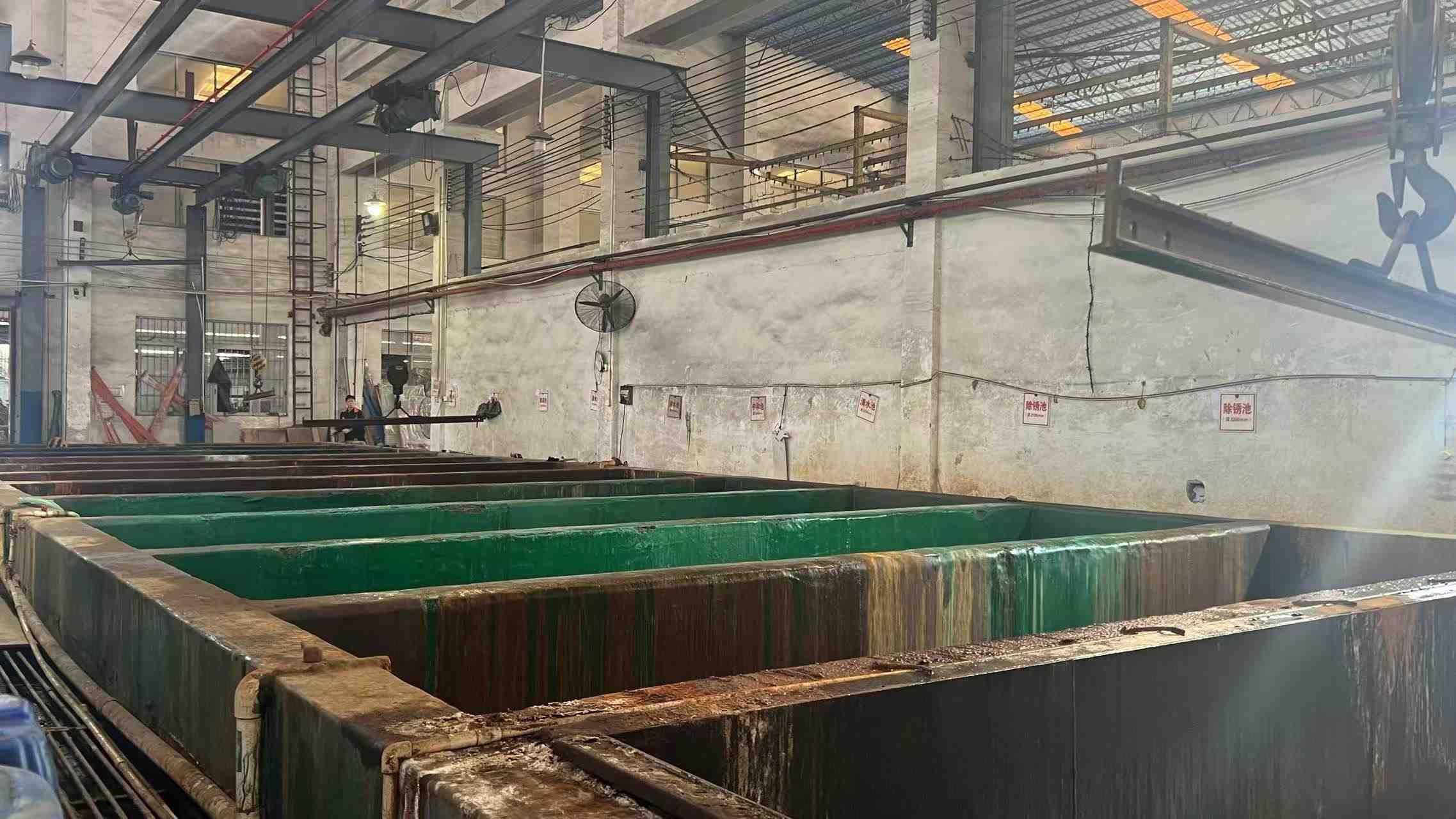
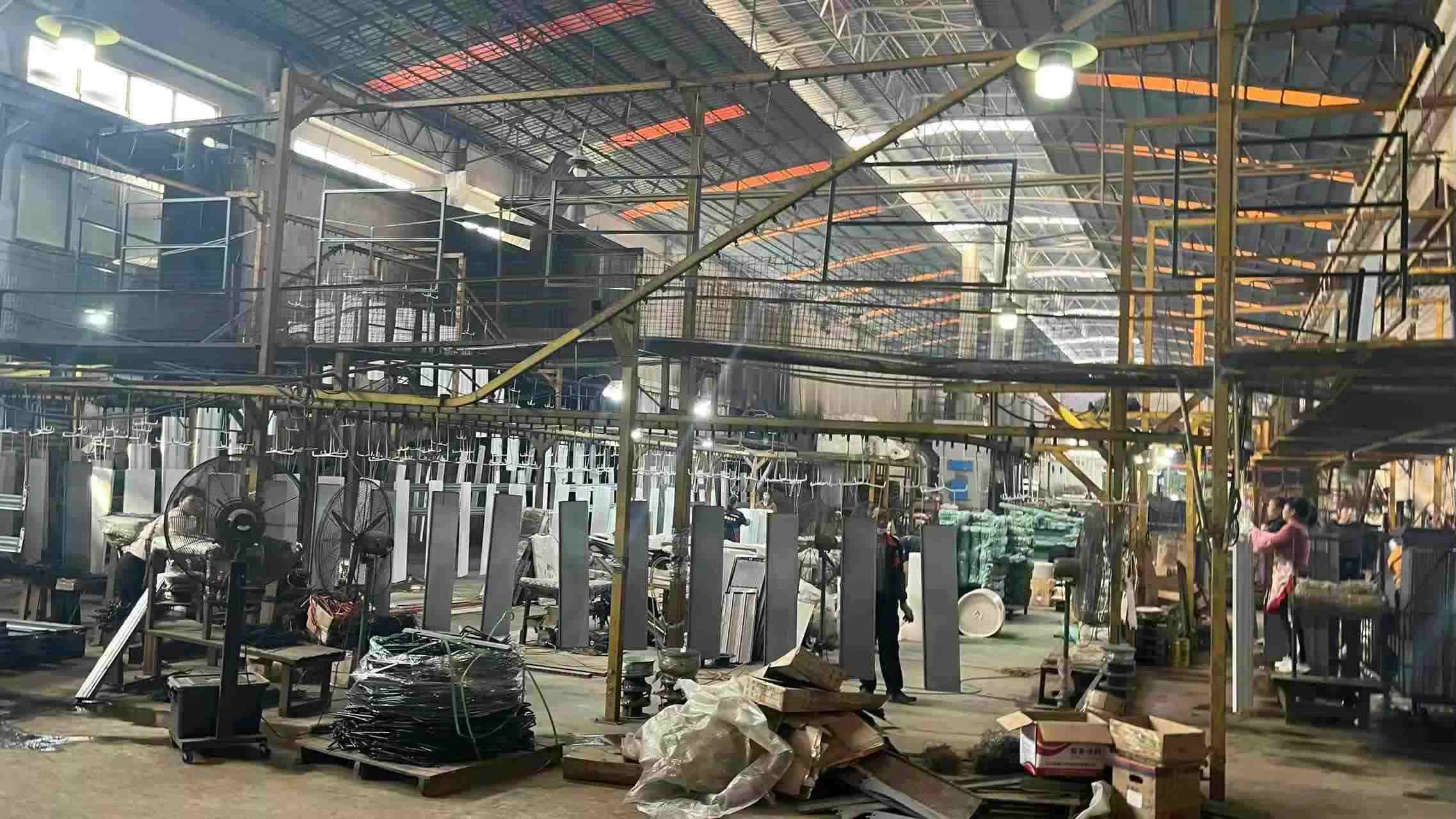
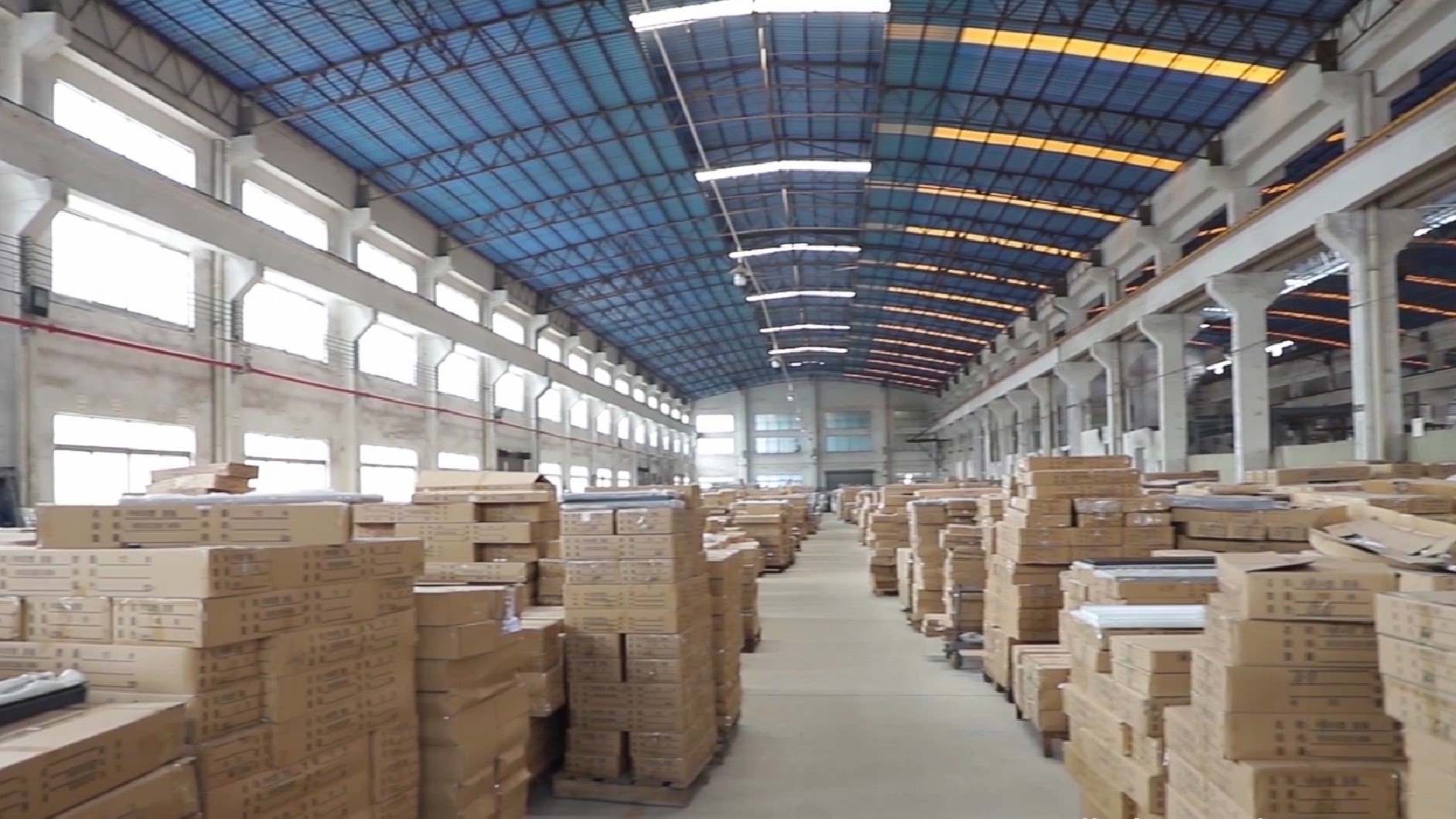
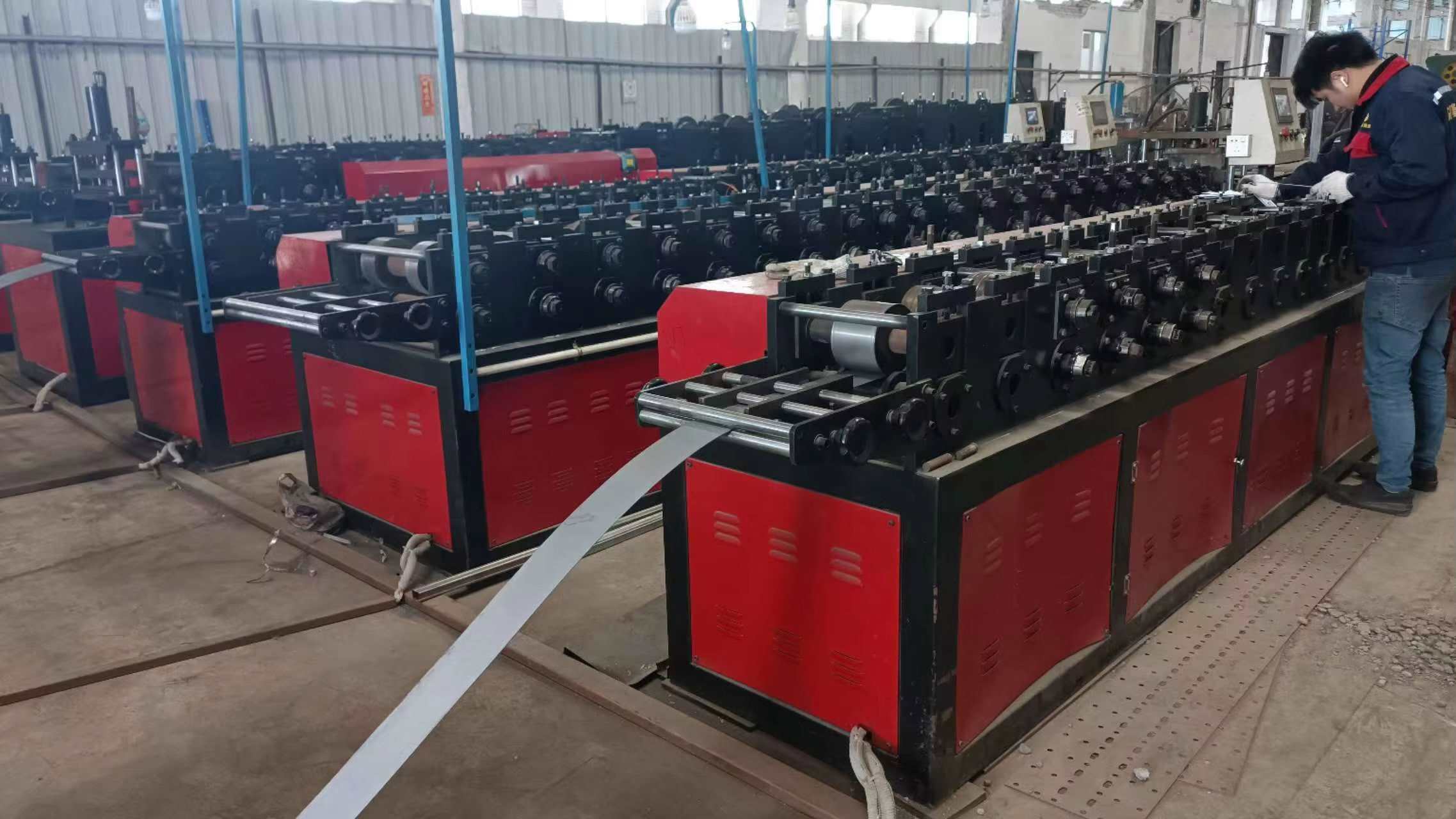
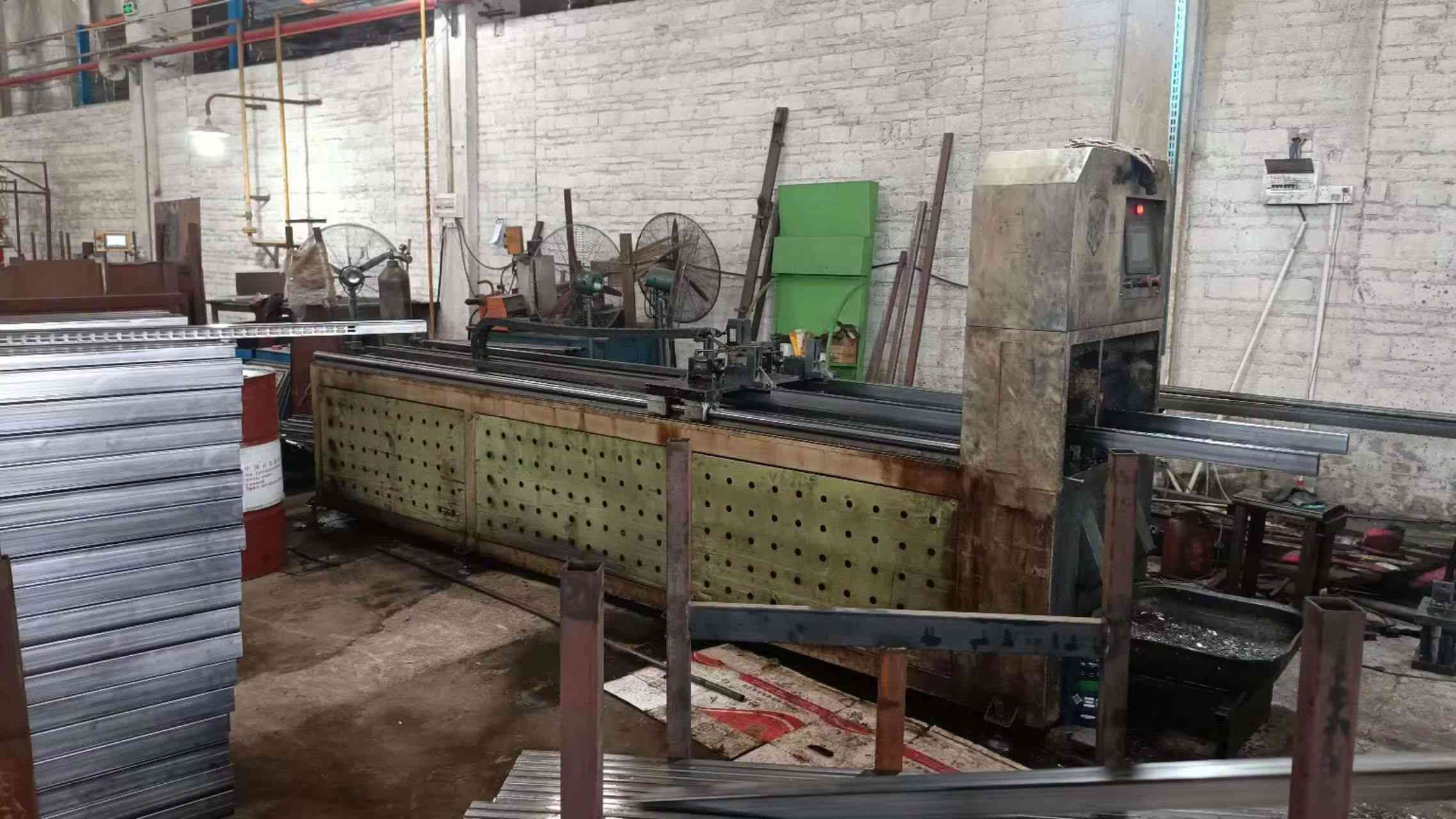
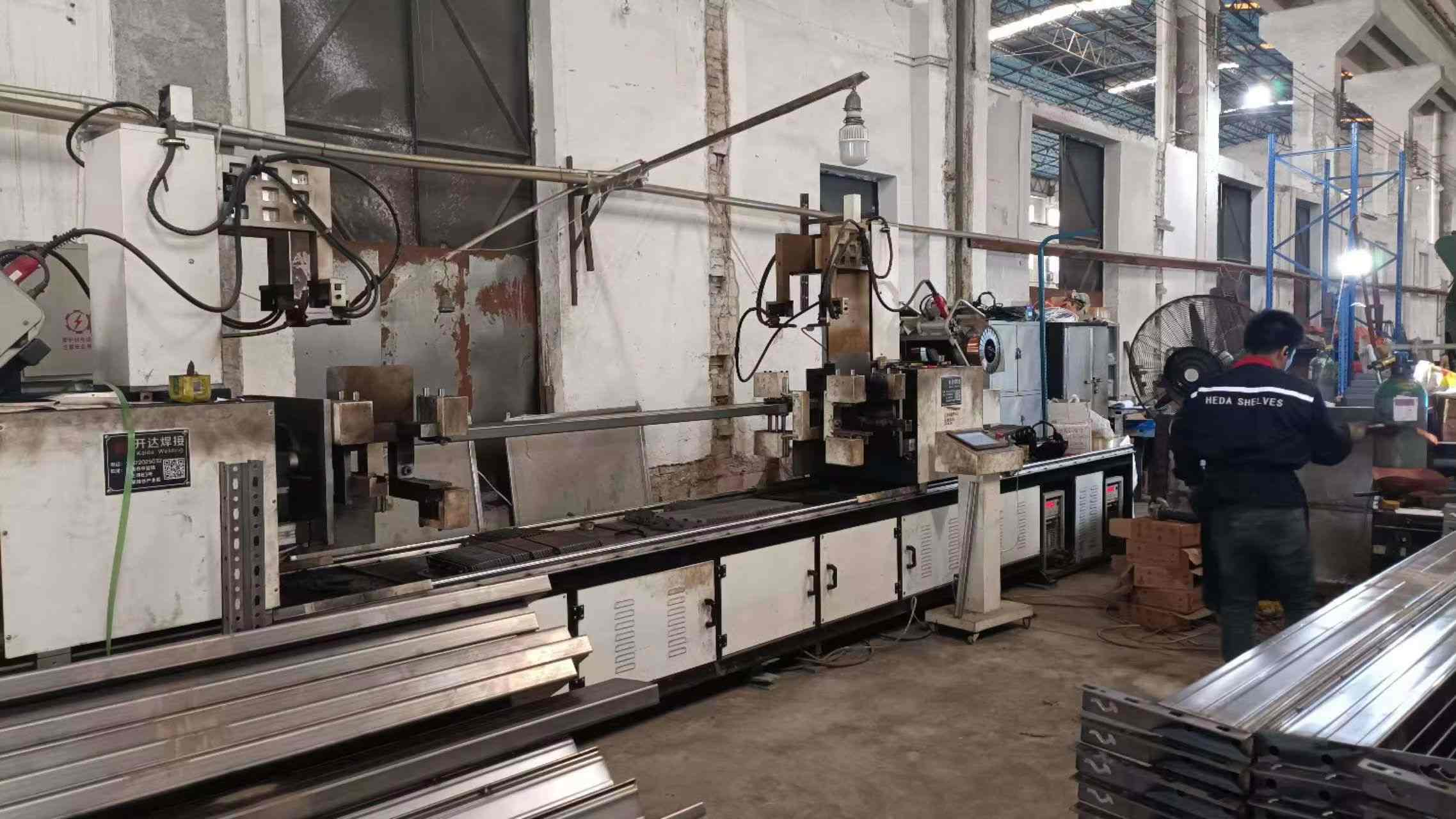
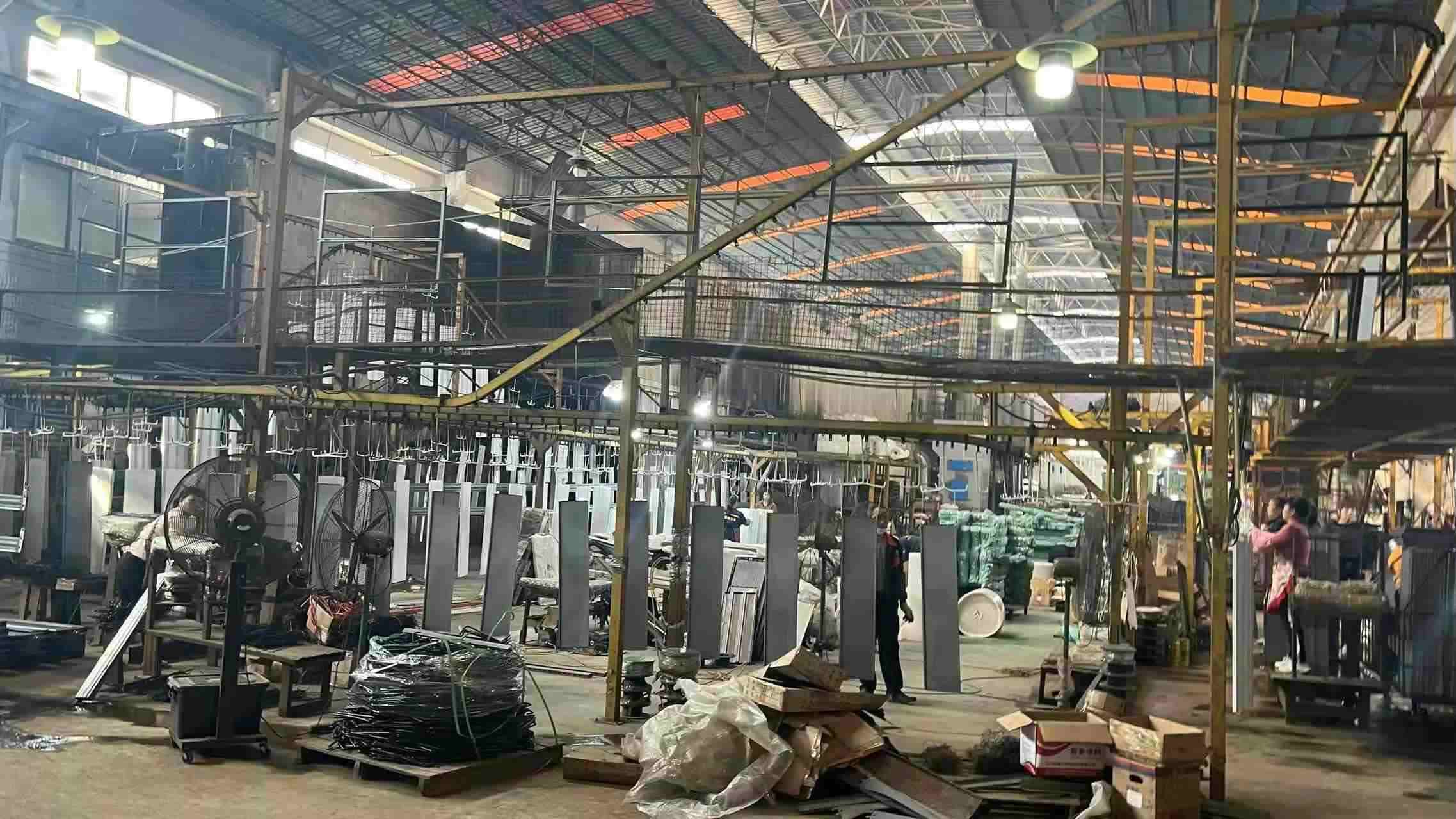
Sourcing platform racks and warehouse structural products directly from Chinese manufacturers like Heda Warehouse Equipment provides distinct supply chain and technological benefits:
Chinese manufacturing clusters leverage custom-designed automatic rolling mills and high-speed CNC punching presses. This specialized tooling allows us to shape complex profiles from structural steel coils with absolute precision. High uniformity in hole placement, straightness, and cross-sectional consistency translates to dynamic stability when erect on site.
The factory in Shenzhen is situated near the world's most concentrated steel refining and processing zones. Heda taps into direct partnerships with Tier-1 hot-rolled and cold-rolled steel mills (utilizing high-grade Q235B and Q355B steel). This enables rapid scale-up for multi-thousand ton projects while neutralizing raw material price volatility.
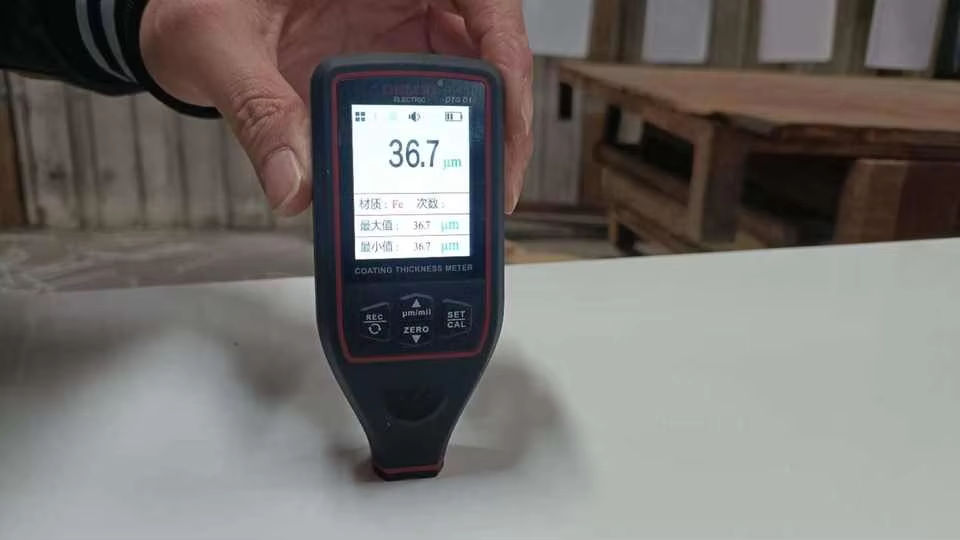
Surface treatment is a vital component of structural durability. Our continuous automatic powder coating lines apply high-molecular electrostatic powder epoxy coatings, followed by exact curing phases. Through rigorous pretreatment (including acid-washing and Parkerising), the steel surface forms a dense protective barrier against ambient moisture, acid exposure, and mechanical abrasions.
Industrial racking applications vary significantly based on regional regulatory frameworks, load metrics, and architectural practices. Below is a analysis of localized requirements across key target markets:
When evaluating international platform rack suppliers and OEM/ODM engineering partners, procurement executives must conduct technical due diligence beyond unit pricing. The checklist below highlights the critical engineering milestones required to ensure structural performance:
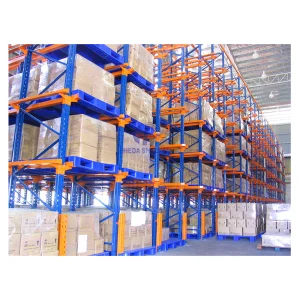
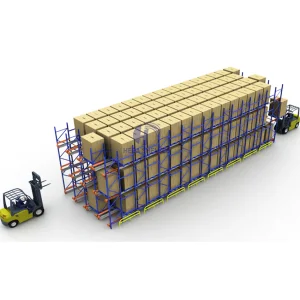
The logistics industry is transitioning from static storage frames to intelligent warehouse systems. The integration of 4-way shuttle rack systems (as displayed in the product gallery below) and Automated Storage and Retrieval Systems (AS/RS) is reshaping warehouse structural expectations. Platform and frame configurations must maintain tighter dimensional tolerances—often within ±1mm over a 10-meter height—to ensure autonomous robotic components run smoothly without catching.
Additionally, the rise of modular, boltless construction allows companies to reconfigure, elevate, or expand their mezzanine layouts as inventory demands shift, preserving long-term capital assets. Direct factory customizability (OEM/ODM) is essential to adapt to these evolving layout requirements.
Professional engineering responses to critical questions commonly raised by industrial warehouse developers and supply chain managers.
Engineered high-capacity systems customized for structural load demands up to 3 tons per layer.
 Hedaracking