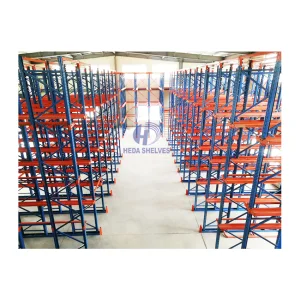
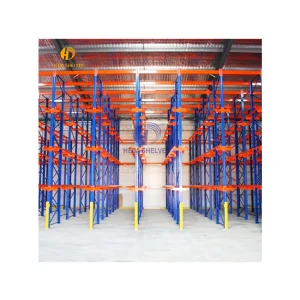
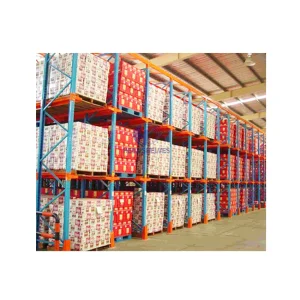
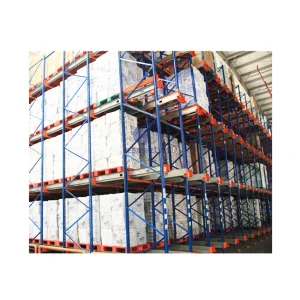
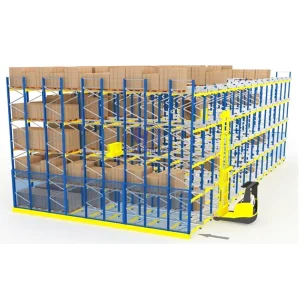
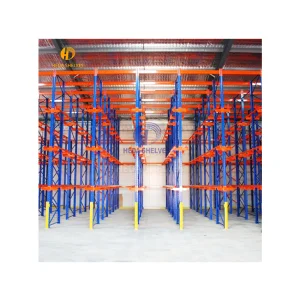
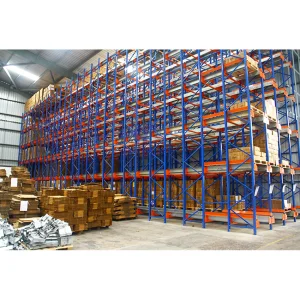
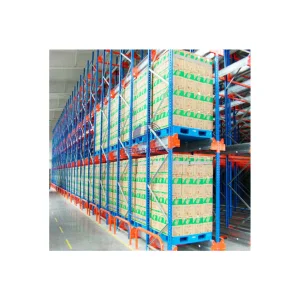
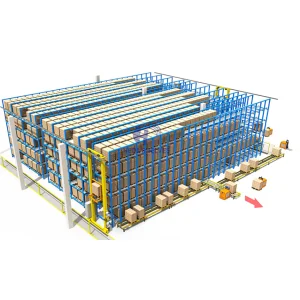
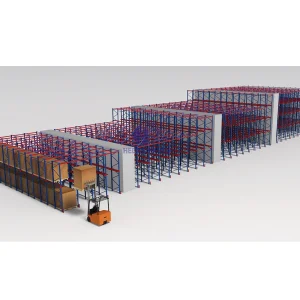
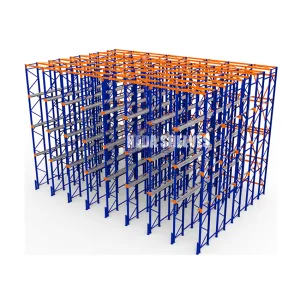
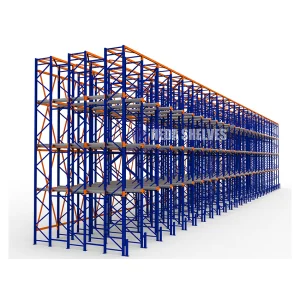
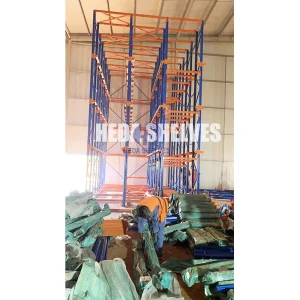
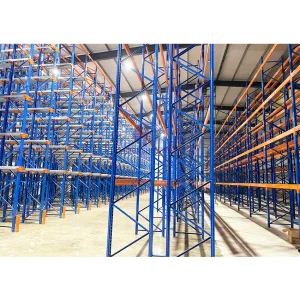
Engineered for high-density space utilization. These systems reduce warehouse aisles, maximizing capacity by up to 75% for LIFO storing environments in Hungary.
Hungary has positioned itself as the preeminent manufacturing and logistics gateway of Central and Eastern Europe (CEE). Due to its geographic localization intersecting crucial European corridors (such as Corridor IV and V), alongside major automotive hubs like Győr (Audi), Kecskemét (Mercedes-Benz), and the massive EV battery investments in Debrecen (CATL, BMW), the demand for footprint-optimized storage solutions has surged exponentially.
Industrial real estate around Budapest and regional hubs is reaching record occupancy. Consequently, operators can no longer afford wide-aisle storage configurations. High-density structures, such as Drive-In Racking and Drive-Thru Racking, have transitioned from optional upgrades to business-critical installations for local supply chains.
Furthermore, cold storage and FMCG facilities supplying supermarkets like Spar, Aldi, and Lidl in Hungary demand high-density solutions to control cooling costs, where footprint maximization directly dictates margins.
A comparison of spatial utilization between selective racking and drive-in configurations in standard Hungarian distribution centers:
Production Facility
Engineering Experience
Annual Export Value
European Standard Compliant
Unlocking high-density efficiency through structural optimization and tailored material flow strategies.
Designed for Last-In, First-Out (LIFO) configurations. Forklifts enter the racking block from a single aisle to store and retrieve pallets on guide rails. Best suited for non-expirables or homogeneous bulk goods with long shelf lives.
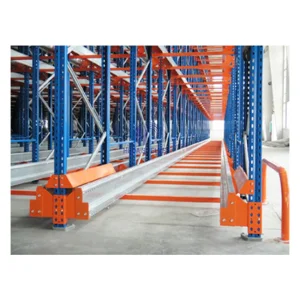
Utilizes dual access aisles (entry at one end, exit at the other) to deliver First-In, First-Out (FIFO) access. Highly recommended for perishable food, pharmaceuticals, and automotive assembly parts where batch control is critical.
Since forklifts navigate within the racking structure, safety is paramount. We integrate heavy-duty floor-mounted guide rails, column protectors, entry funnels, and back stops to minimize structural impact risks.
We supply complete static documentation, design layouts in CAD/BIM, and structural safety margins customized to Hungarian local codes (Eurocodes & MSZ EN standards).
Request Free CAD Design LayoutHow Shenzhen Heda Warehouse Equipment Co., Ltd. delivers high-end custom structures with direct-to-factory economic advantages for global procurement managers.
Established in 2014, Shenzhen Heda Warehouse Equipment Co., Ltd. is a leading manufacturer specializing in heavy-duty warehouse racking and industrial storage systems. Spanning a modern manufacturing facility of 35,000 m², our enterprise integrates R&D, design, production, and international marketing to serve diverse storage needs worldwide. With 12 years of industry experience and 8 years of dedicated export expertise, we deliver high-caliber storage systems that generate over $28 million in annual export revenue.
For Hungarian and European buyers, navigating domestic structural steel shortages or localized price inflation can be prohibitive. By leveraging Heda's advanced automated production and direct shipping lines via the Koper/Trieste ports, European businesses achieve superior structural grade steel (Q235B/Q355B) and precision robotic welding at substantial cost reductions, without compromising on EN-15512 certifications.
Our robust QC department comprises 45 skilled inspectors utilizing rigorous testing methods, including raw material tensile testing, automated weld flaw detection, layer load-bearing stress analysis, and salt spray surface corrosion testing. Supported by a professional R&D team of 28 senior structural engineers, we maintain strong full-customization capabilities (OEM/ODM)—offering tailored rack dimensions, load capacities, surface coatings, and layout designs.
Take a virtual tour of our 35,000 m² factory floor. Transparent, state-of-the-art manufacturing stages that guarantee safety, reliability, and precision engineering.
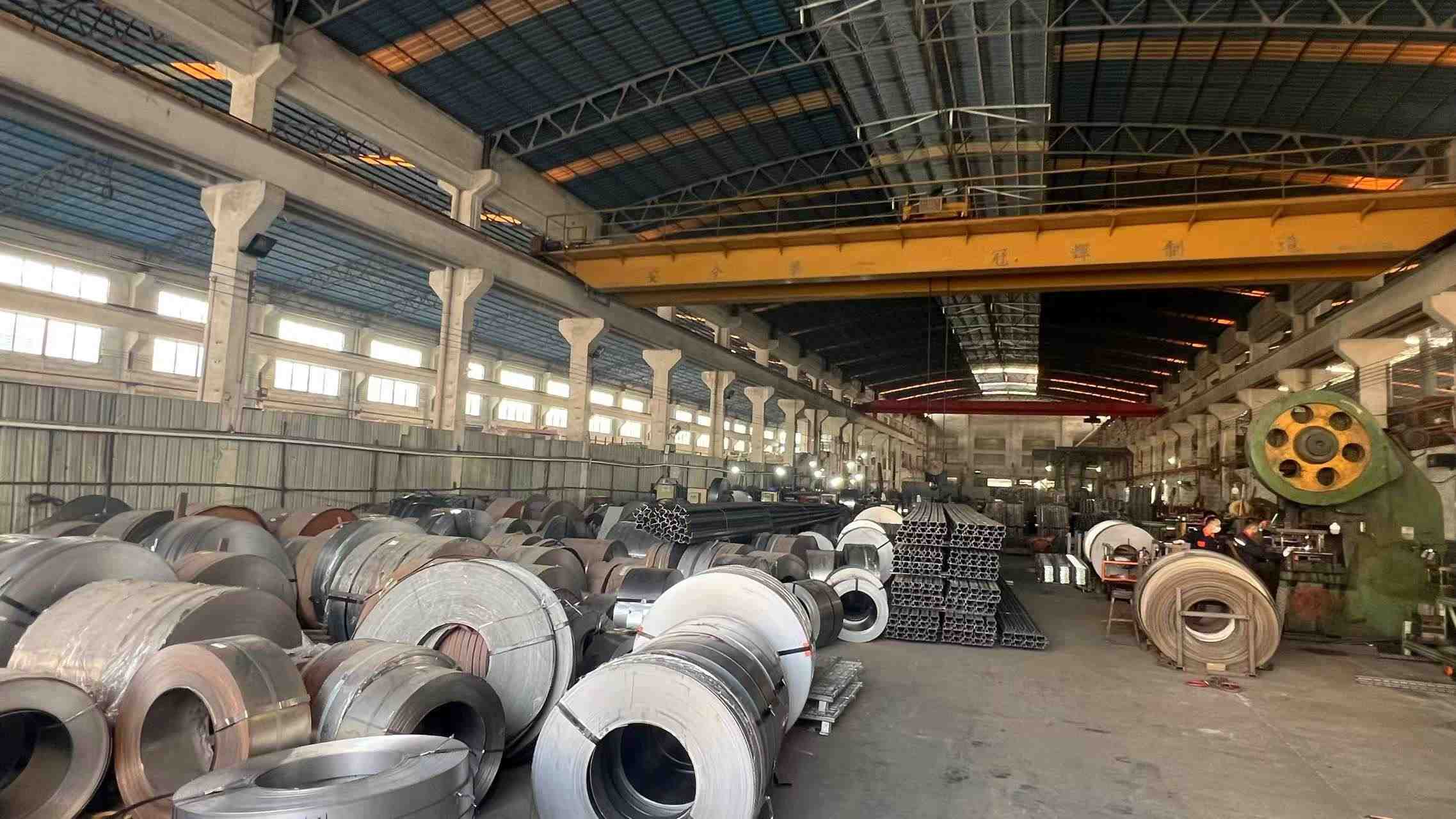
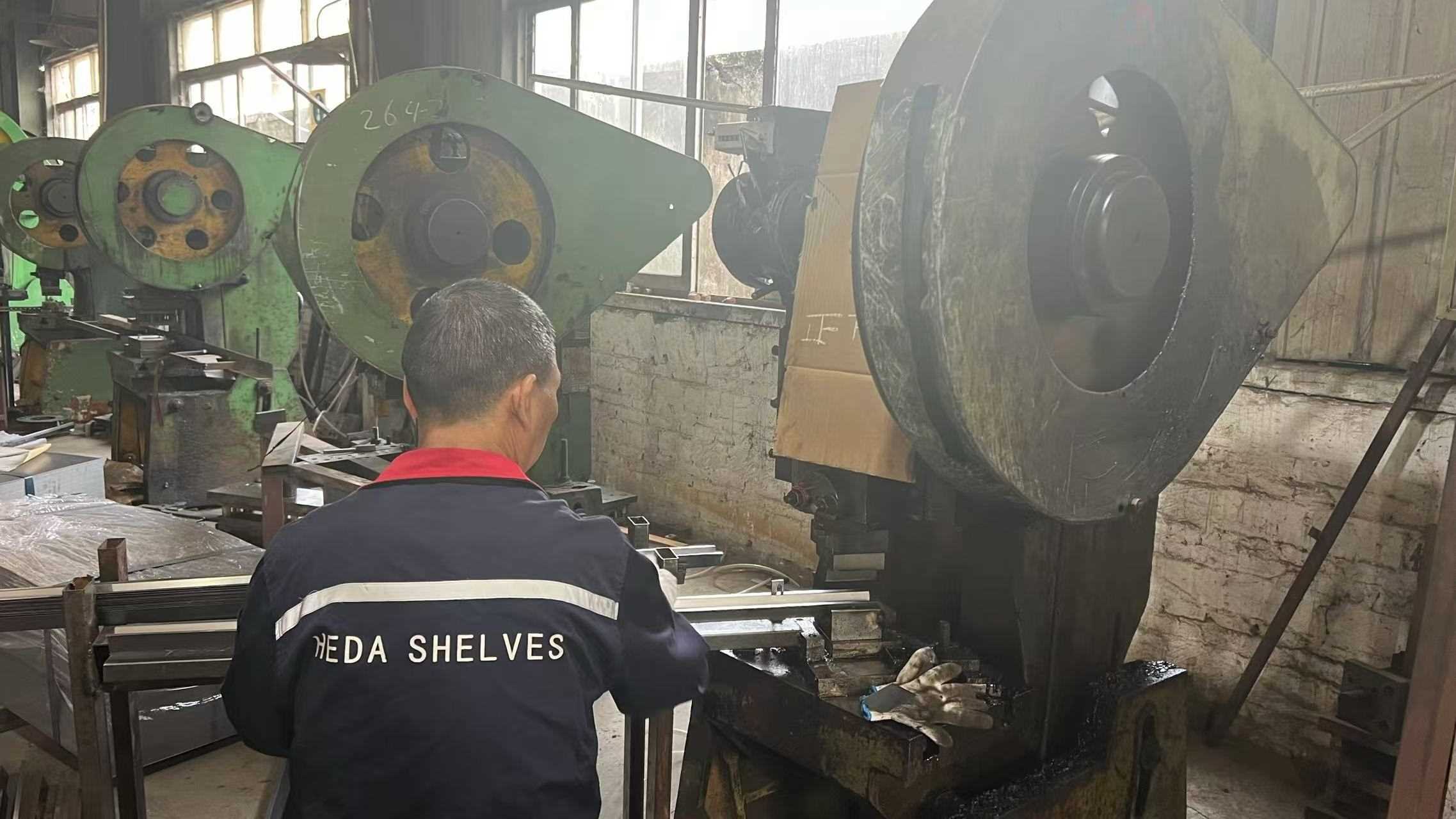
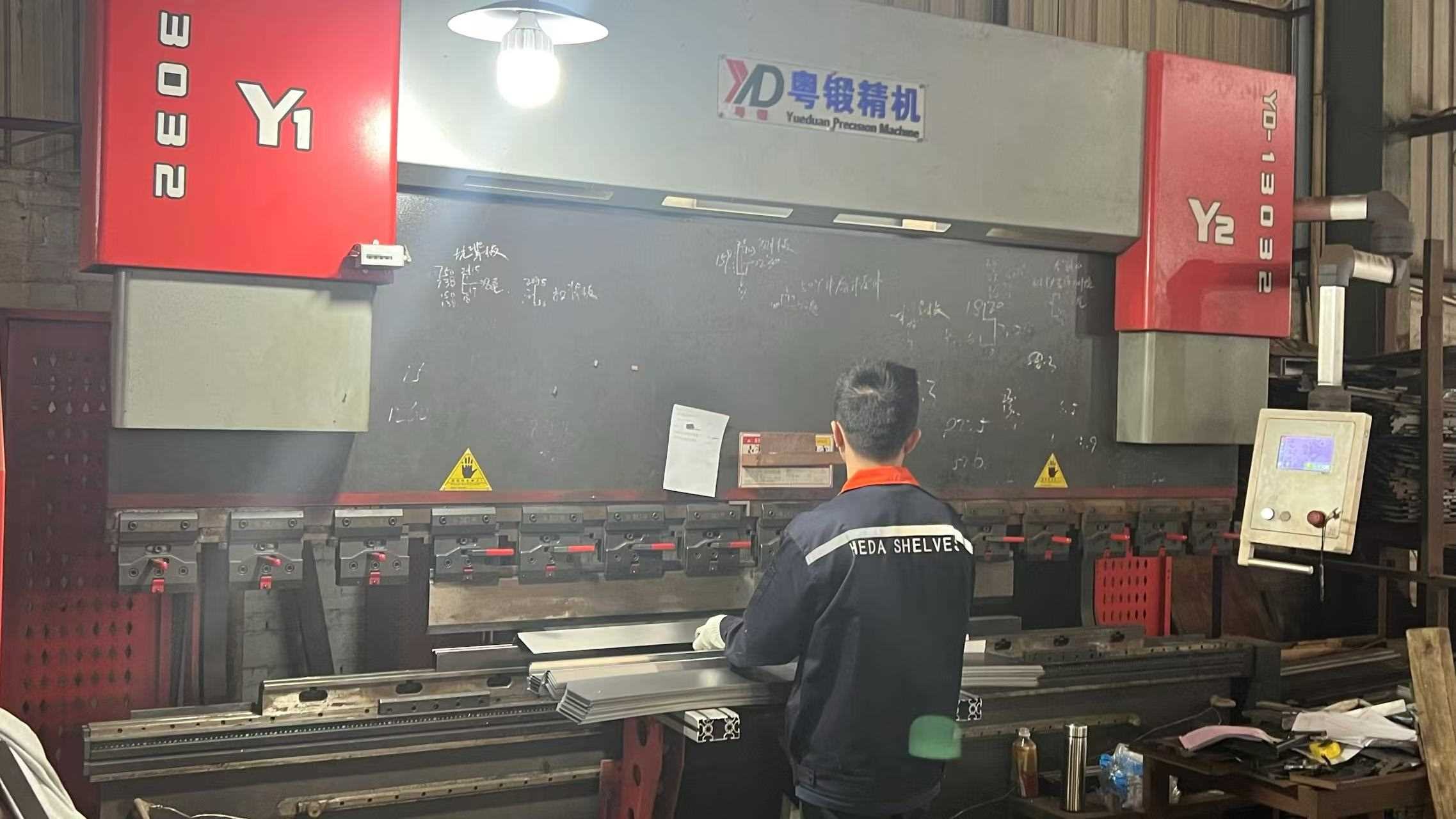
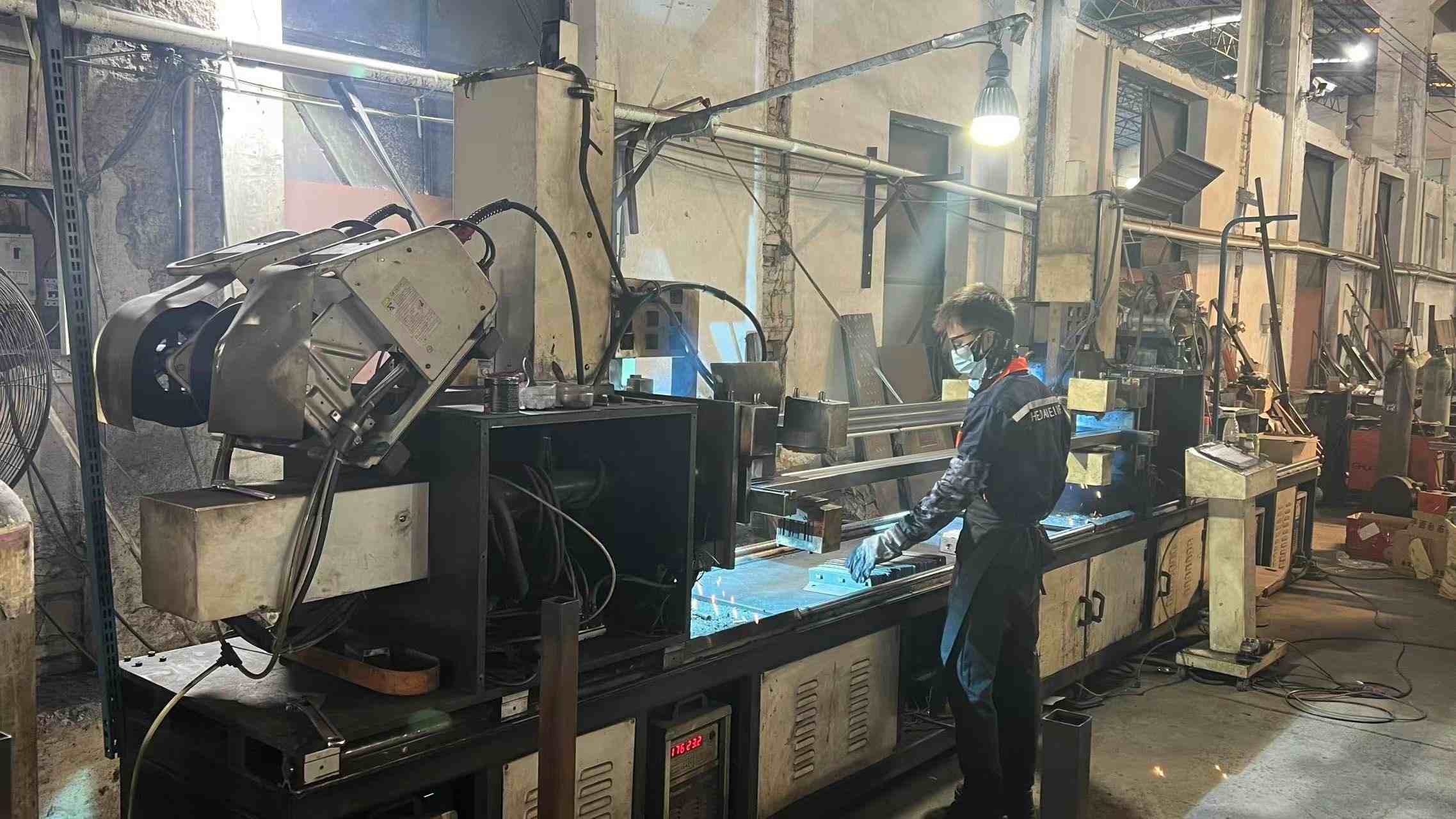
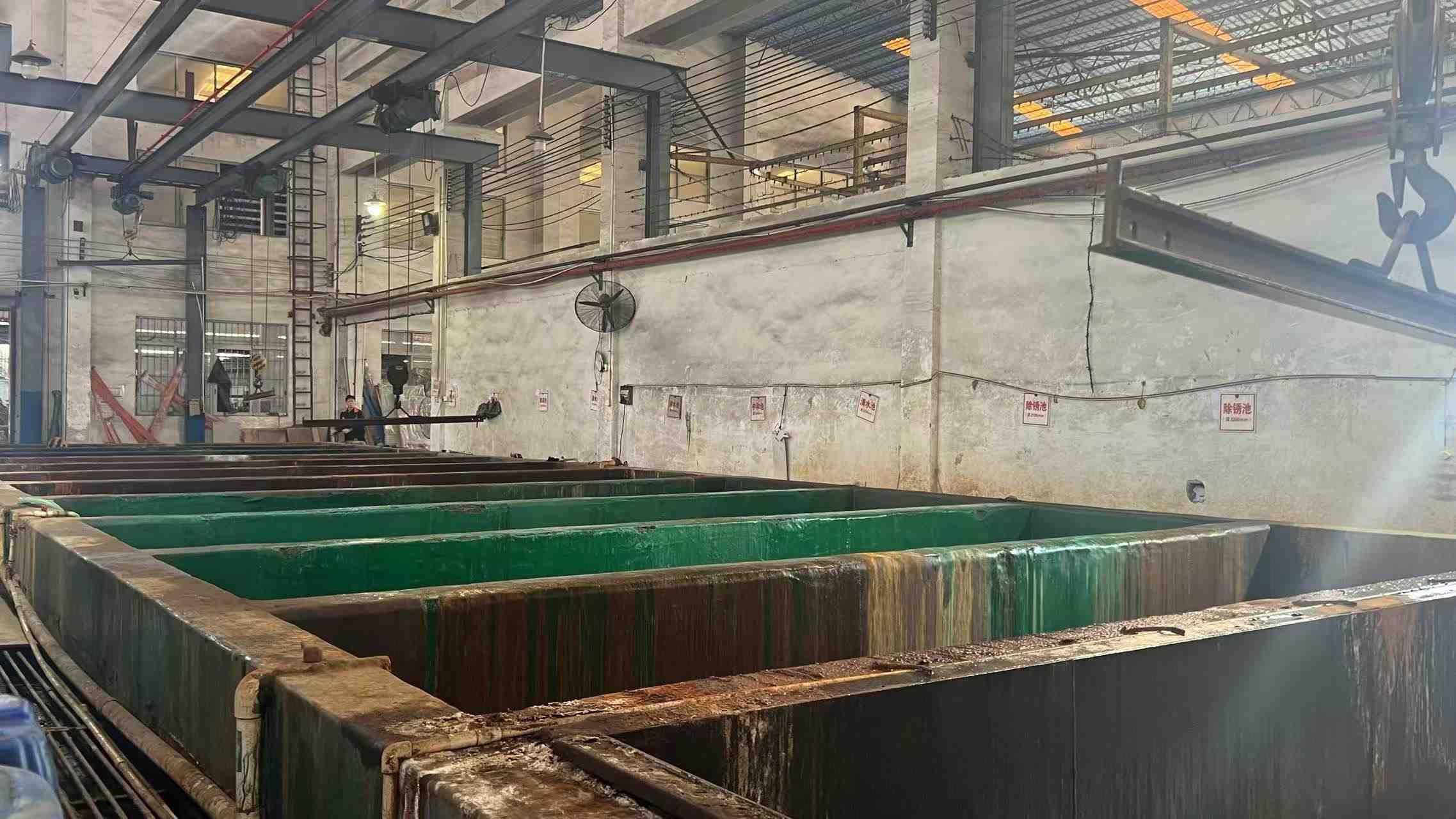
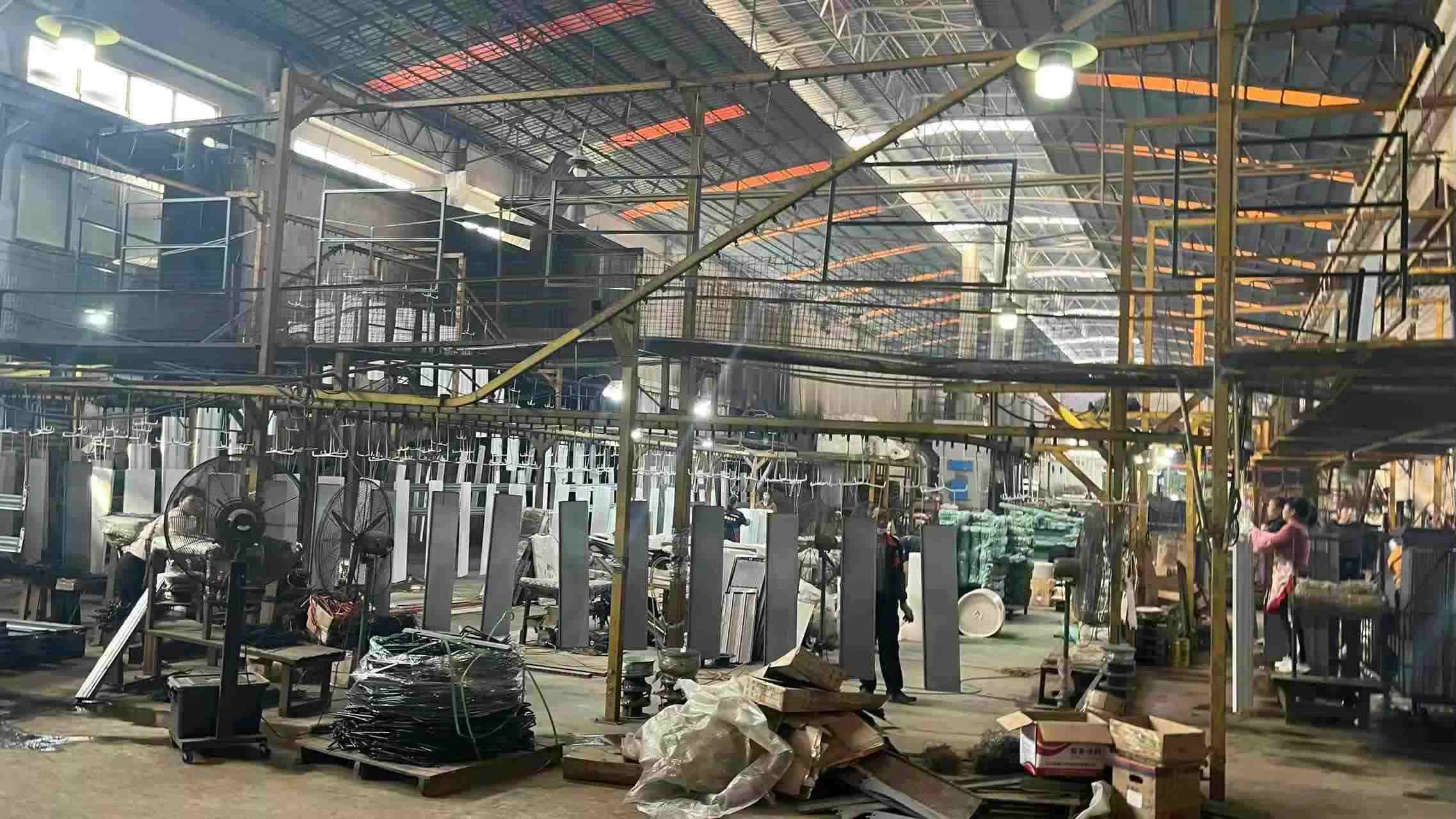
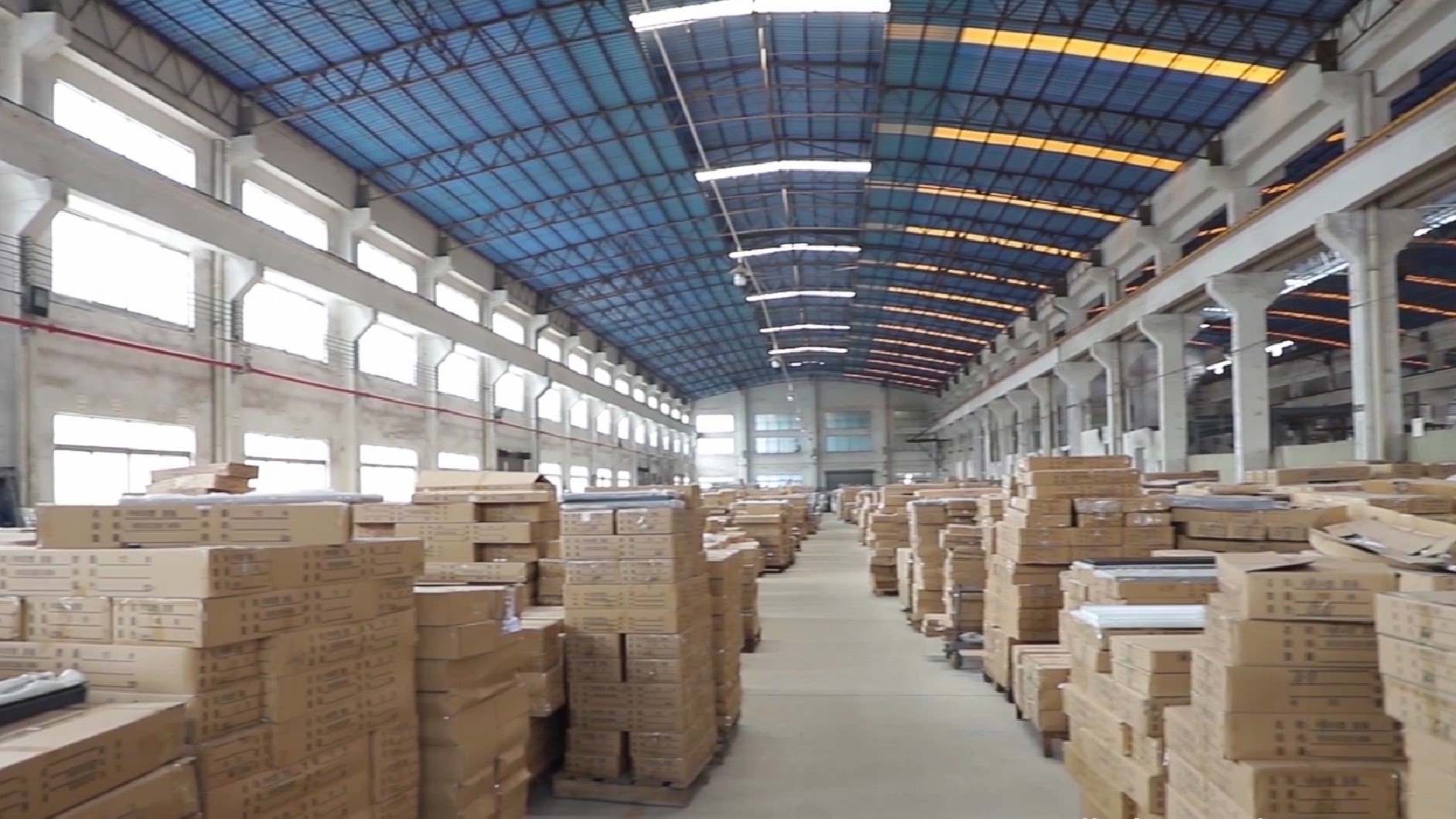
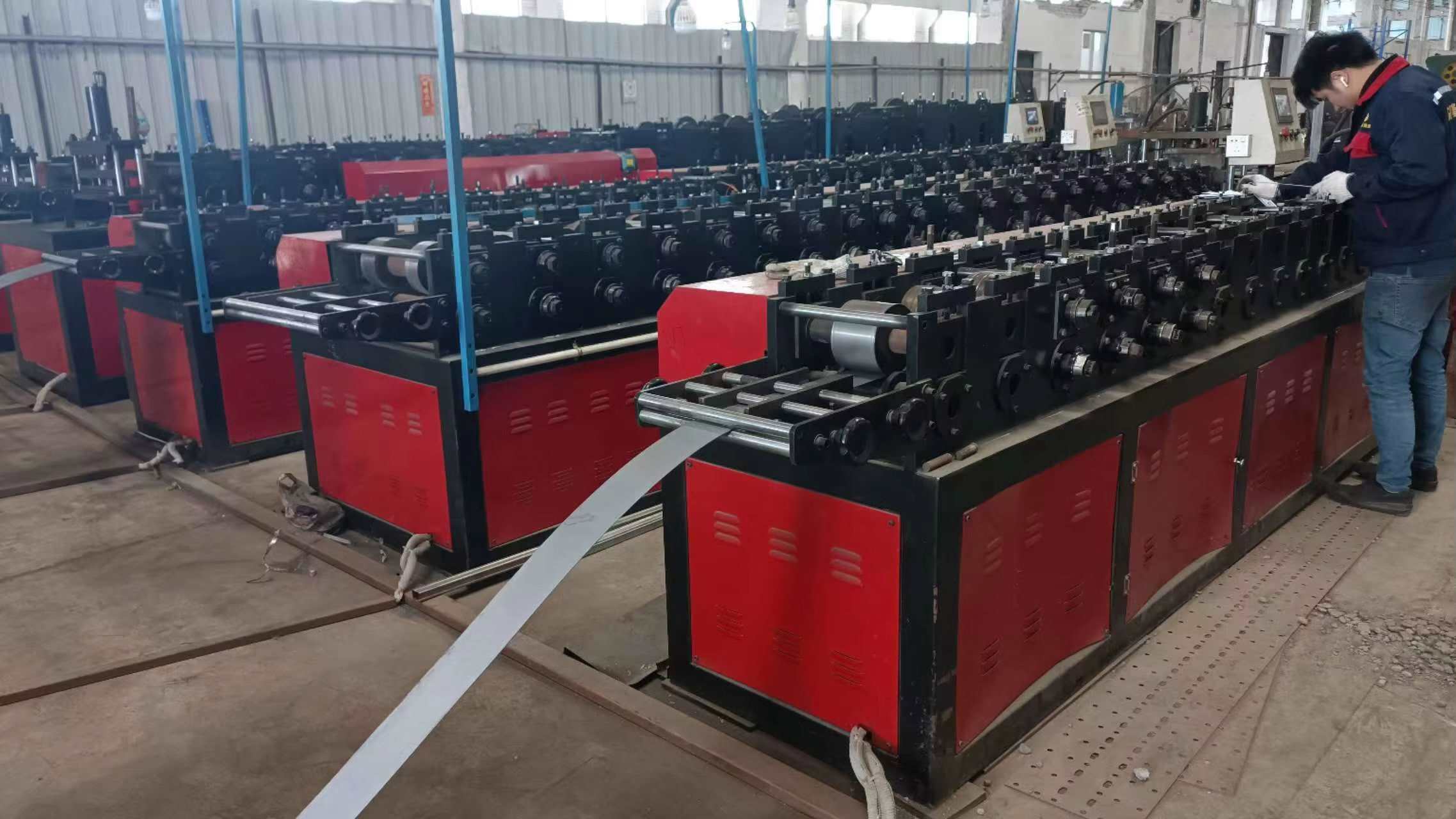
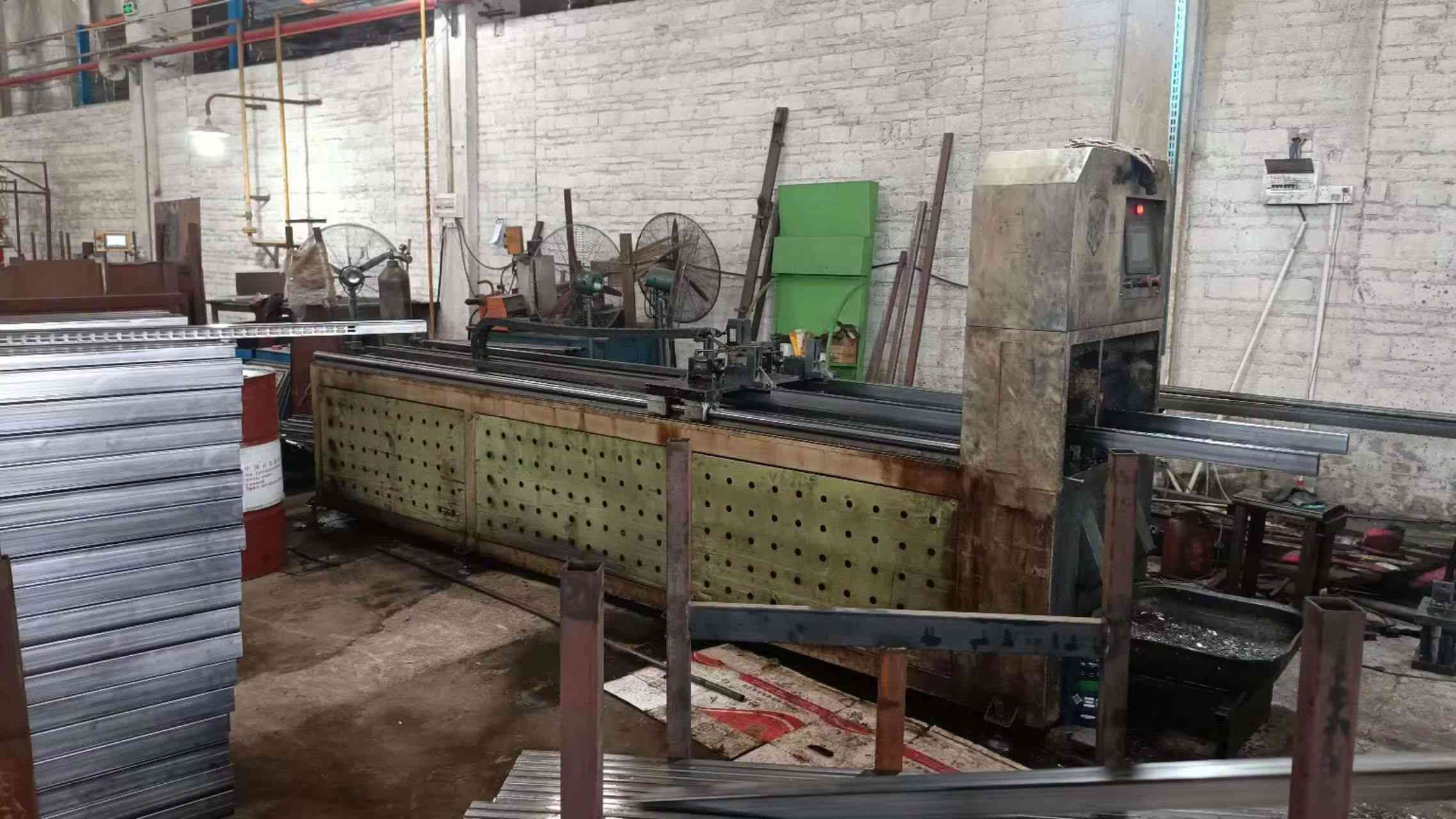
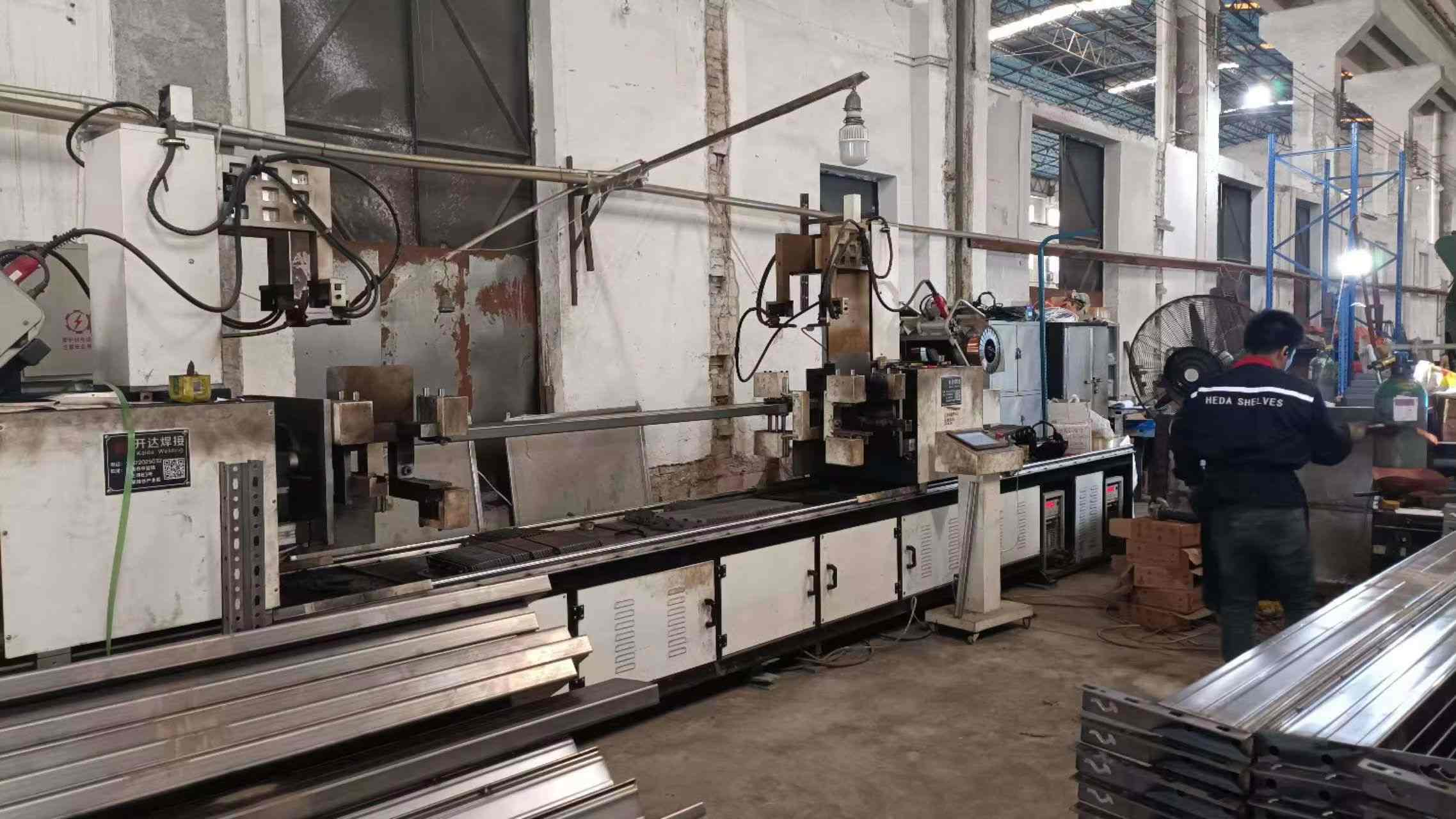
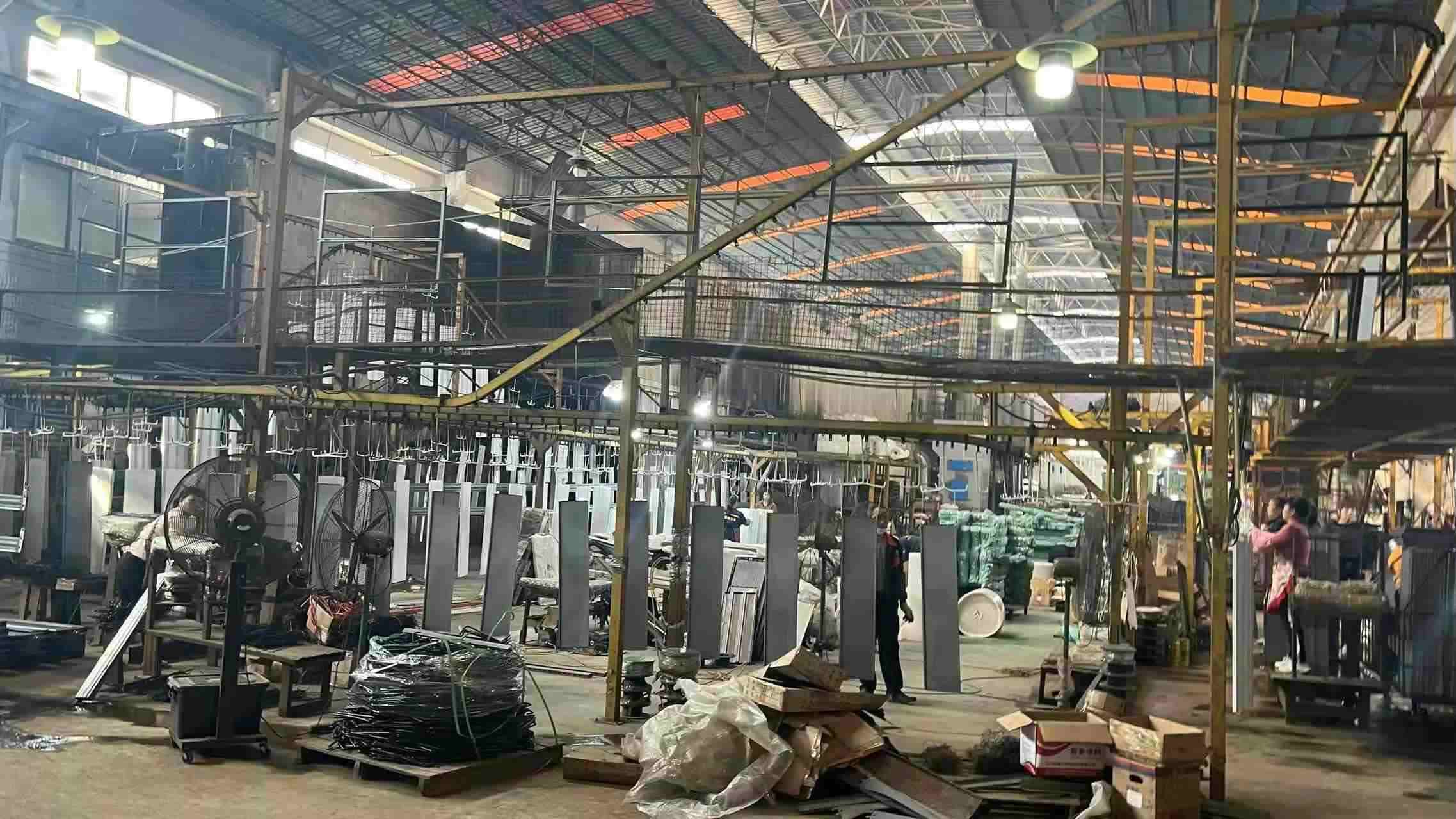
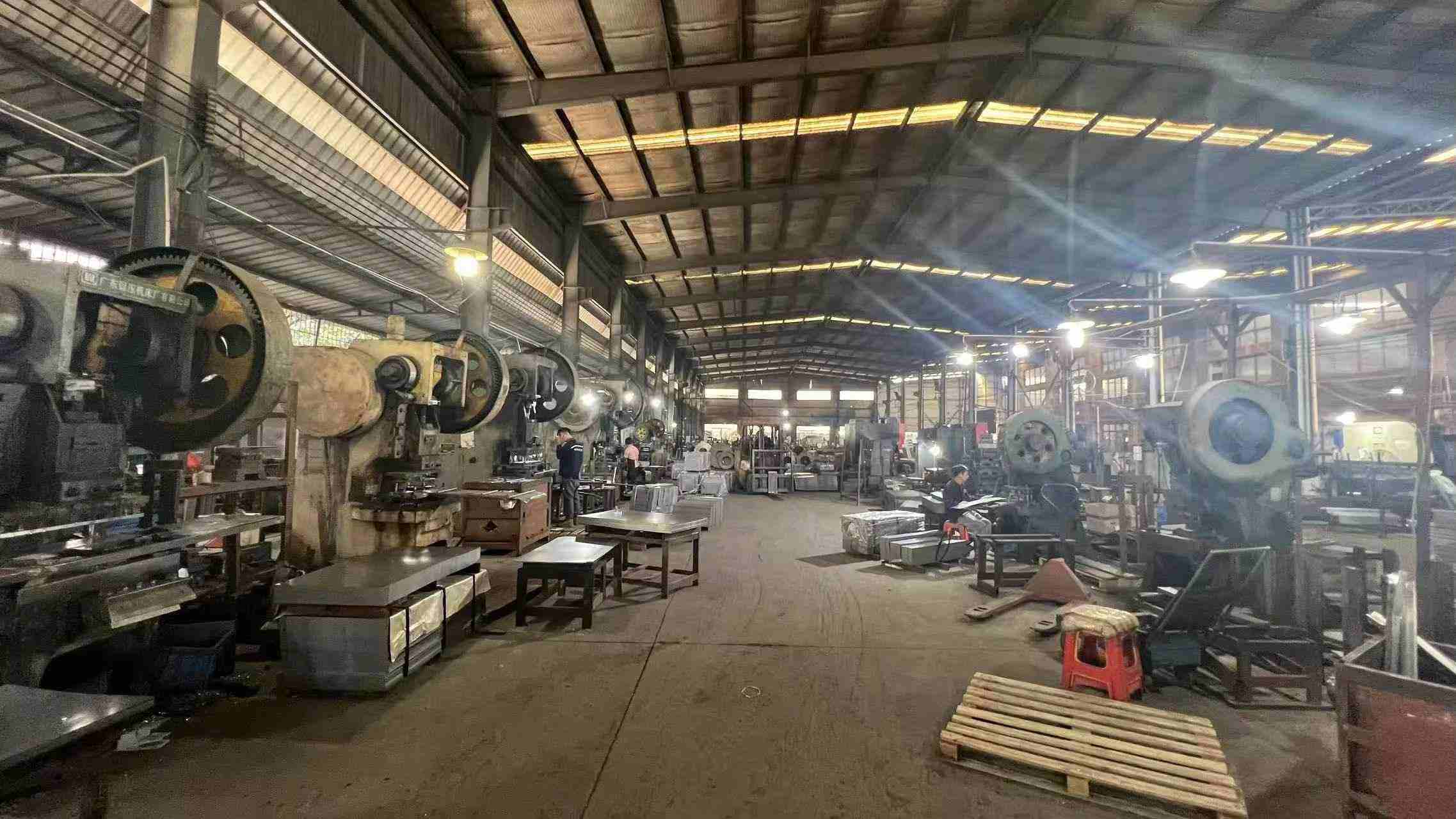
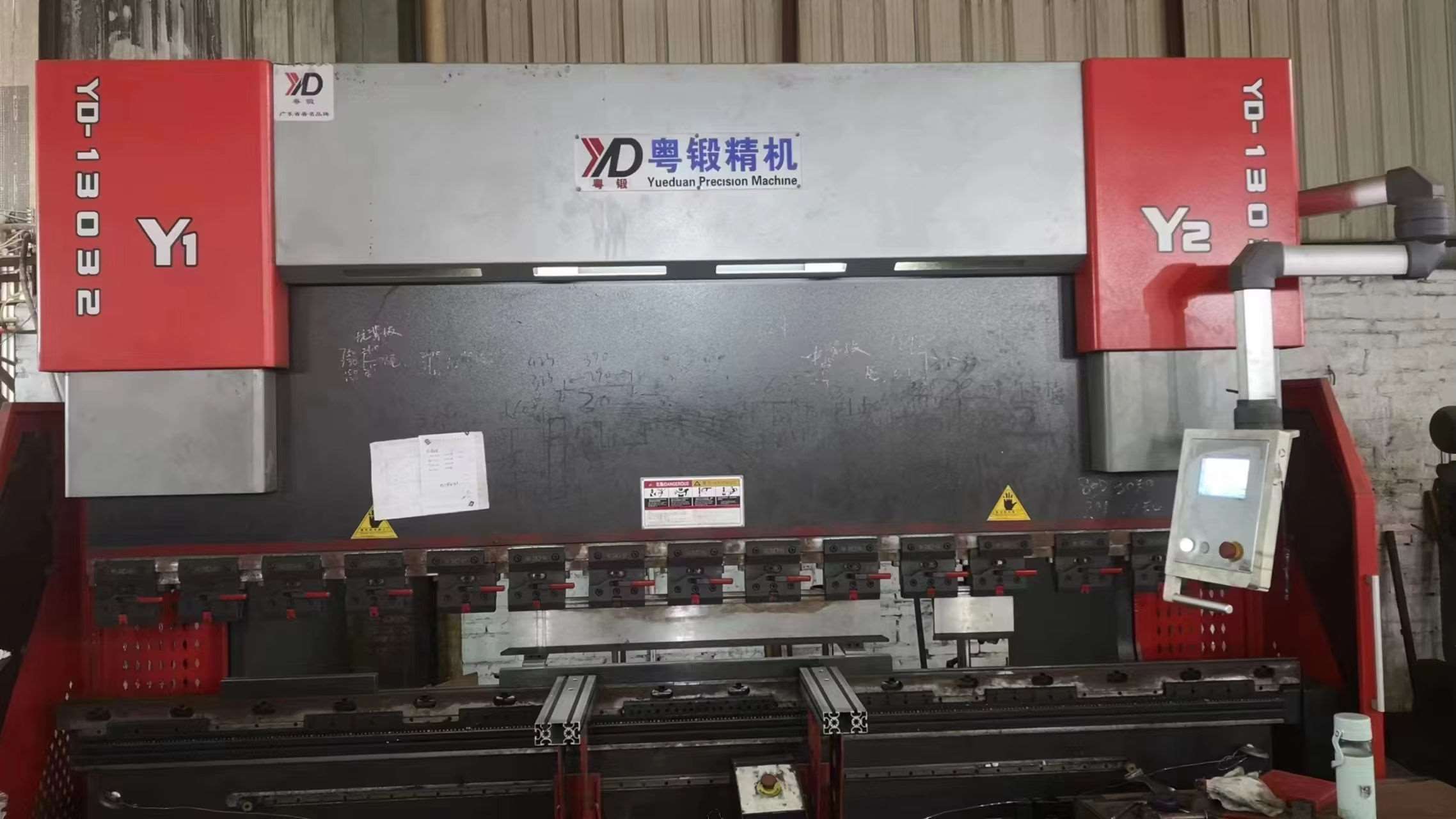
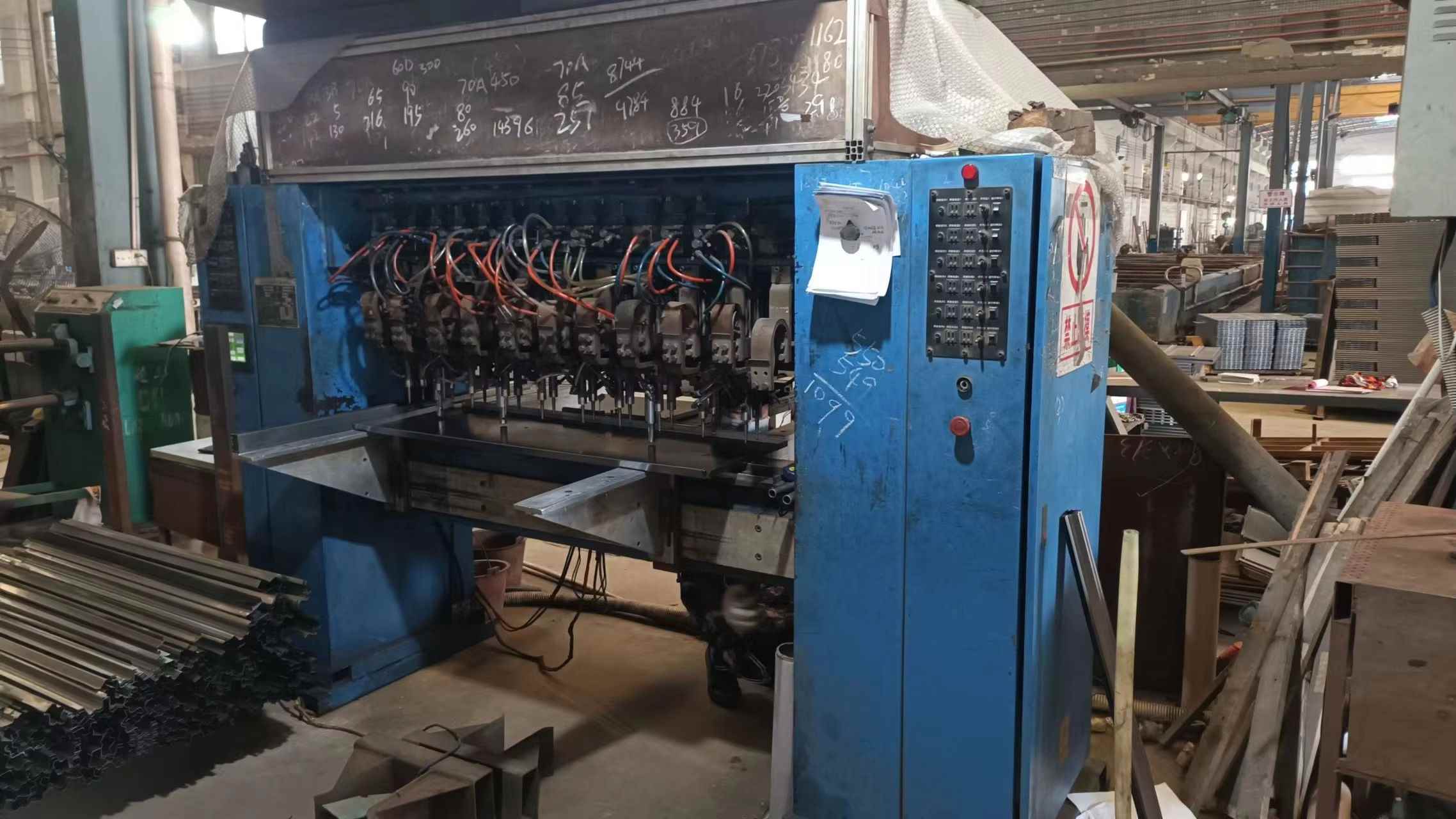
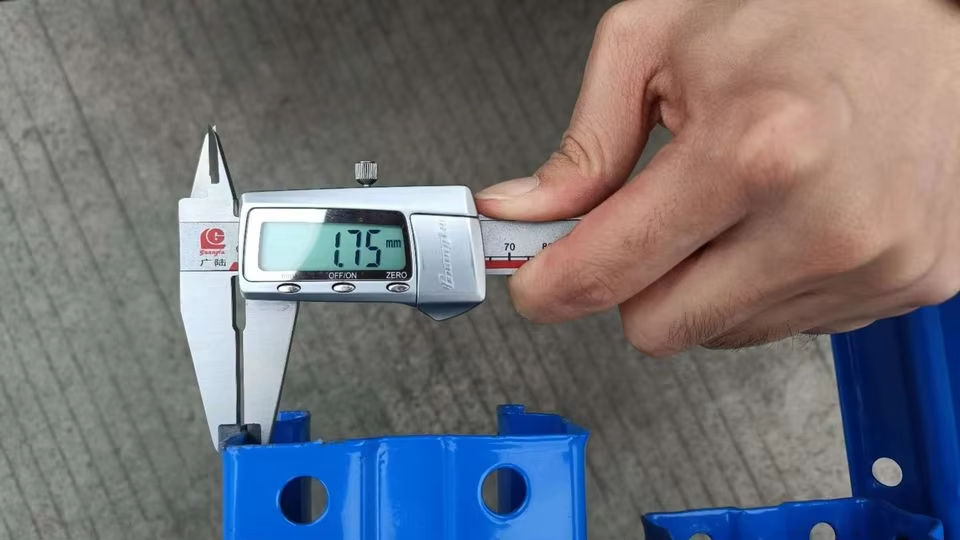
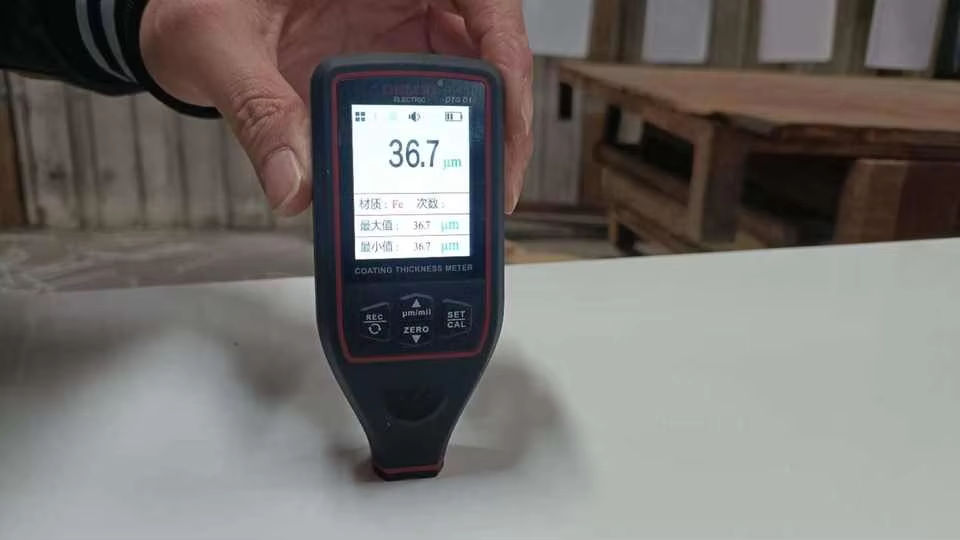
Heda racks undergo exhaustive engineering evaluations before delivery. The thickness of steel rails and columns are strictly verified using high-precision electronic calipers, and powder coating thickness is validated via magnetic gauges to ensure maximum resistance against impact wear and corrosion in intensive 3PL cold-store environments.
Explore our specialized range of high-capacity structural rack systems, optimized for regional distribution centers across Europe.
Direct technical advice from our Senior Structural Racking Architects for engineers, procurement directors, and plant managers.
Forklift clearance is one of the most critical variables in avoiding structural collision. Usually, there must be a minimum clearance of 75mm to 100mm between the outer frame of the forklift mast (or its widest point, including the load load backrest) and the upright structural frame. Standard configurations require at least 150mm total clearance for safe operations, backed by heavy ground guide rails to align wheels.
The European standard EN 15512 defines structural design rules for steel static storage systems. In Hungary (under Hungarian national standard MSZ EN 15512), racking is classified as building structures in terms of safety and structural performance. Calculations must account for seismic zoning (e.g., higher PGA zones in Central Hungary), material steel grades, dynamic deflection tolerances, and the impact forces generated when loading palettes inside deep lanes.
Standard EUR-pallets (800mm x 1200mm) or industrial ISO-pallets (1000mm x 1200mm) are perfectly compatible, provided they are in good structural condition. Since pallets in drive-in racking sit directly on lateral steel support rails rather than horizontal beams, pallets with damaged lower deck boards can compromise safety and lead to load drops. Safe operation requires high quality and uniform pallet usage.
We strongly recommend: 1) Structural guide rails (either heavy-duty hot-rolled steel profile sections or floor-fixed circular tubes) extending the entire depth of the storage lane; 2) Column protectors at the front entrance of the upright blocks made of robust structural steel or specialized energy-absorbing polymers; 3) Entry guiding funnels at the start of pallet support rails to center incoming pallets.
We offer DDP or CIF shipping terms. Most of our container cargo is sent directly to major maritime entry points such as Port of Koper (Slovenia) or Port of Rijeka (Croatia), from where they are easily dispatched via rail or road to distribution sites across Hungary, including Budapest, Debrecen, and Győr. We provide full customs declarations, certificate of origin, and EN compliance certificates for smooth clearance.
 Hedaracking