Designed for heavy industrial configurations and optimized for Chicago regional distribution centers.
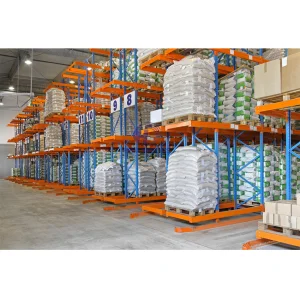
As the ultimate transport junction of North America, the Chicago metropolitan area—specifically the O'Hare submarket, the I-80 corridor (Joliet/Elwood), and the I-55 logistical gateway—serves as the primary distribution hub for the United States. Chicago acts as a vital inland port where international shipments arriving via coastal shipping pipelines interface with class-1 rail networks and transcontinental interstate transit systems. However, this unmatched logistical prominence presents a persistent challenge: high land-acquisition costs and constrained real estate options.
With warehouse space lease rates in Chicagoland continuing to rise, modern third-party logistics (3PL) operations, cold storage networks, and food processing facilities must prioritize spatial efficiency. Maximizing standard square footage is no longer just a general efficiency target; it is a direct financial necessity. Traditional selective racking schemes often require vast amounts of aisle space, limiting overall cubic capacity. High-density dynamic systems, particularly Push-Back Pallet Racking, provide the spatial efficiency required to optimize operations in these highly competitive submarkets.
Operational Impact: Converting an existing selective storage layout into a high-density 4-deep dynamic push-back system can increase total storage capacity by up to 75% to 90%, while requiring fewer fork trucks and reducing overall energy consumption in climate-controlled environments.
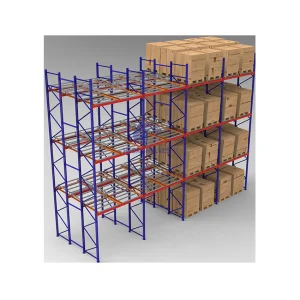
A push-back racking system operates on a Last-In, First-Out (LIFO) inventory management framework, utilizing nesting cart systems that travel on inclined structural steel tracks. When a forklift operator places a new pallet onto the top cart, the system smoothly guides the cart back, exposing the next cart beneath it. This cart-on-track design supports configurations from 2-deep to 6-deep, significantly reducing the number of access aisles required.
For operations serving the Chicago market, our structural designs utilize high-tensile hot-rolled steel channels to ensure reliability under heavy operational demands. The gravity-driven dynamic carts feature low-friction steel bearings and tracking systems designed to prevent binding, even under heavy load distributions or in sub-zero cold storage facilities. Debris-resistant designs ensure that dust, wood splinters, and operational waste do not affect the movement of the nested steel carts.
| System Parameter | Standard Structural Specification | High-Density Configuration Options |
|---|---|---|
| Load Capacities | Up to 3,000 lbs (1,360 kg) per pallet position | Heavy-duty options up to 4,500 lbs |
| Storage Depth | 2-deep, 3-deep, 4-deep configurations | 5-deep and 6-deep custom engineering |
| Inclination Slope | Standard 2.5% to 3.0% slope angle | Calibrated based on pallet depth & weight profile |
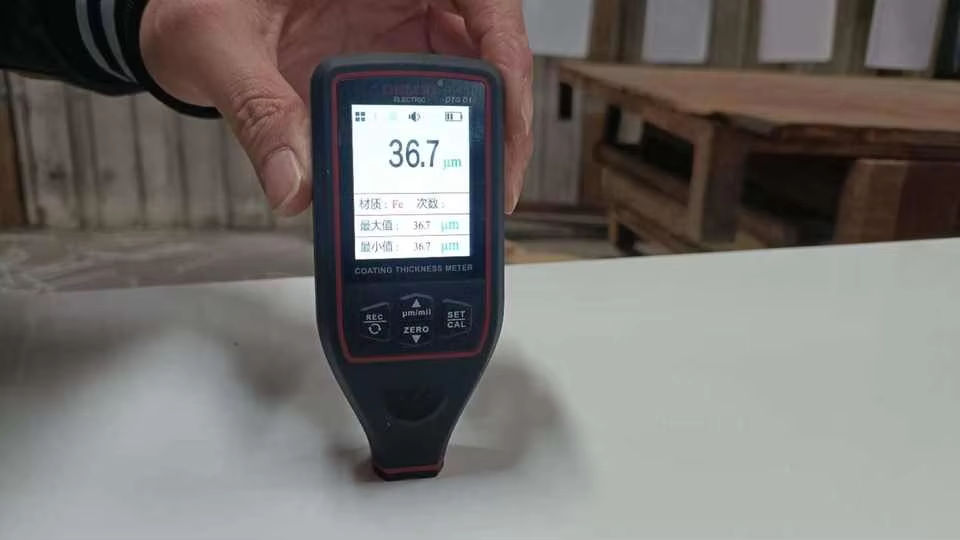
| Material Finish | Industrial powder-coated or hot-dip galvanized | Galvanized options for wash-down and cold environments |
| Seismic Zones | Designed to meet IBC and RMI MH16.1 requirements | Midwestern seismic and local structural calculations |
Installing warehouse equipment in Chicago and the surrounding municipalities requires compliance with strict building codes. The City of Chicago Department of Buildings, along with local fire districts in places like Bolingbrook, Aurora, and Joliet, enforce specific engineering guidelines. High-density racking systems must comply with the Rack Manufacturers Institute (RMI) MH16.1 specifications and the International Building Code (IBC).
As a global supplier with deep expertise in localized engineering standards, Heda Racking ensures that structural calculations, baseplate sizes, anchoring configurations, and frame designs are built to withstand the required loads and local seismic conditions. Our system designs feature oversized baseplates, heavy-duty floor anchors, and impact protection guards on aisle posts, protecting the racking frames from accidental forklift impact and ensuring long-term operational safety.
Established in 2014, Shenzhen Heda Warehouse Equipment Co., Ltd. is a premier manufacturer specializing in heavy-duty warehouse racking and industrial storage solutions.
Supported by a professional R&D team of 28 senior structural engineers, we maintain strong full-customization capabilities (OEM/ODM)—offering tailored rack dimensions, load capacities, surface coatings, and layout designs. Driven by continuous innovation, we launched over 120 new dynamic storage products and component upgrades last year. Operating with a strong direct-factory and international trade background, we have built a resilient ecosystem supported by over 800 supply chain partners. Our products are exported to major global markets, including North America, Western Europe, Southeast Asia, and the Middle East.
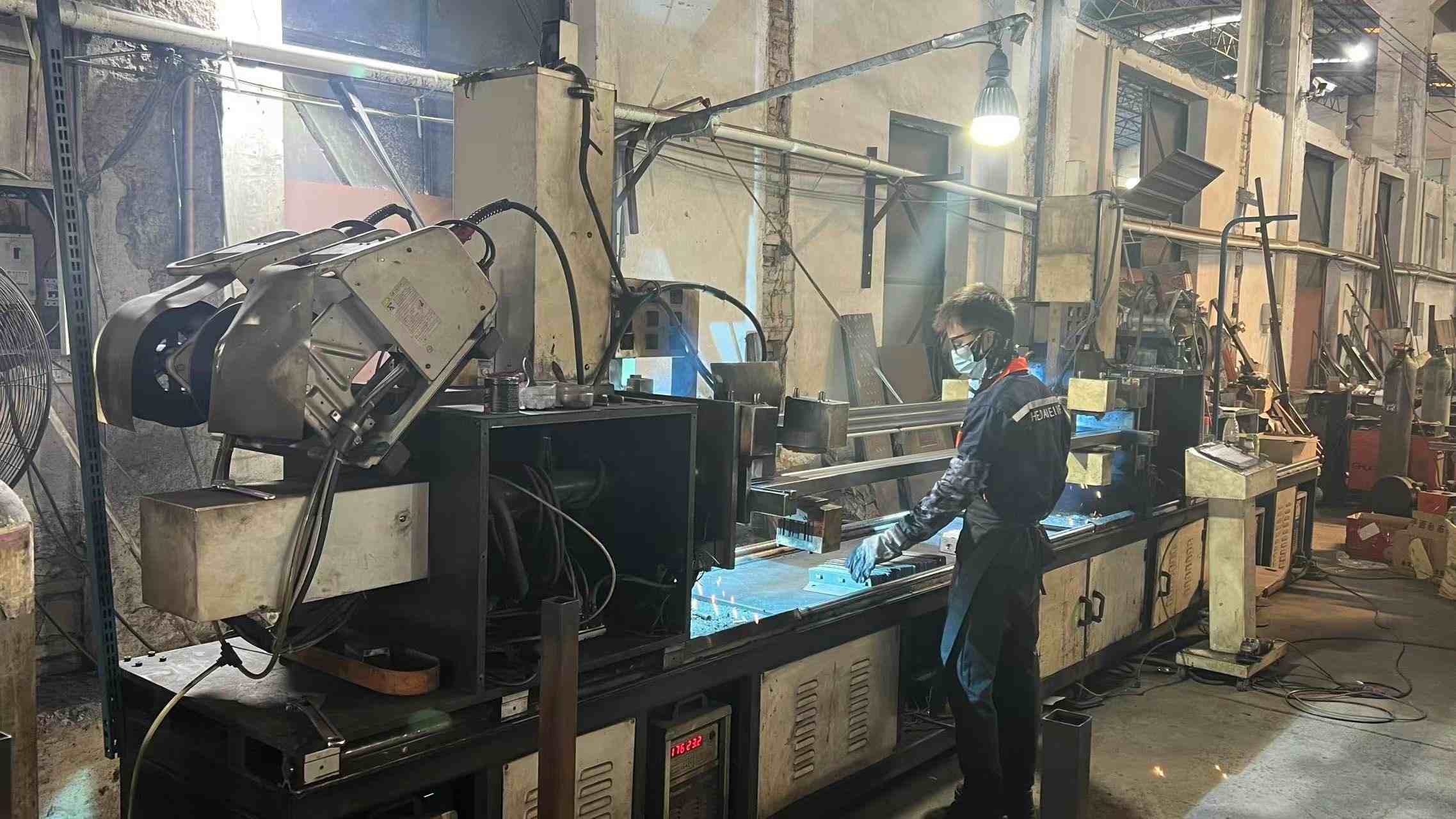
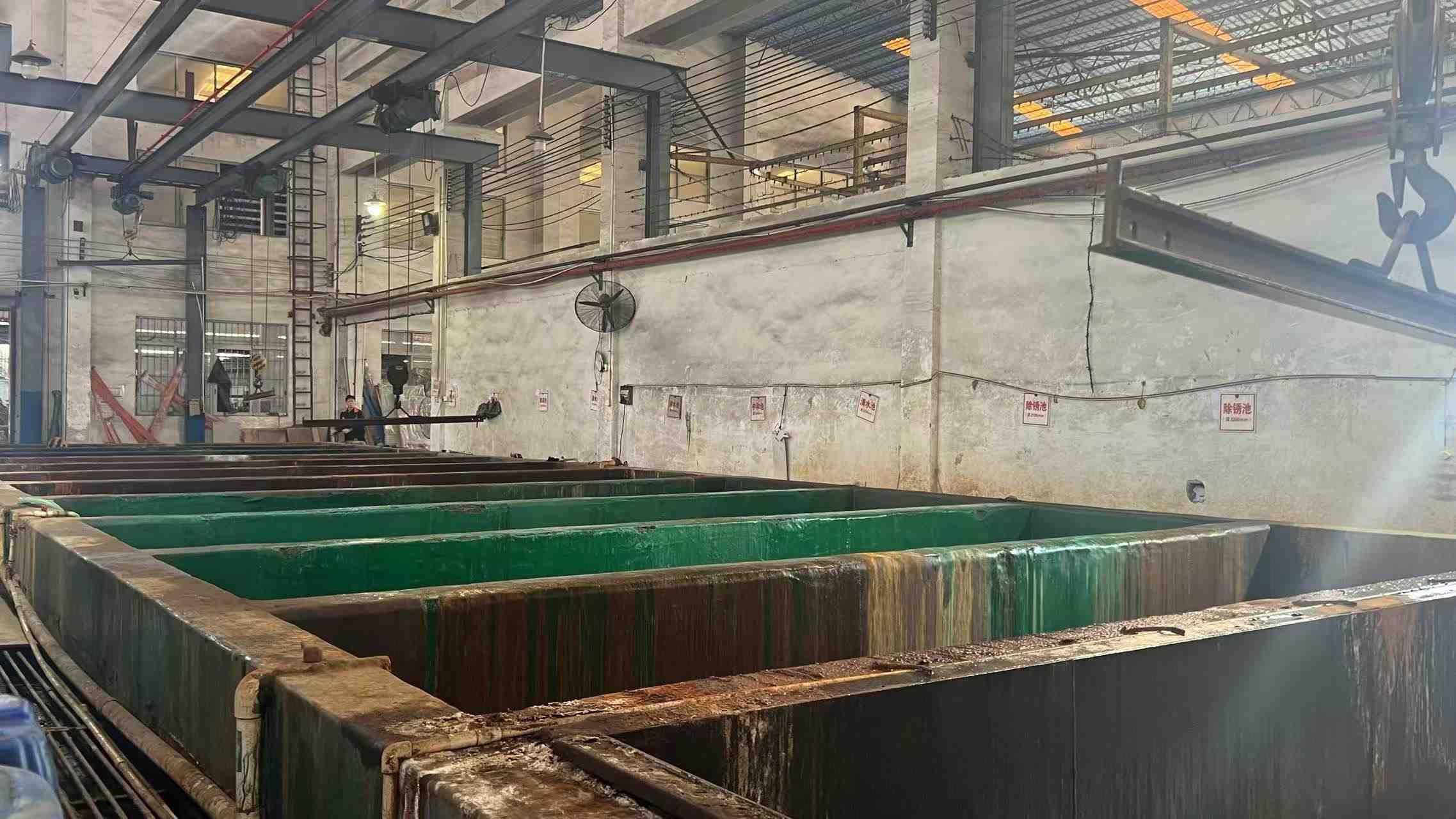
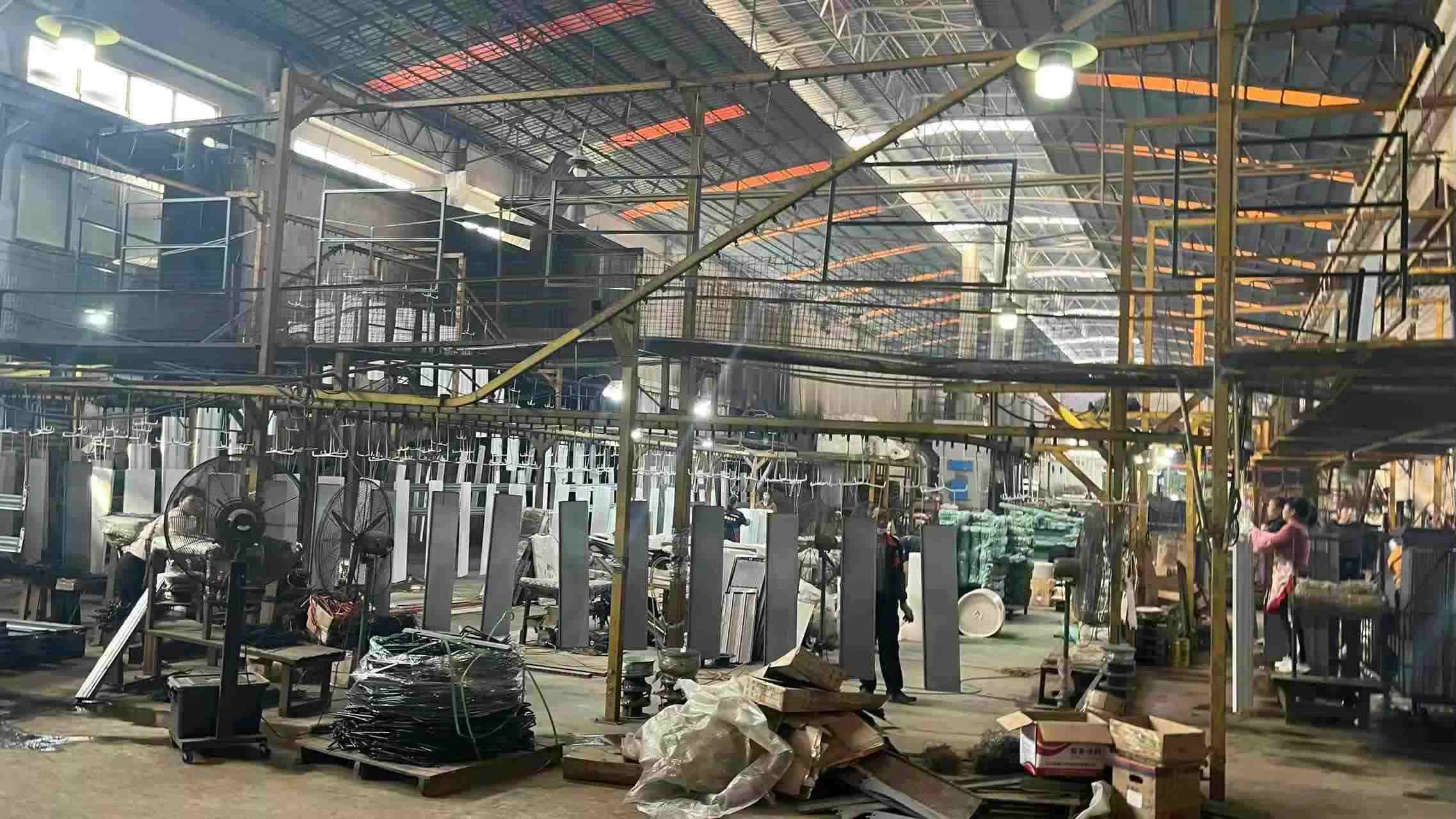
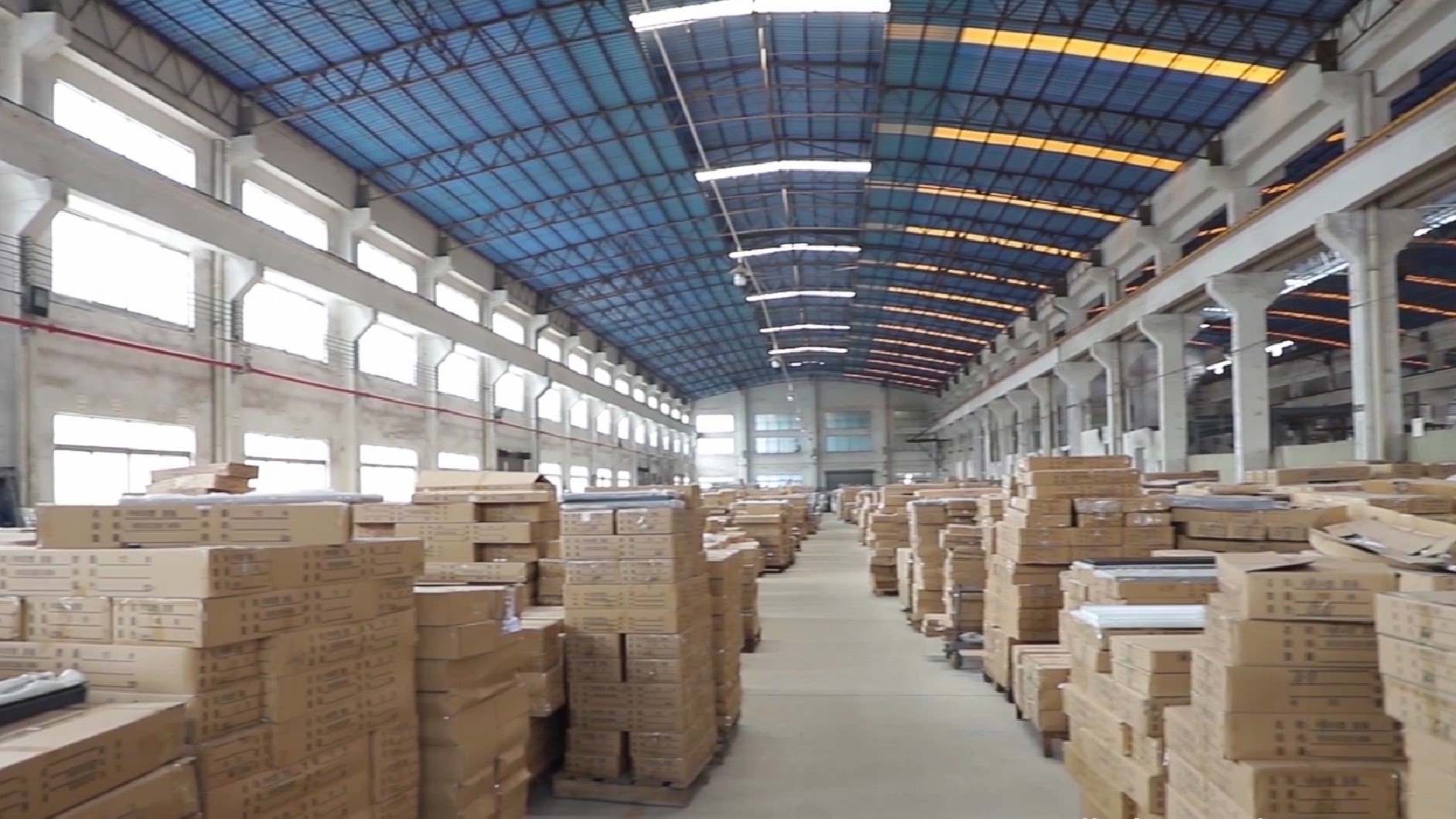
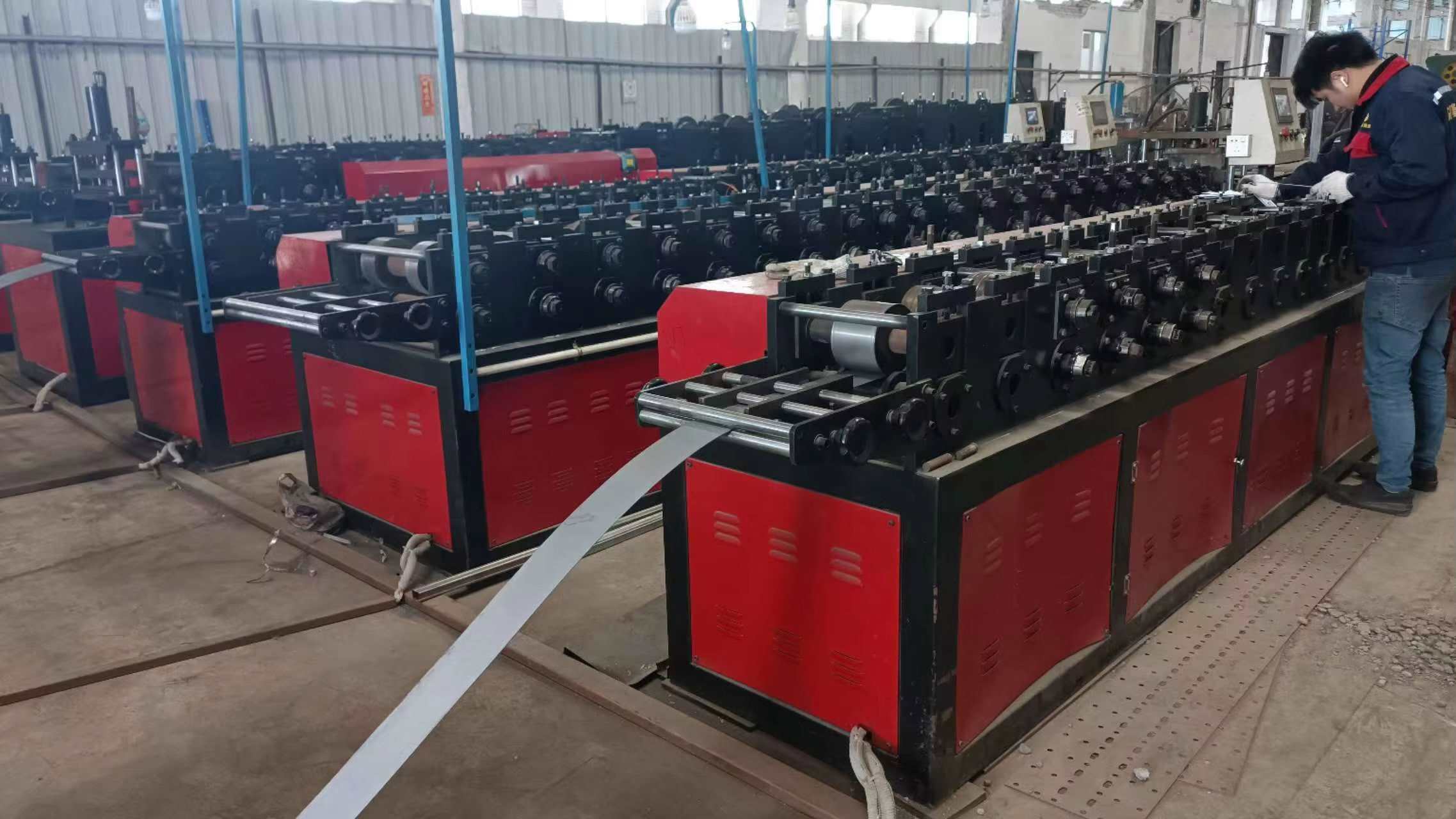
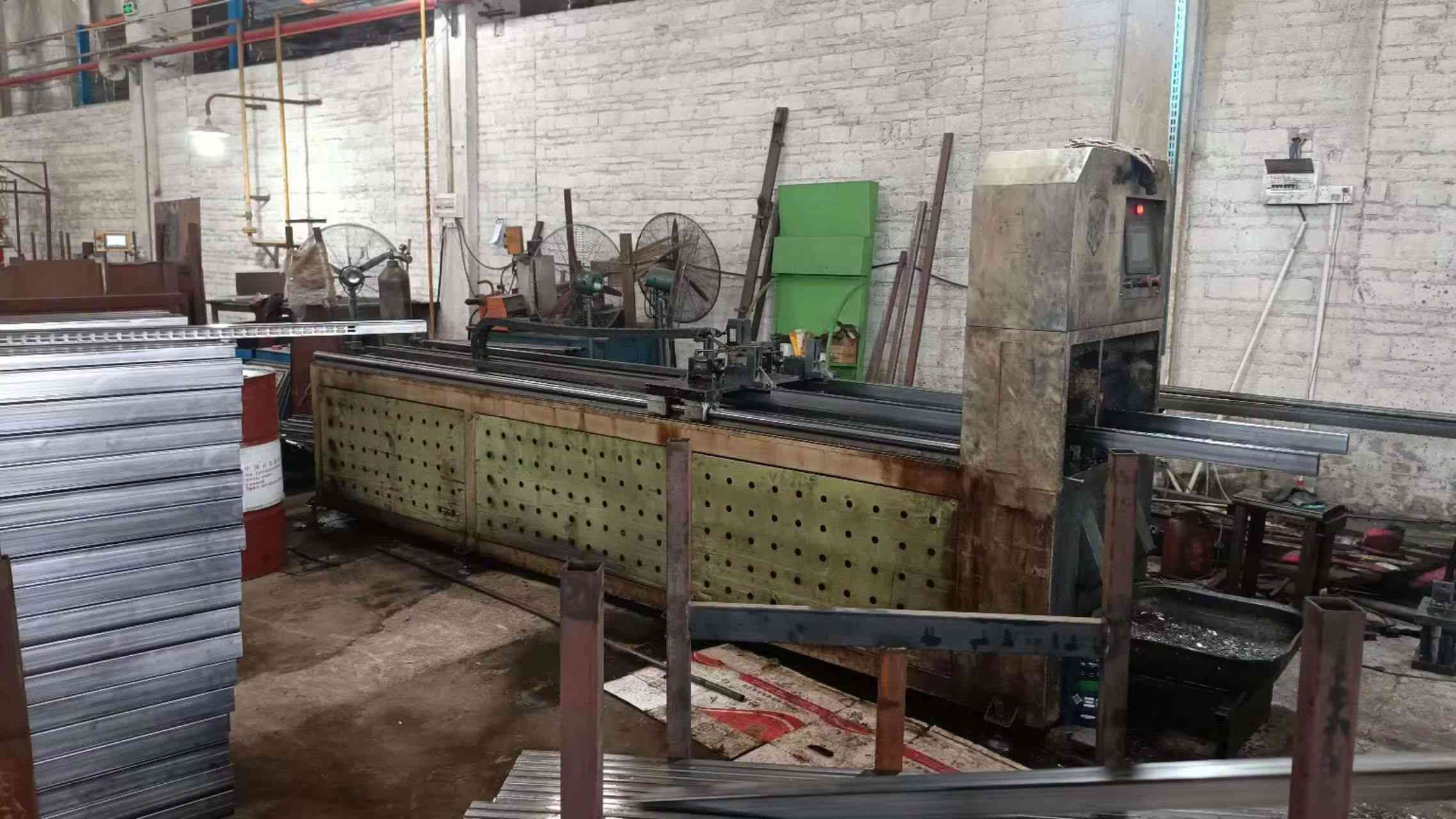
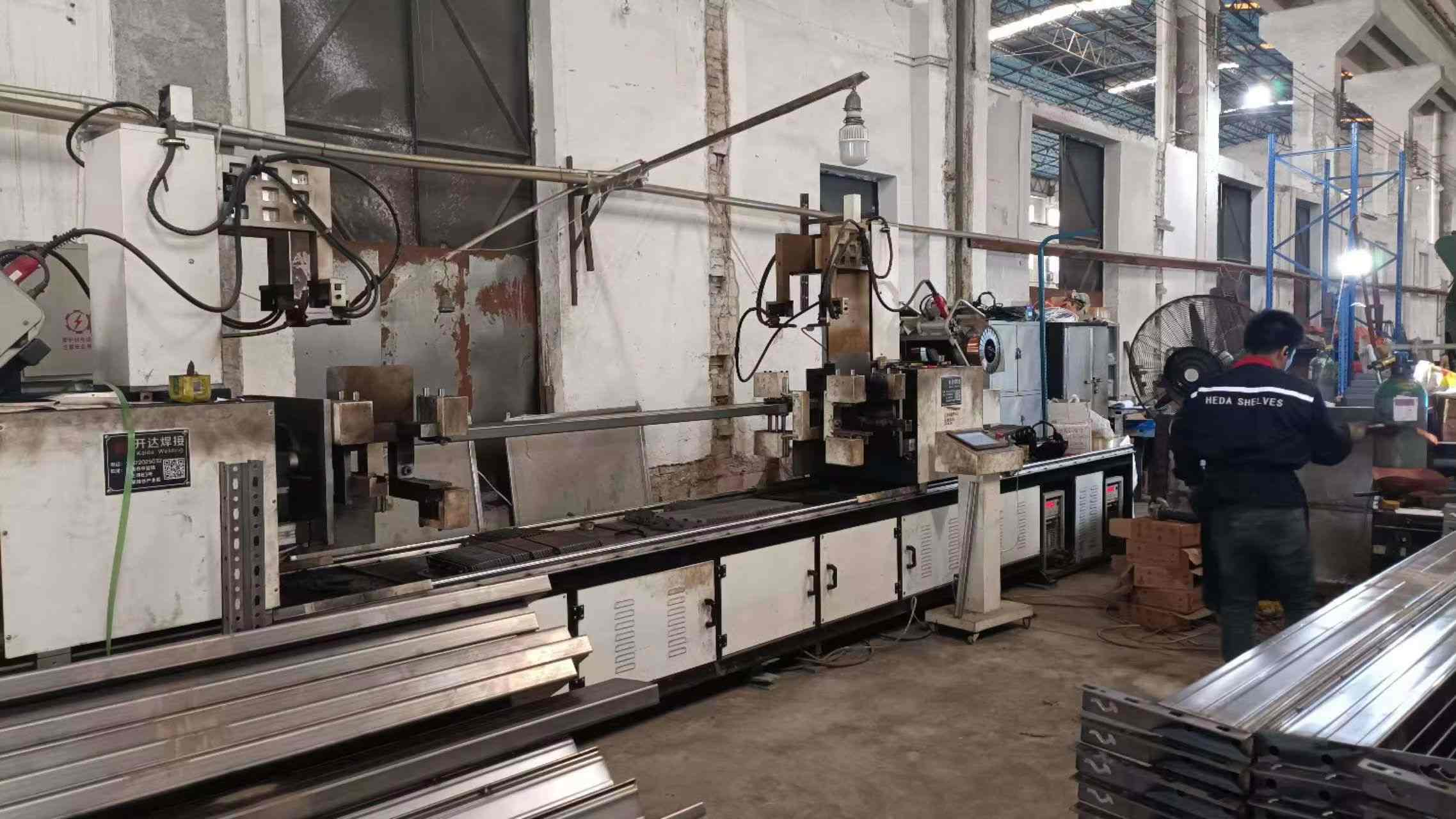
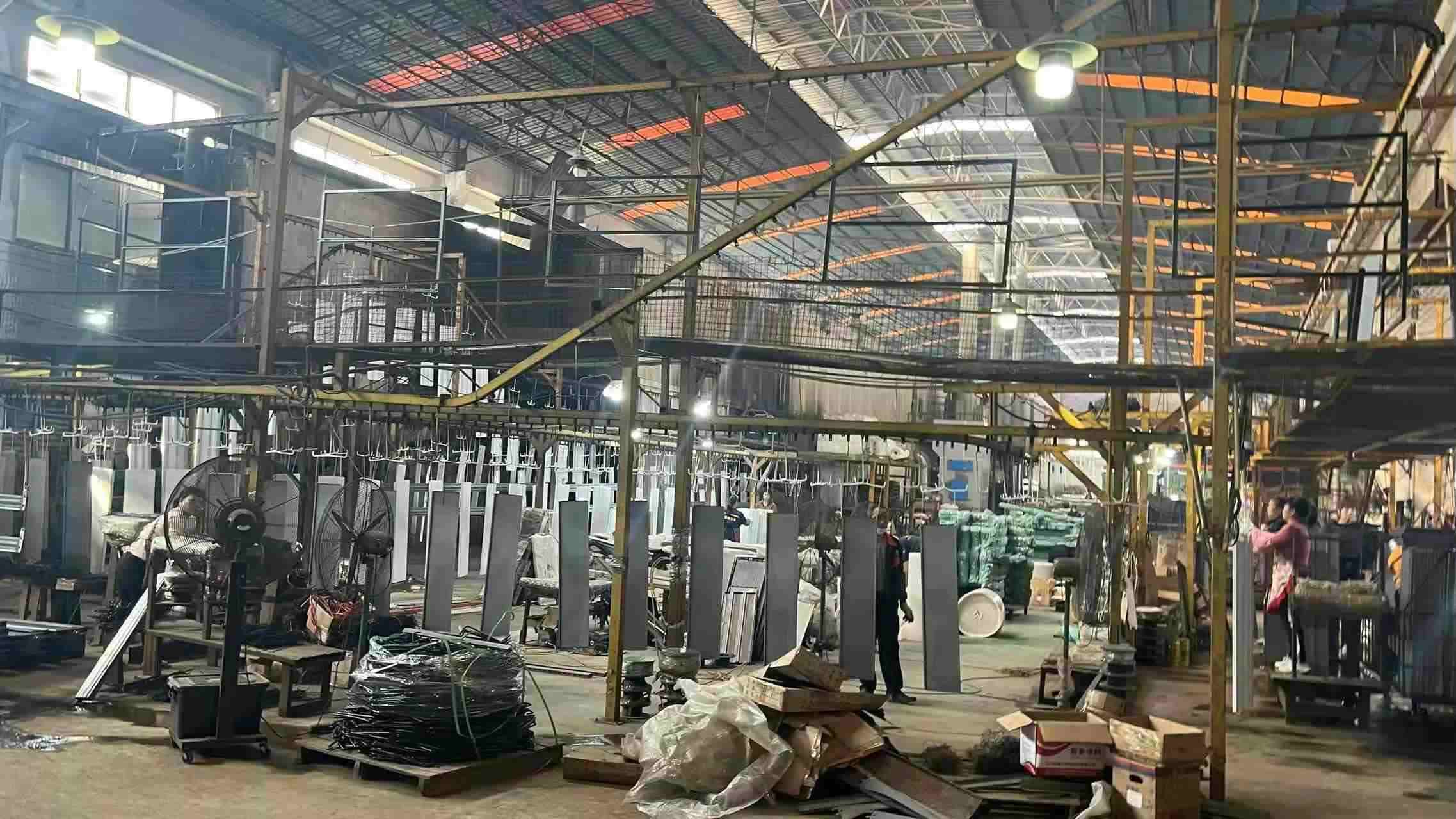
A look inside our ISO-certified facilities, showcasing our automated structural steel fabrication processes and testing procedures.
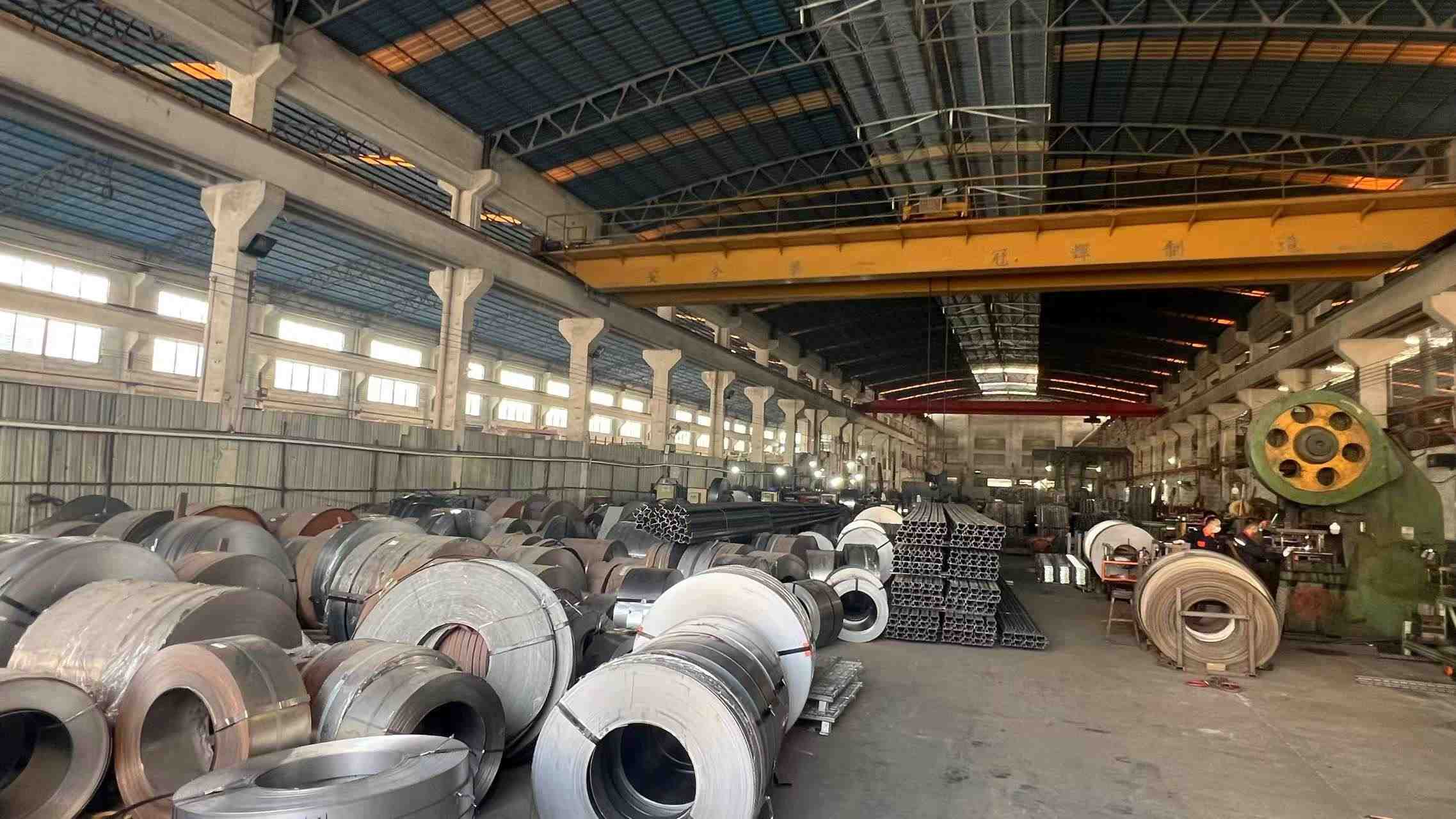
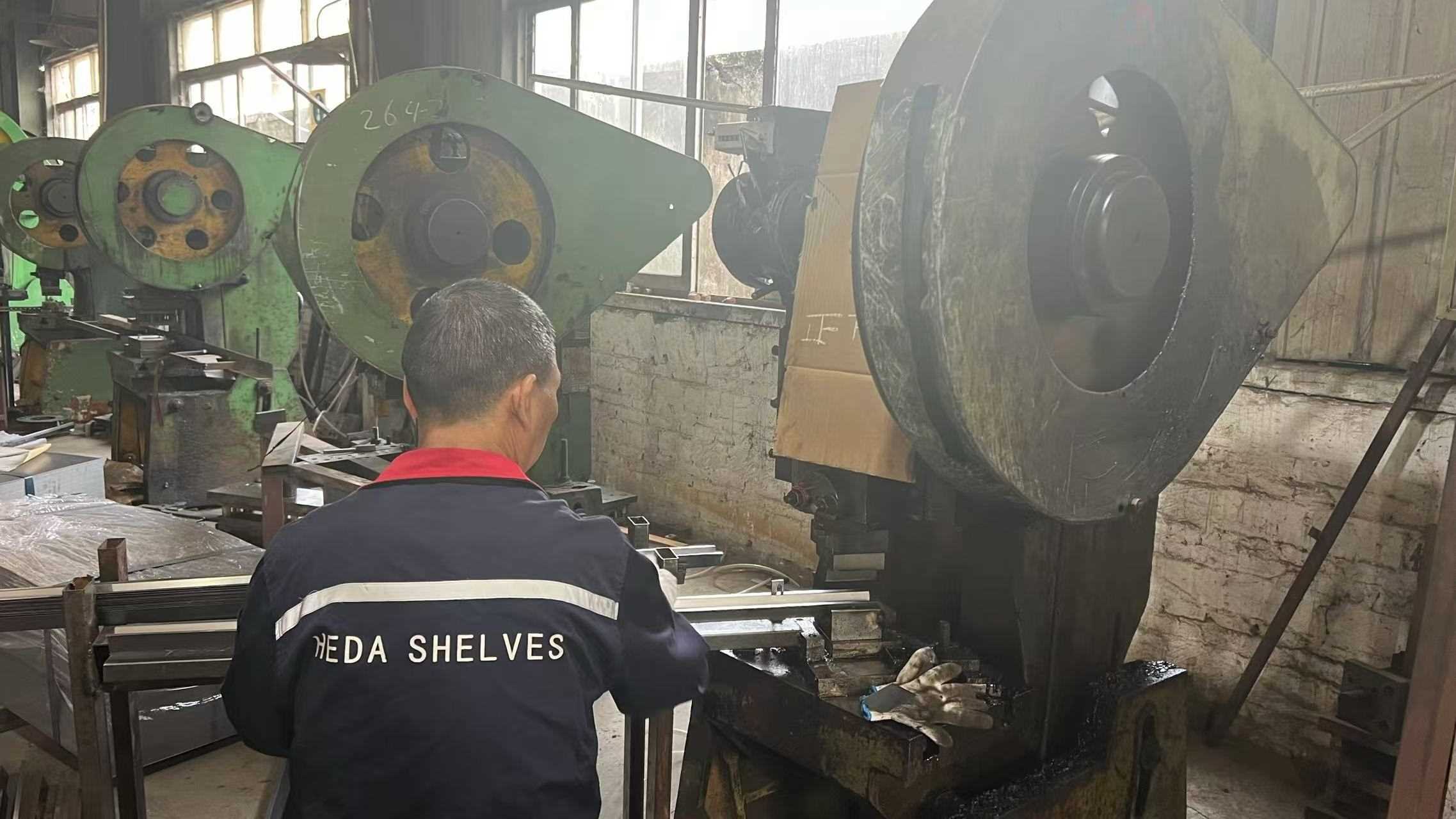
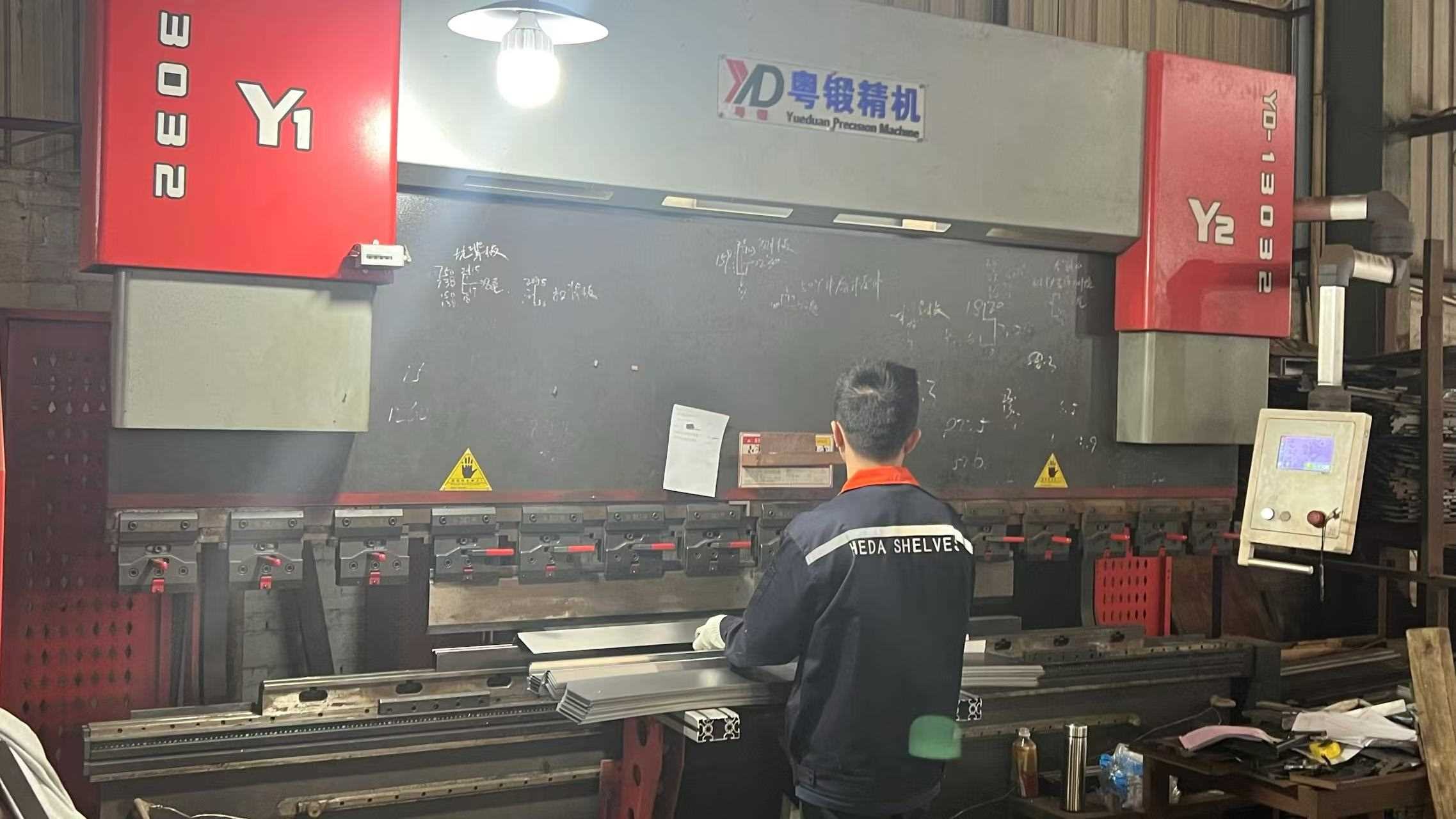
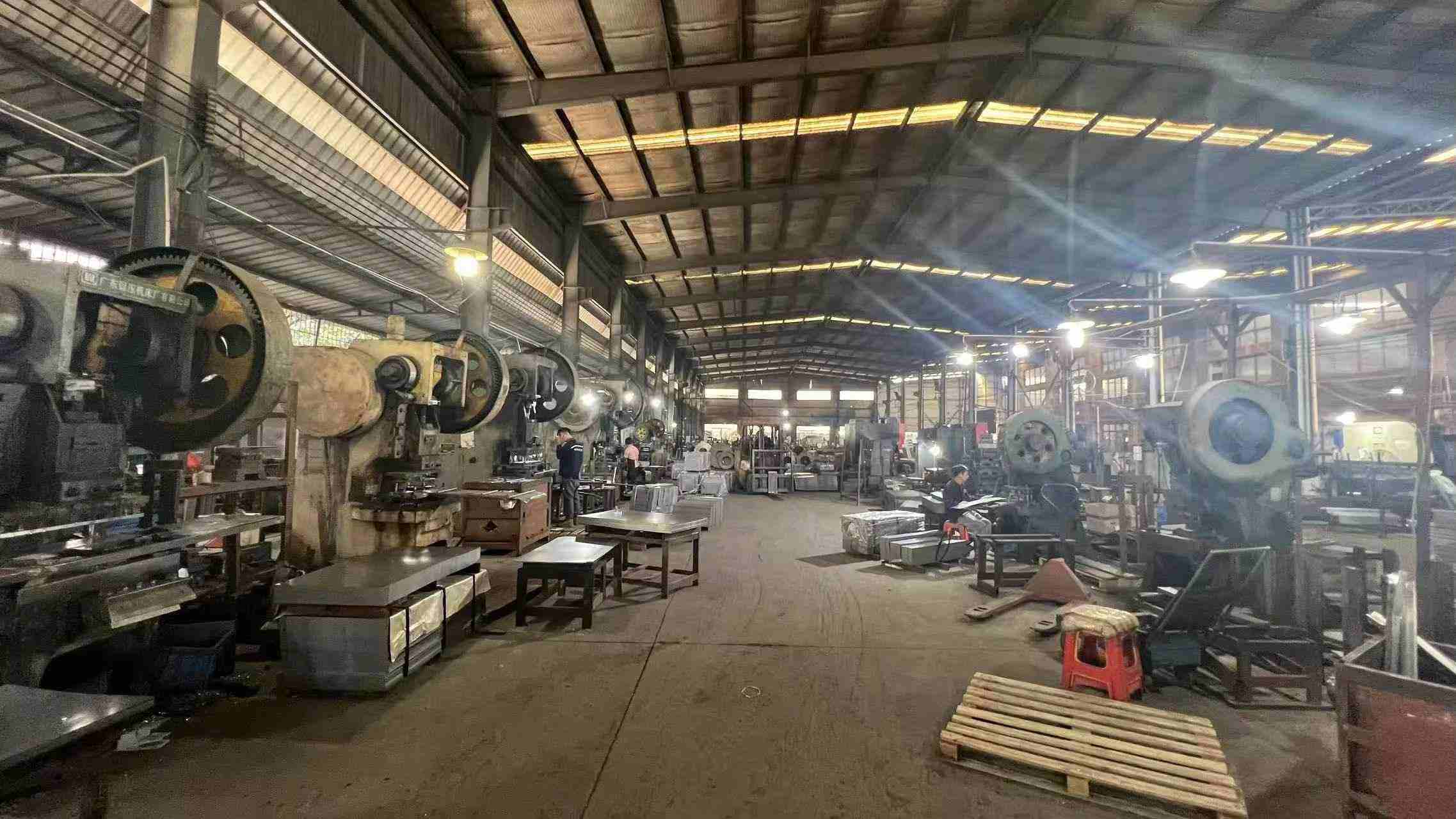
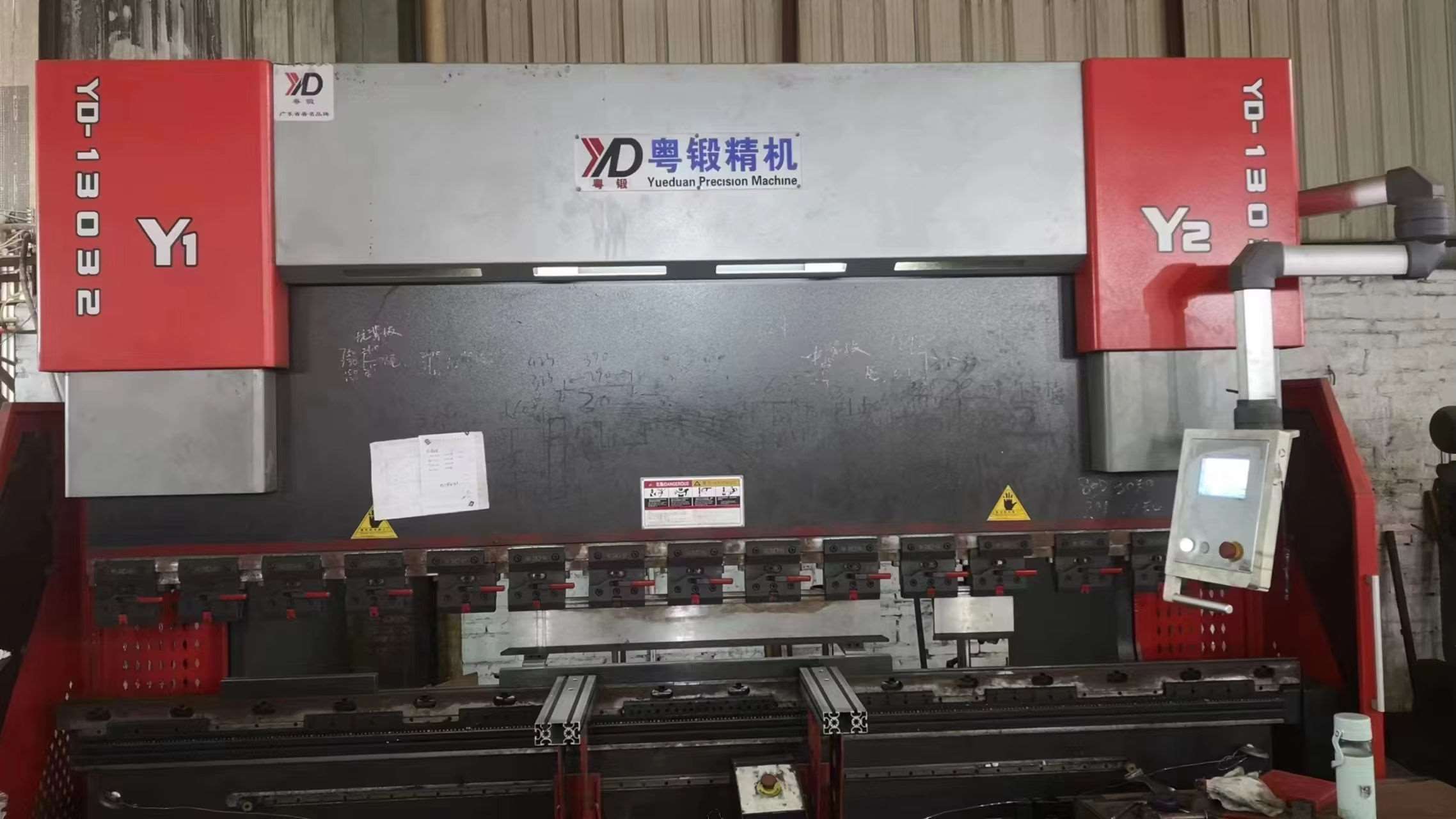
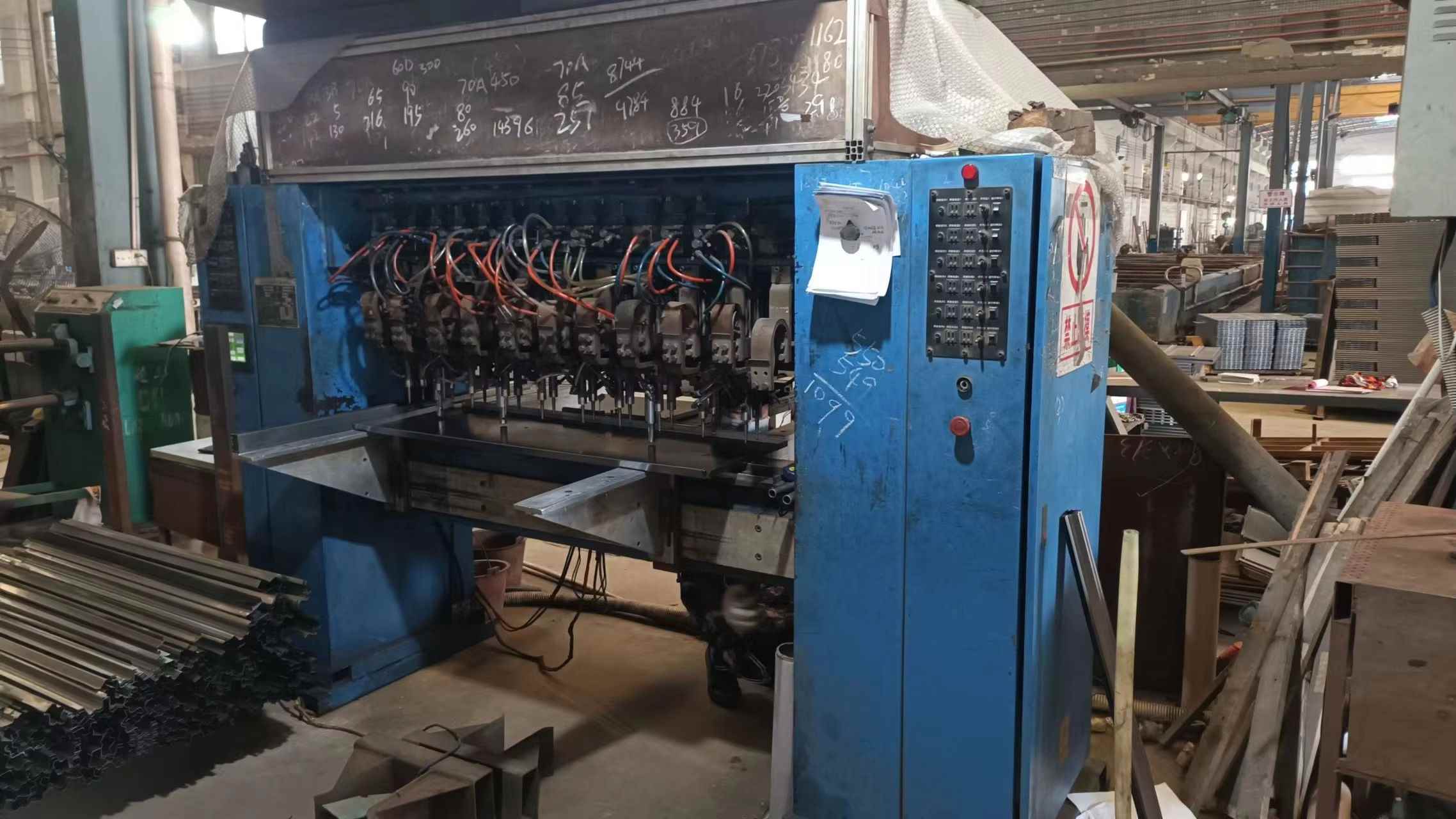
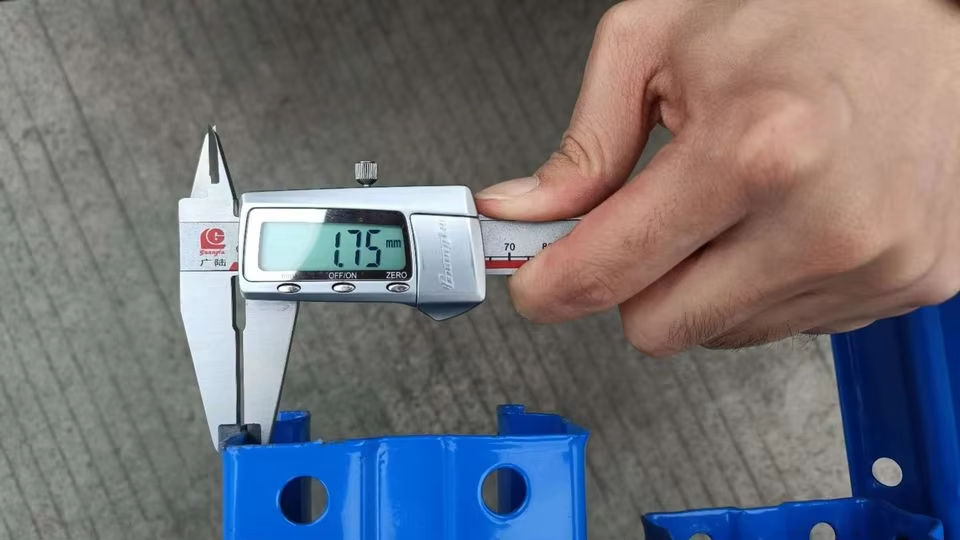
As logistics operations adopt more automated technologies, traditional push-back systems are being designed to work alongside advanced warehouse equipment. Standard dynamic racking is increasingly integrated with Automated Guided Vehicles (AGVs) and autonomous forklifts. These automated systems require tight structural tolerances, precise pallet placement, and reliable safety stops.
Additionally, modern logistics managers are utilizing real-time inventory systems to track products within push-back structures. This is especially useful in food logistics, where tracking batch codes and expiration dates is critical. Integrated sensor arrays can track cart positions, providing inventory managers with real-time feedback on lane occupancy and warehouse space utilization.
For large-scale industrial projects, procurement managers often evaluate the trade-offs between local distributors and direct-factory sourcing. While local distributors offer immediate availability, direct-factory sourcing provides significant advantages in structural customization, product modifications, and overall cost efficiency. Partnering with a manufacturer like Heda Racking allows businesses to work directly with engineering teams to customize rack sizes, layout configurations, and structural elements to match specific project requirements.
To support buyers in the Chicago and wider US markets, our logistics coordination teams manage the shipping and delivery process from our facility to local job sites. By collaborating with local engineering partners and certified installation crews in Illinois, we ensure that our storage systems are installed efficiently, comply with local building regulations, and are ready for operational use.
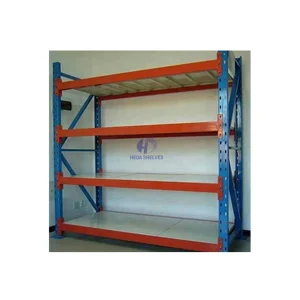
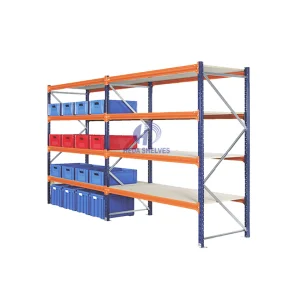
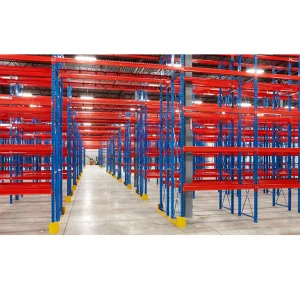
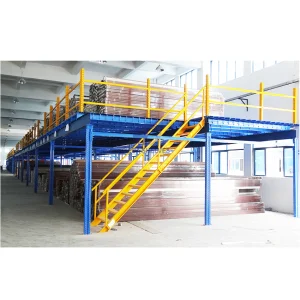
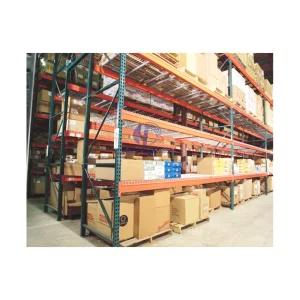
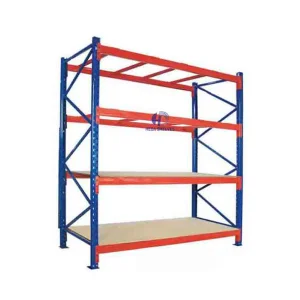
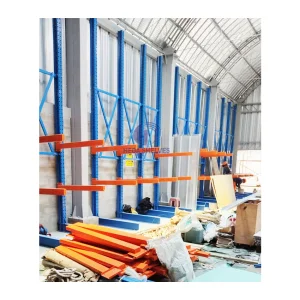
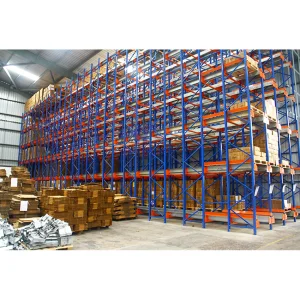
From customizable shelving to heavy structural platforms, discover our complete range of warehouse storage solutions.
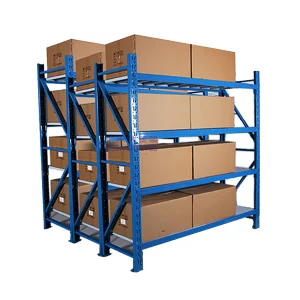
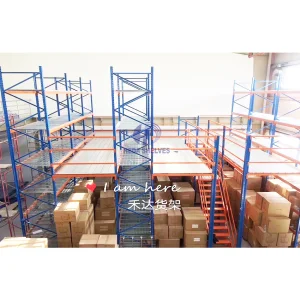
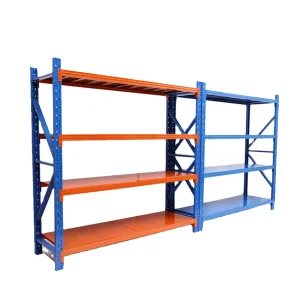
Key technical and logistical information regarding the design and implementation of push-back racking.
Contact our engineering and design team to request a structural review, detailed storage space calculation, or custom quotation for your facility.
Send Inquiry Now Hedaracking