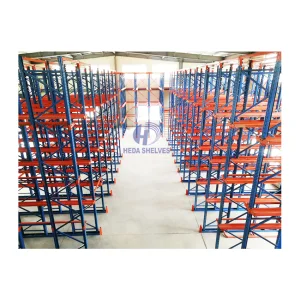
Engineered for high load capacities, rapid structural access, and operational flexibility within Italian distribution networks.
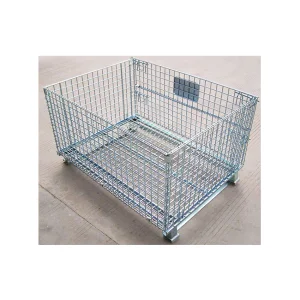
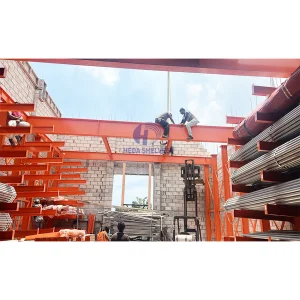
Analyzing the strategic geographical importance of the Veneto region and its industrial warehouse infrastructure.
Verona occupies a highly strategic position in Southern Europe's logistics network. Situated at the intersection of the Scandinavian-Mediterranean Corridor ( Brenner Axis) and the Mediterranean Corridor, it functions as a primary gateway for import/export flows between Italy, Austria, Germany, and Central Europe. The Interporto Quadrante Europa in Verona is recognized as one of the most prominent intermodal terminals in Southern Europe, processing millions of tons of freight annually. Managing this high cargo throughput requires heavy-duty racking systems that conform to safety guidelines and offer high density.
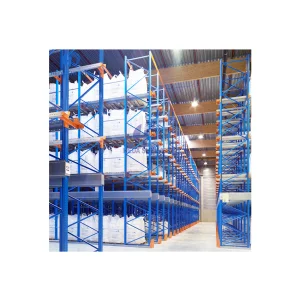
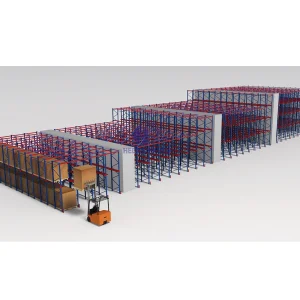
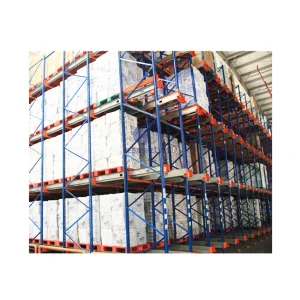
Local businesses—spanning machinery manufacturing, wine distribution, marble processing, and fresh agricultural produce—face distinct logistical challenges. High land costs in Northern Italy demand optimal volumetric utilization. High-density drive-in systems and multi-tier mezzanines are preferred choices to bypass the need for costly physical warehouse expansions. Racks must also withstand heavy, non-uniform loads common to regional marble blocks, steel fabrication, and timber yards.
Racking systems in Italy are classified as structural steelwork, meaning they must comply with the Norme Tecniche per le Costruzioni (NTC 2018) and European Standard EN 15512. Under these standards, structural calculations must account for local seismic coefficients. Every racking configuration deployed in the Verona market must undergo structural testing to safeguard workers and operations against seismic disruptions.
How the shift from Just-In-Time (JIT) to Just-In-Case (JIC) is changing industrial storage architecture.
Global supply chain volatility has pushed companies away from lean inventory strategies toward more robust stockpiling setups. Modern warehouses now require greater vertical height utilization and structural adaptability. Warehouses are shifting away from manual operations toward Automated Storage and Retrieval Systems (AS/RS). This transition calls for precise engineering, minimal deflection tolerances, and flat racking frames to prevent mechanical collisions during autonomous shuttle runs.
Additionally, environmental sustainability has become a key consideration. Racking manufacturers are switching to lead-free powder coatings, prioritizing recyclable steel, and designing structures that optimize air circulation in temperature-controlled warehouses to reduce energy consumption.
Optimizing vertical space can lower carbon emissions in cold storage by up to 25% by reducing the cooling footprint per pallet position.
Combining structural expertise and manufacturing capacity to deliver high-performance storage solutions worldwide.
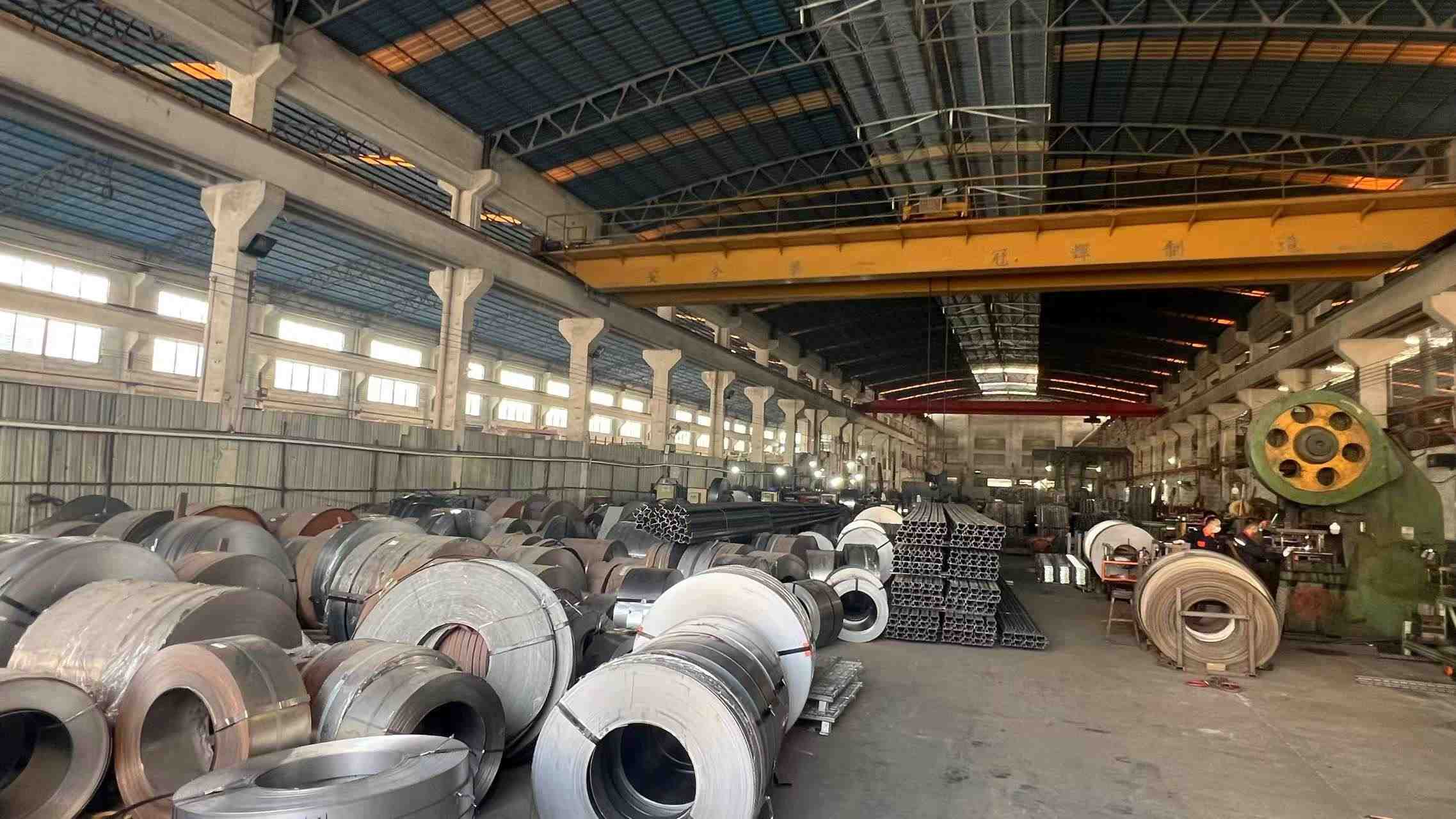
Established in 2014, Shenzhen Heda Warehouse Equipment Co., Ltd. is an established manufacturer of heavy-duty warehouse racking and industrial storage systems. Spanning a modern manufacturing facility of 35,000 m², our enterprise integrates R&D, design, production, and international marketing to serve diverse storage needs worldwide. With 12 years of industry experience and 8 years of dedicated export expertise, we deliver storage systems that generate over $28 million in annual export revenue.
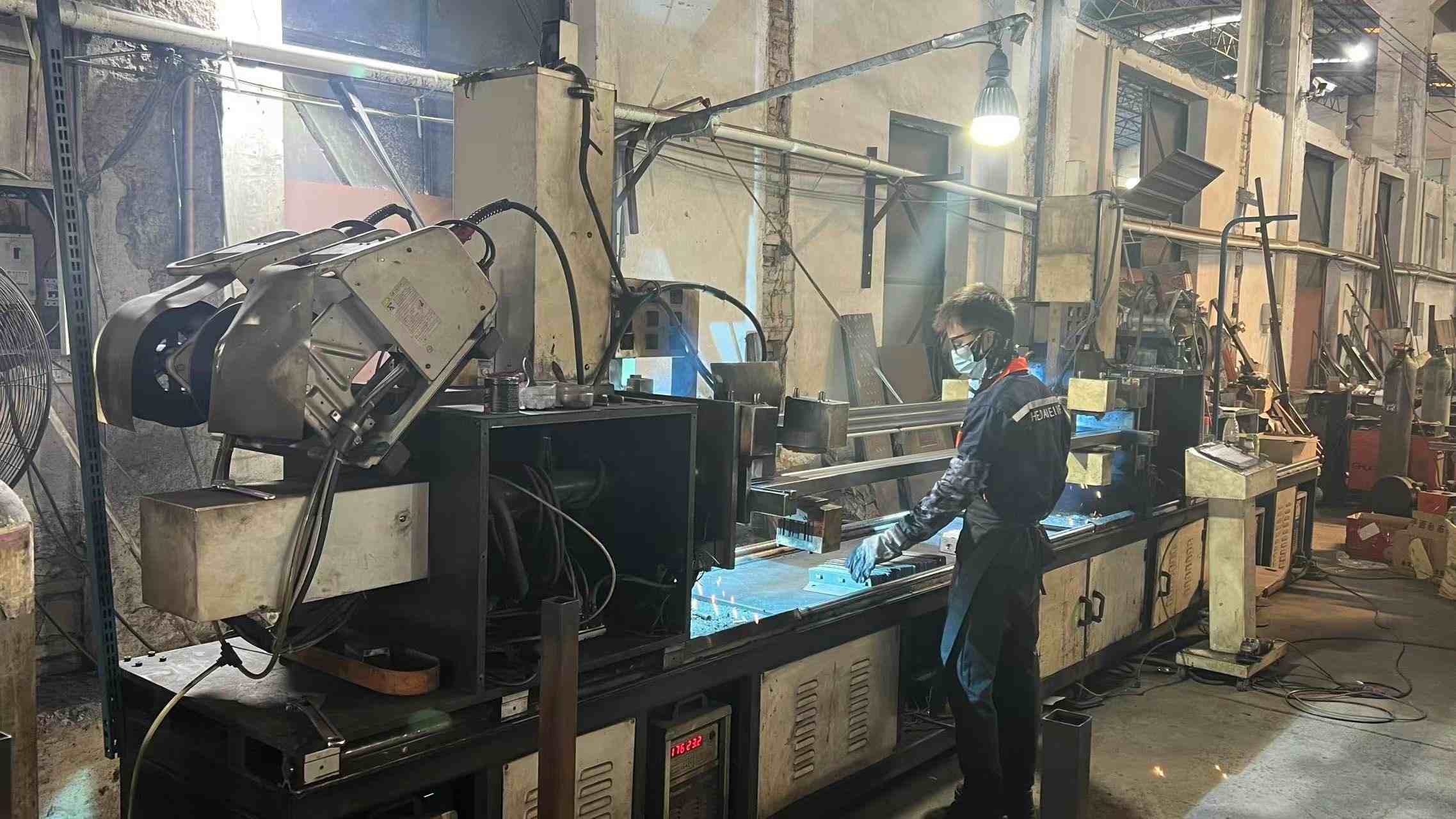
At Heda, quality control and engineering innovation drive our core operations. Our robust QC department comprises 45 skilled inspectors utilizing testing methods, including raw material tensile testing, automated weld flaw detection, layer load-bearing stress analysis, and salt spray surface corrosion testing. Supported by a professional R&D team of 28 senior structural engineers, we maintain structural customization capabilities (OEM/ODM)—offering tailored rack dimensions, load capacities, surface coatings, and layout designs. Driven by innovation, we launched over 120 new dynamic storage products and component upgrades last year.
Operating with a direct-factory model, we have built a supply chain network supported by over 800 partners. Our products are exported to major markets, including North America, Western Europe, Southeast Asia, and the Middle East. We serve a diverse clientele ranging from third-party logistics (3PL) providers and distribution centers to industrial manufacturers and wholesale equipment distributors.
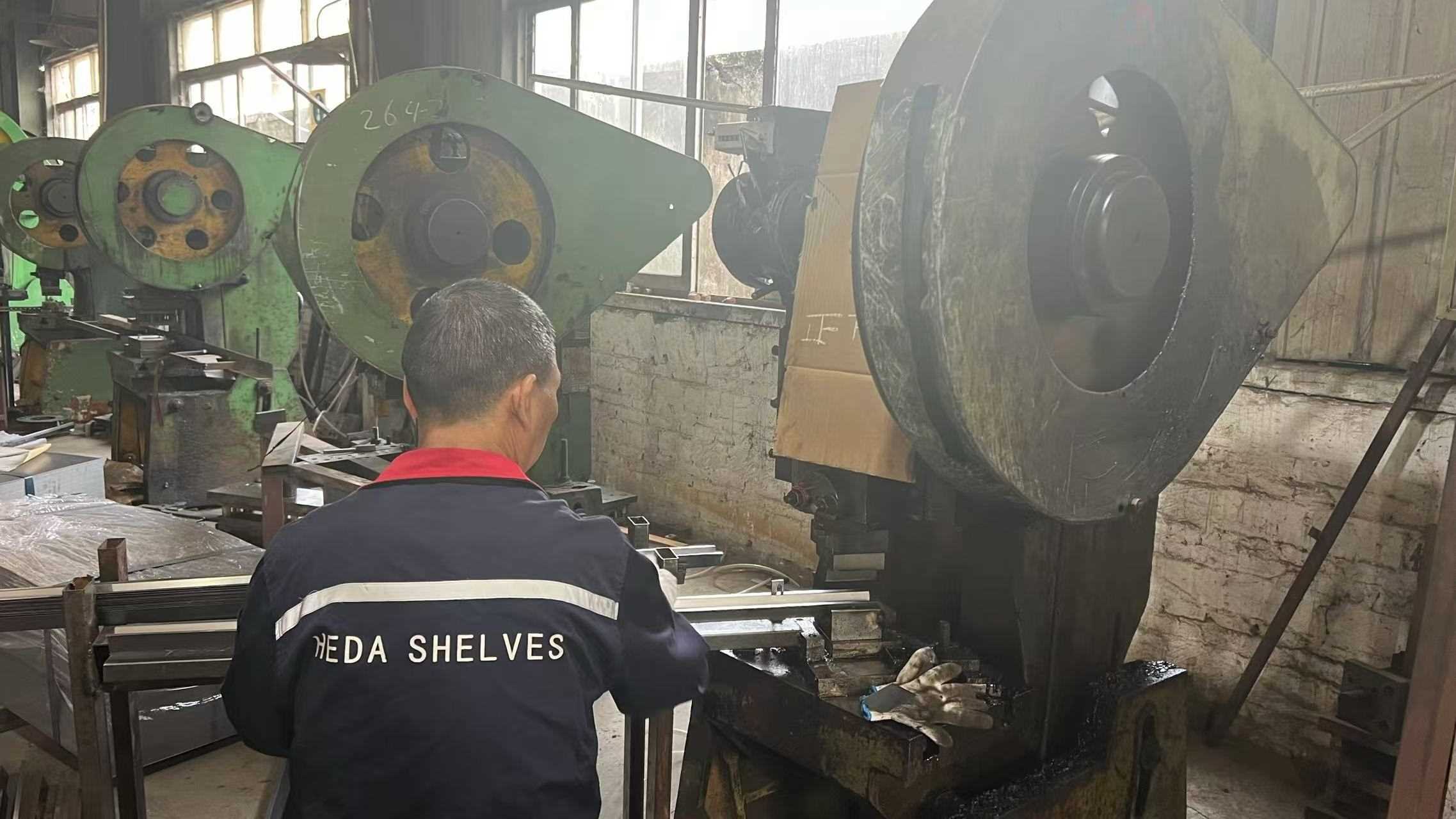
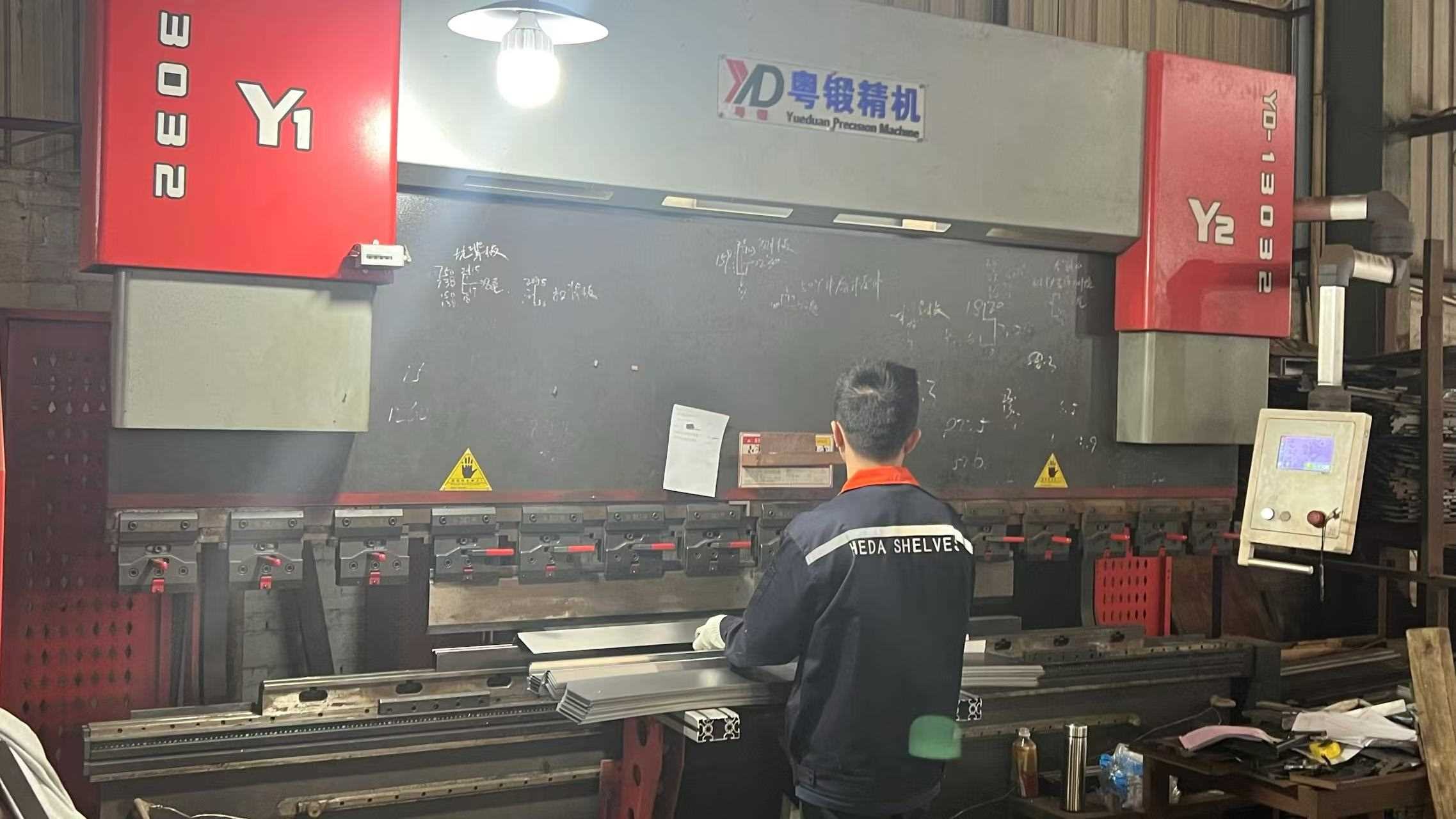
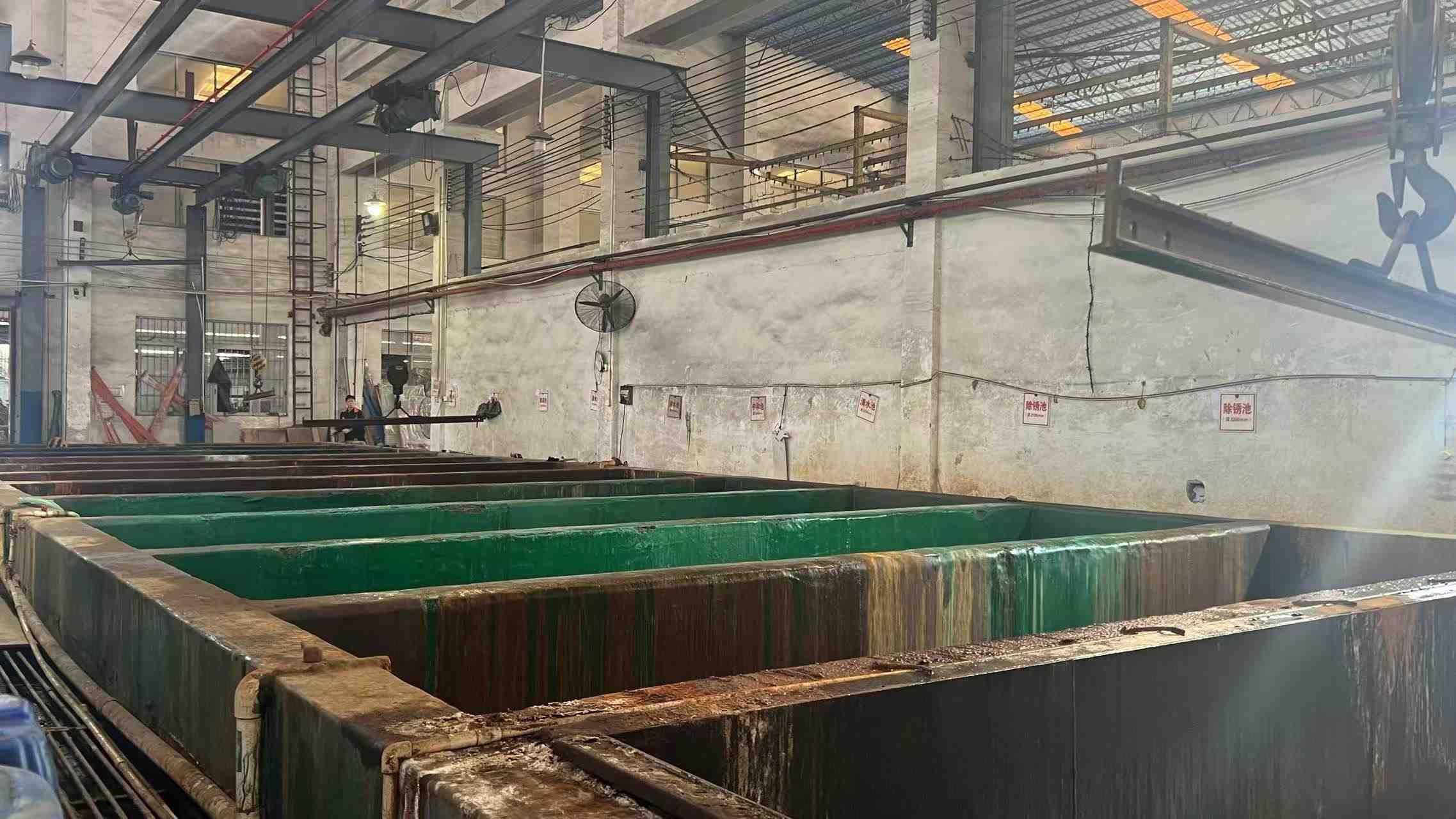
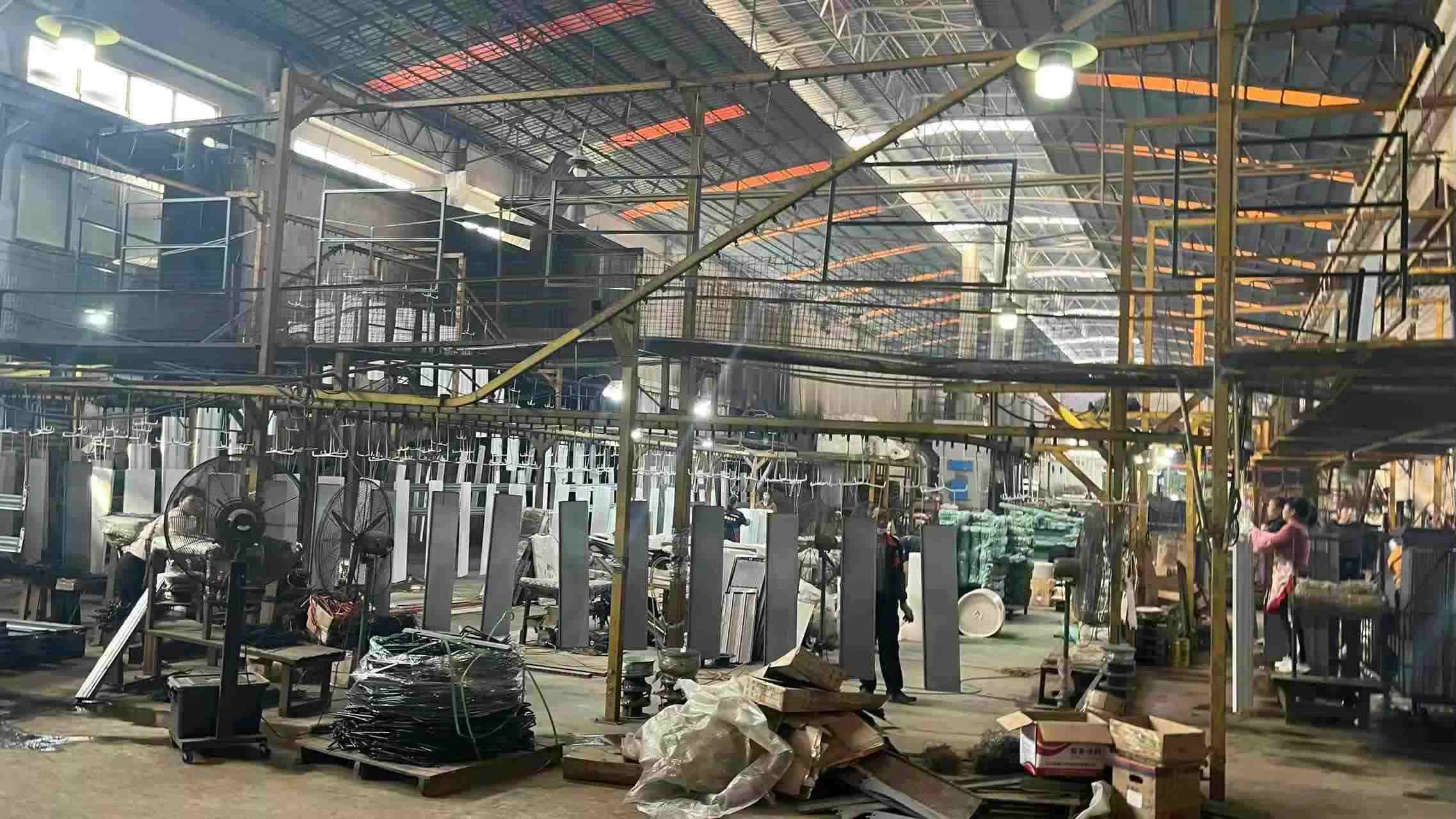
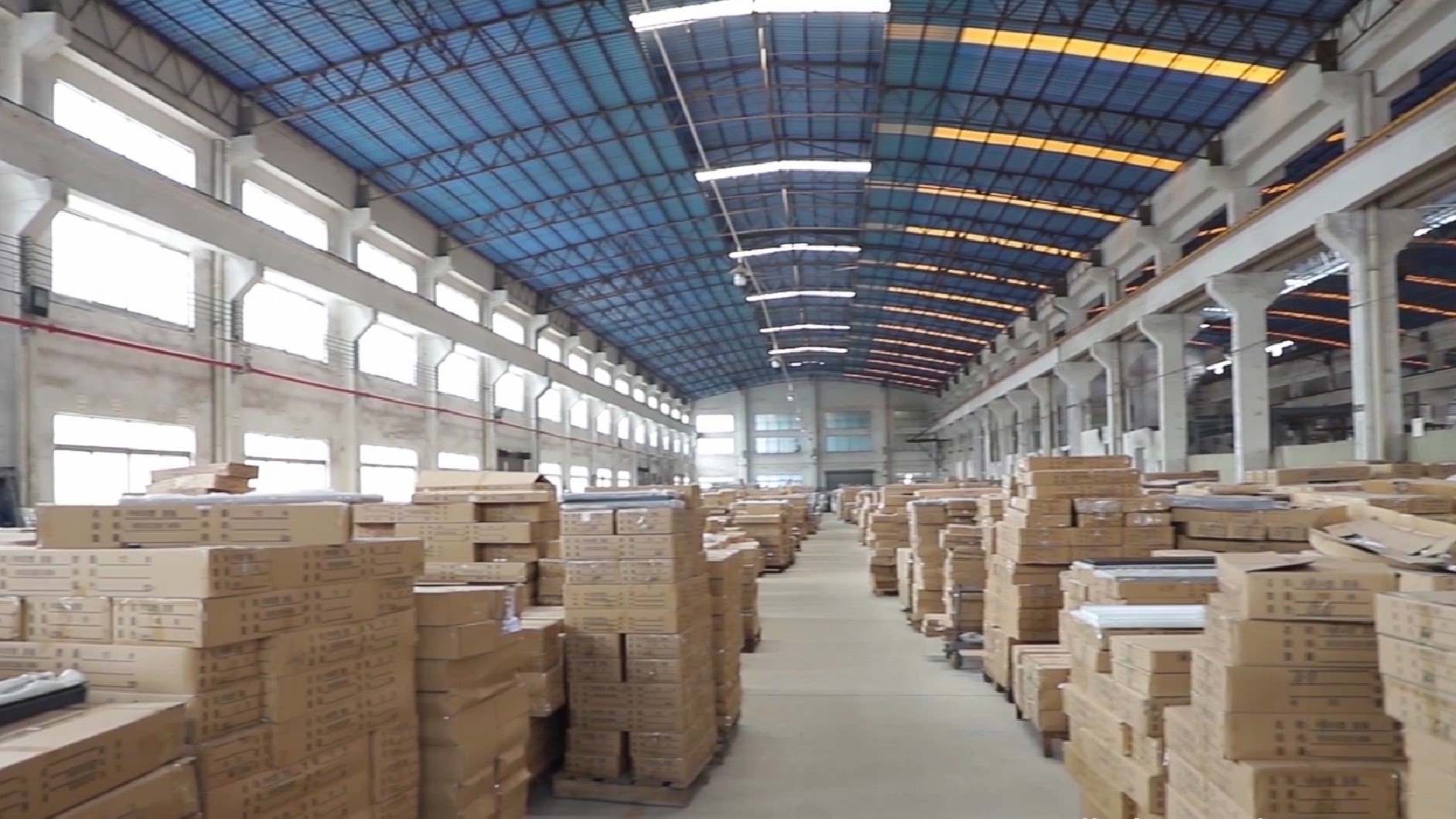
A step-by-step overview of our automated production line, tracking quality from raw steel coils to the finished products.
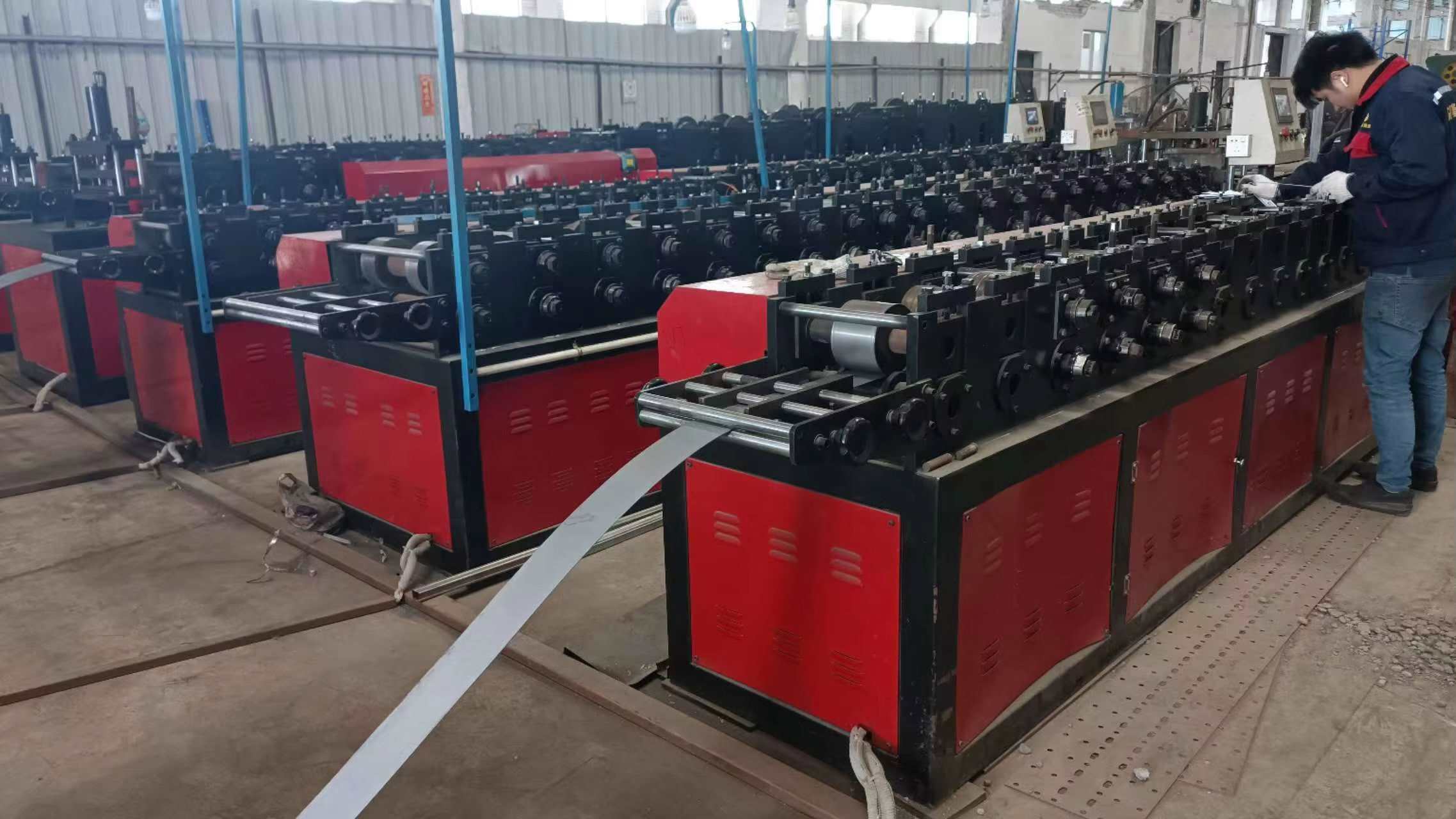
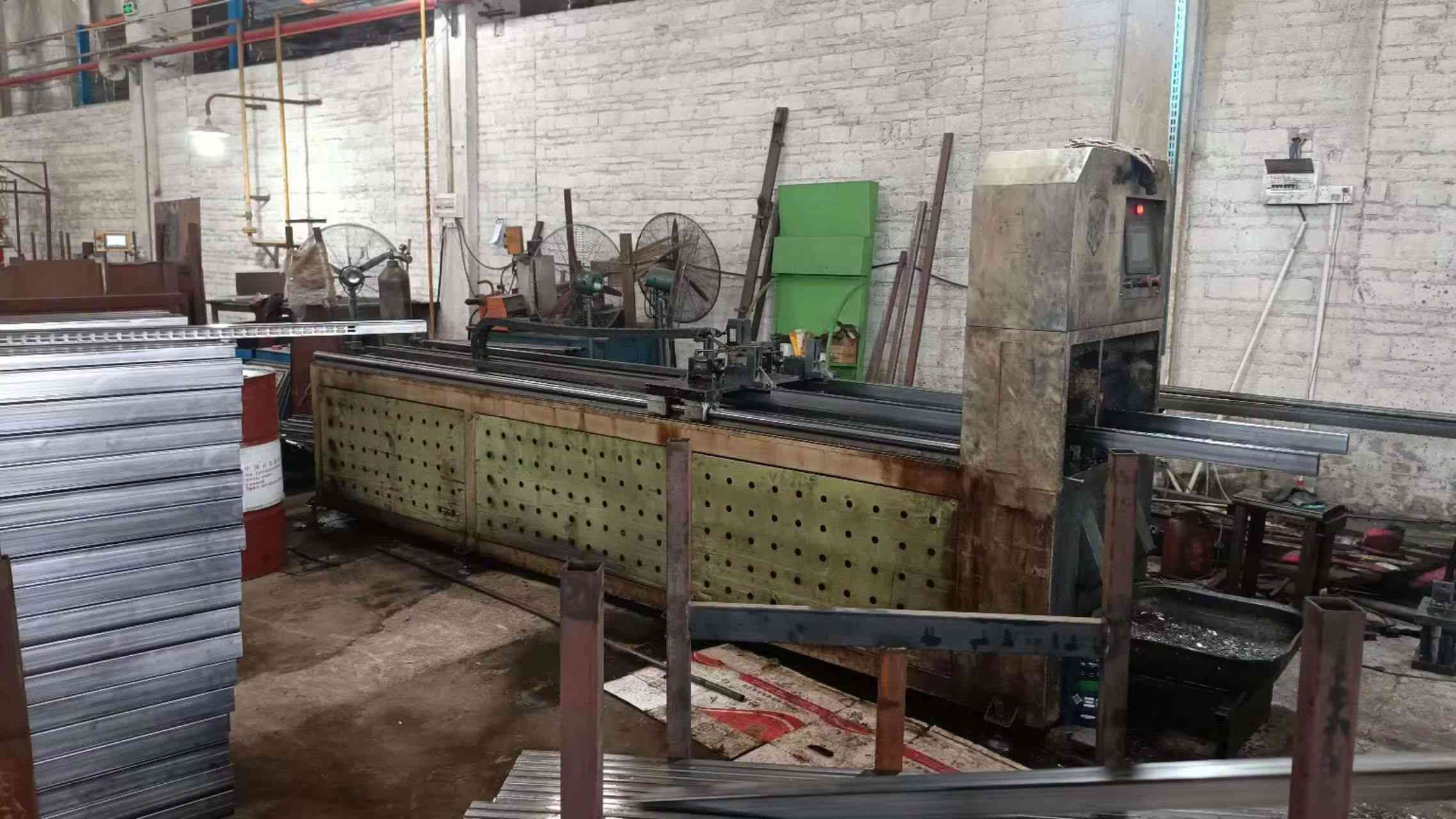
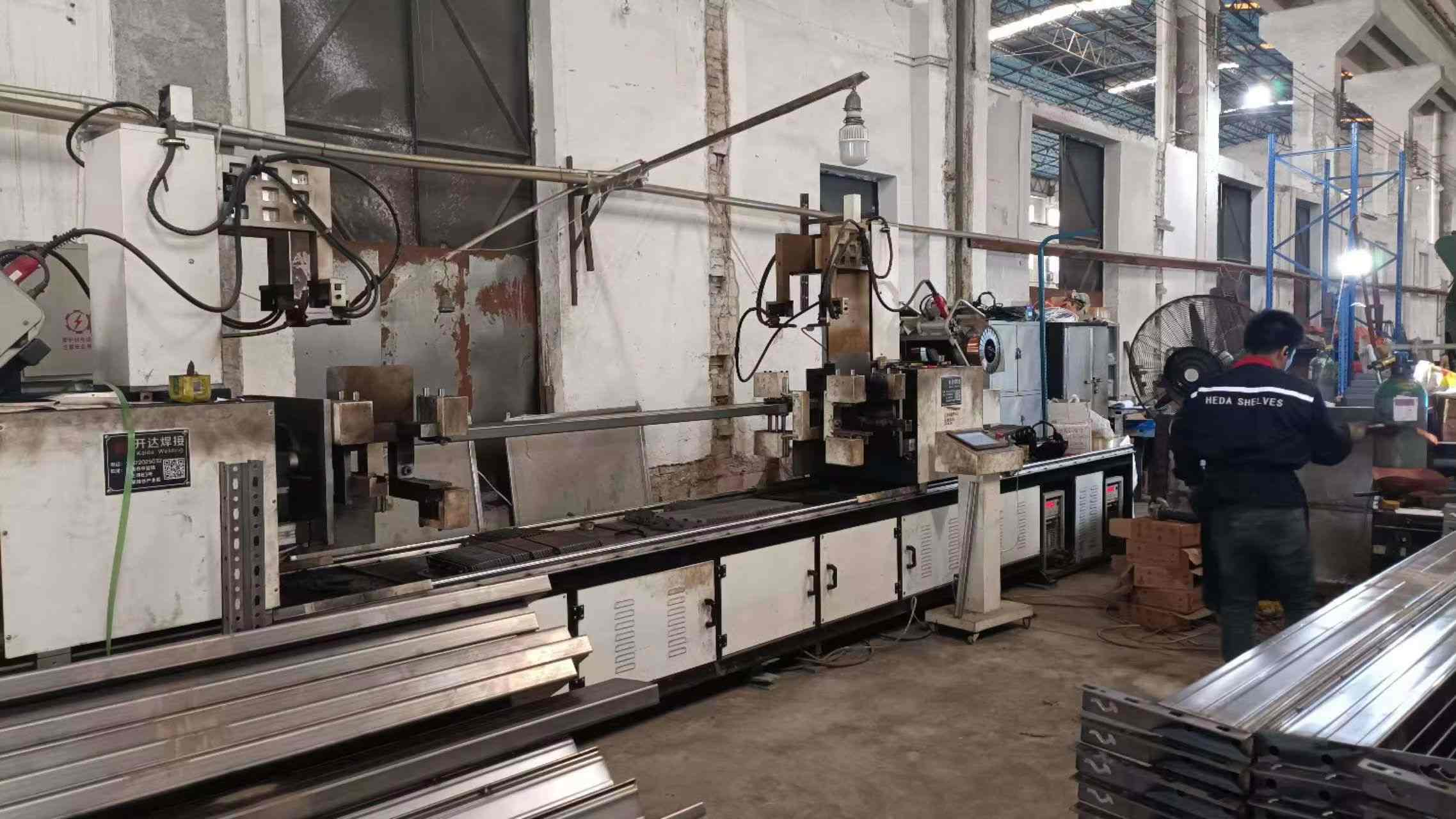
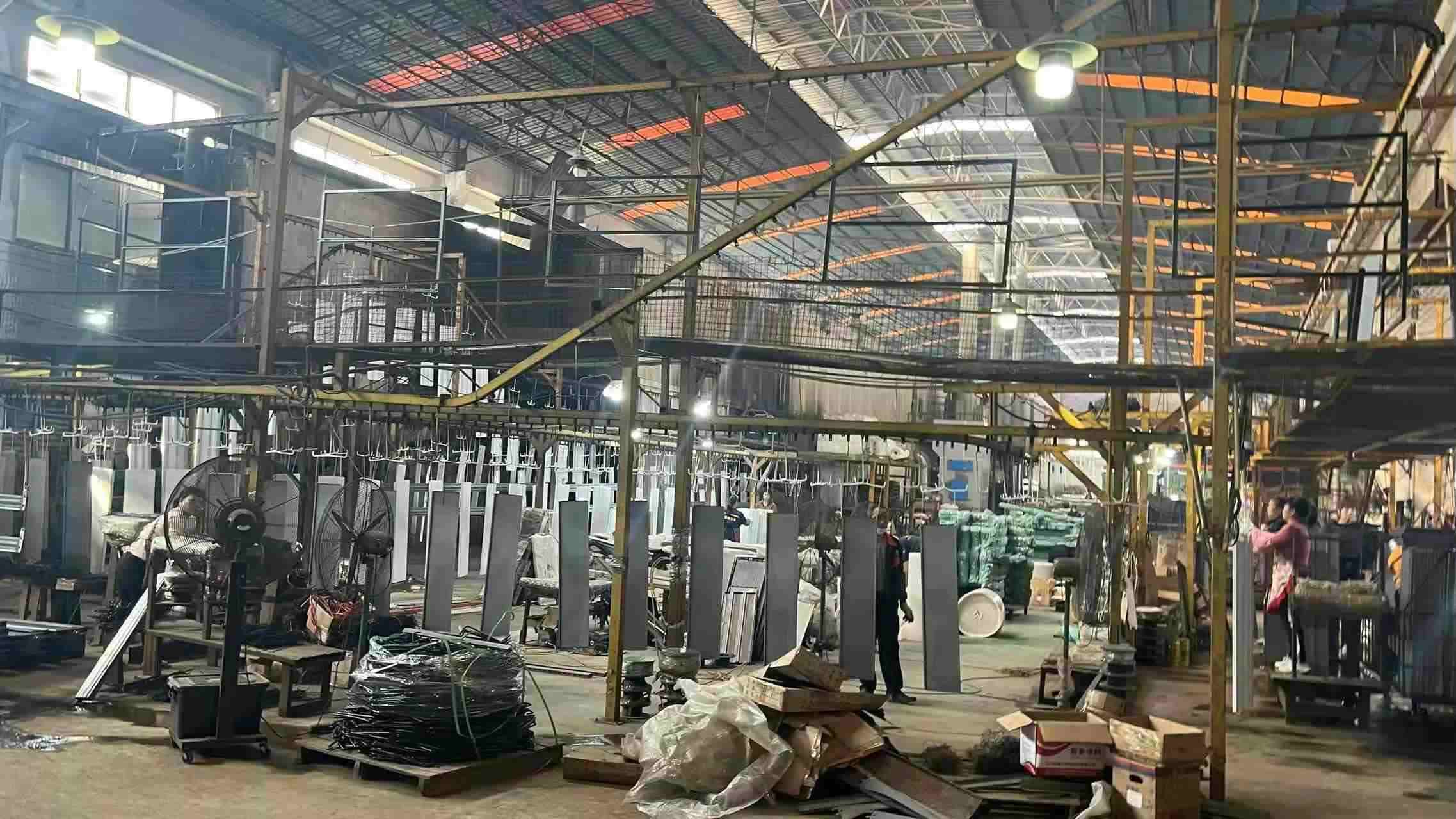
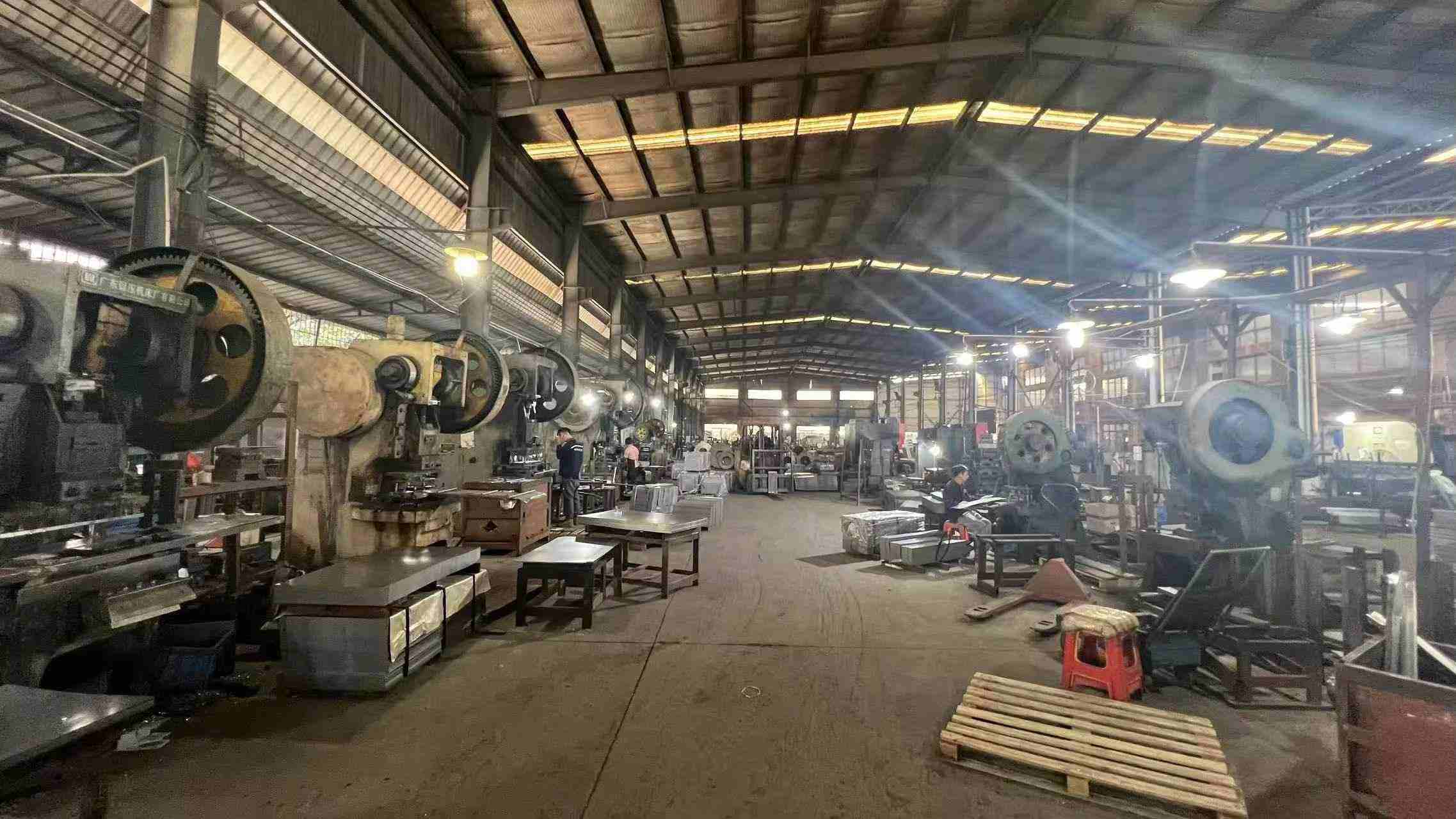
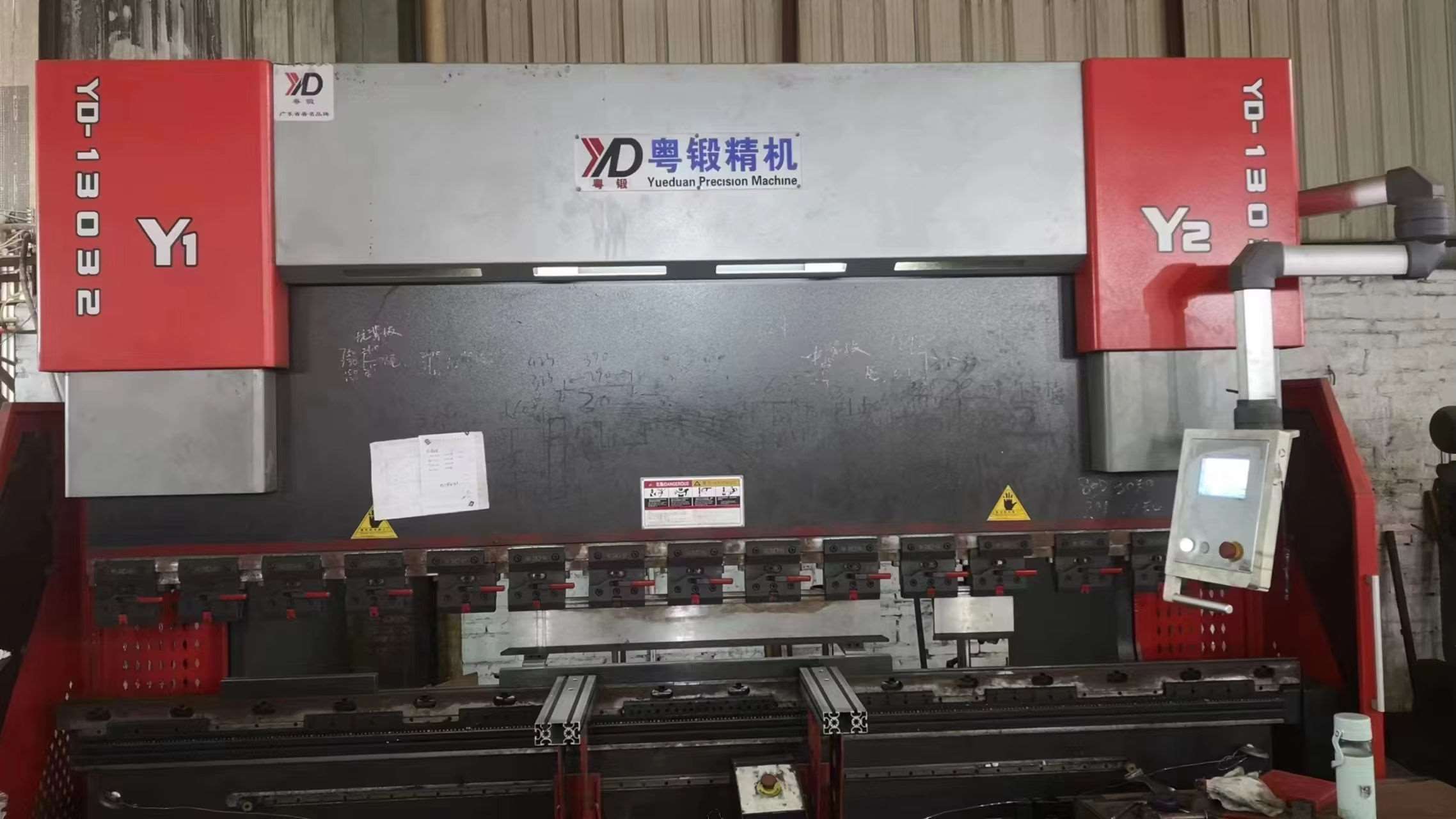
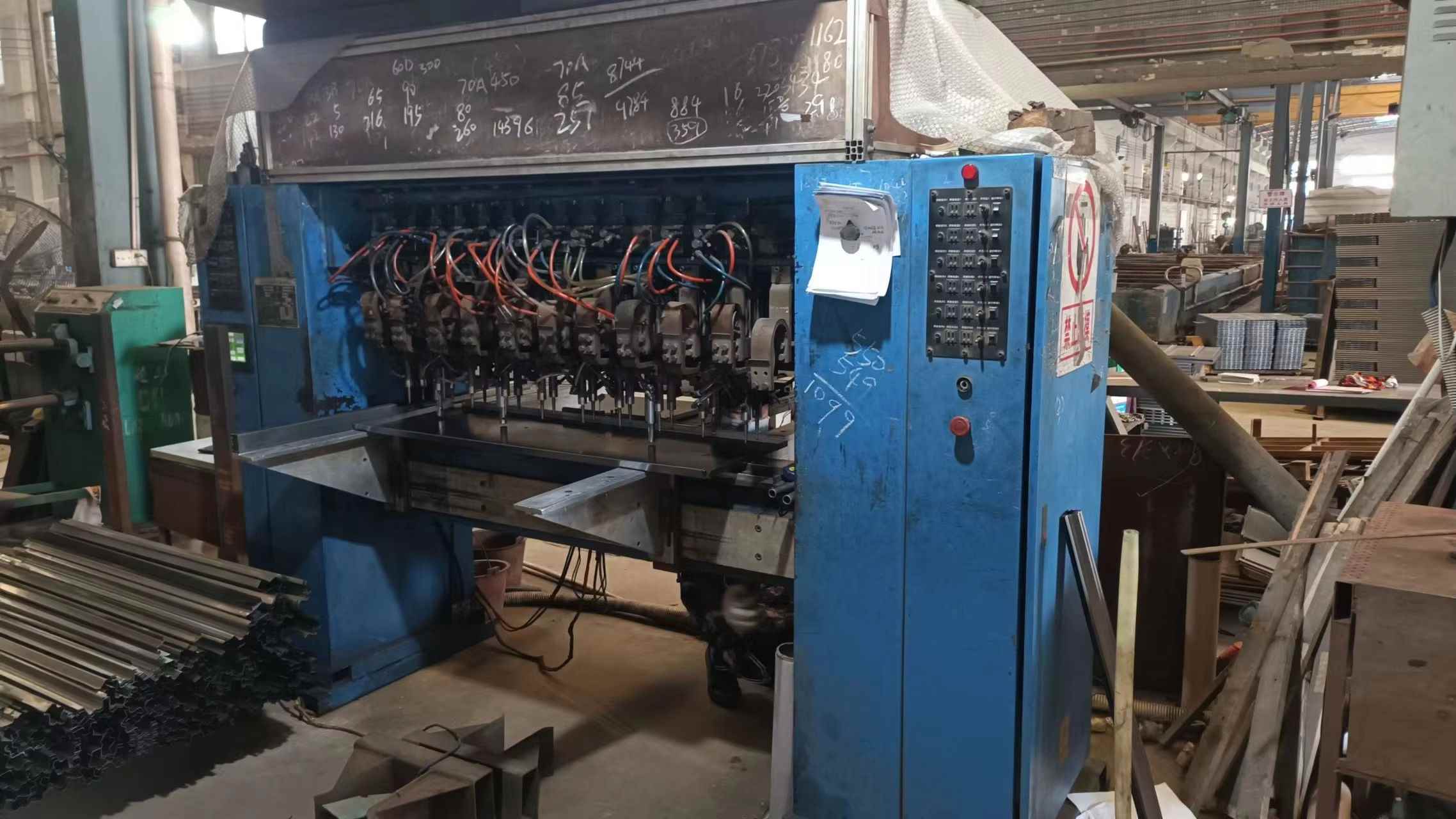
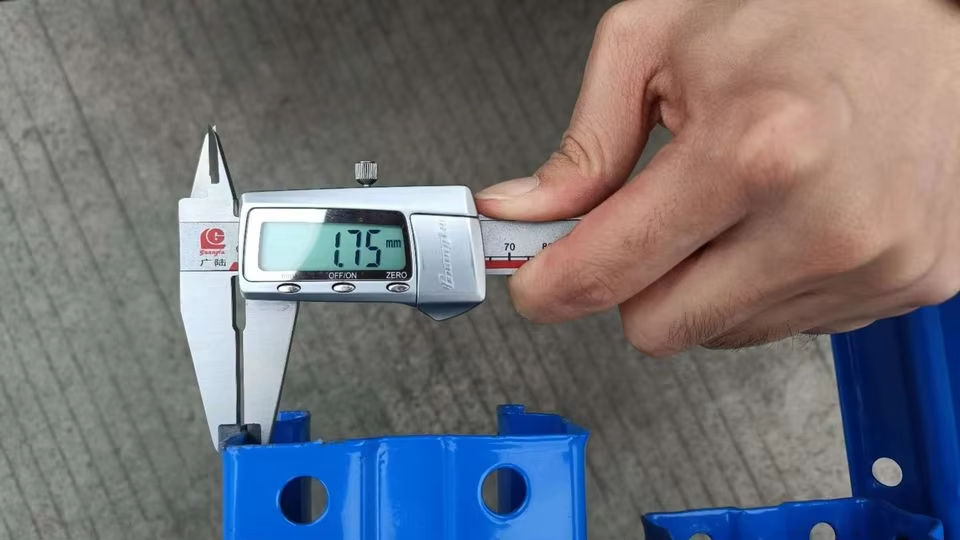
How Heda systems are customized to match the unique material characteristics and space demands of Verona's key economic sectors.
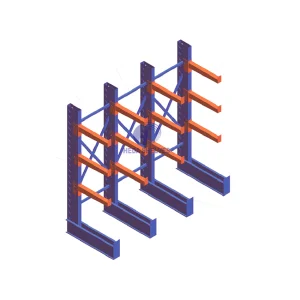
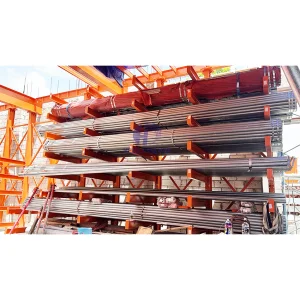
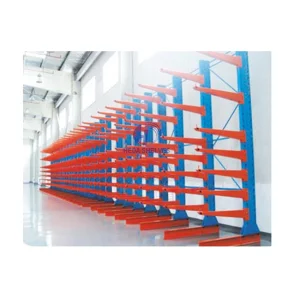
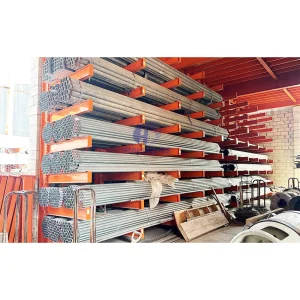
Verona's stone processing hubs (such as Sant'Ambrogio di Valpolicella) handle heavy, raw granite and marble blocks. Traditional shelving is inadequate for these applications. Our custom heavy-duty cantilever racks feature high-yield structural profiles and reinforced vertical columns. These configurations can support heavy structural loads, providing forklift operators with a secure system for loading and retrieving stone slabs.
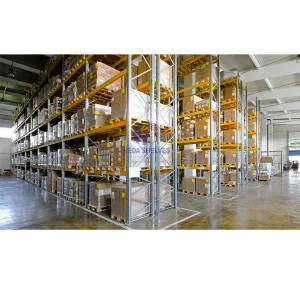
Valpolicella, Bardolino, and Soave wines require precise batch management and gentle handling. Our pallet racking systems are built for LIFO/FIFO storage. They allow quick access to individual pallets, facilitating rapid loading and inventory rotations. Corrosion-resistant coatings protect the racking systems in high-humidity barrel storage and temperature-controlled bottling warehouses.
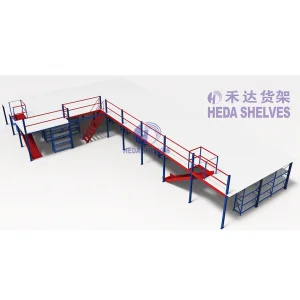
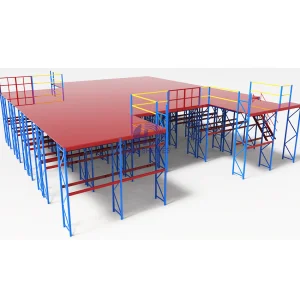
Large intermodal 3PL centers need to manage a high volume of small components. Heda's multi-tier mezzanine floor racking systems double or triple the usable footprint of existing facilities. This setup allows warehouse operators to process and pack orders without changing the building's exterior structure.
Explore our complete range of certified storage equipment, designed for heavy-duty commercial applications.
Key considerations for industrial procurement officers managing logistics installations.
Sourcing directly from our ISO-certified factory ensures access to high-grade steel. We perform tensile tests to ensure structural integrity under sustained loads. This focus on material quality prevents premature fatigue, safeguarding stored assets and staff.
We work with enterprise clients to plan storage layouts based on their material flow profiles. Choosing the appropriate configuration—selective racking for high stock keeping unit (SKU) counts, or drive-in racking for high-density bulk storage—helps reduce overall warehousing costs per square meter.
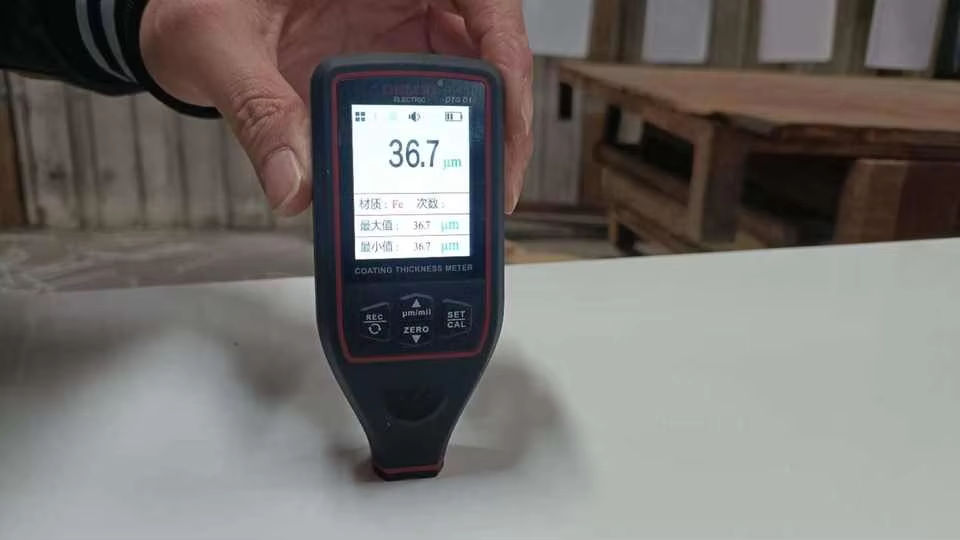
Our electrostatic powder coating systems are designed to withstand tough industrial environments. We pre-treat steel with acid washing and parkerising to provide rust protection, helping to prevent paint peeling and structural corrosion in humid or cold storage facilities.
Shenzhen Heda handles logistics from factory packaging to container loading, ensuring damage-free delivery to European hubs. We provide clear installation manuals and technical support to assist local contracting teams in Verona during assembly.
Technical guidance on regulatory compliance, structural capacity, and customization options for industrial racking systems.
Yes. Every racking project designed for the Italian market is calculated using specialized finite element analysis (FEM). We calibrate structural dimensions, baseplate anchoring, and vertical cross-bracing configurations to align with the local ground acceleration parameters outlined in Italy's NTC 2018 and the European standard EN 15512.
We source certified structural steel from major domestic mills, using grades Q235B and Q345B (mechanical equivalents to European S235JR and S355JR). These grades provide a balance of tensile strength and elasticity, which are critical for heavy-duty upright frames and cantilever support arms.
Our quality assurance team performs regular loading stress testing on upright frames and beams. We follow design safety margins that exceed the nominal load limits, helping to prevent structural failures in high-traffic commercial environments.
Yes. We specialize in custom OEM and ODM configurations. Our design department can adapt column spacing, bay heights, and load capacities to match your existing material handling equipment (such as narrow-aisle forklifts, reach trucks, or AGVs).
Our typical factory production timeframe is 20 to 25 days from layout confirmation to container dispatch. Sea freight transit from Shenzhen Port to Italian destination ports (such as Venice, Genoa, or La Spezia) takes approximately 30 to 35 days, followed by inland rail or road transfer to Verona.
We perform acid-washing and parkerising before applying our electrostatic powder coating. For cold storage and outdoor applications, we offer hot-dip galvanized steel options, providing long-term protection against rust, moisture, and chemical exposure.
 Hedaracking